
DIABETES FOR FINALS Dr Emma Hodgkins FY 1

DIABETES FOR FINALS Dr Emma Hodgkins, FY 1
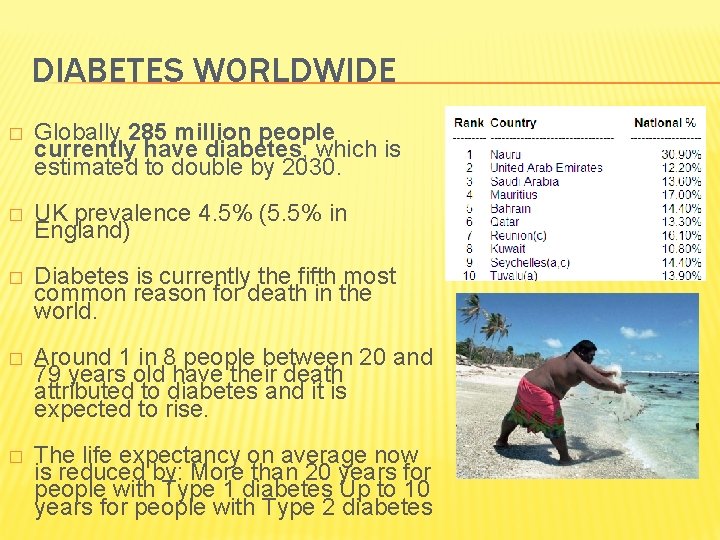
DIABETES WORLDWIDE � Globally 285 million people currently have diabetes, which is estimated to double by 2030. � UK prevalence 4. 5% (5. 5% in England) � Diabetes is currently the fifth most common reason for death in the world. � Around 1 in 8 people between 20 and 79 years old have their death attributed to diabetes and it is expected to rise. � The life expectancy on average now is reduced by: More than 20 years for people with Type 1 diabetes Up to 10 years for people with Type 2 diabetes
WHAT ARE THE DIAGNOSTIC CRITERIA FOR DIABETES?
CRITERIA FOR DIAGNOSING DIABETES � � Fasting Glucose > 7 mmol/L Random glucose >11. 1 mmol/mol 2 h glucose >11. 1 in an OGTT Hb. A 1 c > 6. 5% (48 mmol/mol) ‘Pre-diabetes’ � Impaired glucose tolerance = 2 h glucose 7 -11. 1 � Impaired fasting glucose = fasting 6. 1 -7. 0
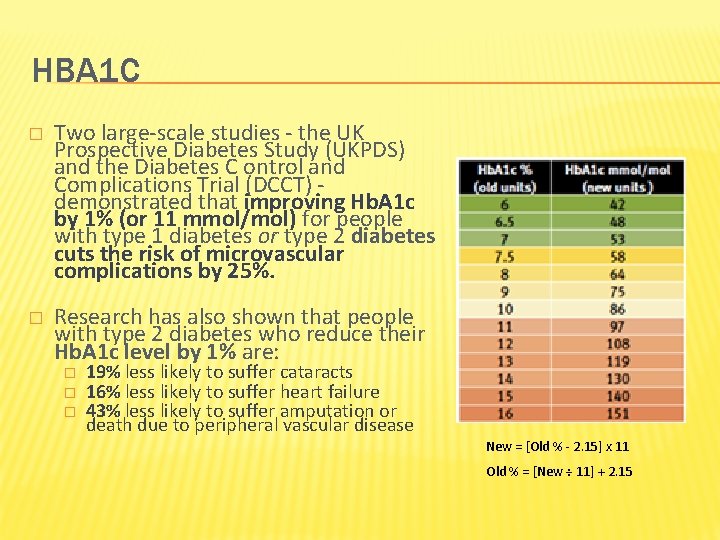
HBA 1 C � Two large-scale studies - the UK Prospective Diabetes Study (UKPDS) and the Diabetes C ontrol and Complications Trial (DCCT) - demonstrated that improving Hb. A 1 c by 1% (or 11 mmol/mol) for people with type 1 diabetes or type 2 diabetes cuts the risk of microvascular complications by 25%. � Research has also shown that people with type 2 diabetes who reduce their Hb. A 1 c level by 1% are: � � � 19% less likely to suffer cataracts 16% less likely to suffer heart failure 43% less likely to suffer amputation or death due to peripheral vascular disease New = [Old % - 2. 15] x 11 Old % = [New ÷ 11] + 2. 15

HOW DO YOU MANAGE DKA?
DKA � Diagnostic criteria: all three of the following must be present � capillary blood glucose above 11 mmol/L � capillary ketones above 3 mmol/L or urine ketones ++ or more � venous p. H less than 7. 3 and/or bicarbonate less than 15 mmol/L
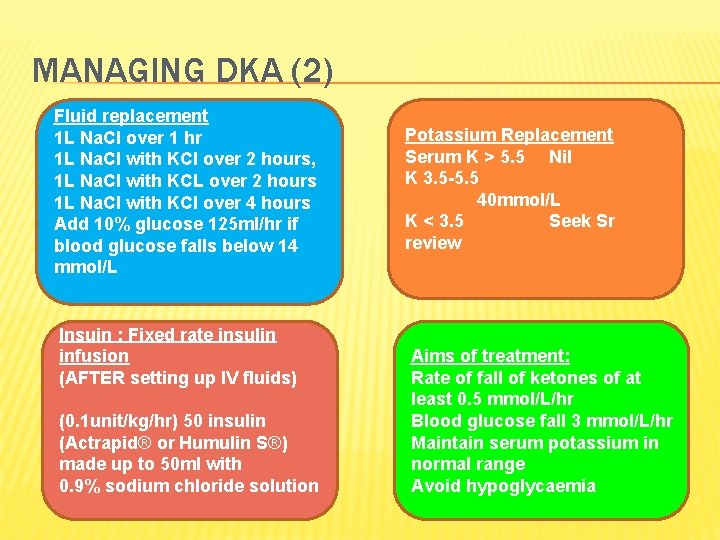
MANAGING DKA (2) Fluid replacement 1 L Na. Cl over 1 hr 1 L Na. Cl with KCl over 2 hours, 1 L Na. Cl with KCL over 2 hours 1 L Na. Cl with KCl over 4 hours Add 10% glucose 125 ml/hr if blood glucose falls below 14 mmol/L Insuin : Fixed rate insulin infusion (AFTER setting up IV fluids) (0. 1 unit/kg/hr) 50 insulin (Actrapid® or Humulin S®) made up to 50 ml with 0. 9% sodium chloride solution Potassium Replacement Serum K > 5. 5 Nil K 3. 5 -5. 5 40 mmol/L K < 3. 5 Seek Sr review Aims of treatment: Rate of fall of ketones of at least 0. 5 mmol/L/hr Blood glucose fall 3 mmol/L/hr Maintain serum potassium in normal range Avoid hypoglycaemia
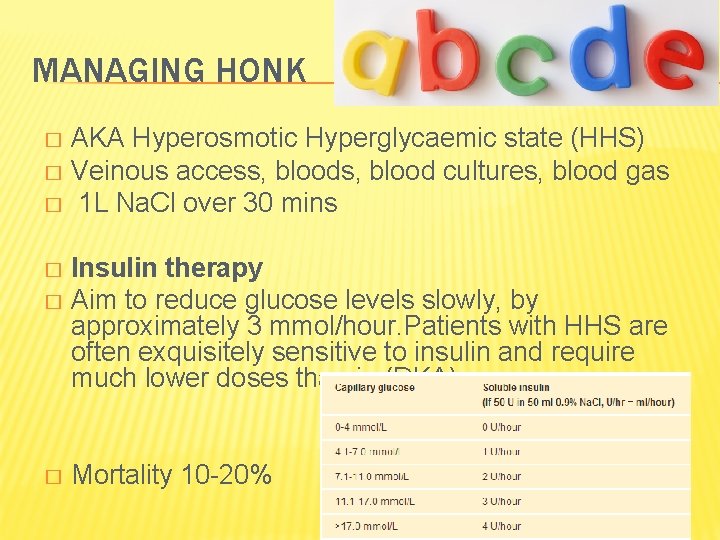
MANAGING HONK AKA Hyperosmotic Hyperglycaemic state (HHS) � Veinous access, blood cultures, blood gas � 1 L Na. Cl over 30 mins � Insulin therapy � Aim to reduce glucose levels slowly, by approximately 3 mmol/hour. Patients with HHS are often exquisitely sensitive to insulin and require much lower doses than in (DKA). � � Mortality 10 -20%

HOW DO YOU MANAGE HYPOGLYCAEMIA?
MANAGING HYPOS � If Low GCS: � Protect Airway, 15 L O 2 � IV access � 50 l 50% glucose STAT � (100 of 20%, 200 of 10%) � For large insulin OD give 1 mg of glucagon SC/IM/IV � Should respond in 10 min � 1 L 10% glucose over 4 -8 h � Aim for BM > 5 � If GCS 15 Oral glucose (120 ml lucuzade, HYPOSTOP/ Glucogel) � This only lasts 1 h so give a sandwich too! � Monitor finger prick glucose 1 -2 hrly until stable �

WHAT ARE THE STAGES OF DIABETIC RETINOPATHY?
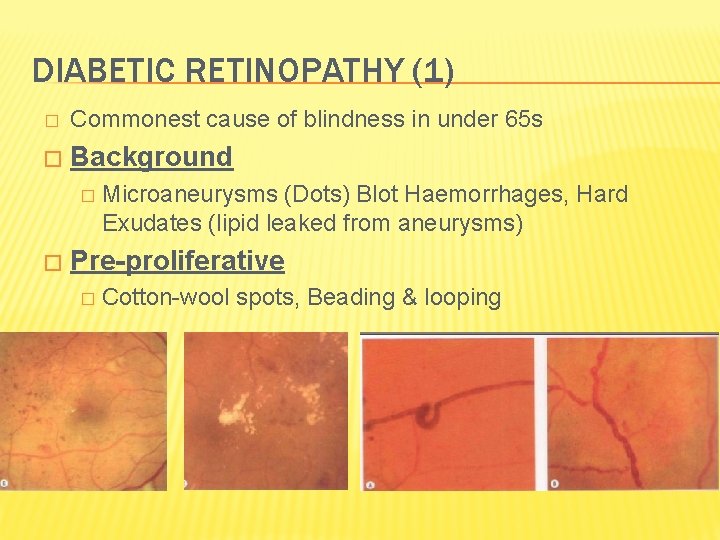
DIABETIC RETINOPATHY (1) � Commonest cause of blindness in under 65 s � Background � � Microaneurysms (Dots) Blot Haemorrhages, Hard Exudates (lipid leaked from aneurysms) Pre-proliferative � Cotton-wool spots, Beading & looping
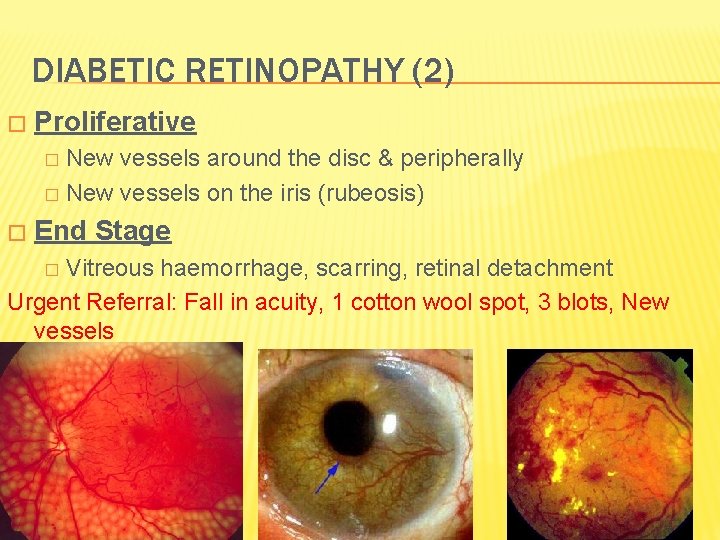
DIABETIC RETINOPATHY (2) � Proliferative New vessels around the disc & peripherally � New vessels on the iris (rubeosis) � � End Stage Vitreous haemorrhage, scarring, retinal detachment Urgent Referral: Fall in acuity, 1 cotton wool spot, 3 blots, New vessels �

HOW DOES DIABETIC NEPHROPATHY OCCUR?
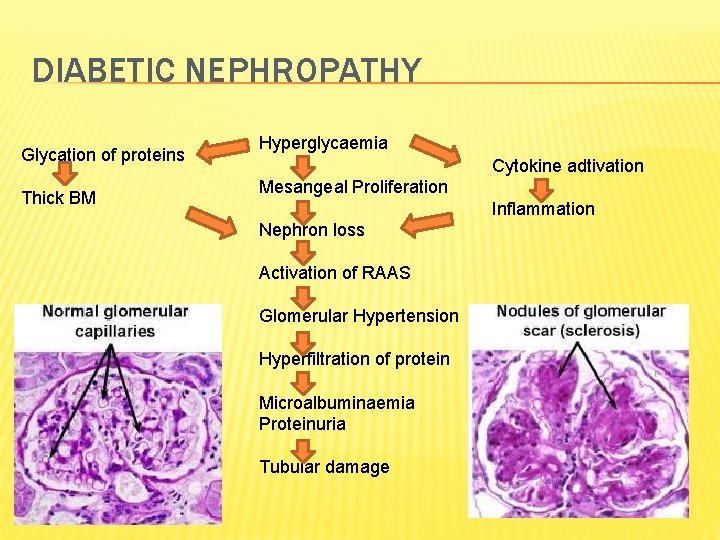
DIABETIC NEPHROPATHY Glycation of proteins Thick BM Hyperglycaemia Cytokine adtivation Mesangeal Proliferation Inflammation Nephron loss Activation of RAAS Glomerular Hypertension Hyperfiltration of protein Microalbuminaemia Proteinuria Tubular damage
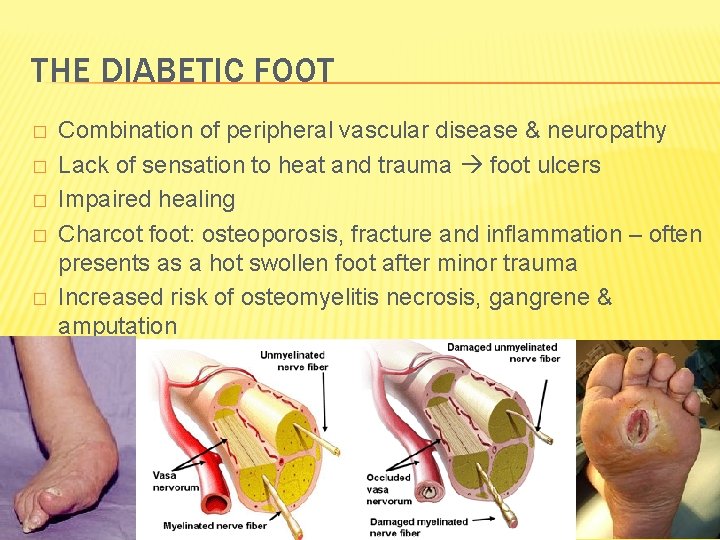
THE DIABETIC FOOT � � � Combination of peripheral vascular disease & neuropathy Lack of sensation to heat and trauma foot ulcers Impaired healing Charcot foot: osteoporosis, fracture and inflammation – often presents as a hot swollen foot after minor trauma Increased risk of osteomyelitis necrosis, gangrene & amputation

WHAT IS YOUR LONG TERM MANAGEMENT STRATEGY FOR DIABETES?
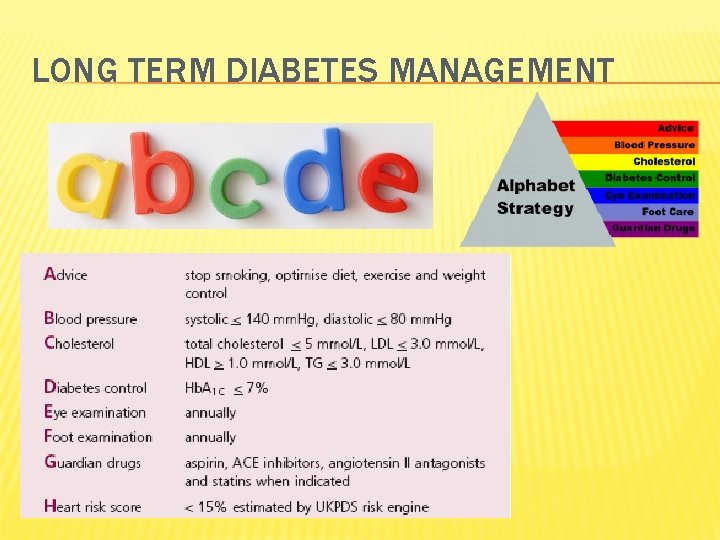
LONG TERM DIABETES MANAGEMENT
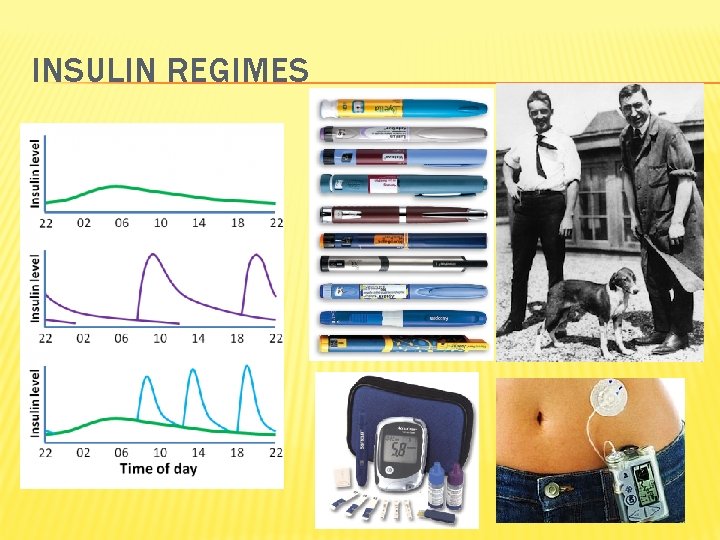
INSULIN REGIMES
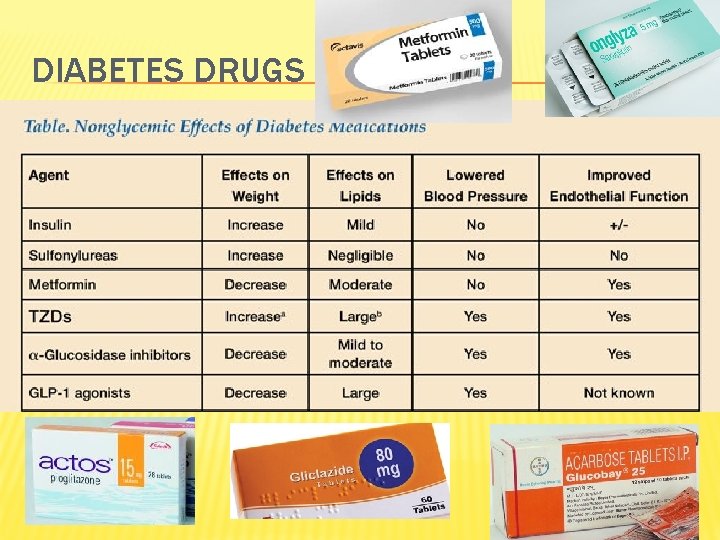
DIABETES DRUGS
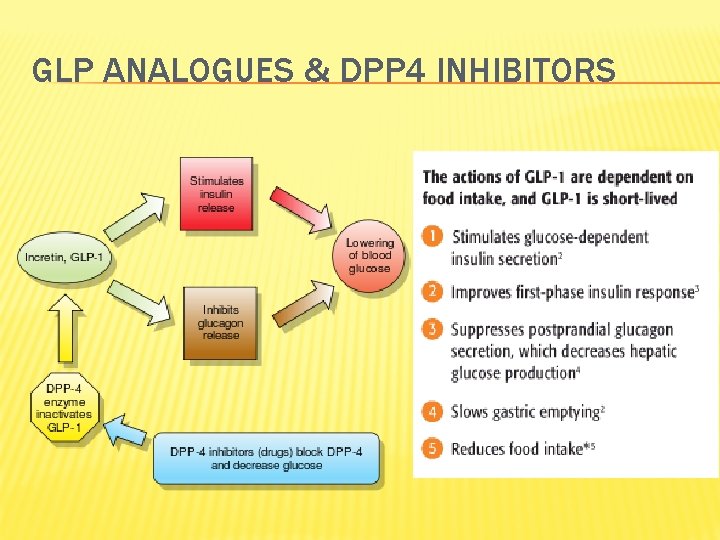
GLP ANALOGUES & DPP 4 INHIBITORS
REFERENCES � � � ABC of diabetes Oxford handbook of the foundation programme Oxford handbook of clinical medicine Dr Clarke- Medicine http: //www. bsped. org. uk/clinical/docs/jbdsdkaguidelines_ma y 11. pdf DKA guideline http: //www. bsped. org. uk/professional/guidelines/docs/DKAG uideline. pdf Paeds DKA

- Slides: 24