
DEWEY INTERNATIONAL UNIVERSITY An Introduction to Critical Thinking
















- Slides: 81
ស កលវទយ លយអនតរជ ត ឌវ DEWEY INTERNATIONAL UNIVERSITY An Introduction to Critical Thinking and Creativity Term: July 30 th, 2016 Pro. CHHUM Puthe, B. Ed. and MBA Prepared By: Professors of DIU
Introduction I. The professor’s Profile a. Personal data b. Educational qualification c. Working experience d. Future plans for more educational qualification and working experience e. Final Future plans: 1. Professor 2. Farming
Introduction II. The student’s profile a. Personal data b. Educational qualification c. Working experience d. Future plans for more educational qualification and working experience e. Final Future plans: 1. Professor 2. Farming
Introduction to Critical Thinking and Creativity Course Title: Introduction to Critical Thinking and Creativity 2. Credit: 3 credits, 45 hours (including exams) 3. Course Objectives: - Identify Critical Thinking and Creativity - Defining Critical Thinking and Creativity methods to effective good thinking. - Understand different principles and theory as well as process in Creativity - Understand different ways to problem solving. 1.
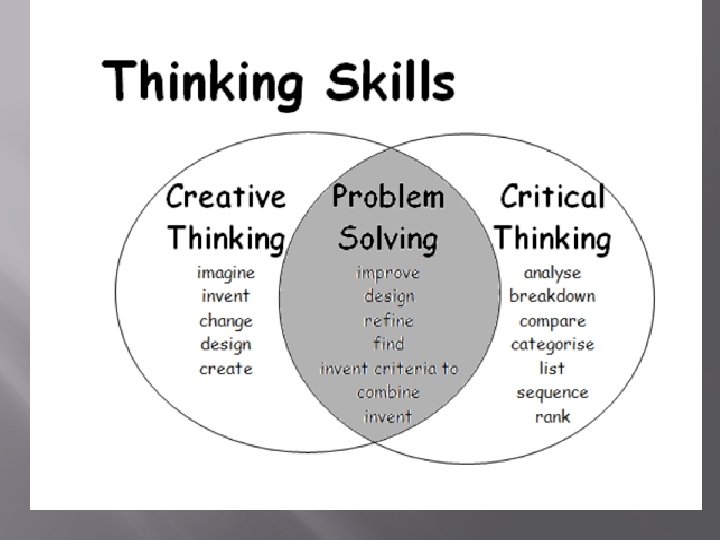
Critical Thinking and Creativity 1. 2. 3. a. b. c. What is Thinking? What is Critical Thinking? What is Creativity? The process of considering or reasoning about something. The objective analysis and evaluation of an issue in order to form a judgment. The use of imagination or original ideas to create something; inventiveness.
Introduction to Critical Thinking and Creativity 4. Course description: The course studies the importance of attitudes. It gives students an opportunity to identify and practice Critical Thinking and Creativity as well as observe the situation for good thinking to specially the problem solving.
Main Points To Share! 1. Chapter 1: Introduction 1. Thinking Skills in the Age of Globalization 2. Misconceptions about Critical Thinking 3. Improving Our Thinking a. Theory b. Practice c. Attitude 4. Exercises
Chapter 1: Introduction � 1. 1 Thinking Skills in the Age of Globalization Whether we like it or not, globalization is changing the way we work and live. First of all, we are increasingly faced with complex problems that affect the whole world, whether it is global warming, pollution, financial crises, or new epidemics. We need good thinking and creative ideas to coordinate efforts to solve these problems.
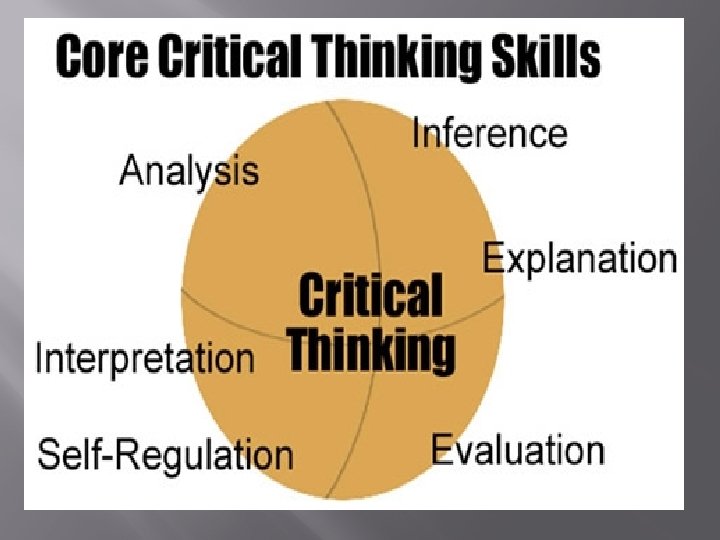
Chapter 1: Introduction (con. ) But what do we mean by good thinking skills? Basically, It comes down to two things- Critical Thinking and – Creativity. Critical Thinking is thinking clearly and rationally. It involves thinking precisely and systematically, and following the rules of logic )តកក) and scientific reasoning (មលហ តវទយ ស ស តរ ), among other things.
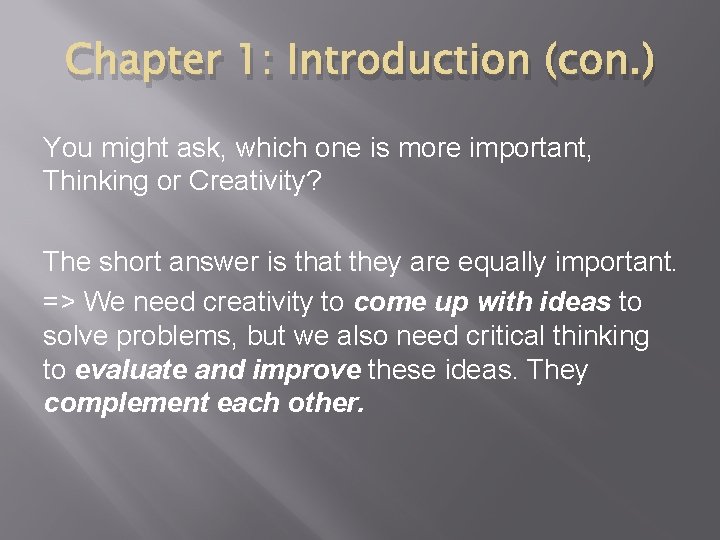
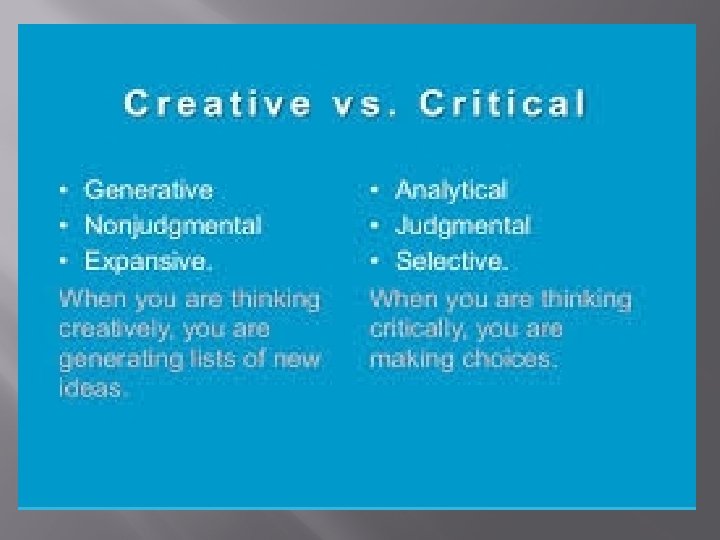
Chapter 1: Introduction (con. ) You might ask, which one is more important, Thinking or Creativity? The short answer is that they are equally important. => We need creativity to come up with ideas to solve problems, but we also need critical thinking to evaluate and improve these ideas. They complement each other.
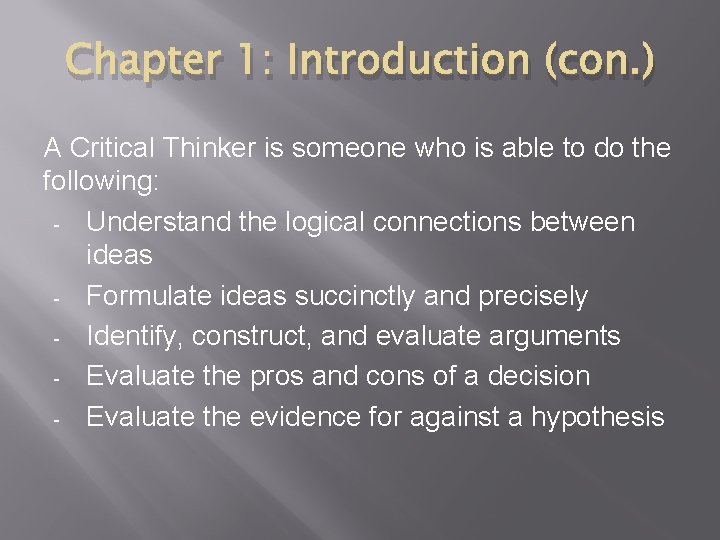
Chapter 1: Introduction (con. ) A Critical Thinker is someone who is able to do the following: - Understand the logical connections between ideas - Formulate ideas succinctly and precisely - Identify, construct, and evaluate arguments - Evaluate the pros and cons of a decision - Evaluate the evidence for against a hypothesis
Chapter 1: Introduction (con. ) - - Detect inconsistences and common mistakes in reasoning Analyze the relevance and importance of ideas Justify one’s beliefs and values Reflect and evaluate one’s thinking skills Critical Thinking skills are essential for all sorts of careers in which we have to communicate ideas, make decisions, analyze, and solve problems.
Chapter 1: Introduction (con. ) “The unexamined life is not worth living. ” The Greek philosopher Socrates once said. One big difference between human beings and other animals is our capacity for self-reflection. We can examine the purpose and meaning of our life and change ourselves accordingly.
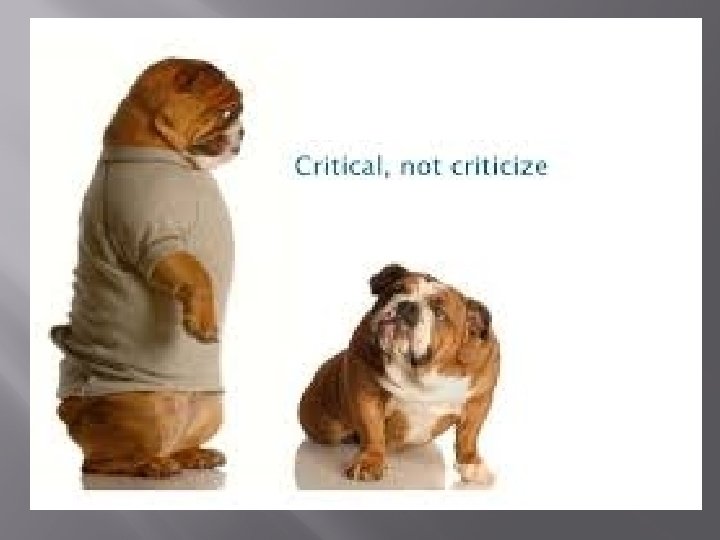
Chapter 1: Introduction (con. ) 1. 2 Some Misconceptions about Critical Thinking means criticizing others all the time, which is not constructive.
Chapter 1: Introduction (con. ) And when other people are wrong, critical thinking helps us recognize the mistakes being made. Sometimes we have to be polite, and sometimes we can help people reason better not by criticizing them but by other indirect means- for example, by giving hints and suggestions. A critical thinker can be sympathetic and constructive rather than confrontational.
Chapter 1: Introduction (con. ) Another objection to critical thinking is that is not practically useful because people in real life do not listen to reason. For example: love and friendship.
Chapter 1: Introduction (con. ) 1. 3 Improving Our Thinking Good critical thinking is a cognitive skill. 1. Learning theory 2. Keeping practice 3. Attitude
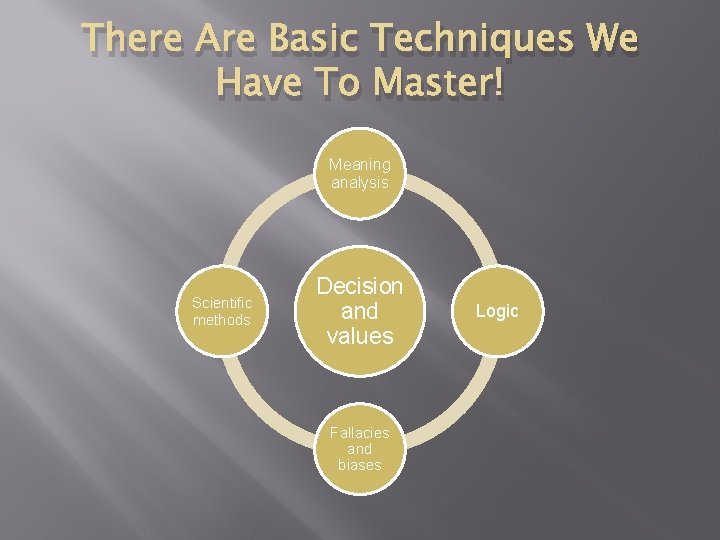
There Are Basic Techniques We Have To Master! Meaning analysis Scientific methods Decision and values Fallacies and biases Logic
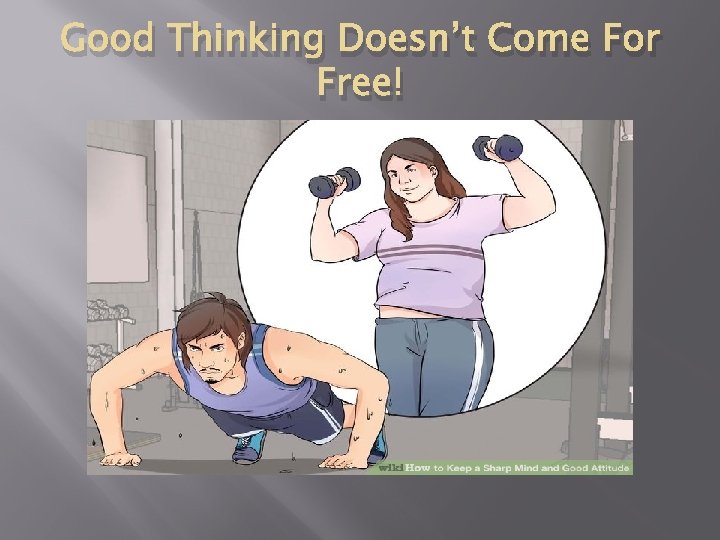
Good Thinking Doesn’t Come For Free!
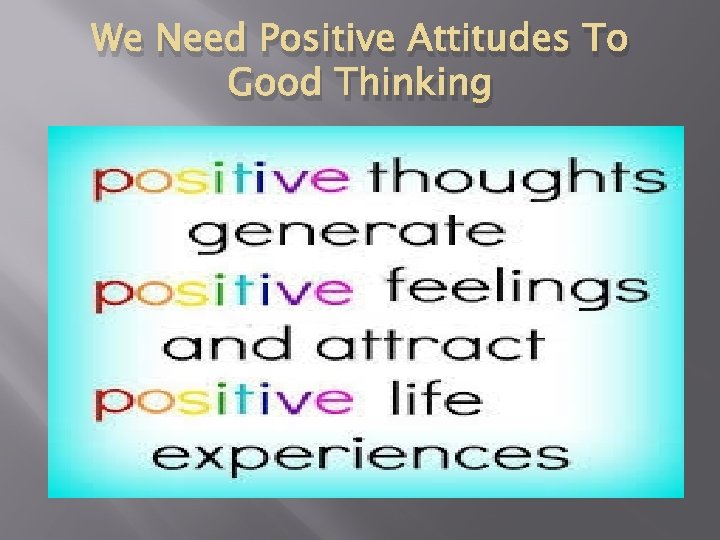
We Need Positive Attitudes To Good Thinking
Independent of Thought
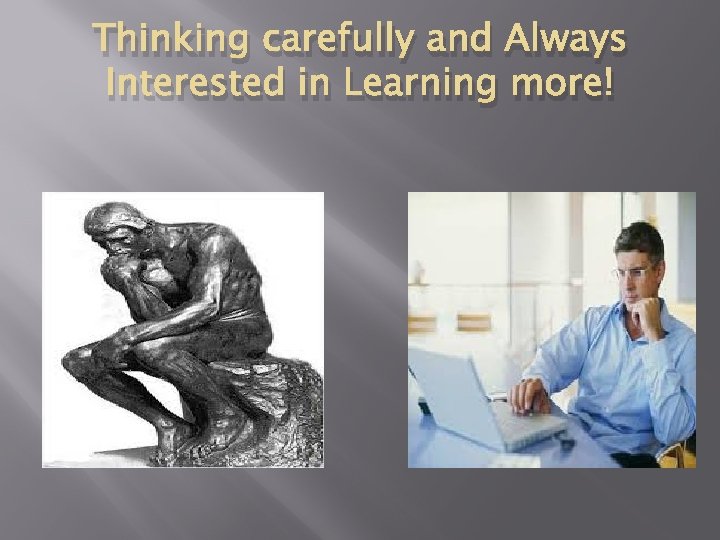
Thinking carefully and Always Interested in Learning more!
Exercises Here are some questions for you to reflect on your thinking attitudes. Which of them are true of you? a. I can improve for thinking skills further. b. The purpose of thinking is not to be right all the time. c. I am not afraid to try out new ideas. d. Thinking takes time and might not be easy. e. I do not enjoy thinking about complicated ideas. f. Thinking is boring and it is better to spend time doing other things. g. Thinking is easy. I just use my gut feelings to make up my mind. h. The point of giving reasons is to show people that they are wrong.
Solutions For The Exercises! As you might guess, the first four are good attitudes and the next four are not. They are meant to have you reflect on your own thinking process. You can also think about whether any of these traits are present in the behavior of the people around you. If so, how do these traits affect their thinking and decisions?
Group Works G 1: Thinking & Writing and Clearly Literal Meaning? G 2: Connecting Ideas? a. Give Examples b. Definitions G 3: Connecting Ideas? c. Identifying Implications d. Compare and Contrast c. Breaking things down
Group Works G 4: Five Tips for Effective Writing and Presentation a. Tip 1: Know your audience b. Tip 2: What is your central message and why is it important? G 5: Five Tips for Effective Writing and Presentation c. Tip 3: Organize your ideas d. Tip 4: Be simple an direct e. Tip 5: Rewrite, rewrite
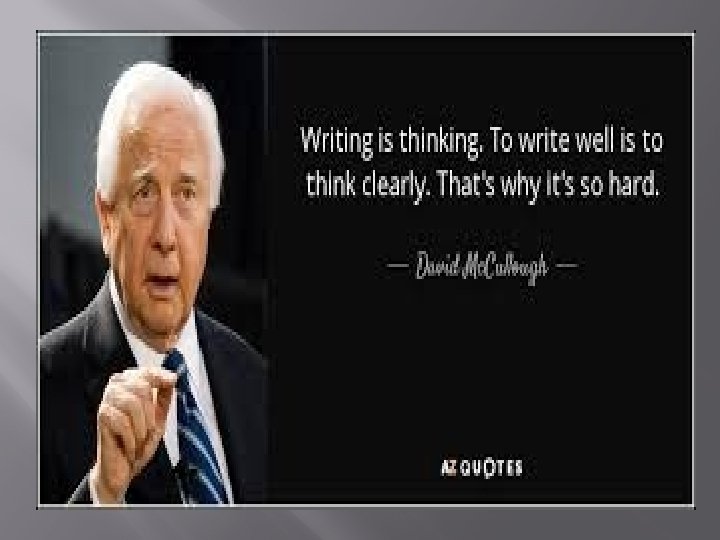
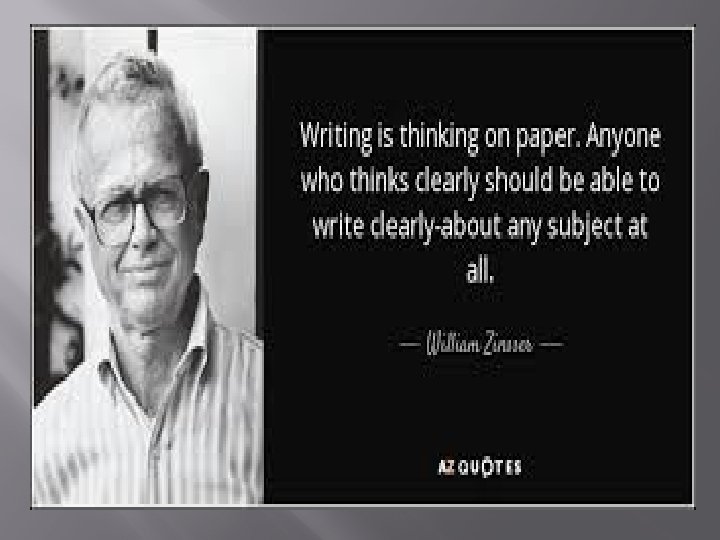
Chapter 2: Thinking and Writing Clearly Writing is Thinking!
Chapter 2: Thinking and Writing Clearly Thinking clearly: Before accepting a claim, pause to think about what it means and whether we understand what it says. Think and Write clearly: Enhance our sensitivity to literal meaning and making connections between ideas.
Chapter 2: Thinking and Writing Clearly 2. 1 Literal Meaning Literal meaning is property of linguistic expressions. Ex: From the bottom of your heart.
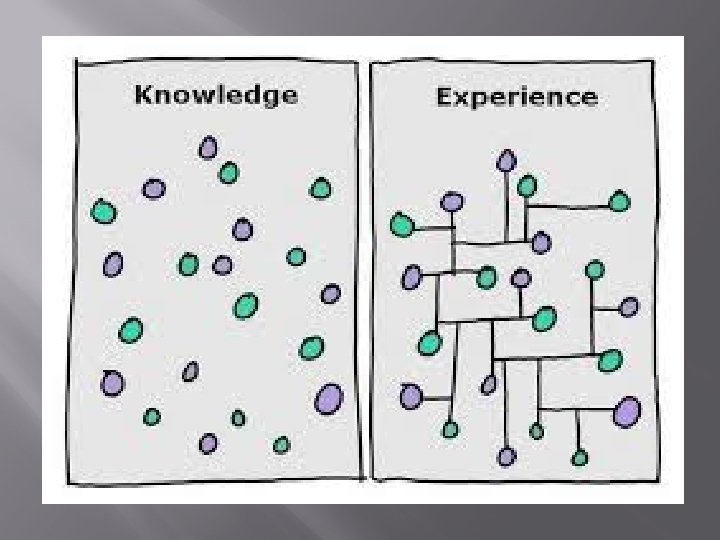
2. 2 Connecting Ideas: To be able to explain our ideas clearly and systematically.
2. 2. 1 Give Examples How children learn words like red and vegetables! Concrete examples are good for illustrating abstract concepts.
2. 2. 2 Definitions: To explain the full meaning of a word.
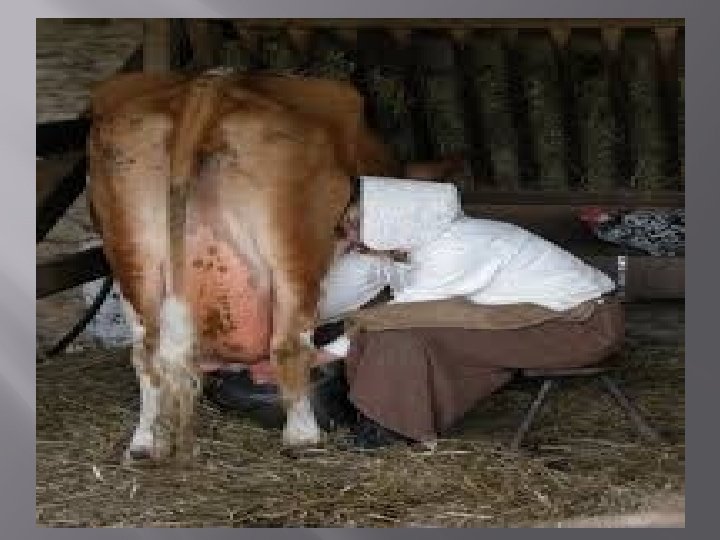
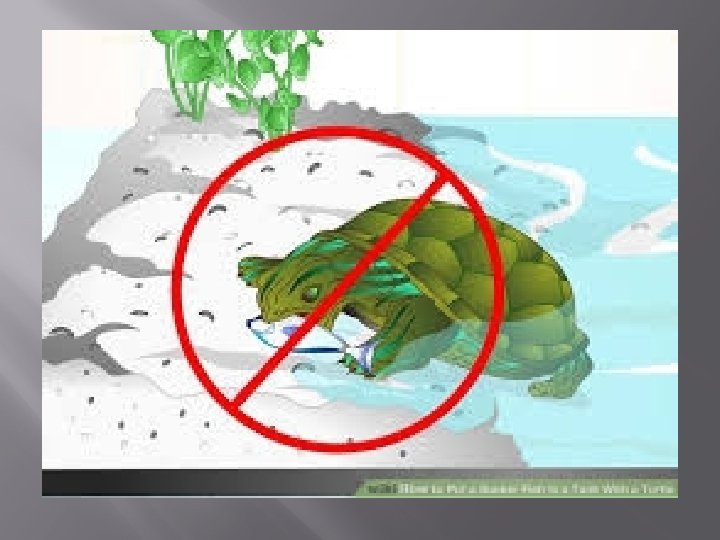
2. 2. 2 Definitions Human beings and cows are examples of mammals. But fish and turtles are not? We need a definition of mammal to explain why?
2. 2. 3 Identifying Implications Identifying implications: To point to their distinctive consequences. Ex: Utilitarianism
2. 2. 3 Identifying Implications The choice that will maximize the great happiness for the greatest number of people.
2. 2. 4 Compare and Contrast Compare and contrast: To explain how sentence P and Q is different in meaning.
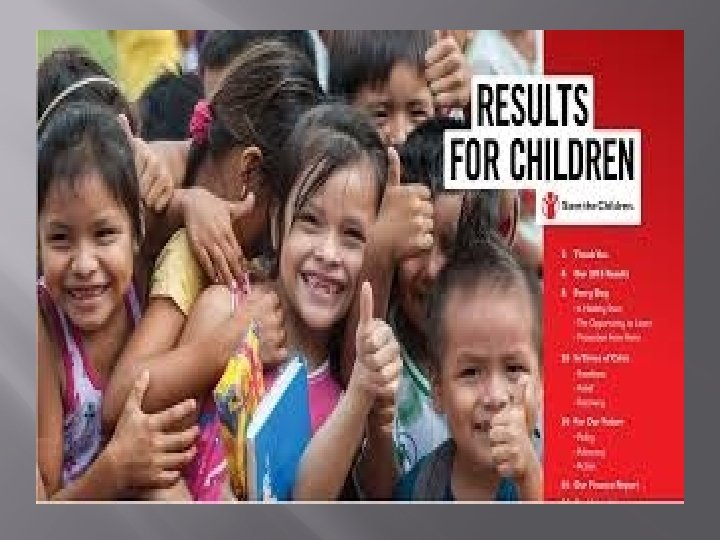
2. 2. 4 Compare and Contrast All charitable organizations are non-profit, notprofit organization need not to be charitable. Charitable one must be for the benefit of the general public.
2. 2. 4 Compare and Contrast An organization that aims to benefit only certain private numbers is not charitable, even if it is not for profit.
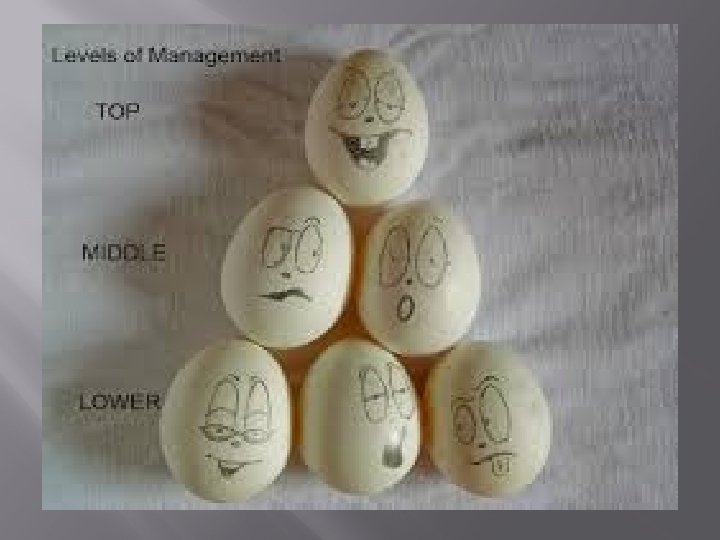
2. 2. 5 Breaking Things Down Breaking things down: To explain the idea into smaller and smaller concepts.
2. 2. 5 Breaking Things Down Breaking down: To explain the idea from the top level to the lower level.
2. 3 Five Steps For Effective Writing And Presentation Effective Writing and Presentation: To design an idea into an attractive and easy way to understand.
Tip 1: Know Your Audience Know your audience: How much do you know your audience? And then focus on the points your audience will find interesting and relevant.
Tip 2: What Is Your Central Message And Why Is It Important? Central message: To provide a thesis statement or main idea or main purpose of the presentation.
Tip 3: Organize Your Ideas Organize your ideas: To do research, to use pointby-point outline, be clear with every part of the ideas.
Research - To gain enough information -> Be able to connect and put the ideas in proper order of presentation.
Tip 4: Be Simple and Direct: To use plain language.
Tip 4: Be Simple and Direct Ex: If there any points on which you require explanation or further particulars we shall be glad to furnish such additional details as may be required by telephone. Our telephone number is 555 -5555. Ex: For enquiries, please call 555 -5555.
Tip 4: Be Simple and Direct Break long sentences: Ex: In order to => to 1. 2. Use active voice: Ex: The customers filed a complaint. Not a complaint was filed by the customer”. 3. Use positive rather than negative Ex: The room was clean. Not the room was not dirty.
Tip 5: Rewrite, Rewrite: To draft, to perfect your draft, to finalize your draft.