
Developments in African American Identity The Great Migration
- Slides: 26
Developments in African American Identity
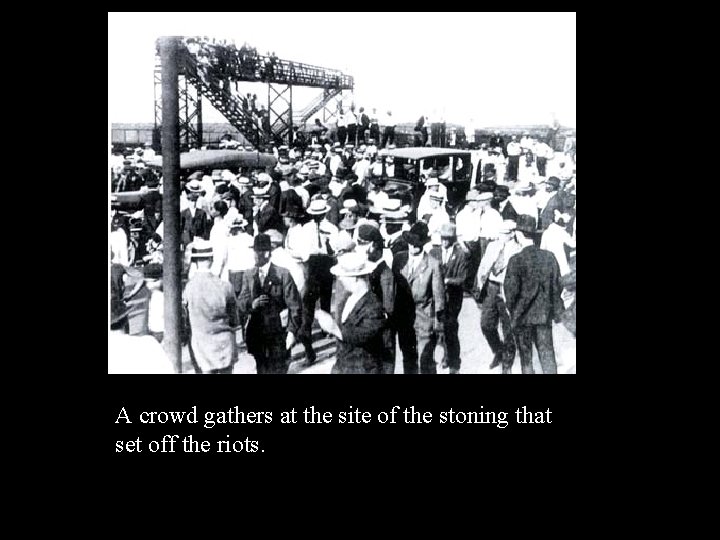
The Great Migration – movement of African Americans from the south to the north, beginning during World War I. Black populations grew significantly in urban areas. They began to express themselves in new ways through art and literature. Initial conflicts: The Chicago Race Riots of 1919 – Let’s do an in class reading about this.
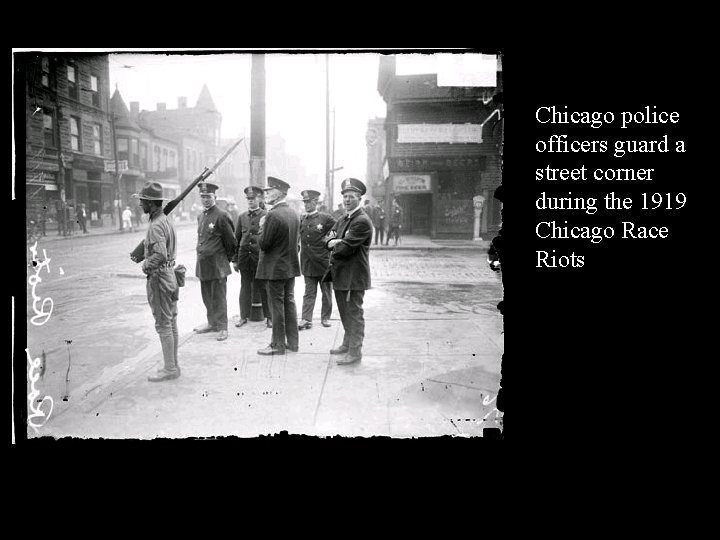
Chicago police officers guard a street corner during the 1919 Chicago Race Riots
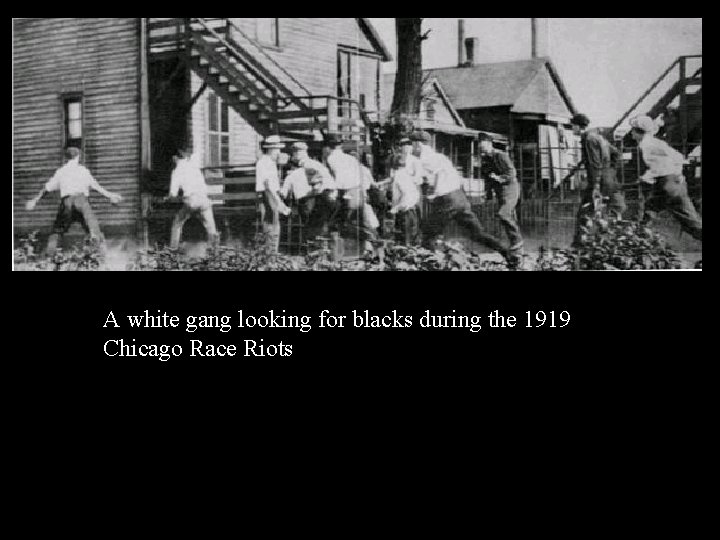
A white gang looking for blacks during the 1919 Chicago Race Riots
A crowd gathers at the site of the stoning that set off the riots.
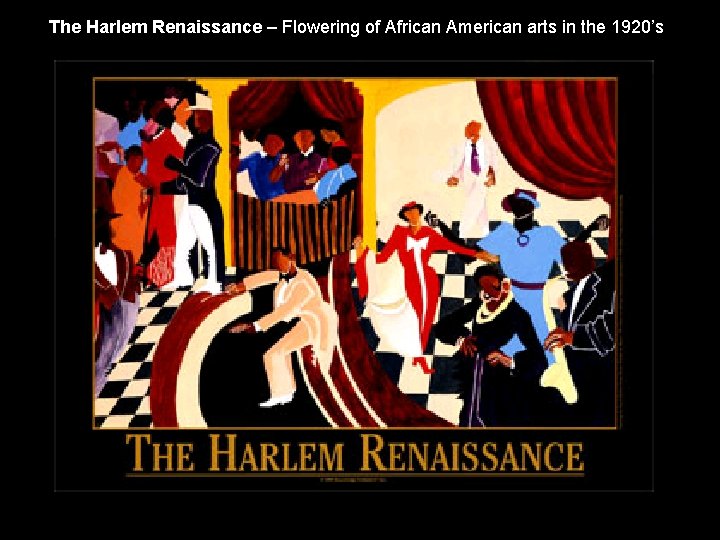
The Harlem Renaissance – Flowering of African American arts in the 1920’s
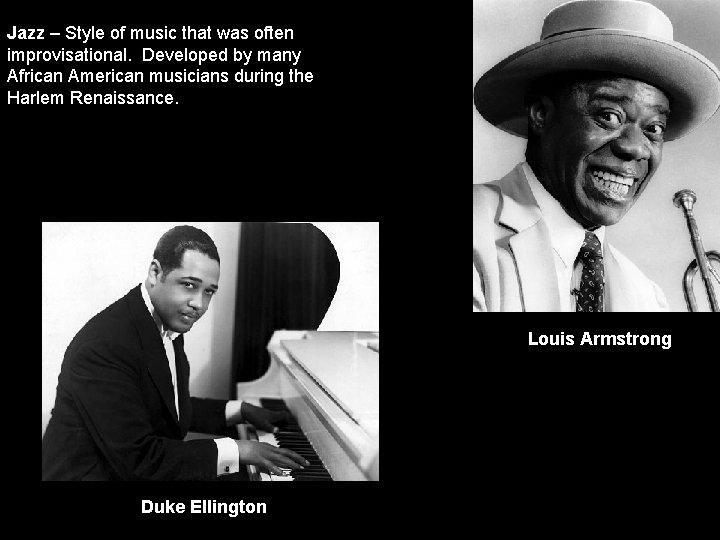
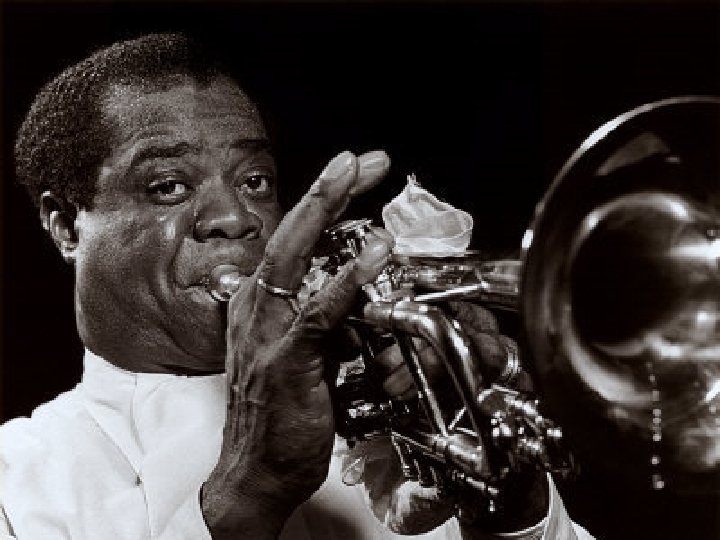
Jazz – Style of music that was often improvisational. Developed by many African American musicians during the Harlem Renaissance. Louis Armstrong Duke Ellington
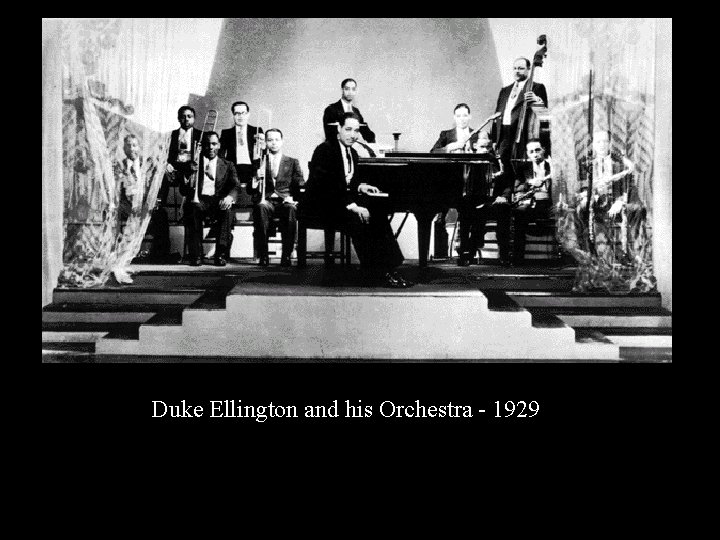
Duke Ellington and his Orchestra - 1929
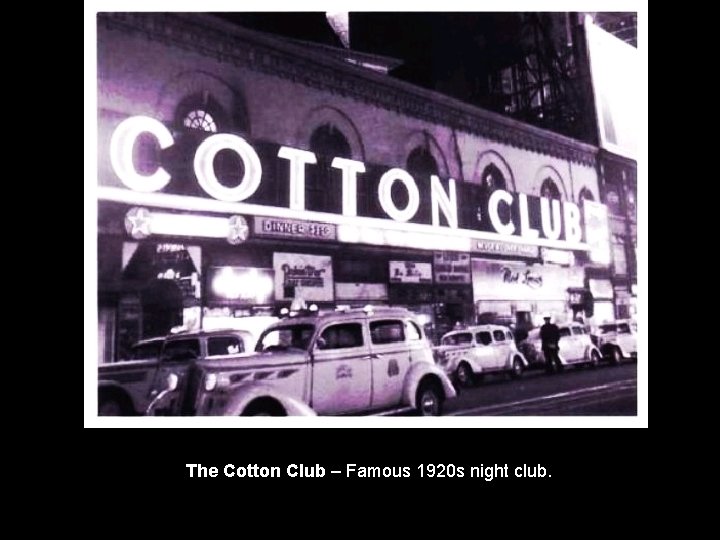
The Cotton Club – Famous 1920 s night club.
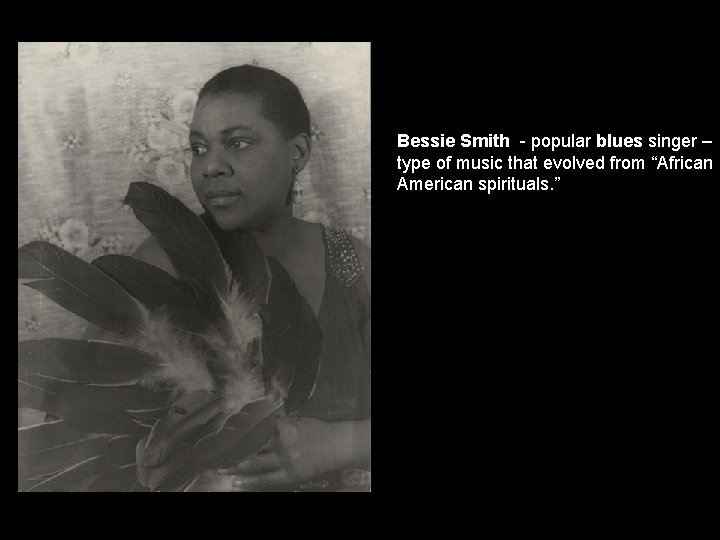
Bessie Smith - popular blues singer – type of music that evolved from “African American spirituals. ”
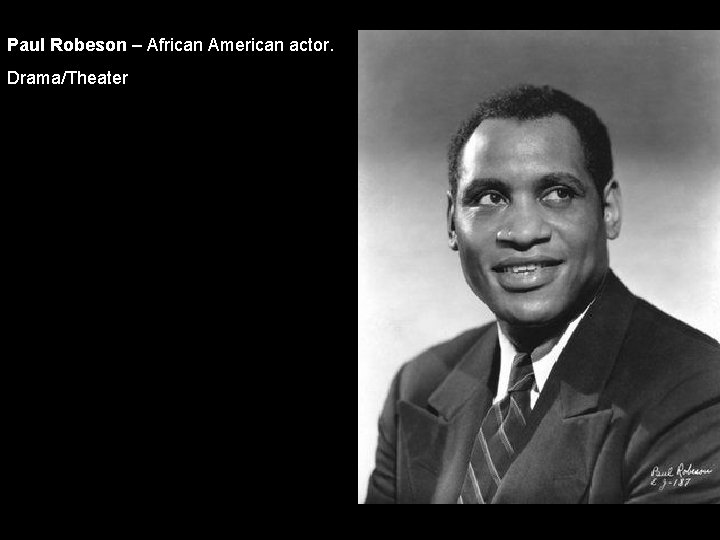
Paul Robeson – African American actor. Drama/Theater
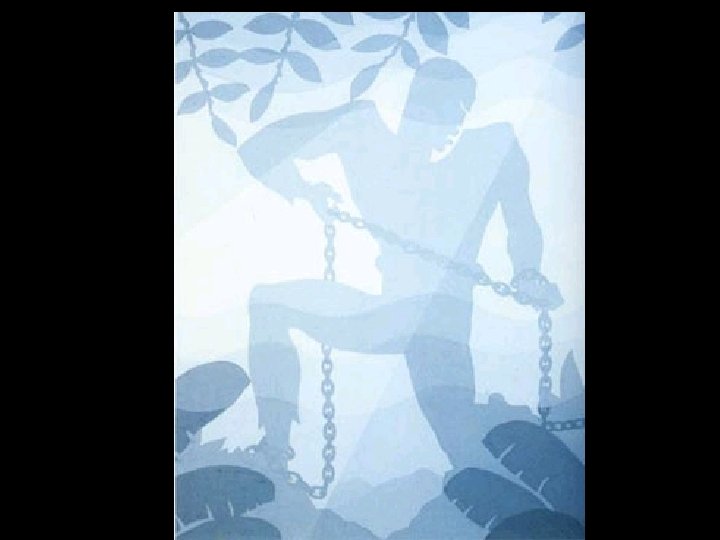
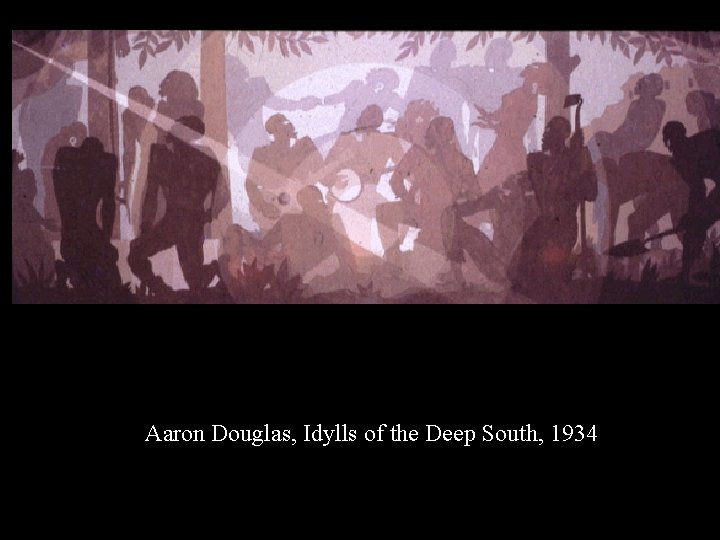
Let’s take a look at some art. . what do each of these paintings say about African American identity?
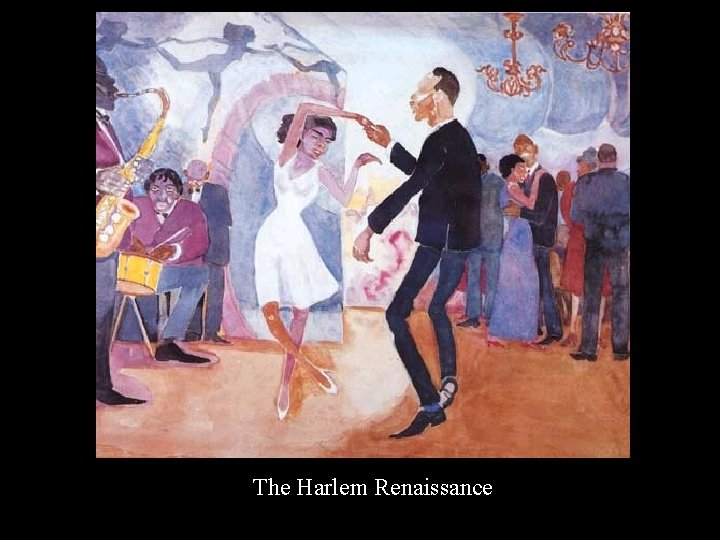
The Harlem Renaissance
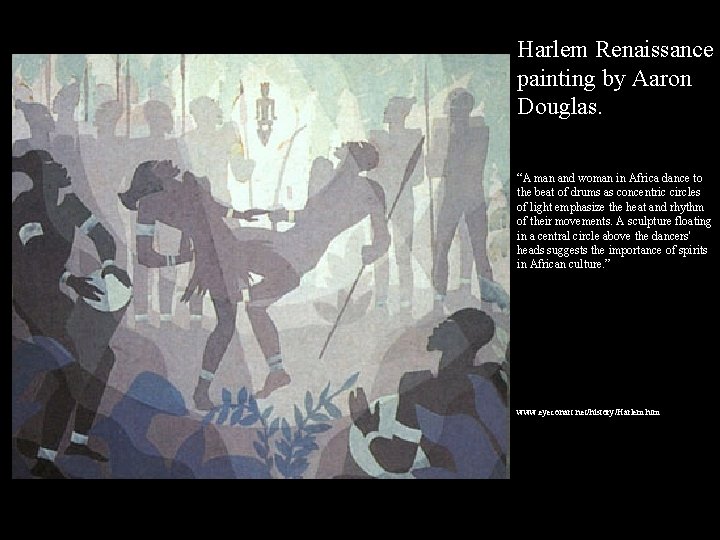
Harlem Renaissance painting by Aaron Douglas. “A man and woman in Africa dance to the beat of drums as concentric circles of light emphasize the heat and rhythm of their movements. A sculpture floating in a central circle above the dancers' heads suggests the importance of spirits in African culture. ” www. eyeconart. net/history/Harlem. htm
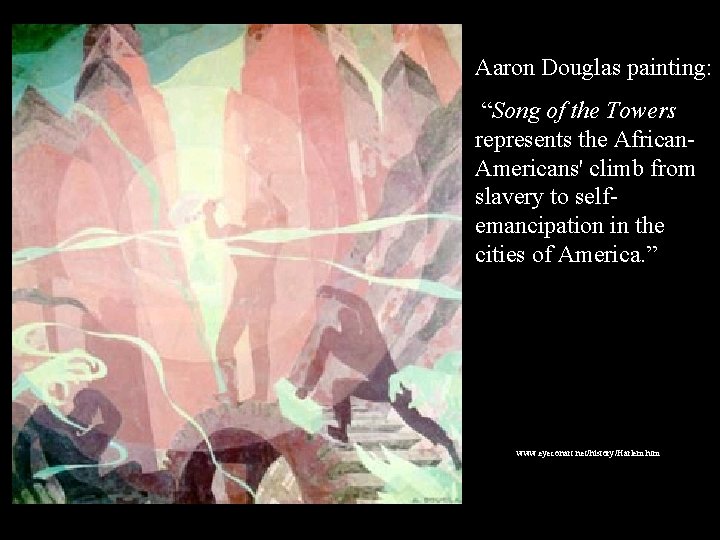
Aaron Douglas painting: “Song of the Towers represents the African. Americans' climb from slavery to selfemancipation in the cities of America. ” www. eyeconart. net/history/Harlem. htm
Aaron Douglas, Idylls of the Deep South, 1934
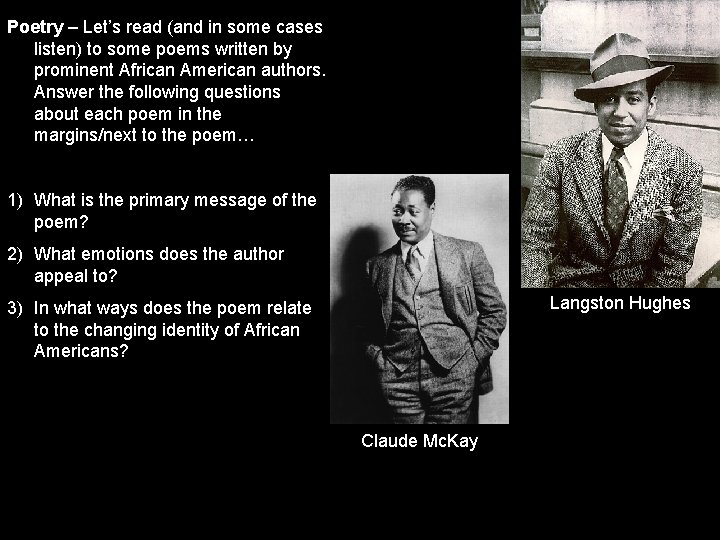
Poetry – Let’s read (and in some cases listen) to some poems written by prominent African American authors. Answer the following questions about each poem in the margins/next to the poem… 1) What is the primary message of the poem? 2) What emotions does the author appeal to? Langston Hughes 3) In what ways does the poem relate to the changing identity of African Americans? Claude Mc. Kay
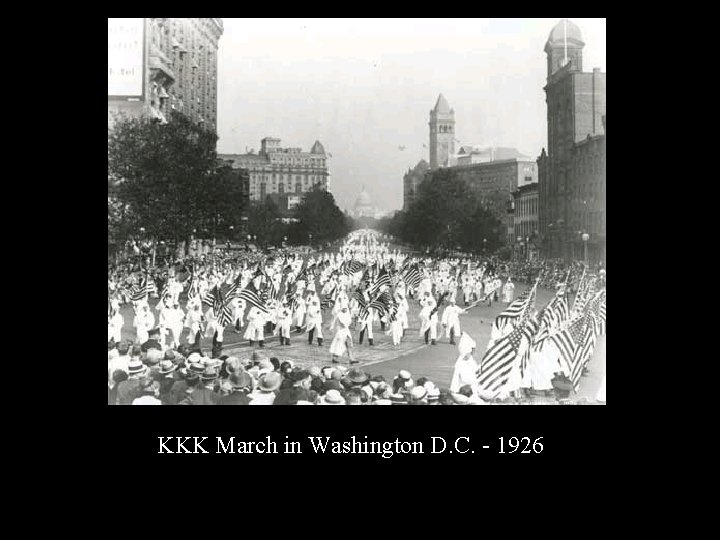
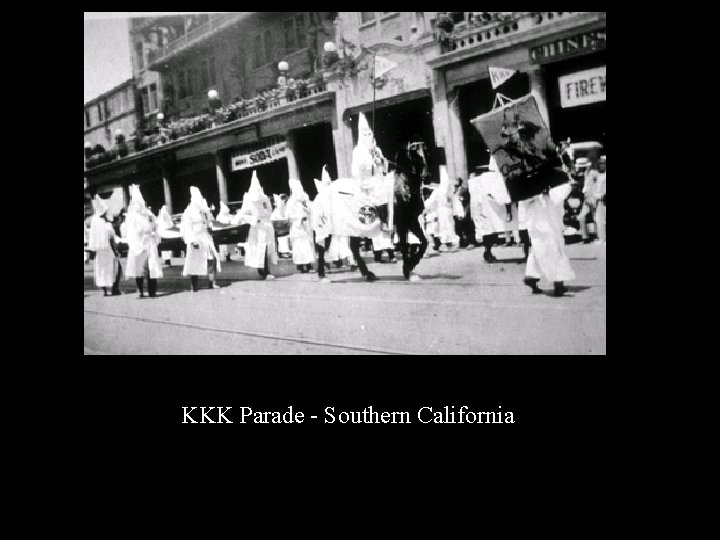
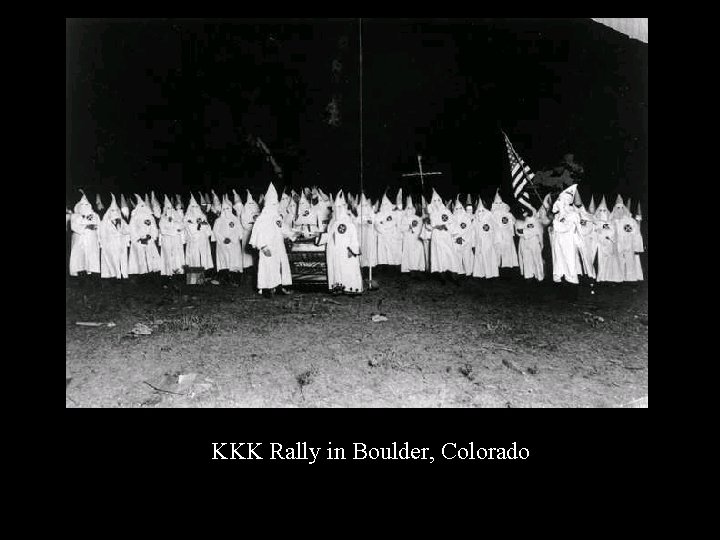
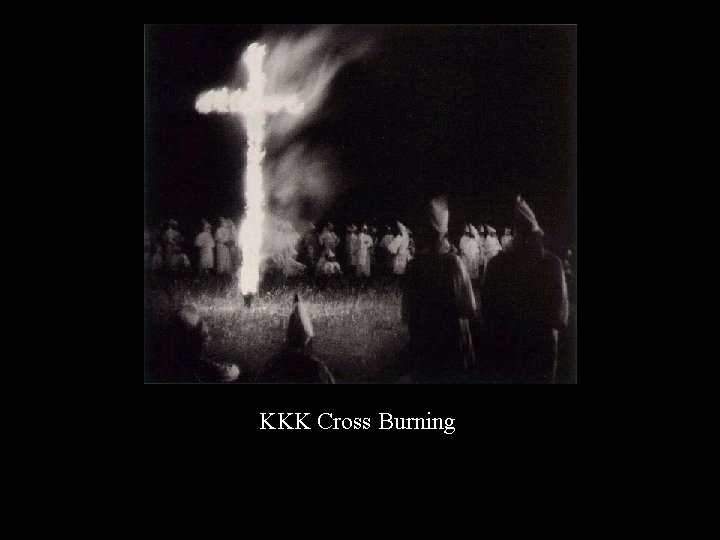
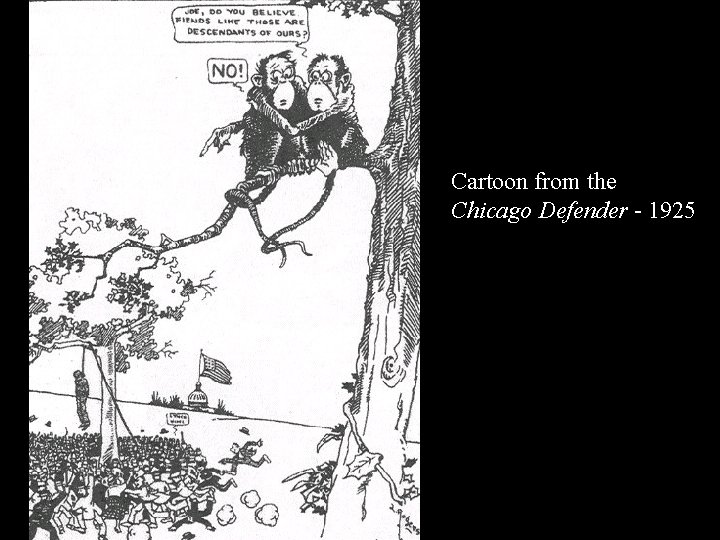
Discrimination Against African Americans – The rise of the KKK – racist organization that promoted violence against African Americans. Rose in popularity in the 1920 s as white people in the north began to feel threatened by the changing status of African Americans.
KKK March in Washington D. C. - 1926
KKK Parade - Southern California
KKK Rally in Boulder, Colorado
KKK Cross Burning
Cartoon from the Chicago Defender - 1925
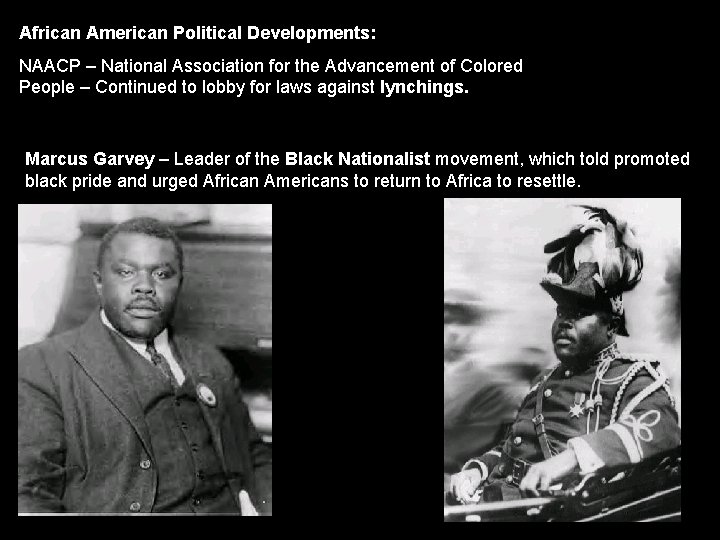
African American Political Developments: NAACP – National Association for the Advancement of Colored People – Continued to lobby for laws against lynchings. Marcus Garvey – Leader of the Black Nationalist movement, which told promoted black pride and urged African Americans to return to Africa to resettle.