
Development Part 2 Paths to Development Paths to

- Slides: 50
Development Part 2: “Paths to Development”
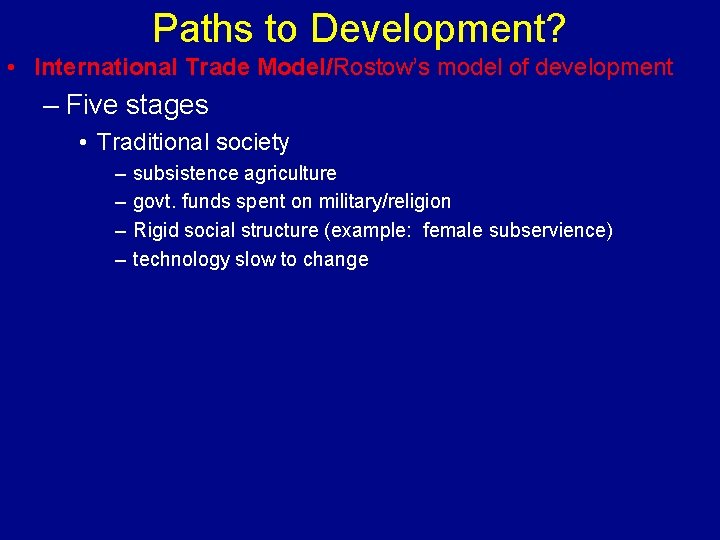
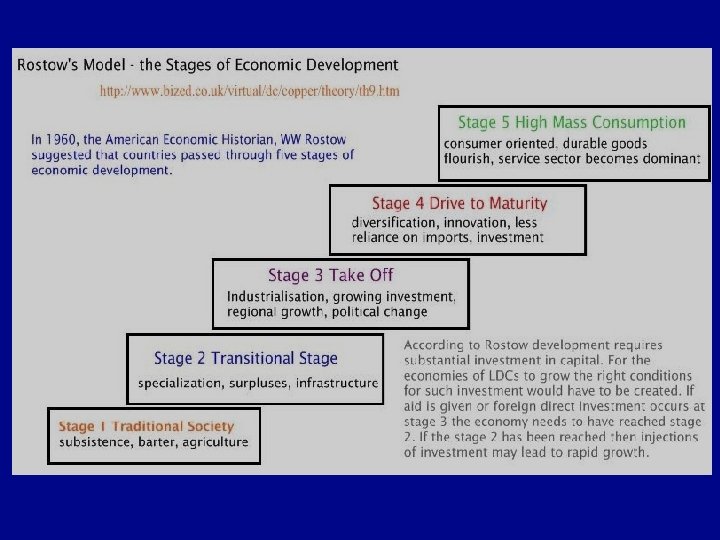
Paths to Development? • International Trade Model/Rostow’s model of development – Five stages • Traditional society – – subsistence agriculture govt. funds spent on military/religion Rigid social structure (example: female subservience) technology slow to change
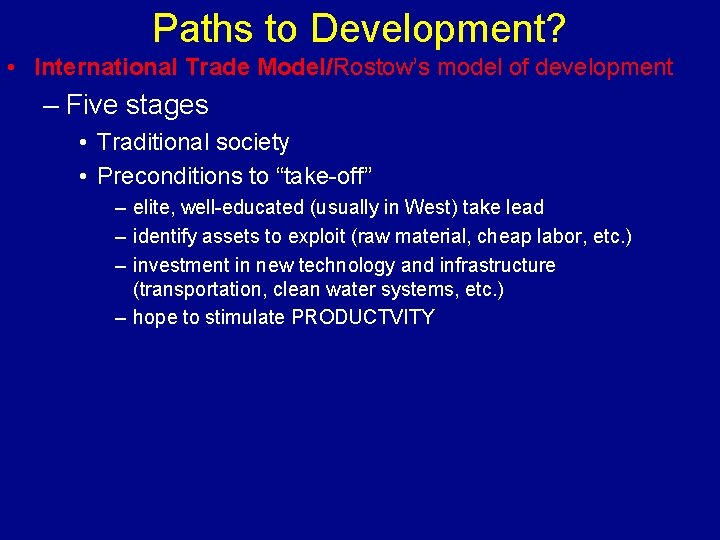
Paths to Development? • International Trade Model/Rostow’s model of development – Five stages • Traditional society • Preconditions to “take-off” – elite, well-educated (usually in West) take lead – identify assets to exploit (raw material, cheap labor, etc. ) – investment in new technology and infrastructure (transportation, clean water systems, etc. ) – hope to stimulate PRODUCTVITY
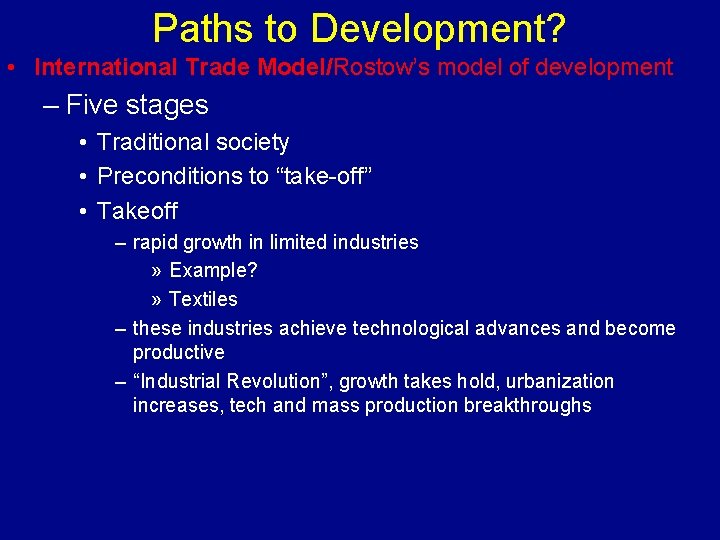
Paths to Development? • International Trade Model/Rostow’s model of development – Five stages • Traditional society • Preconditions to “take-off” • Takeoff – rapid growth in limited industries » Example? » Textiles – these industries achieve technological advances and become productive – “Industrial Revolution”, growth takes hold, urbanization increases, tech and mass production breakthroughs
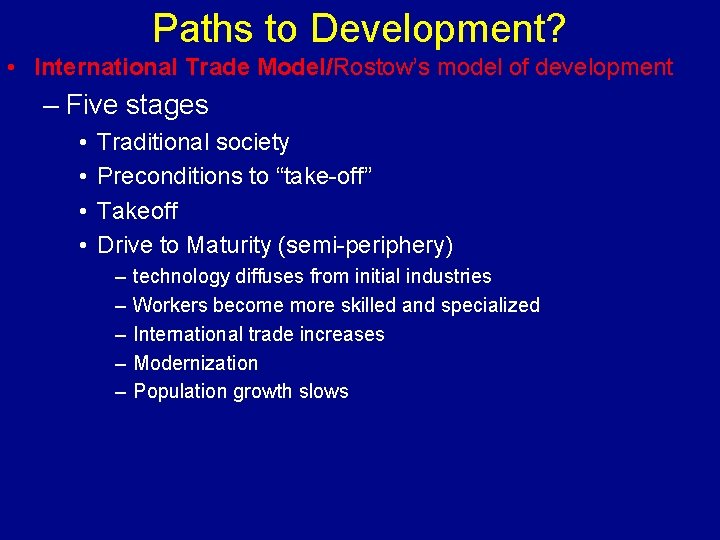
Paths to Development? • International Trade Model/Rostow’s model of development – Five stages • • Traditional society Preconditions to “take-off” Takeoff Drive to Maturity (semi-periphery) – – – technology diffuses from initial industries Workers become more skilled and specialized International trade increases Modernization Population growth slows
Paths to Development? • International Trade Model/Rostow’s model of development – Five stages • • • Traditional society Preconditions to “take-off” Takeoff Drive to Maturity Age of Mass Consumption (MDCs) – shift from heavy industry to consumer goods – High incomes, widespread production of consumer goods – Majority of workers enter service sector jobs
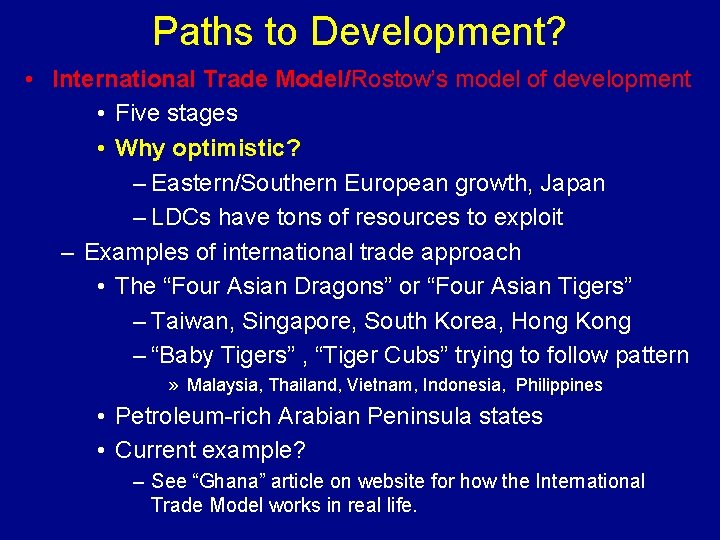
Paths to Development? • International Trade Model/Rostow’s model of development • Five stages • Why optimistic? – Eastern/Southern European growth, Japan – LDCs have tons of resources to exploit – Examples of international trade approach • The “Four Asian Dragons” or “Four Asian Tigers” – Taiwan, Singapore, South Korea, Hong Kong – “Baby Tigers” , “Tiger Cubs” trying to follow pattern » Malaysia, Thailand, Vietnam, Indonesia, Philippines • Petroleum-rich Arabian Peninsula states • Current example? – See “Ghana” article on website for how the International Trade Model works in real life.
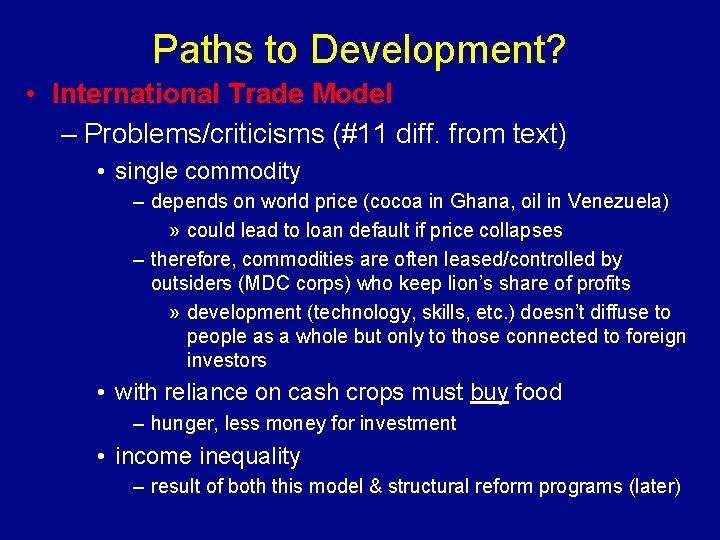
Paths to Development? • International Trade Model – Problems/criticisms (#11 diff. from text) • single commodity – depends on world price (cocoa in Ghana, oil in Venezuela) » could lead to loan default if price collapses – therefore, commodities are often leased/controlled by outsiders (MDC corps) who keep lion’s share of profits » development (technology, skills, etc. ) doesn’t diffuse to people as a whole but only to those connected to foreign investors • with reliance on cash crops must buy food – hunger, less money for investment • income inequality – result of both this model & structural reform programs (later)
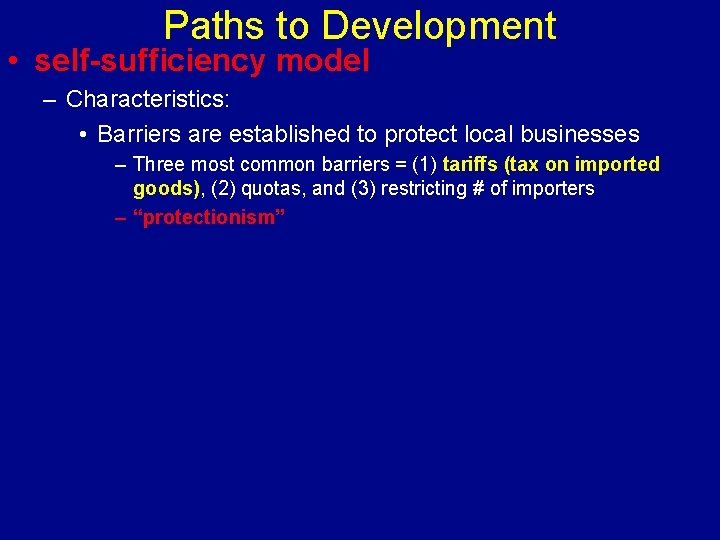
Paths to Development • self-sufficiency model – Characteristics: • Barriers are established to protect local businesses – Three most common barriers = (1) tariffs (tax on imported goods), (2) quotas, and (3) restricting # of importers – “protectionism”
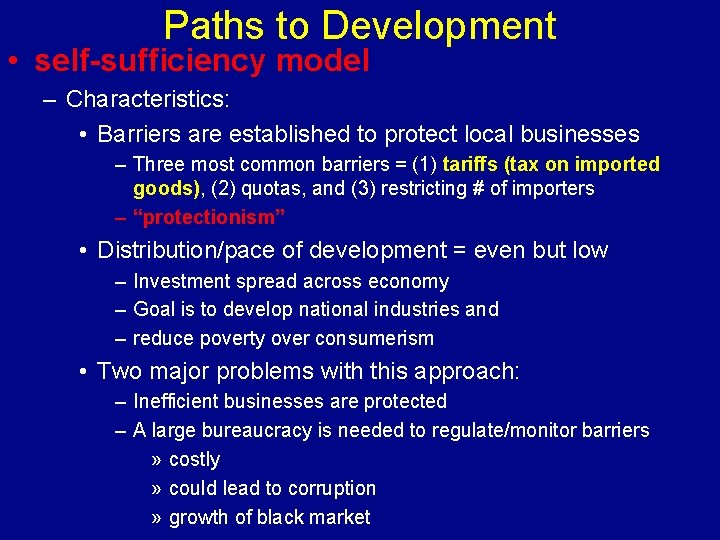
Paths to Development • self-sufficiency model – Characteristics: • Barriers are established to protect local businesses – Three most common barriers = (1) tariffs (tax on imported goods), (2) quotas, and (3) restricting # of importers – “protectionism” • Distribution/pace of development = even but low – Investment spread across economy – Goal is to develop national industries and – reduce poverty over consumerism • Two major problems with this approach: – Inefficient businesses are protected – A large bureaucracy is needed to regulate/monitor barriers » costly » could lead to corruption » growth of black market
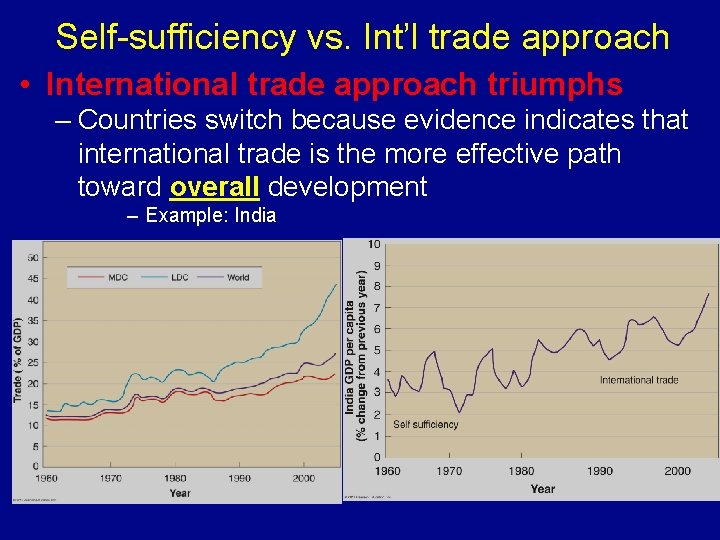
Self-sufficiency vs. Int’l trade approach • International trade approach triumphs – Countries switch because evidence indicates that international trade is the more effective path toward overall development – Example: India
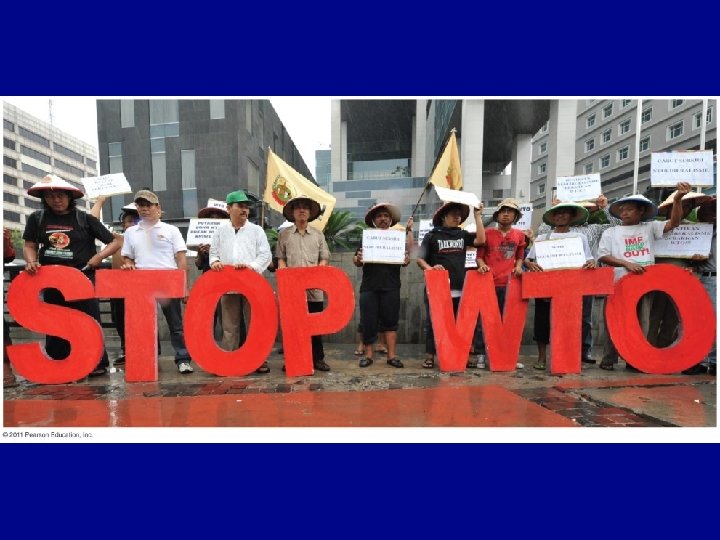
Self-sufficiency vs. Int’l trade approach • International trade approach triumphs – made easier by globalization – “Neo-liberalism” • Dominant economic/political theory by end of 20 th c. • Reduce government intervention in markets • Favored by: – Multinational corps. , Big Business, Wall St. = Republicans – Bill Clinton, Pres. Obama, Rahm Emanuel = Democrats » NAFTA, TPP (Trans-Pacific Partnership) • Global economic power shifts from states to corps. – WTO (World Trade Org. ) = referee on global trade • Enforces trade agreements – Helps reduce trade barriers = “free trade” – Allows for non-penalized retaliation or fines. • Eliminate restrictions on the movement of $ • Criticisms: – Left = anti-democratic, favors wealthy corps. , ignores the poor – Right = national sovereignty is violated (see TPP)
Rostow’s “modernization”, “ladder of development” or “int’l trade” approach to development Losers Winners • Multinational corporations – Low wages, higher profits, higher stock prices – Stockholders, investors • In LDCs – People/regions connected to int’l trade or the “core” • Consumers – Lower prices • BIG Q? Will low prices continue to offset wage stagnation? • Low skill workers (MDCs) – Highly paid union workers in manufacturing • Unconnected LDC • Small businesses/domestic manufacturing • Prices are undercut • Downward wage pressure – Will wages decr. or stagnate for skilled workers as well? • Govt. workers privatized • can tertiary jobs be outsourced, automated, globalized?
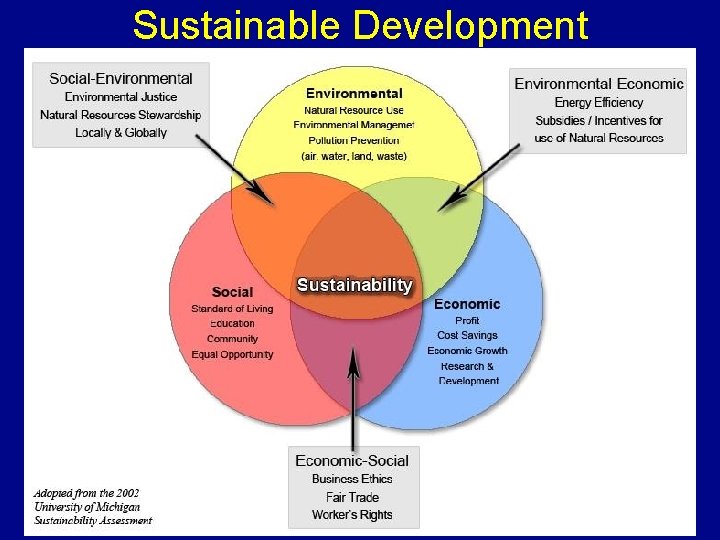
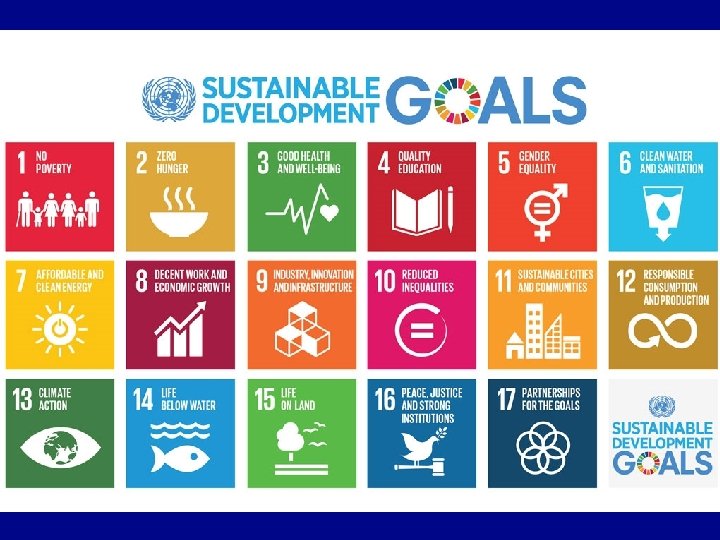
Sustainable Development
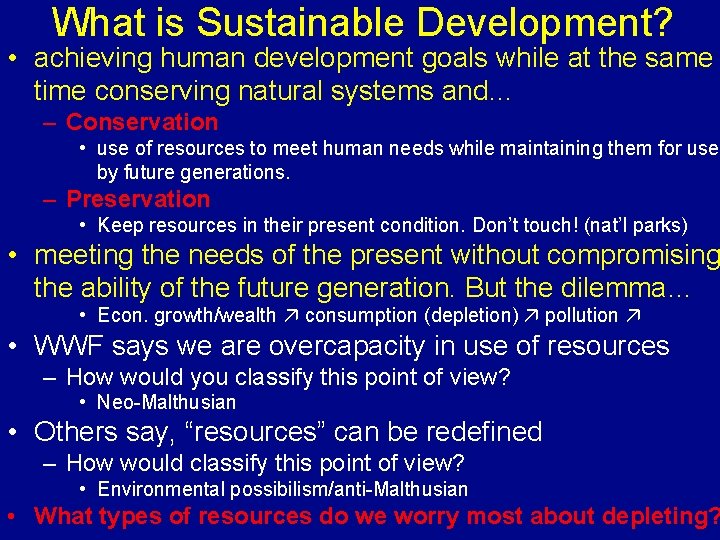
What is Sustainable Development? • achieving human development goals while at the same time conserving natural systems and… – Conservation • use of resources to meet human needs while maintaining them for use by future generations. – Preservation • Keep resources in their present condition. Don’t touch! (nat’l parks) • meeting the needs of the present without compromising the ability of the future generation. But the dilemma… • Econ. growth/wealth ↗ consumption (depletion) ↗ pollution ↗ • WWF says we are overcapacity in use of resources – How would you classify this point of view? • Neo-Malthusian • Others say, “resources” can be redefined – How would classify this point of view? • Environmental possibilism/anti-Malthusian • What types of resources do we worry most about depleting?
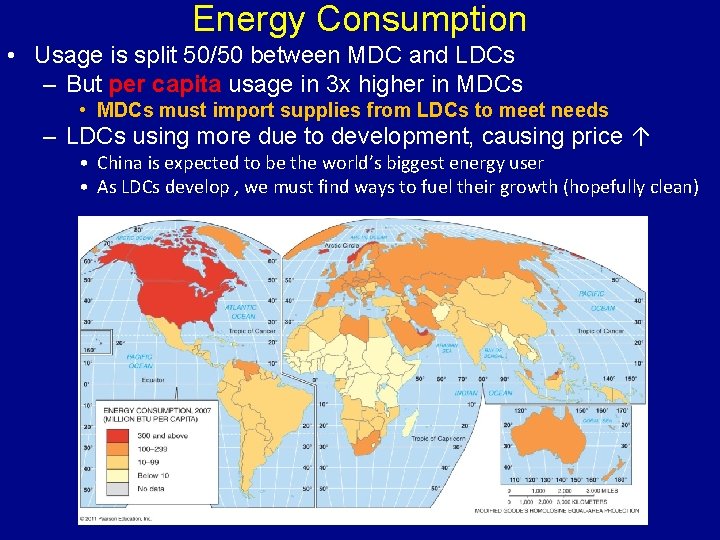
Energy Consumption • Usage is split 50/50 between MDC and LDCs – But per capita usage in 3 x higher in MDCs • MDCs must import supplies from LDCs to meet needs – LDCs using more due to development, causing price ↑ • China is expected to be the world’s biggest energy user • As LDCs develop , we must find ways to fuel their growth (hopefully clean)
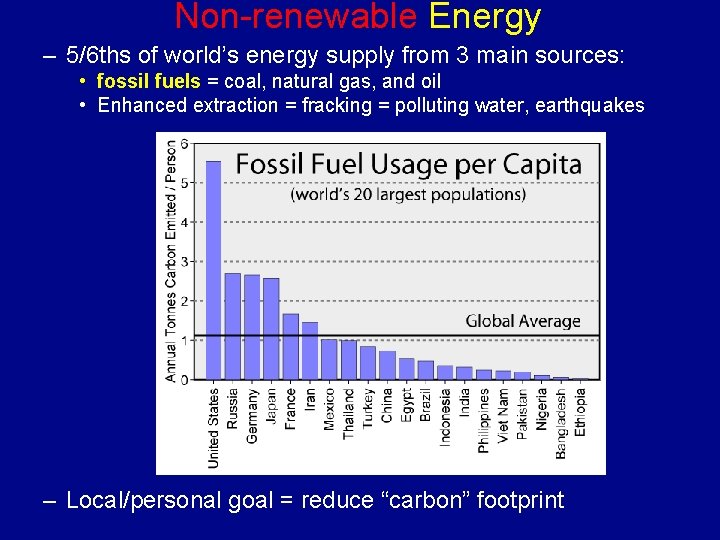
Non-renewable Energy – 5/6 ths of world’s energy supply from 3 main sources: • fossil fuels = coal, natural gas, and oil • Enhanced extraction = fracking = polluting water, earthquakes – Local/personal goal = reduce “carbon” footprint
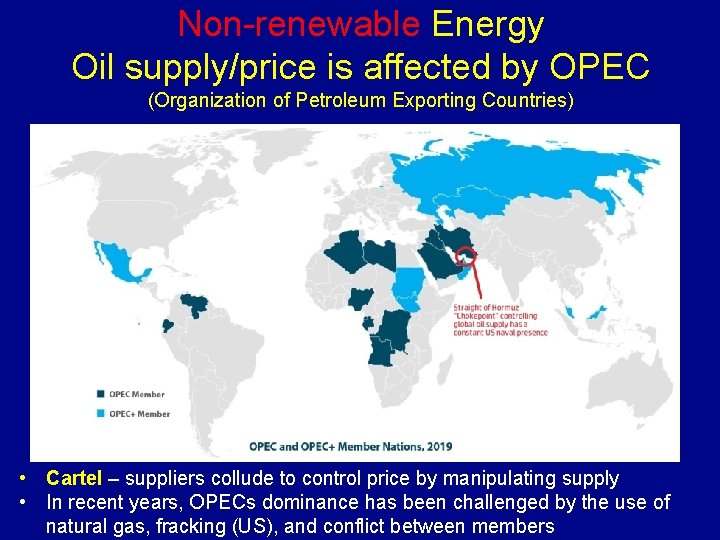
Non-renewable Energy Oil supply/price is affected by OPEC (Organization of Petroleum Exporting Countries) • Cartel – suppliers collude to control price by manipulating supply • In recent years, OPECs dominance has been challenged by the use of natural gas, fracking (US), and conflict between members
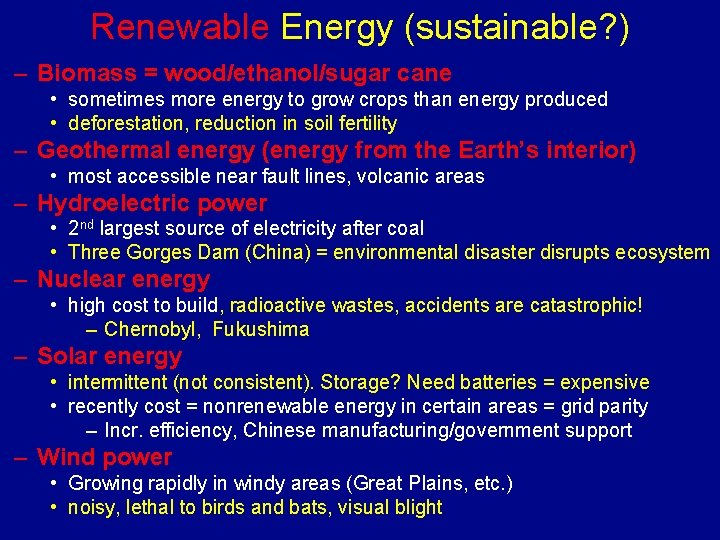
Renewable Energy (sustainable? ) – Biomass = wood/ethanol/sugar cane • sometimes more energy to grow crops than energy produced • deforestation, reduction in soil fertility – Geothermal energy (energy from the Earth’s interior) • most accessible near fault lines, volcanic areas – Hydroelectric power • 2 nd largest source of electricity after coal • Three Gorges Dam (China) = environmental disaster disrupts ecosystem – Nuclear energy • high cost to build, radioactive wastes, accidents are catastrophic! – Chernobyl, Fukushima – Solar energy • intermittent (not consistent). Storage? Need batteries = expensive • recently cost = nonrenewable energy in certain areas = grid parity – Incr. efficiency, Chinese manufacturing/government support – Wind power • Growing rapidly in windy areas (Great Plains, etc. ) • noisy, lethal to birds and bats, visual blight
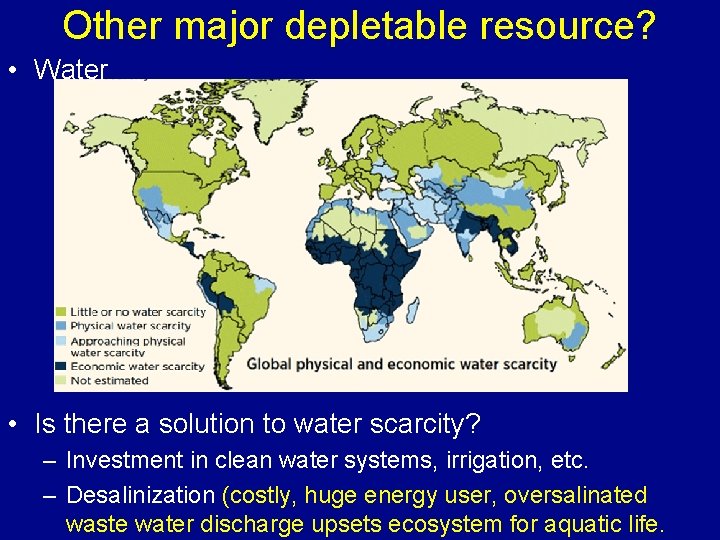
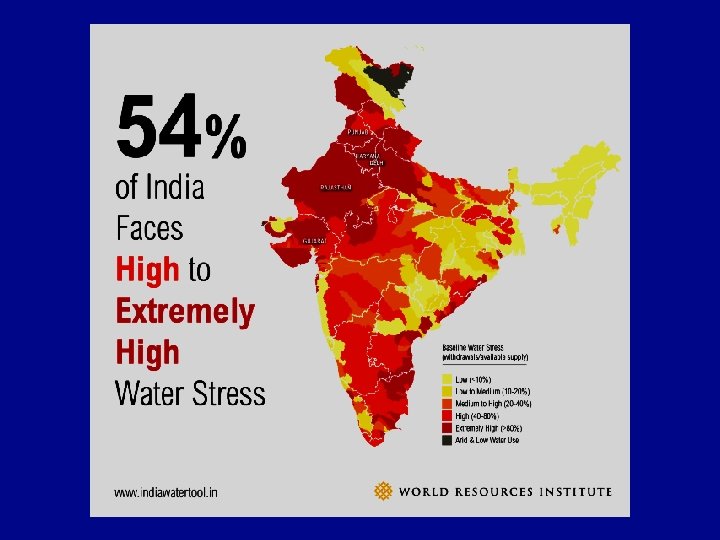
Other major depletable resource? • Water • Is there a solution to water scarcity? – Investment in clean water systems, irrigation, etc. – Desalinization (costly, huge energy user, oversalinated waste water discharge upsets ecosystem for aquatic life.
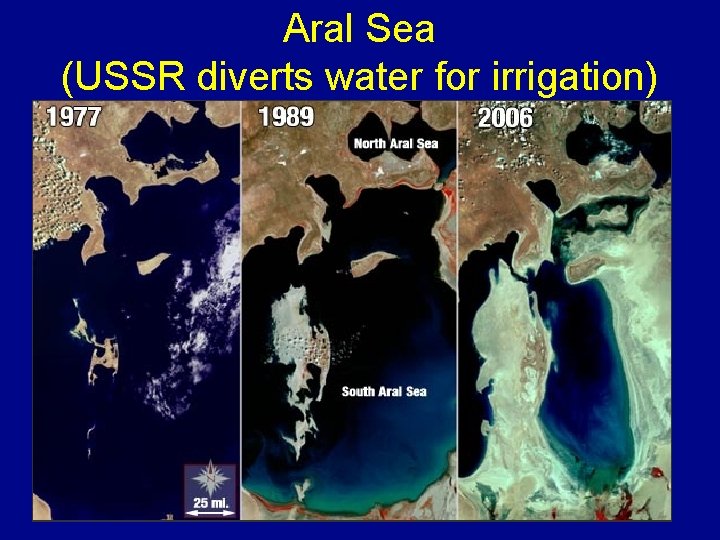
Aral Sea (USSR diverts water for irrigation)
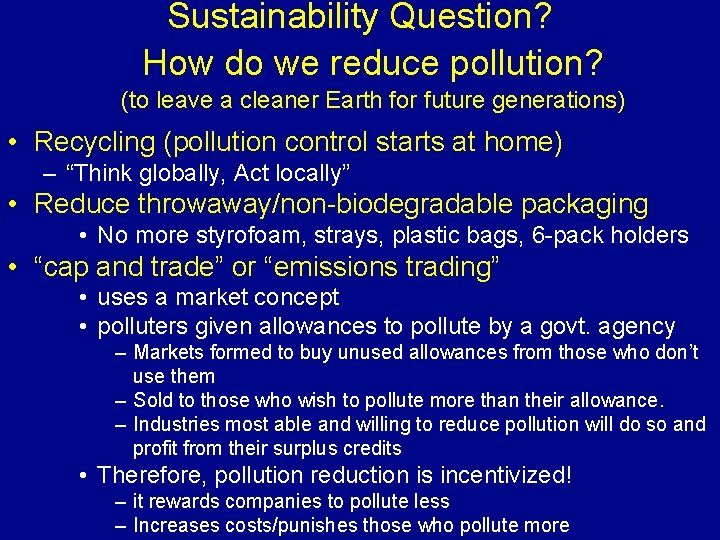
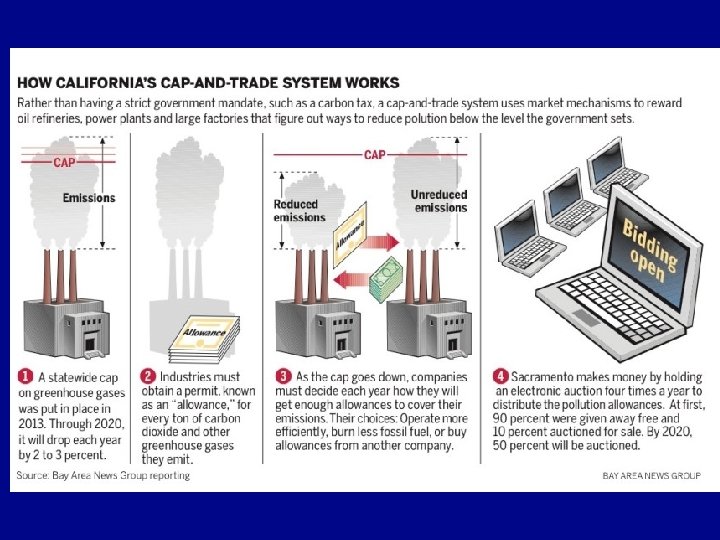
Sustainability Question? How do we reduce pollution? (to leave a cleaner Earth for future generations) • Recycling (pollution control starts at home) – “Think globally, Act locally” • Reduce throwaway/non-biodegradable packaging • No more styrofoam, strays, plastic bags, 6 -pack holders • “cap and trade” or “emissions trading” • uses a market concept • polluters given allowances to pollute by a govt. agency – Markets formed to buy unused allowances from those who don’t use them – Sold to those who wish to pollute more than their allowance. – Industries most able and willing to reduce pollution will do so and profit from their surplus credits • Therefore, pollution reduction is incentivized! – it rewards companies to pollute less – Increases costs/punishes those who pollute more
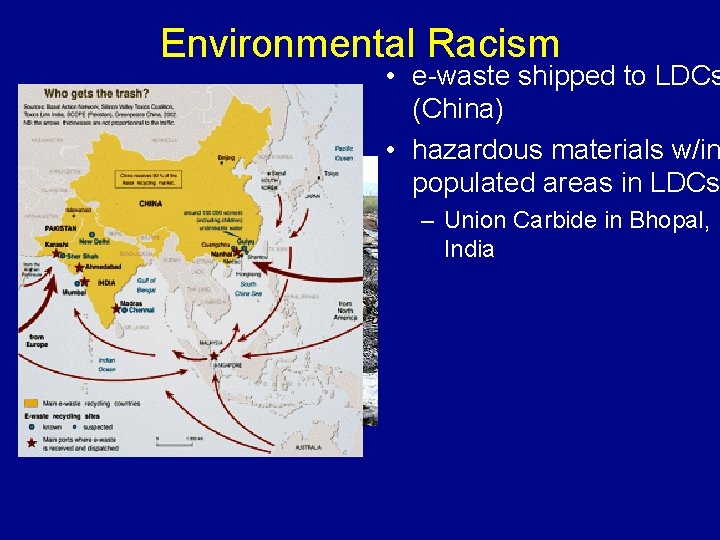
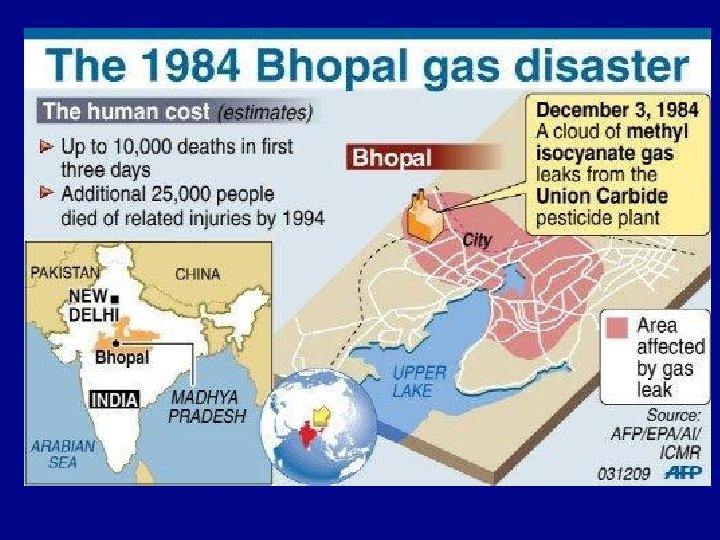
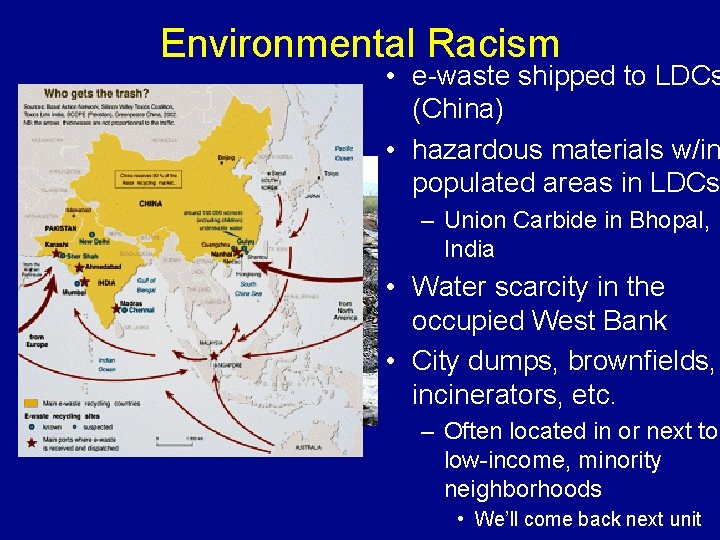
Environmental Racism • e-waste shipped to LDCs (China) • hazardous materials w/in populated areas in LDCs – Union Carbide in Bhopal, India
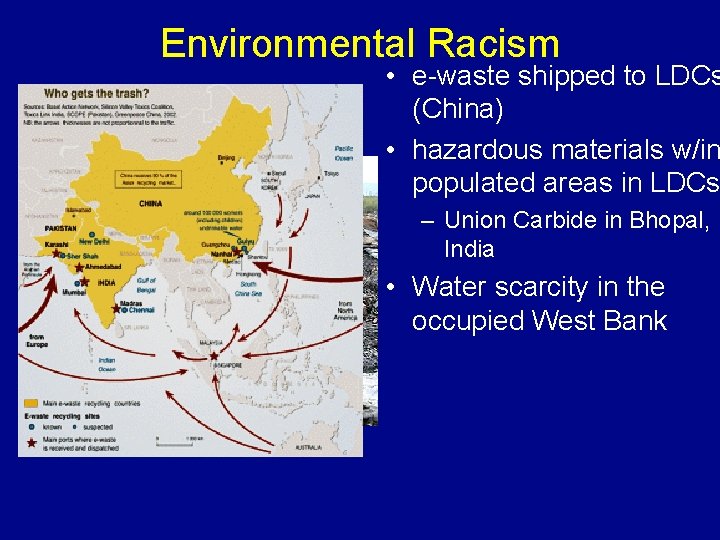
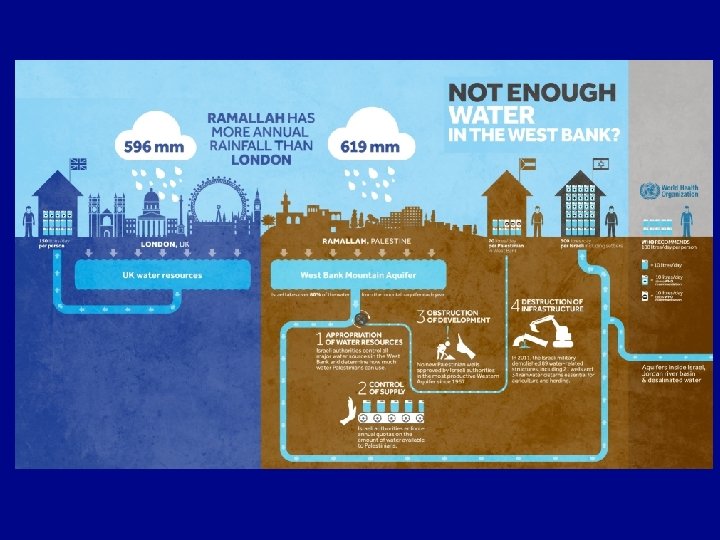
Environmental Racism • e-waste shipped to LDCs (China) • hazardous materials w/in populated areas in LDCs – Union Carbide in Bhopal, India • Water scarcity in the occupied West Bank
Environmental Racism • e-waste shipped to LDCs (China) • hazardous materials w/in populated areas in LDCs – Union Carbide in Bhopal, India • Water scarcity in the occupied West Bank • City dumps, brownfields, incinerators, etc. – Often located in or next to low-income, minority neighborhoods • We’ll come back next unit
Barriers to Development • Structure and geography of the world economy (Wallerstein’s World Systems Theory) • Social conditions – Lack of female empowerment – Demographic trap (stress this is circular!!!!) • high CBR, IMR, dependency ratio leads to a lack of funds for development which in turns leads to high CBR – Lack of education (overall and gendered) • Trafficking (domestic servants, street vendors, prostitution) • Disease – weakens labor force, creates orphans – malaria, HIV/AIDs • Political Corruption and Instability – dictatorship, coups, corruption discourage investment
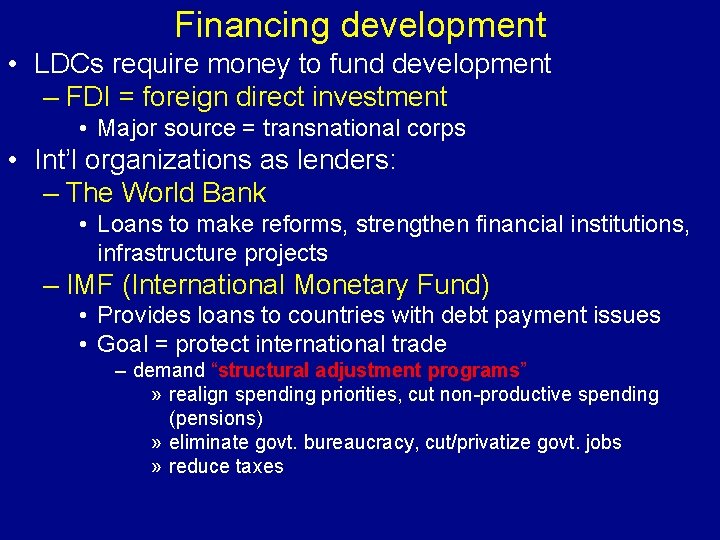
Biggest problem = Financing development • LDCs require money to fund development – FDI = foreign direct investment • Major source = transnational corps
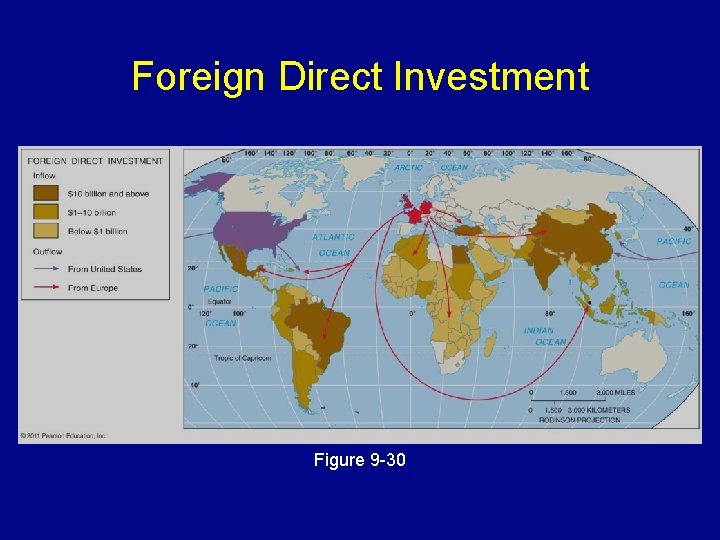
Foreign Direct Investment Figure 9 -30
Financing development • LDCs require money to fund development – FDI = foreign direct investment • Major source = transnational corps • Int’l organizations as lenders: – The World Bank • Loans to make reforms, strengthen financial institutions, infrastructure projects – IMF (International Monetary Fund) • Provides loans to countries with debt payment issues • Goal = protect international trade – demand “structural adjustment programs” » realign spending priorities, cut non-productive spending (pensions) » eliminate govt. bureaucracy, cut/privatize govt. jobs » reduce taxes
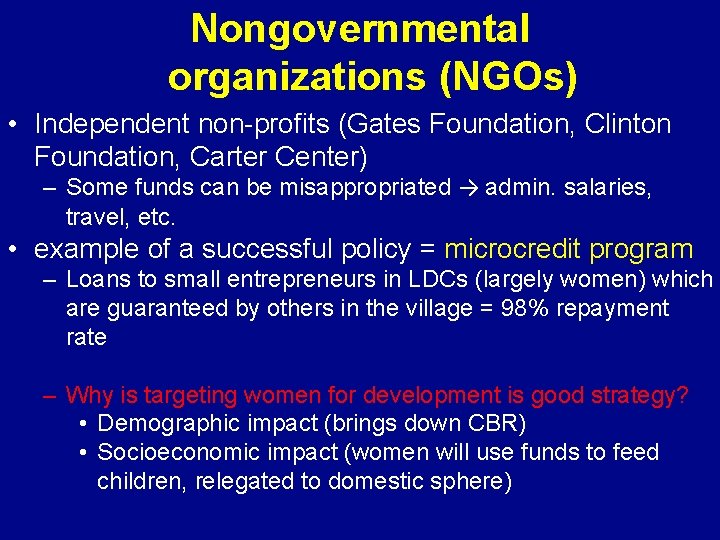
Nongovernmental organizations (NGOs) • Independent non-profits (Gates Foundation, Clinton Foundation, Carter Center) – Some funds can be misappropriated → admin. salaries, travel, etc. • example of a successful policy = microcredit program – Loans to small entrepreneurs in LDCs (largely women) which are guaranteed by others in the village = 98% repayment rate – Why is targeting women for development is good strategy? • Demographic impact (brings down CBR) • Socioeconomic impact (women will use funds to feed children, relegated to domestic sphere)
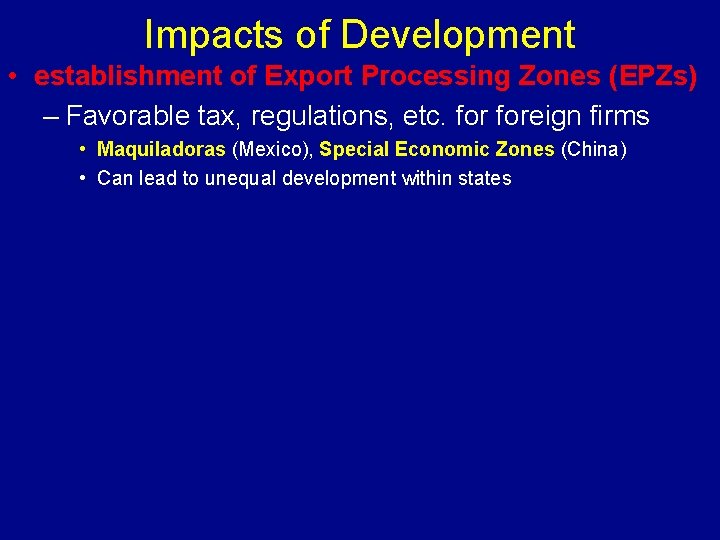
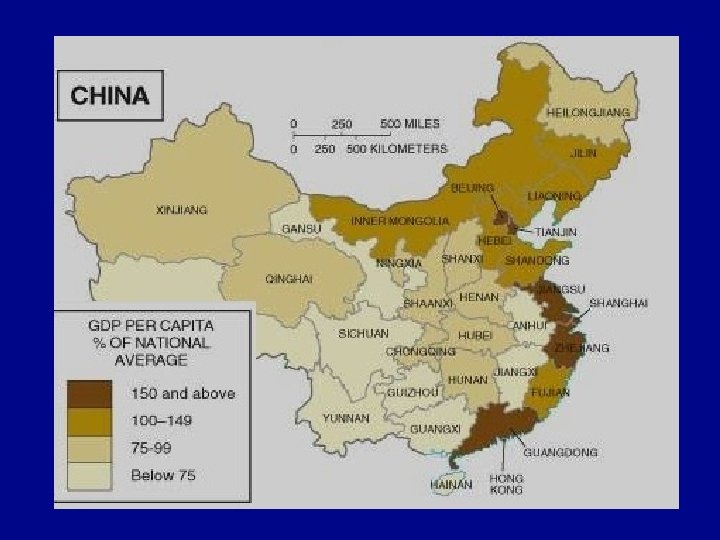
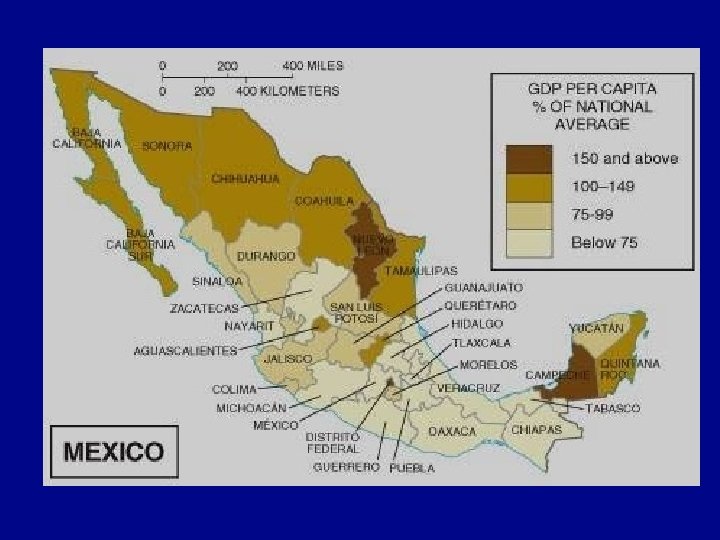
Impacts of Development • establishment of Export Processing Zones (EPZs) – Favorable tax, regulations, etc. foreign firms • Maquiladoras (Mexico), Special Economic Zones (China) • Can lead to unequal development within states
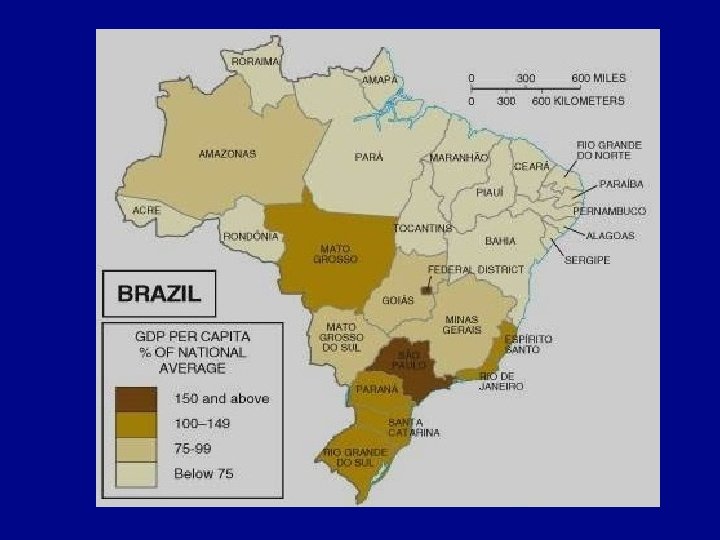
Islands of Development – Cities/capitals/ports = Islands of Development • concentrated economic development, foreign inv. $ – Forward capitals built to draw investment to interior or to be a centripetal force. – Brasilia (Brazil),
Islands of Development – Cities/capitals/ports = Islands of Development • concentrated economic development, foreign inv. $ – Forward capitals built to draw investment to interior or to be a centripetal force. – Brasilia (Brazil) – Islamabad (Pakistan), Abuja (Nigeria) – Washington DC
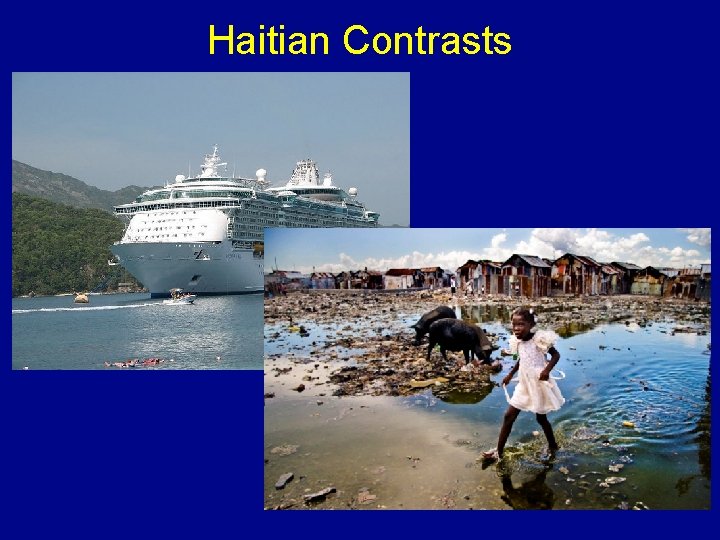
Impacts of Development • Agriculture – Diff. of modern agriculture to produce export crops • ↑ intensification → ↑ desertification • Country must import food for people • Tourism (mixed impact) – Brings in huge $, now > than oil • • requires infrastructure spending that could be spent on natives creates jobs but largely low-paying, “dehumanizing”? profits go to multinational corps. harsh juxtaposition of tourist wealth and native poverty marks cultural landscape
Haitian Contrasts
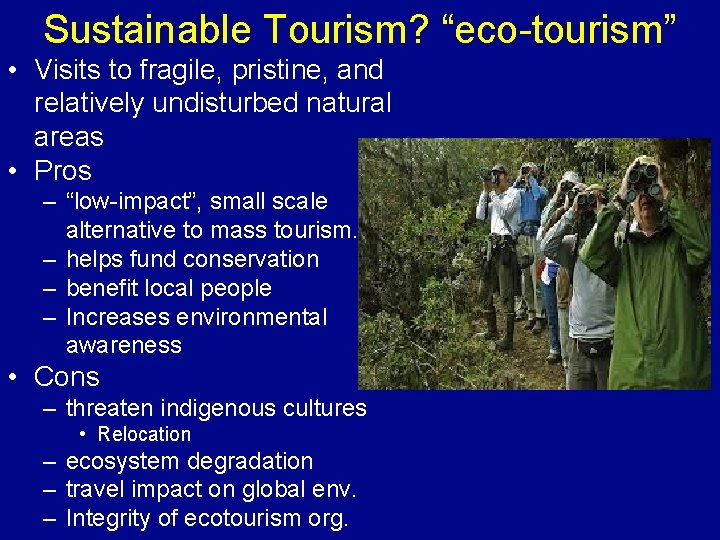
Sustainable Tourism? “eco-tourism” • Visits to fragile, pristine, and relatively undisturbed natural areas • Pros – “low-impact”, small scale alternative to mass tourism. – helps fund conservation – benefit local people – Increases environmental awareness • Cons – threaten indigenous cultures • Relocation – ecosystem degradation – travel impact on global env. – Integrity of ecotourism org.
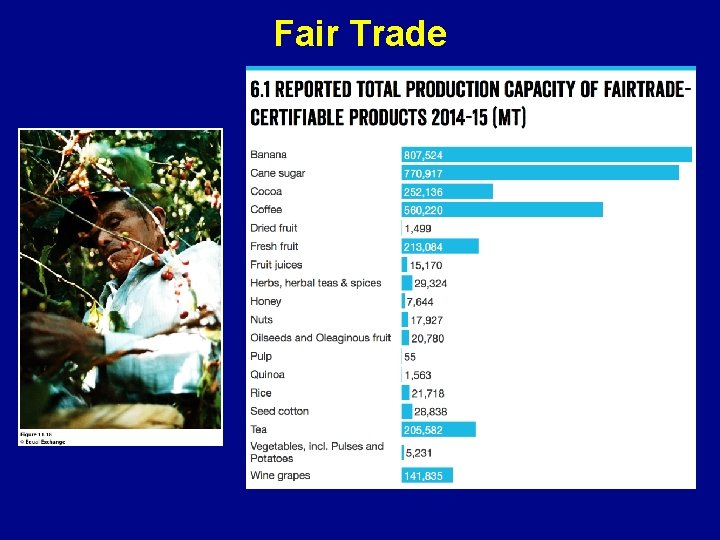
Fair trade approach • Products are made and traded in a way that protects workers and small businesses in LDCs – Two sets of standards • Fair trade producer standards – Must be “small”, democratic, high product quality, use ecologically friendly growing methods, etc. • Fair trade worker standards – Collective bargaining, working conditions, minimum wage, etc. – Producers and workers usually earn more – Consumers (MDCs) usually pay higher prices • Fair trade coffee: Shade-grown produced by certified fairtrade farmers, who then sell the coffee directly to importers – Guarantees a “fair trade price” • At least 40% goes to grower – Over 500, 000 registered farmers • Produced in more than 20 countries • commitment by Starbucks, Dunkin Donuts and other chains • Demand must come from the consumer!
Fair Trade