
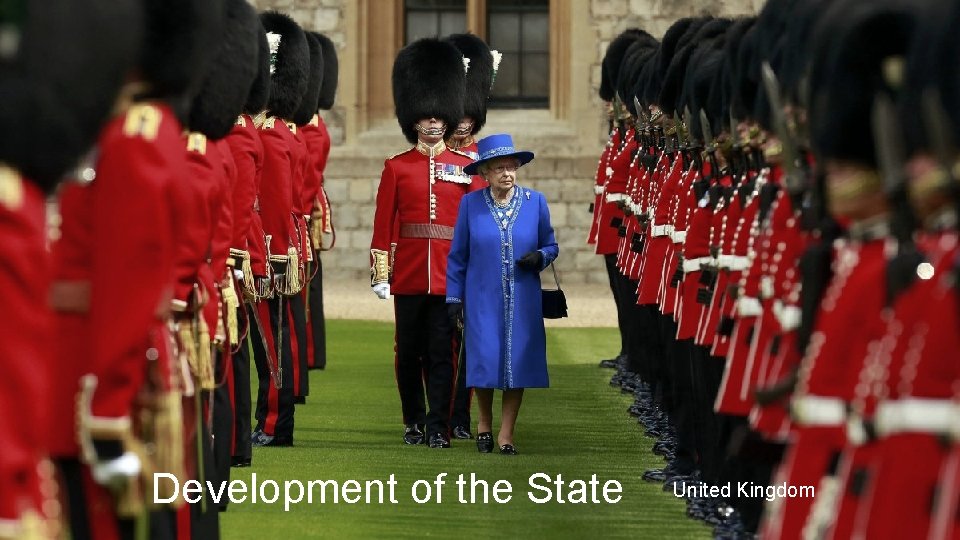
Development of the State United Kingdom United Kingdom
- Slides: 44
Development of the State United Kingdom
United Kingdom intro What in the past has shaped today’s British politics?
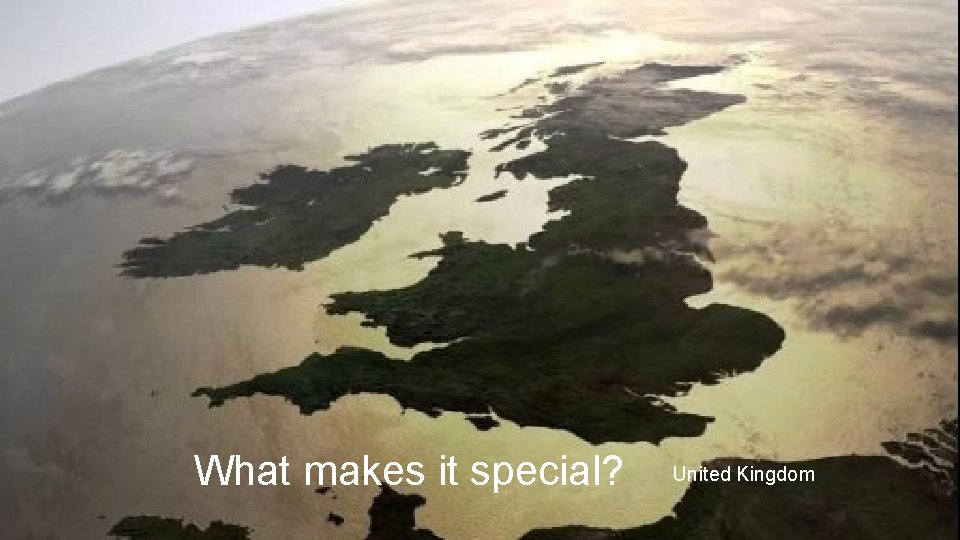
What makes it special? United Kingdom
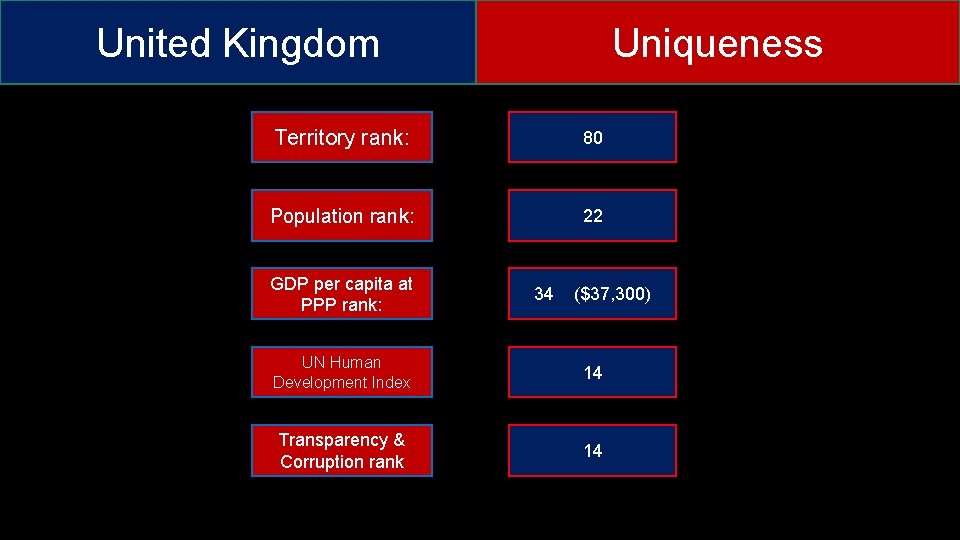
United Kingdom Uniqueness Territory rank: 80 Population rank: 22 GDP per capita at PPP rank: 34 ($37, 300) UN Human Development Index 14 Transparency & Corruption rank 14
United Kingdom Democracy! Uniqueness The UK is the world’s oldest democracy It’s transition to democracy was gradual, beginning in the 13 th century Established democratic principles such as rule of law and civil liberties protections incrementally The way politics works has not changed much since the mid 1600 s No written constitution
United Kingdom Neoliberalism Uniqueness Thatcher in 1979 is the first leader of an industrial democracy to experiment with neoliberal economic policies to combat economic decline Even her successors in opposing parties embraced many of these ideas in steering the economy Modern Conservatives have shifted back toward emphasis on neoliberal policies
United Kingdom Geography Made up of the three “countries” on Great Britain – England, Wales, and Scotland as well as the northeastern part of Ireland Citizens are called British or Britons, but not English About the size of Oregon with twice the population of California, or half the population of Japan 5 out of 6 Britons live in England. It’s small and densely populated
United Kingdom Demographics Geography Racially it is relatively homogeneous Its nonwhite population comes mostly from former parts of the British Empire Nonwhite population is about 13% , and a third of those people trace their roots to the Indian subcontinent A fourth of those people trace their roots to the Caribbean
United Kingdom Isolation Geography UK’s isolation protected it from the conflict and political turmoil on the European mainland. Less fear of invasion meant they only needed a small standing army and made its navy more important Separation has provided a buffer from European politics – it joined the EU late and refused to replace the pound with the Euro Physical separation changed in 1994 with the completion of the Channel Tunnel – connecting it to France
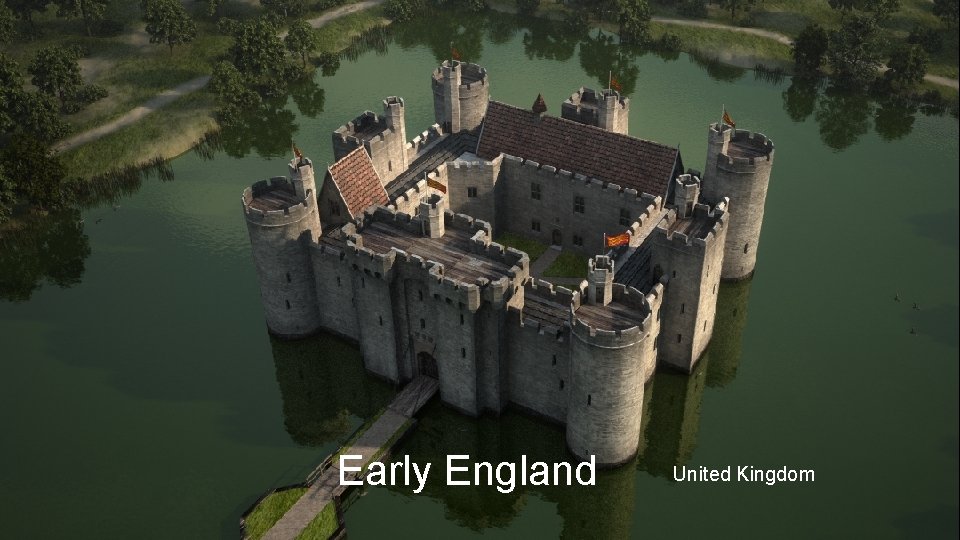
Early England United Kingdom
United Kingdom Invasions Centralization Over several centuries, different groups invaded the British Isles, leaving legacies Angles and Saxons left their language in “England” Could not conquer Wales or Scotland – the “Celtic fringe” Common law also emerged, system of laws based on customs and precedent
United Kingdom Norman Invasion Centralization 1066 – Normans were Danish Vikings in Northern France They invaded the British Isles and defeated the Germanic ruling classes and imposed centralized authority They brought feudalist structures over from the European mainland Feudalism created a system of mutual obligation between lord & peasant, and between monarch & lord Lords provided vassals with protection in exchange for labor & military service
United Kingdom Magna Carta Centralization These mutual obligations led to eventual limits on royal power 1215 – British nobles forced King John to sign agreement to uphold their rights First written limit on the power of the king First time the monarch was subjected to the rule of law SO – the UK never experienced absolute monarchies & this leads to public control over the government and state
United Kingdom Church of England Centralization Creation of the Church of England led to a weaker & less autonomous religious institution than in other states Battles between religious groups didn’t polarize the people in the UK Also emphasized the importance of Parliament because Henry VIII relied on Parliament to create the Church of England SO – Creation of the Co. E helped UK avoid religious conflicts and helped legitimize Parliament’s power
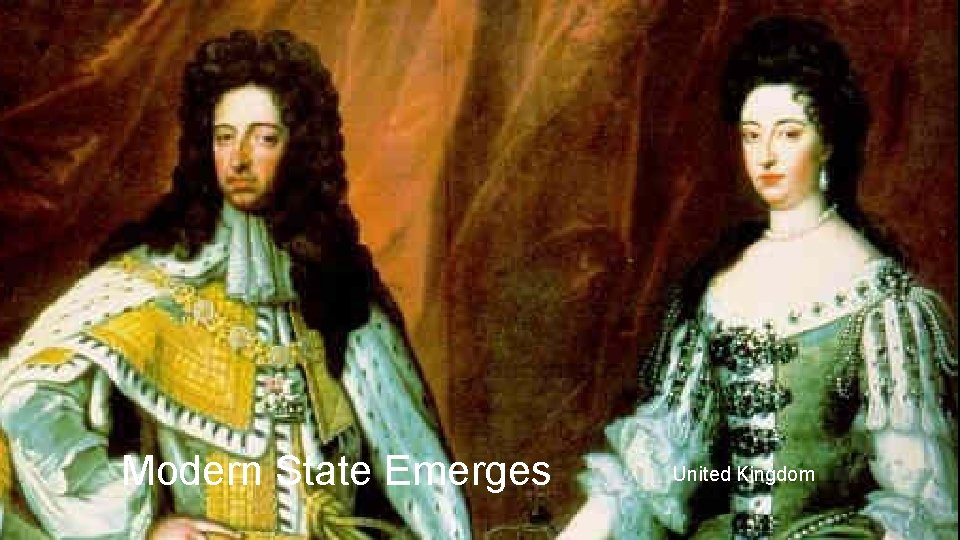
Modern State Emerges United Kingdom
United Kingdom English Civil War James I from Scotland became king in 1603 uniting Scotland & England James resisted Parliament’s limits & his son Charles I followed his example Charles’s supporters were defeated by supporters of Parliament & he was executed Oliver Cromwell – a member of Parliament ruled over England as a Republic When Parliament restored the monarchy in 1660 it was much weaker than it had been
United Kingdom Glorious Revolution James II came to power & was Catholic Parliament feared a return to Catholicism and exiled him, replacing him with his Protestant daughter Mary & her husband William Parliament enacted the Bill of Rights, which institutionalized its supremacy over the monarchy Since then, all monarch have owed their position to Parliament – this creates the constitutional monarchy
United Kingdom George I Parliament crowned George I in 1714 – installing the current dynastic family He was German, spoke little English, so relied heavily on cabinet & prime minister Sir Robert Walpole basically created the position that is prime minister After loss of American colonies, prime ministers & cabinets were appointed by Parliament instead of picked by king Monarchs never again had the power to select members of the government
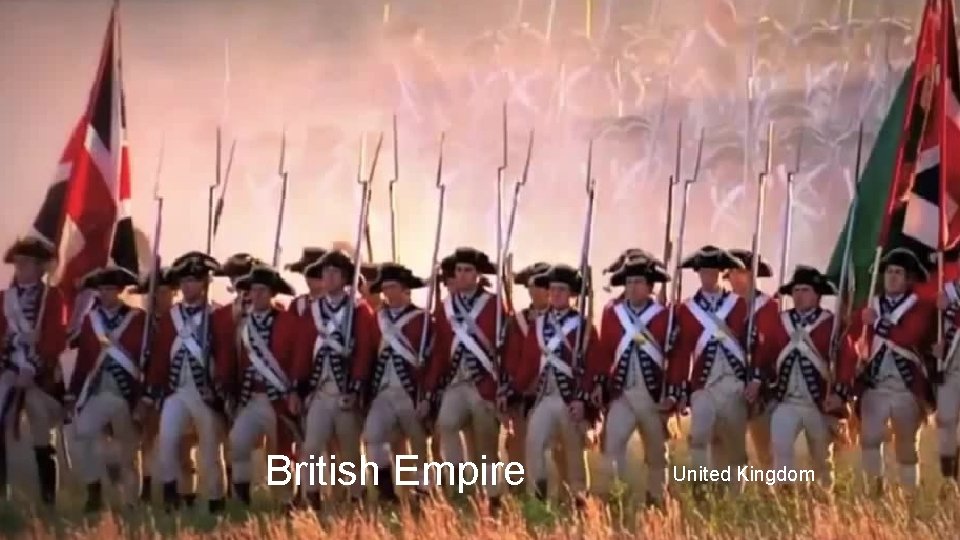
British Empire United Kingdom
United Kingdom Expansion Empire By the early 1800 s UK was the world’s dominant military, economic, and cultural power British Empire hit highpoint in 1870 and controlled ¼ of all world trade It ruled one quarter of world population, and directly ruled 50 countries
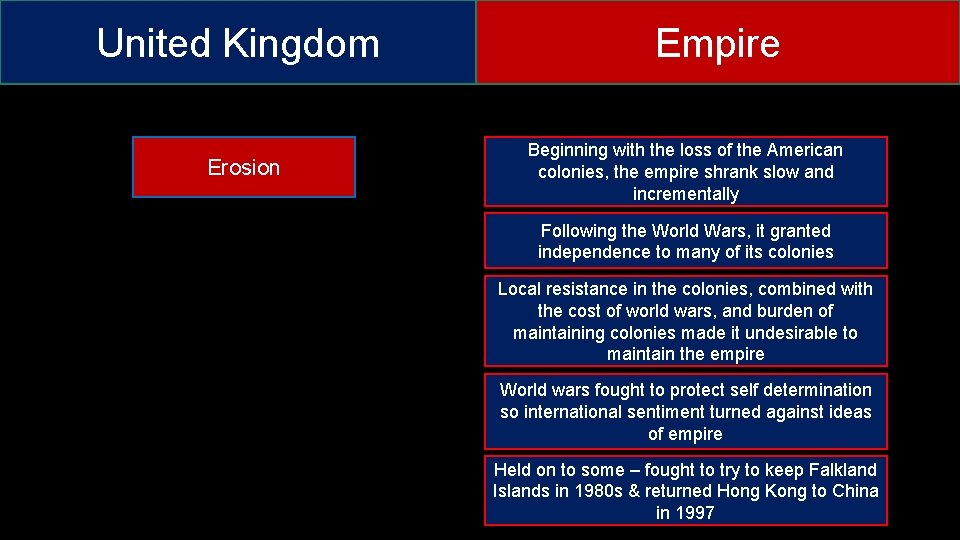
United Kingdom Erosion Empire Beginning with the loss of the American colonies, the empire shrank slow and incrementally Following the World Wars, it granted independence to many of its colonies Local resistance in the colonies, combined with the cost of world wars, and burden of maintaining colonies made it undesirable to maintain the empire World wars fought to protect self determination so international sentiment turned against ideas of empire Held on to some – fought to try to keep Falkland Islands in 1980 s & returned Hong Kong to China in 1997
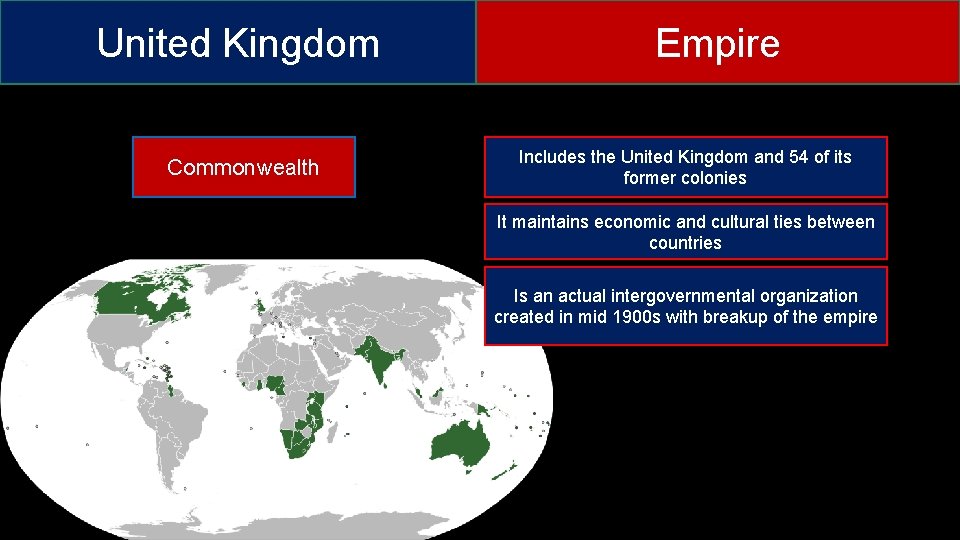
United Kingdom Commonwealth Empire Includes the United Kingdom and 54 of its former colonies It maintains economic and cultural ties between countries Is an actual intergovernmental organization created in mid 1900 s with breakup of the empire
United Kingdom Industry Industrialization UK is the first industrial nation and industrialization supported the growth of the empire Industries like textiles, machinery, and iron production helped moved the population from rural areas to urban centers They faced little competition and amassed tremendous wealth as well as a prosperous middle class with political clout Also ultimately led to economic decline – spend lavishly on empire & led the allied efforts in world wars
Democratization United Kingdom
United Kingdom Parliament Democratization Originally represented the interest of the elite – only wealthy could vote House of Lords represented the interests of the aristocracy A lower House of Commons represented the lower nobility and the merchant class British monarchs were not absolute rulers but did have considerable authority
United Kingdom Political Parties Democratization Groups of nobles organized in eighteenth century in first political parties Eventually reached out to other parts of society to increase support The Conservatives or the Tories supported the monarch The Liberals or the Whigs opposed the policies of the monarch The Whigs built support out of the UK’s growing commercial class, many of whom lacked access to the political system
United Kingdom Suffrage Democratization Whigs pushed through the Reform Act in 1832 – doubling the electorate (but still excluding 90% of adults) Both parties began advocating for expanded suffrage to build their own support This forced political parties to respond to demands for additional services Additional acts expanded suffrage to working class, non land owners, and married women Representation of the People Act of 1928 expanded suffrage to all women over 21
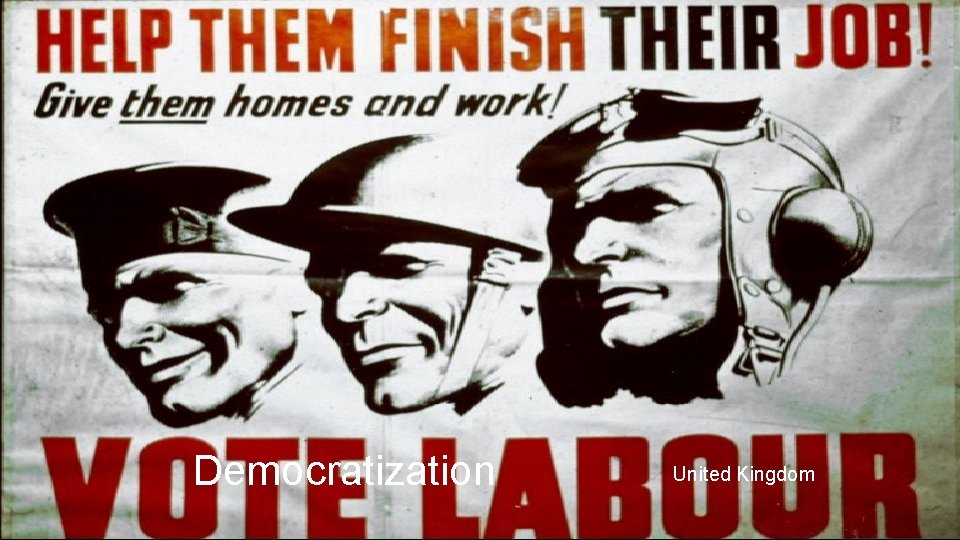
United Kingdom Labour Democratization New voters wanted public goods such as improved working conditions, health care, education, and housing access Labour Party formed in 1900 from members of trade unions across the UK They represented the working class and benefitted the most from the expansion of suffrage Became the largest center left party – pushed for policies that made up the welfare state – basic services for all British workers who served in the army in WW 2 came home supporting Labour in its quest to provide these services
Post-war United Kingdom
United Kingdom Labour victory Post-War UK Poltiics With the support of returning veterans, Labour won large victory in 1945 elections Public goods were expanded & coal, utilities, rail, & health care were nationalized Period of Labour rule called collectivist consensus but was also generally supported by Conservative party British soldiers were mostly from working class backgrounds – elected the party that advocated for working class needs – and built a welfare state to provide benefits to working class people
United Kingdom Collectivist consensus Post-War UK Poltiics From end of World War 2 to late 1970 s three major parties agreed on policies Encouraged nationalization, strong worker unions, heavy regulations, high taxes, and generous public benefits National health service was established – granting universal health care Education system was expanded and modernized – giving access to a broader base of British citizens
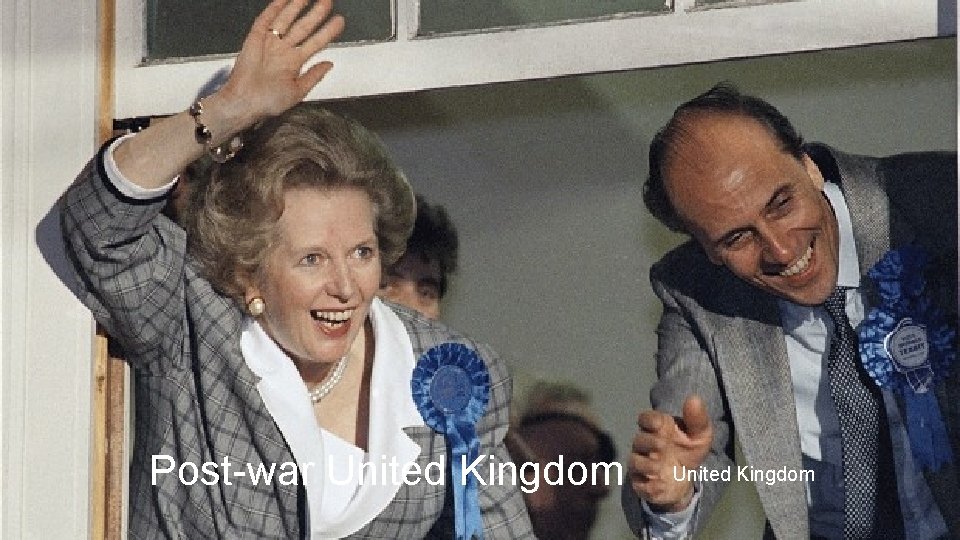
United Kingdom Slow Growth Post-War UK Poltiics In the 1970 s economic growth slowed, British economy was in crisis New breed of Tories called “neoliberals” because they embraced classical liberal idea of limited state intervention - emerged It was easy to blame economic decline on the excesses of the welfare state Support for Conservatives grew, culminating in victory in 1979 bringing Margret Thatcher to power
United Kingdom Thatcher Post-War UK Poltiics She criticized Labour policies as the “nanny state” & pledged to diminish role of govt. Called for lower taxes and reduced public spending especially on social services Privatized state services in industries like housing and mass transit Thatcher’s govt marked the end of any “consensus” in British politics New type of consensus emerged around the rollback of state intervention in the economy
United Kingdom New Labour Post-War UK Poltiics 1997 election ended Conservative rule with landslide wins by rebranded Labour Tony Blair led party with a “Third Way” platform that was more centrist It rejected the strict laissez faire policies as well as Labour’s elaborate welfare state Balanced popular progressive reforms with devolution and limits on expenditures Focused on policies that would encourage economic growth which would be a means of providing social benefits
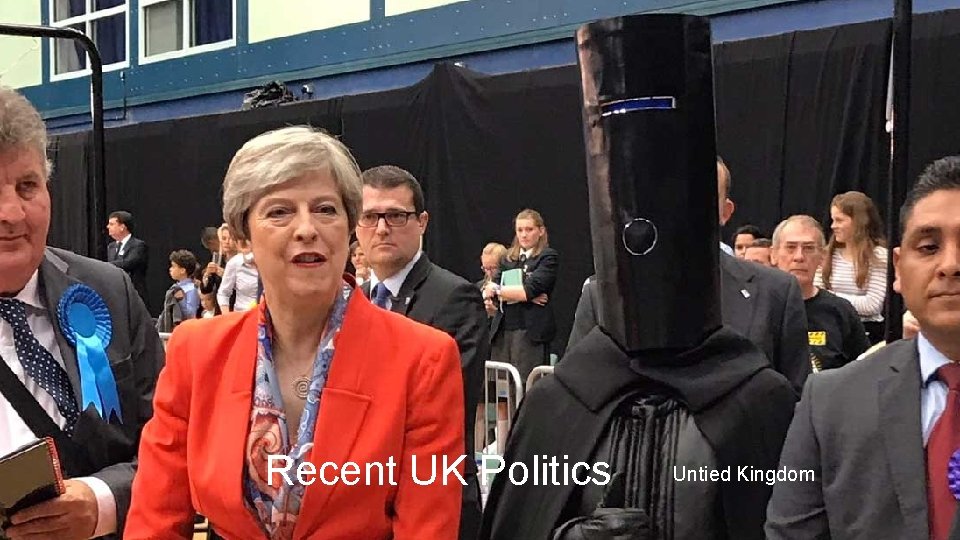
Recent UK Politics Untied Kingdom
United Kingdom New Labour collapse Industrialization Tony Blair’s support for US invasion of Iraq led to a loss in support for Labour Lax immigration policies combined with terrorist attacks in London in 2005 made Labour leadership seem weak to voters Tony Blair resigned in 2007 and was replaced with Gordon Brown without having to hold new elections Brown handled 2008 economic collapse better than European counterparts but still became increasingly unpopular
United Kingdom 2010 Industrialization 2010 election resulted in first “hung parliament” in decades David Cameron and Conservatives won plurality but needed the support of Nick Clegg and the Liberal Democrats to form a coalition and form a government They reduced spending and continued the devolution of powers that began under Blair Liberals demanded calls for voting reform in order to join coalition, but their referendum for different voting system failed
United Kingdom Coalition Govt Industrialization Liberal Democrats lost support as they compromised on many policies Good timing helped Conservatives through this period: Prince William got married in 2011 & had baby in 2013, London hosted Olympics in 2012 Scotland held referendum to leave UK in 2014, but 55% voted to remain Passed the Fixed Term Parliaments Act in 2015 making it so parliamentary general elections were held every 5 years starting in 2015
United Kingdom 2015 Election Industrialization Voters rewarded Conservatives with outright majority in Parliament Economy was also performing very well. Cameron promised to keep taxes low, reduce the deficit, and promised a referendum on EU membership Conservatives performed very well. Liberals lost 2/3 of their voter support. Scottish National Party won almost all the seats in Scotland. Labour & Liberal leaders resigned because of their poor performance
United Kingdom Referendum Industrialization June 2016 referendum on EU membership was held, as promised by Cameron 52% voted to leave EU, mostly in Wales and Northern England Cameron campaigned to remain in the EU but faced strong opposition from other parties like Nigel Farage’s UKIP Cameron resigned as prime minister after the referendum. Scotland – strongly in favor of remaining in EU began to organize another referendum to leave the UK
United Kingdom Theresa May Industrialization May became leader of Conservatives after Cameron’s resignation First she said she would not call for an election – but called one in April 2017 She explained there should be a new election to confirm support for her as leader after the EU vote She continued spending cuts in a variety of programs including police Has been generally supportive of US President Donald Trump despite condemnation of him by majorities of MPs
United Kingdom 2017 Election Industrialization Conservatives lost 13 seats and control of an outright majority Labour had large gains in support leading up to election & gained 30 seats UKIP lost support There were calls for May to resign her party leadership, but she remained and formed a coalition with the Democratic Unionist Party to obtain a majority of Parliament
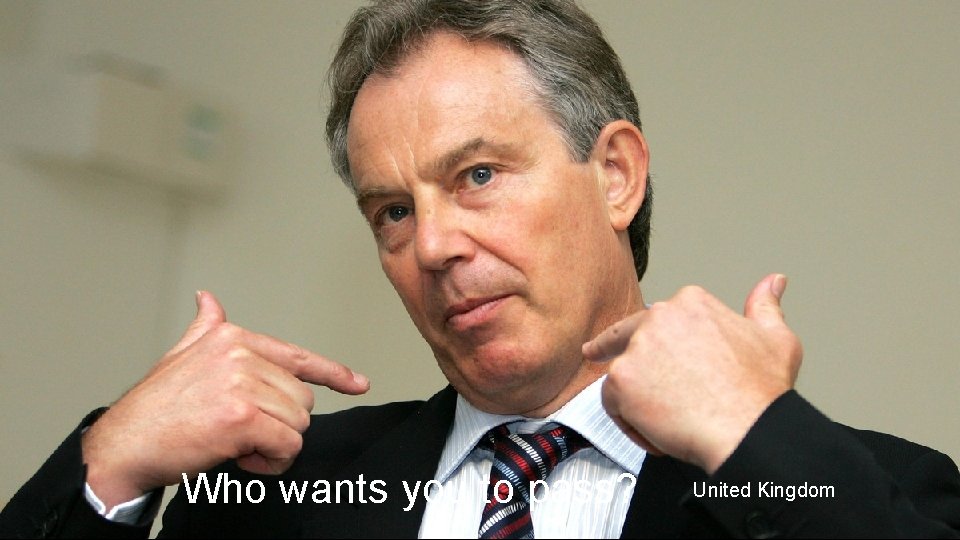
Who wants you to pass? United Kingdom
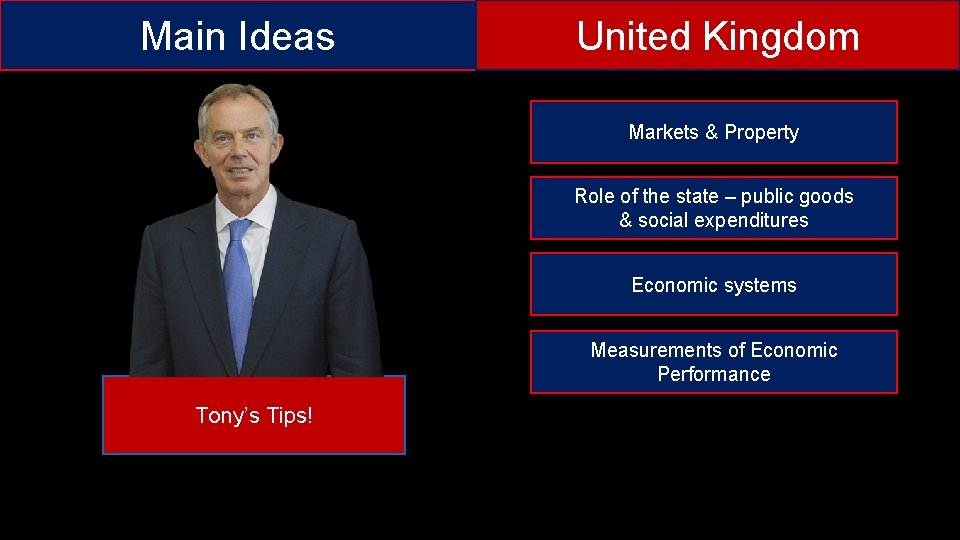
Main Ideas United Kingdom Markets & Property Role of the state – public goods & social expenditures Economic systems Measurements of Economic Performance Tony’s Tips!