
Development of a DirectDrive Permanent Magnet Electric Motor
- Slides: 22
Development of a Direct-Drive Permanent Magnet Electric Motor with Ultra-High Torque Density of Electric Vehicle Application ZHANG Gang 14109761 D Project ID: FYP_120
Content 1. Introduction 2. Background 3. Methodology 4. Results 5. Conclusion
Introduction High Torque Density for EV Application Permanent Magnet (PM) Motor Brushless DC Motor (BLDC Motor) and Vernier Motor
Objectives A multi-objective optimisation 1. High Torque Density (or High Power Density with a fixed total volume of the machine); 2. High Overall Efficiency (or Low Total Loss); 3. Low Torque Ripple in the Output Torque;
Background: BLDC Using solid state semiconductor technology to achieve electrical commutation Inner Rotor and Outer Rotor According to flux direction: circumferential and transverse flux machines
Background: Vernier Motor The concept is similar to that of a poly-phase reluctance motor A tiny displacement in the relative position of the rotor to the stator will result in a much larger displacement of the maximum and minimum permeance axes Essentially an electric gearing
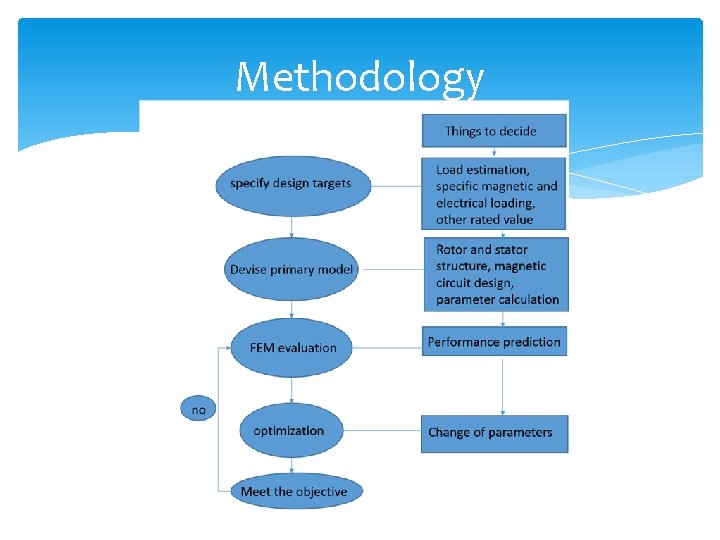
Methodology
Methodology: BLDC Pole Number and Slot Number Thermal Consideration: armature thermal load q. A and conductor current density J Magnetism: in the air-gap, should be around 0. 7 T and in the teeth should not exceed 2 T Main Dimension: the air-gap diameter D, effective core length Lef and air-gap length
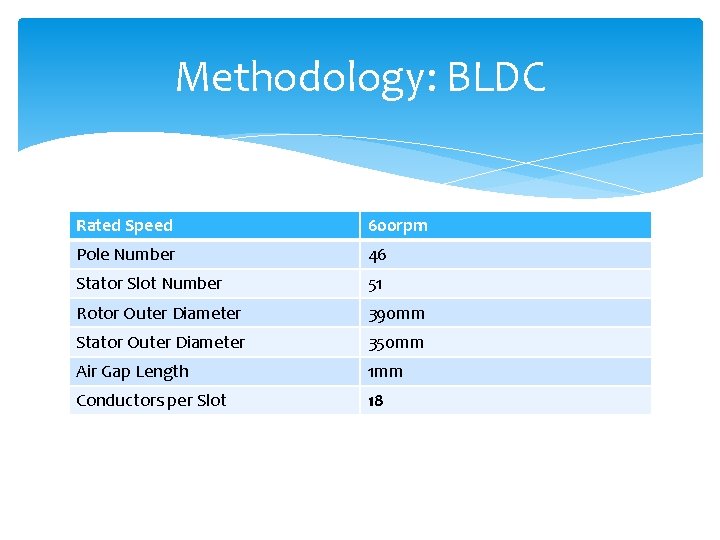
Methodology: BLDC Rated Speed 600 rpm Pole Number 46 Stator Slot Number 51 Rotor Outer Diameter 390 mm Stator Outer Diameter 350 mm Air Gap Length 1 mm Conductors per Slot 18
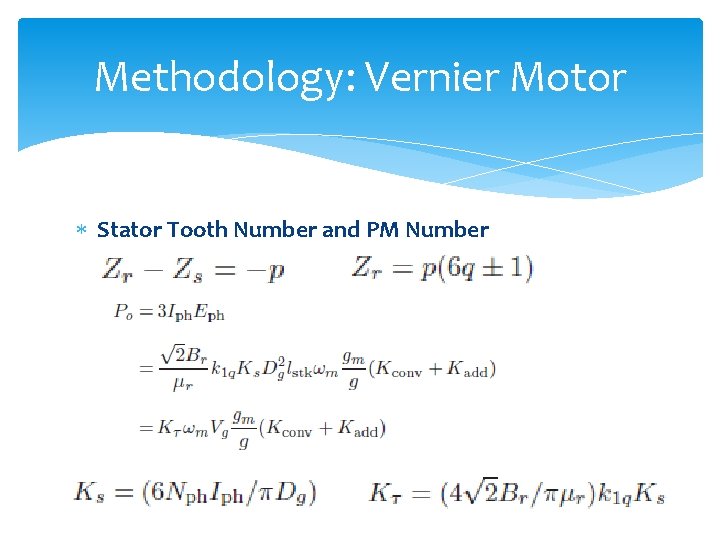
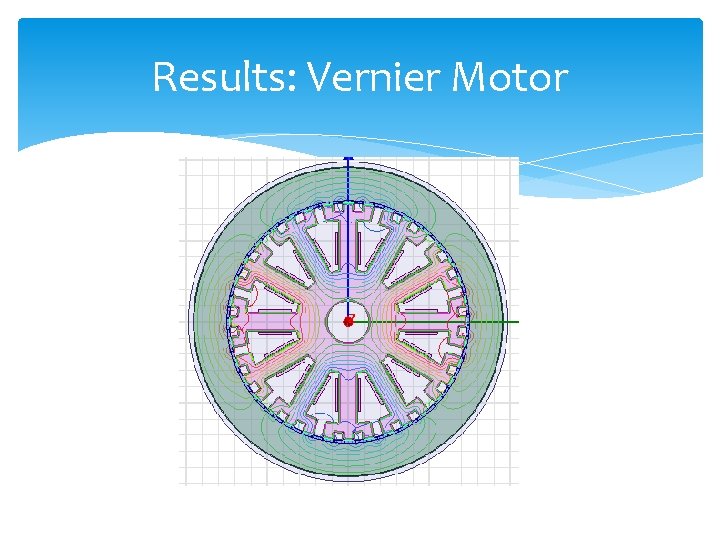
Methodology: Vernier Motor Stator Tooth Number and PM Number
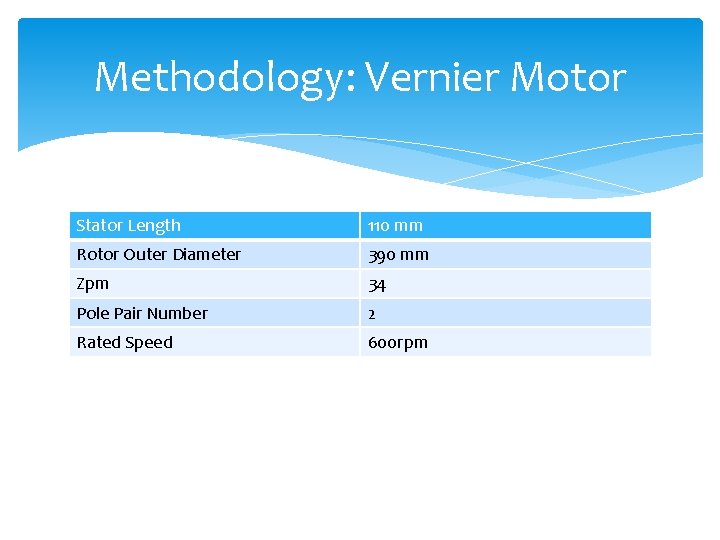
Methodology: Vernier Motor Stator Length 110 mm Rotor Outer Diameter 390 mm Zpm 34 Pole Pair Number 2 Rated Speed 600 rpm
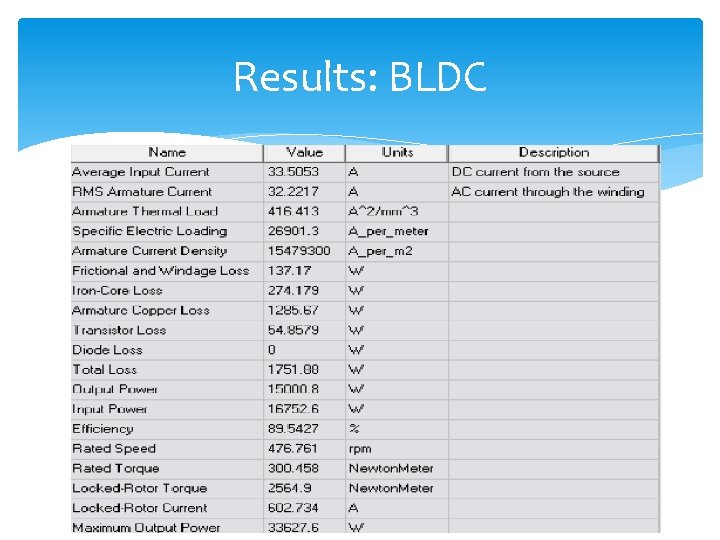
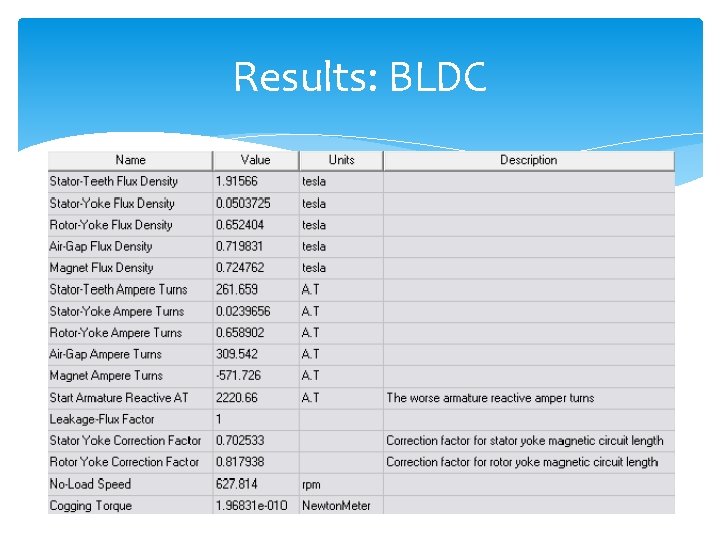
Results: BLDC
Results: BLDC
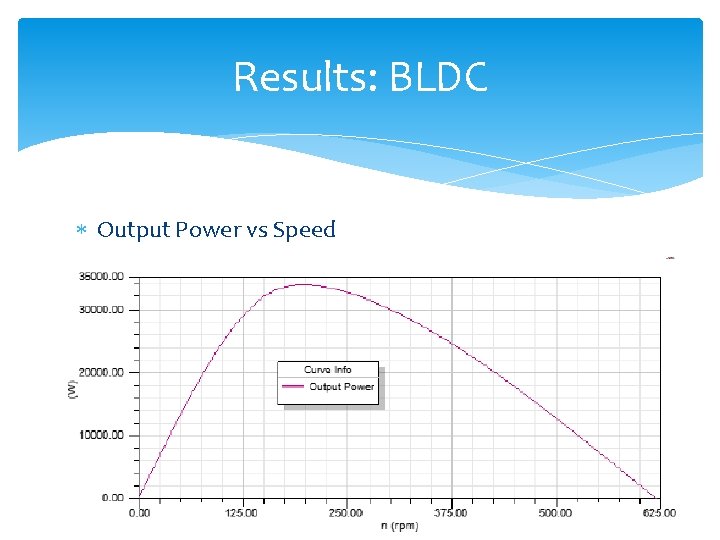
Results: BLDC Output Power vs Speed
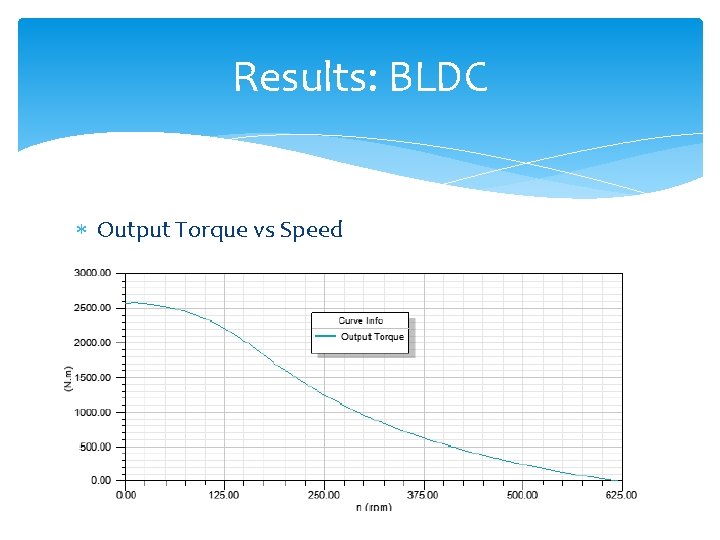
Results: BLDC Output Torque vs Speed
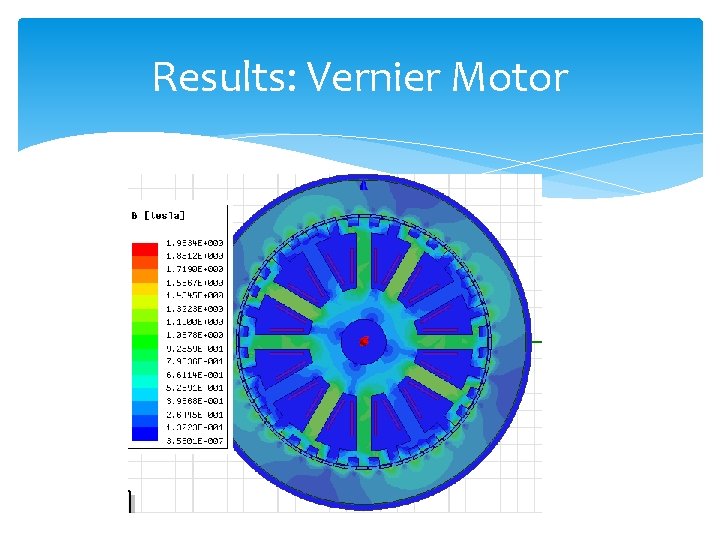
Results: Vernier Motor
Results: Vernier Motor
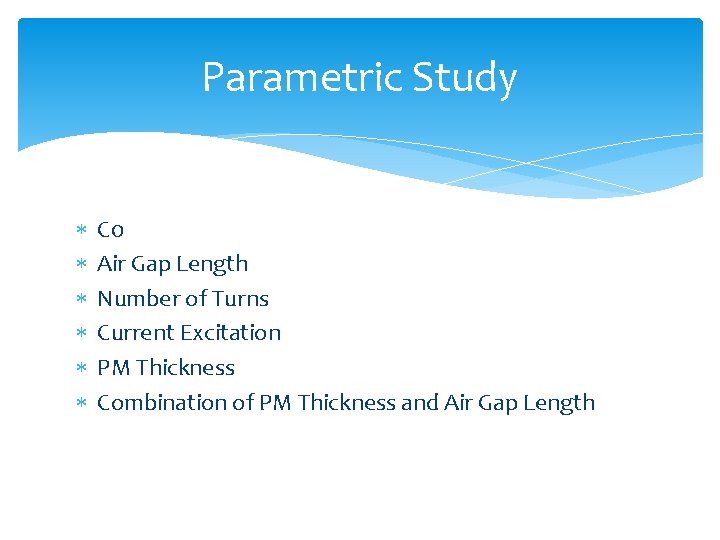
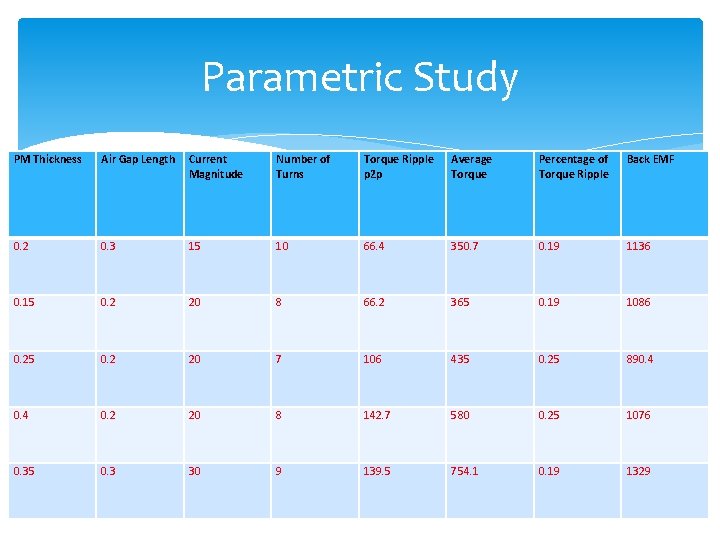
Parametric Study C 0 Air Gap Length Number of Turns Current Excitation PM Thickness Combination of PM Thickness and Air Gap Length
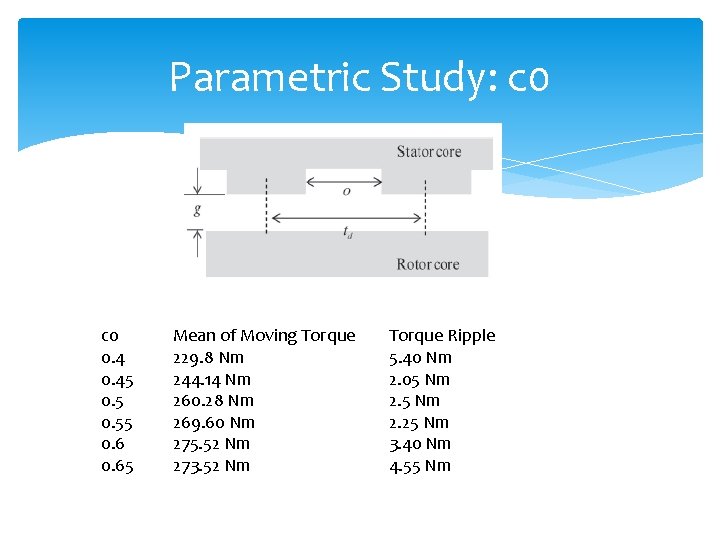
Parametric Study: c 0 0. 45 0. 55 0. 65 Mean of Moving Torque 229. 8 Nm 244. 14 Nm 260. 28 Nm 269. 60 Nm 275. 52 Nm 273. 52 Nm Torque Ripple 5. 40 Nm 2. 05 Nm 2. 25 Nm 3. 40 Nm 4. 55 Nm
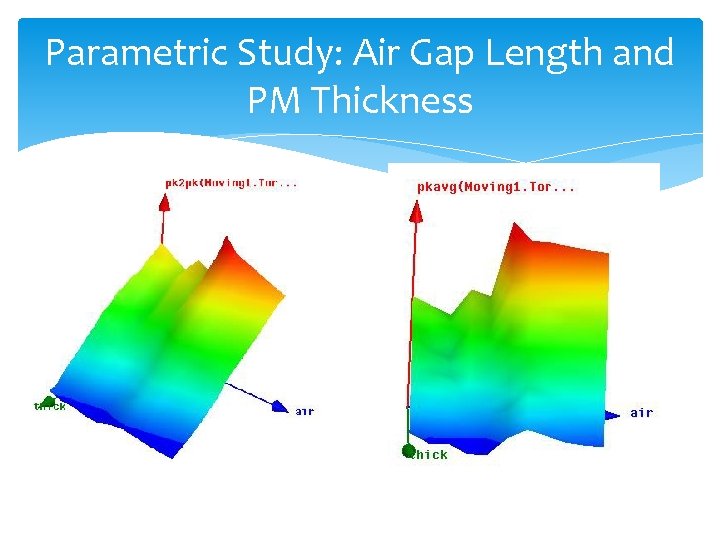
Parametric Study: Air Gap Length and PM Thickness
Parametric Study PM Thickness Air Gap Length Current Magnitude Number of Turns Torque Ripple p 2 p Average Torque Percentage of Torque Ripple Back EMF 0. 2 0. 3 15 10 66. 4 350. 7 0. 19 1136 0. 15 0. 2 20 8 66. 2 365 0. 19 1086 0. 25 0. 2 20 7 106 435 0. 25 890. 4 0. 2 20 8 142. 7 580 0. 25 1076 0. 35 0. 3 30 9 139. 5 754. 1 0. 19 1329
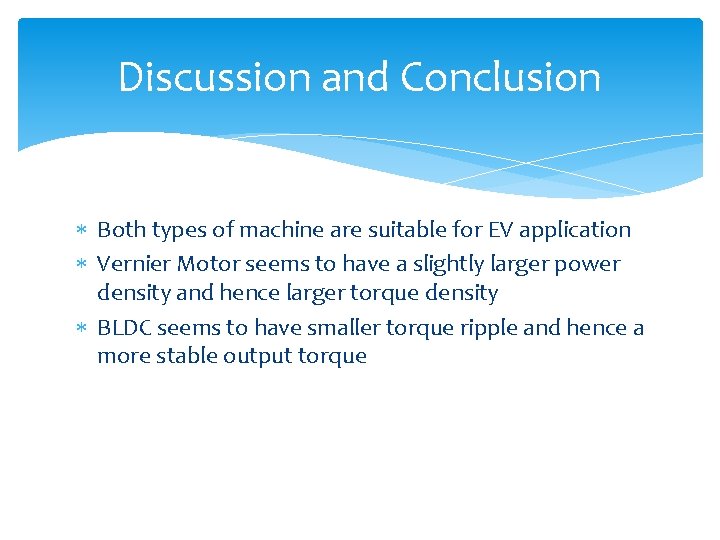
Discussion and Conclusion Both types of machine are suitable for EV application Vernier Motor seems to have a slightly larger power density and hence larger torque density BLDC seems to have smaller torque ripple and hence a more stable output torque