
DEVELOPMENT Key Ideas 1 2 Differences in the
- Slides: 45
DEVELOPMENT: Key Ideas 1. 2. Differences in the level of development between MEDCs and LEDCs are related to many factorseconomic, environmental, social and political Interdependance between MEDCs and LEDCs in world trade mean a shared responsibility
KEY VOCABULARY n n n n AID APPROPRIATE TECHNOLOGY BILATERAL/POLITICAL AID CHARITABLE AID DEVELOPMENT GNP HDI n n n n HAZARD INTERDEPENDANCE LONG TERM AID PRODUCT DEPENDENCY SHORT TERM AID SUSTAINABLE DEVELOPMENT TIED AID TRADE GROUPING
CASE STUDIES n Example of short term and long term aid
Development is… Levels of economic, social, cultural and technological advancement and their rates of growth. (Standard of living? What wealth exists? Is it increasing? )
Being economically developed means that a country is wealthy, standards of living are high. Many people can afford cars, have a wide range of electrical goods in their homes and take at least one holiday a year.
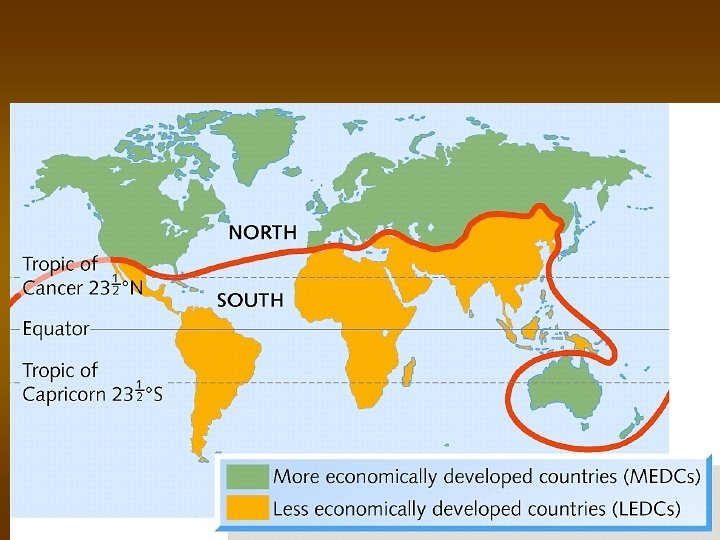
Based on wealth the world is divided into: n More Economically Developed Countries n n (Richer, industrialised, developed, first world countries – the ‘North’) Less Economically Developed Countries n (Poorer, less industrialised, developing, third world countries – the ‘South’)
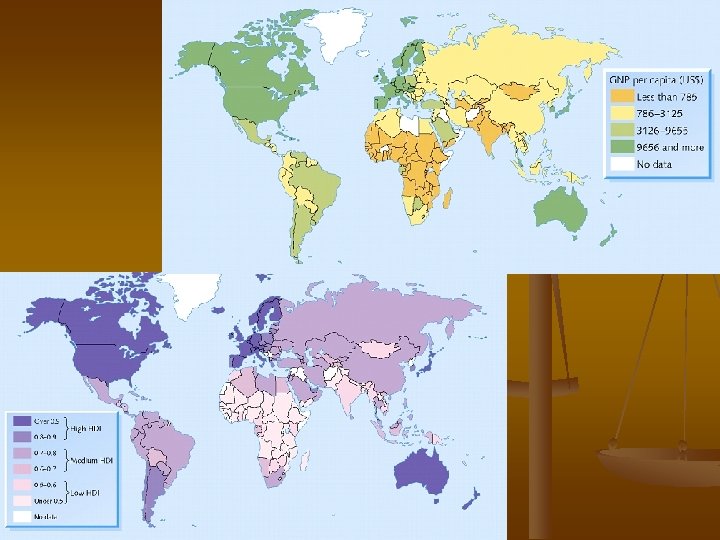
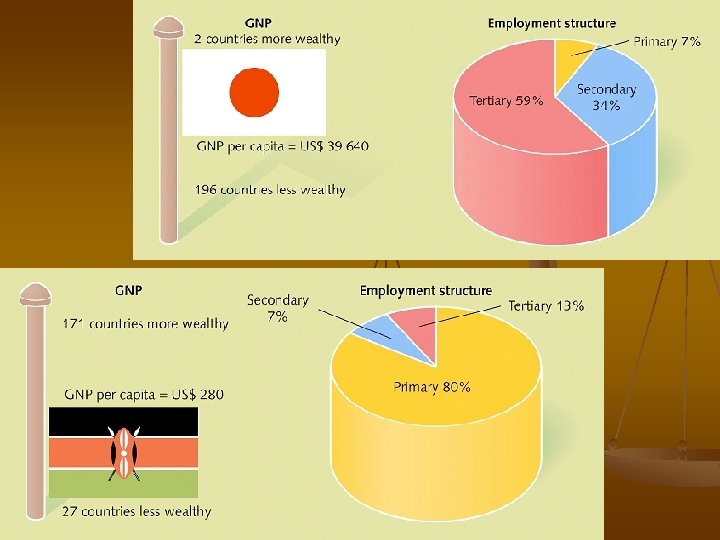
How could you measure and compare a countries economic wealth? n For one country: Add up the value of ALL the goods produced and services provided in one year n Divide by the total population n Convert to US$ n This gives you the countries GNP person GNP = GROSS NATIONAL PRODUCT
Problems in measuring development n n n Some parts of countries very remote People cant read/write = fill in forms Subsistence farmers measure wealth by size of herds – this doesn’t fit into GNP
UN measure for development Measure by social factors n HDI n (Human development index) n Measures adult literacy (education), Life expectancy (health) and value of income (what will it actually buy? ) n
Key Points n n n Judgments about a country's state of development are constantly being made. These judgments are often different because they depend on the type of measure used and the reliability of data. However general differences between MEDC’s and LEDC’S can be spotted
Key Points n n There are lots of ways of measuring development by social factors All of them have some drawbacks / problems
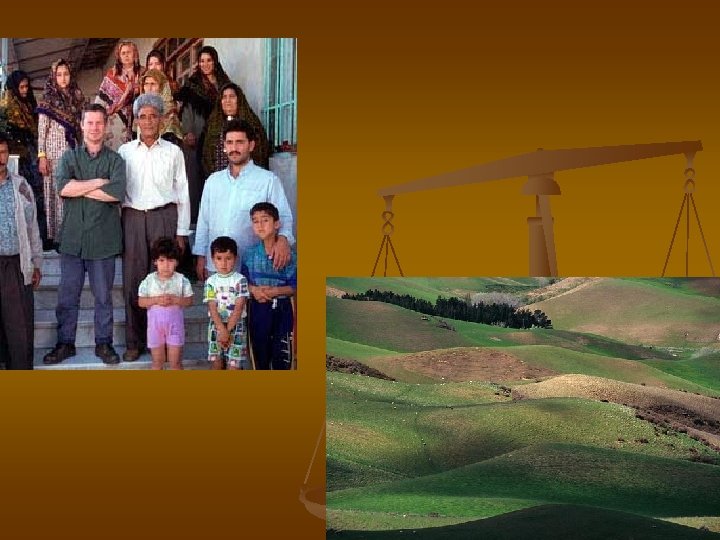
Try not to stereotype Which countries would you consider to be: Economically well developed n Socially well developed n Culturally well developed n Politically well developed n Environmentally developed n
How can you develop? n n n Rostow suggests there are five stages. Every country has the potential to pass through these stages to become industrialised and developed. Most countries that are developed have gone through these stages in the past.
Key Point Environmental conditions affect development. Some have the potential to damage development, others to enhance it and others could do both. So WHAT YOU’VE GOT AFFECTS WERE YOUR GOING
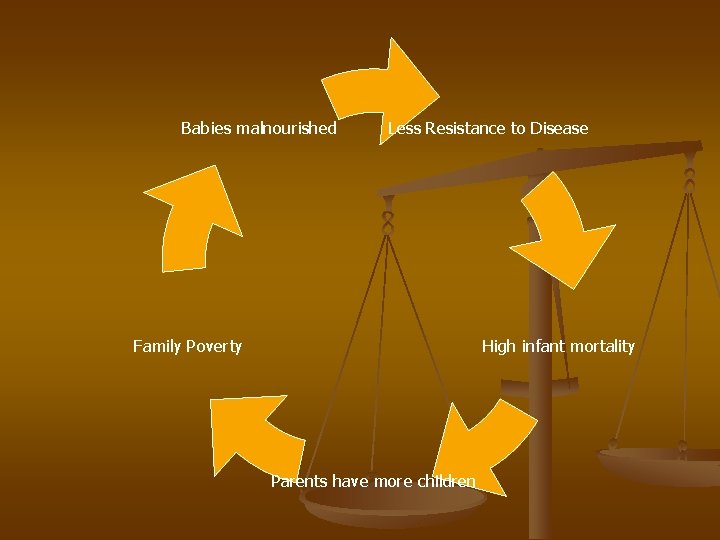
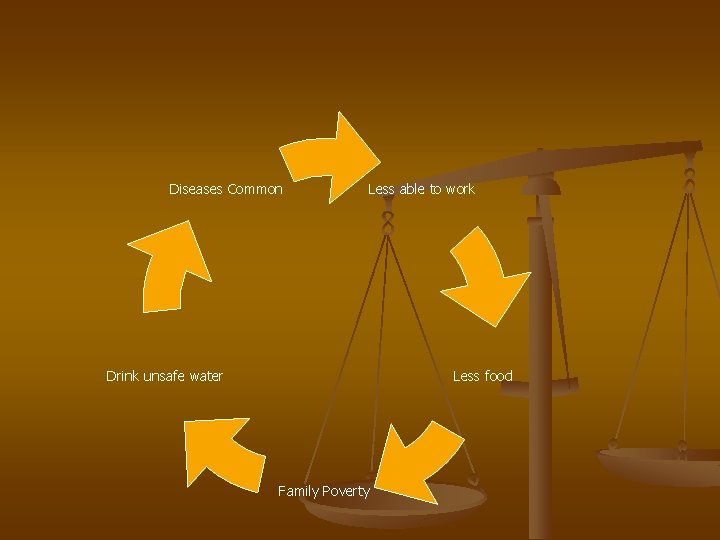
Many factors for low levels of development are interrelated n n n The basic reason for lack of development is usually economic Social problems follow from this A cycle of poverty develops
Babies malnourished Less Resistance to Disease Family Poverty High infant mortality Parents have more children
Diseases Common Less able to work Drink unsafe water Less food Family Poverty
Key Point: Environmental conditions affect development but they can often be overcome Eg Dubai and York
Key Points Most countries experience hazards. n However MEDC’s can respond to hazards more effectively, reducing long term impacts. n LEDC’s don’t have the resources to cope so can struggle to recover affecting development n
Key Point: We have looked at how physical (natural) events affect development. However the major influence on levels of development are human
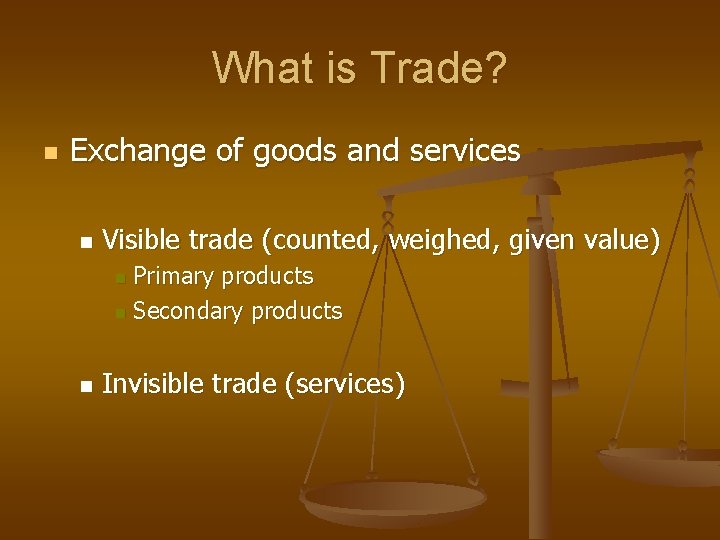
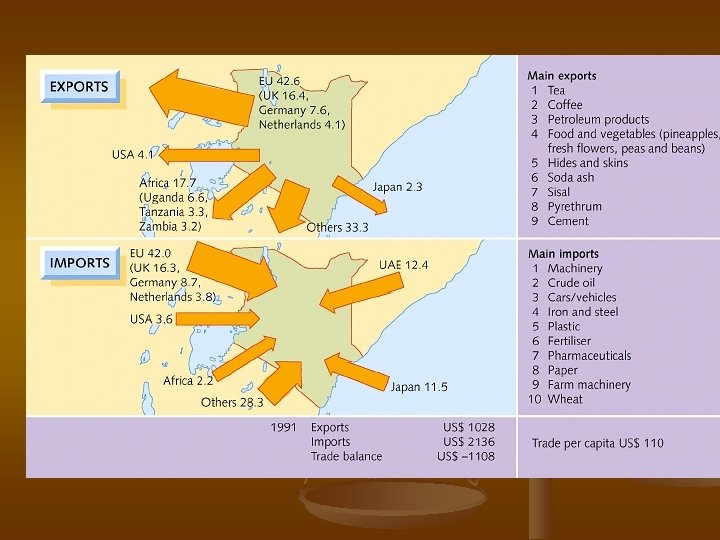
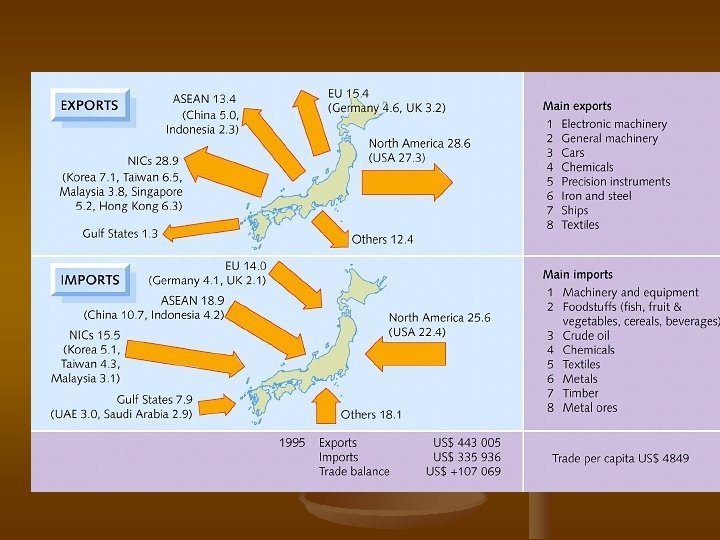
TRADE: The exchange of goods and services
What is Trade? n Exchange of goods and services n Visible trade (counted, weighed, given value) Primary products n Secondary products n n Invisible trade (services)
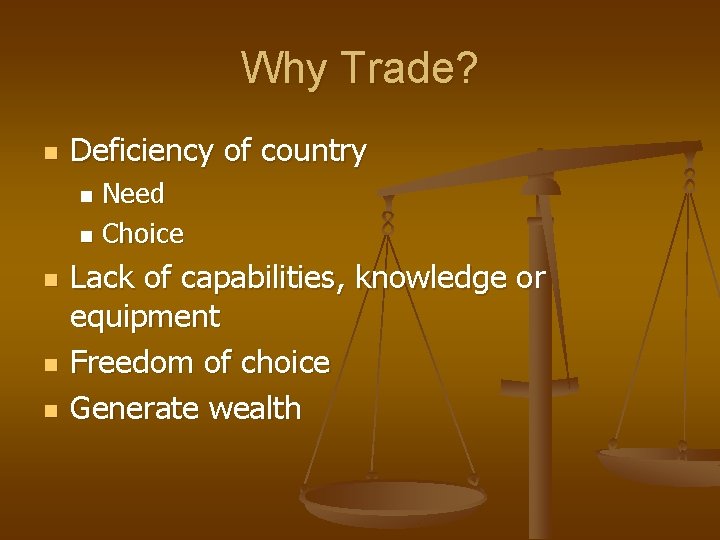
Why Trade? n Deficiency of country Need n Choice n n Lack of capabilities, knowledge or equipment Freedom of choice Generate wealth
Interdependence means…? Each reliant on the other n What does the LEDC’s need from the MEDC’s? n What does the MEDC’s need from the LEDC’s?
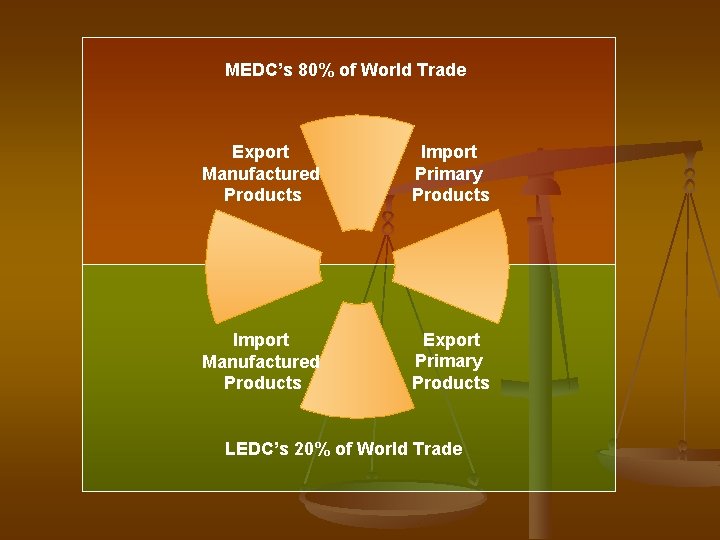
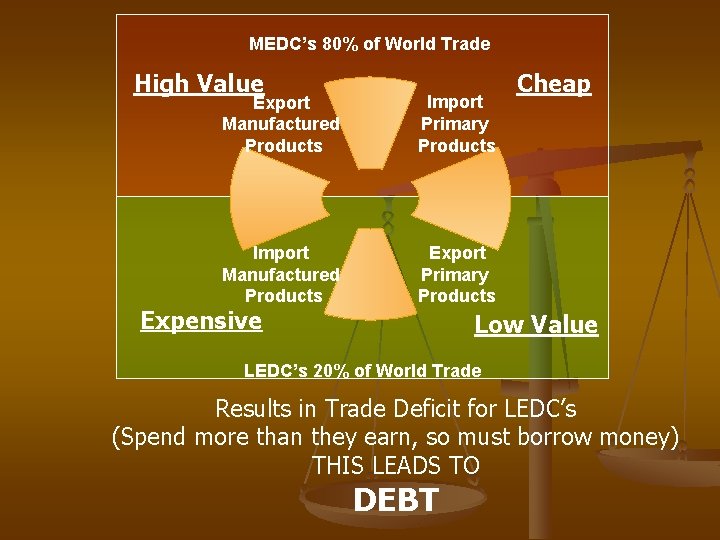
MEDC’s 80% of World Trade Export Manufactured Products Import Primary Products Import Manufactured Products Export Primary Products LEDC’s 20% of World Trade
MEDC’s 80% of World Trade High Value Export Manufactured Products Import Primary Products Import Manufactured Products Export Primary Products Expensive Cheap Low Value LEDC’s 20% of World Trade Results in Trade Deficit for LEDC’s (Spend more than they earn, so must borrow money) THIS LEADS TO DEBT
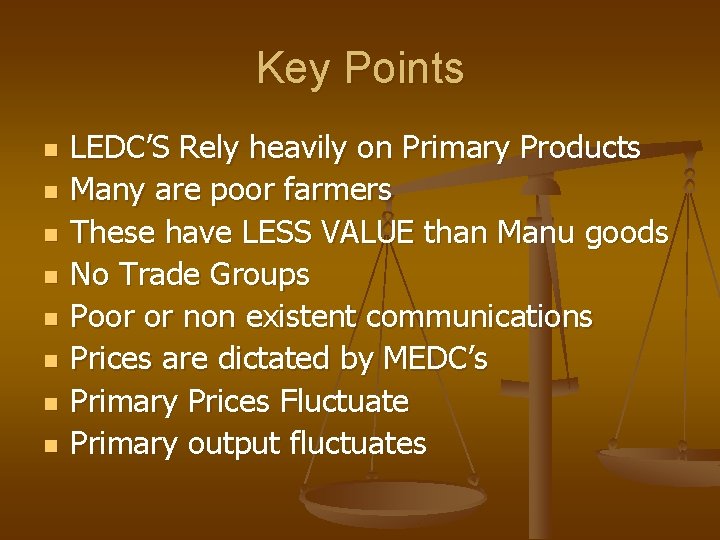
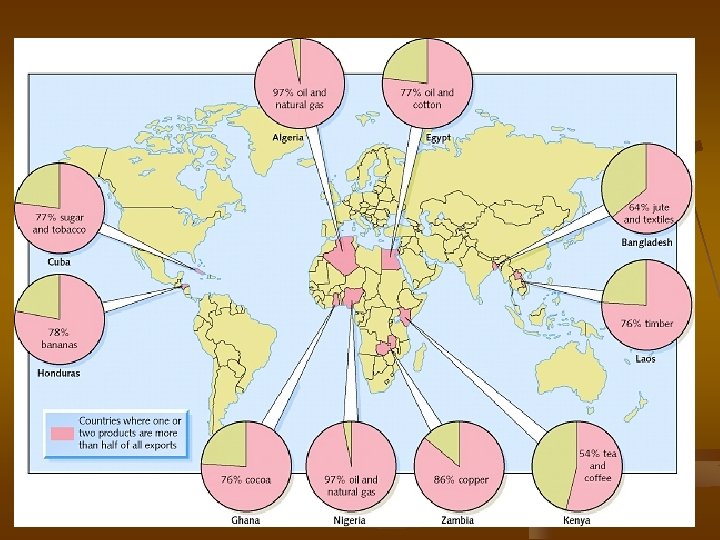
Key Points n n n n LEDC’S Rely heavily on Primary Products Many are poor farmers These have LESS VALUE than Manu goods No Trade Groups Poor or non existent communications Prices are dictated by MEDC’s Primary Prices Fluctuate Primary output fluctuates
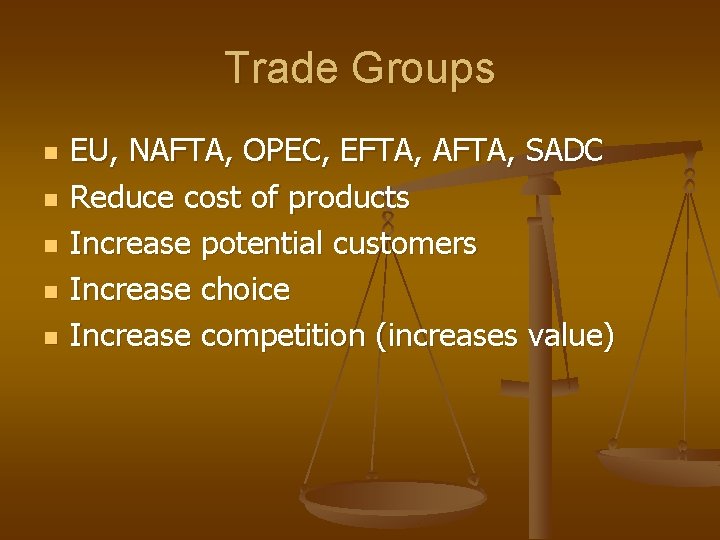
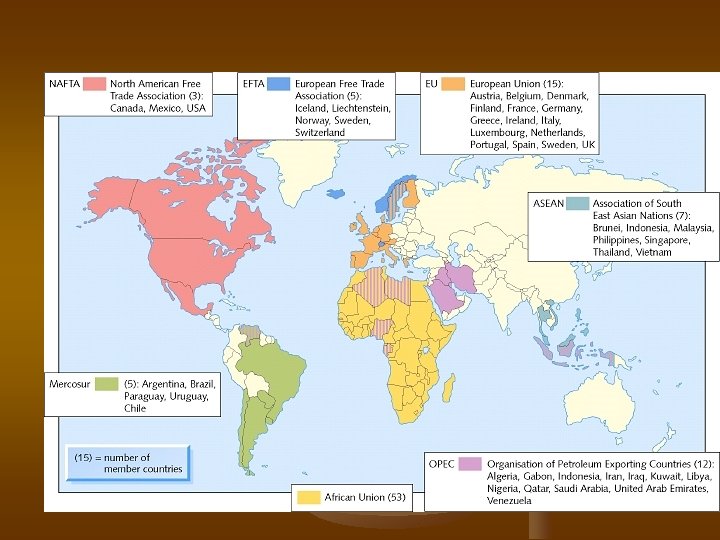
Trade Groups n n n EU, NAFTA, OPEC, EFTA, AFTA, SADC Reduce cost of products Increase potential customers Increase choice Increase competition (increases value)
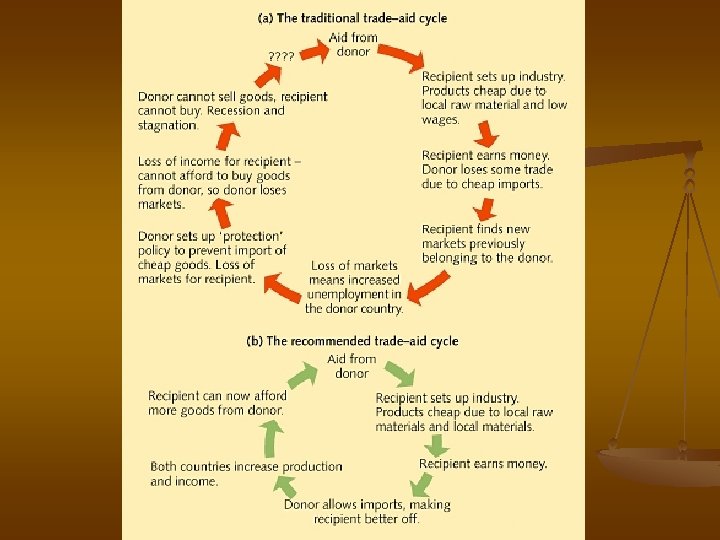
What is international Its formaid? and function
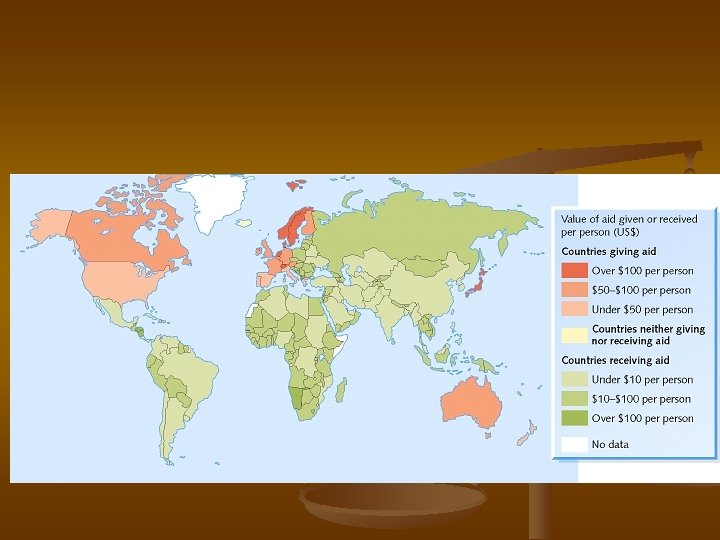
The nature of aid n n Aid is the giving of resources by one country, or an organisation (known as the donor) to another country (the recipient) It can be in the form of: n Money n Goods (e. g. food, machinery, technology) n People who have skills and knowledge
Types of aid n Bilateral Provides major projects Little value to most ordinary people n n n Multilateral Much help given to children Large organisations slow to respond to local needs n n Voluntary/NGO aid More likely to target local needs and run community based projects n Have to spend to much money on relief aid n Power can be minimal n n Short Term Long Term
What is the purpose of aid? n n To fund a trade deficit (i. e. the value of the country’s imports is greater than its exports) To try to improve basic amenities and infrastructure To encourage and promote self-help schemes and sustainable development Because some countries are prone to natural disasters
How helpful is aid? ‘If you give a man a fish, he will eat for a day. If you teach a man to fish, he will eat for a lifetime. If you teach a child to fish, she may feed the world. ’
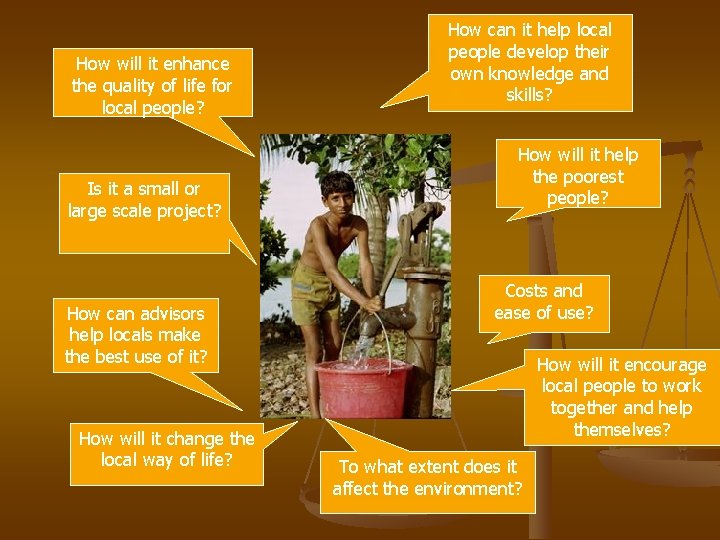
How will it enhance the quality of life for local people? Is it a small or large scale project? How can advisors help locals make the best use of it? How will it change the local way of life? How can it help local people develop their own knowledge and skills? How will it help the poorest people? Costs and ease of use? How will it encourage local people to work together and help themselves? To what extent does it affect the environment?