
Development and the Next Generation World Development Report
- Slides: 17
Development and the Next Generation World Development Report 2007 World Bank 9/2006 1
About the Report n n World Development Report 2007: Development and the Next Generation There has never been a better time to invest in young people in developing countries. Those who are 12 -24 years of age number 1. 3 billion and make up the largest youth cohort in history. 2
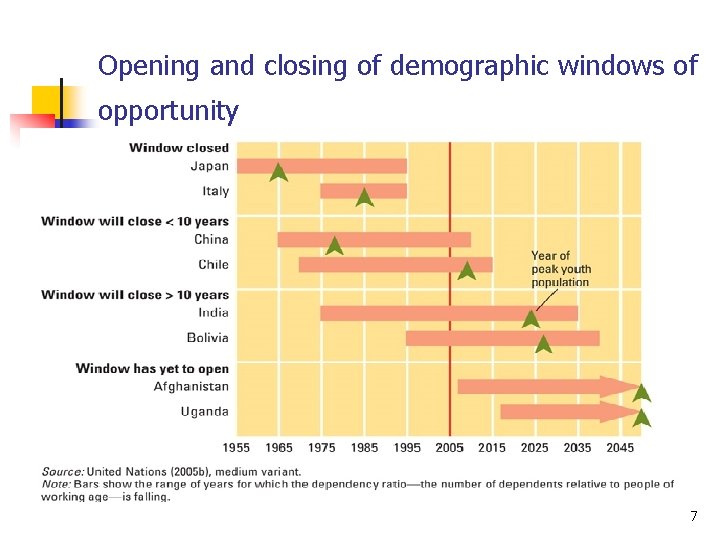
n n n They are, on average, more educated and healthier than generations before them. They represent a potentially stronger base on which to build in a world that is increasingly demanding more than basic skills. Today's young people are the next generation of workers, entrepreneurs, parents, active citizens and leaders who have relatively fewer dependents because of lower birth rates. Countries need to seize this window of opportunity to invest in the future before the aging process closes it. World Development Report 2007: Development and the Next Generation discusses priorities for government action across five youth transitions that shape young people's human capital: learning, working, staying healthy, forming families, and excercising citizenship. 3
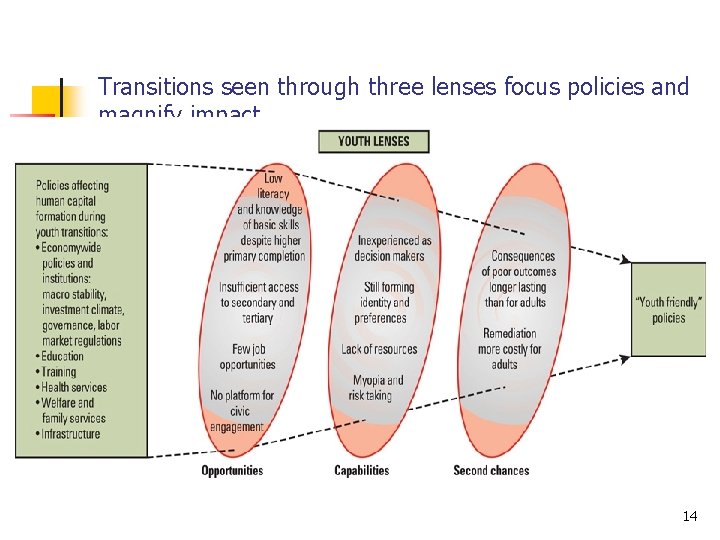
n n Within these transitions, priorities for investment vary across countries. The Report highlights three lenses that help assess priorities: expanding opportunities, enhancing capabilities, and providing second chances. Expanding opportunities focuses on increasing the quality (not just quantity) of education, smoothing the transition to work, and providing young people with a platform for civic engagement. Enhancing capabilities involves making young people aware of the consequences of their actions, especially consequences that will affect them much later in life; building their decision-making skills; and giving them the right incentives. Providing second chances calls for helping young people recover from missed opportunities through remedial education, retraining, treatment, and rehabilitation. 4
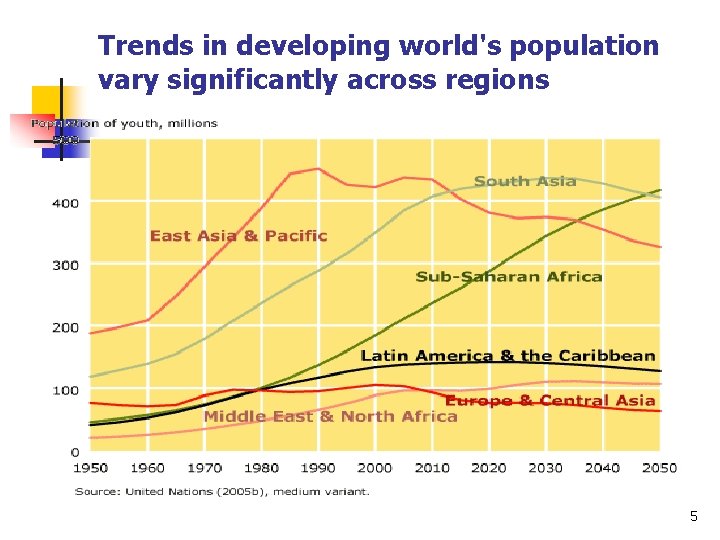
Trends in developing world's population vary significantly across regions 5
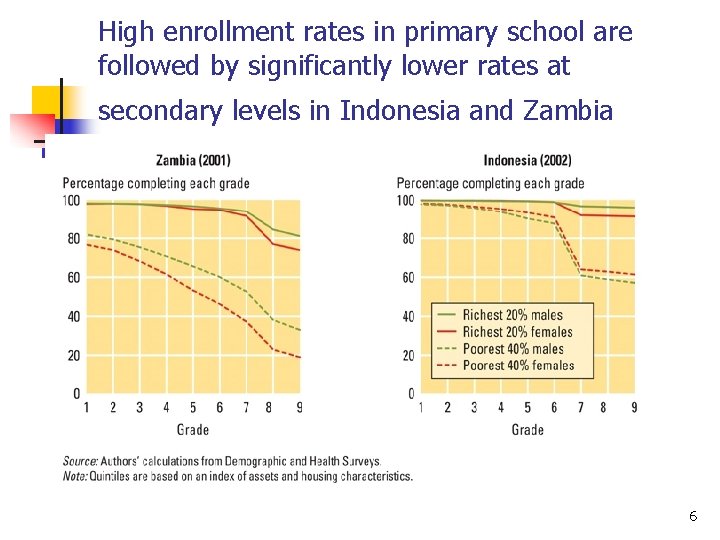
High enrollment rates in primary school are followed by significantly lower rates at secondary levels in Indonesia and Zambia 6
Opening and closing of demographic windows of opportunity 7
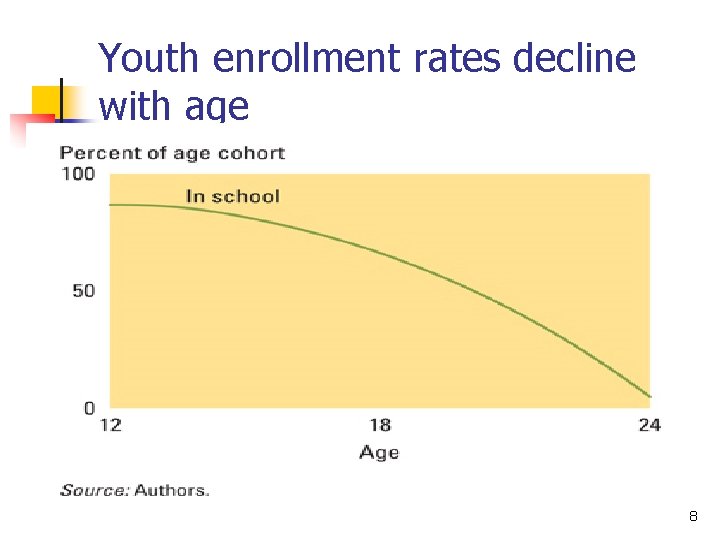
Youth enrollment rates decline with age 8
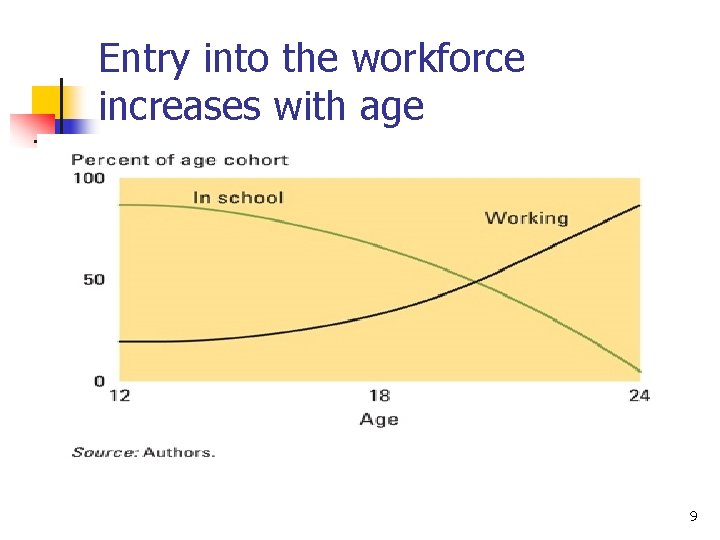
Entry into the workforce increases with age 9
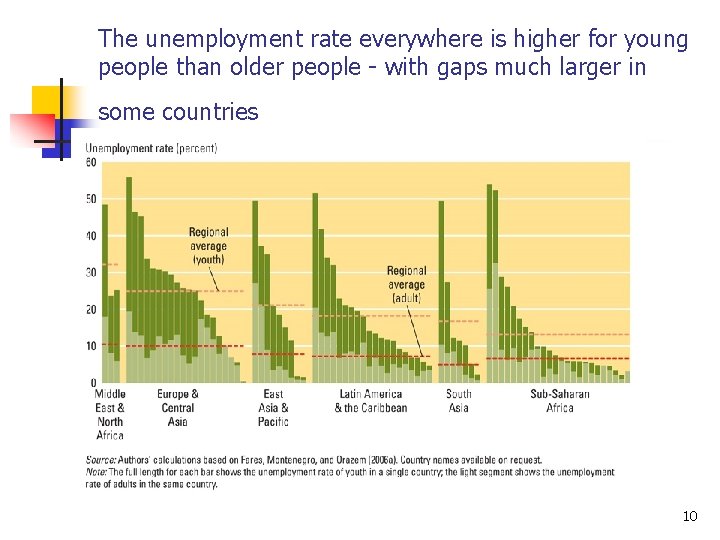
The unemployment rate everywhere is higher for young people than older people - with gaps much larger in some countries 10
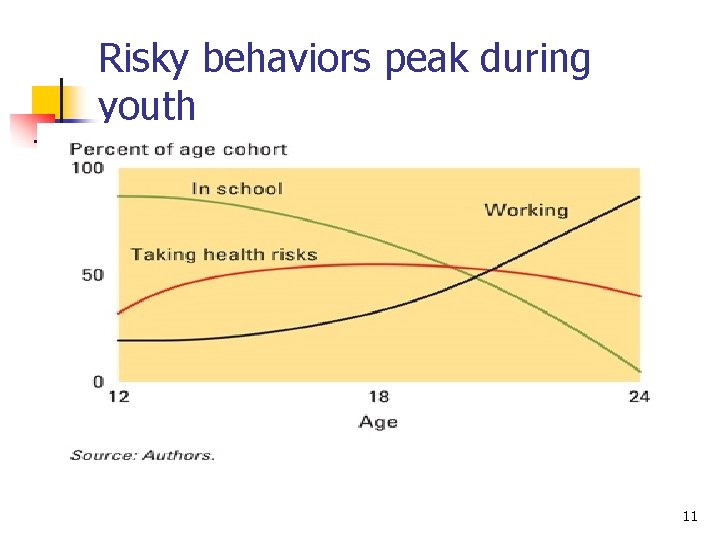
Risky behaviors peak during youth 11
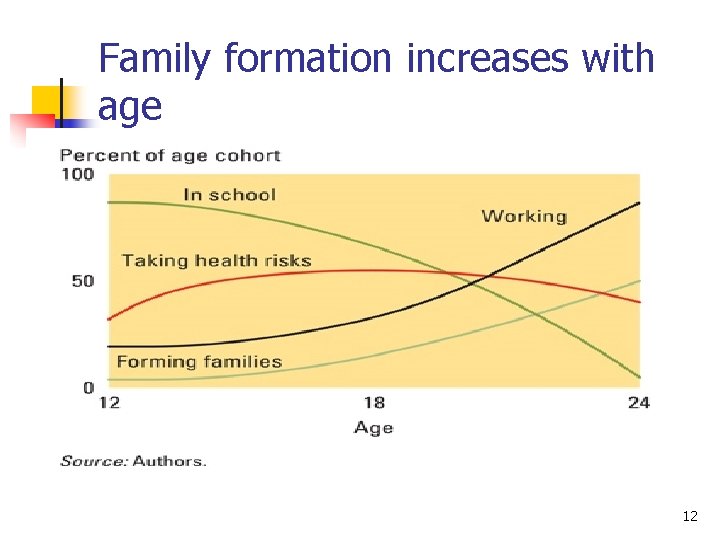
Family formation increases with age 12
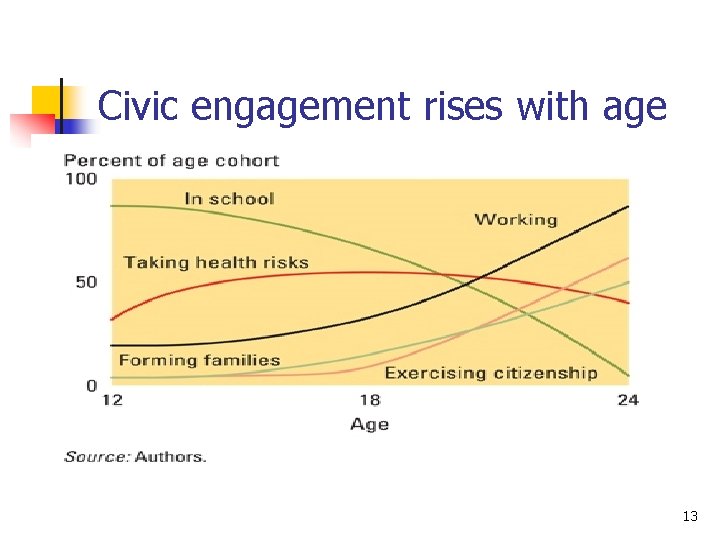
Civic engagement rises with age 13
Transitions seen through three lenses focus policies and magnify impact 14
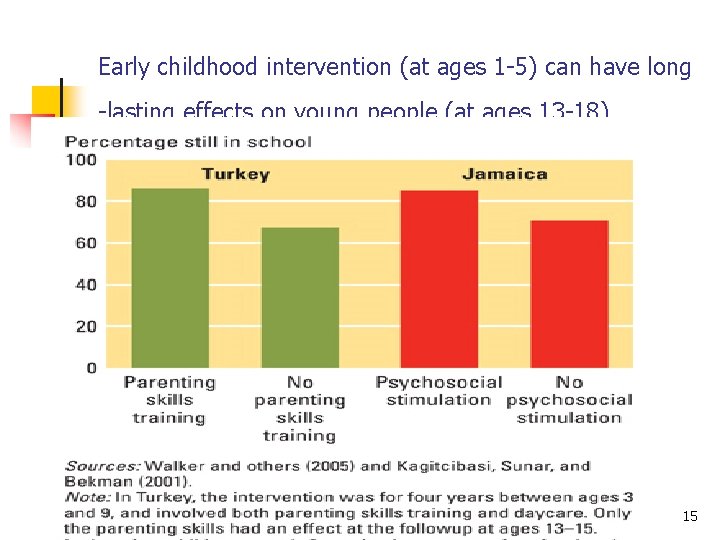
Early childhood intervention (at ages 1 -5) can have long -lasting effects on young people (at ages 13 -18) 15
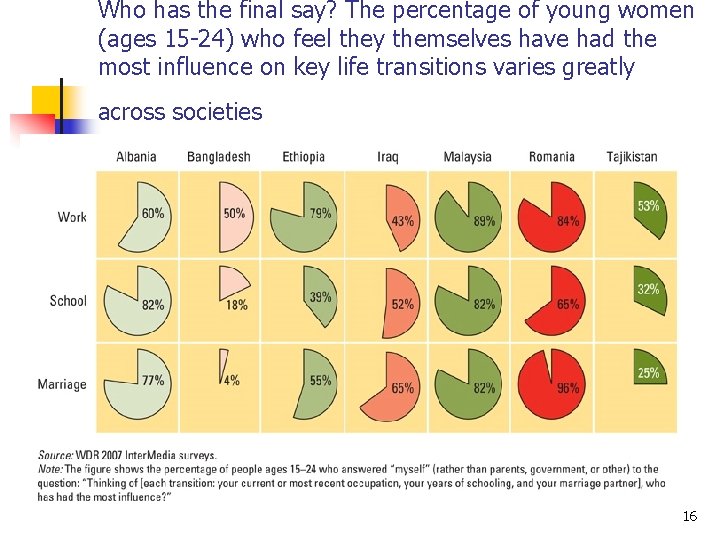
Who has the final say? The percentage of young women (ages 15 -24) who feel they themselves have had the most influence on key life transitions varies greatly across societies 16
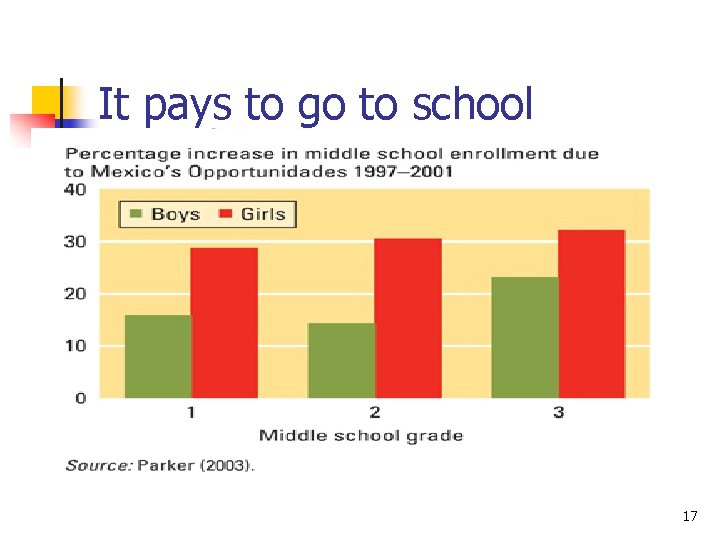
It pays to go to school 17