
Developing strategic performance management systems E 3 Chapter

- Slides: 10
Developing strategic performance management systems E 3 – Chapter 9
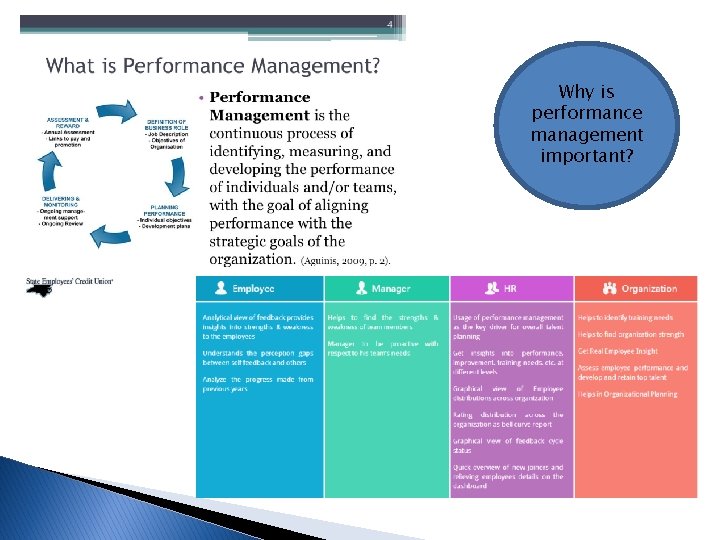
Why is performance management important?
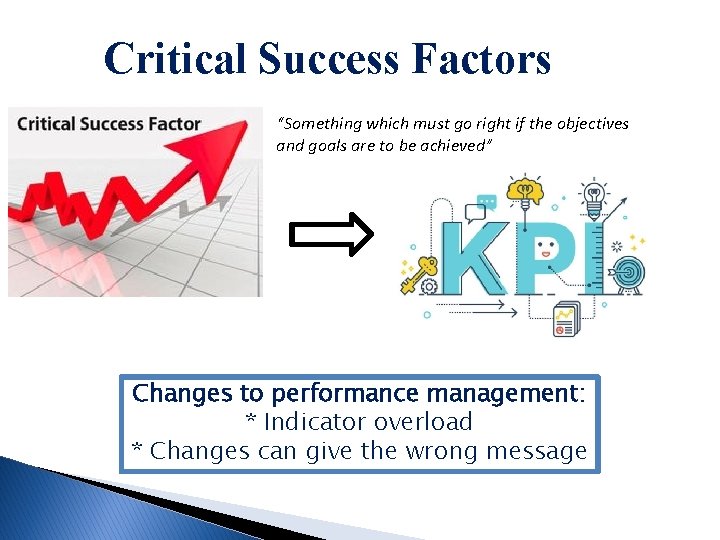
Critical Success Factors “Something which must go right if the objectives and goals are to be achieved” Changes to performance management: * Indicator overload * Changes can give the wrong message
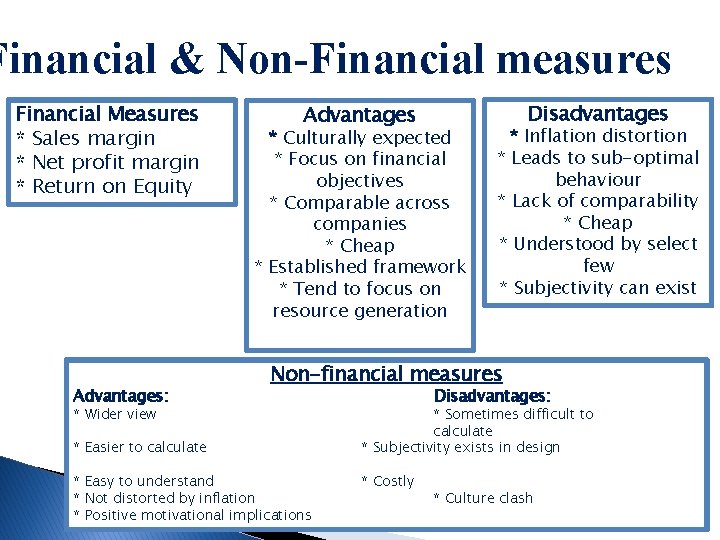
Financial & Non-Financial measures Financial Measures * Sales margin * Net profit margin * Return on Equity Advantages: Advantages * Culturally expected * Focus on financial objectives * Comparable across companies * Cheap * Established framework * Tend to focus on resource generation Disadvantages * Inflation distortion * Leads to sub-optimal behaviour * Lack of comparability * Cheap * Understood by select few * Subjectivity can exist Non-financial measures * Wider view * Easier to calculate * Easy to understand * Not distorted by inflation * Positive motivational implications Disadvantages: * Sometimes difficult to calculate * Subjectivity exists in design * Costly * Culture clash
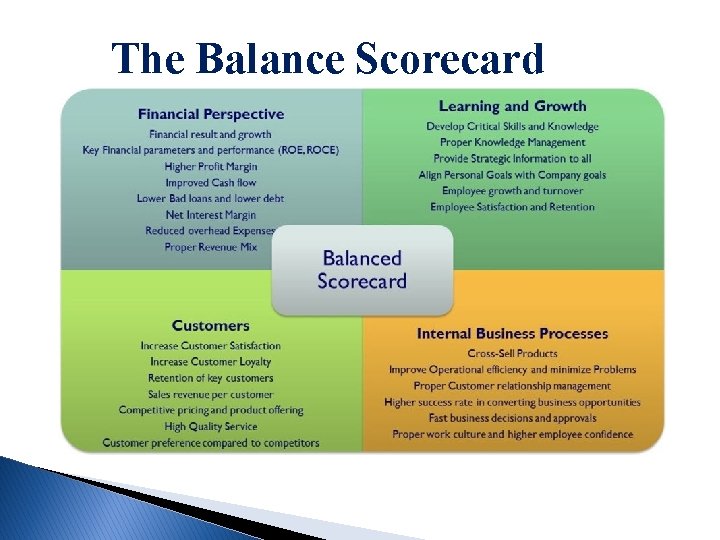
The Balance Scorecard
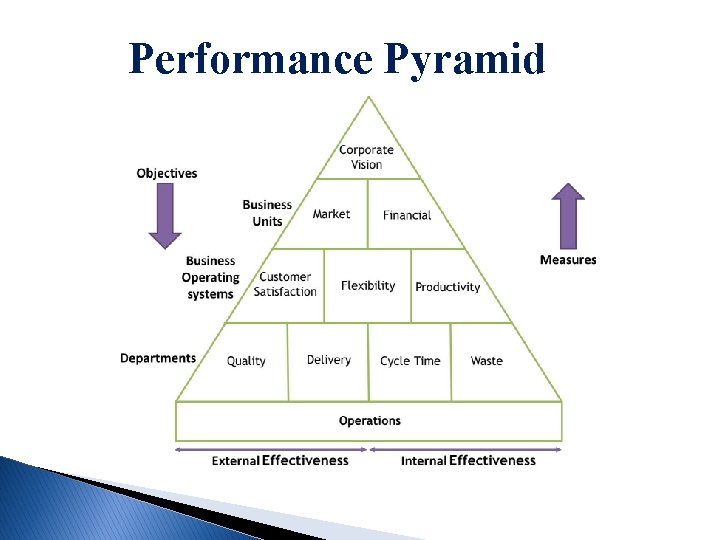
Performance Pyramid
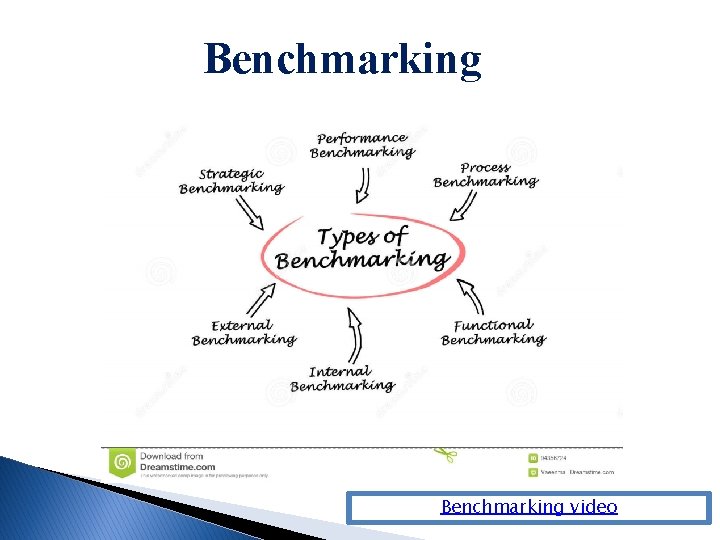
Benchmarking video
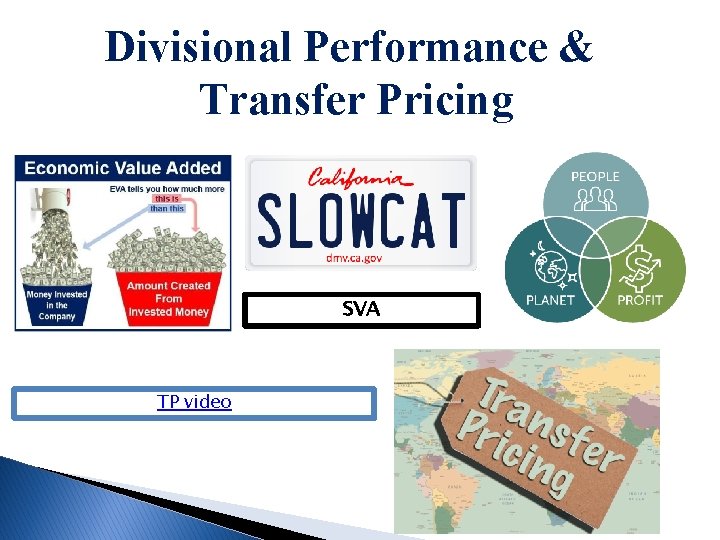
Divisional Performance & Transfer Pricing SVA TP video
Employee buy-in Understanding how to meet targets Explain the impact of missing targets Stretch Goals Getting feedback
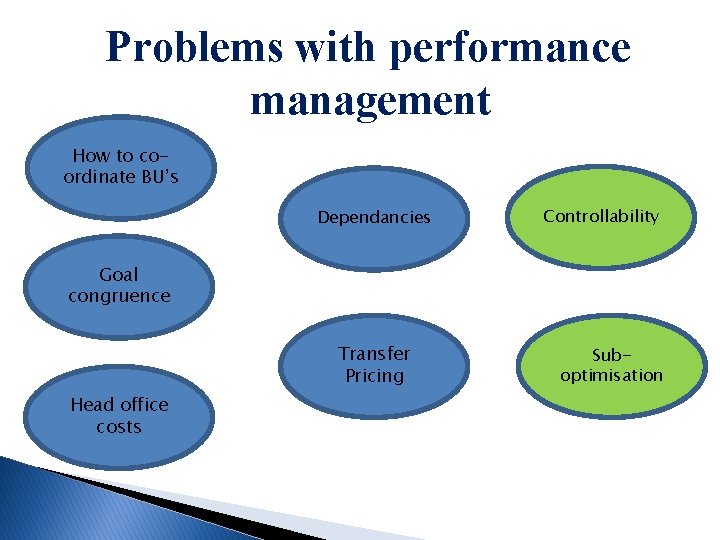
Problems with performance management How to coordinate BU’s Dependancies Controllability Goal congruence Transfer Pricing Head office costs Suboptimisation