
Developing software to analyze metadata from the Twitter
- Slides: 20
Developing software to analyze metadata from the Twitter API to identify trends Kyle Addy Mentored by Mr. Ryan Beyer, Booz Allen Hamilton
Purpose • Develop software that can analyze metadata from the Twitter API in order to develop trends • More specifically, trends about sports teams in different regions of the U. S.
Background Overview • Twitter API: Source of metadata • Metadata: Data about the data • Authentication: Connection to Twitter API
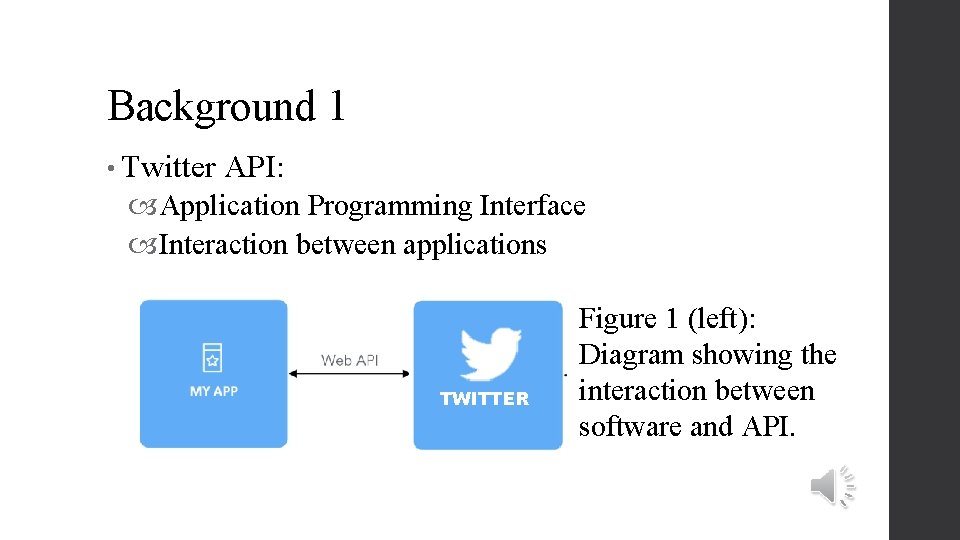
Background 1 • Twitter API: Application Programming Interface Interaction between applications TWITTER Figure 1 (left): Diagram showing the interaction between software and API.
Background 2 • Metadata: “Data about the data” In the context of Twitter can include: Time Date User Location Retweet count Follower count
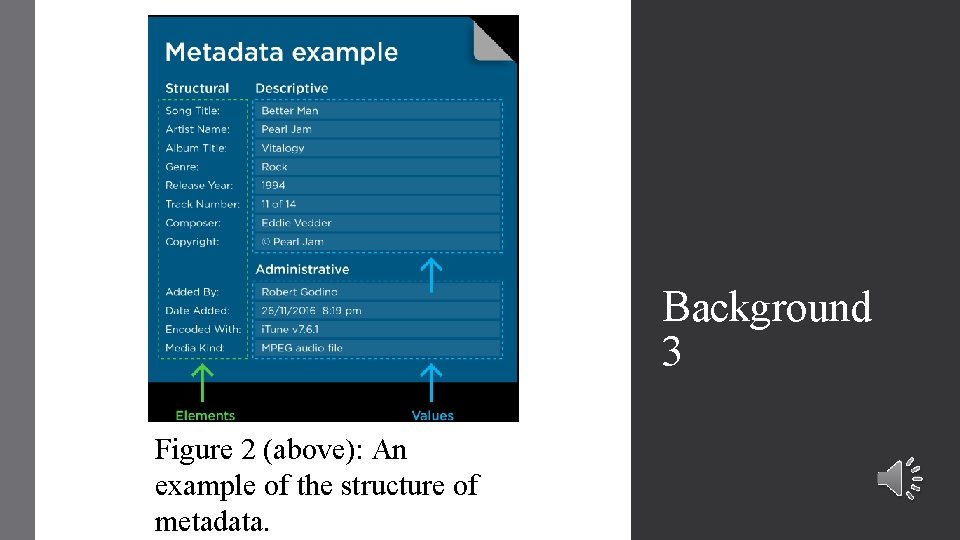
Background 3 Figure 2 (above): An example of the structure of metadata.
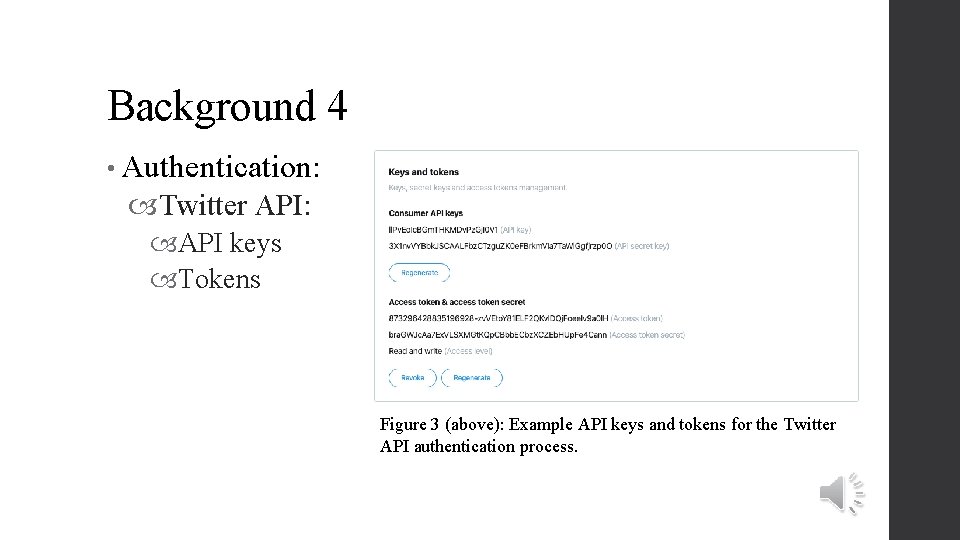
Background 4 • Authentication: Twitter API: API keys Tokens Figure 3 (above): Example API keys and tokens for the Twitter API authentication process.
Introduction to Application • Output of program allows for many comparisons to be made: Where a team is most trending What team is most trending in a certain area What type of sentiment is directed towards the team • Applies to more than just sports Figure 4 (right): The football teams that data is being collected for.
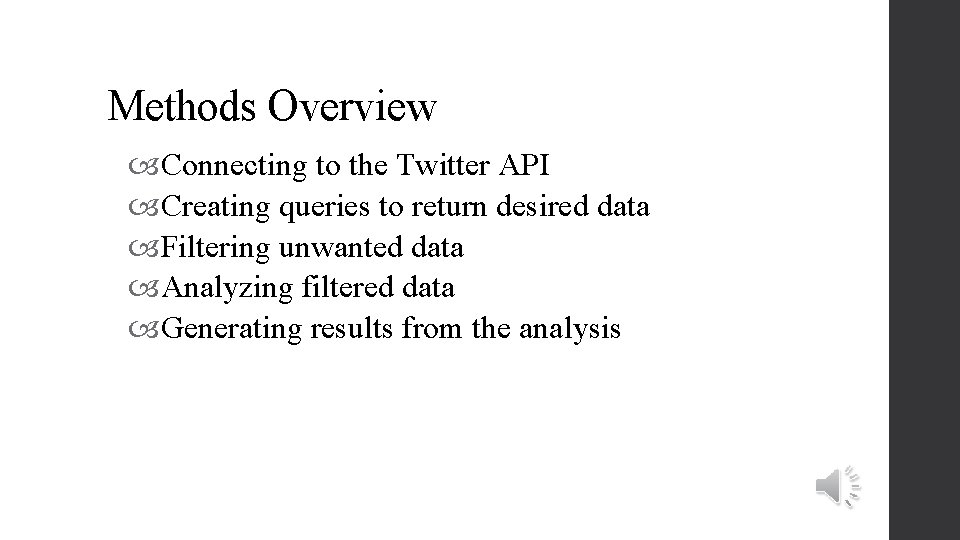
Methods Overview Connecting to the Twitter API Creating queries to return desired data Filtering unwanted data Analyzing filtered data Generating results from the analysis
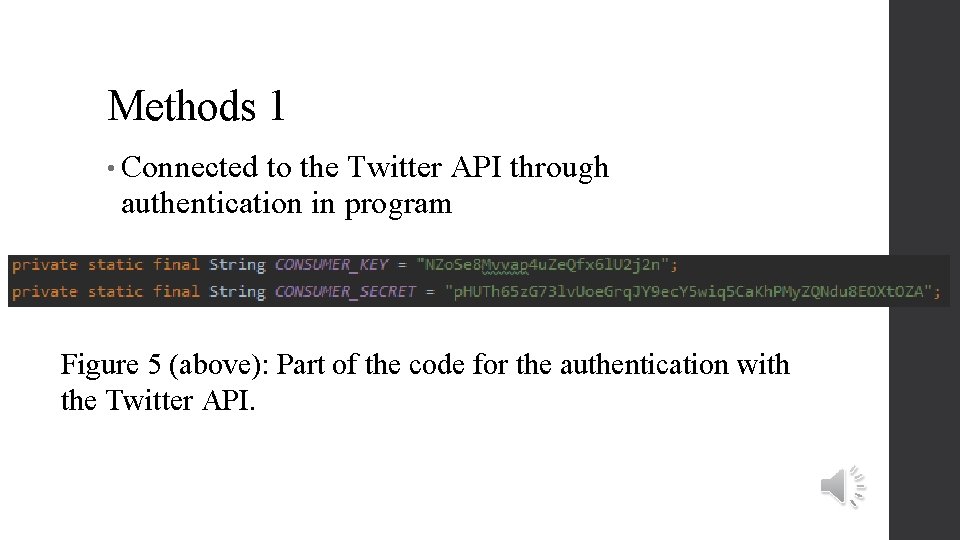
Methods 1 • Connected to the Twitter API through authentication in program Figure 5 (above): Part of the code for the authentication with the Twitter API.
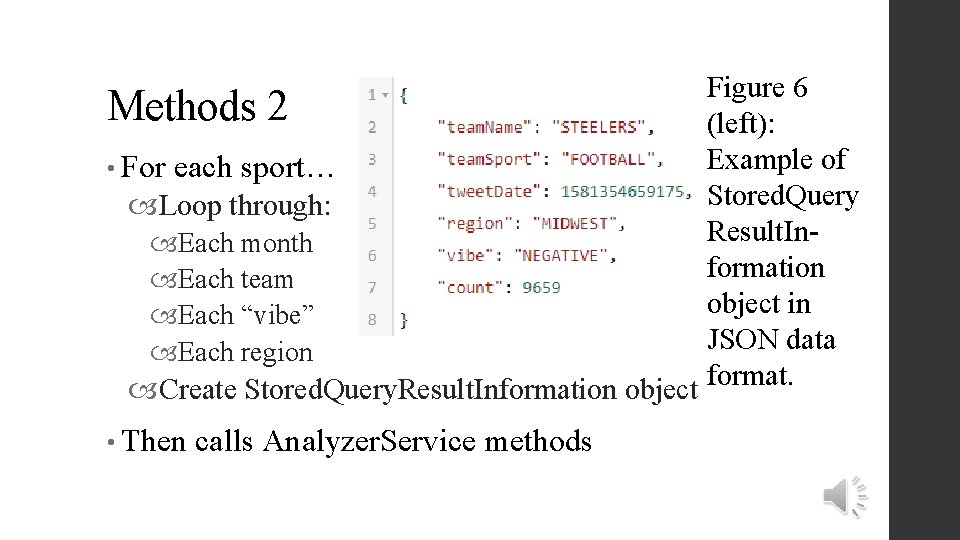
Figure 6 Methods 2 (left): Example of • For each sport… Stored. Query Loop through: Result. In Each month formation Each team object in Each “vibe” JSON data Each region Create Stored. Query. Result. Information object format. • Then calls Analyzer. Service methods
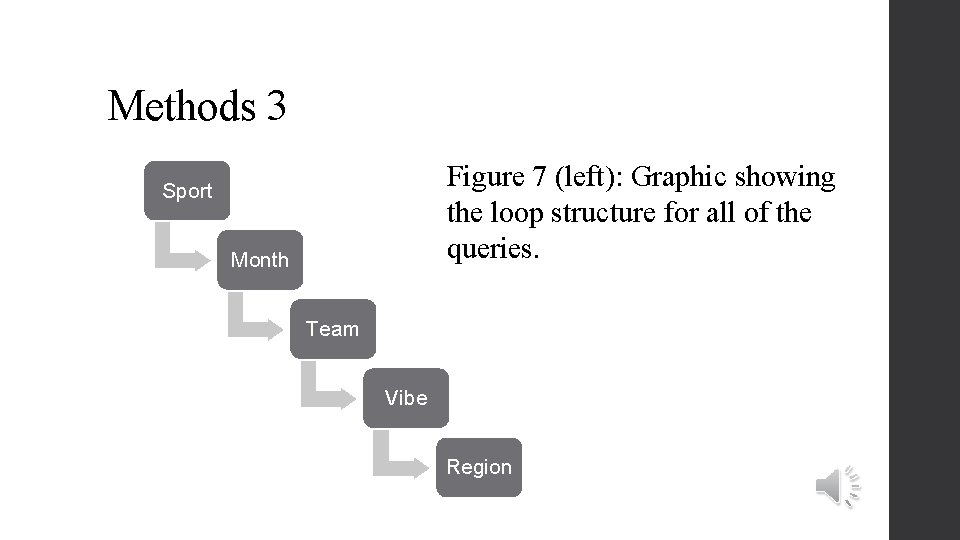
Methods 3 Figure 7 (left): Graphic showing the loop structure for all of the queries. Sport Month Team Vibe Region
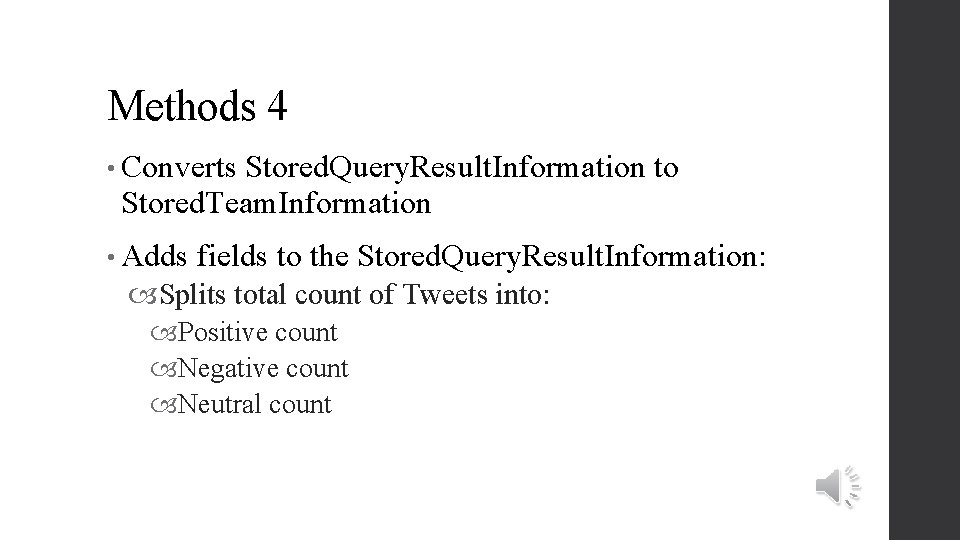
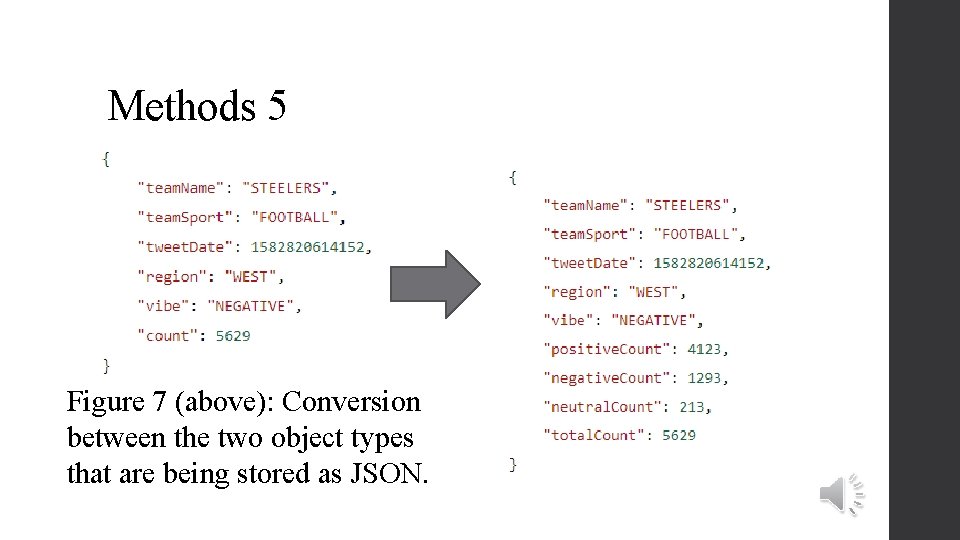
Methods 4 • Converts Stored. Query. Result. Information to Stored. Team. Information • Adds fields to the Stored. Query. Result. Information: Splits total count of Tweets into: Positive count Negative count Neutral count
Methods 5 Figure 7 (above): Conversion between the two object types that are being stored as JSON.
Final Methods Connecting to the Twitter API Creating queries to return desired data Filtering unwanted data Analyzing filtered data Generating results from the analysis
Results 1 • Purpose: Develop software that can analyze metadata from the Twitter API in order to develop trends
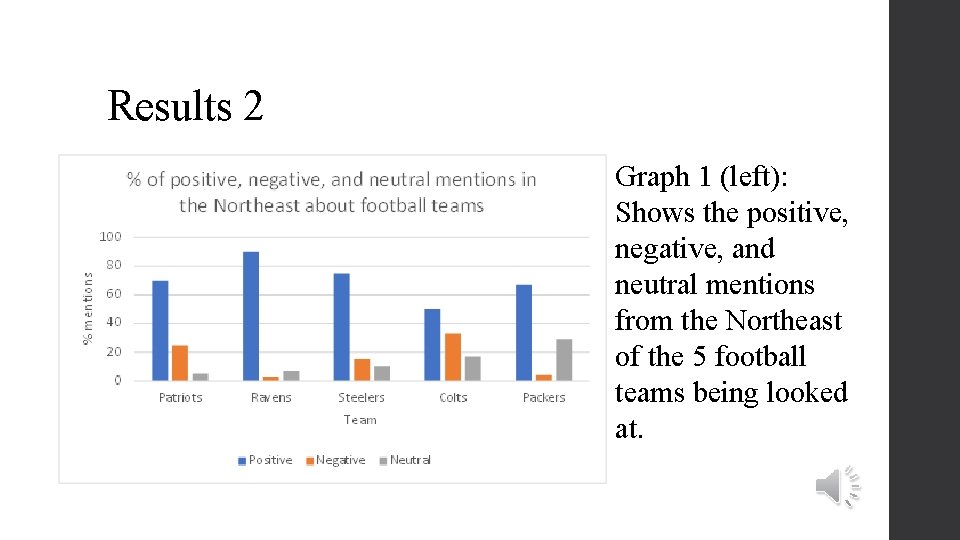
Results 2 Graph 1 (left): Shows the positive, negative, and neutral mentions from the Northeast of the 5 football teams being looked at.
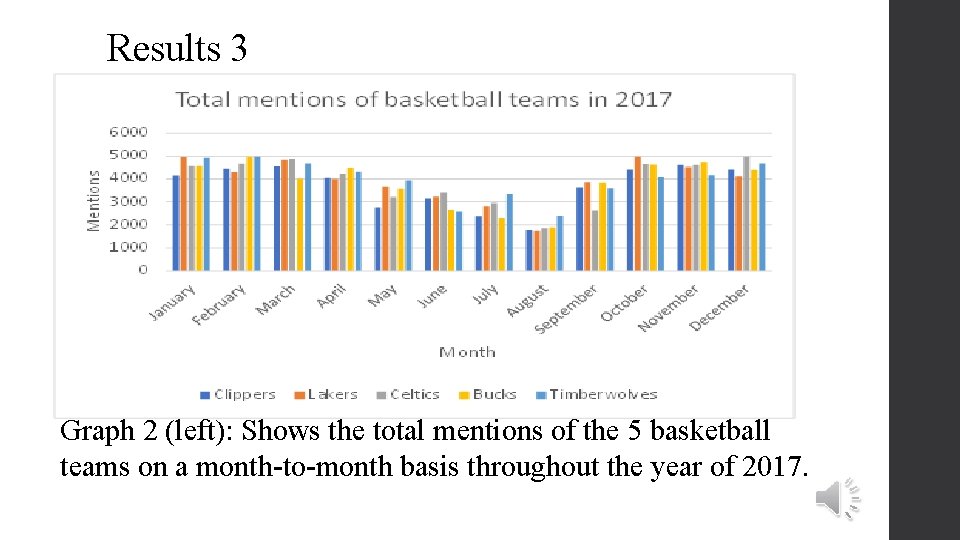
Results 3 Graph 2 (left): Shows the total mentions of the 5 basketball teams on a month-to-month basis throughout the year of 2017.
Application • Purpose: Develop software that can analyze metadata from the Twitter API in order to develop trends • See opinions of the people: Sponsorships Marketing campaigns New product releases
Take-Away/What I Learned • Software development process • In-depth use of Java language • Interaction • Use with Twitter API of large quantities of data