
Developing a Webstore for Pine Valley Furniture Gabrielle

Developing a Webstore for Pine Valley Furniture Gabrielle Briscoe BSA/375 University of Phoenix Professor Hautzinger-Forrest 02/24/2020
Introduction: Understanding a Webstore • There is a need for the company to strongly tap into the global market through online platform. • PVF only has two options to exploit the online platform: joining the existing online marketplace such as Amazon, Etsy and Bonanza or creating an own customized website (webstore). • Both the existing marketplace and webstore have certain advantages.
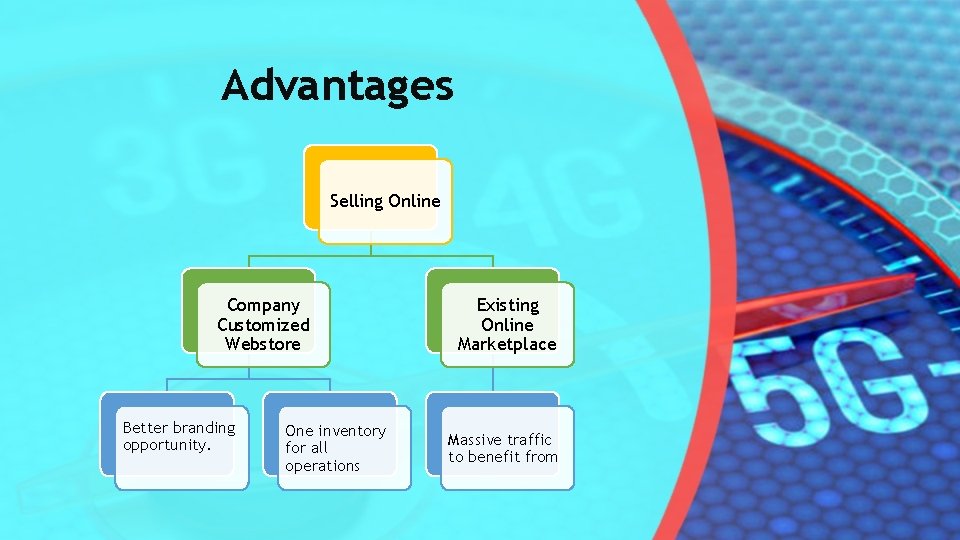
Advantages Selling Online Company Customized Webstore Better branding opportunity. One inventory for all operations Existing Online Marketplace Massive traffic to benefit from
Developing a New System • System can be acquired through various methods such as: • Off-the-shelf purchase • Purchasing a ready system and customizing it internally • Renting or leasing • In-house building • Each of the above strategies have various weaknesses and strengths. PVF has decided to use in-house building strategy to build this system.
In-house System Development Strategy • The company decided to develop its application software in-house. • It sourced for staff and other necessary resources needed for building a system that suits own needs. • These resources include necessary software applications, computers and other hardware resources. • This strategy is favored for acquisition of larger and highly secure systems.
Resources Needed • • • Hardware Four Computers (500 Gb main memory, 8 Gb RAM, Processor of Core i 5, 2. 8 GHz) Two Projectors Software Operating System (Windows 10/Mac. OS/Linux) Supporting system (Diskette Formatting) Development system (Code blocs) Anti-virus program (Kaspersky)

Skills Needed • The System Analyst will be the Project Manager
Systems Analysis and Design Methodologies • Development of a system can be described as a systematic process that involves phases such as planning, analysis, design, deployment, and maintenance. • • There are three main methodologies here: The traditional Waterfall Method (SDLC) The Agile method Object Oriented System Development method (OOSD) • The PVF system development team will use the OOSD method due to a number of reasons discussed in the slides that follow.
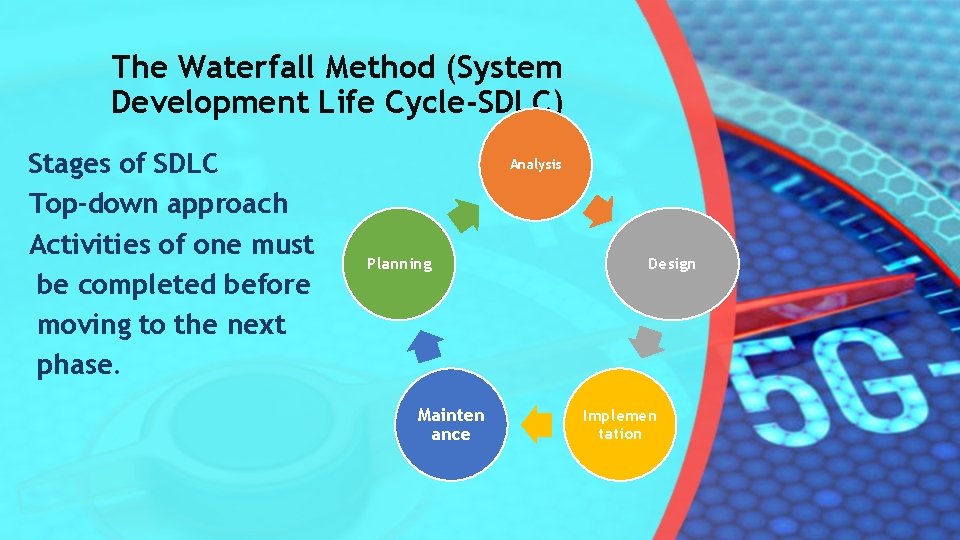
The Waterfall Method (System Development Life Cycle-SDLC) Stages of SDLC Top-down approach Activities of one must be completed before moving to the next phase. Analysis Planning Mainten ance Design Implemen tation
Agile Methodologies • Focuses on system users and not the roles they perform in the system. • Embraces change dynamics during system development than the traditional waterfall method. • No need of numerous documentation because the general principle is handling each problem according to circumstances that surround it. • PVF development team will avoid this methodology because of its inferior incremental abilities.
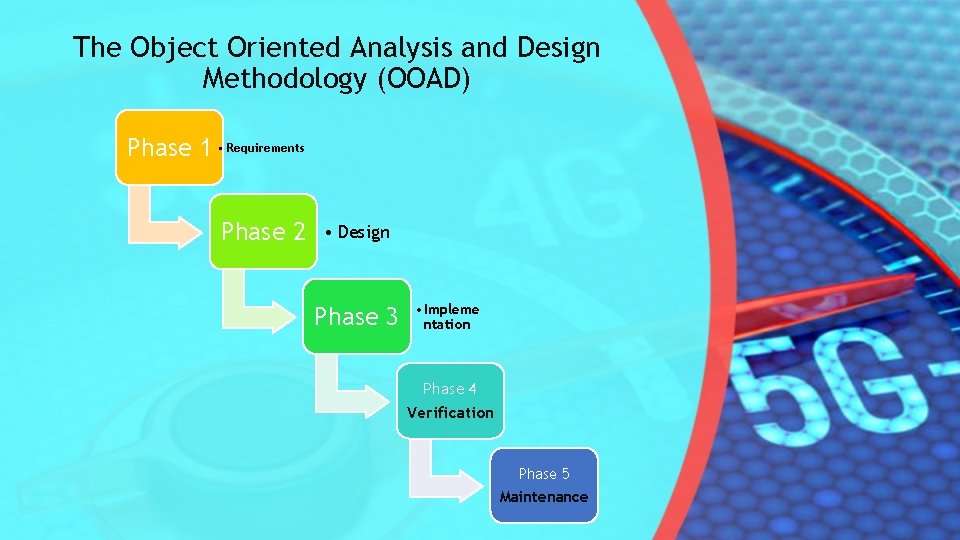
The Object Oriented Analysis and Design Methodology (OOAD) Phase 1 • Requirements Phase 2 • Design Phase 3 • Impleme ntation Phase 4 Verification Phase 5 Maintenance
Why OOAD Methodology • Other than being bottom-up approach, OOAD combines data and processes into objects. • (Objects here include customers, suppliers, orders, pending deliveries etc. ). • Highly iterative and incremental hence best option for webstore development (not restrictive to design and development principles) • High-level integration of modules that share common data.
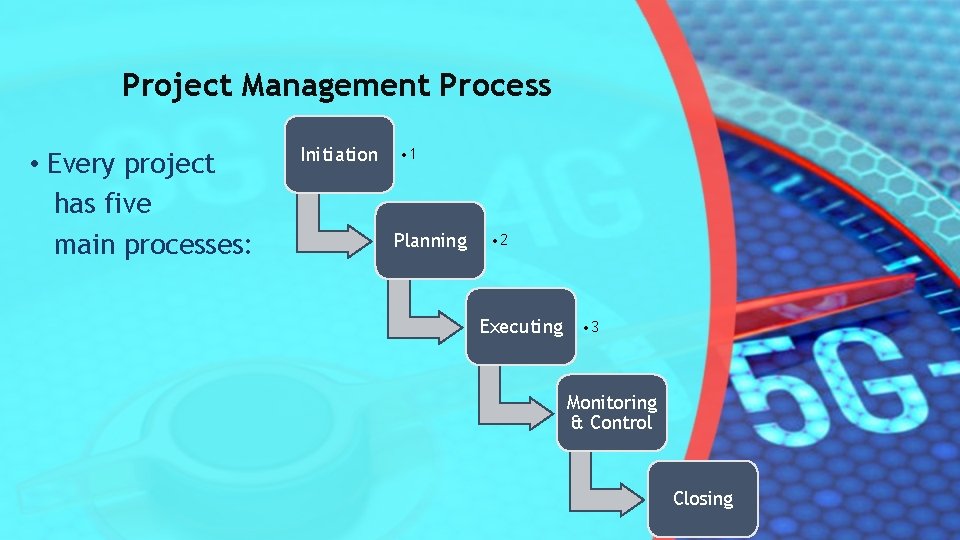
Project Management Process • Every project has five main processes: Initiation • 1 Planning • 2 Executing • 3 Monitoring & Control Closing
Most Challenging Phase Planning • The project manager develops a blueprint that is shared with the company management. • The blueprint maps out the scope of the project, quantity of resources needed for delivering the final product, communication strategy on how to keep stakeholders abreast of the process, financial commitments and many more. • The challenge is that any mistake made on the planning document presents serious problem to the entire project process.
Mitigation Measures • Always putting in place a Plan-B to every process (workable worst-case scenarios). • Proper feasibility assessment to unearth underlying issues. • Spreading the risk to limit its impact • Clarifying the requirements to weed off ambiguities. • Always assigning the right personnel for right tasks to avoid obvious mistakes.
References • Meredith, J. R. , Mantel Jr, S. J. , & Shafer, S. M. (2017). Project management: a managerial approach. John Wiley & Sons. • Valacich, J. , and George, J. (2020). odern systems analysis and design 9 th ed. ). Boston, MA: Pearson. • Fuller, M. A. , Valacich, J. S. , George, J. F. , & Schneider, C. (2017). Information Systems Project Management: A Process and Team Approach, Edition 1. 1. Prospect Press.
- Slides: 16