
DESTRESSING THE TEEN BRAIN Michael Nerney and Associates
DE-STRESSING THE TEEN BRAIN Michael Nerney and Associates PO Box 93 Long Lake, NY 12847 -0093 518 -624 -5351 michaelfnerney@gmail. com

ADIRONDACKS, LONG LAKE, NY
LONG LAKE
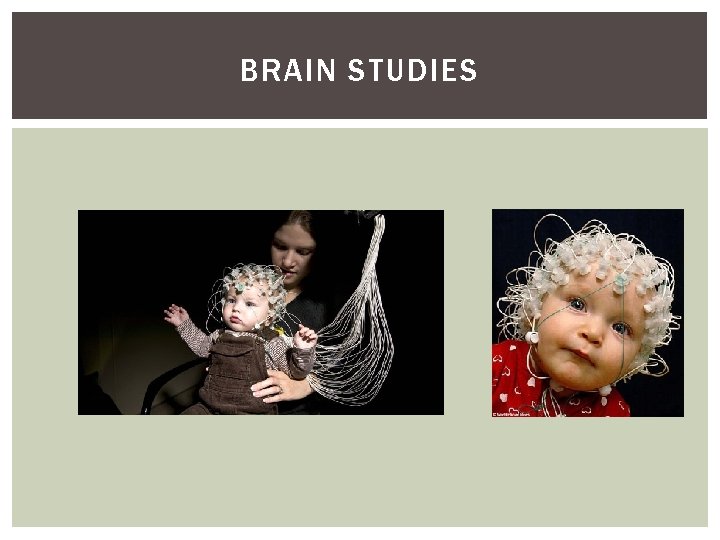
BRAIN STUDIES
BRAIN STUDIES Infant/Stranger Studies Mom’s face and eyes Not available online
STRESS DEFINED Brain Chemical Response when situations are perceived as: Difficult, Dangerous or Painful Situations can be Physical, Academic, Social, Emotional Demands are perceived to exceed existing resources
STRESS IN AMERICA-APA STUDY 13 -23 § Highest stress First time ever 27% Extreme stress 8 -10 55% Moderate stress 5 -7
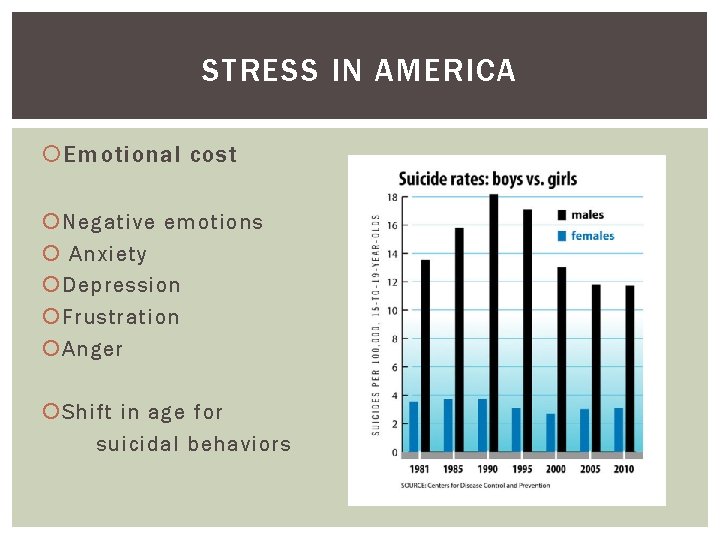
STRESS IN AMERICA Emotional cost Negative emotions Anxiety Depression Frustration Anger Shift in age for suicidal behaviors
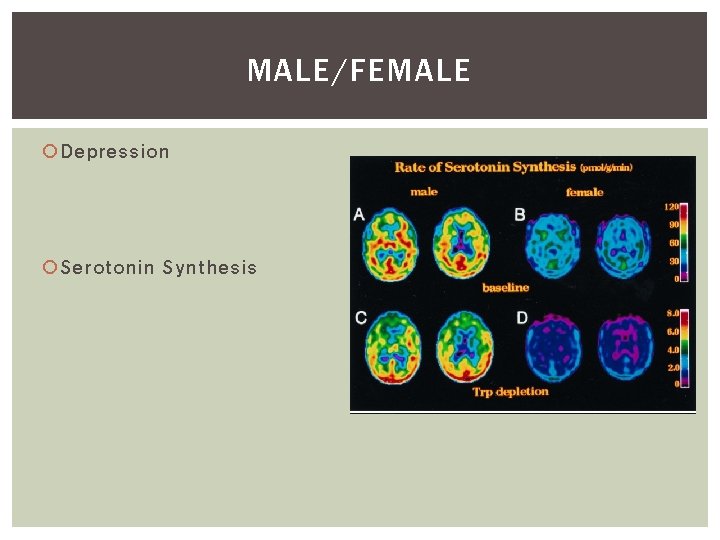
MALE/FEMALE Depression Serotonin Synthesis
HIGH RISK FOR FEELING UNSAFE LGBT Younger age of coming out Biased bullying 14 Sexual orientation, Gender Identity Mental Health Impact: Depression-18%/8. 2%, PTSD-11. 3%/3. 9%, Suicide-31%/4. 1% Rejection sensitivity, targeting, discrimination

GIRLS VS BOYS
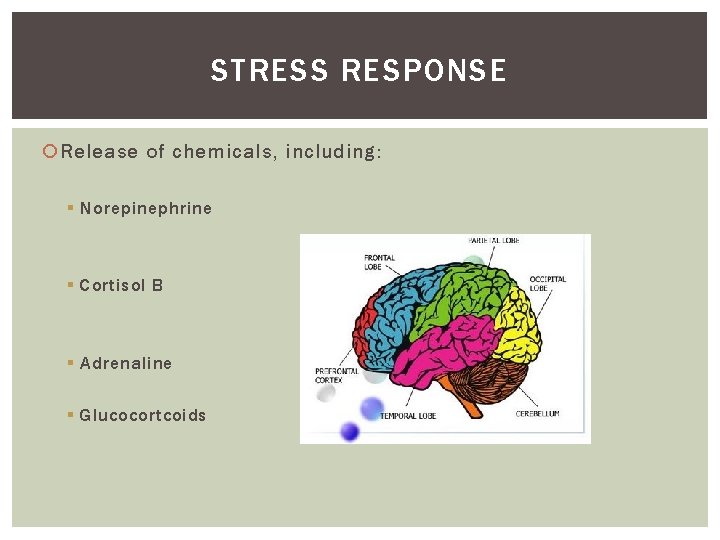
STRESS RESPONSE Release of chemicals, including: § Norepinephrine § Cortisol B § Adrenaline § Glucocortcoids
STRESS RESPONSE, CONTINUED Fight or Flight; Freeze; Tend and Befriend § Heart Rate Increases § Blood Pressure Increases § Rate of Respiration Increases § Hyper-vigilance § GI Activity – lump in throat, knot in stomach
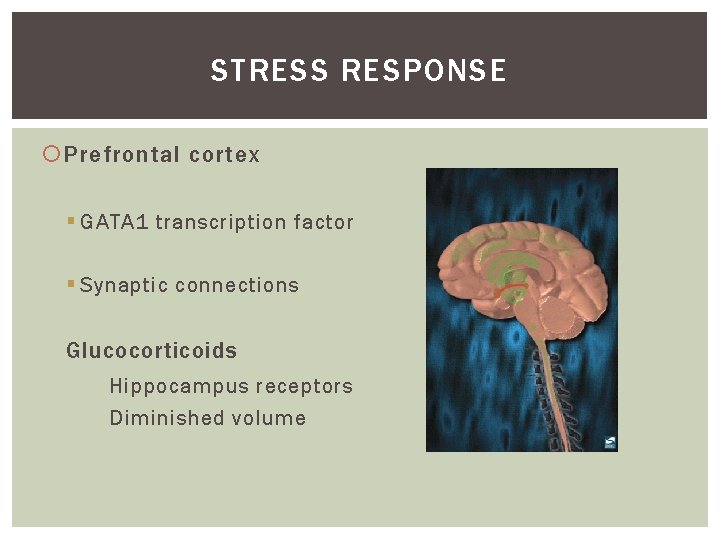
STRESS RESPONSE Prefrontal cortex § GATA 1 transcription factor § Synaptic connections Glucocorticoids Hippocampus receptors Diminished volume
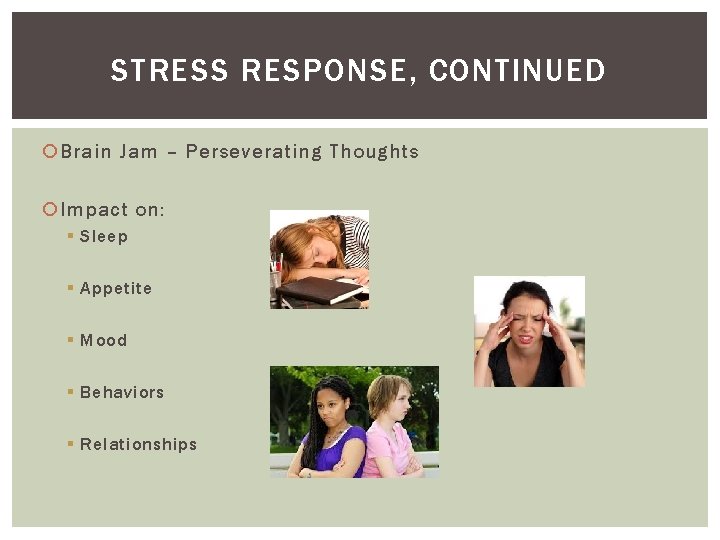
STRESS RESPONSE, CONTINUED Brain Jam – Perseverating Thoughts Impact on: § Sleep § Appetite § Mood § Behaviors § Relationships
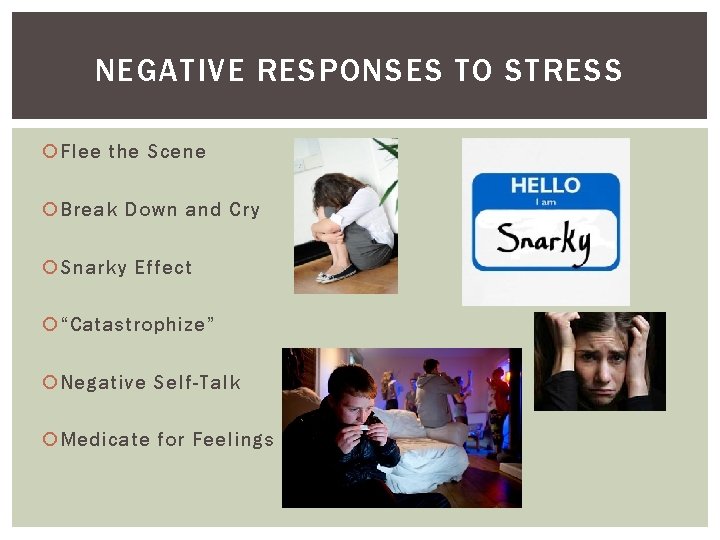
NEGATIVE RESPONSES TO STRESS Flee the Scene Break Down and Cry Snarky Effect “Catastrophize” Negative Self-Talk Medicate for Feelings
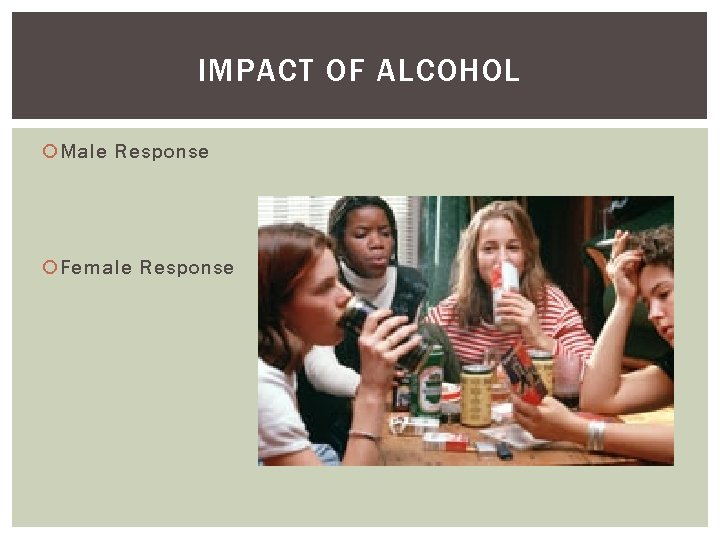
IMPACT OF ALCOHOL Male Response Female Response

VAPE/JUUL PRODUCTS
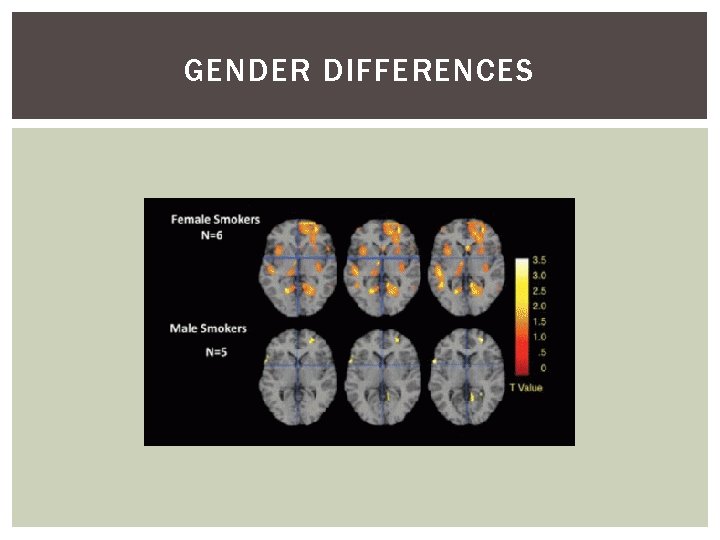
GENDER DIFFERENCES
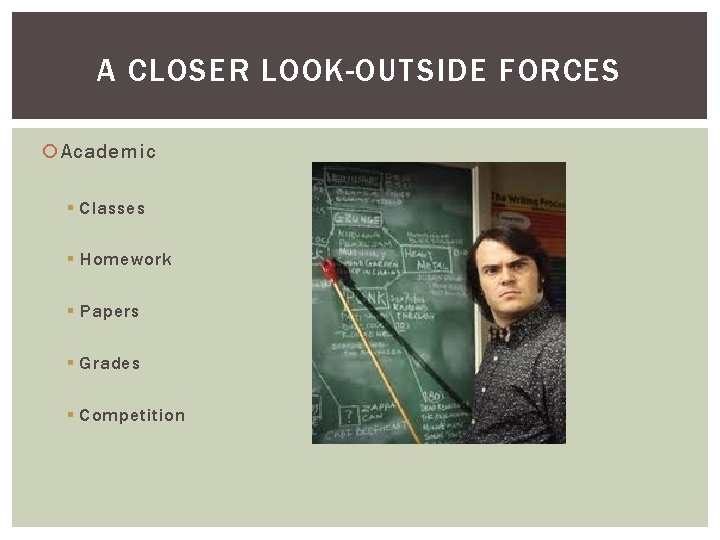
A CLOSER LOOK-OUTSIDE FORCES Academic § Classes § Homework § Papers § Grades § Competition
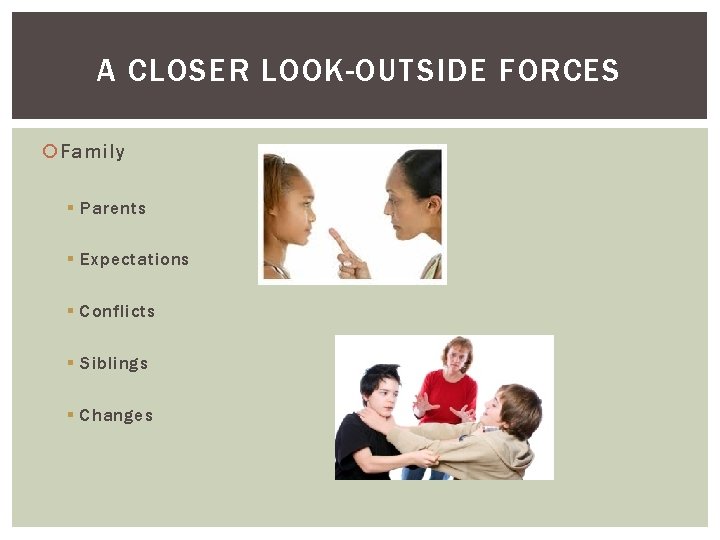
A CLOSER LOOK-OUTSIDE FORCES Family § Parents § Expectations § Conflicts § Siblings § Changes
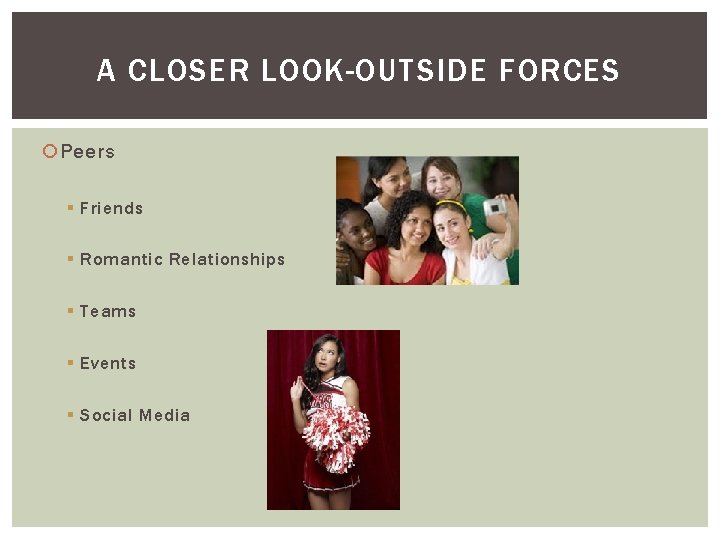
A CLOSER LOOK-OUTSIDE FORCES Peers § Friends § Romantic Relationships § Teams § Events § Social Media
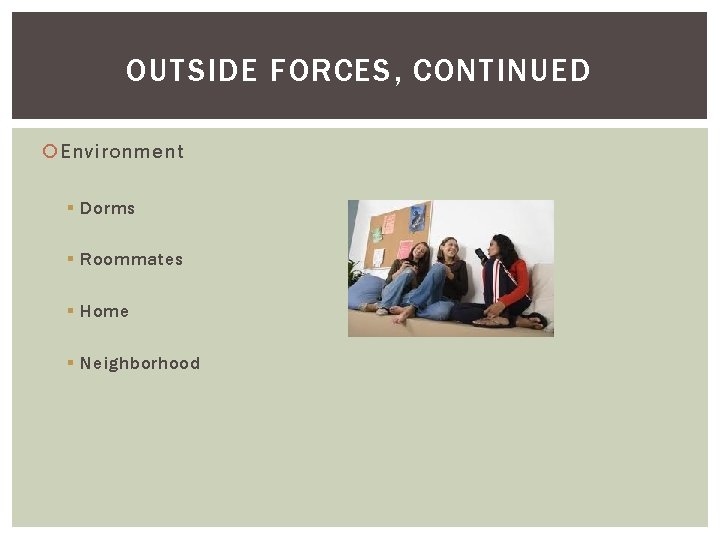
OUTSIDE FORCES, CONTINUED Environment § Dorms § Roommates § Home § Neighborhood
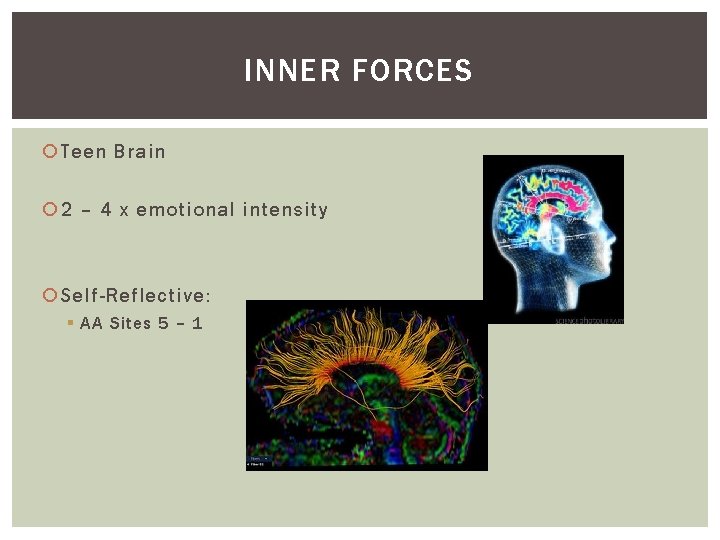
INNER FORCES Teen Brain 2 – 4 x emotional intensity Self-Reflective: § AA Sites 5 – 1
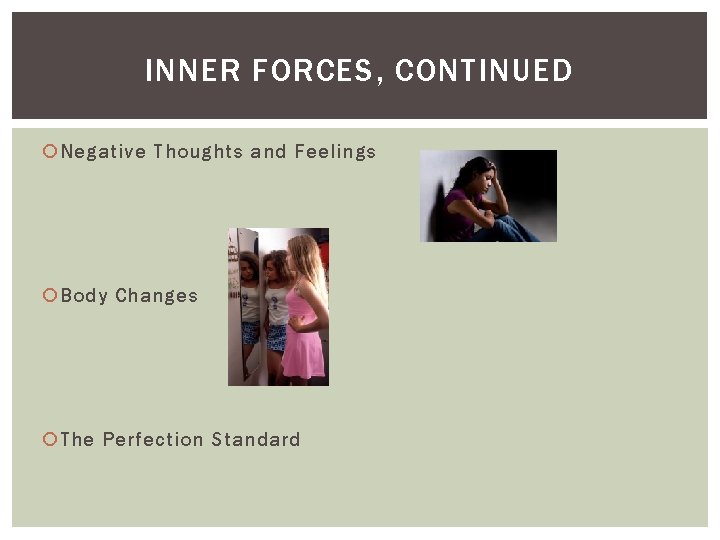
INNER FORCES, CONTINUED Negative Thoughts and Feelings Body Changes The Perfection Standard
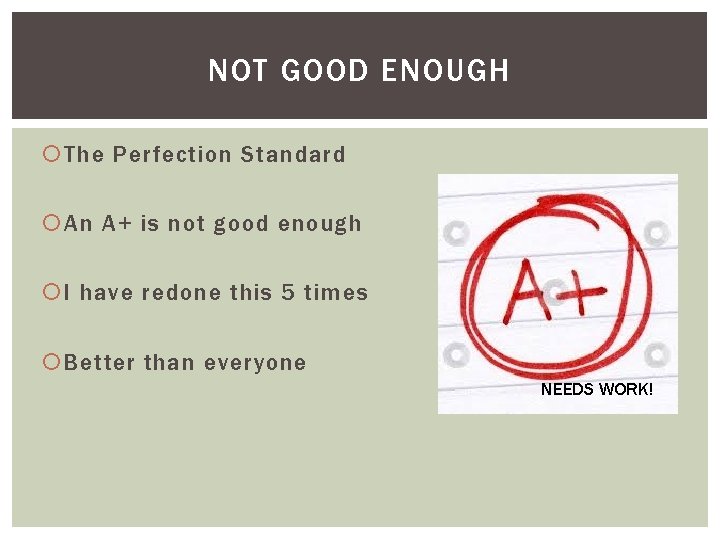
NOT GOOD ENOUGH The Perfection Standard An A+ is not good enough I have redone this 5 times Better than everyone NEEDS WORK!
SLEEP, EAT AND SUCCEED Sleep § Nap Time § 8 ½ - 10 ½ hours § Catch Up § No Electronics
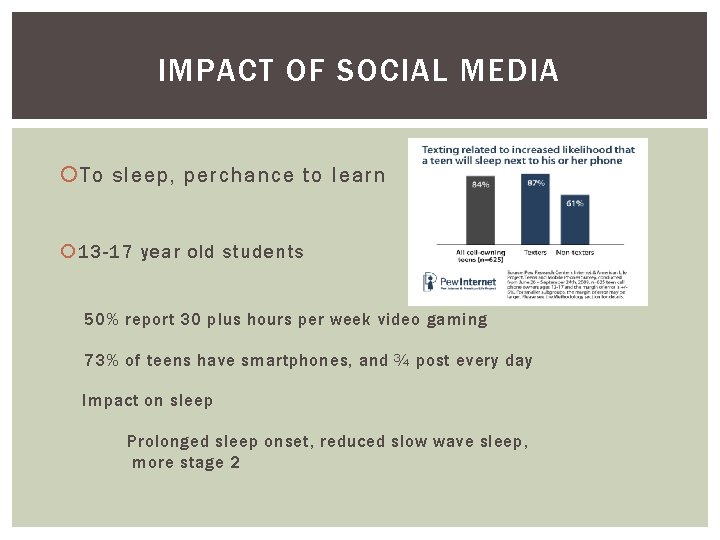
IMPACT OF SOCIAL MEDIA To sleep, perchance to learn 13 -17 year old students 50% report 30 plus hours per week video gaming 73% of teens have smartphones, and ¾ post every day Impact on sleep Prolonged sleep onset, reduced slow wave sleep, more stage 2
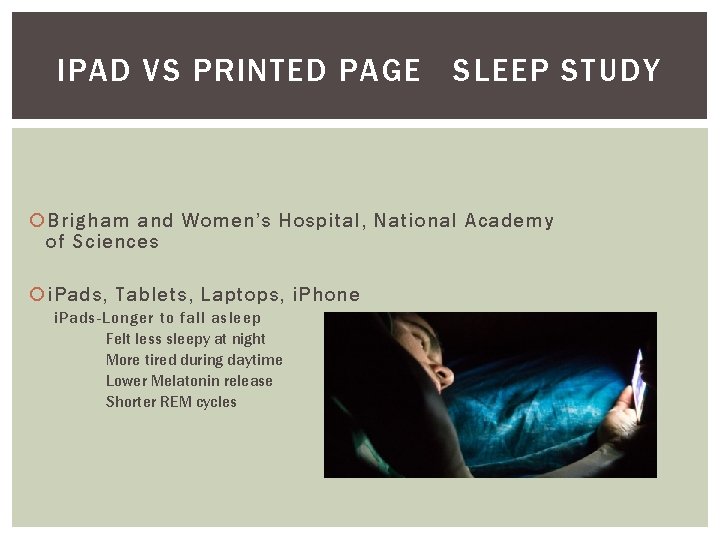
IPAD VS PRINTED PAGE SLEEP STUDY Brigham and Women’s Hospital, National Academy of Sciences i. Pads, Tablets, Laptops, i. Phone i. Pads-Longer to fall asleep Felt less sleepy at night More tired during daytime Lower Melatonin release Shorter REM cycles
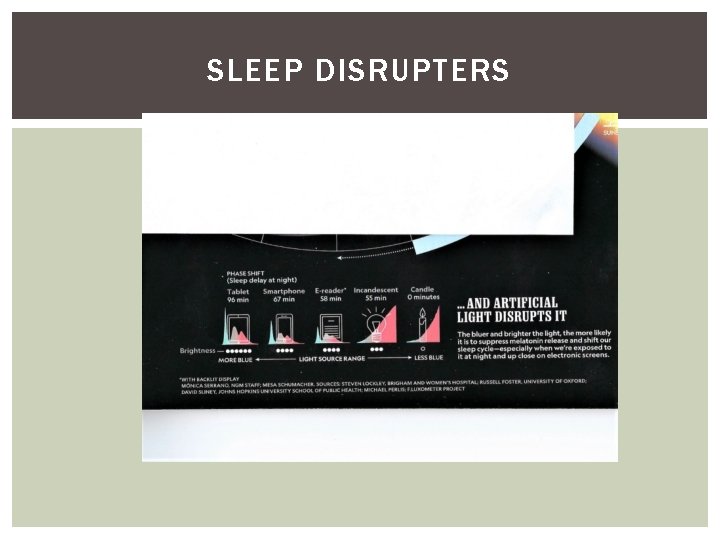
SLEEP DISRUPTERS
SLEEP DEFICITS Fewer than 20% Physical risks Emotional risks Behavioral risks Academic risks
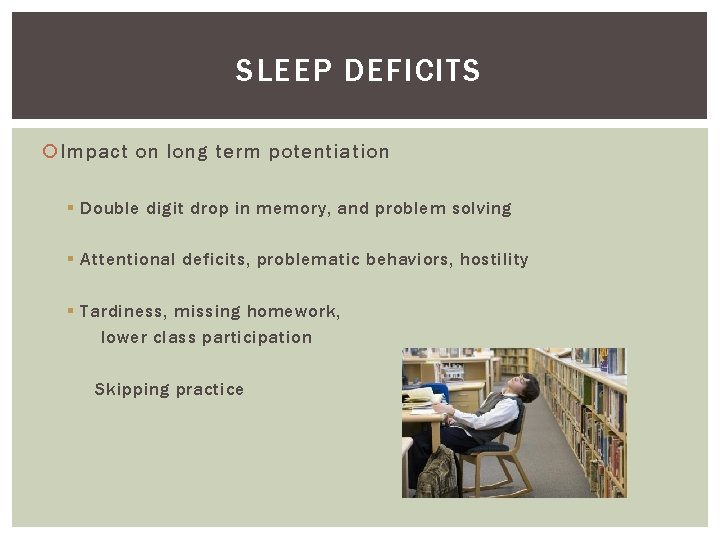
SLEEP DEFICITS Impact on long term potentiation § Double digit drop in memory, and problem solving § Attentional deficits, problematic behaviors, hostility § Tardiness, missing homework, lower class participation Skipping practice

SLEEP DEFICITS
SLEEP DEFICITS AND MENTAL HEALTH Journal of Youth and Adolescence February 2015 Teens need Teens get 9 hours average sleep 6. 5 hours average sleep § Each hour of lost sleep associated with increased risk: § 23% substance abuse, 38% feeling sad and hopeless § 42% considering suicide, 58% attempting suicide
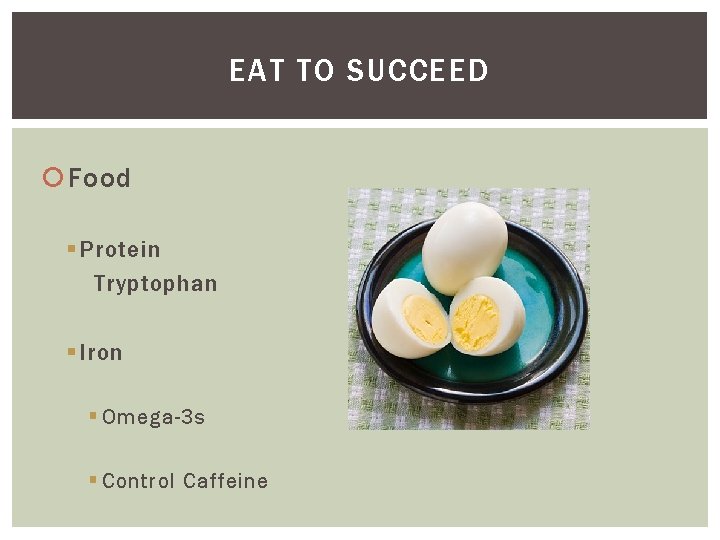
EAT TO SUCCEED Food § Protein Tryptophan § Iron § Omega-3 s § Control Caffeine
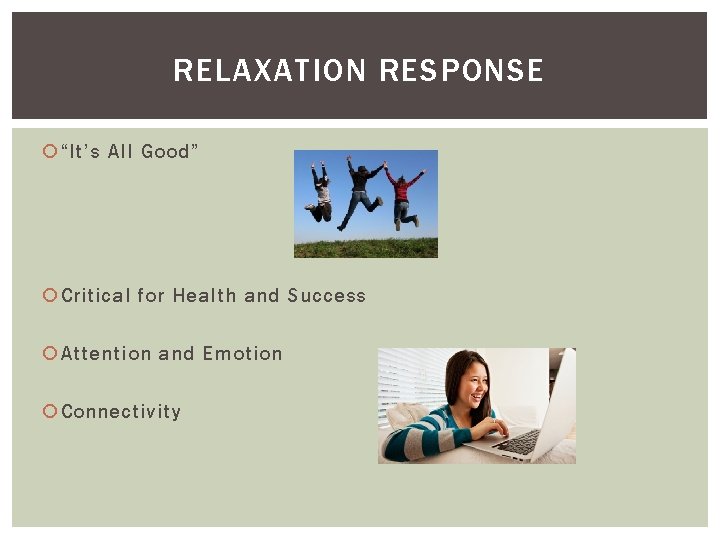
RELAXATION RESPONSE “It’s All Good” Critical for Health and Success Attention and Emotion Connectivity
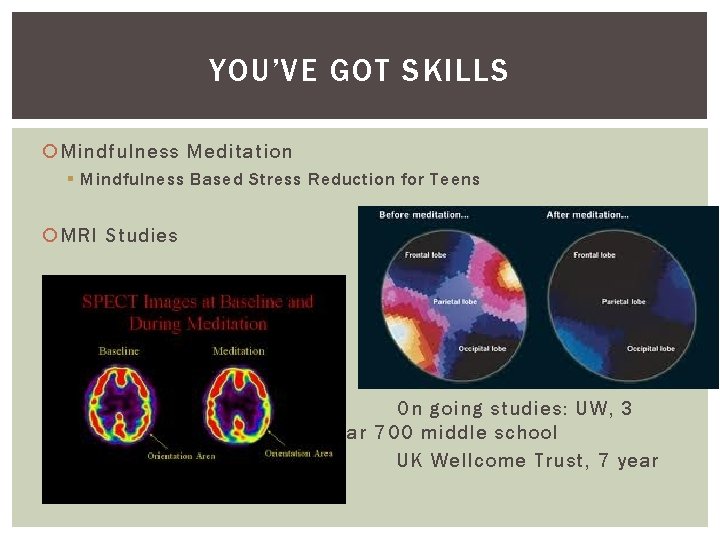
YOU’VE GOT SKILLS Mindfulness Meditation § Mindfulness Based Stress Reduction for Teens MRI Studies On going studies: UW, 3 year 700 middle school UK Wellcome Trust, 7 year
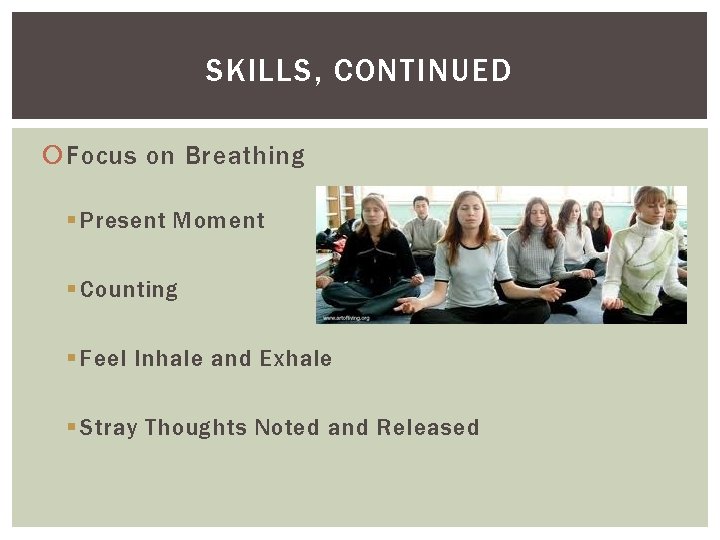
SKILLS, CONTINUED Focus on Breathing § Present Moment § Counting § Feel Inhale and Exhale § Stray Thoughts Noted and Released
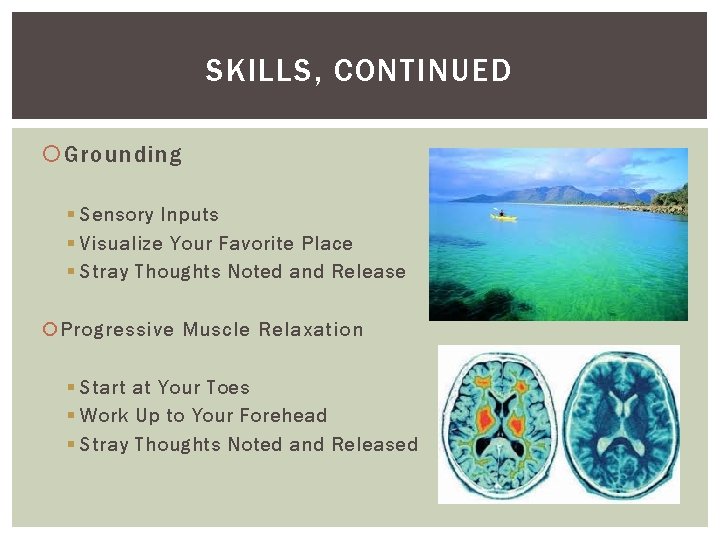
SKILLS, CONTINUED Grounding § Sensory Inputs § Visualize Your Favorite Place § Stray Thoughts Noted and Release Progressive Muscle Relaxation § Start at Your Toes § Work Up to Your Forehead § Stray Thoughts Noted and Released
MANAGING TIME How to Say “No” The most important pronoun How to Get Started Get started Procrastination Break It Down, Divide It Up
MANAGING TIME, CONTINUED Use a Timer Give Yourself a Reward/Break § Fresh air and exercise a bonus Come Back to the Hard Stuff Turn Off Electronics § 3 into 5
RESOURCES Stressed Teens Training Institute § http: //www. stressedteens. com/ MBSR-T Mindfulness Based Stress Reduction for Teens Focus Adolescent Services § www. focusas. com/Stress. html Science Nation – Teens and Stress § You. Tube The Mindful Brain, Brenda Patoine DANA. org
- Slides: 42