
Designing Powerful Training The Sequential Iterative Model Prepared
- Slides: 31
Designing Powerful Training The Sequential – Iterative Model Prepared by: Amizan Bin Saidon Milano, M. & Ullius, D. (1998). Designing Powerful Training: The Sequential-Iterative Model. San Francisco: Jossey-Bass/Pfeiffer.
The Three E’s Effective 2. Efficient 3. Engaging 1. Date (pp. 3 -4) 22
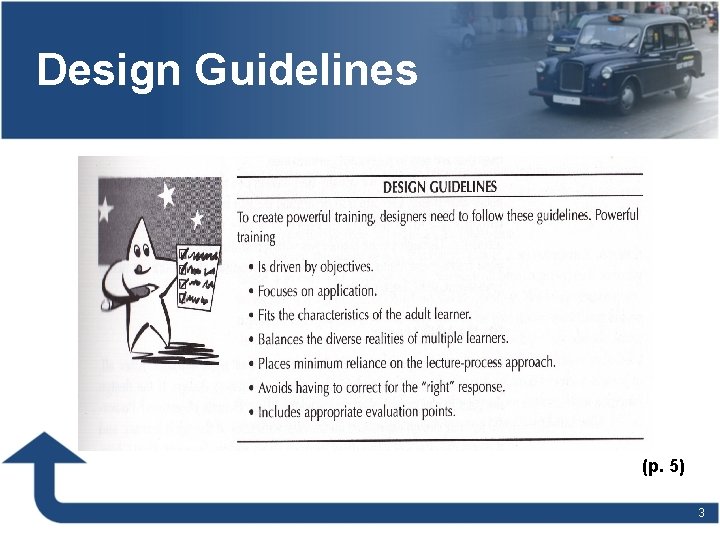
Design Guidelines Date (p. 5) 33
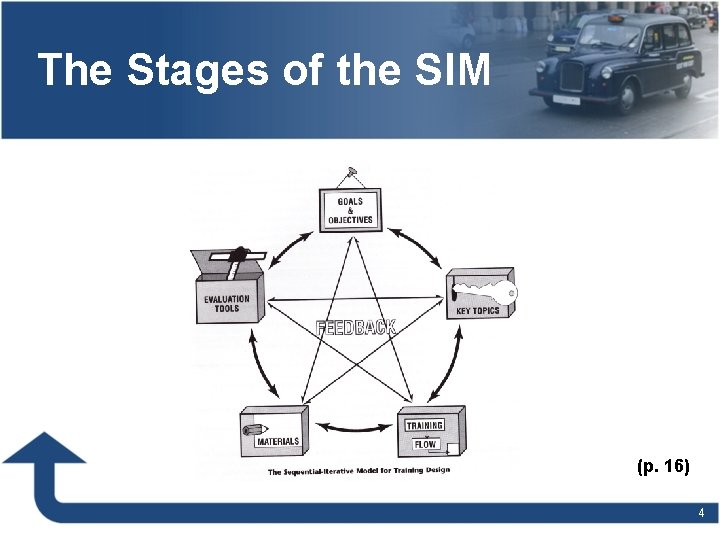
The Stages of the SIM (p. 16) 44
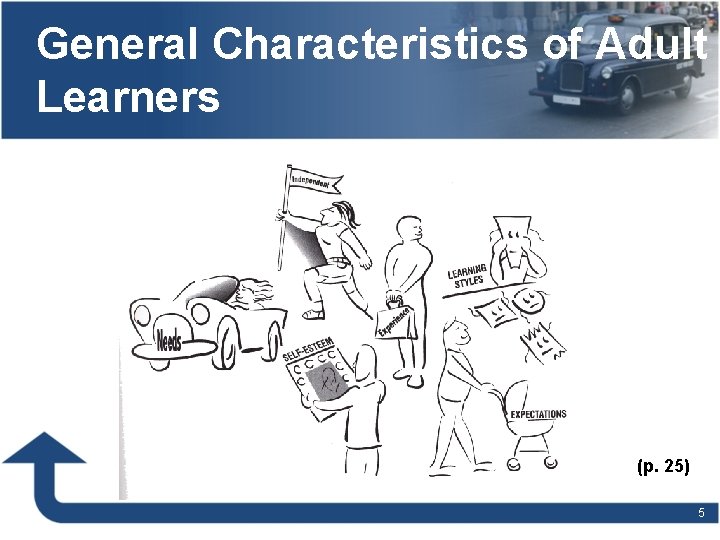
General Characteristics of Adult Learners (p. 25) 55
Learning Styles 1. 2. 3. 4. 5. Kolb’s Learning Styles Silver and Hanson Learning Styles Inventory (LSI) Seven Intelligences Brain Dominance The VAK Model (pp. 35 -39) 66
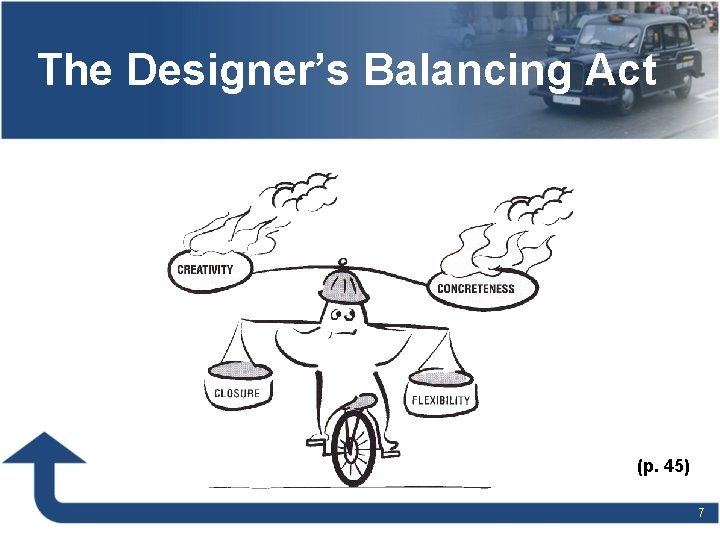
The Designer’s Balancing Act (p. 45) 77
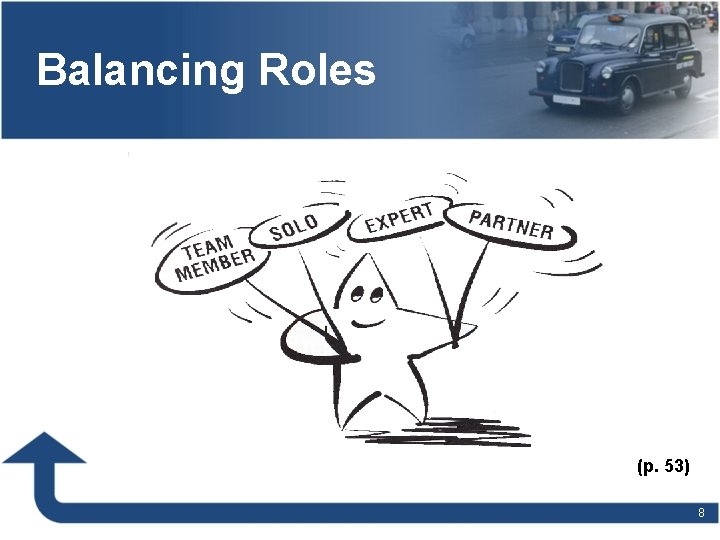
Balancing Roles (p. 53) 88
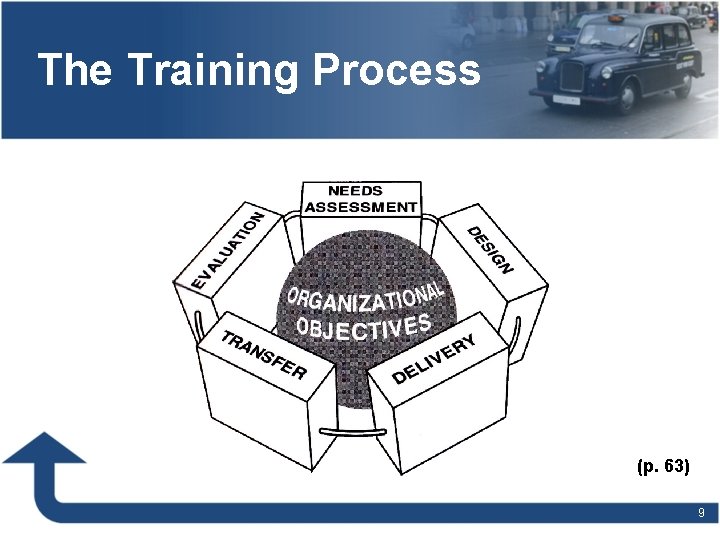
The Training Process (p. 63) 99
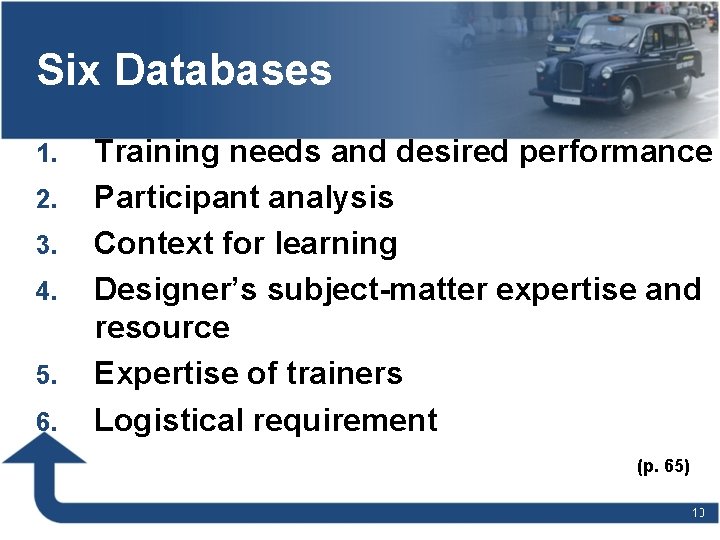
Six Databases 1. 2. 3. 4. 5. 6. Training needs and desired performance Participant analysis Context for learning Designer’s subject-matter expertise and resource Expertise of trainers Logistical requirement (p. 65) 10 10
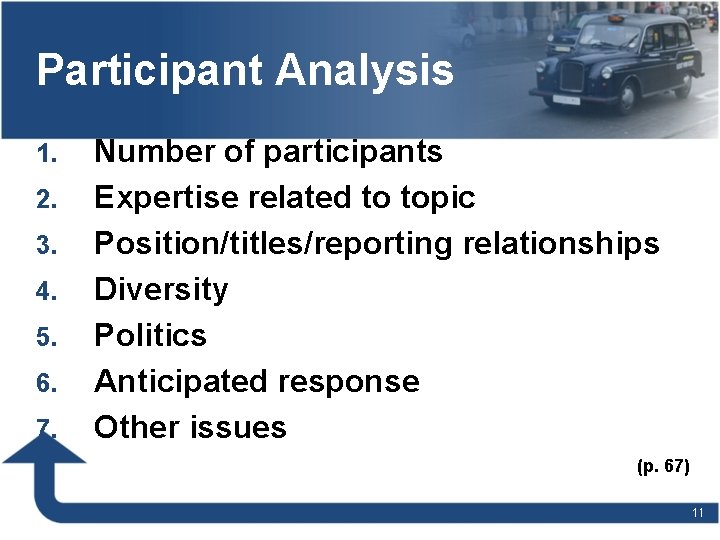
Participant Analysis 1. 2. 3. 4. 5. 6. 7. Number of participants Expertise related to topic Position/titles/reporting relationships Diversity Politics Anticipated response Other issues (p. 67) 11 11
Context for Learning 1. 2. 3. People Structures Culture (p. 69) 12 12
Goals and Objective 1. 2. 3. 4. Objective and Design Objective and Delivery Objective and Communication with Client and Participants Objective and Marketing (pp. 85 -86) 13 13
Essential Criteria 1. 2. 3. 4. Behavioral Attainable Goal-oriented Measurable (p. 88) 14 14
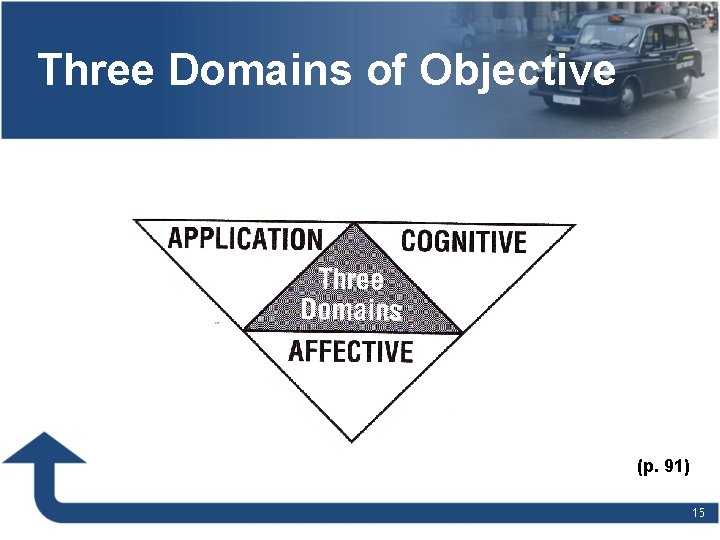
Three Domains of Objective (p. 91) 15 15
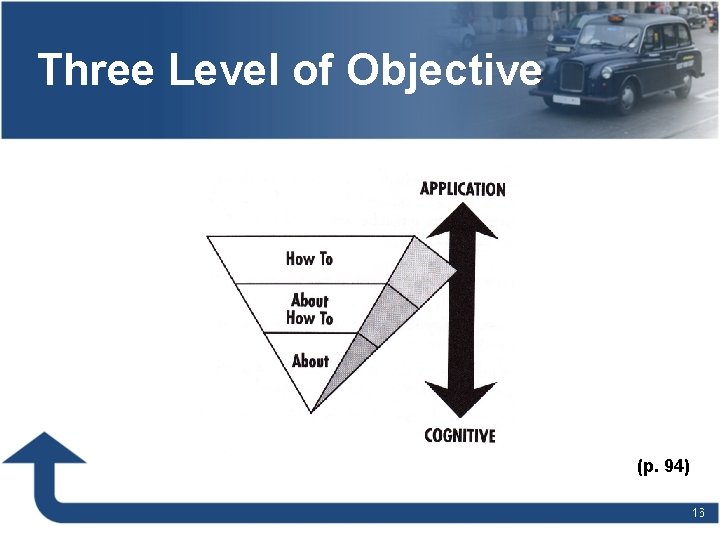
Three Level of Objective (p. 94) 16 16
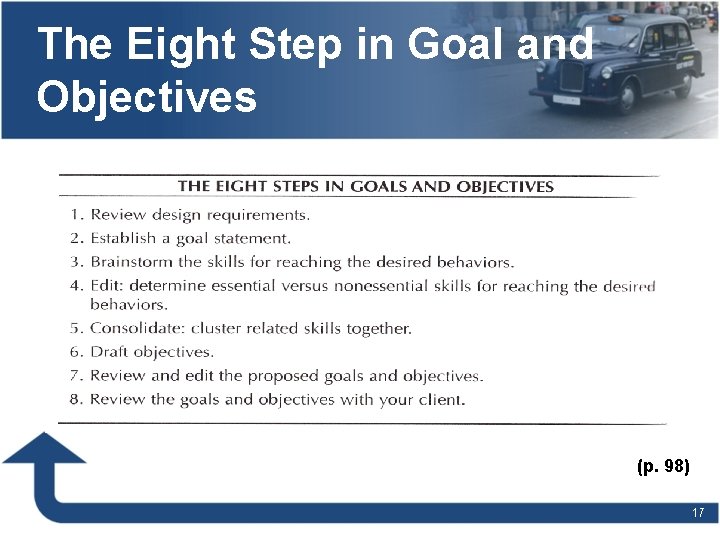
The Eight Step in Goal and Objectives (p. 98) 17 17
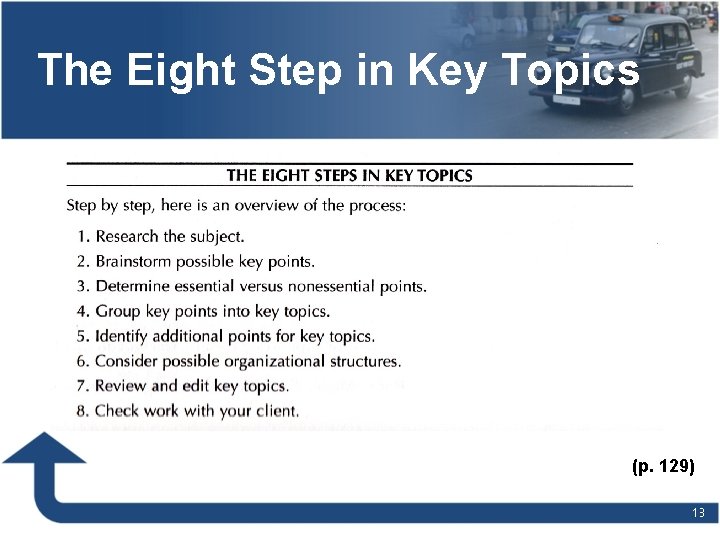
The Eight Step in Key Topics (p. 129) 18 18
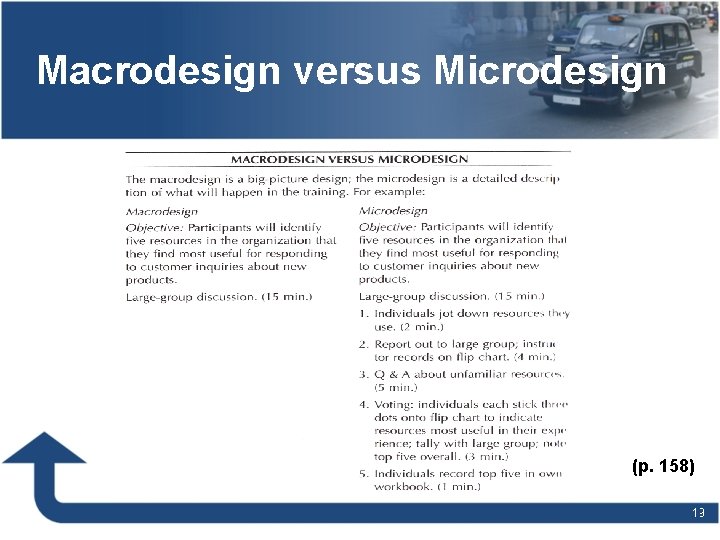
Macrodesign versus Microdesign (p. 158) 19 19
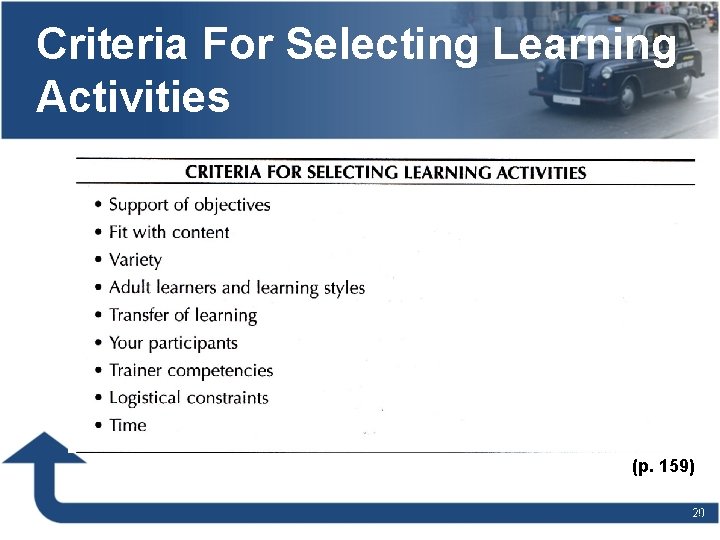
Criteria For Selecting Learning Activities (p. 159) 20 20
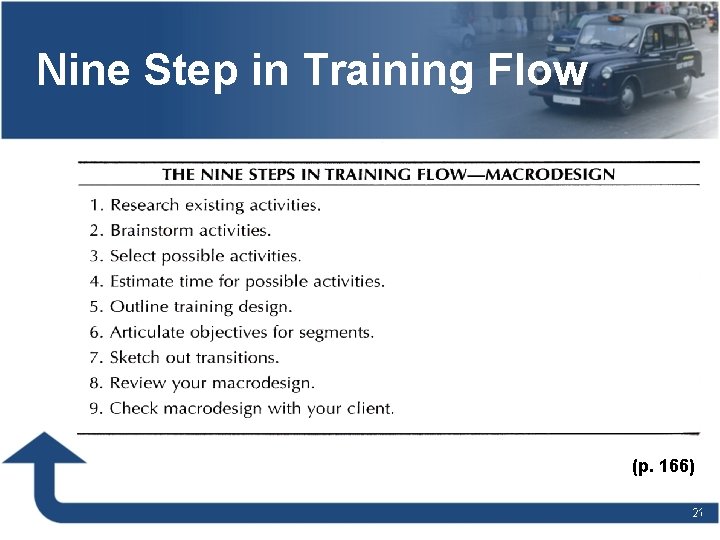
Nine Step in Training Flow (p. 166) 21 21
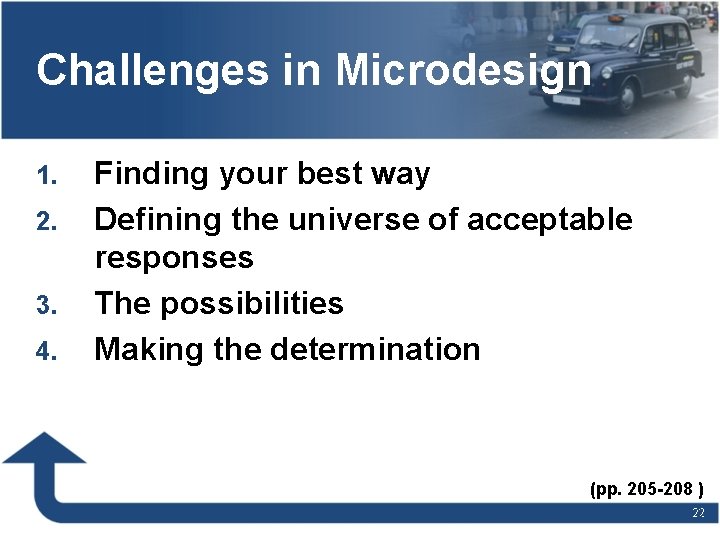
Challenges in Microdesign 1. 2. 3. 4. Finding your best way Defining the universe of acceptable responses The possibilities Making the determination (pp. 205 -208 ) 22 22
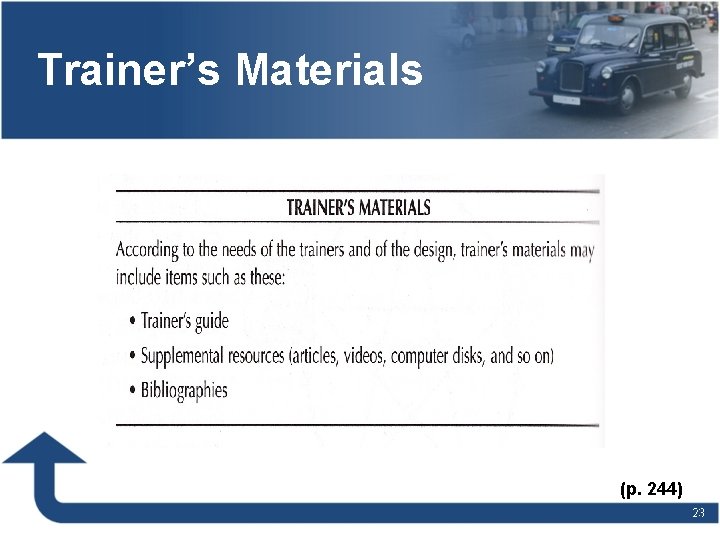
Trainer’s Materials (p. 244) 23 23
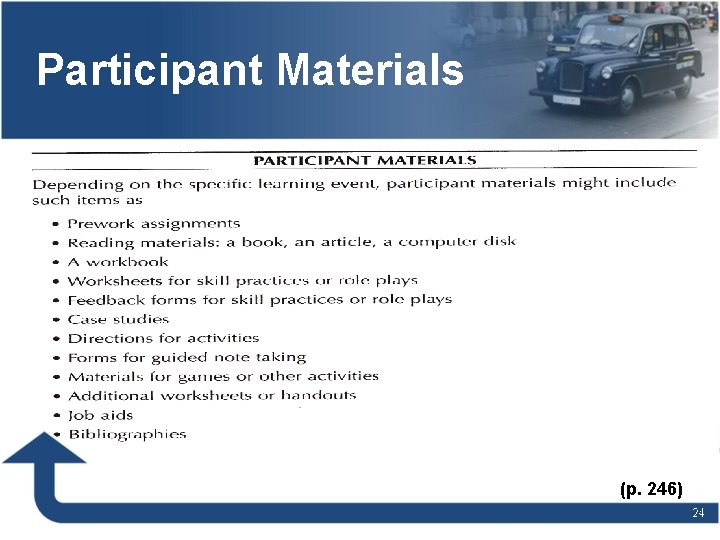
Participant Materials (p. 246) 24 24
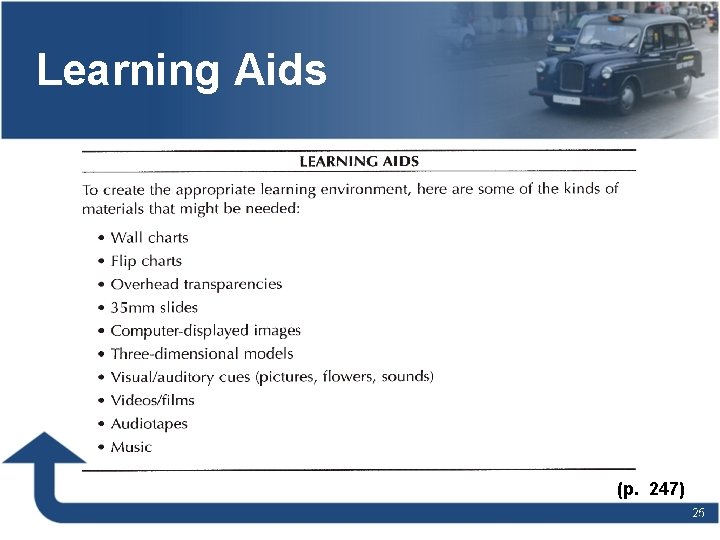
Learning Aids (p. 247) 25 25
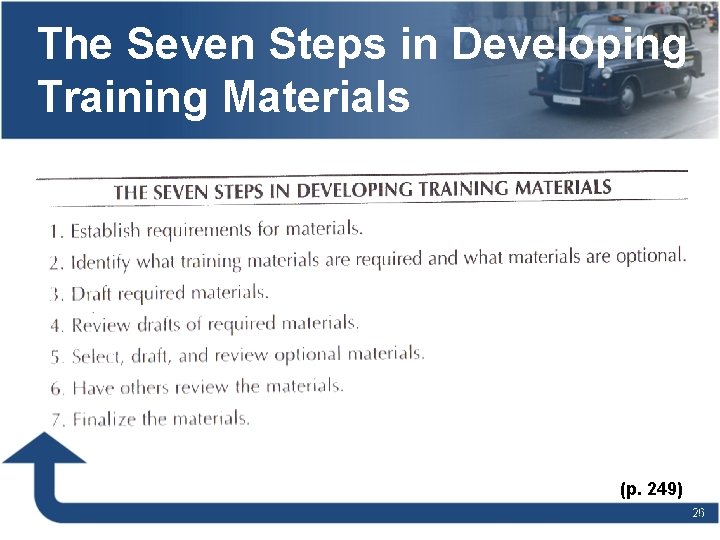
The Seven Steps in Developing Training Materials (p. 249) 26 26
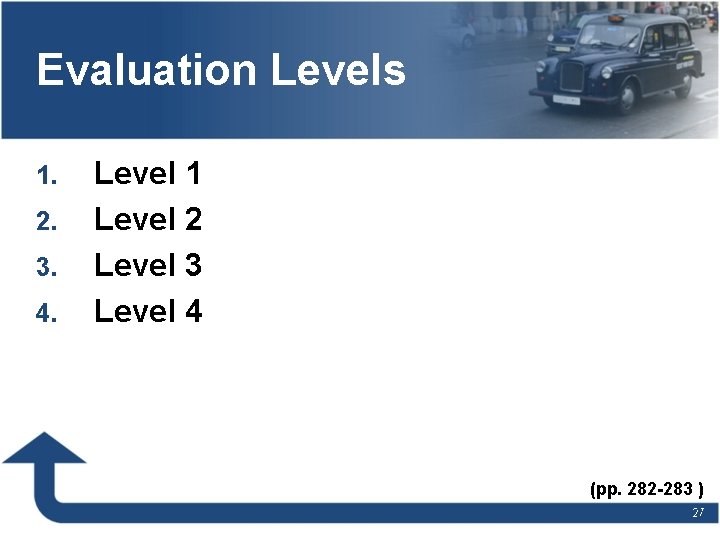
Evaluation Levels 1. 2. 3. 4. Level 1 Level 2 Level 3 Level 4 (pp. 282 -283 ) 27 27
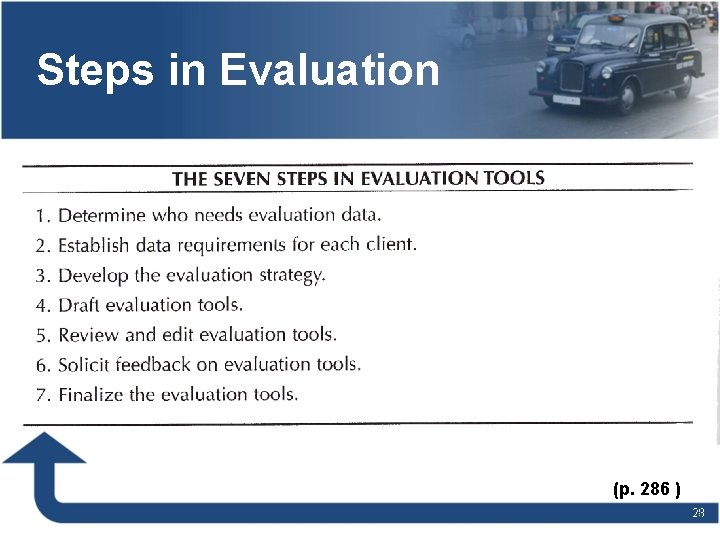
Steps in Evaluation (p. 286 ) 28 28
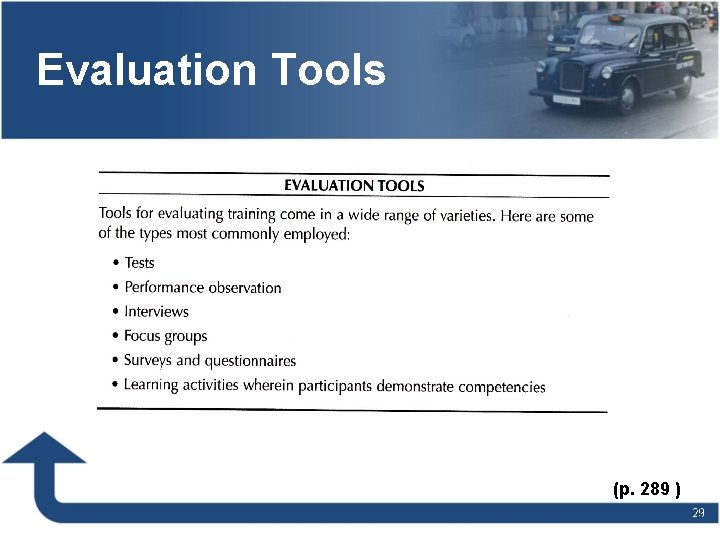
Evaluation Tools (p. 289 ) 29 29
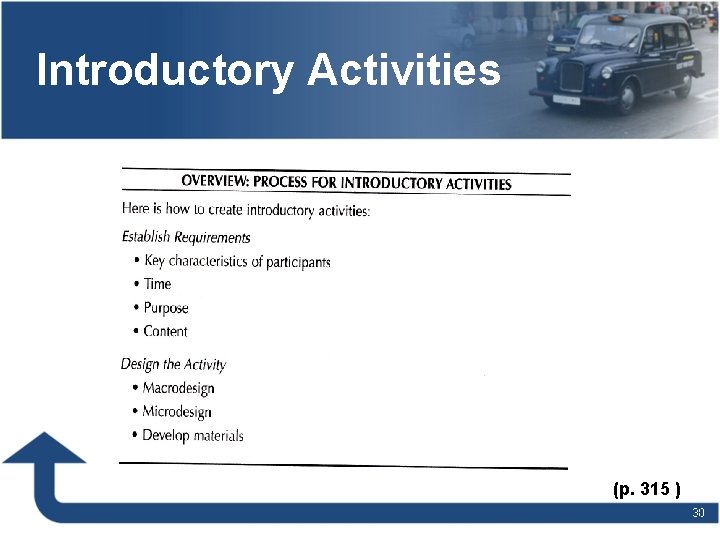
Introductory Activities (p. 315 ) 30 30
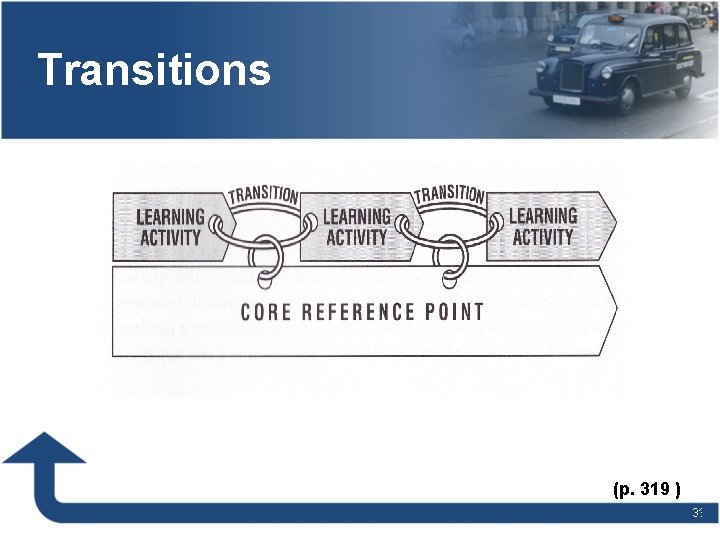
Transitions (p. 319 ) 31 31