
Designing an Integrated Writing Project University of Hong
- Slides: 23
Designing an Integrated Writing Project University of Hong Kong Workshop 30 May 2007 Paul Kei Matsuda Arizona State University Tempe, AZ, USA matsuda@jslw. org http: //matsuda. jslw. org/
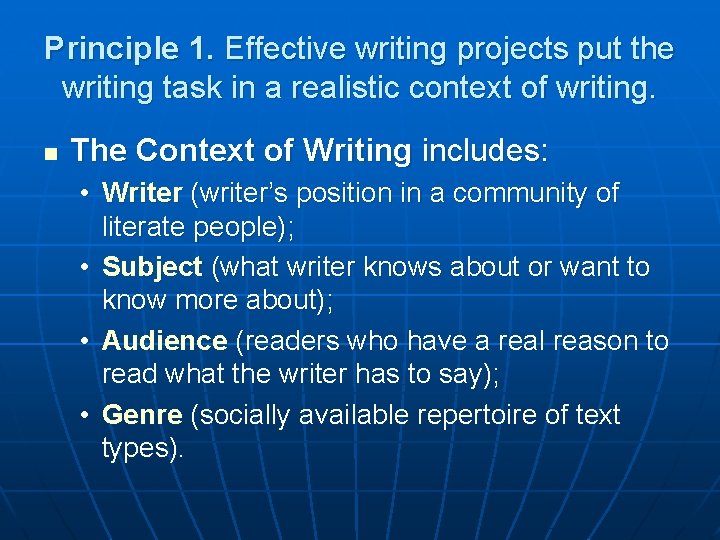
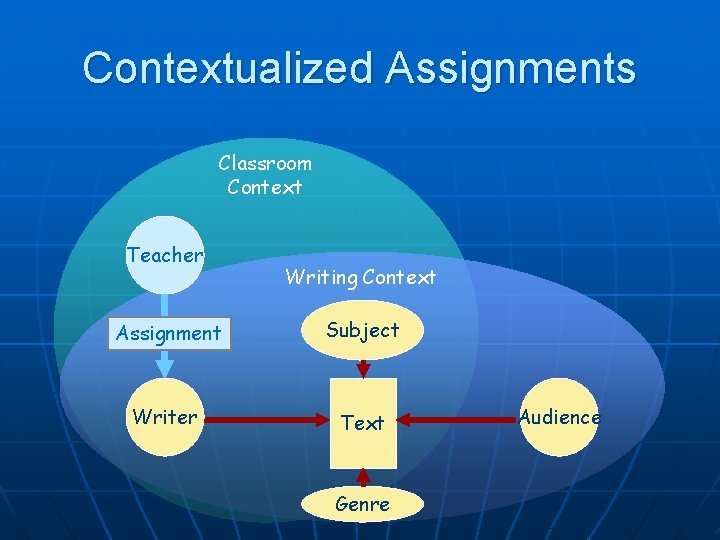
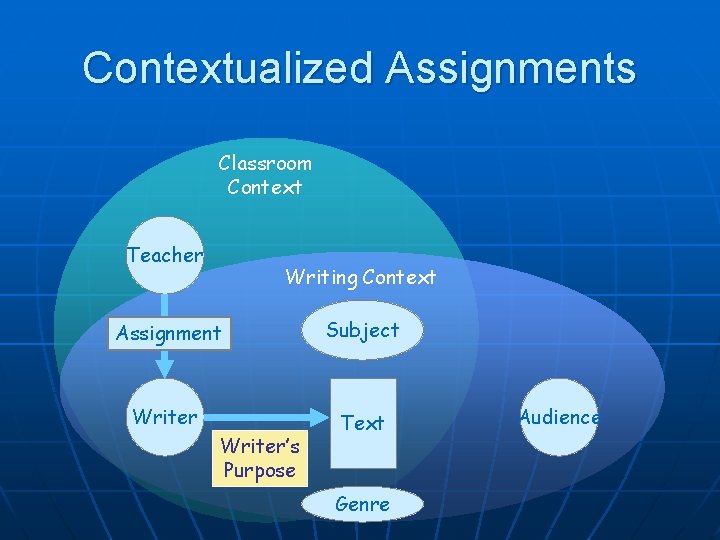
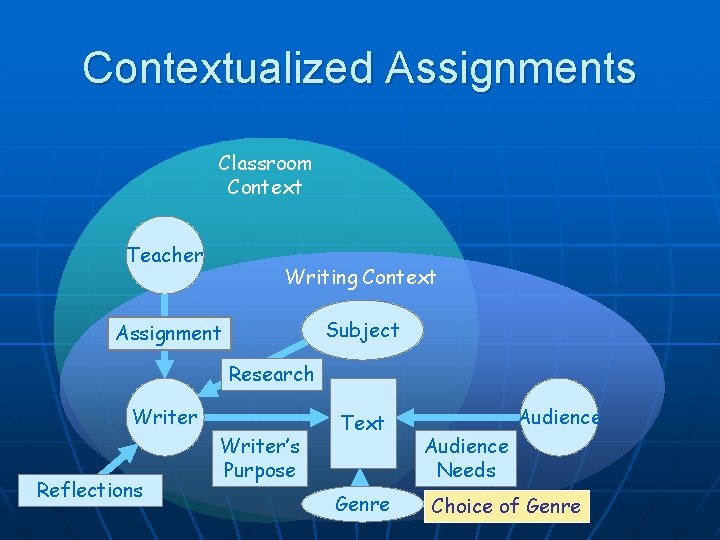
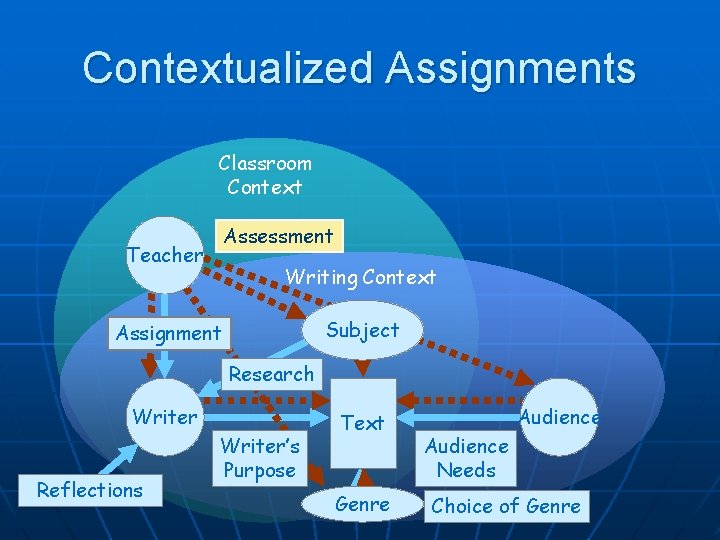
Principle 1. Effective writing projects put the writing task in a realistic context of writing. n The Context of Writing includes: • Writer (writer’s position in a community of literate people); • Subject (what writer knows about or want to know more about); • Audience (readers who have a real reason to read what the writer has to say); • Genre (socially available repertoire of text types).
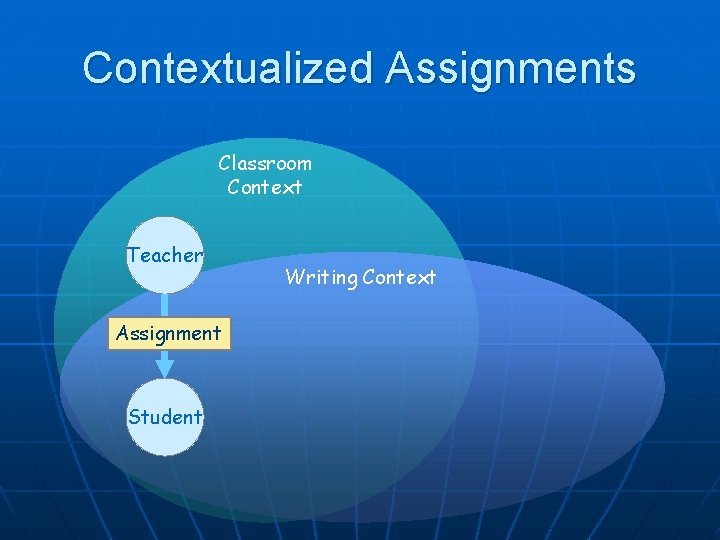
Contextualized Assignments Classroom Context Teacher Assignment Student Writing Context
Contextualized Assignments Classroom Context Teacher Writing Context Assignment Subject Student Writer Text Genre Audience
Contextualized Assignments Classroom Context Teacher Writing Context Assignment Subject Writer Text Writer’s Purpose Genre Audience
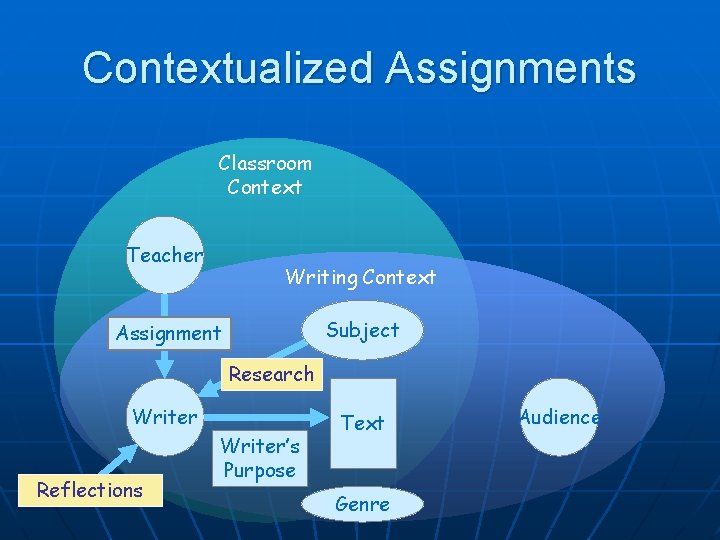
Contextualized Assignments Classroom Context Teacher Writing Context Subject Assignment Research Writer Reflections Writer’s Purpose Text Genre Audience
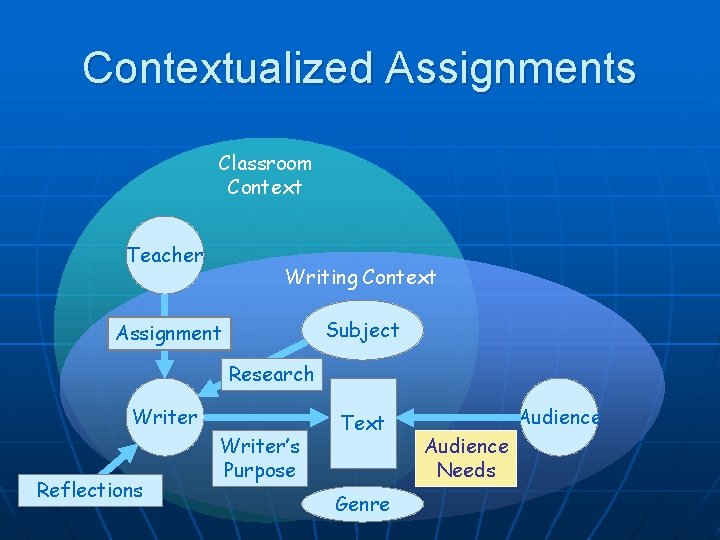
Contextualized Assignments Classroom Context Teacher Writing Context Subject Assignment Research Writer Reflections Writer’s Purpose Text Genre Audience Needs
Contextualized Assignments Classroom Context Teacher Writing Context Subject Assignment Research Writer Reflections Writer’s Purpose Text Genre Audience Needs Choice of Genre
Contextualized Assignments Classroom Context Assessment Teacher Writing Context Subject Assignment Research Writer Reflections Writer’s Purpose Text Genre Audience Needs Choice of Genre
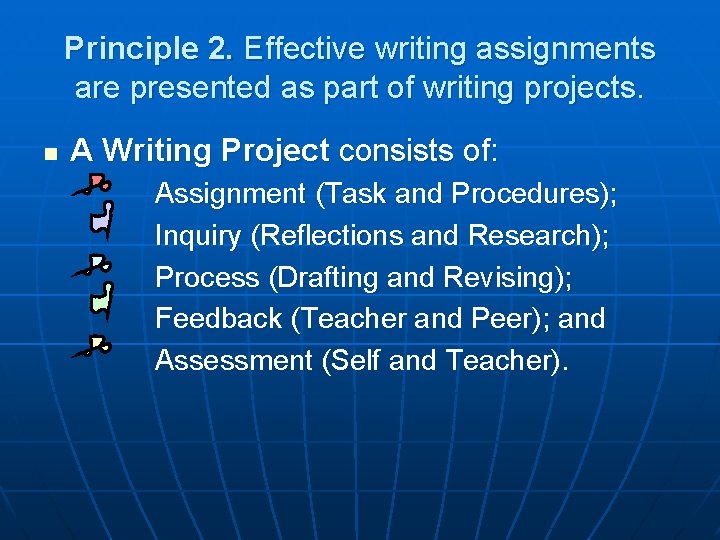
Principle 2. Effective writing assignments are presented as part of writing projects. n A Writing Project consists of: Assignment (Task and Procedures); Inquiry (Reflections and Research); Process (Drafting and Revising); Feedback (Teacher and Peer); and Assessment (Self and Teacher).
Assignment: Task Writing assignments should include information about: • Topic (what), • Purpose (why), • Audience (for whom), • Writer Positioning (from whom), • Genre (how).
Assignment: Procedures Writing assignments should include information about: • Tasks that need to be completed, • Resources that writers can use, • Timelines for the assignment.
Inquiry: Reflections Encourage learners to reflect on: • What they already know about the subject, genre and audience; • What they want to find out about the subject. • What their audience might know and want to know about the subject.
Inquiry: Research Encourage learners to find out more about the subject by: • Using written sources (library and the Internet); and • Collecting data through interviews, surveys and observations.
Process: Drafting Encourage learners to: • Write down everything they know as well as questions and uncertainties that can be researched. • Use their L 1 when they can’t come up with words, phrases or sentences in English. • Focus first on effective communication (subject and audience) rather than the form (grammar, style, conventions).
Process: Drafting Encourage learners to: • Revise often; and • Focus on the overall effectiveness of communication before worrying about the form (grammar, style, conventions).
Feedback: Peer Encourage learners to: • Use rubrics to guide their feedback; • Focus on the strengths and the overall effectiveness first; • Imagine how the intended audience might read and respond to it; • Note places where they got stuck or confused in reading the text and explain why.
Feedback: Teacher In addition to the points mentioned in peer feedback: • Comment on how well the writer meets the criteria articulated in the rubric; • Ask genuine questions, describe concerns, and provide specific suggestions; • Provide several alternative suggestions whenever possible.
Assessment n n Develop a project-specific rubric early in the process of developing the writing project. Use a general rubric to guide the development of project-specific rubrics. Share the rubric with learners for peer and self assessment and explain the criteria with examples. Assess learner texts by how well they address the context of writing and not by how closely they resemble the teacher’s ideal text.
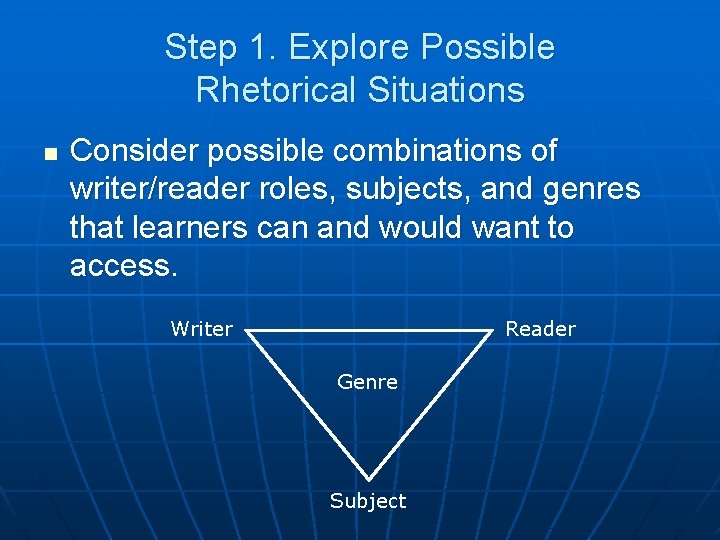
Step 1. Explore Possible Rhetorical Situations n Consider possible combinations of writer/reader roles, subjects, and genres that learners can and would want to access. Writer Reader Genre Subject
Step 2. Prioritize Learning Goals n Develop a general sense of what you want learners to learn through the writing project. (But remain flexible to allow for incidental learning).
Step 3. Develop a Project. Specific Rubric n Articulate your sense of what you expect to see (or not see) in the resulting piece of writing in terms of: • Purpose • Audience • Content • Organization • Form.
Step 4. Draft a Contextualized Assignment n A writing contextualized writing assignment should include the following information: • Purpose • Subject • Audience • Genre.