
DESIGNING A GREEK TEMPLE SCALE PROPORTIONS RATIOS APPLICATIONS
- Slides: 15
DESIGNING A GREEK TEMPLE: SCALE, PROPORTIONS, & RATIOS APPLICATIONS OF TECHNOLOGY
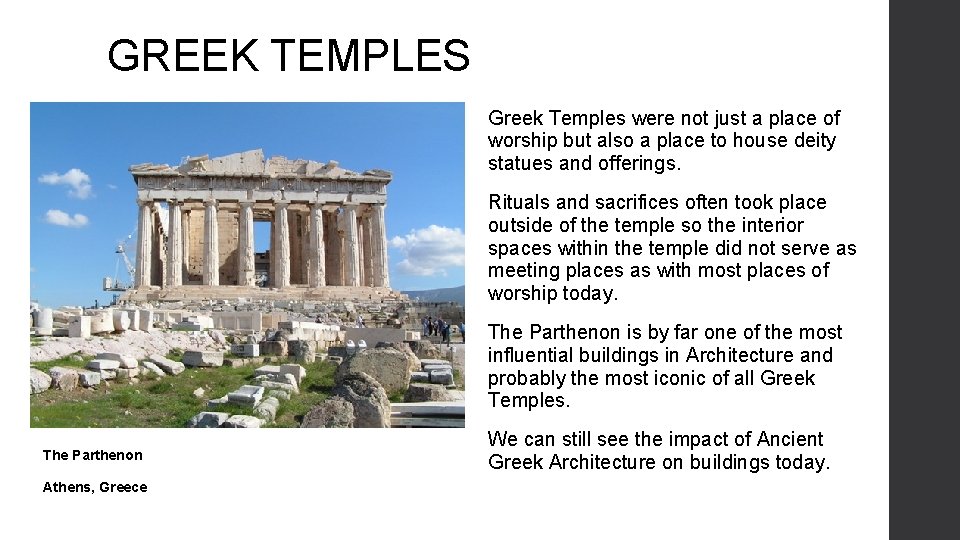
GREEK TEMPLES Greek Temples were not just a place of worship but also a place to house deity statues and offerings. Rituals and sacrifices often took place outside of the temple so the interior spaces within the temple did not serve as meeting places as with most places of worship today. The Parthenon is by far one of the most influential buildings in Architecture and probably the most iconic of all Greek Temples. The Parthenon Athens, Greece We can still see the impact of Ancient Greek Architecture on buildings today.
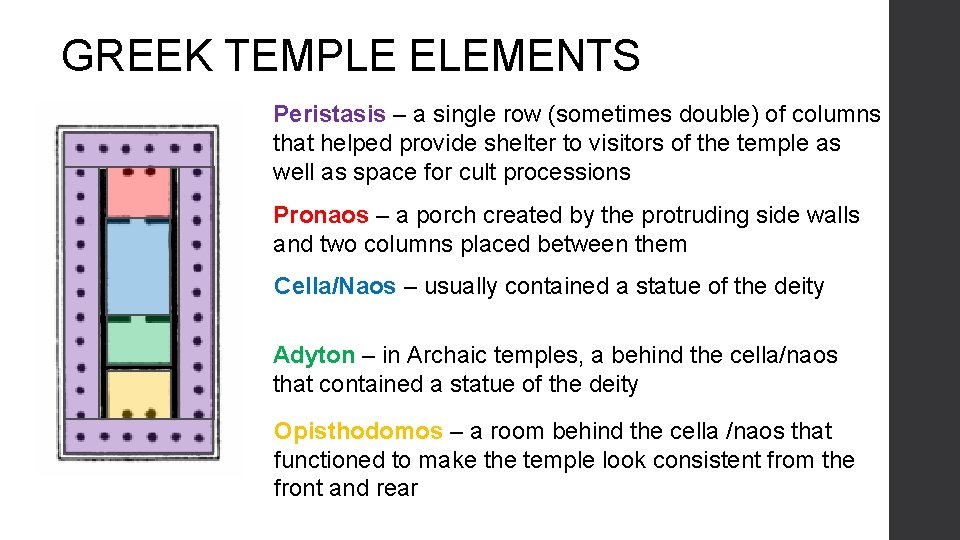
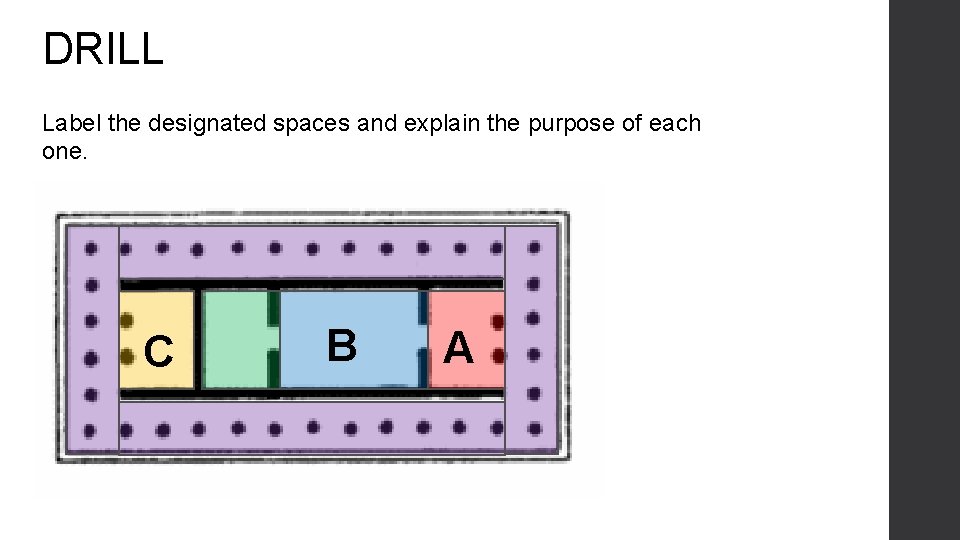
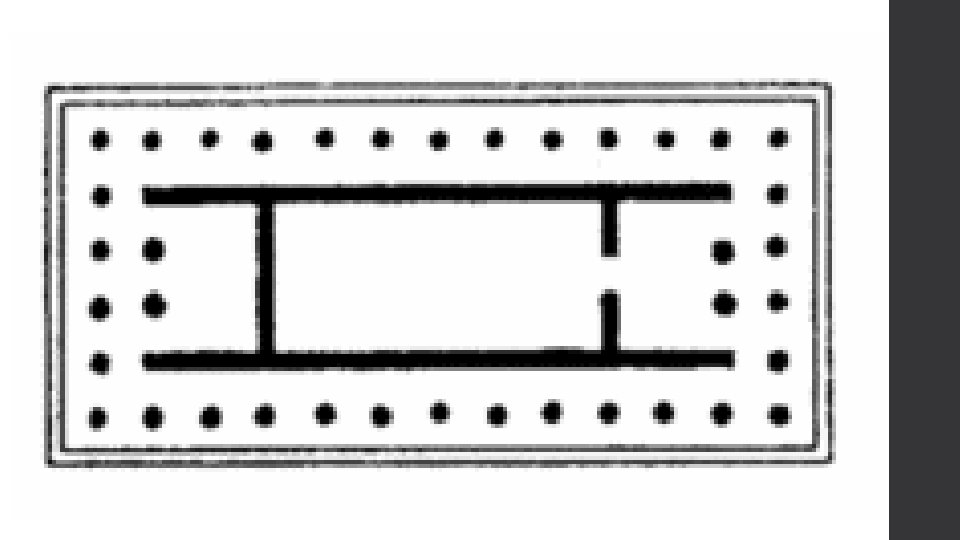
GREEK TEMPLE ELEMENTS Peristasis – a single row (sometimes double) of columns that helped provide shelter to visitors of the temple as well as space for cult processions Pronaos – a porch created by the protruding side walls and two columns placed between them Cella/Naos – usually contained a statue of the deity Adyton – in Archaic temples, a behind the cella/naos that contained a statue of the deity Opisthodomos – a room behind the cella /naos that functioned to make the temple look consistent from the front and rear
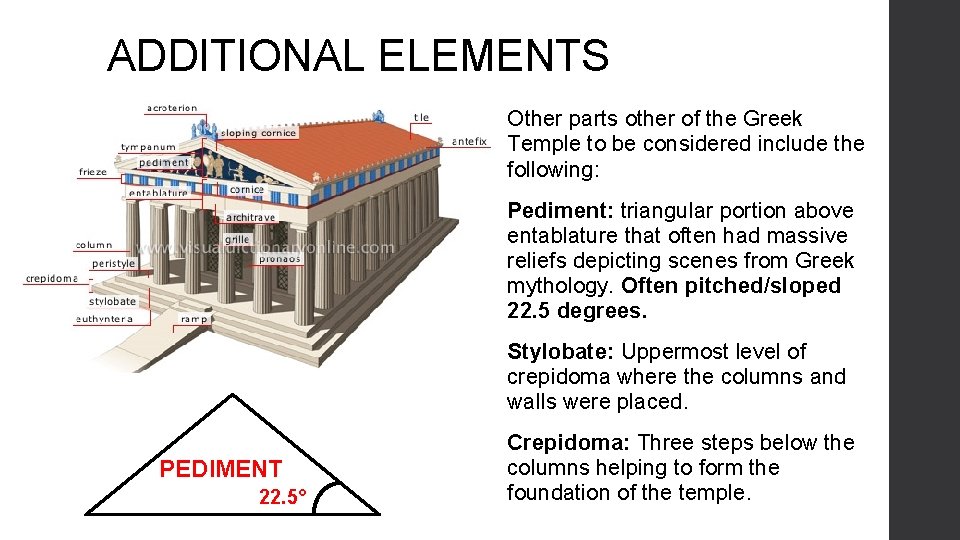
ADDITIONAL ELEMENTS Other parts other of the Greek Temple to be considered include the following: Pediment: triangular portion above entablature that often had massive reliefs depicting scenes from Greek mythology. Often pitched/sloped 22. 5 degrees. Stylobate: Uppermost level of crepidoma where the columns and walls were placed. PEDIMENT 22. 5° Crepidoma: Three steps below the columns helping to form the foundation of the temple.
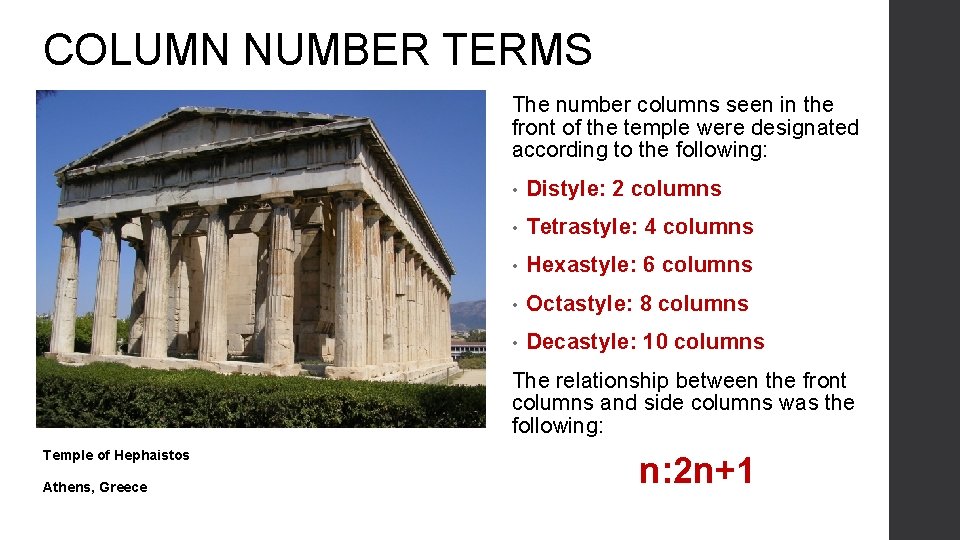
COLUMN NUMBER TERMS The number columns seen in the front of the temple were designated according to the following: • Distyle: 2 columns • Tetrastyle: 4 columns • Hexastyle: 6 columns • Octastyle: 8 columns • Decastyle: 10 columns The relationship between the front columns and side columns was the following: Temple of Hephaistos Athens, Greece n: 2 n+1
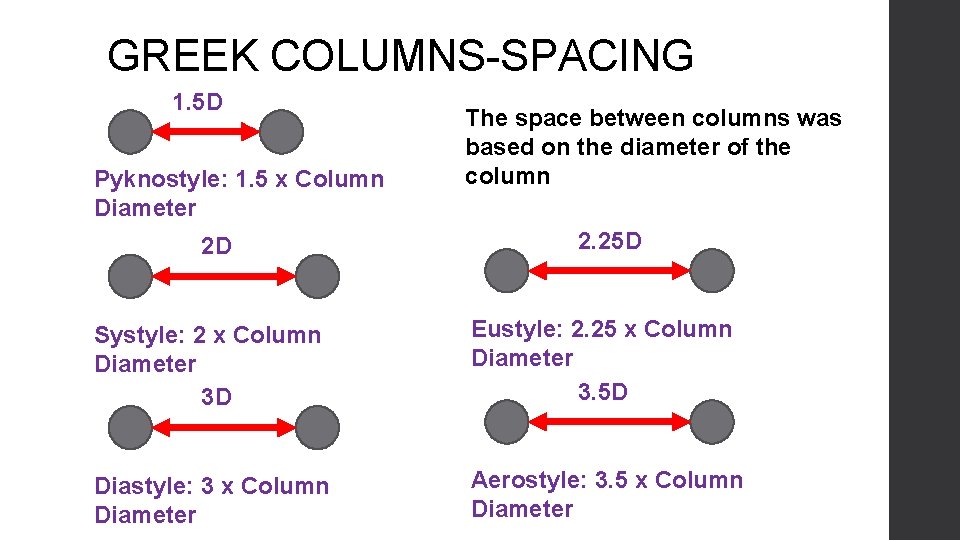
GREEK COLUMNS-SPACING 1. 5 D Pyknostyle: 1. 5 x Column Diameter 2 D The space between columns was based on the diameter of the column 2. 25 D Systyle: 2 x Column Diameter 3 D Eustyle: 2. 25 x Column Diameter 3. 5 D Diastyle: 3 x Column Diameter Aerostyle: 3. 5 x Column Diameter
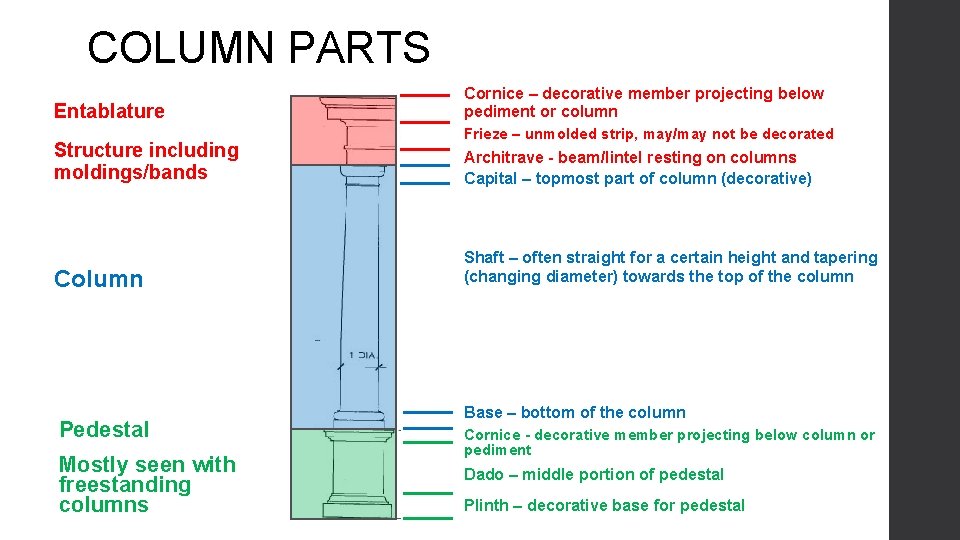
COLUMN PARTS Entablature Cornice – decorative member projecting below pediment or column Frieze – unmolded strip, may/may not be decorated Structure including moldings/bands Architrave - beam/lintel resting on columns Capital – topmost part of column (decorative) Column Shaft – often straight for a certain height and tapering (changing diameter) towards the top of the column Pedestal Mostly seen with freestanding columns Base – bottom of the column Cornice - decorative member projecting below column or pediment Dado – middle portion of pedestal Plinth – decorative base for pedestal
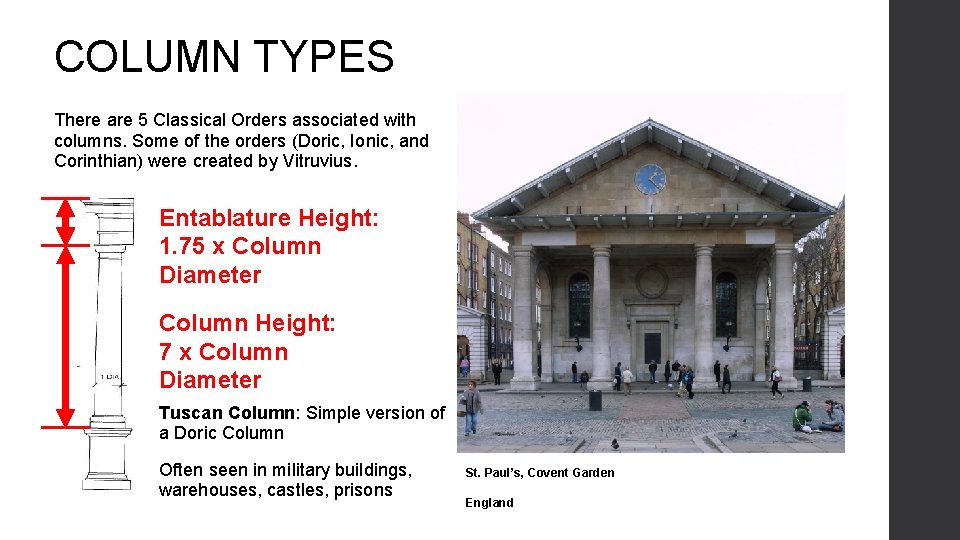
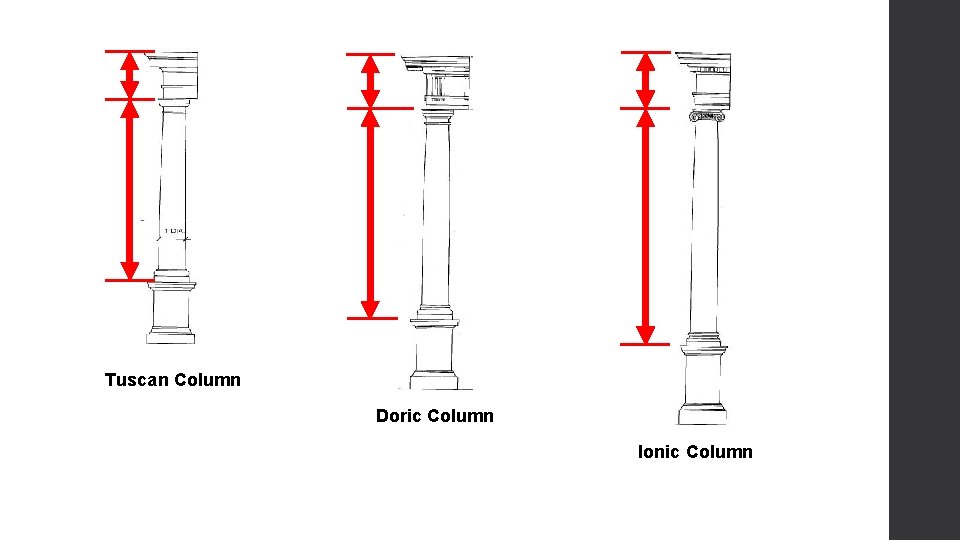
COLUMN TYPES There are 5 Classical Orders associated with columns. Some of the orders (Doric, Ionic, and Corinthian) were created by Vitruvius. Entablature Height: 1. 75 x Column Diameter Column Height: 7 x Column Diameter Tuscan Column: Simple version of a Doric Column Often seen in military buildings, warehouses, castles, prisons St. Paul’s, Covent Garden England
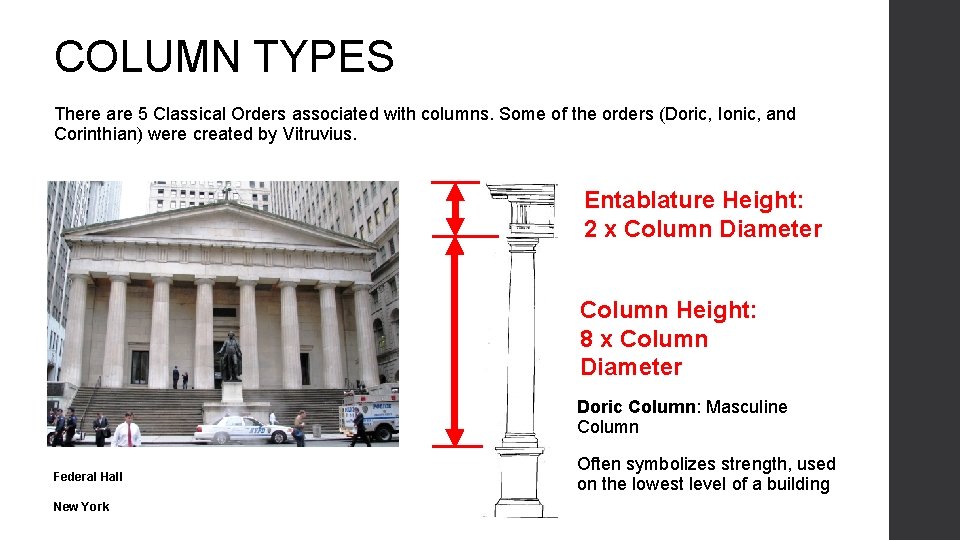
COLUMN TYPES There are 5 Classical Orders associated with columns. Some of the orders (Doric, Ionic, and Corinthian) were created by Vitruvius. Entablature Height: 2 x Column Diameter Column Height: 8 x Column Diameter Doric Column: Masculine Column Federal Hall New York Often symbolizes strength, used on the lowest level of a building
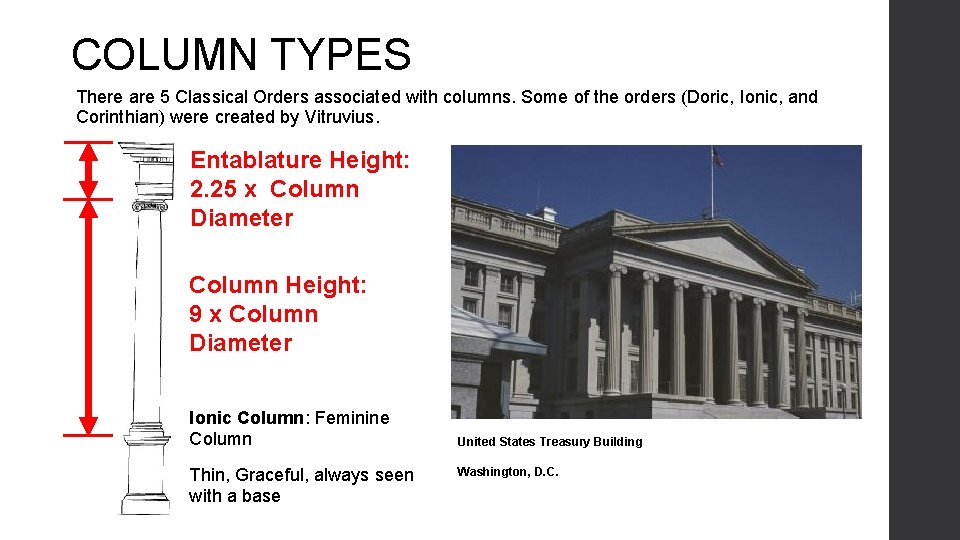
COLUMN TYPES There are 5 Classical Orders associated with columns. Some of the orders (Doric, Ionic, and Corinthian) were created by Vitruvius. Entablature Height: 2. 25 x Column Diameter Column Height: 9 x Column Diameter Ionic Column: Feminine Column Thin, Graceful, always seen with a base United States Treasury Building Washington, D. C.
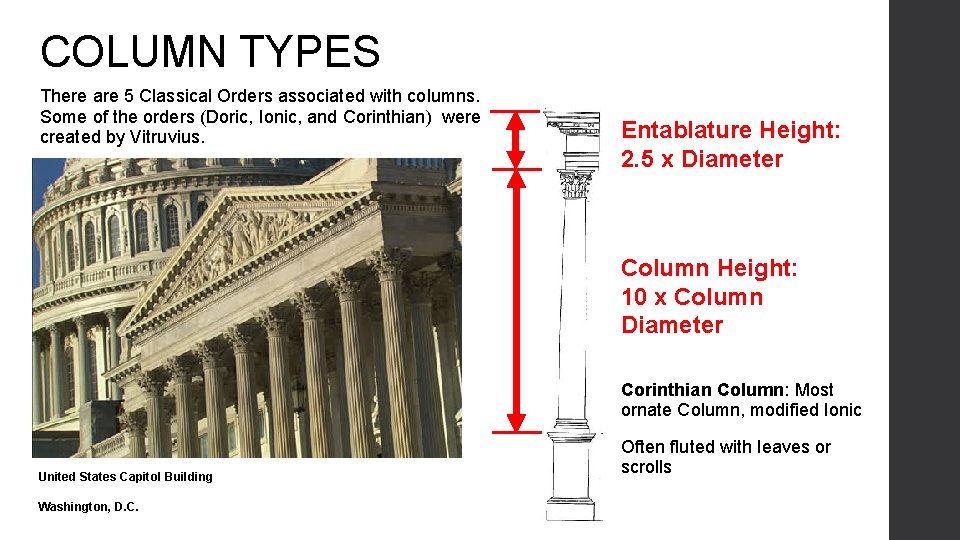
COLUMN TYPES There are 5 Classical Orders associated with columns. Some of the orders (Doric, Ionic, and Corinthian) were created by Vitruvius. Entablature Height: 2. 5 x Diameter Column Height: 10 x Column Diameter Corinthian Column: Most ornate Column, modified Ionic United States Capitol Building Washington, D. C. Often fluted with leaves or scrolls
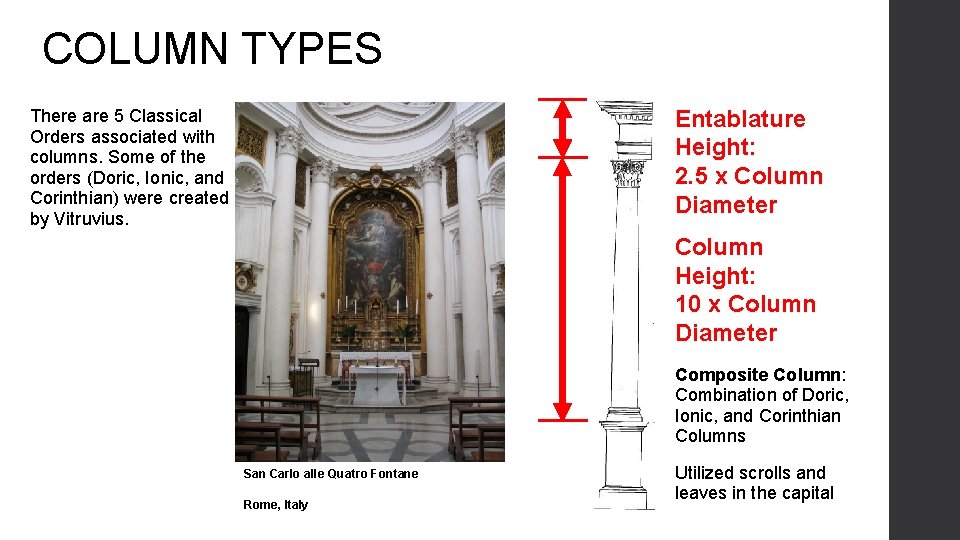
COLUMN TYPES Entablature Height: 2. 5 x Column Diameter There are 5 Classical Orders associated with columns. Some of the orders (Doric, Ionic, and Corinthian) were created by Vitruvius. Column Height: 10 x Column Diameter Composite Column: Combination of Doric, Ionic, and Corinthian Columns San Carlo alle Quatro Fontane Rome, Italy Utilized scrolls and leaves in the capital
DRILL Label the designated spaces and explain the purpose of each one. C B A
Tuscan Column Doric Column Ionic Column