
Design Thinking Elsa V Paul December 17 2020
Design Thinking Elsa V. Paul December 17, 2020 The IEEE Computer Society
Disclaimer This presentation is intended for educational purposes. Contents of this presentation are under pressure and may or may not be ours. Shake well before using. Batteries not included. Void where prohibited. Use only as directed. Side effects of this presentation may include promotions, better chairs, itching, redness and occasional fainting. If conditions persist, consult your physician. Do not reproduce without express consent. Drink your water, exercise regularly and call your mother. Reading this presentation does not constitute legal advice. Should you seek legal advice, seek legal advice.
“Design Thinking isn’t just a method; it fundamentally changes the fabric of your organization and your business” David Kelley, IDEO/ The Stanford d. school

Framing the Situation
Human rule Understanding Design Thinking Ambiguity rule Design/Redesign rule Tangibility rule

Design Thinking Phases Empathize Test Prototype Define Ideate

Empathize User wants, needs and objectives. Transposing myself into the thinking, feeling and action of another. Beware of projecting.
Define Frame the problem in a user centric way. Identify difficulties, barriers and patterns. What would make the most impact?

When New Isn’t Better
Ideate Creative, judgement free zone. Sense of urgency. Narrow down to the best.
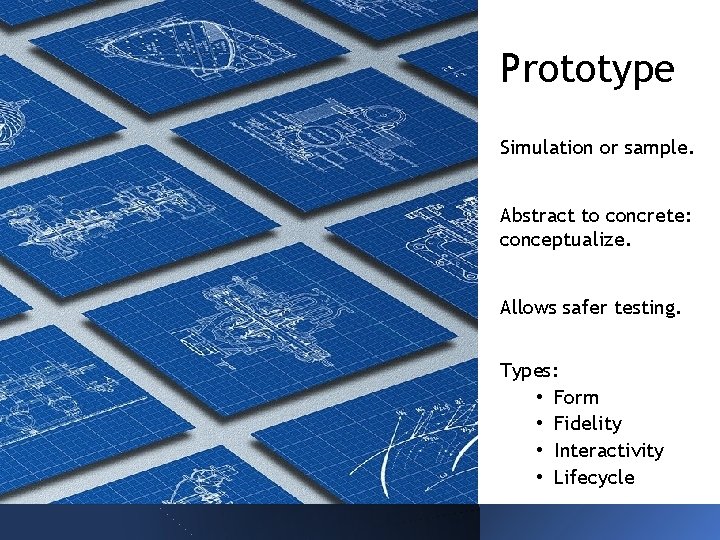
Prototype Simulation or sample. Abstract to concrete: conceptualize. Allows safer testing. Types: • Form • Fidelity • Interactivity • Lifecycle
Test Get feedback on initial idea. Test early/ test often. Methods: • Remote or in person • Moderate or unmoderated

An Applied Model Why What How Change perspective, get new insight.

The Airbnb Case
Solutions developed: too soon Design Thinking Fatal Flaws for the wrong problem. ‘looking for a problem’. Designers falling in love with their own ideas. Fear of failure or ridicule. Paralysis by analysis / paralysis period. Acting on existing knowledge, assumptions and biases. Acting impulsively or on instinct alone.
Less push, more pull. Design Thinking Everyday Solutions Team based. Learning based vs Error based. Create customers centric structures. Commit space and resources.
Tactics for Successful Design Thinking Visualize Challenge Diversify Reverse Commit Watch for biases Confirmation Anchoring Overconfidence Social Blind spot
Designing for Better
Together We Have: Identified the origins, components and key steps of Design Thinking. Highlighted the purpose/rationale of Design Thinking in business environments. Understood the application of Design Thinking principles via real life studios.

- Slides: 20