
Design Elements Class 3 Design Process 1 Learning




- Slides: 30
Design Elements Class 3 Design Process 1
Learning about design should help you to see: • design as a visual language • built on fundamental principles & elements • primary principles that affect composition – unity, – variety, – hierarchy (dominance), and – proportion 2
Design • supports principles of scale, balance, rhythm, repetition, economy, and proximity – affects internal relationships of the elements within a design composition • uses elements shape, space, line, size, colour, texture, and typography as compositional content 3
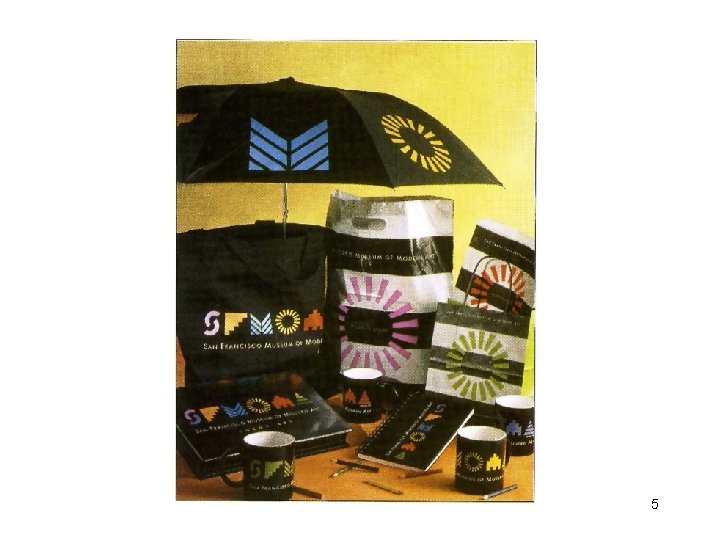
Primary Principles 1. Unity and Variety • Viewer needs to be able to understand what is being seen • Objective of any design is to create a sense of unity through the organization of the compositional parts • Overriding principle that is served by all others 4
5
6
7
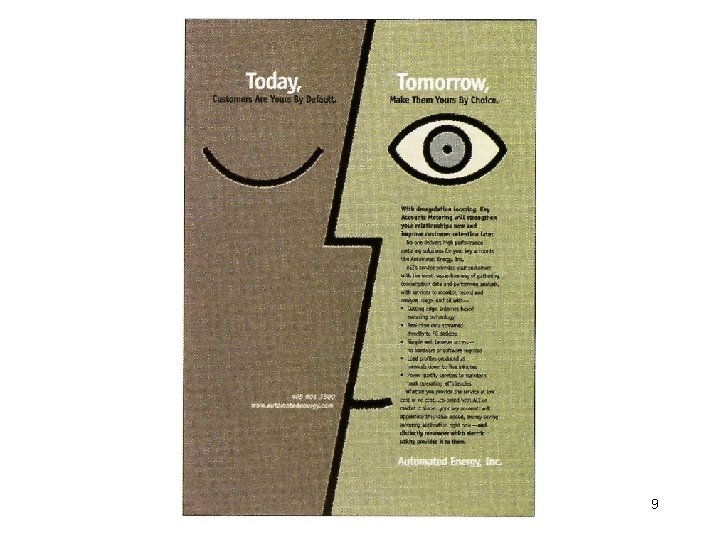
Hierarchy • An important function of unity in design is managing visual hierarchy in composition. • Hierarchy = arranged order • Designer must manage the size, placement, and balance of the elements used so that the viewer can read and extract intended meaning 8
9
Path • Path refers to the eye-movement path of the viewer’s eye • Controlling hierarchy determines the path the eye takes as it first scans and then studies a composition 10
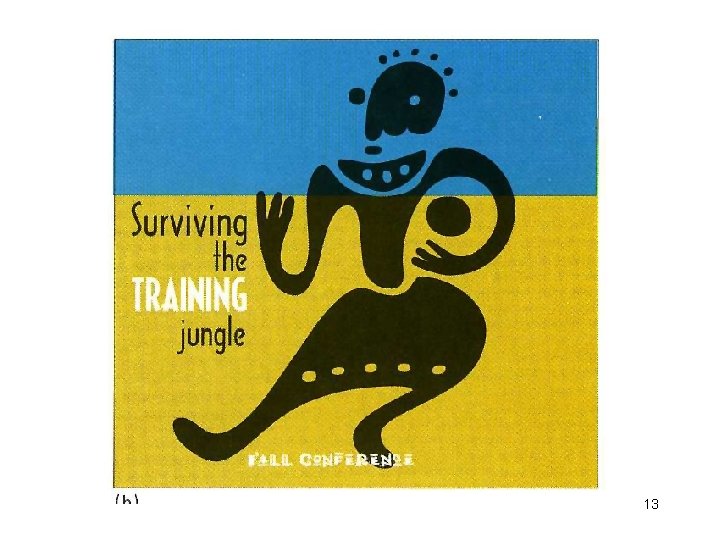
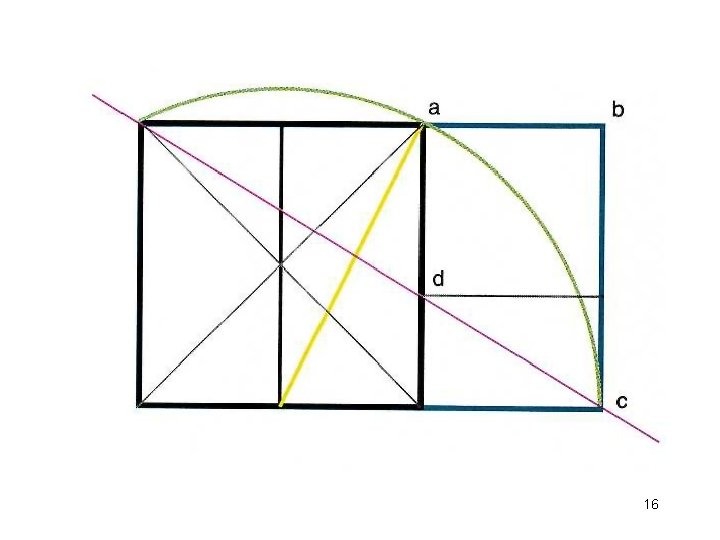
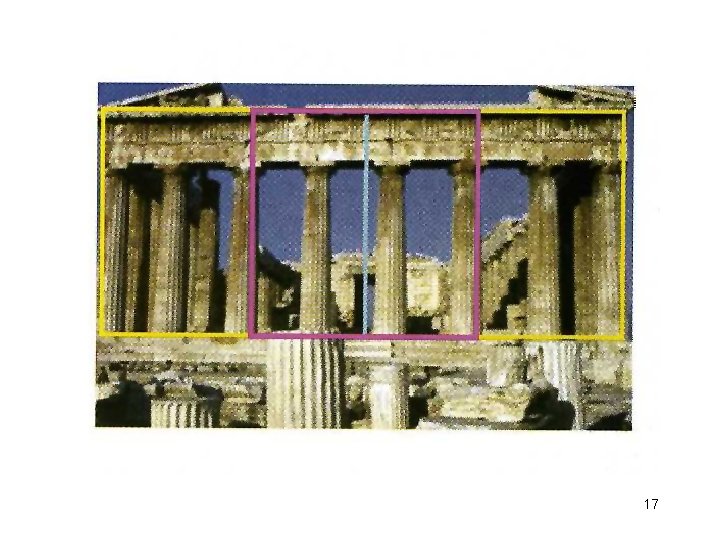
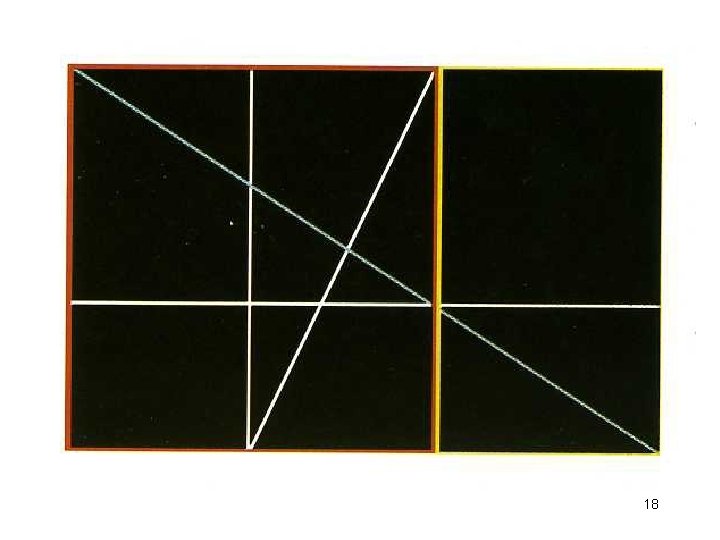
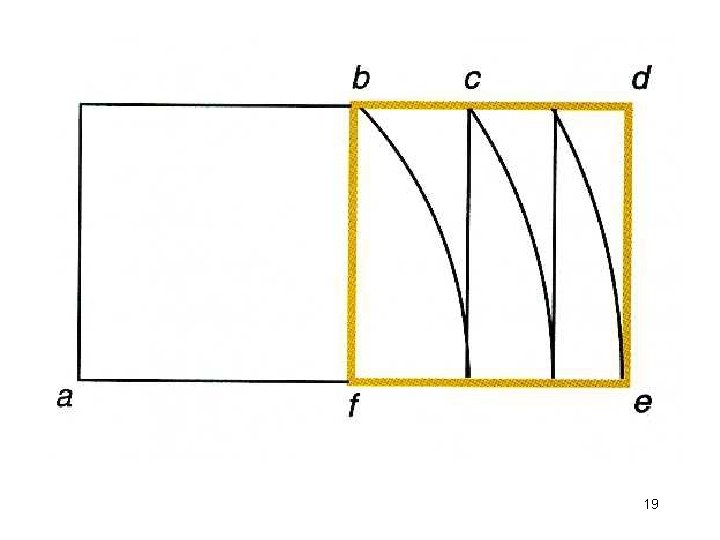
Proportion • Proportion refers to size relationships in a composition • Whether the proportions are given or determined by the designer, they must be considered as one of the first important considerations in a design plan 11
12
13
14
Support Principles • affect the interaction among elements. • have an important role in establishing visual organization in a composition. 15
16
17
18
19
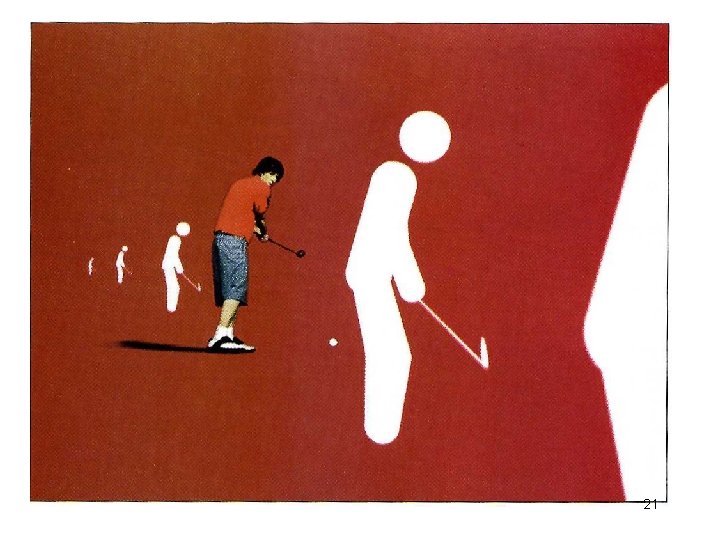
Scale • Scale is the relationship of size or a comparison of size from one element to another • Scale can be used to create variety and emphasis in a design and can help to establish a visual hierarchy 20
21
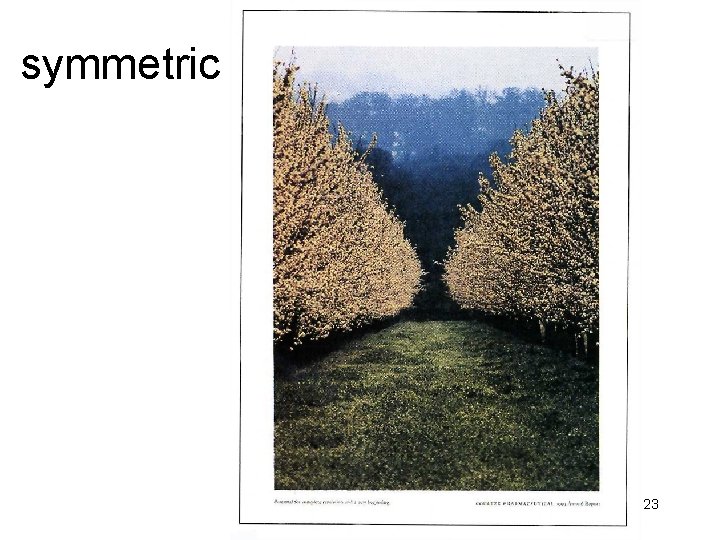
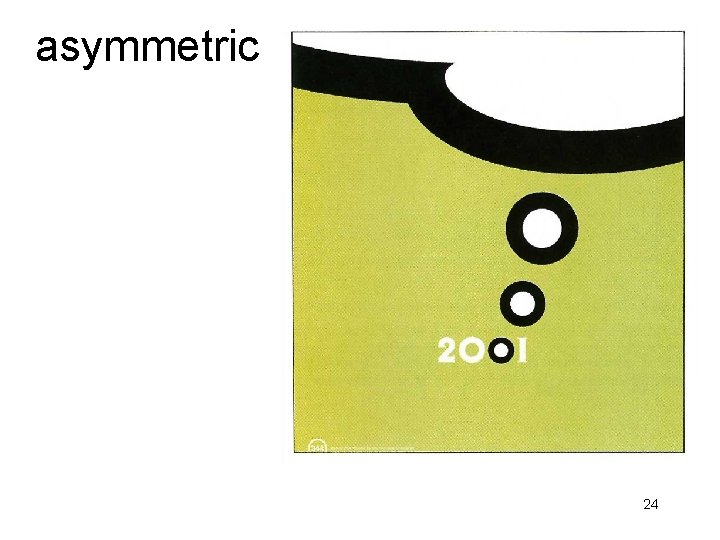
Balance • Balance is the visual distribution of elements in a composition • There are two types of balance: symmetric and asymmetric 22
symmetric 23
asymmetric 24
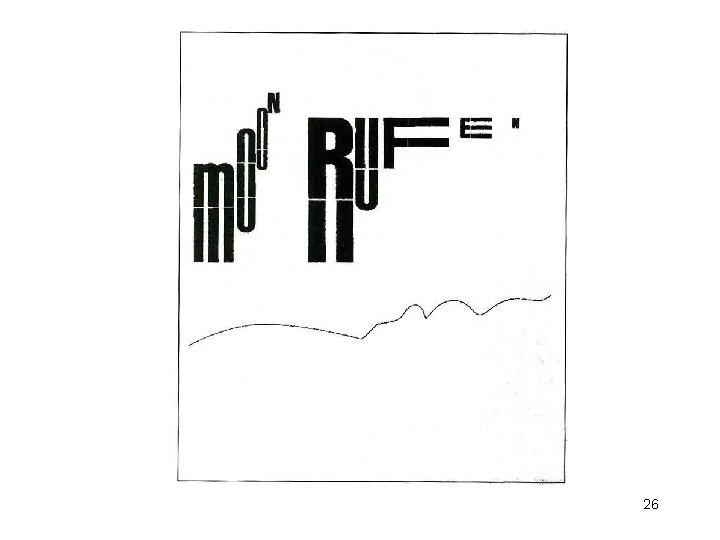
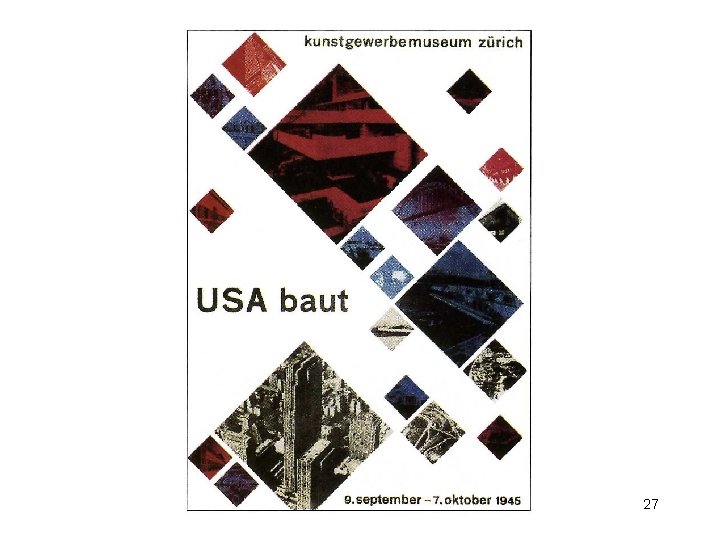
Rhythm and Repetition • Creating a rhythm with graphical elements is the choreography of graphic design • Repetition follows a pattern of related or juxtaposed elements 25
26
27
Proximity • One of the most critical decisions a designer makes is where to place design elements. • Proximity is the position and space given to the placement of elements in a composition 28
29
Elements of Design • The elements of design can be thought of as content - the design components. • Shape and space • Line • Size • Colour • Texture • Typography 30