
Design Design is a plan for arranging elements
![The Society “Program” [There is] the typewriter program, the piano program, the television program,](https://slidetodoc.com/presentation_image_h/349ece28c90c2cab71e5e0cea562bafb/image-14.jpg "The Society “Program” [There is] the typewriter program, the piano program, the television program,")
![Creativity Beyond Design: Formalism [Formalists] derive their chief inspiration from the medium they work](https://slidetodoc.com/presentation_image_h/349ece28c90c2cab71e5e0cea562bafb/image-25.jpg "Creativity Beyond Design: Formalism [Formalists] derive their chief inspiration from the medium they work")


- Slides: 70
Design
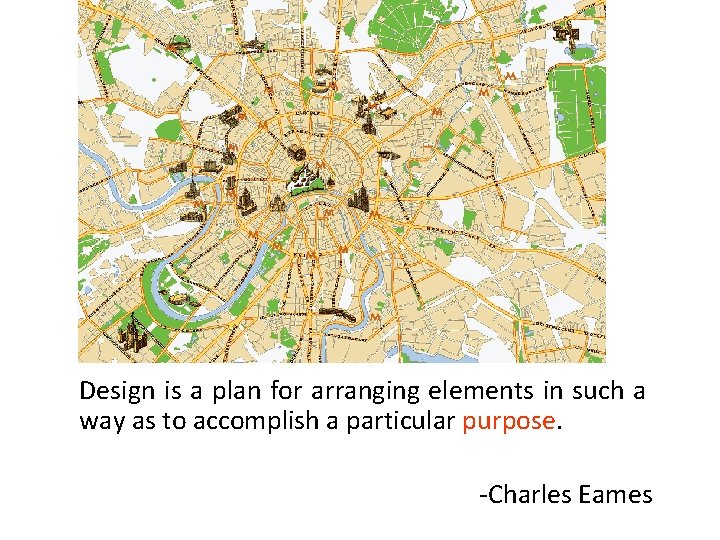
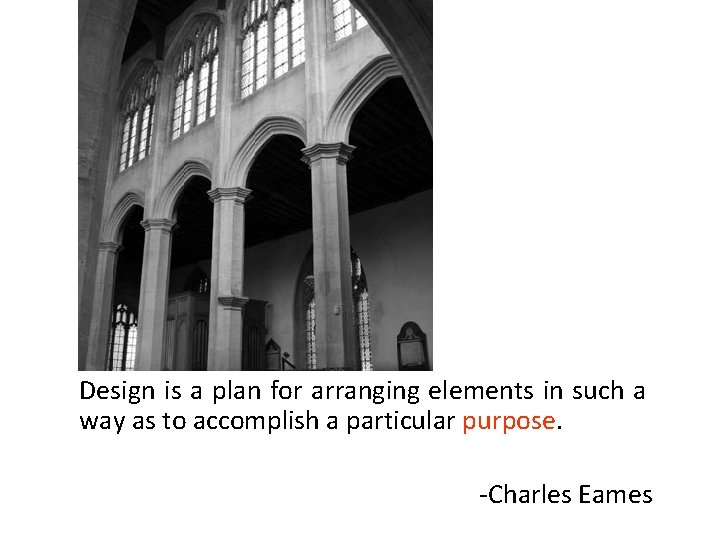
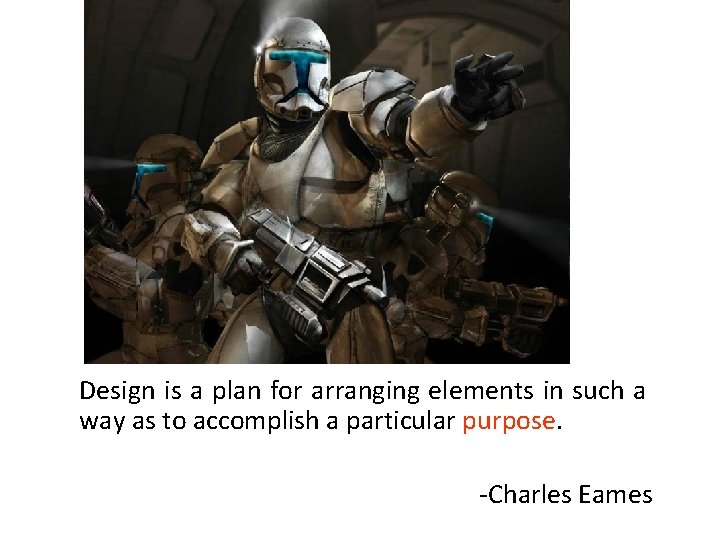
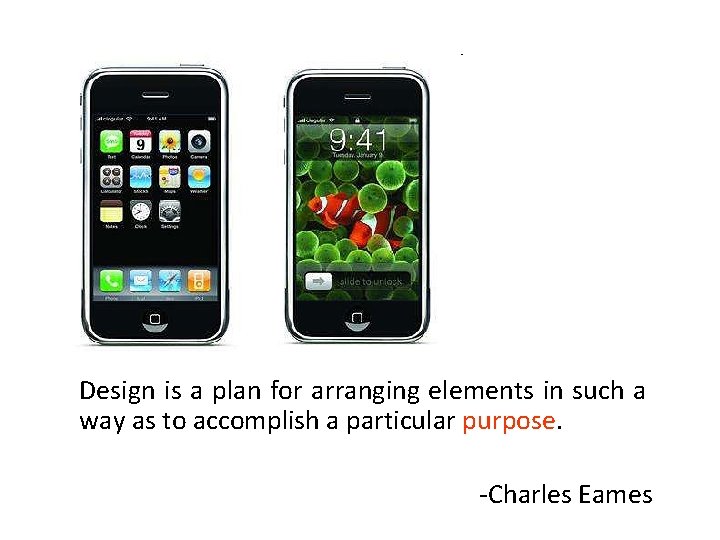
Design is a plan for arranging elements in such a way as to accomplish a particular purpose. -Charles Eames
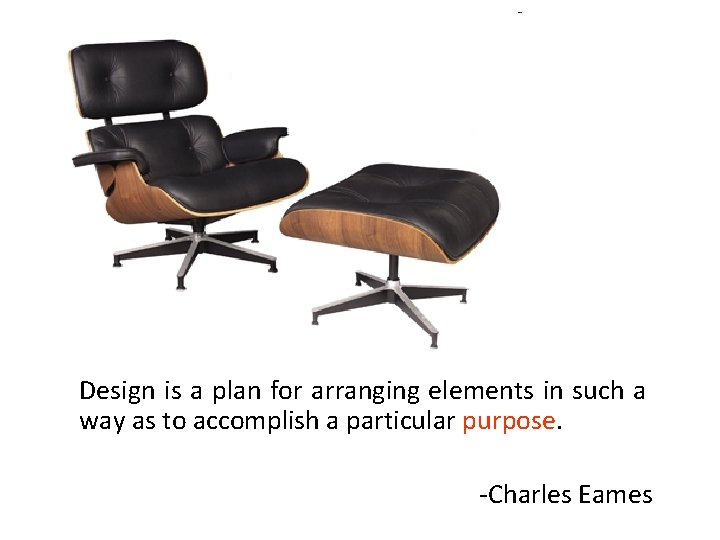
Design is a plan for arranging elements in such a way as to accomplish a particular purpose. -Charles Eames
Design is a plan for arranging elements in such a way as to accomplish a particular purpose. -Charles Eames
Design is a plan for arranging elements in such a way as to accomplish a particular purpose. -Charles Eames
Design is a plan for arranging elements in such a way as to accomplish a particular purpose. -Charles Eames
Design is a plan for arranging elements in such a way as to accomplish a particular purpose. …but is their a deeper purpose beneath?
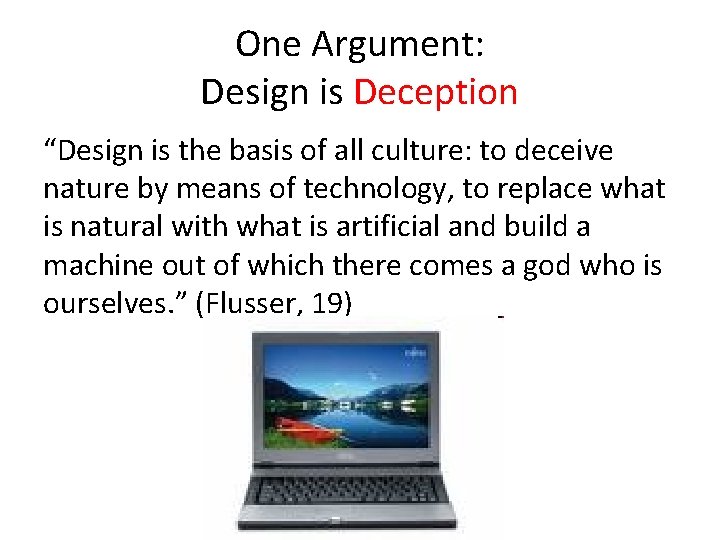
One Argument: Design is Deception “Design is the basis of all culture: to deceive nature by means of technology, to replace what is natural with what is artificial and build a machine out of which there comes a god who is ourselves. ” (Flusser, 19)
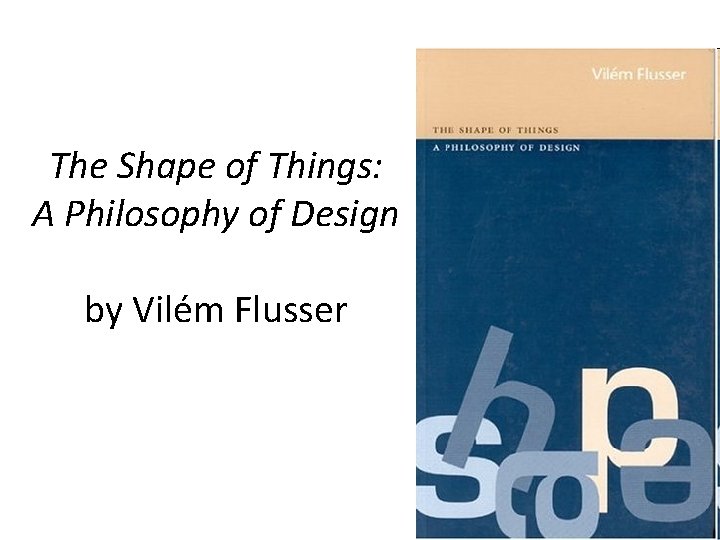
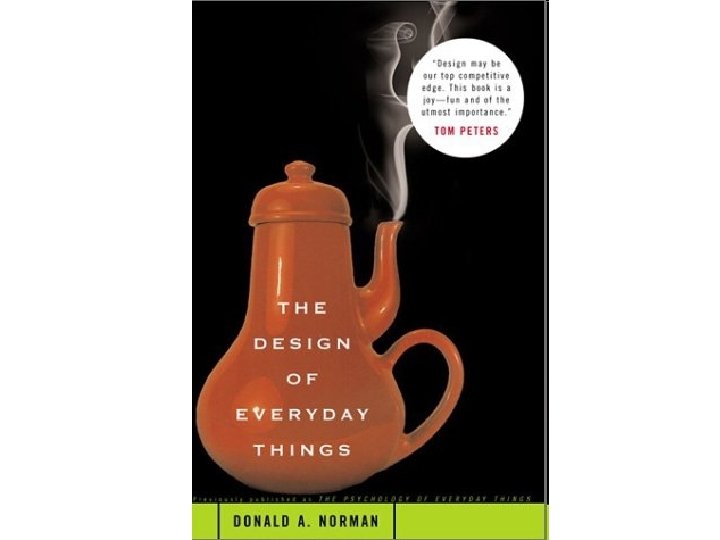
The Shape of Things: A Philosophy of Design by Vilém Flusser
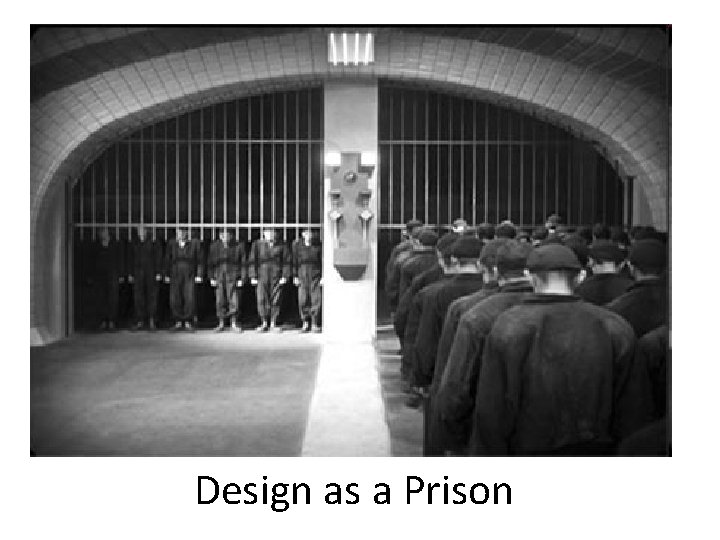
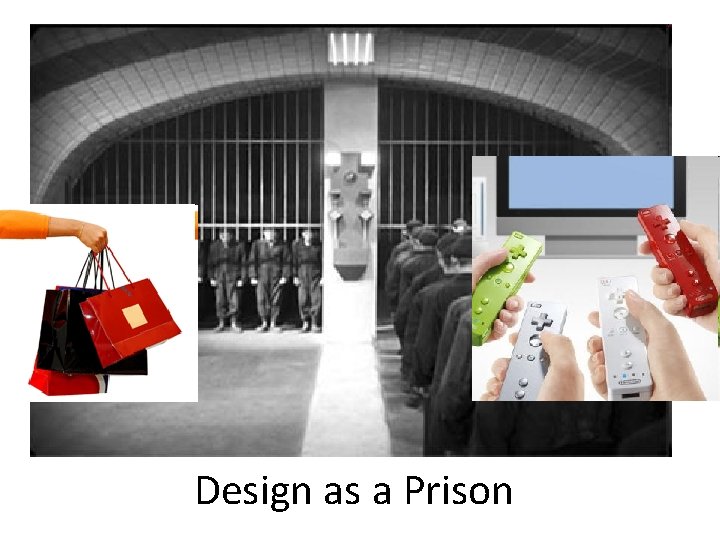
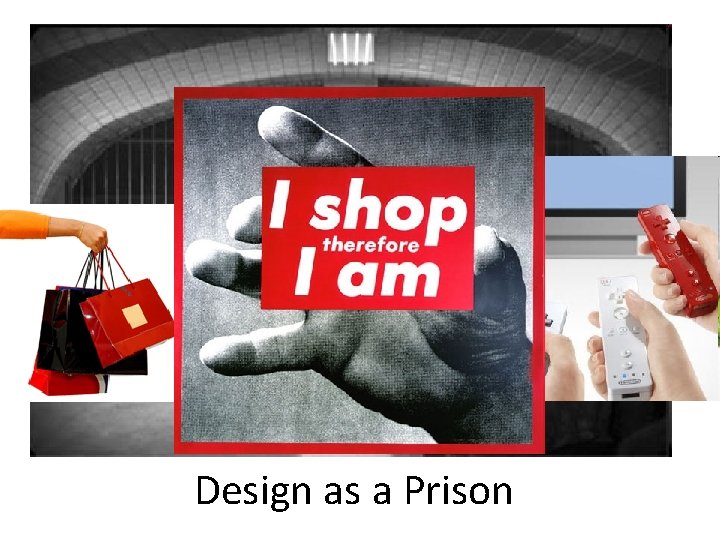
Design as a Prison
Design as a Prison
Design as a Prison
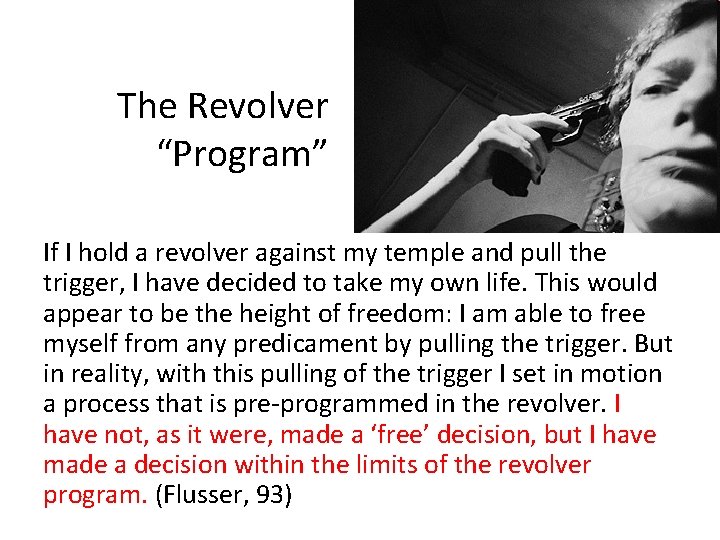
The Revolver “Program” If I hold a revolver against my temple and pull the trigger, I have decided to take my own life. This would appear to be the height of freedom: I am able to free myself from any predicament by pulling the trigger. But in reality, with this pulling of the trigger I set in motion a process that is pre-programmed in the revolver. I have not, as it were, made a ‘free’ decision, but I have made a decision within the limits of the revolver program. (Flusser, 93)
The Society “Program” [There is] the typewriter program, the piano program, the television program, the telephone program, the American administration program […] The society of the future will be classless, a society of programmers who are programmed. […] Programmed totalitarianism. Mind you, an extremely satisfactory totalitarianism. (Flusser, 93)
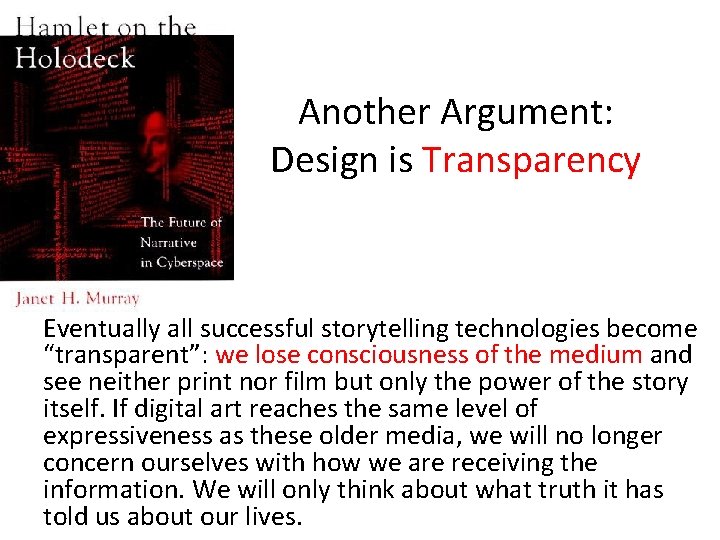
Another Argument: Design is Transparency Eventually all successful storytelling technologies become “transparent”: we lose consciousness of the medium and see neither print nor film but only the power of the story itself. If digital art reaches the same level of expressiveness as these older media, we will no longer concern ourselves with how we are receiving the information. We will only think about what truth it has told us about our lives.
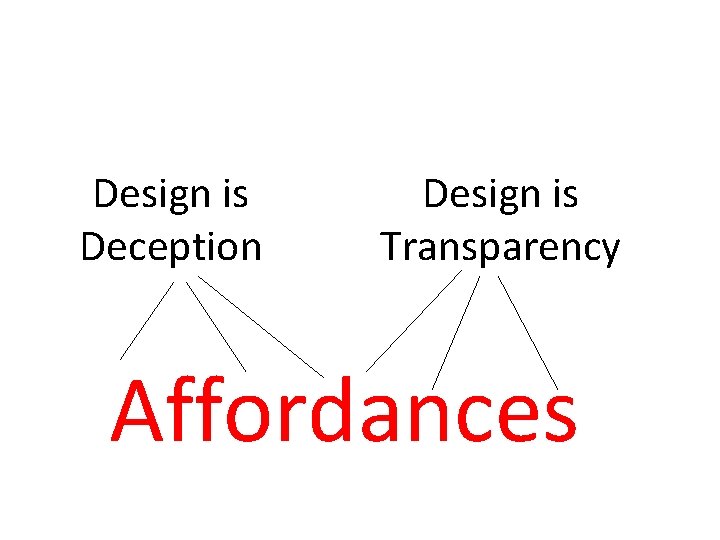
Design is Deception Design is Transparency Affordances
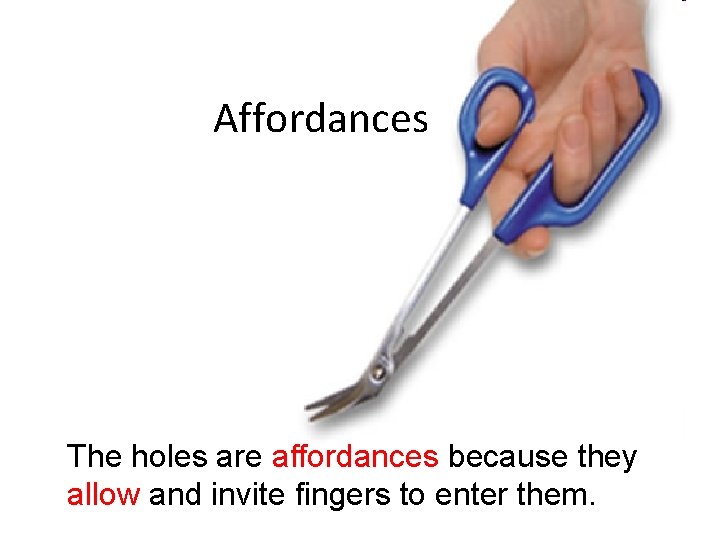
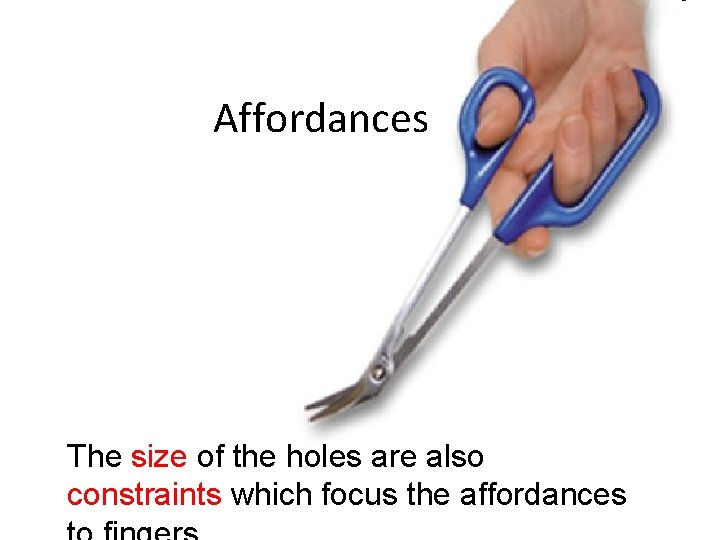
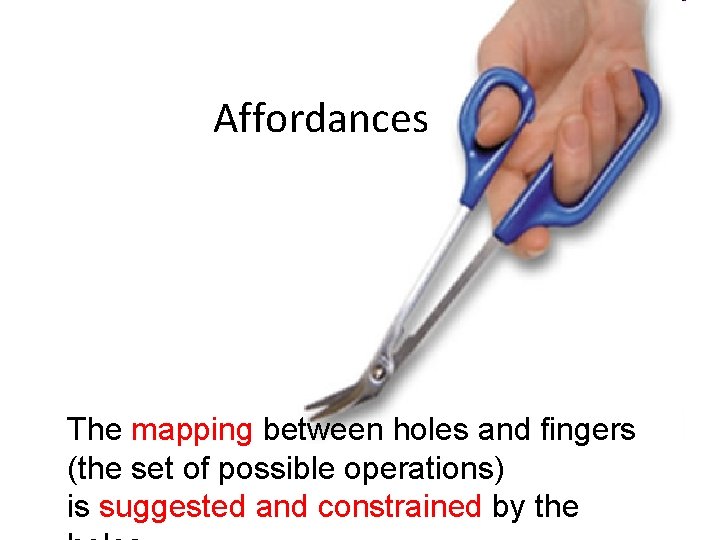
• An affordance is a quality of an object, or an environment, that allows an individual to perform an action.
Affordances The holes are affordances because they allow and invite fingers to enter them.
Affordances The size of the holes are also constraints which focus the affordances
Affordances The mapping between holes and fingers (the set of possible operations) is suggested and constrained by the
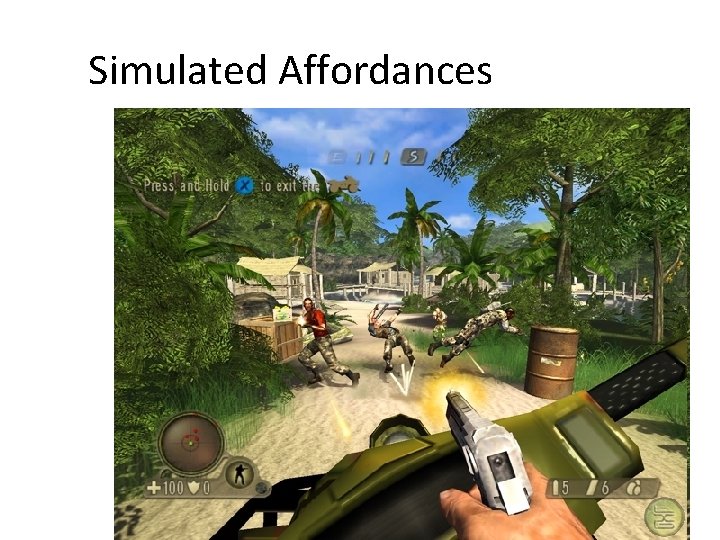
Simulated Affordances
Creativity Beyond Design: Formalism
Creativity Beyond Design: Formalism
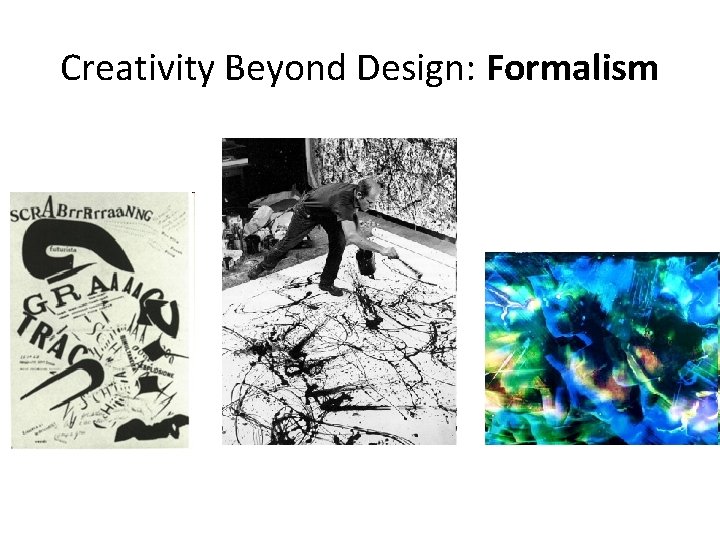
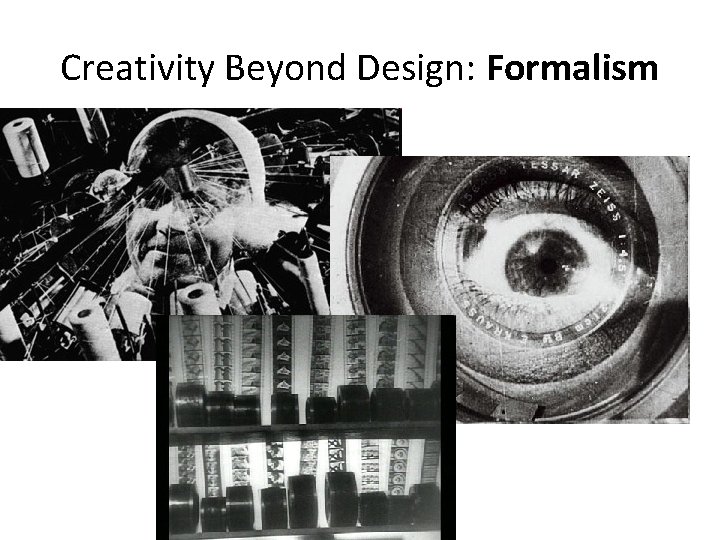
Creativity Beyond Design: Formalism [Formalists] derive their chief inspiration from the medium they work in. The excitement of their art seems to lie most of all in its pure preoccupation with the invention and arrangement of spaces, surfaces, shapes, colors, etc. , to the exclusion of whatever is not necessarily implicated in these factors. —Clement Greenberg
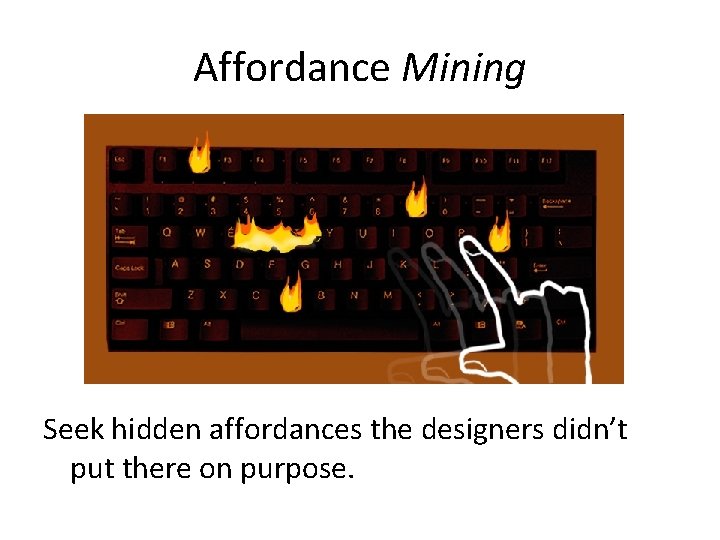
Affordance Mining Seek hidden affordances the designers didn’t put there on purpose.
What about Creativity Within Design?
The Design Process
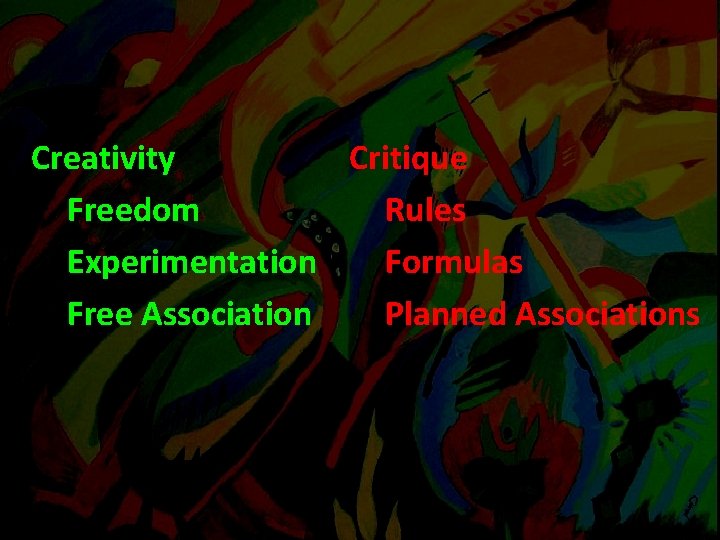
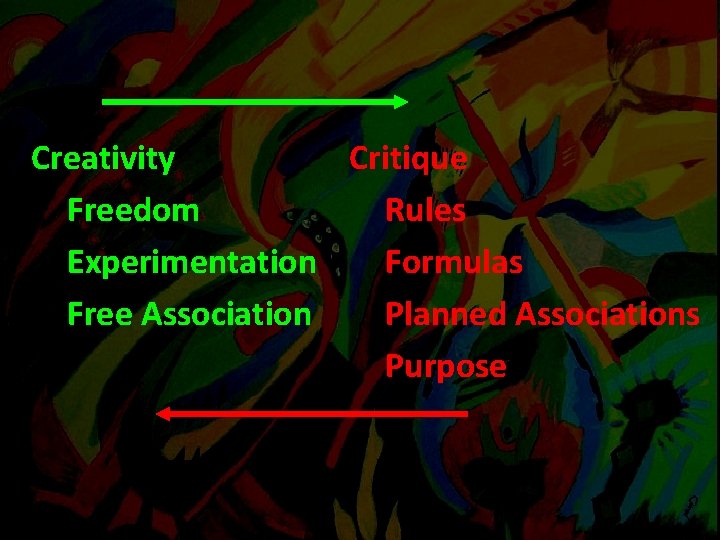
Creativity Critique Freedom Rules Experimentation Formulas Free Association Planned Associations
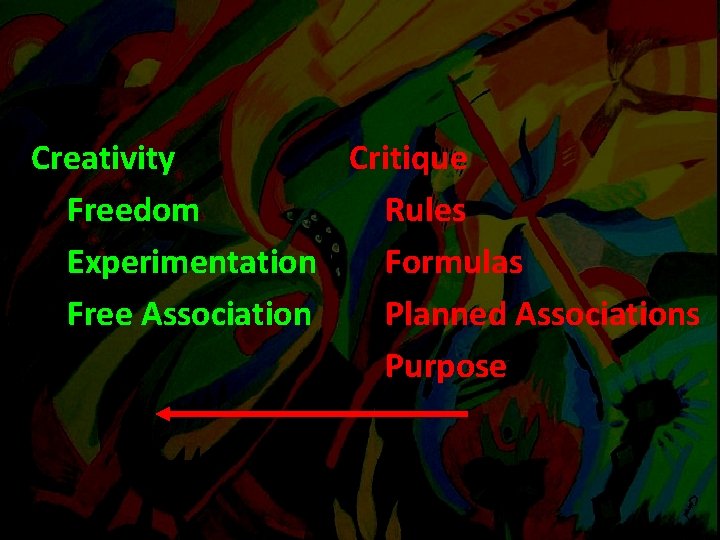
Creativity Critique Freedom Rules Experimentation Formulas Free Association Planned Associations Purpose
Creativity Critique Freedom Rules Experimentation Formulas Free Association Planned Associations Purpose
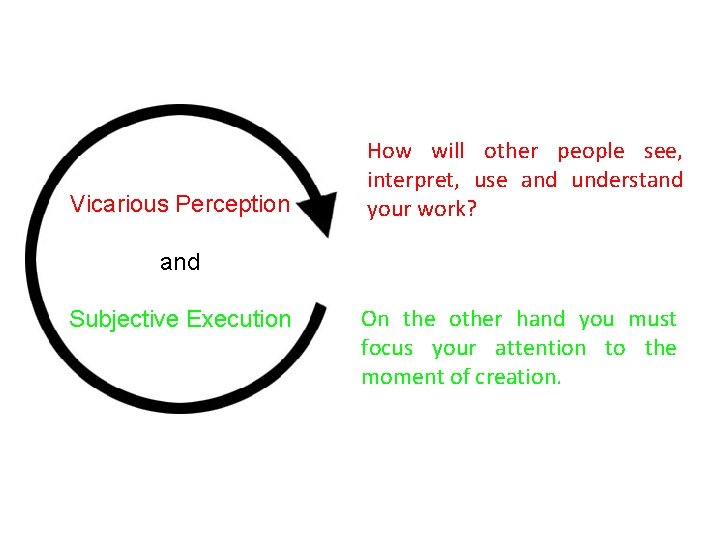
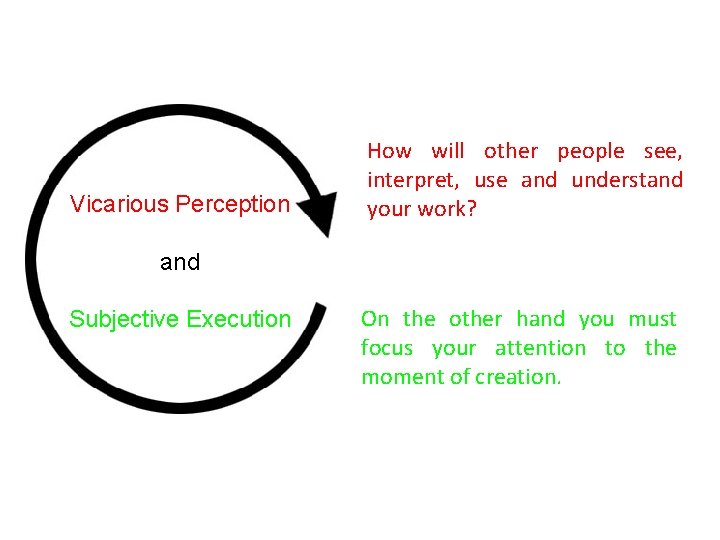
Vicarious Perception How will other people see, interpret, use and understand your work? and Subjective Execution On the other hand you must focus your attention to the moment of creation.
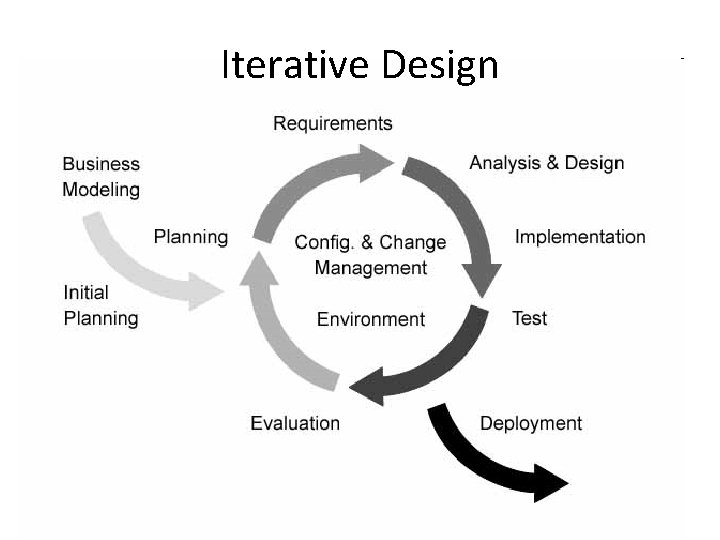
Iterative Design
Vicarious Perception How will other people see, interpret, use and understand your work? and Subjective Execution On the other hand you must focus your attention to the moment of creation.
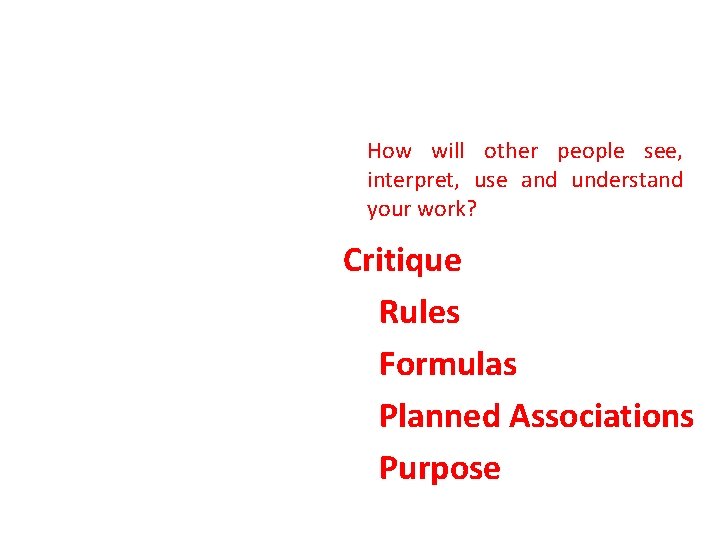
How will other people see, interpret, use and understand your work? Critique On. Rules the other hand you must focus your attention to the Formulas moment of creation. Planned Associations Purpose
Design Functions on many Levels: • • • Biologically Physically Emotionally Personally Psychologically Synesthetically Socially Culturally etc…
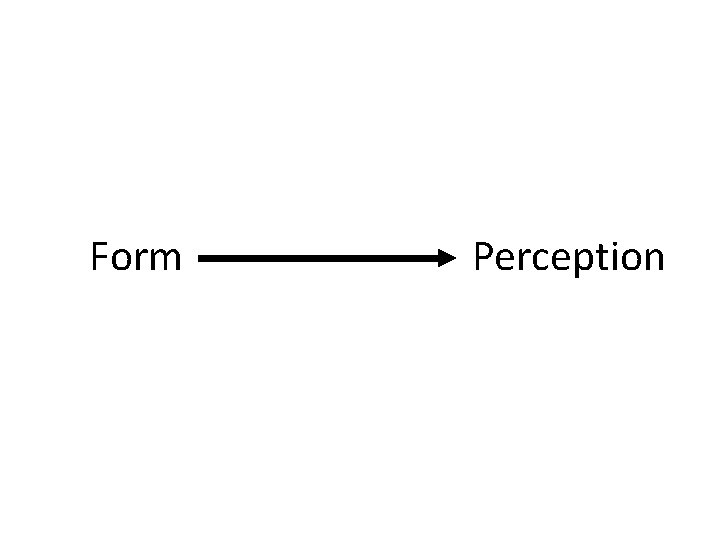
Form Perception
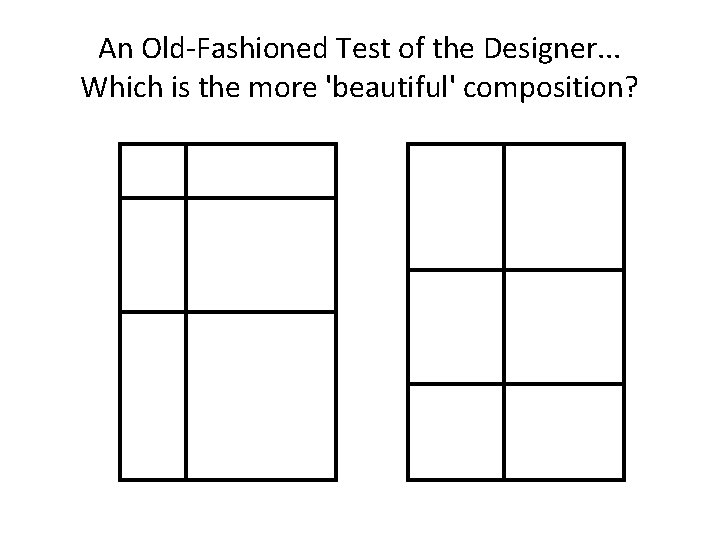
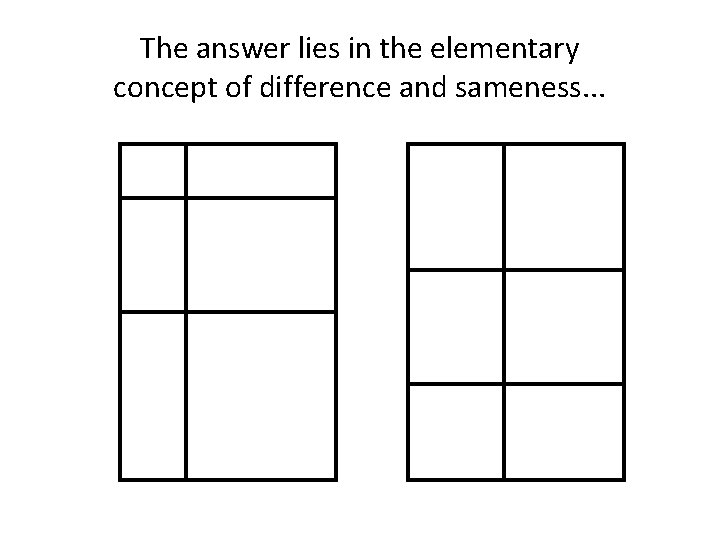
An Old-Fashioned Test of the Designer. . . Which is the more 'beautiful' composition?
The answer lies in the elementary concept of difference and sameness. . .
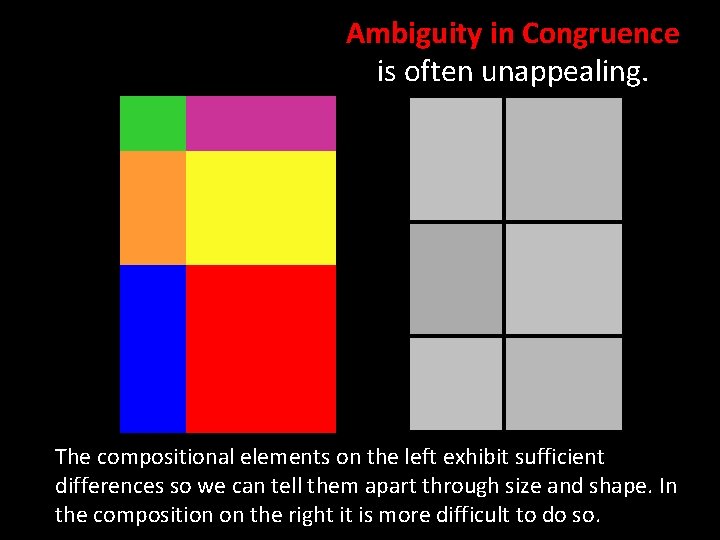
Ambiguity in Congruence is often unappealing. The compositional elements on the left exhibit sufficient differences so we can tell them apart through size and shape. In the composition on the right it is more difficult to do so.
Form Perception
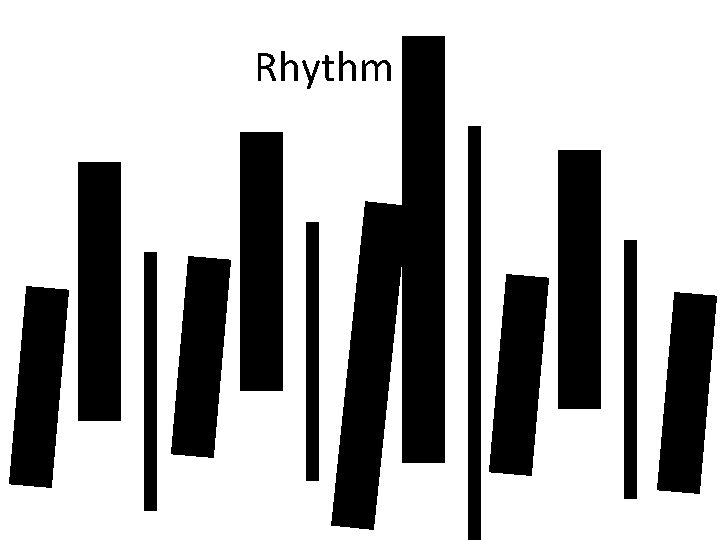
Rhythm
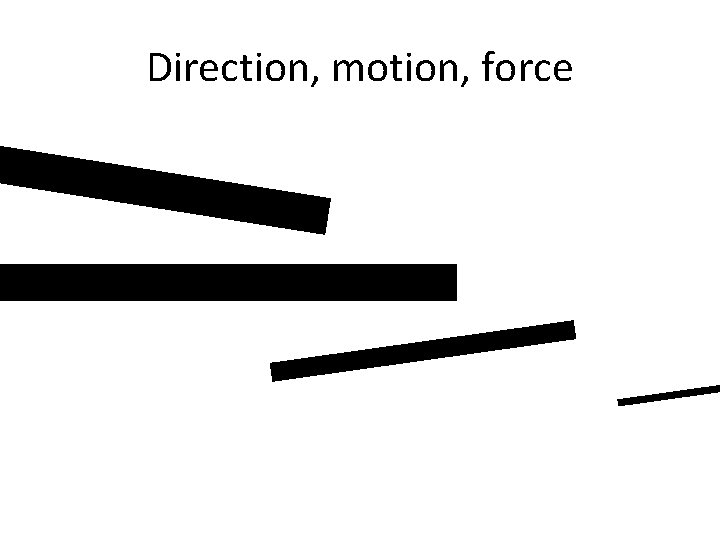
Direction, motion, force
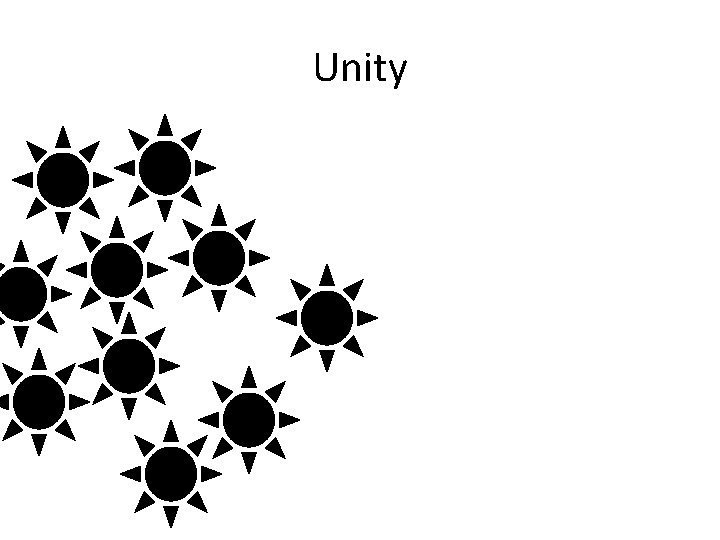
Unity
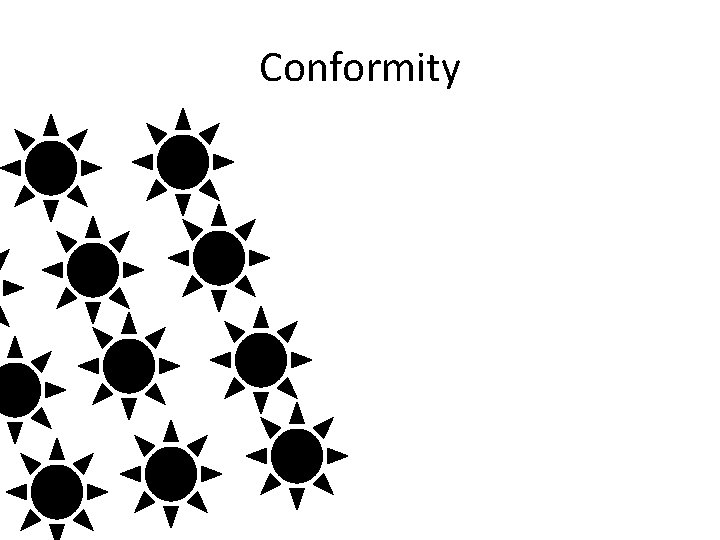
Conformity
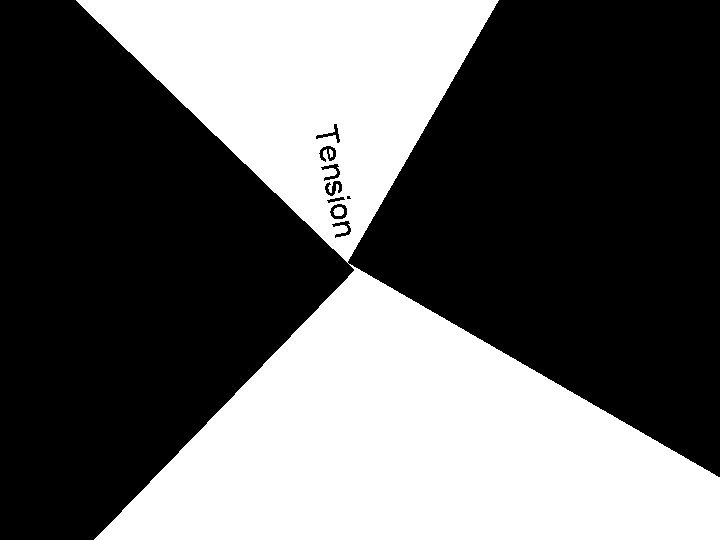
n Tensio
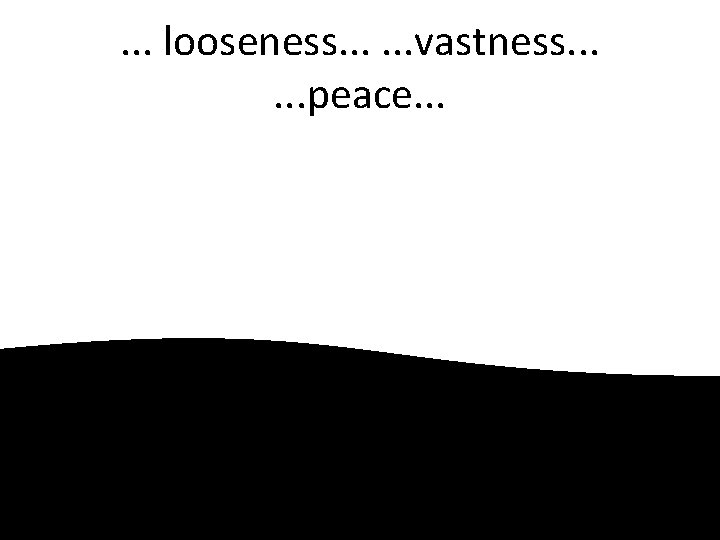
. . . looseness. . . vastness. . . peace. . .
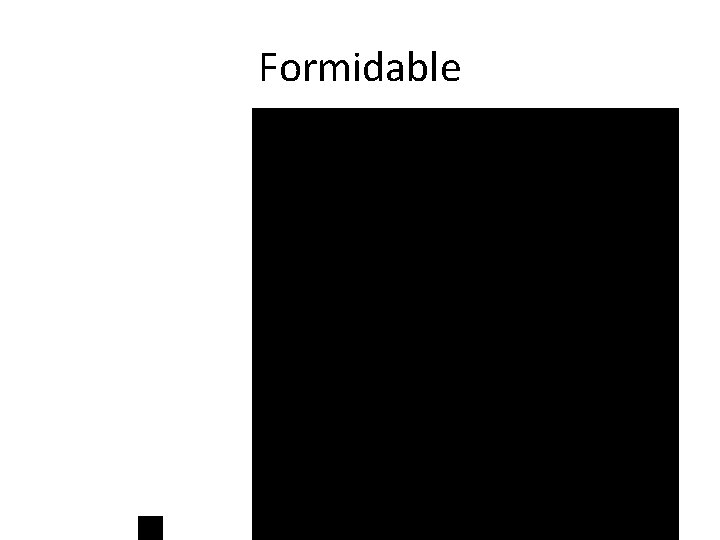
Formidable
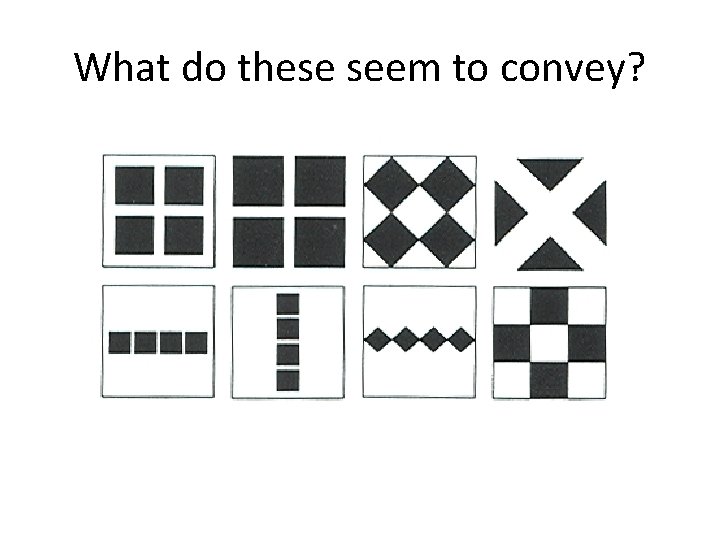
What do these seem to convey?
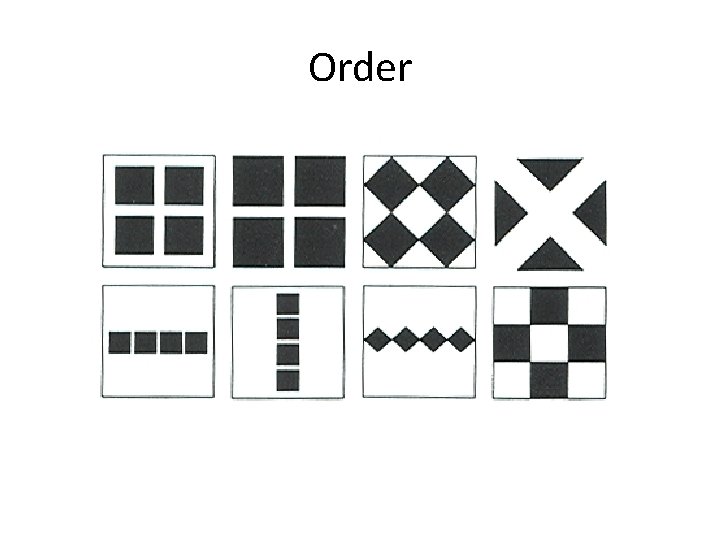
Order
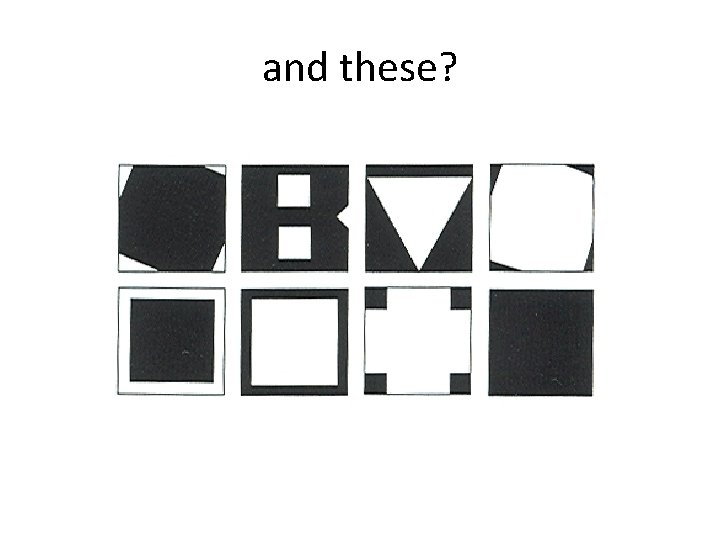
and these?
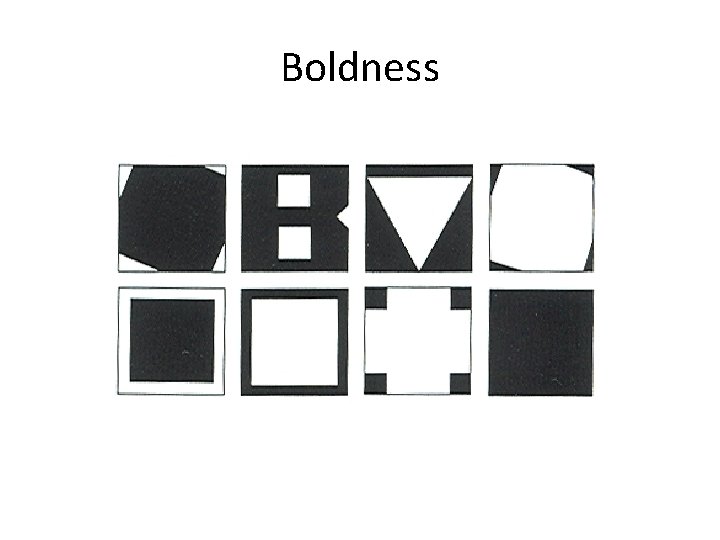
Boldness
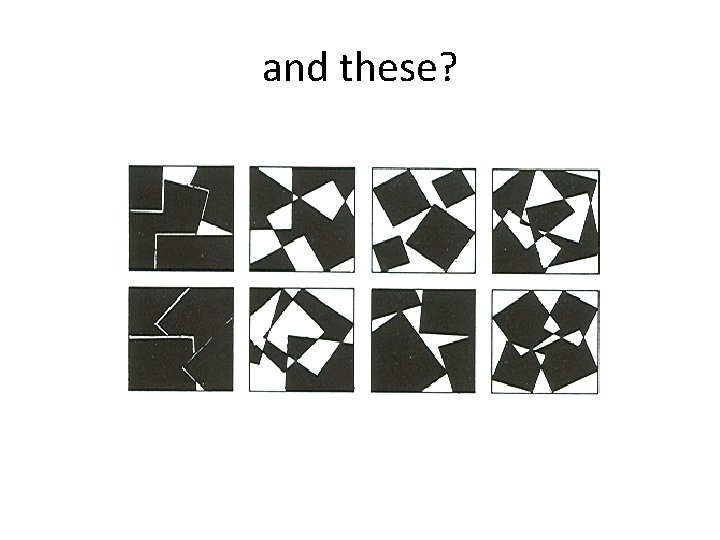
and these?
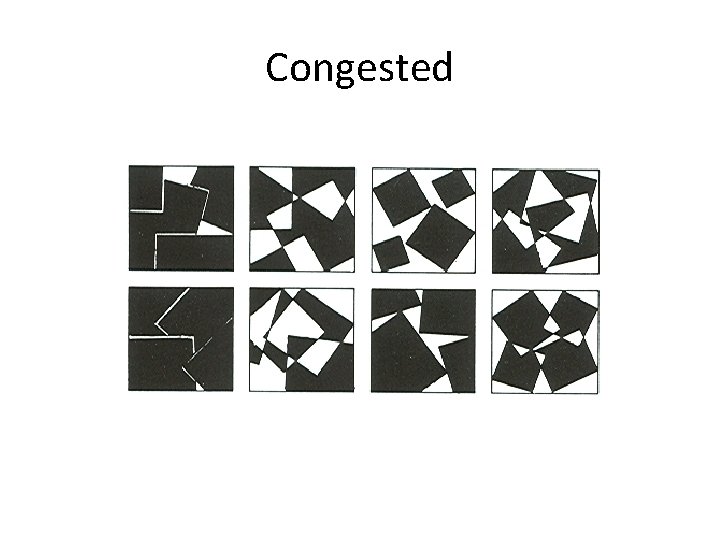
Congested
Form Perception
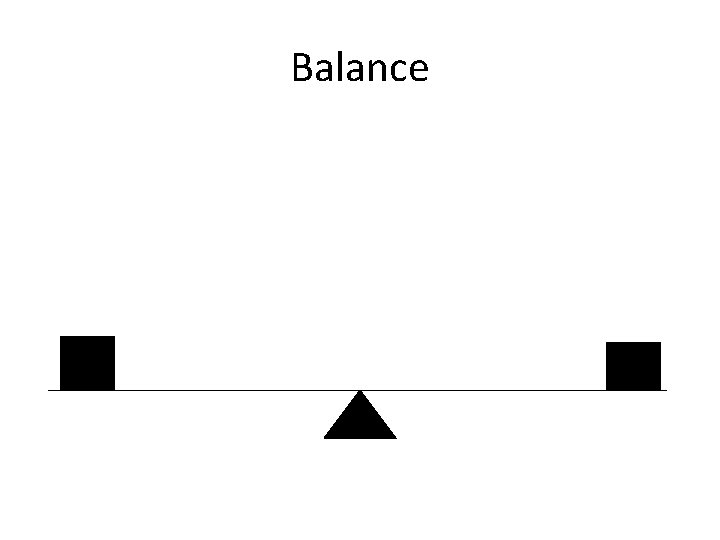
Balance
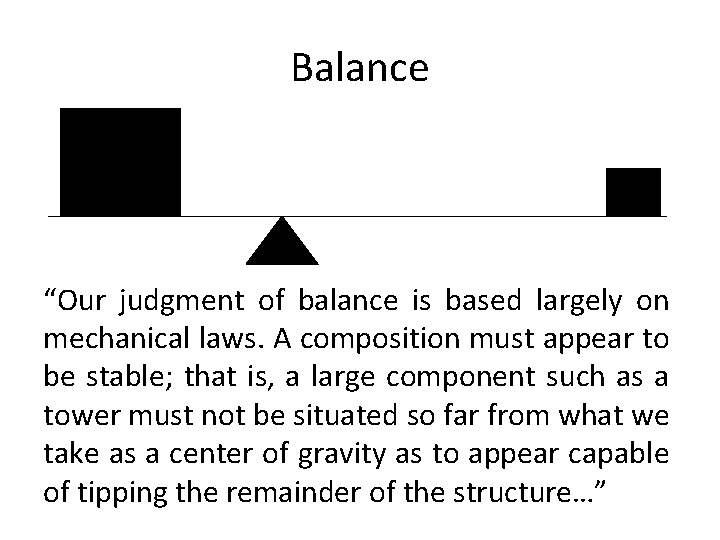
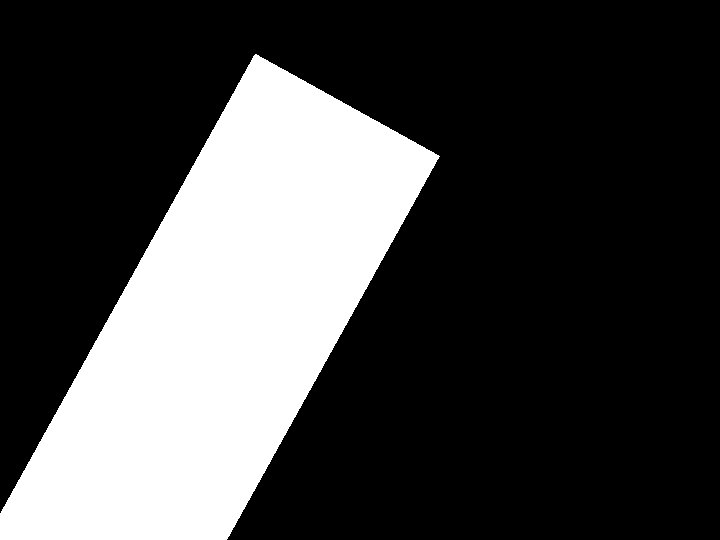
Balance “Our judgment of balance is based largely on mechanical laws. A composition must appear to be stable; that is, a large component such as a tower must not be situated so far from what we take as a center of gravity as to appear capable of tipping the remainder of the structure…”
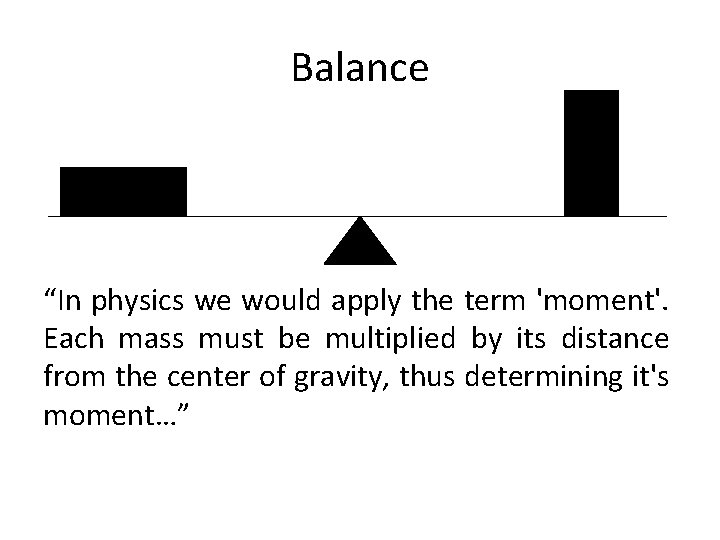
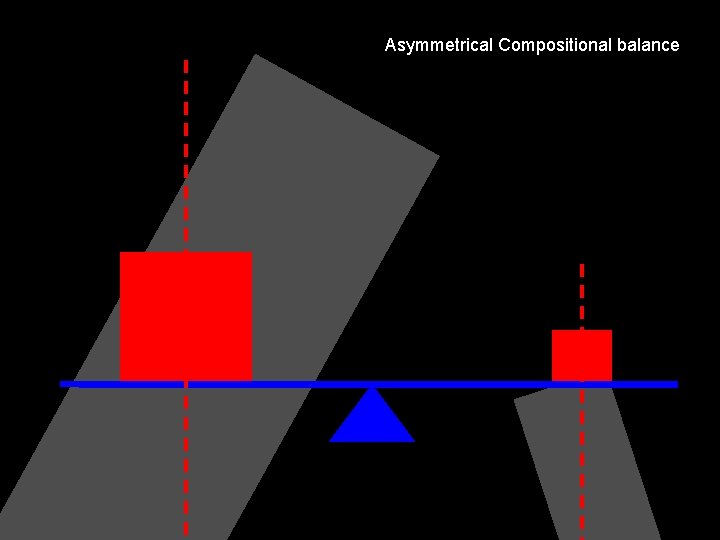
Balance “In physics we would apply the term 'moment'. Each mass must be multiplied by its distance from the center of gravity, thus determining it's moment…”
Balance “For a building or other composition to appear stable the sum of these moments must zero; that is, those tending to turn the figure in one direction must be counterbalanced by those tending to turn it in another direction…” -Forrest Wilson
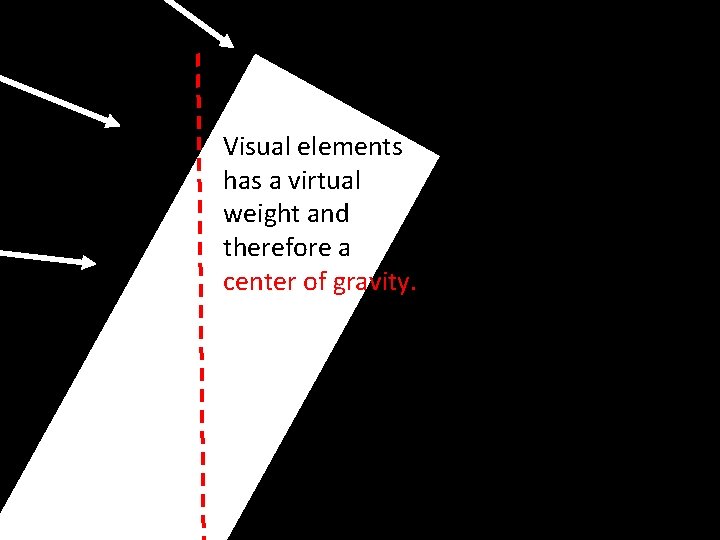
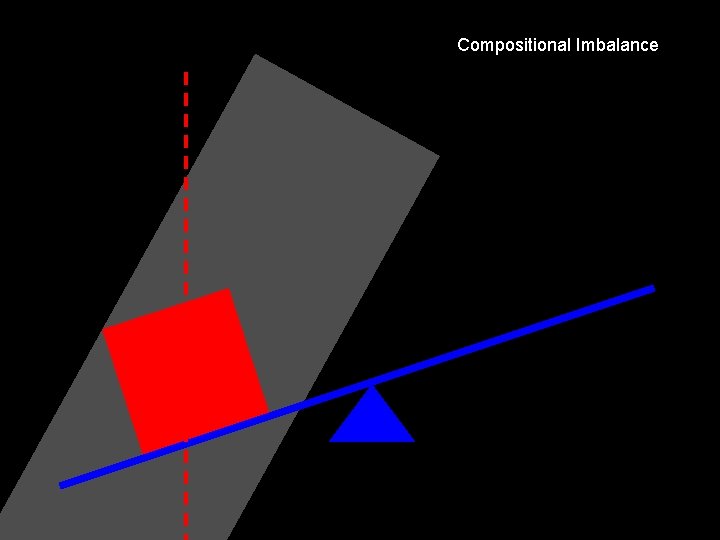
Visual elements has a virtual weight and therefore a center of gravity.
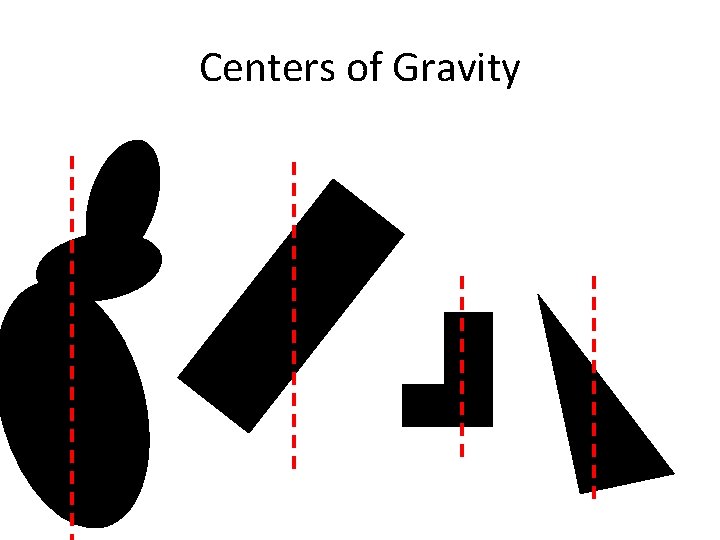
Centers of Gravity
Compositional Imbalance
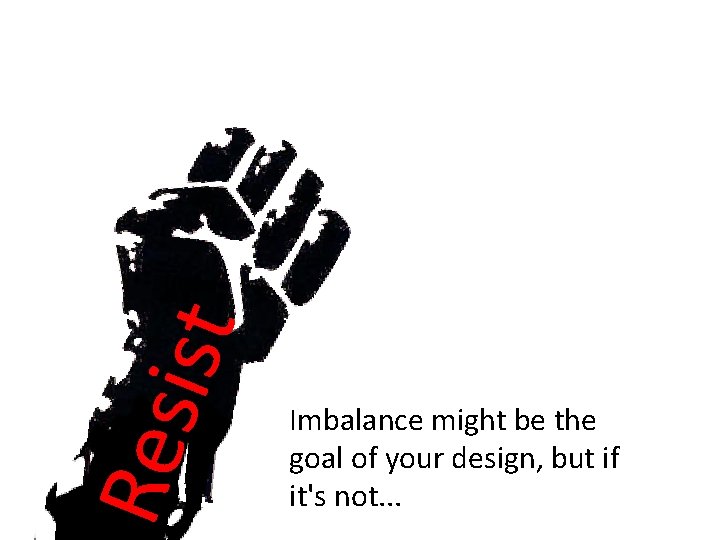
ist Res
ist Res Imbalance might be the goal of your design, but if it's not. . .
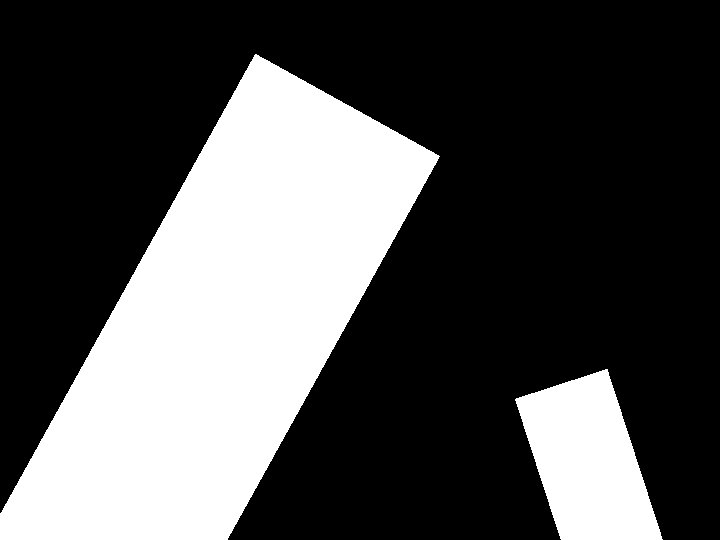
Asymmetrical Compositional balance
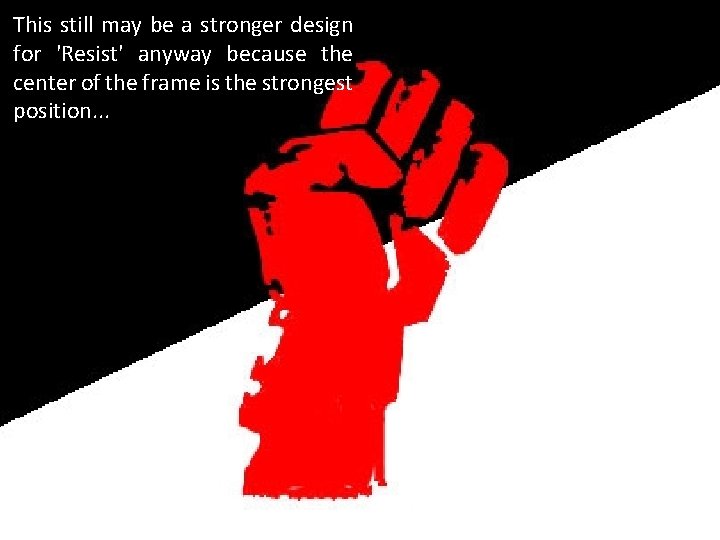
This still may be a stronger design for 'Resist' anyway because the center of the frame is the strongest position. . .