
Design Concepts for semiformal learning in network organizations



- Slides: 25
Design Concepts for semi-formal learning in network organizations Lars Svensson Johan Lundin University West Sweden
Competence Development (CD) • CD encompasses a rich spectrum of activities with different goals and conditions • CD activities can be more or less planned and formal • CD systems needs design concepts (learning models) tailored for learning in work
Learning in work (not for) • Formal CD-activities compete with everyday practice • But learning could be integrated with, and presupposes, legitimate participation in practices • Learning can aim at socializing newcomers into existing practice and/or aim at changing and evolving the practice itself
An action-oriented research project • Co. Ma. Nw. O • Eight SME • Collaboration on Competence Management and Competence development • Workshops, interviews, observations and on-site inquiry
How can we inform design for learning at work? • Theories of learning in practice • Pedagogical models for instruction • Grounded inquiry of existing learning practices – How do they organize learning? – In what ways are traditional approaches perceived as problematic?
Findings • Identified: Several locally situated non-formal learning models ( TDG: S, Experience Circles, Coaching Seminars) • CO-designed: learning models addressing perceived learning obstacles (Competence KO, Pair Evaluation)
Semi-formal Design Concepts (learning models) • Characteristics: – Highly informal – Integration with everyday practice, – Drawing on and utilizing practice • Reflections: – Design concepts differ with respect to learning objectives – Design concepts ranges from a local to a global scope – IT-support enforces structure and formalization, making non-formal learning semi-formal.
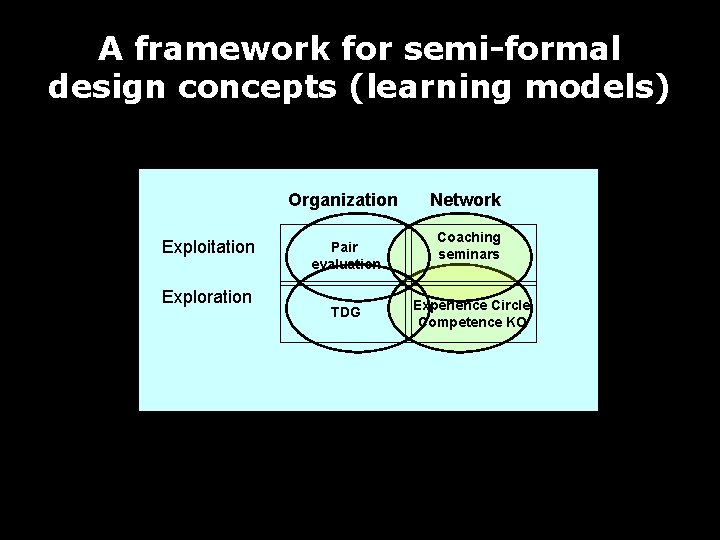
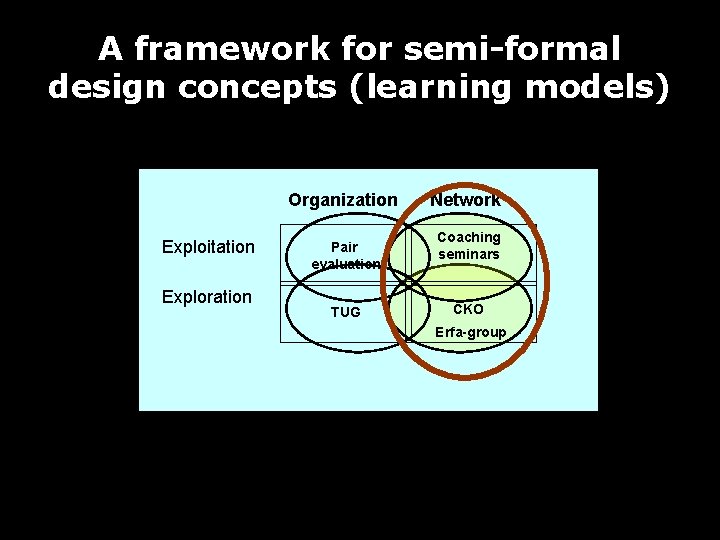
A framework for semi-formal design concepts (learning models) Organization Exploitation Exploration Pair evaluation TDG Network Coaching seminars Experience Circle Competence KO
A framework for semi-formal design concepts (learning models) Organization Exploitation Exploration Pair evaluation TUG Network Coaching seminars CKO Erfa-group
An example • Competence Kick-off – Situated in actual needs – Increases engagement and interaction – Capitalizes on the participants different experiences, and goals – Built-in trigger for knowledge dissemination – Content is related to the participants everyday practice – “Expert filtering”
C-K-O Competence Kick-Off Co. Ma. Nw. O Networking Companies University West Stock Market Michael Bryan
1
1 2
1 2 3
1 2 3 4
1 2 3 4 5
1 2 3 4 5 6
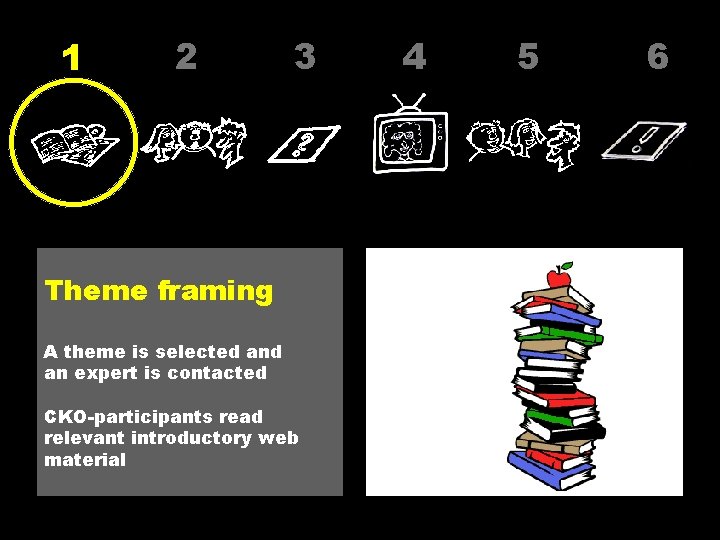
1 2 3 Theme framing A theme is selected an expert is contacted CKO-participants read relevant introductory web material 4 5 6
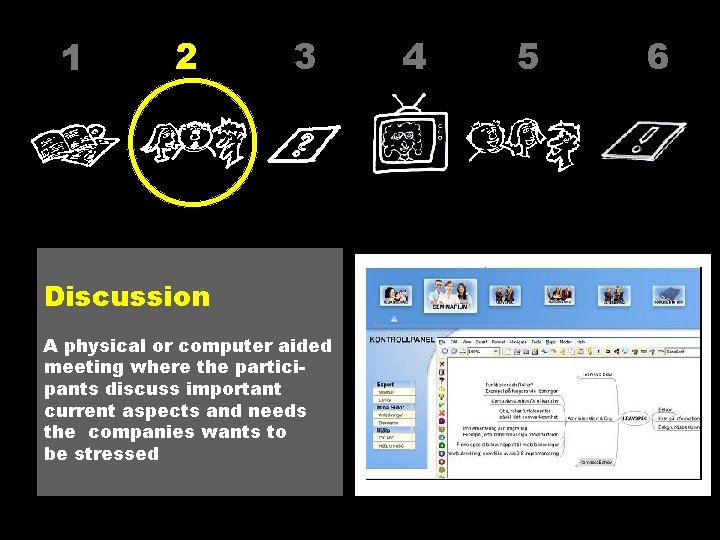
1 2 3 Discussion A physical or computer aided meeting where the participants discuss important current aspects and needs the companies wants to be stressed 4 5 6
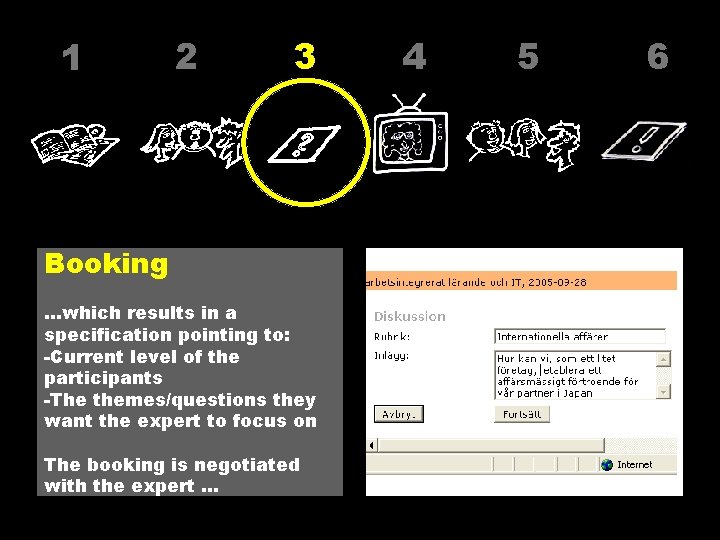
1 2 3 Booking …which results in a specification pointing to: -Current level of the participants -The themes/questions they want the expert to focus on The booking is negotiated with the expert … 4 5 6
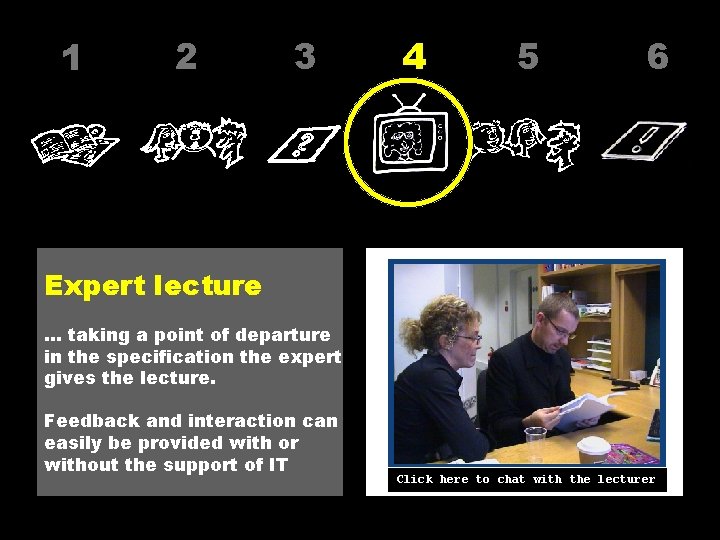
1 2 3 4 5 6 Expert lecture … taking a point of departure in the specification the expert gives the lecture. Feedback and interaction can easily be provided with or without the support of IT Click here to chat with the lecturer
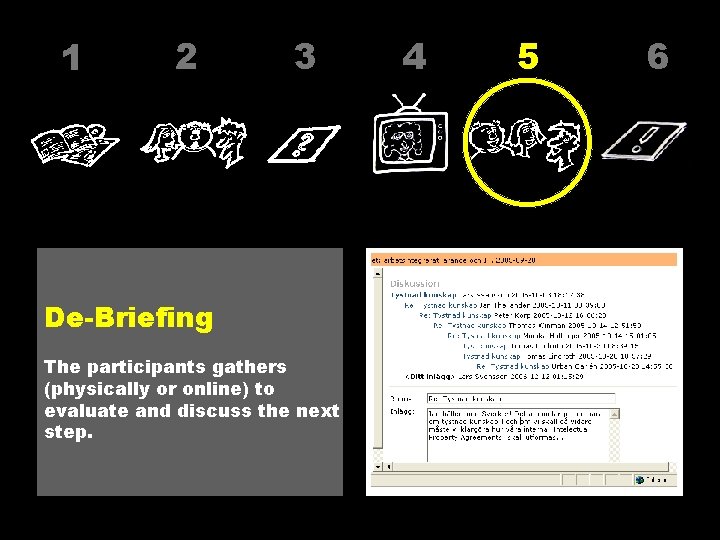
1 2 3 De-Briefing The participants gathers (physically or online) to evaluate and discuss the next step. 4 5 6
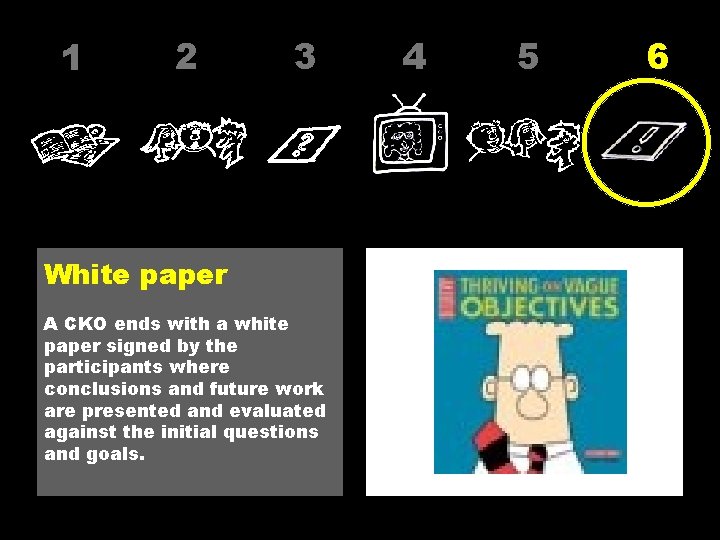
1 2 3 White paper A CKO ends with a white paper signed by the participants Vitbok where conclusions and future work are presented and evaluated against the initial questions and goals. 4 5 6
Conclusion • Despite the fact that practioners does not speak fluent Vygotskian • Nor are wizards of instructional design • They are still very successful in developing semi-formal CD-activities that: – Allows participation on several levels – Are a part of everyday practice – Evolves from events and problems at work
Bye bye