
Design and Function of Interior Space Unit 5


- Slides: 27
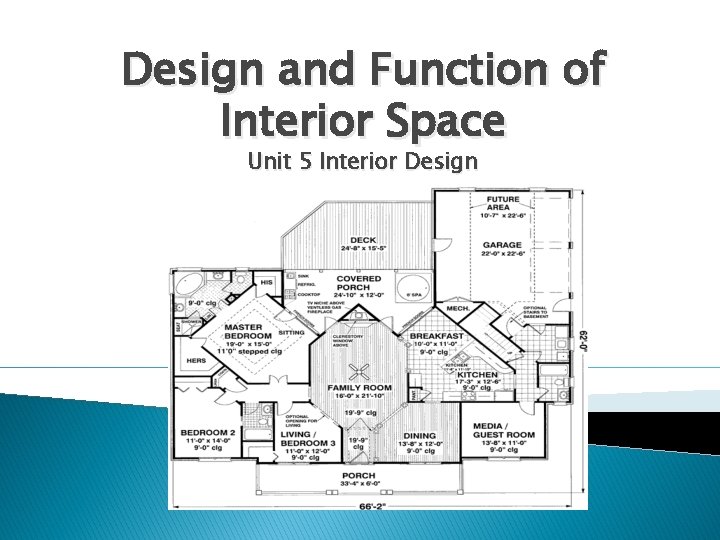
Design and Function of Interior Space Unit 5 Interior Design
TRENDS IN HOMES - FYI � Homes have gone from an average 1, 695 sq. ft in 1974 to 2, 349 sq. ft. in 2006, even though family size has decreased. � 19 % say the kitchen is the most important but kitchens occupy about 12% of most homes. � Children’s room matter least. � Prior to the 1970’s, the average bedroom was 9’x 10’ (about the size of today’s walk-in closets). By the ’ 70’s they were about 11’x 11’. Today it is rare to find bedrooms smaller than 12’x 12. � Walk in closets and plenty of storage is critical � 57% of homes today have 2 and ½ baths. � New buyers consider the family room as the most important feature
Living rooms and dining rooms are less popular today than they were in 1970 � In 1974 only ½ had room for two cars…. 1/2 were 1 car garages. And now On the west coast alone, 1/3 of all garages are 3 car garages. � “Flex space” is popular in homes now. � Rooms that can do double-duty are important � Open floor plans are more common now � 43% of starter homes built this year will contain highspeed wiring. � Flat screens are helping to replace the “dedicated media room”. Flat screens are often hidden behind art work, cupboards, etc. � In the 1970’s average ceiling height was 7 feet 9 inches. Today the standard is 9 feet on the first floor, 8 feet on the second. � 7 out of 10 homeowners prefer a newly built house to a previously owned one. �
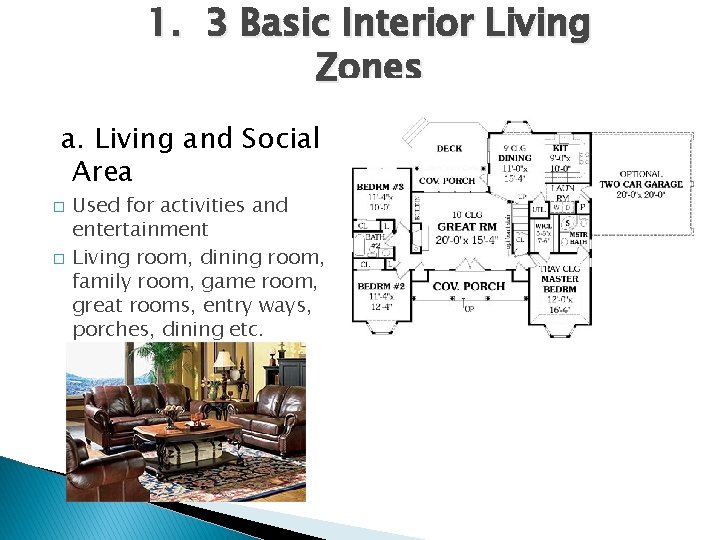
1. 3 Basic Interior Living Zones a. Living and Social Area � � Used for activities and entertainment Living room, dining room, family room, game room, great rooms, entry ways, porches, dining etc.
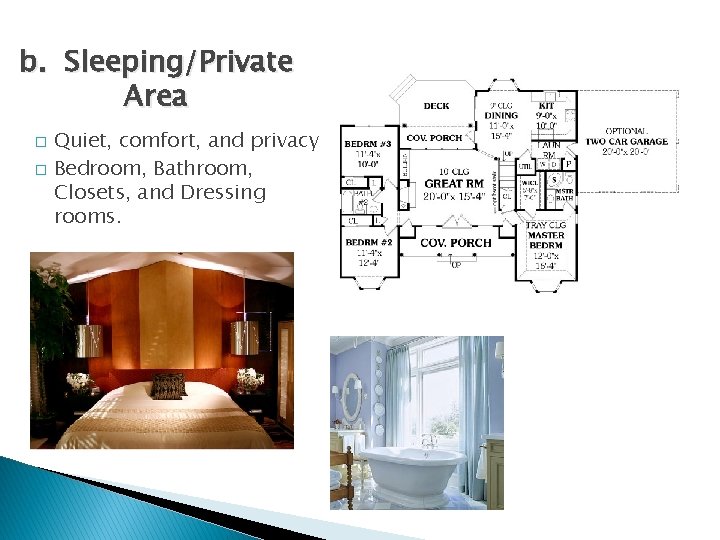
b. Sleeping/Private Area � � Quiet, comfort, and privacy Bedroom, Bathroom, Closets, and Dressing rooms.
c. Service/Work � � Where household work is done. Kitchen, Garage, Office, Basement, Utility/Laundry room.
� 2. Traffic & Circulation Patterns of the Home 2. Circulation - the route that people (Family, Work , Service, and Guest) follow as they move from one place to another throughout the home. ◦ A) Generally 3 -4 feet in width of space is allowed for major circulation paths and -2. 5 feet of space for minor circulation paths. � Circulation Frequency - refers to the number of times a route is repeated in any given period of time. ◦ B) Generally routes with high circulation frequency are short and direct good floor plan. THINK Frequency of use, Location, and Length – when deciding which pattern will provide the easiest access from point A to point B. � 2 in a
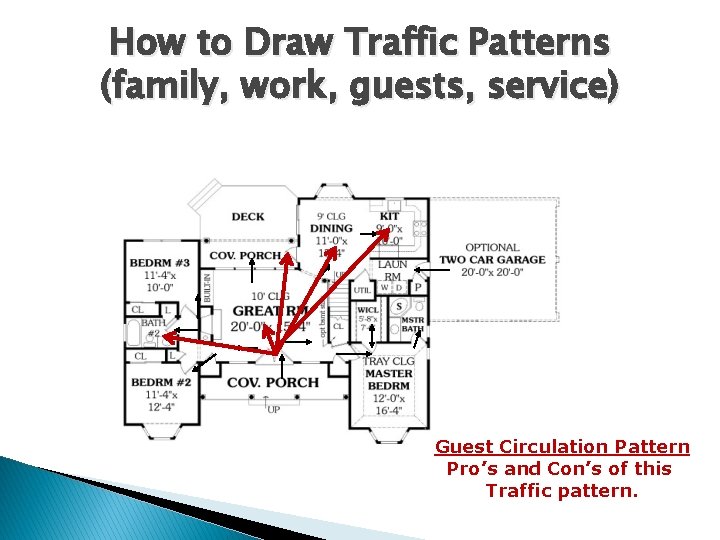
3. 4 Basic Types to circulate Family – follows each member of the household throughout the home (hardest to predict, most complex) � Service – relates to the movement of people in and out of the home as they make service calls, deliver goods, read meters, take garbage out, … � Work – Common household tasks. � ◦ kitchen is generally the hub of the work circulation � Guest - involves movement from the entry to the coat closet and to the living room with access to a powder room. (easiest to predict)
Effective Circulation Guidelines 4. Room Relationships dictate how effective a space will be. a) b) c) d) e) f) g) h) i) j) k) Bathrooms should be located next to bedrooms with easy access. Easy access from entry to other parts of the house Indoor living areas have easy access to outdoor areas Related rooms are close together. High frequency routes are short, direct, and simple Excessive hall space is avoided. Rooms should not be cut in half by circulation routes Direct access from the main entry of the house to the social / living areas and bathrooms Locate the kitchen near the garage and service entrance. Easy access to the basement, garage, and storage areas Clothes and care center should be in a convenient location since many trips are made to this work area
Ask yourself these Questions � Can the cook prepare a meal without worrying about constantly walking into someone going by? � If people can eat in their rooms or living areas, can they get there without leaving a Hansel and Gretel trail through the entire house? � If you spend a lot of time grilling outside on the patio, is it convenient to the inside food prep area? ◦ Do you have to walk through to the other end of the house to reach the outdoor grill? � Can you bring the groceries right in from the outside without having to go through the living room?
Guest and Service Circulation l) Entry, living/entertainment, dining, patio, or ½ bath are not in private area’s of the home. m) Service entrance should have easy access near the kitchen and basement stairs n) Guests should be able to move from the entry to the living area without having to pass through other rooms � Ask Yourself � How do guests travel to the living room when you are entertaining? � Do they have to go through private areas of your home? � How do they get to the powder room (1/2 bathroom)? � Is the kitchen handy for serving food and drinks to your guests when you are entertaining? http: //www. home-decorating-room-by-room. com/trafficpatterns. html
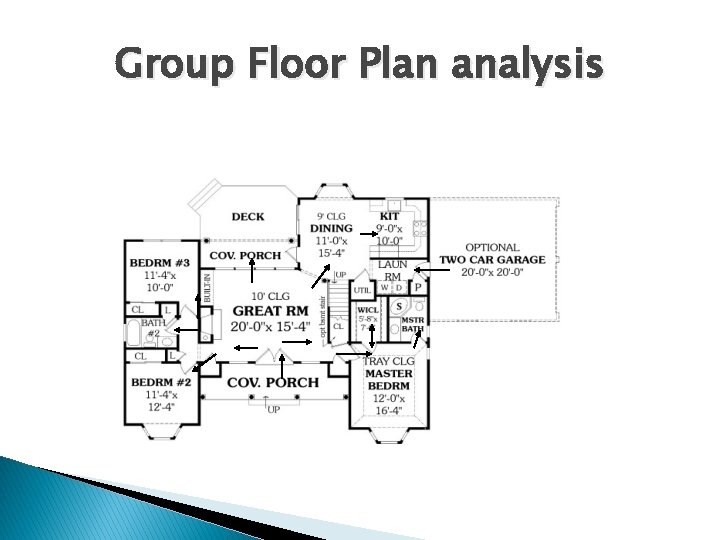
How to Draw Traffic Patterns (family, work, guests, service) Guest Circulation Pattern Pro’s and Con’s of this Traffic pattern.
Important Room Relationships � Bathroom & Bedroom � Kitchen & Dining � Mudroom & Garage � Garage & Kitchen � Kitchen and outdoor living space � Living and dining areas � Can you think of others?
Room Relationships � Dictate how functional a space will be �Bathrooms should be located close to bedrooms for convenience and privacy** �Kitchen by garage and the service entrance** �Kitchen area adjacent to the dining room for ease in serving food. �Dining area adjacent to the living room for convenience in entertaining. ** �Plumbing lines located near one another** This will save you money, water, and fuel.
Room Relationships Cont’d � Related rooms should be close to one another � Fireplaces/closets back to back or stacked � Easy access from garage to kitchen and storage areas � Laundry room close to bedrooms � Bathroom near guest area � Coat closet by living room � Clothes closets between sleeping and activity areas provides a good sound barrier. �Storage should be incorporated throughout the home**
5. Sizes and Shapes of Rooms � Room sizes will be set by ◦ the number of rooms needed ◦ the cubic footage possible for a certain amount of money that the rooms fit into. ◦ housing type of construction and style. ◦ amount of furniture and its arrangement ◦ activities that will go on in the room ◦ number of people to use or occupy the room. SEE THE INFORMATION IN THE STUDY GUIDE FOR THESE MEASUREMENT GUIDELINES
6. Storage Adequacy and Considerations 1. 2. 3. 4. Storage should be incorporated throughout the house – not just in one area. Storage space needs to be adequate— 1015% of the home Food, kitchen utensils, clothes, linen, laundry, misc Should be convenient and easily accessible Easy to clean, to see into and to reach Storage Types: ◦ Built-in—cannot be moved around the room, an architectural detail of the room �Cupboards, closets, pantries, etc…. ◦ Furniture—can be moved from one room to another �Desks, chests, dressers, trunks, armoires, etc…
7. Wall Space 1. 2. 3. 4. An effective floor plan consists of useable wall space that is not broken up with windows and doors. Consider location of electrical outlets, television cables, phone plugs, etc… Enough wall space potential furniture arrangements. Wall space for using and hanging interior decorations
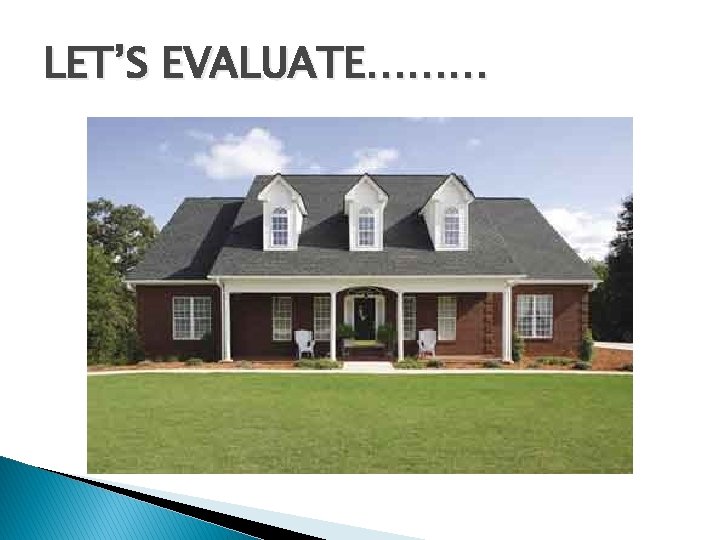
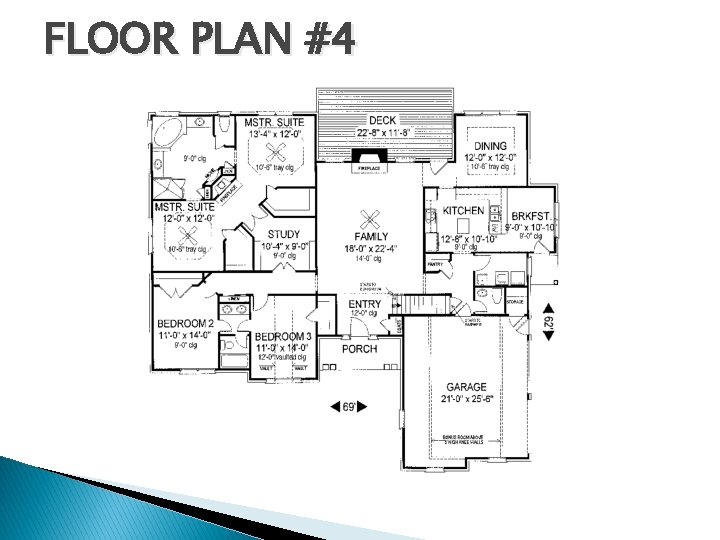
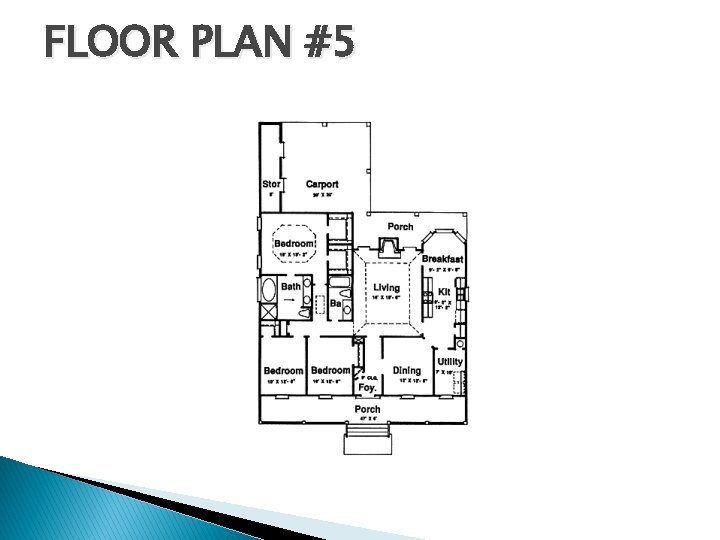
LET’S EVALUATE………
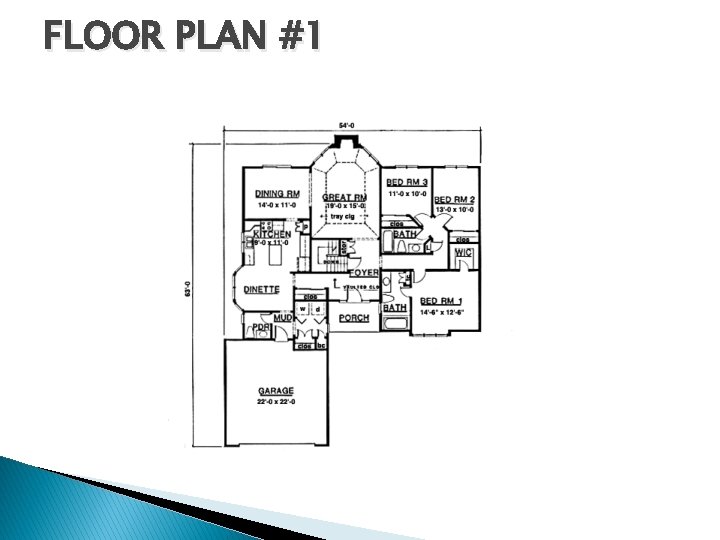
FLOOR PLAN #1
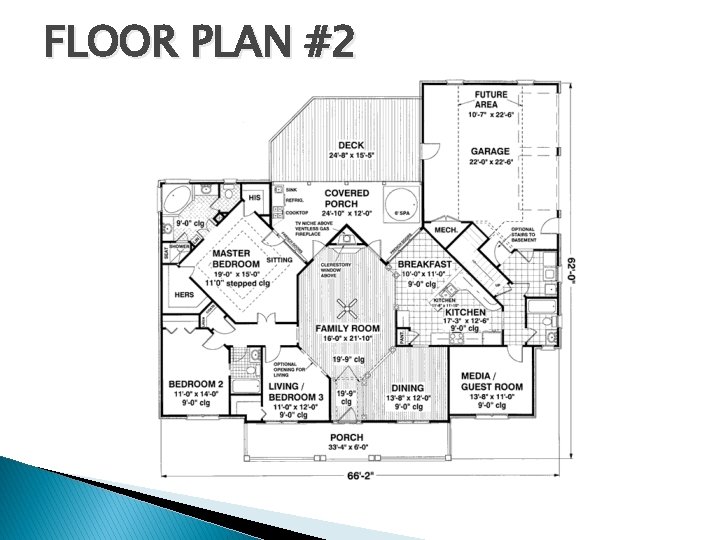
FLOOR PLAN #2
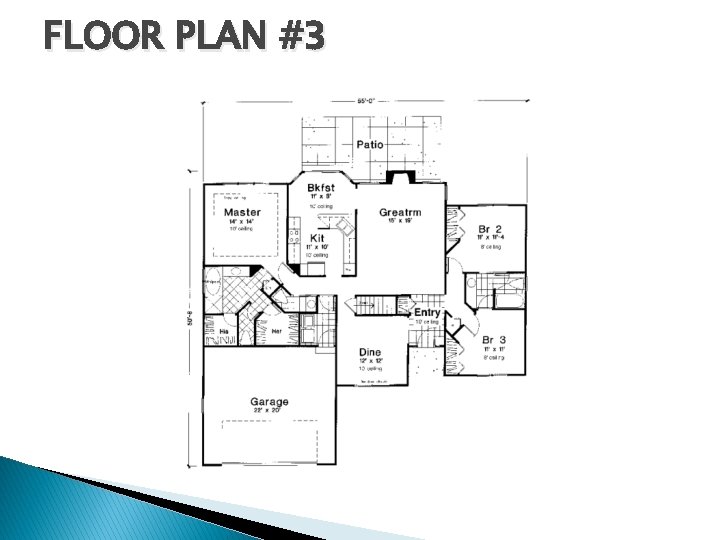
FLOOR PLAN #3
FLOOR PLAN #4
FLOOR PLAN #5
Group Floor Plan analysis
Living Zones and Circulation Assignments � 1. Evaluate the Home Use that attached handout and floor plan to evaluate Circulation, Living Zones, Room Relationships, Sizes, Shapes, Storage, and Wall Space (Page 9 & 10) � 2. Walk Through Outside of class you will walk through a house and evaluate it for the design and function of interior space. Use the attached checklist to evaluate. (Page 12 -14) � 3. Floor Plan for Families Read the scenarios of 2 families and decide which floor plan fits their lifestyle, needs, and wants. Use the handout from class to help you decide. (Page 15)
width, length, height, furniture, and other items. This information will be used for a later assignment so get it done early.