
Design Analysis of Parts of Francis Turbine P

Design Analysis of Parts of Francis Turbine P M V Subbarao Professor Mechanical Engineering Department Provision of Features to Blend some Reaction into Impulse…
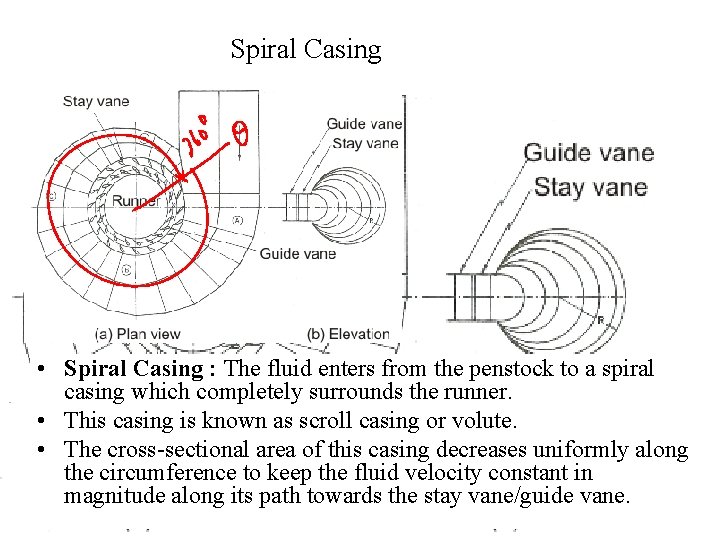
Spiral Casing • Spiral Casing : The fluid enters from the penstock to a spiral casing which completely surrounds the runner. • This casing is known as scroll casing or volute. • The cross-sectional area of this casing decreases uniformly along the circumference to keep the fluid velocity constant in magnitude along its path towards the stay vane/guide vane.
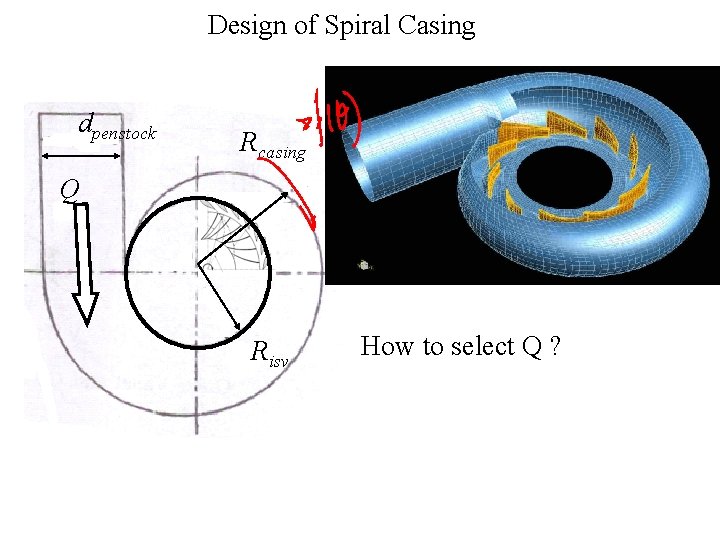
Design of Spiral Casing dpenstock Rcasing Q Risv How to select Q ?
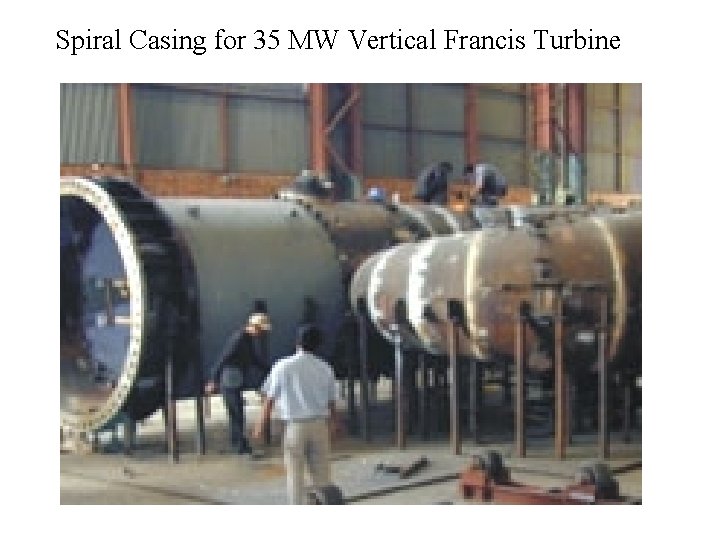
Spiral Casing for 35 MW Vertical Francis Turbine
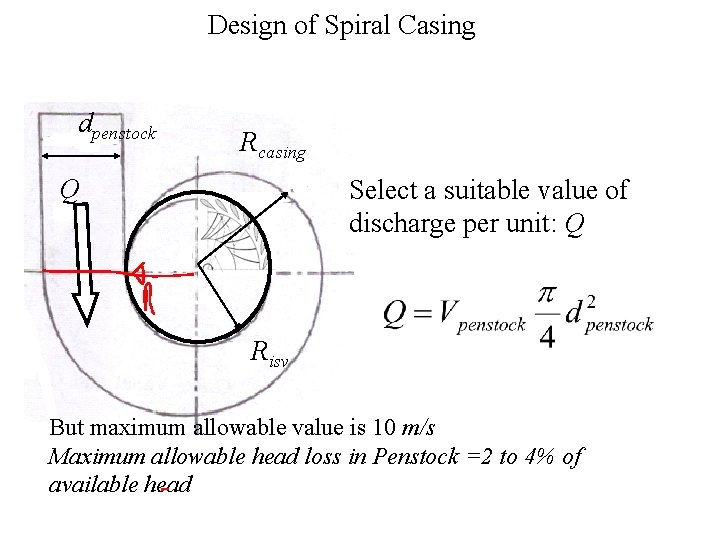
Design of Spiral Casing dpenstock Rcasing Q Select a suitable value of discharge per unit: Q Risv But maximum allowable value is 10 m/s Maximum allowable head loss in Penstock =2 to 4% of available head
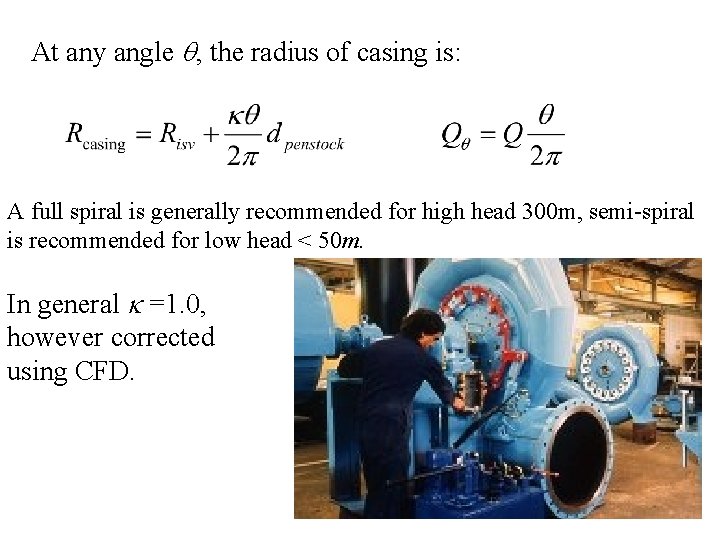
At any angle q, the radius of casing is: A full spiral is generally recommended for high head 300 m, semi-spiral is recommended for low head < 50 m. In general k =1. 0, however corrected using CFD.
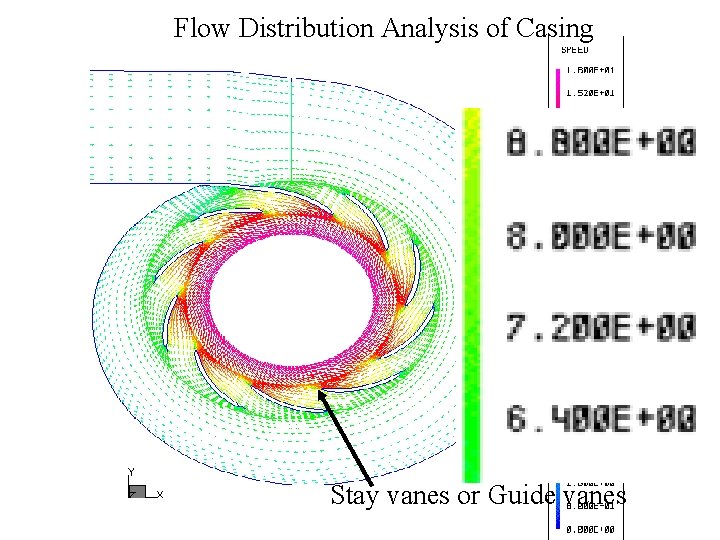
Flow Distribution Analysis of Casing Stay vanes or Guide vanes
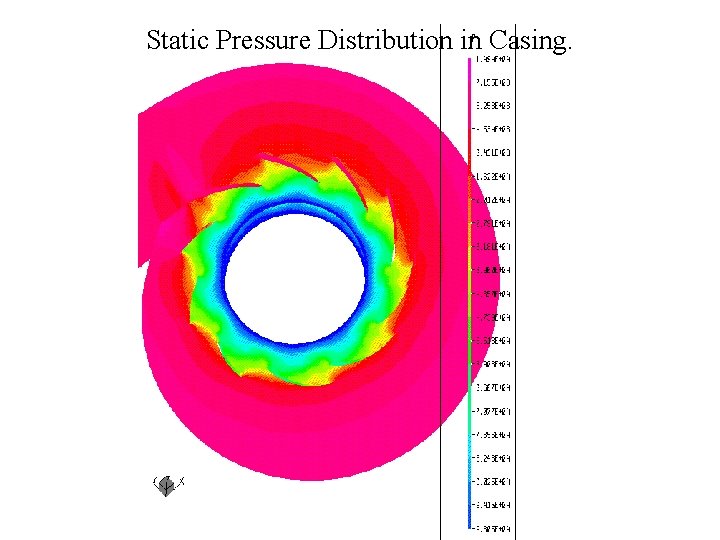
Static Pressure Distribution in Casing.
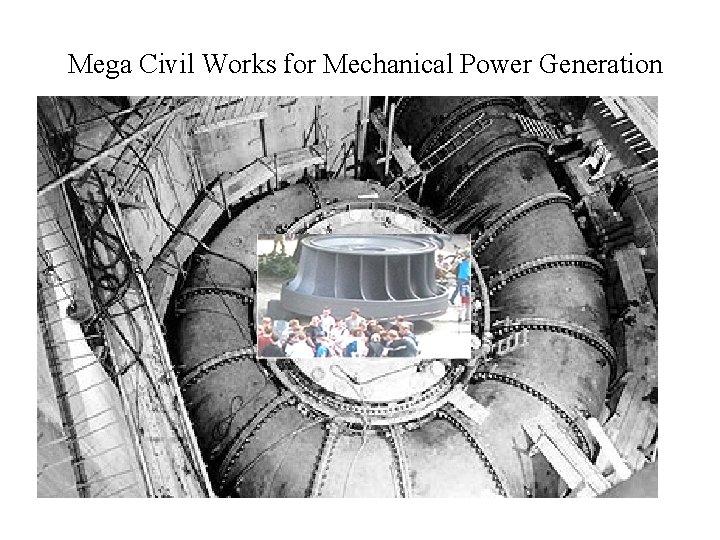
Mega Civil Works for Mechanical Power Generation
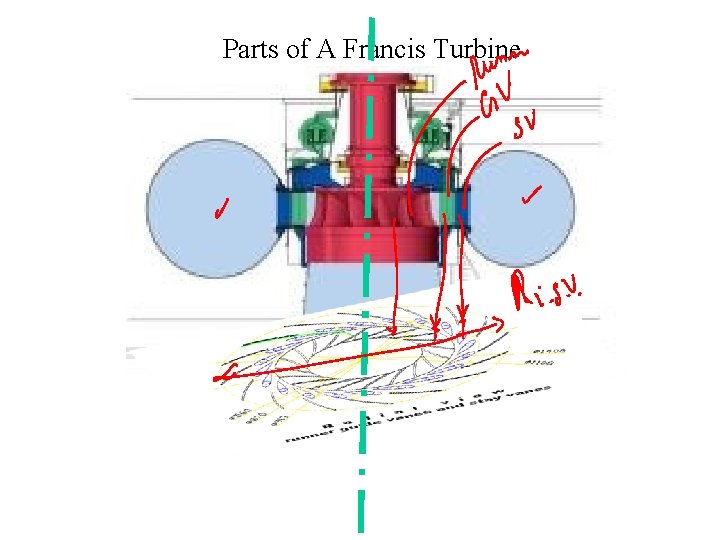
Parts of A Francis Turbine
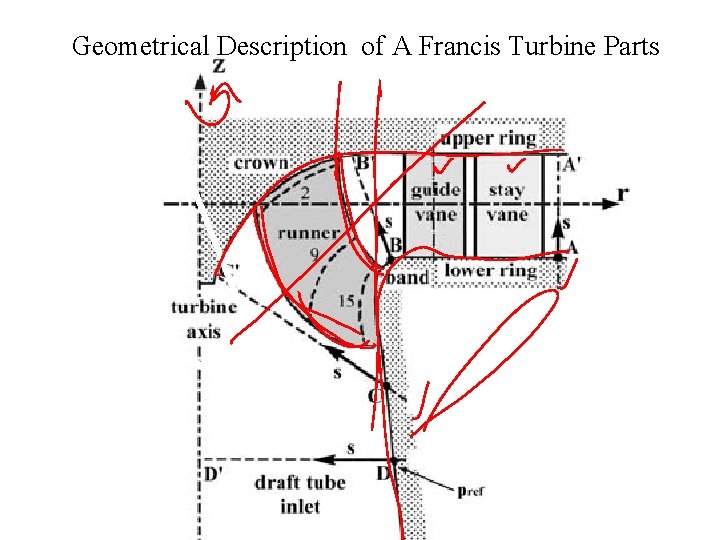
Geometrical Description of A Francis Turbine Parts
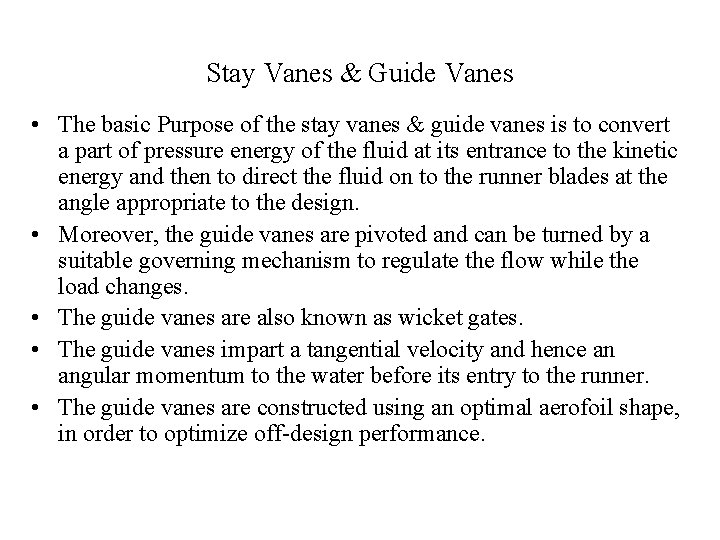
Stay Vanes & Guide Vanes • The basic Purpose of the stay vanes & guide vanes is to convert a part of pressure energy of the fluid at its entrance to the kinetic energy and then to direct the fluid on to the runner blades at the angle appropriate to the design. • Moreover, the guide vanes are pivoted and can be turned by a suitable governing mechanism to regulate the flow while the load changes. • The guide vanes are also known as wicket gates. • The guide vanes impart a tangential velocity and hence an angular momentum to the water before its entry to the runner. • The guide vanes are constructed using an optimal aerofoil shape, in order to optimize off-design performance.
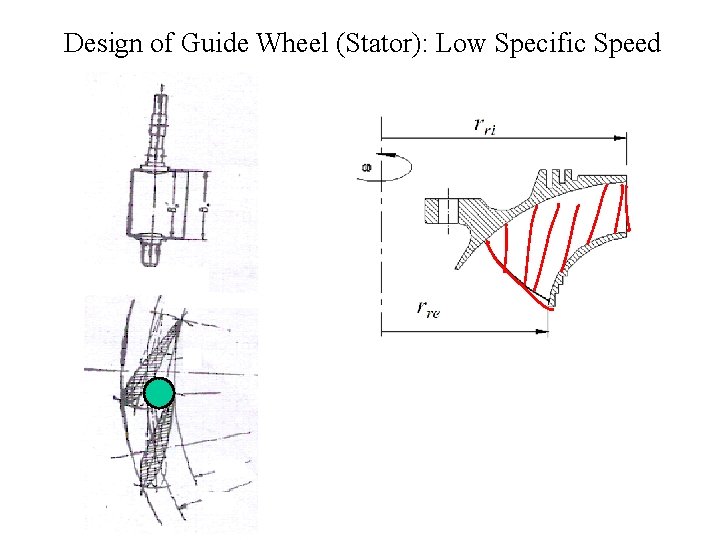
Design of Guide Wheel (Stator): Low Specific Speed
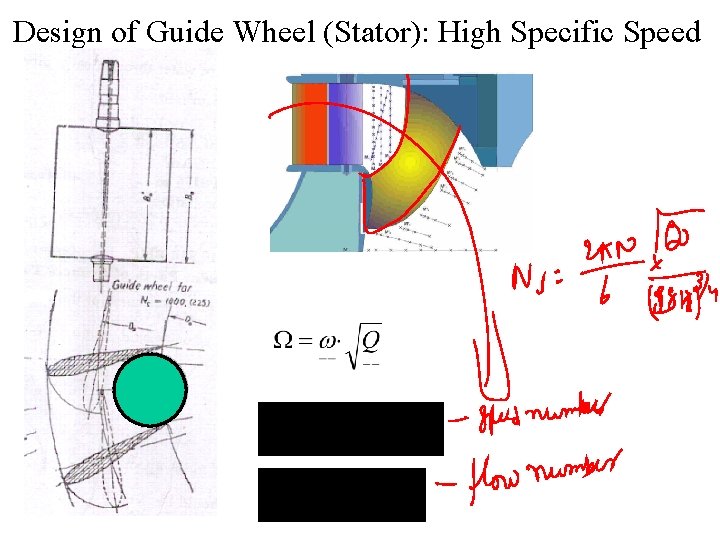
Design of Guide Wheel (Stator): High Specific Speed
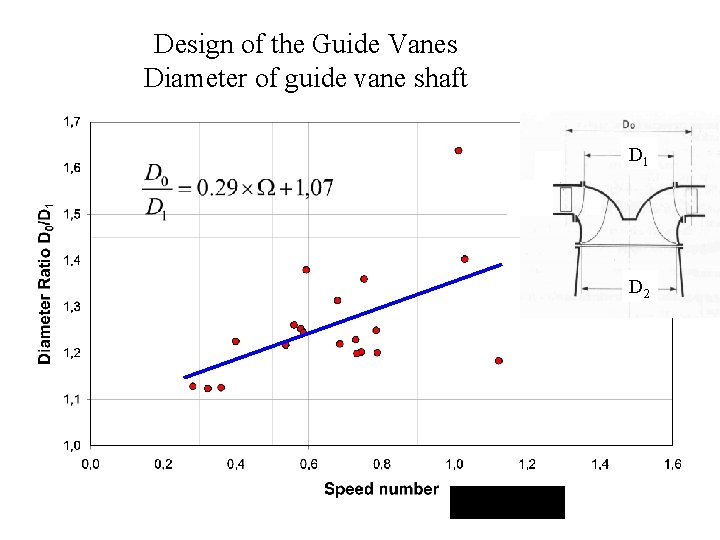
Design of the Guide Vanes Diameter of guide vane shaft D 1 D 2
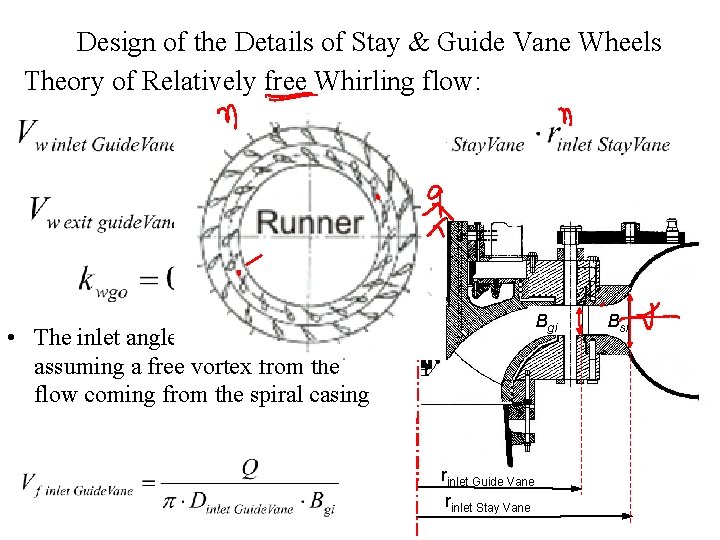
Design of the Details of Stay & Guide Vane Wheels Theory of Relatively free Whirling flow: Bgi • The inlet angle can be calculated by assuming a free vortex from the flow coming from the spiral casing rinlet Guide Vane rinlet Stay Vane Bsi
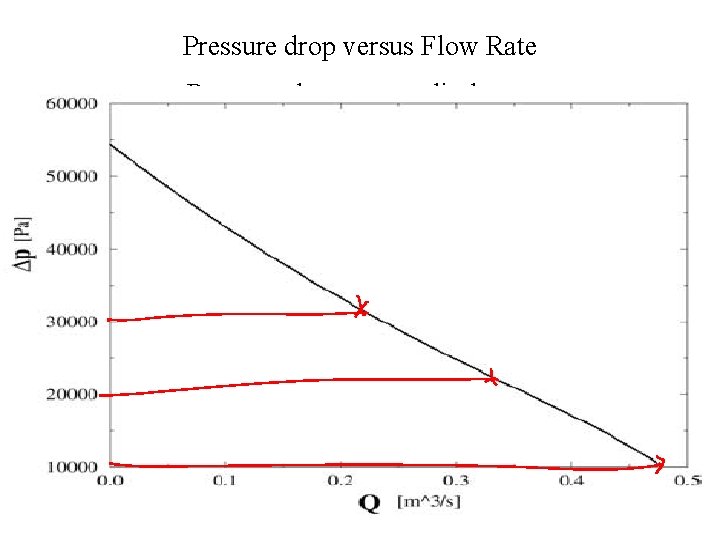
Pressure drop versus Flow Rate Pressure drop versus discharge
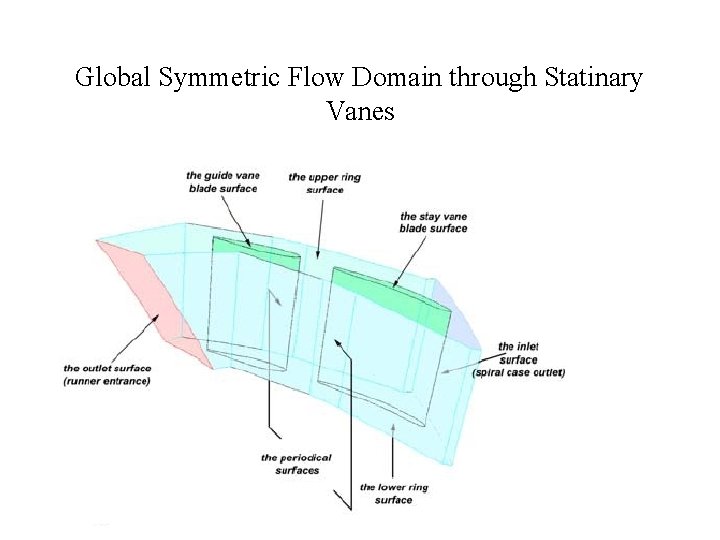
Global Symmetric Flow Domain through Statinary Vanes
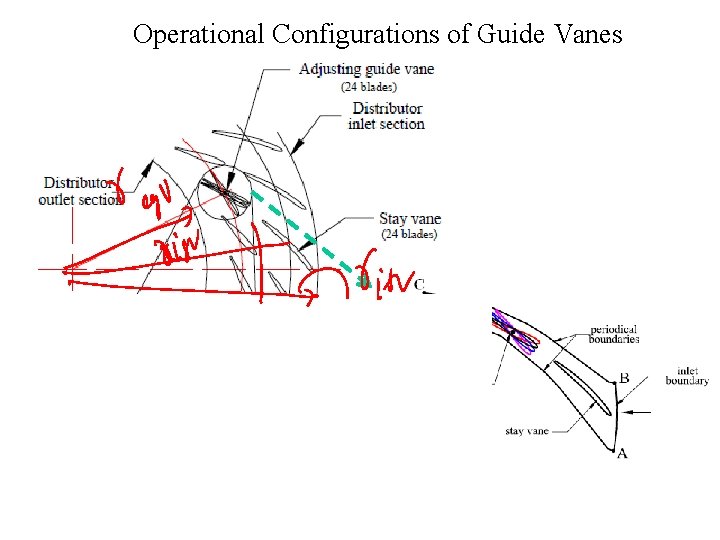
Operational Configurations of Guide Vanes
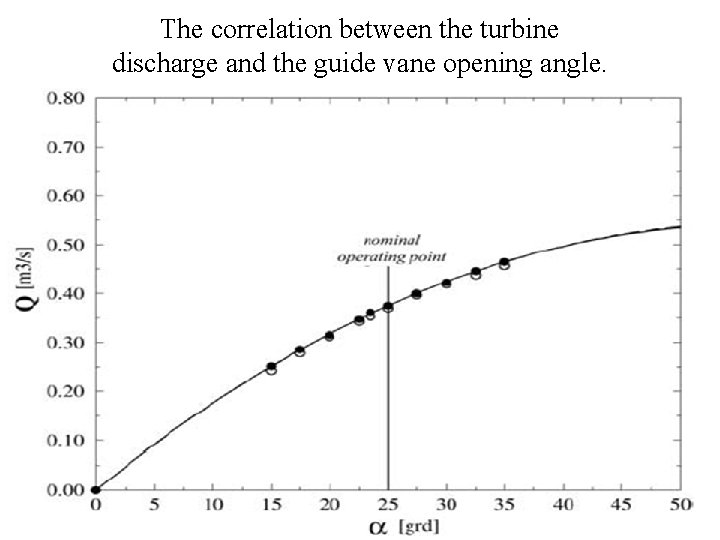
The correlation between the turbine discharge and the guide vane opening angle.
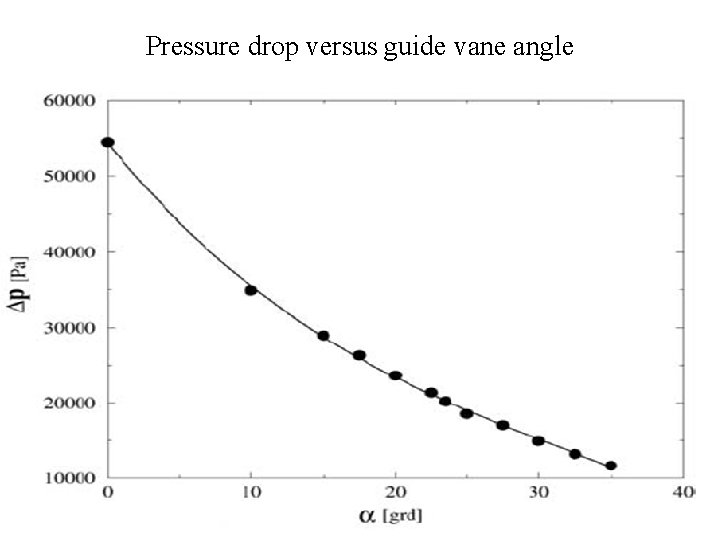
Pressure drop versus guide vane angle
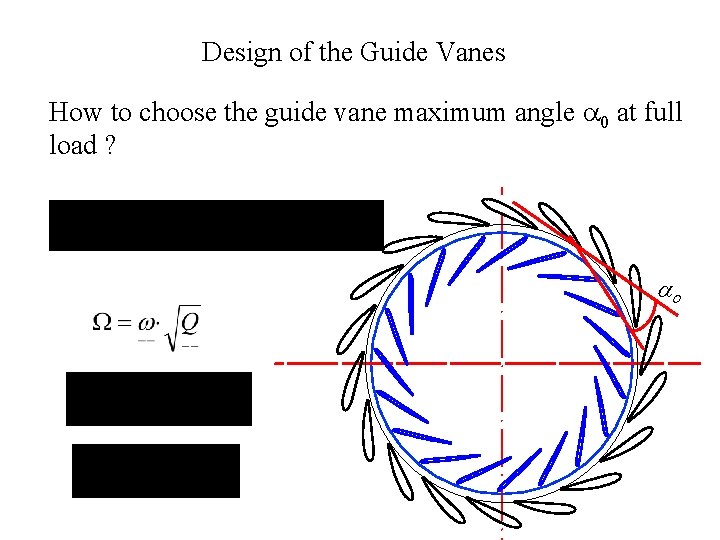
Design of the Guide Vanes How to choose the guide vane maximum angle a 0 at full load ? ao
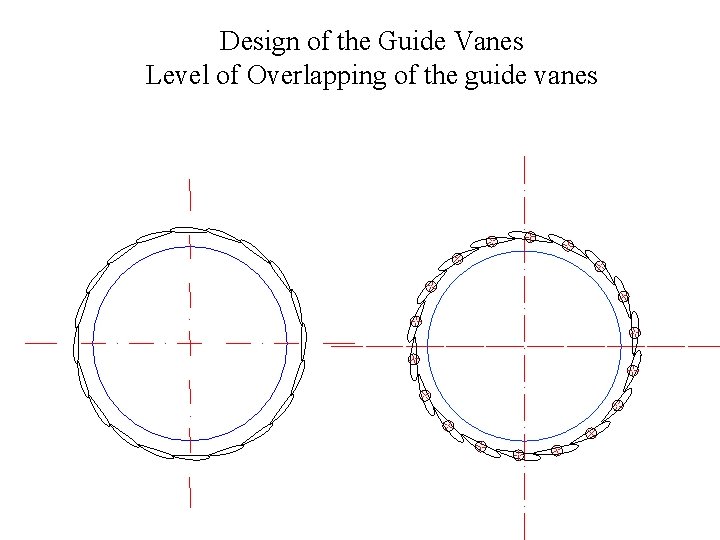
Design of the Guide Vanes Level of Overlapping of the guide vanes
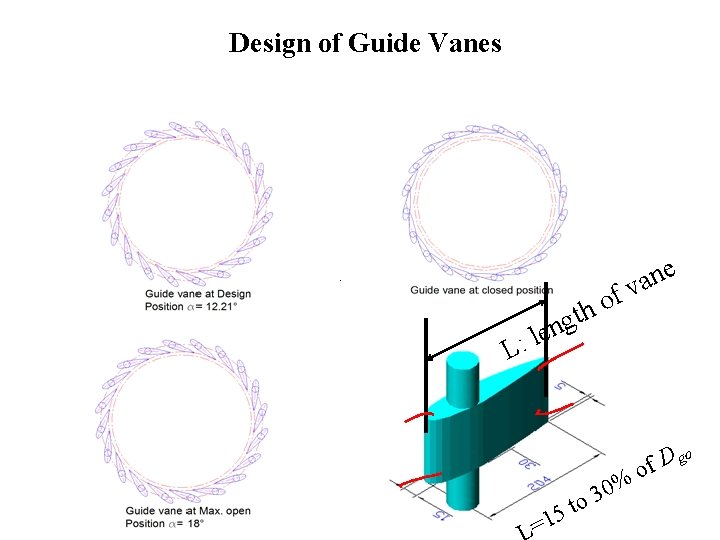
Design of Guide Vanes e n a fv . o h gt L n e l : Dg of o =15 0% 3 to
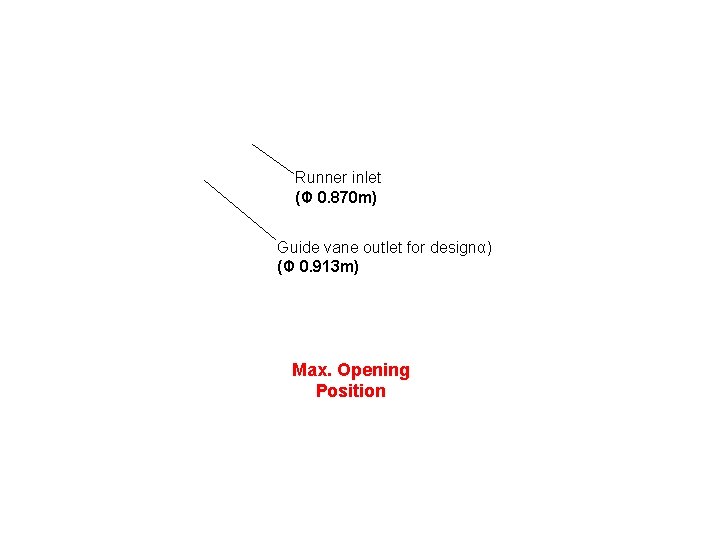
Runner inlet (Φ 0. 870 m) Guide vane outlet for designα) (Φ 0. 913 m) Closed Max. Opening Position
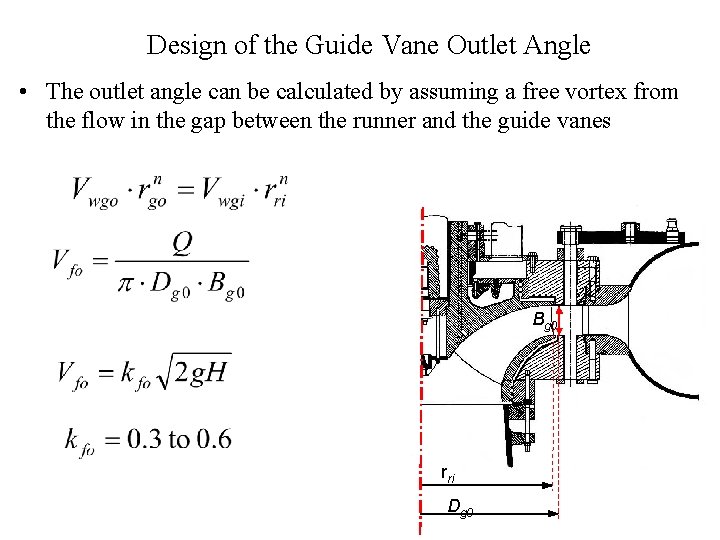
Design of the Guide Vane Outlet Angle • The outlet angle can be calculated by assuming a free vortex from the flow in the gap between the runner and the guide vanes Bg 0 rri Dg 0
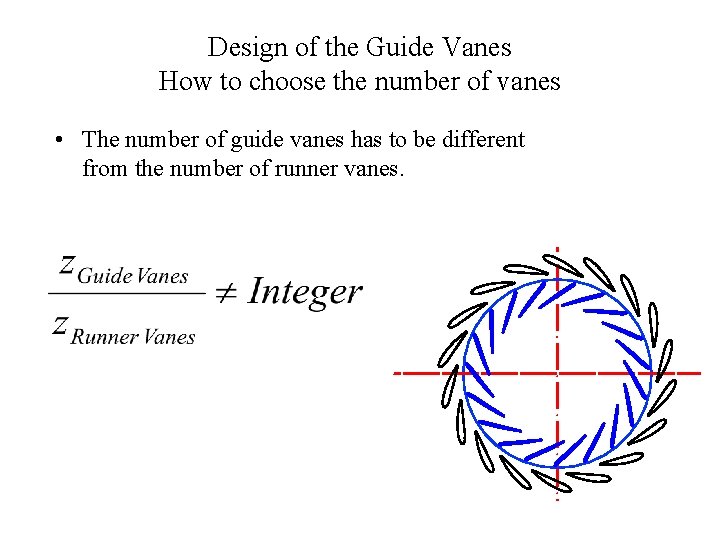
Design of the Guide Vanes How to choose the number of vanes • The number of guide vanes has to be different from the number of runner vanes.
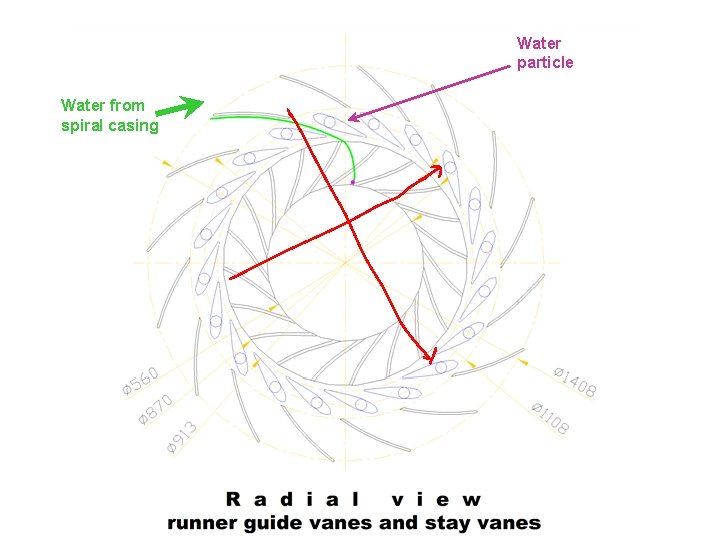
Water particle Water from spiral casing
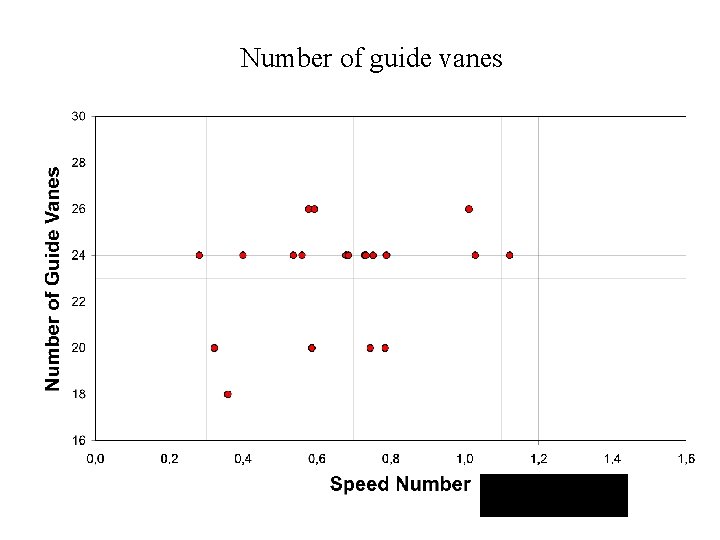
Number of guide vanes
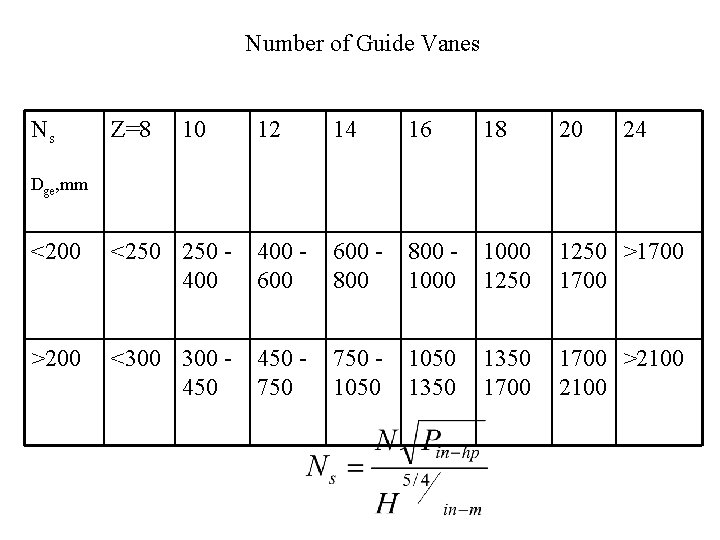
Number of Guide Vanes Ns Z=8 10 12 14 16 18 20 24 Dge, mm <200 <250 400 600 800 1000 1250 >1700 >200 <300 450 750 1050 1350 1700 >2100
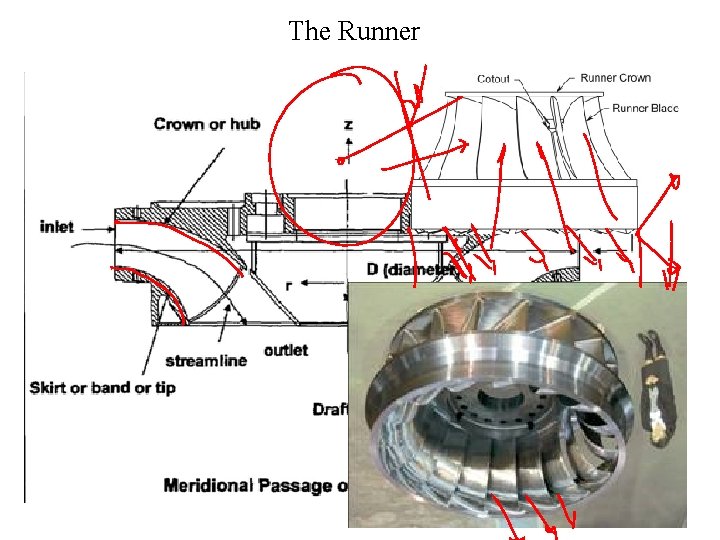
The Runner
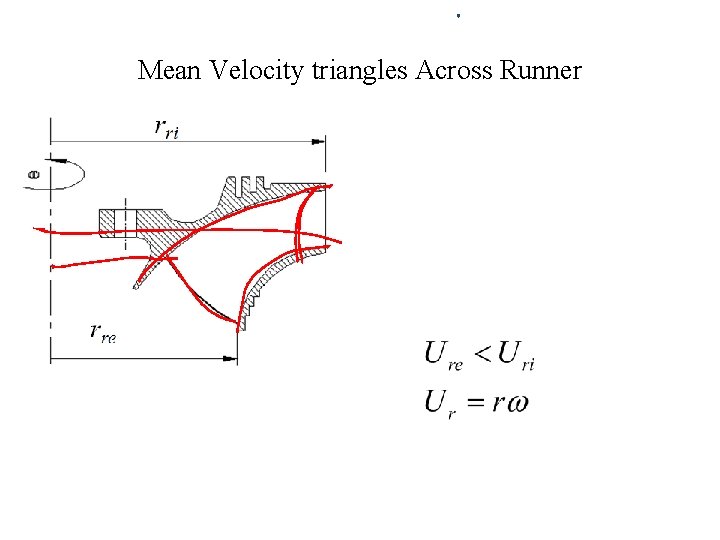
Mean Velocity triangles Across Runner
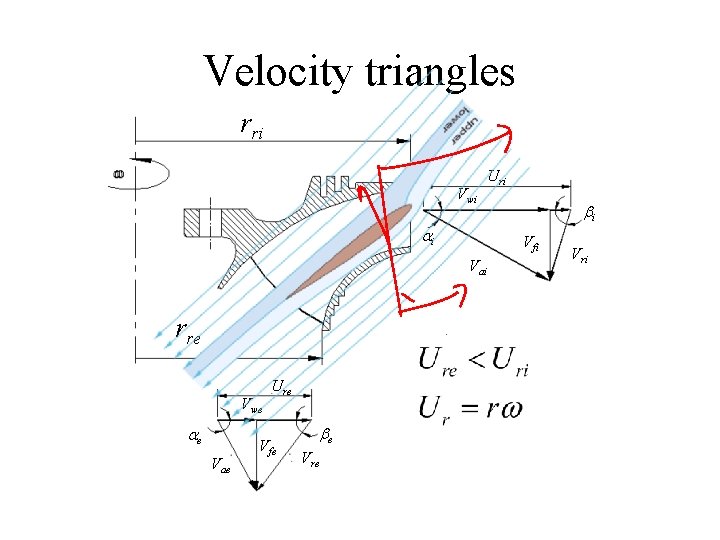
Velocity triangles rri Vwi ai Vwe ae Vae Ure Vfe be Vre bi Vfi Vai rre Uri Vri
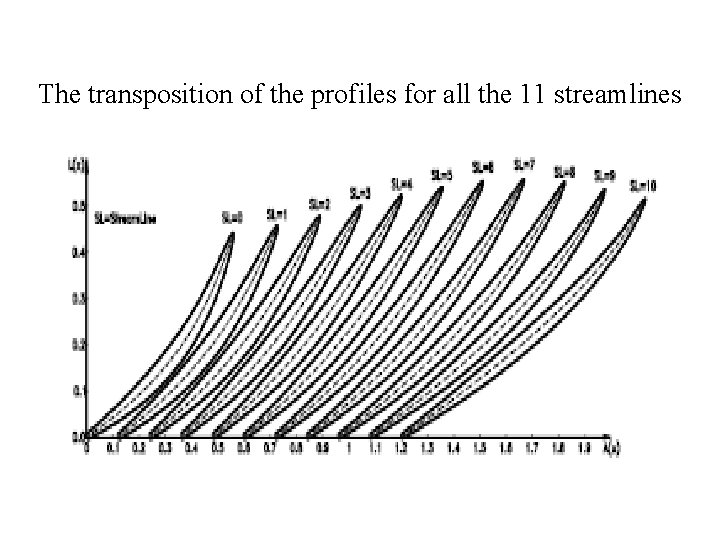
The transposition of the profiles for all the 11 streamlines
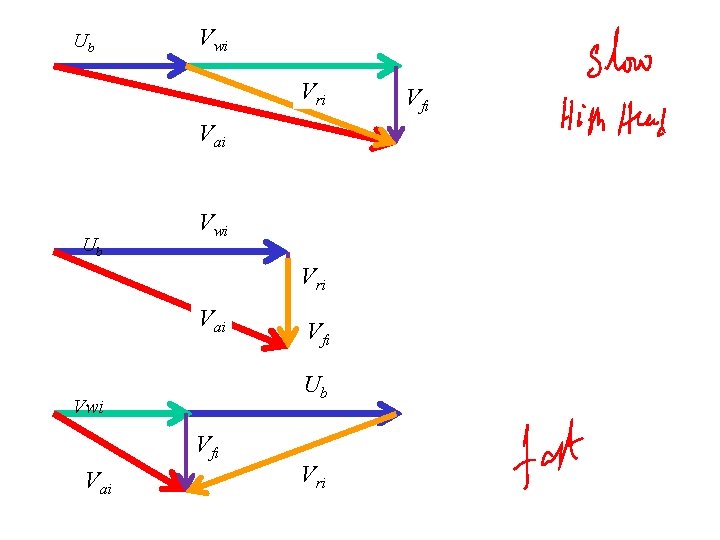
Ub Vwi Vri Vai Ub Vwi Vfi Vai Vfi Vri Vfi
- Slides: 35