
Descending Inhibition of Pain Roland Staud M D

Descending Inhibition of Pain Roland Staud, M. D. Professor of Medicine University of Florida
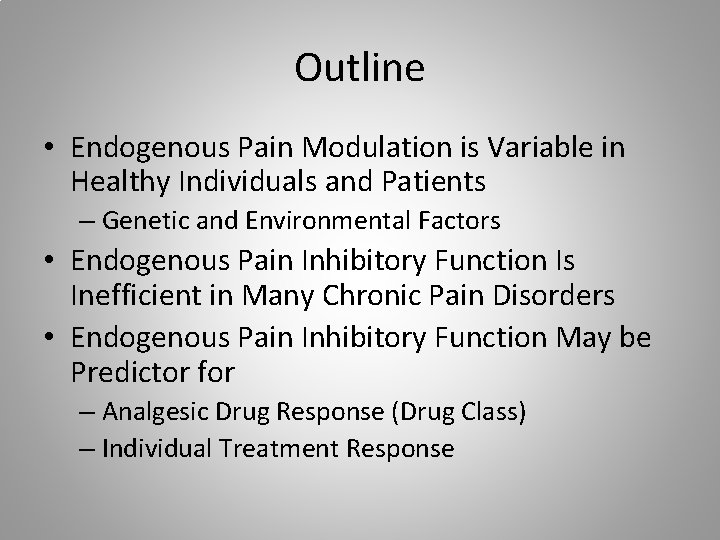
Outline • Endogenous Pain Modulation is Variable in Healthy Individuals and Patients – Genetic and Environmental Factors • Endogenous Pain Inhibitory Function Is Inefficient in Many Chronic Pain Disorders • Endogenous Pain Inhibitory Function May be Predictor for – Analgesic Drug Response (Drug Class) – Individual Treatment Response
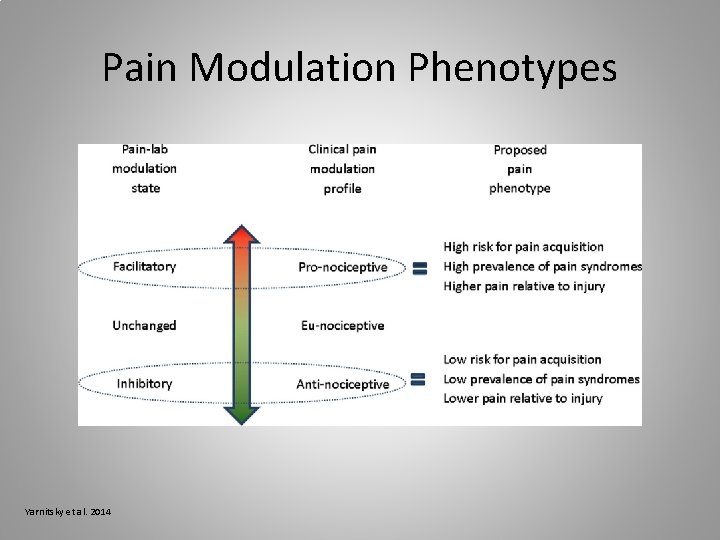
Pain Modulation Phenotypes Yarnitsky et al. 2014
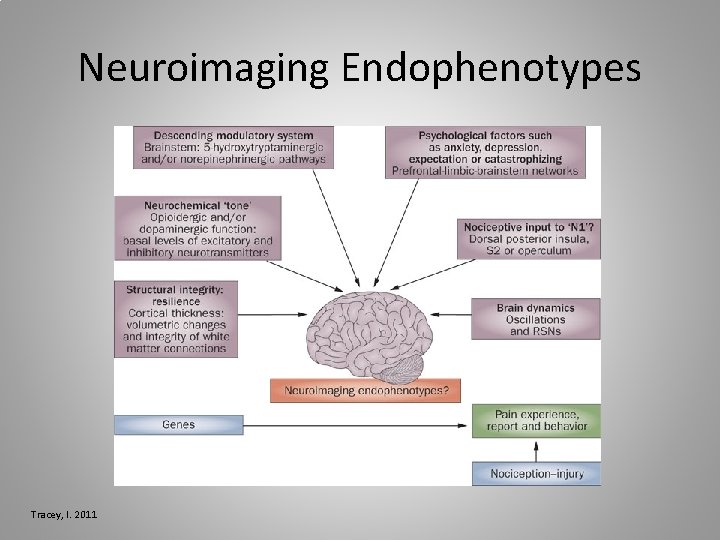
Neuroimaging Endophenotypes Tracey, I. 2011

Pain Modulatory Endophenotypes Temporal Summation Spatial Summation Conditioned Pain Modulation Context Related Analgesia (Placebo) Response to Tonic Pain Stimuli Offset Analgesia Stress Response (Analgesic – Hyperalgesic)
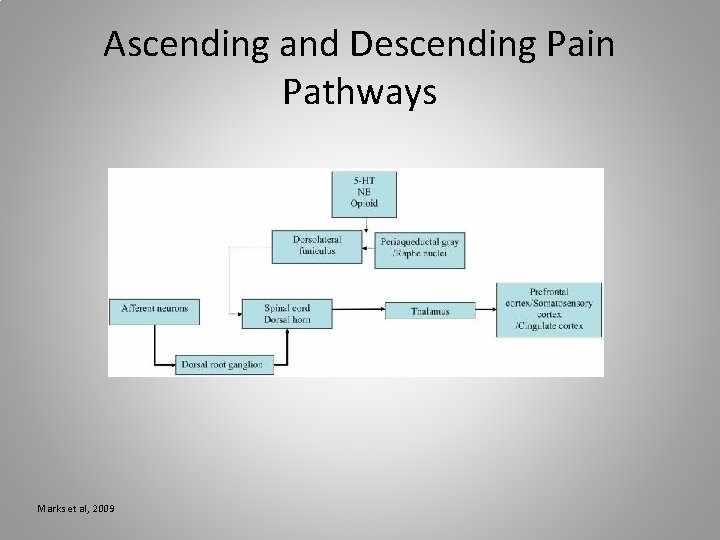
Ascending and Descending Pain Pathways Marks et al, 2009
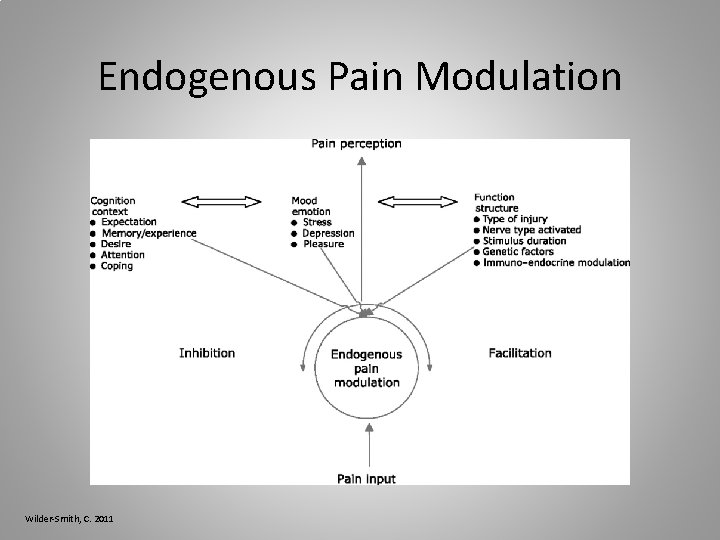
Endogenous Pain Modulation Wilder-Smith, C. 2011
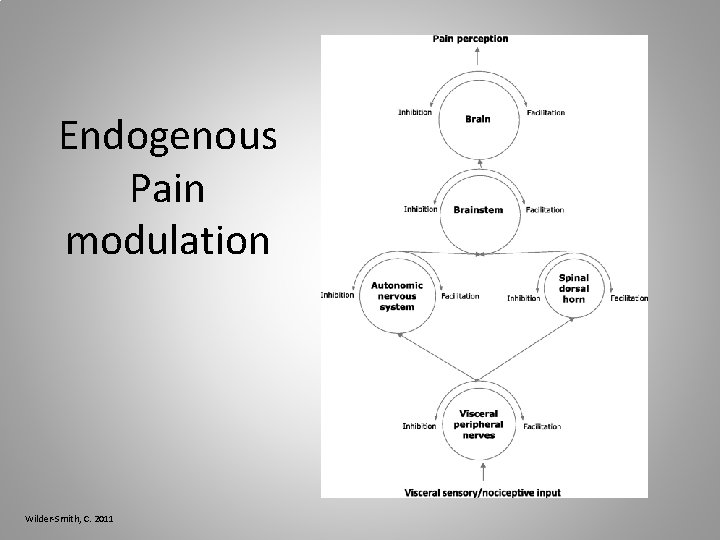
Endogenous Pain modulation Wilder-Smith, C. 2011
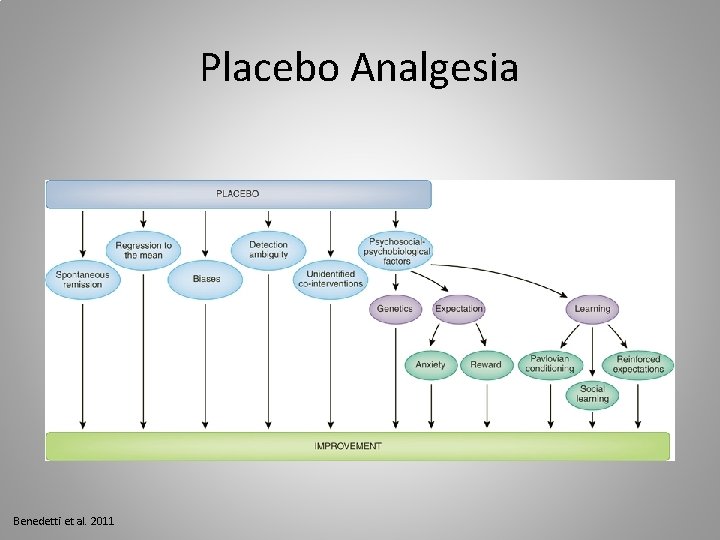
Placebo Analgesia Benedetti et al. 2011
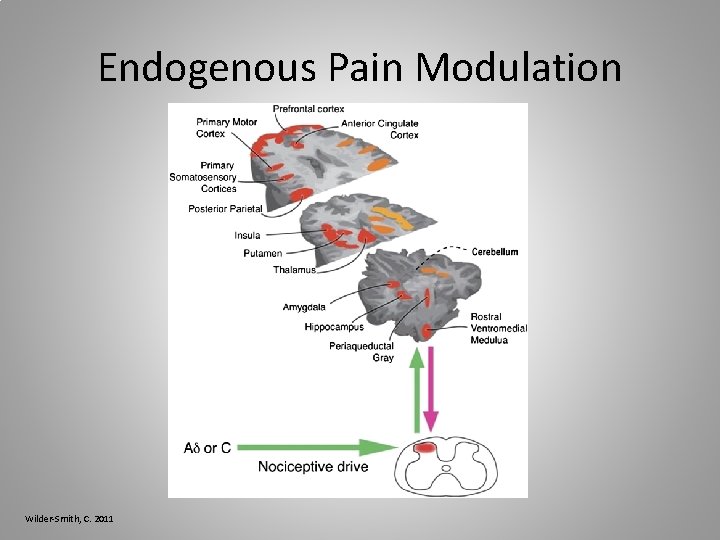
Endogenous Pain Modulation Wilder-Smith, C. 2011
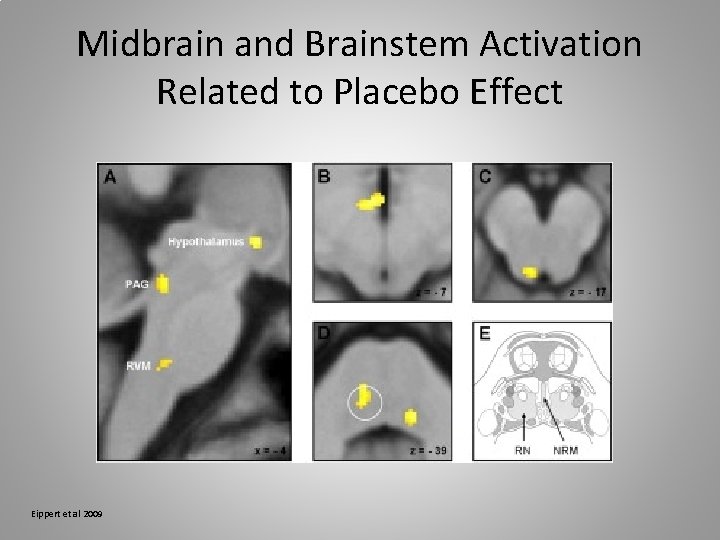
Midbrain and Brainstem Activation Related to Placebo Effect Eippert et al 2009
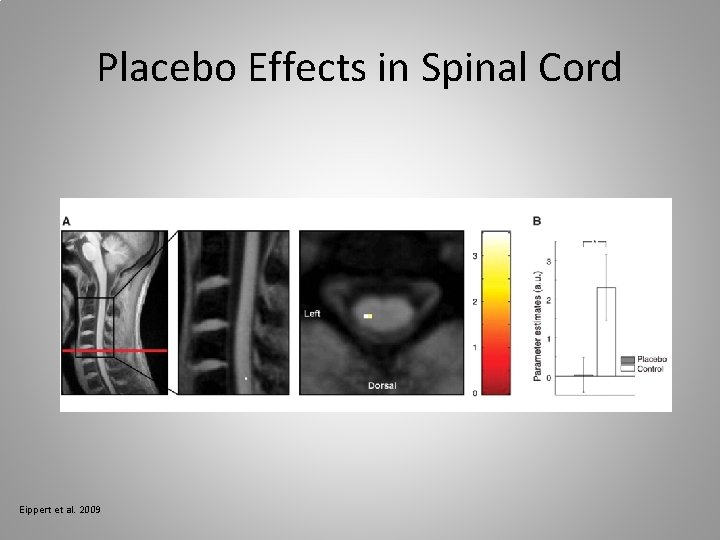
Placebo Effects in Spinal Cord Eippert et al. 2009
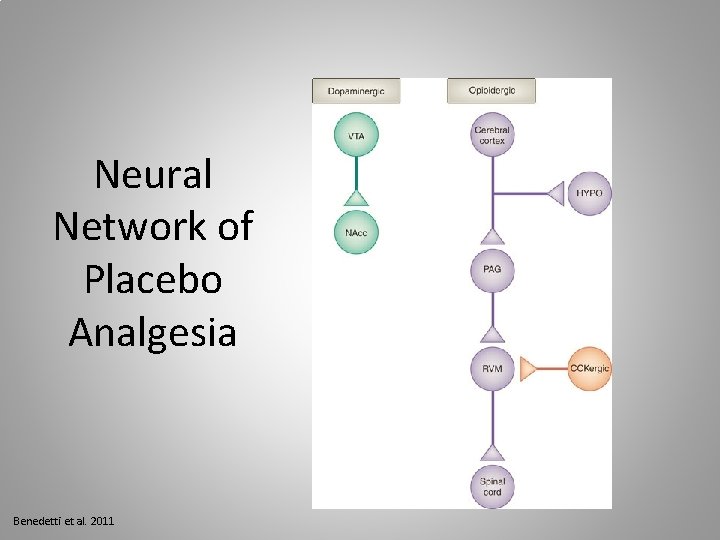
Neural Network of Placebo Analgesia Benedetti et al. 2011
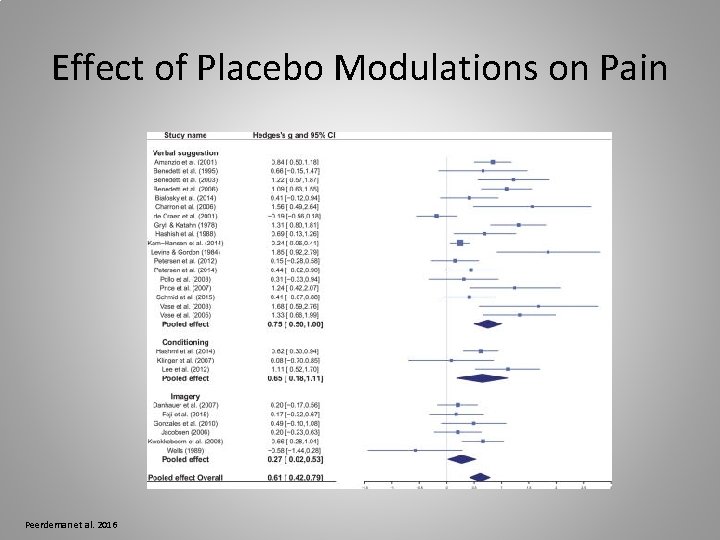
Effect of Placebo Modulations on Pain Peerdeman et al. 2016
Placebo Effect and Precision Medicine • The placebo effect is highly reliable and similarly effective if the treatment is applied in the same context (Whalley et al. 2008) • Repetition of effective treatments seems to increase placebo efficacy (Vase et al. 2005) • Identification of placebo responders can inform trial designs and benefit the treatment of such individuals
TEMPORAL AND SPATIAL FILTERING OF PAIN Offset Analgesia and Conditioned Pain Modulation
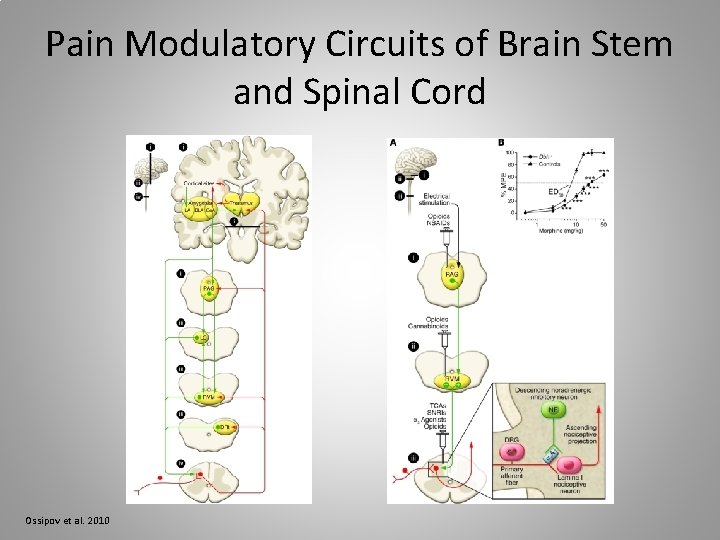
Pain Modulatory Circuits of Brain Stem and Spinal Cord Ossipov et al. 2010
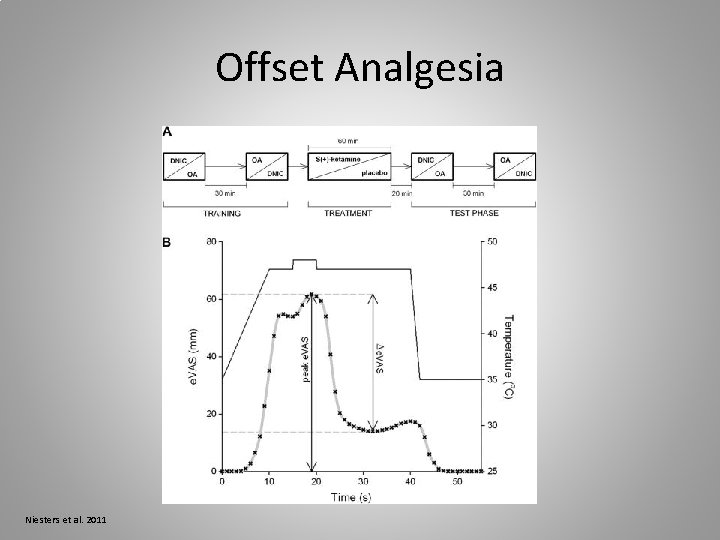
Offset Analgesia Niesters et al. 2011
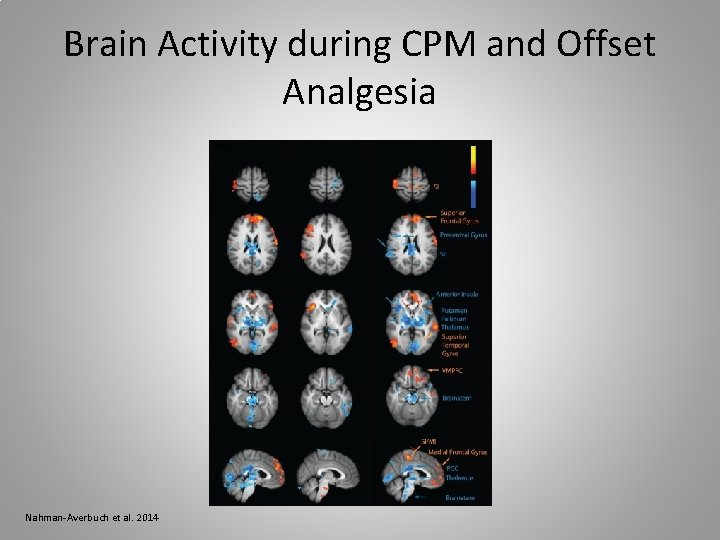
Brain Activity during CPM and Offset Analgesia Nahman-Averbuch et al. 2014
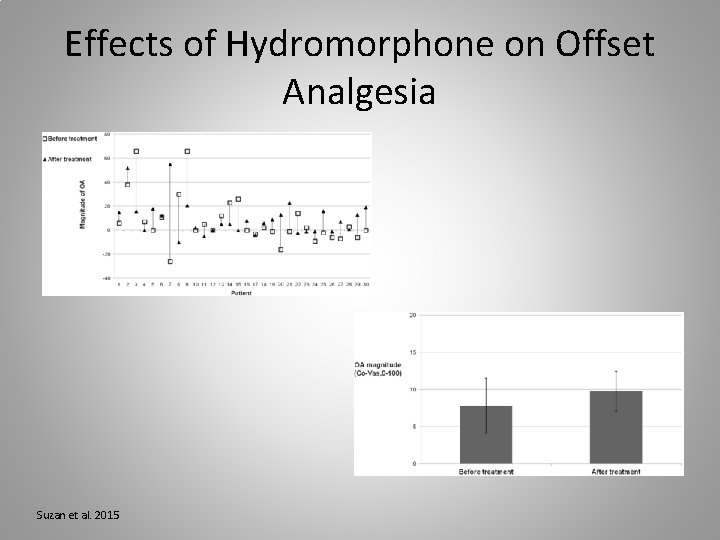
Effects of Hydromorphone on Offset Analgesia Suzan et al. 2015
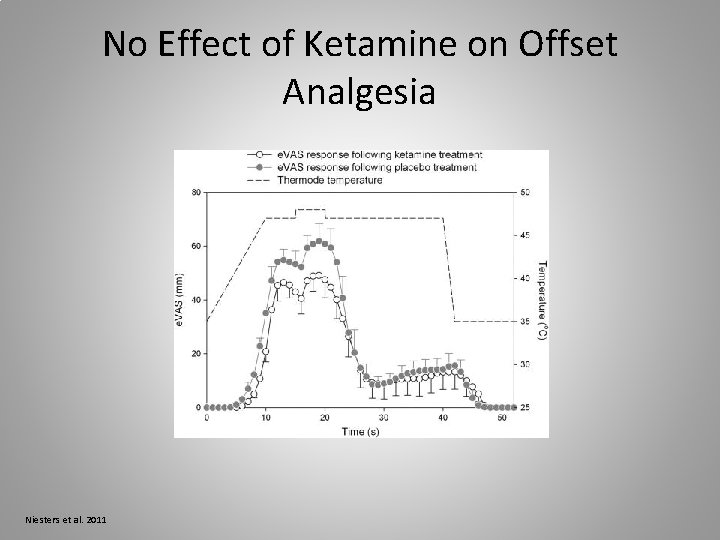
No Effect of Ketamine on Offset Analgesia Niesters et al. 2011
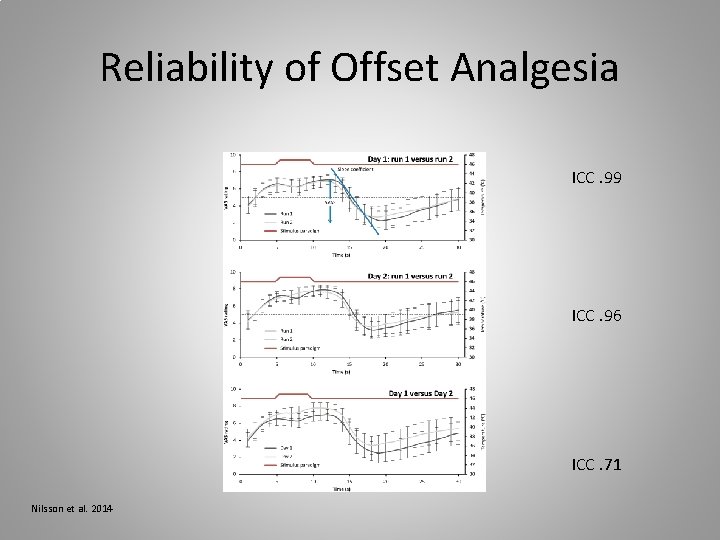
Reliability of Offset Analgesia ICC. 99 ICC. 96 ICC. 71 Nilsson et al. 2014
Offset Analgesia • Lack of Offset Analgesia in Neuropathic Pain Patients (Niesters et al. 2011 and 2014) • Offset Analgesia is easy to perform and thus may become useful for the identification of pain modulatory endophenotypes but more data is needed
Conditioned Pain Modulation (CPM) Formerly Known As Diffuse Noxious Inhibitory Controls
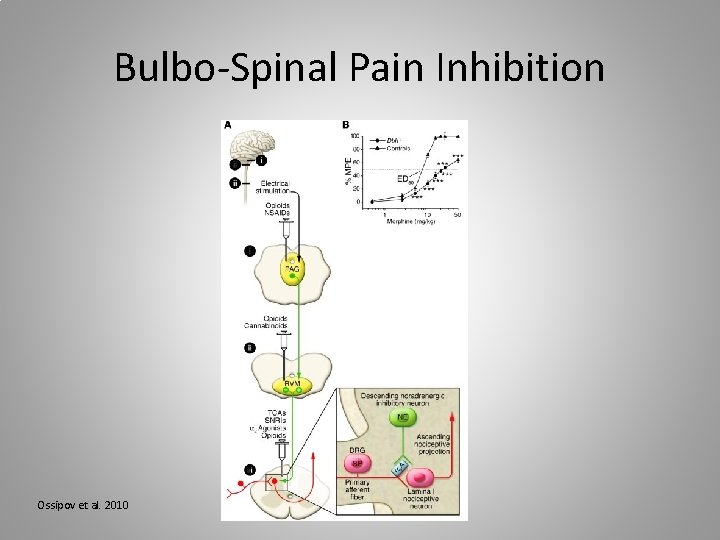
Bulbo-Spinal Pain Inhibition Ossipov et al. 2010
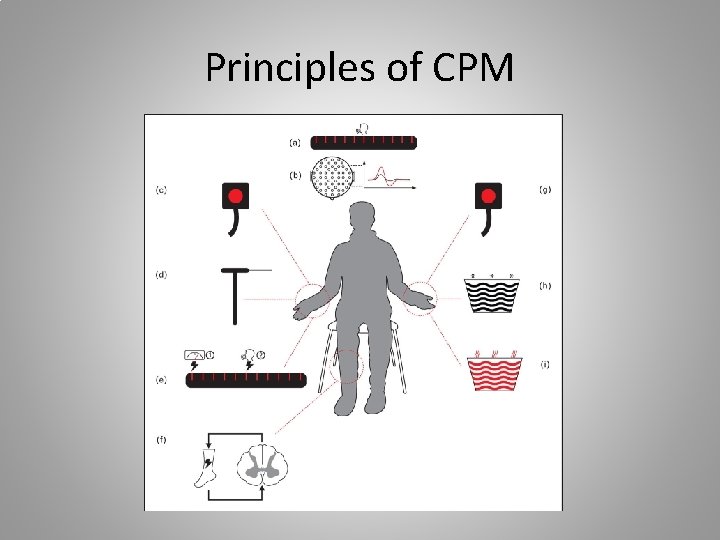
Principles of CPM
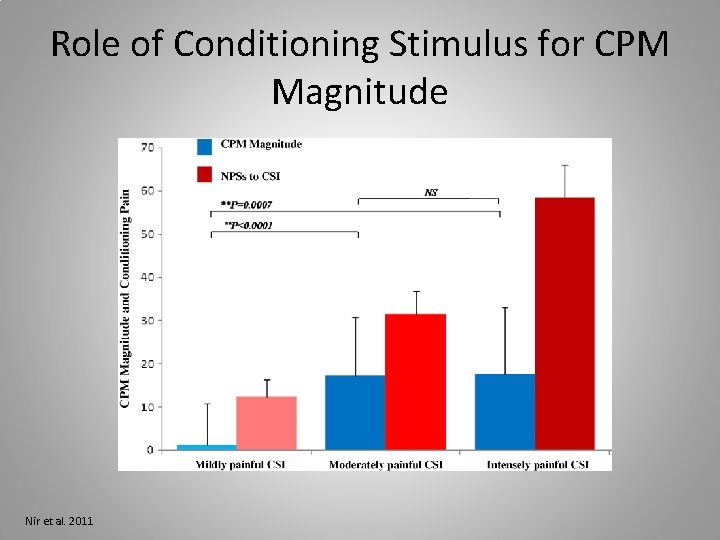
Role of Conditioning Stimulus for CPM Magnitude Nir et al. 2011
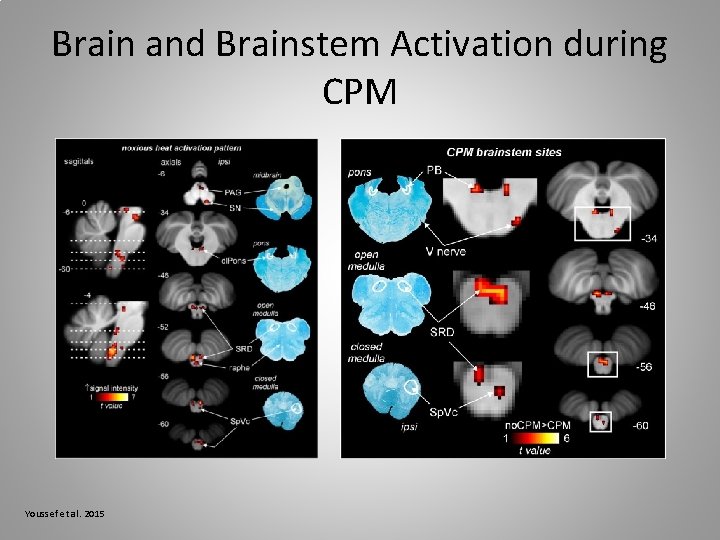
Brain and Brainstem Activation during CPM Youssef et al. 2015
Clinical Syndromes with Abnormal CPM • • • Fibromyalgia Irritable Bowel Syndrome Temporomandibular Disorder Interstitial Cystitis Whiplash-Associated Disorders Osteoarthritis
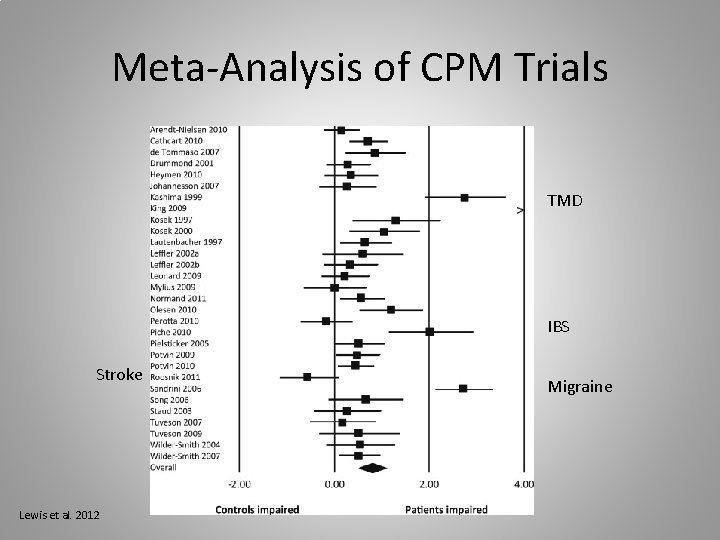
Meta-Analysis of CPM Trials TMD IBS Stroke Lewis et al. 2012 Migraine
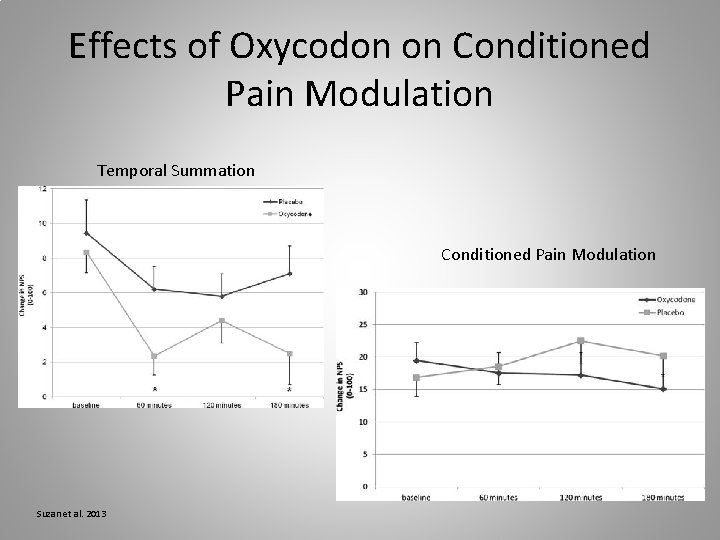
Effects of Oxycodon on Conditioned Pain Modulation Temporal Summation Conditioned Pain Modulation Suzan et al. 2013
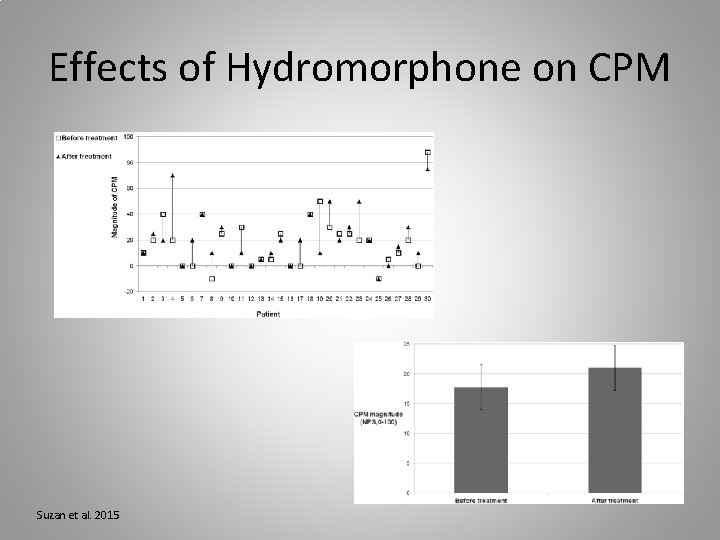
Effects of Hydromorphone on CPM Suzan et al. 2015
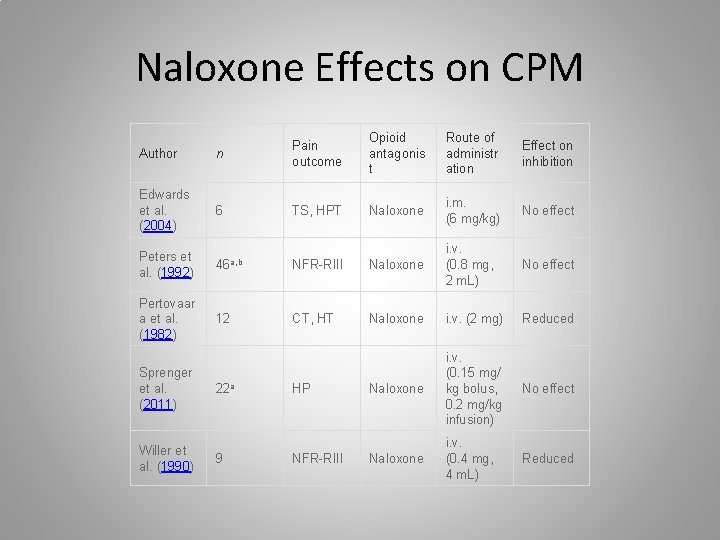
Naloxone Effects on CPM Opioid antagonis t Route of administr ation Effect on inhibition Naloxone i. m. (6 mg/kg) No effect Author n Pain outcome Edwards et al. (2004) 6 TS, HPT Peters et al. (1992) 46 a, b NFR-RIII Naloxone i. v. (0. 8 mg, 2 m. L) Pertovaar a et al. (1982) 12 CT, HT Naloxone i. v. (2 mg) Reduced Naloxone i. v. (0. 15 mg/ kg bolus, 0. 2 mg/kg infusion) No effect Naloxone i. v. (0. 4 mg, 4 m. L) Reduced Sprenger et al. (2011) Willer et al. (1990) 22 a 9 HP NFR-RIII
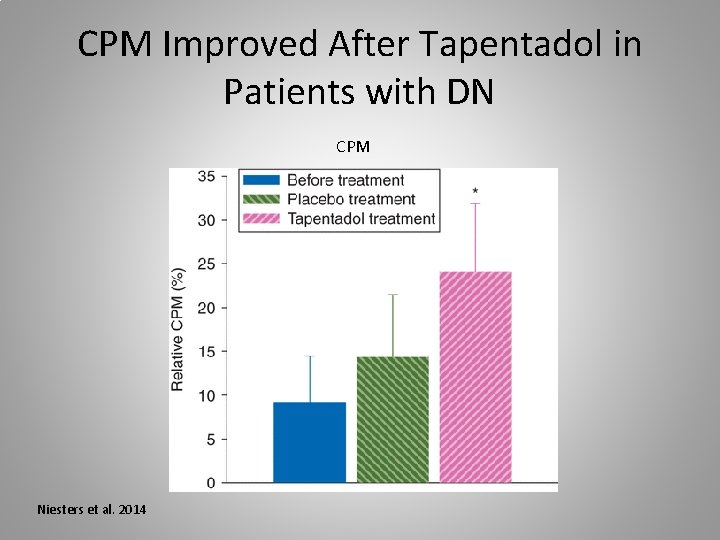
CPM Improved After Tapentadol in Patients with DN CPM Niesters et al. 2014
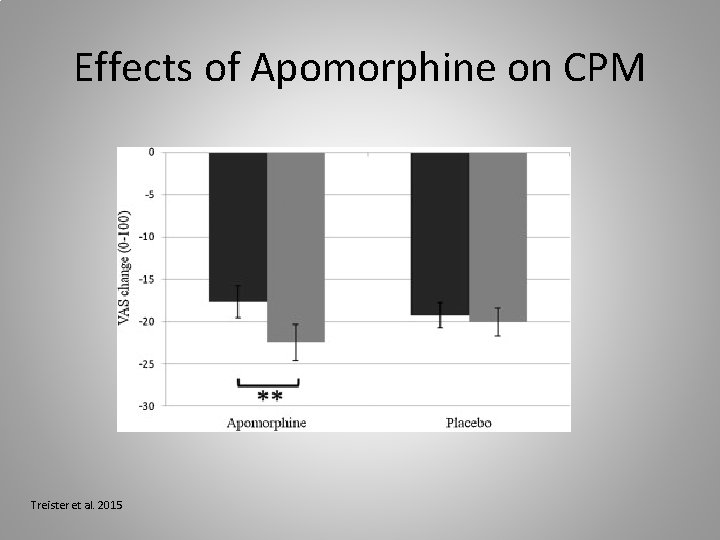
Effects of Apomorphine on CPM Treister et al. 2015
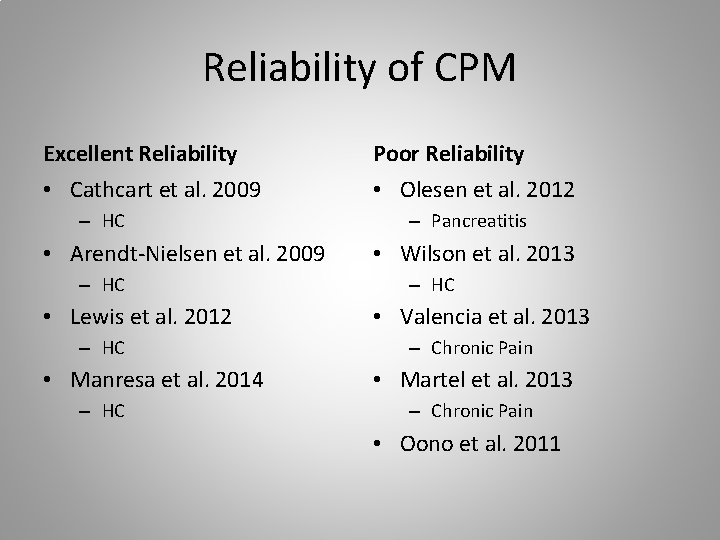
Reliability of CPM Excellent Reliability Poor Reliability • Cathcart et al. 2009 • Olesen et al. 2012 – HC • Arendt-Nielsen et al. 2009 – HC • Lewis et al. 2012 – HC • Manresa et al. 2014 – HC – Pancreatitis • Wilson et al. 2013 – HC • Valencia et al. 2013 – Chronic Pain • Martel et al. 2013 – Chronic Pain • Oono et al. 2011
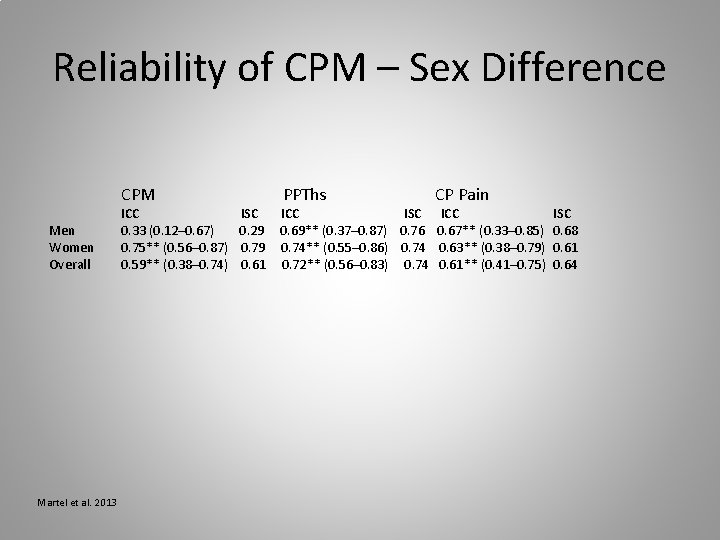
Reliability of CPM – Sex Difference CPM Men Women Overall Martel et al. 2013 ICC 0. 33 (0. 12– 0. 67) 0. 75** (0. 56– 0. 87) 0. 59** (0. 38– 0. 74) ISC 0. 29 0. 79 0. 61 PPThs CP Pain ICC ISC ICC 0. 69** (0. 37– 0. 87) 0. 76 0. 67** (0. 33– 0. 85) 0. 74** (0. 55– 0. 86) 0. 74 0. 63** (0. 38– 0. 79) 0. 72** (0. 56– 0. 83) 0. 74 0. 61** (0. 41– 0. 75) ISC 0. 68 0. 61 0. 64
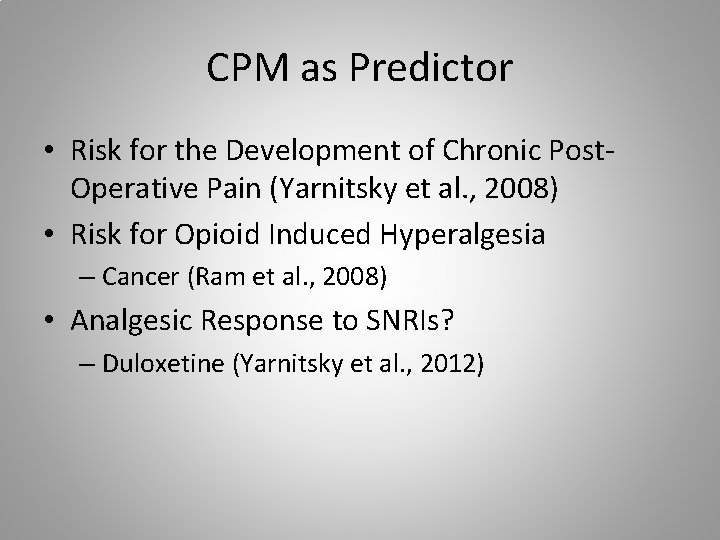
CPM as Predictor • Risk for the Development of Chronic Post. Operative Pain (Yarnitsky et al. , 2008) • Risk for Opioid Induced Hyperalgesia – Cancer (Ram et al. , 2008) • Analgesic Response to SNRIs? – Duloxetine (Yarnitsky et al. , 2012)
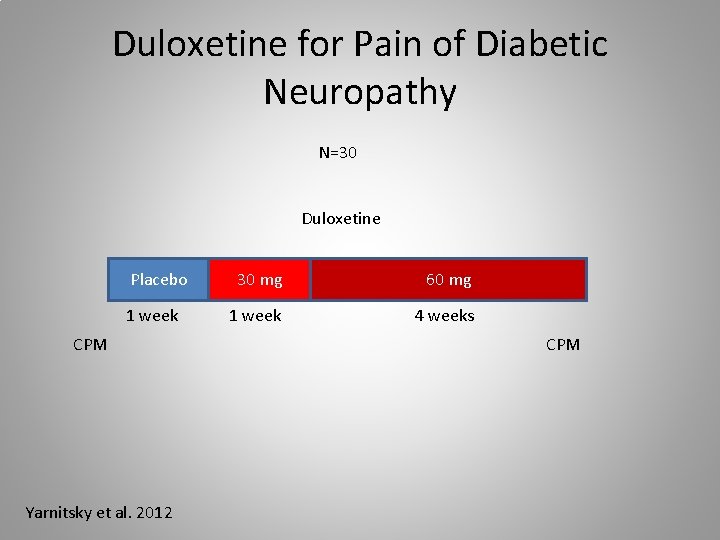
Duloxetine for Pain of Diabetic Neuropathy N=30 Duloxetine Placebo 1 week CPM Yarnitsky et al. 2012 30 mg 60 mg 1 week 4 weeks CPM
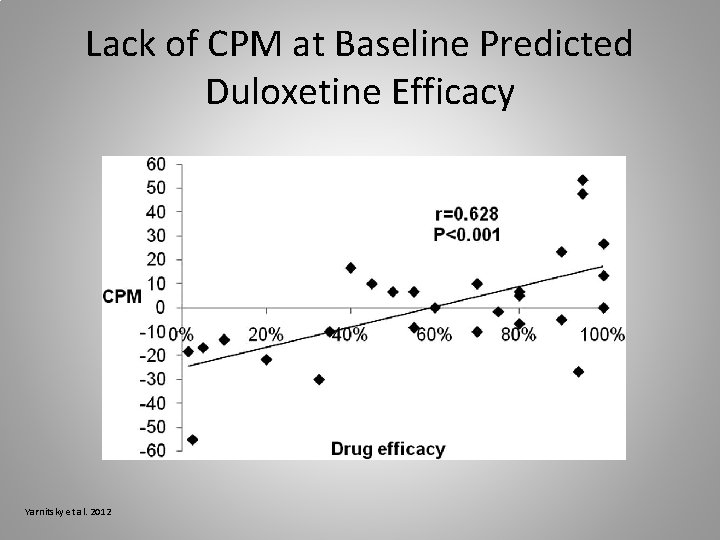
Lack of CPM at Baseline Predicted Duloxetine Efficacy Yarnitsky et al. 2012
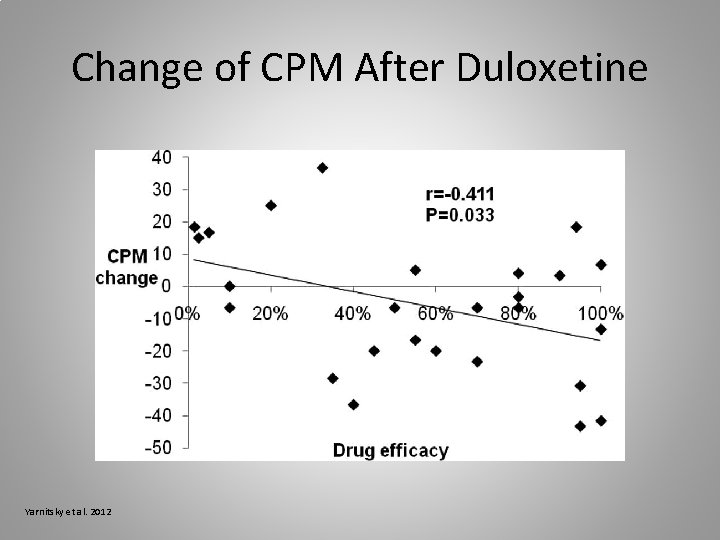
Change of CPM After Duloxetine Yarnitsky et al. 2012
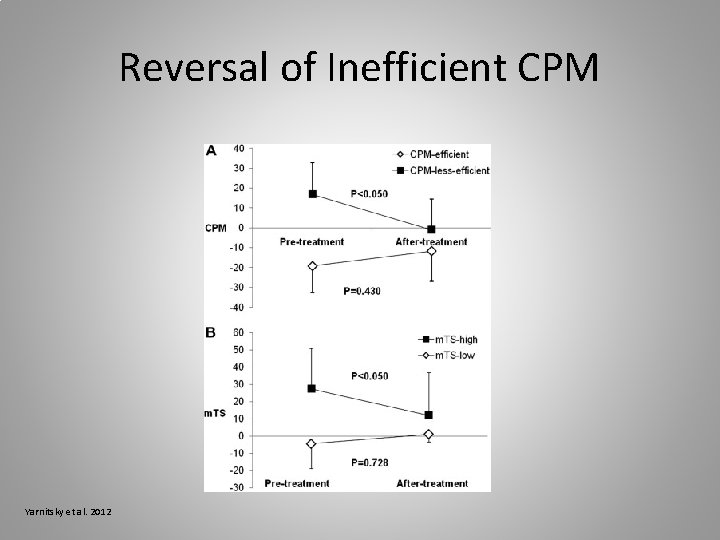
Reversal of Inefficient CPM Yarnitsky et al. 2012
Conclusions • Descending Pain Modulation is Critical for Acute and Chronic Pain Relief • Decreased Endogenous Pain Inhibition has been Reported in Many Chronic Pain Conditions • CPM Can be Used to Determine Endogenous Pain Inhibition in Groups and Possibly in Single Individuals
Conclusions cont. • Usefulness of CPM and Offset Analgesia Testing for Precision Medicine – Standardization of CPM and Offset Analgesia Testing – Prospective Controlled Trials testing CPM or Offset Analgesia Efficacy as Predictor of Treatment Response
- Slides: 44