
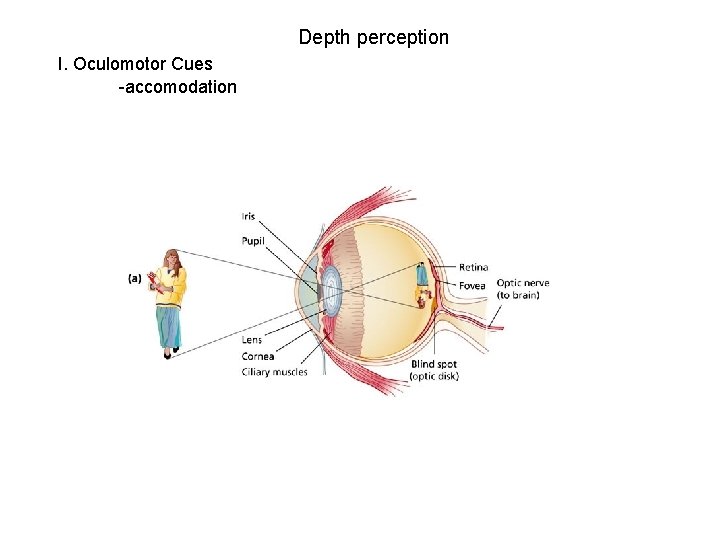
Depth perception I Oculomotor Cues accomodation Depth perception

- Slides: 54
Depth perception I. Oculomotor Cues -accomodation
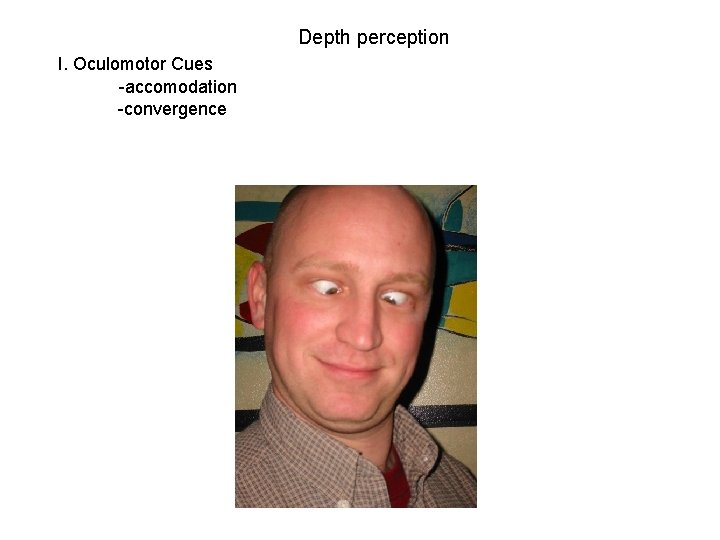
Depth perception I. Oculomotor Cues -accomodation -convergence
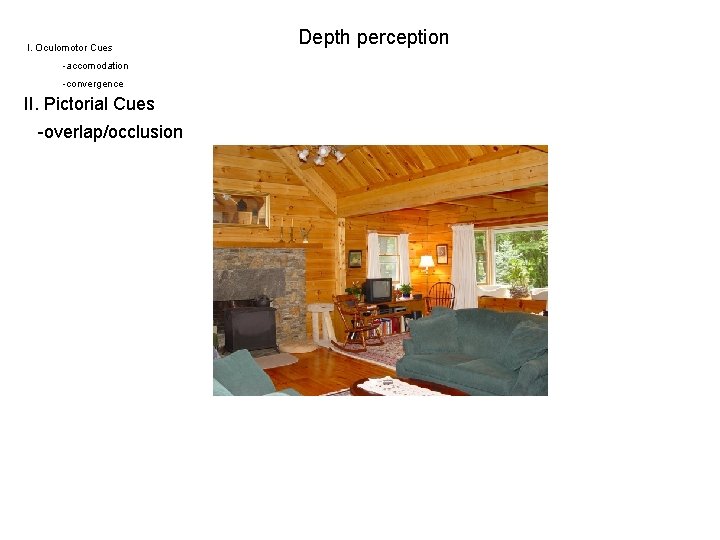
I. Oculomotor Cues -accomodation -convergence II. Pictorial Cues -overlap/occlusion Depth perception
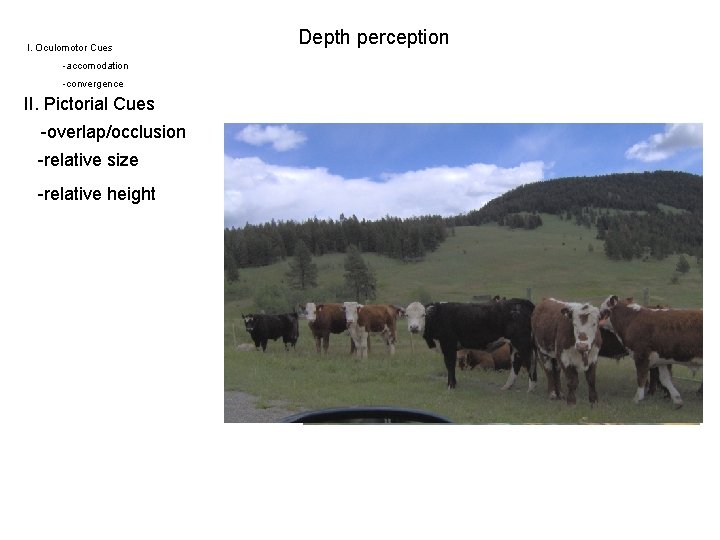
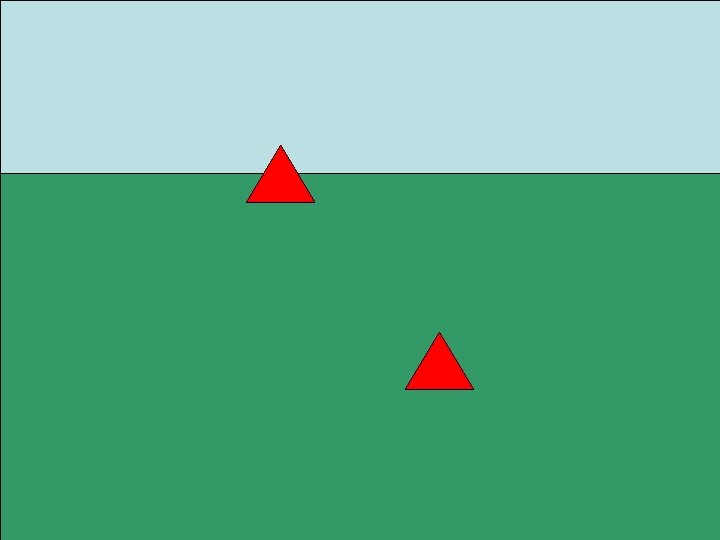
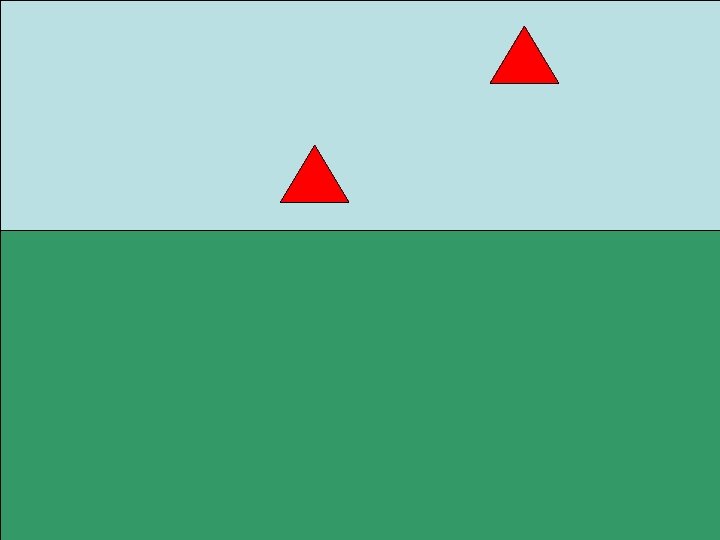
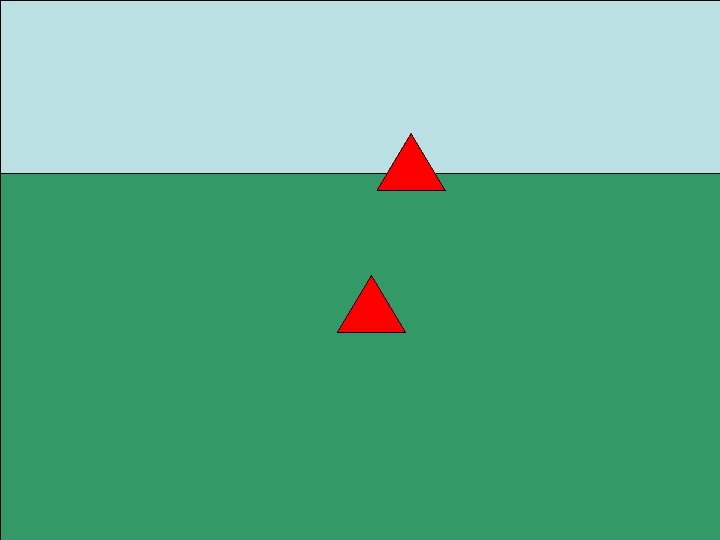
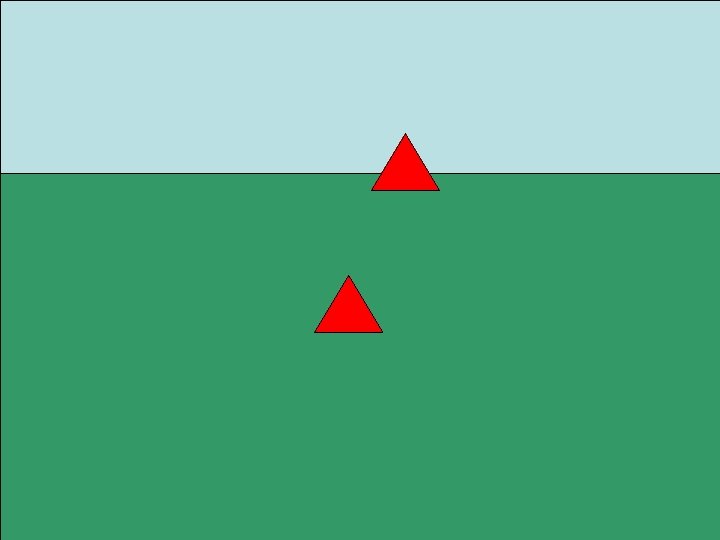
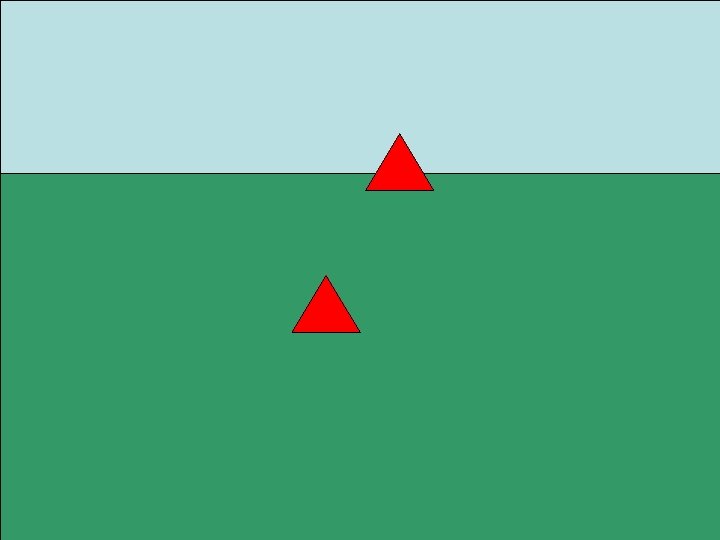
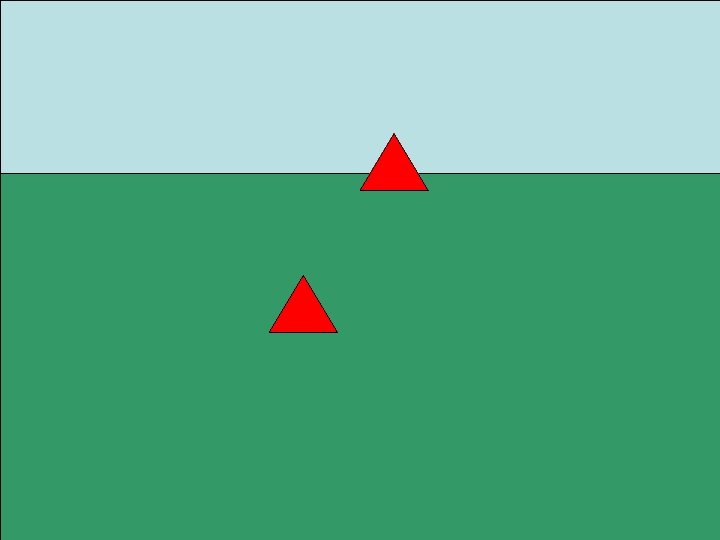
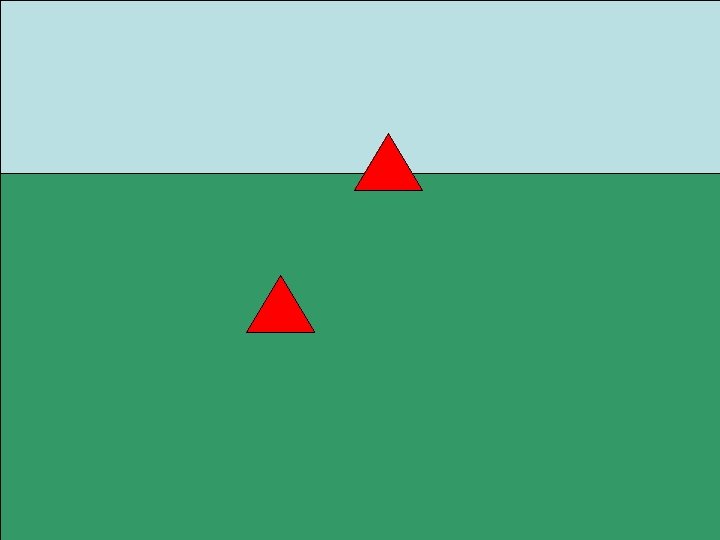
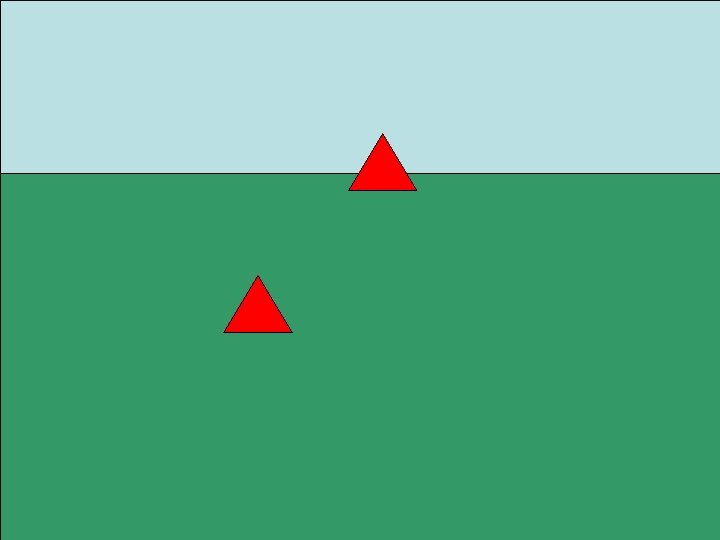
I. Oculomotor Cues -accomodation -convergence II. Pictorial Cues -overlap/occlusion -relative size -relative height Depth perception
Hearing
Hearing
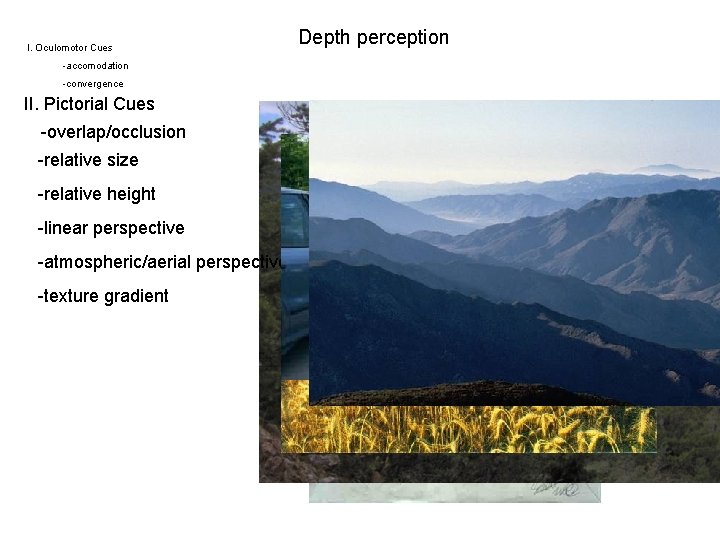
I. Oculomotor Cues -accomodation -convergence II. Pictorial Cues -overlap/occlusion -relative size -relative height -linear perspective -atmospheric/aerial perspective -texture gradient Depth perception
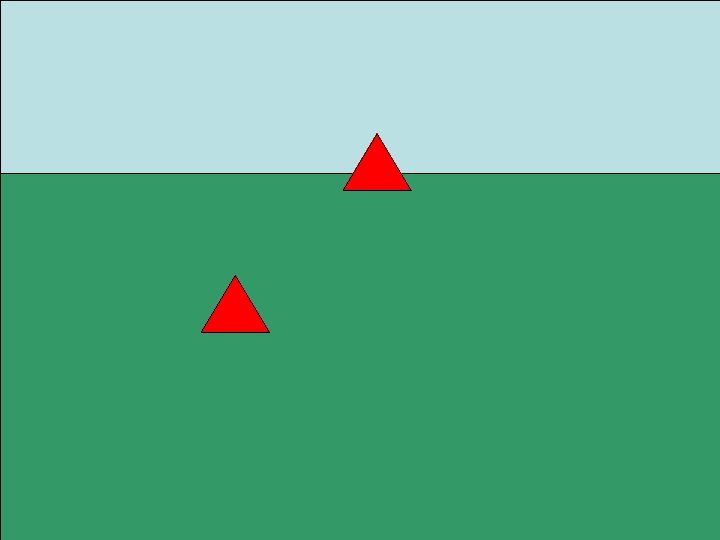
Movement-produced cues -Motion parallax
Hearing
Hearing
Hearing
Hearing
Hearing
Hearing
Hearing
Hearing
Hearing
Hearing
Hearing
Hearing
Hearing
Hearing
Hearing
Hearing
Hearing
Hearing
Hearing
Movement-produced cues -Motion parallax -optic flow
Movement-produced cues -Motion parallax -optic flow -deletion and accretion
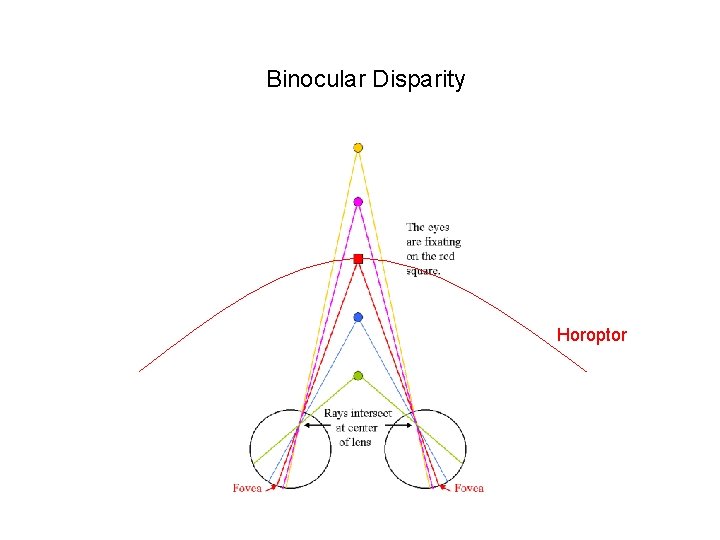
Binocular Disparity Horoptor
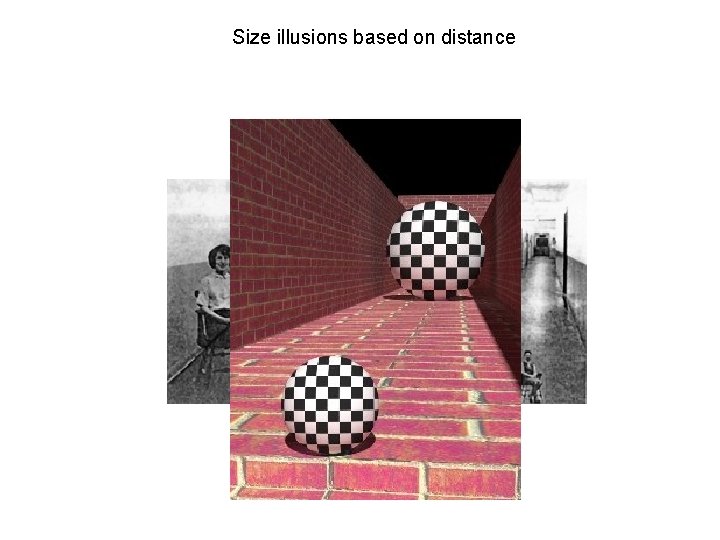
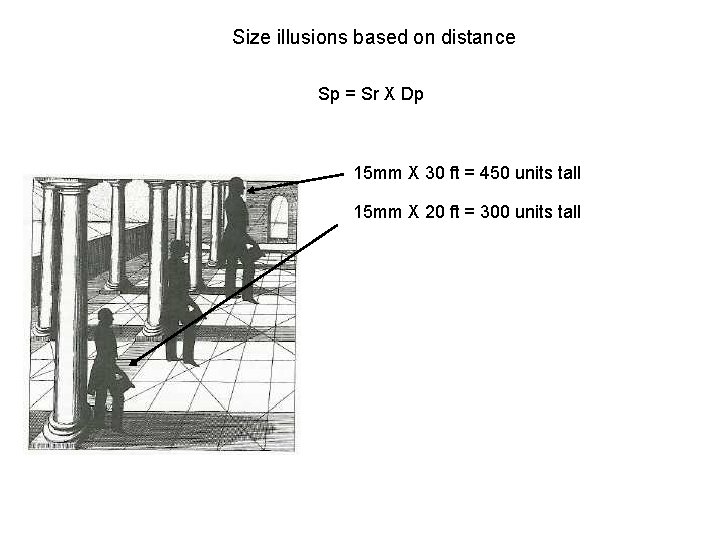
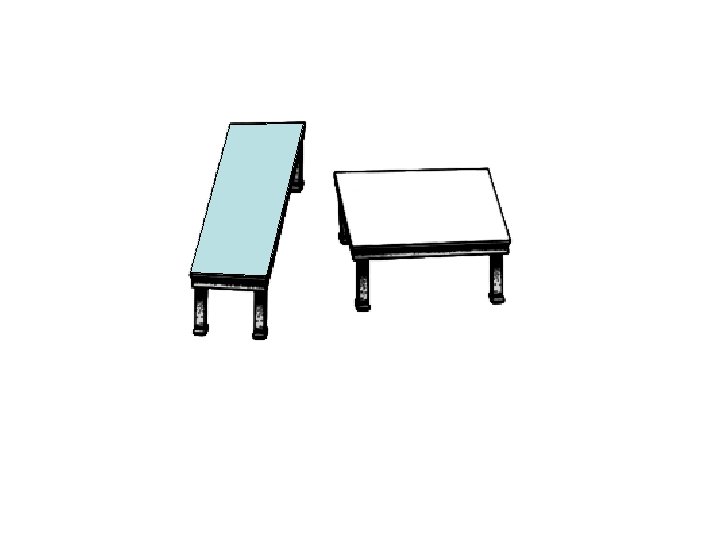
Size illusions based on distance
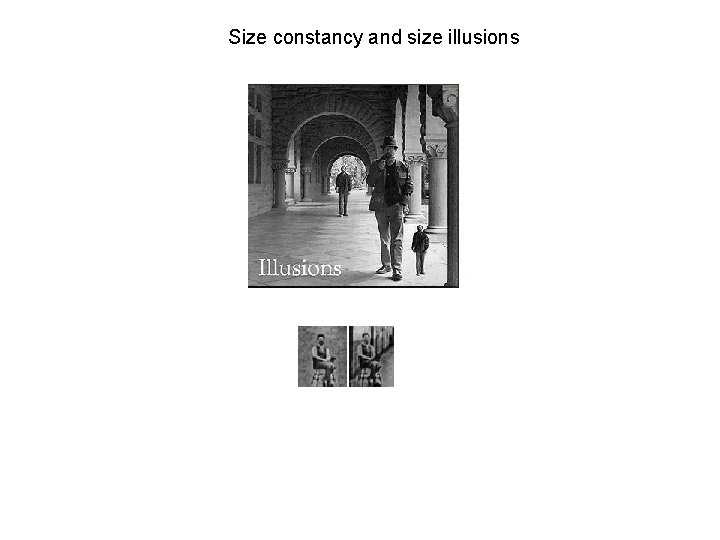
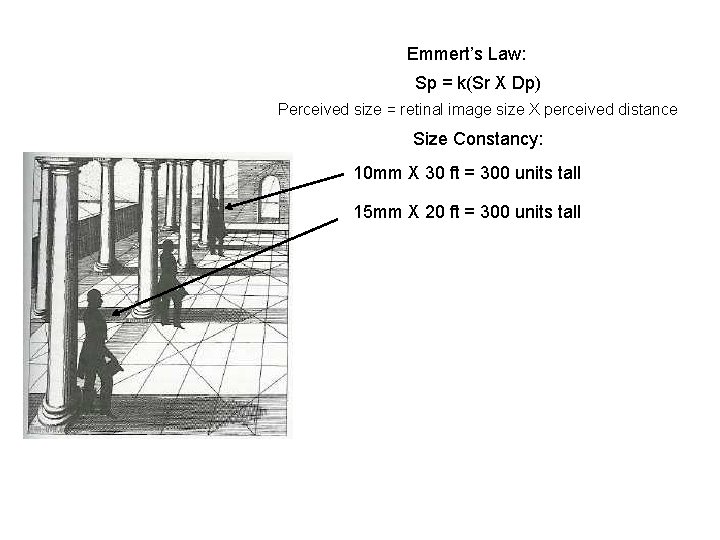
Size constancy and size illusions
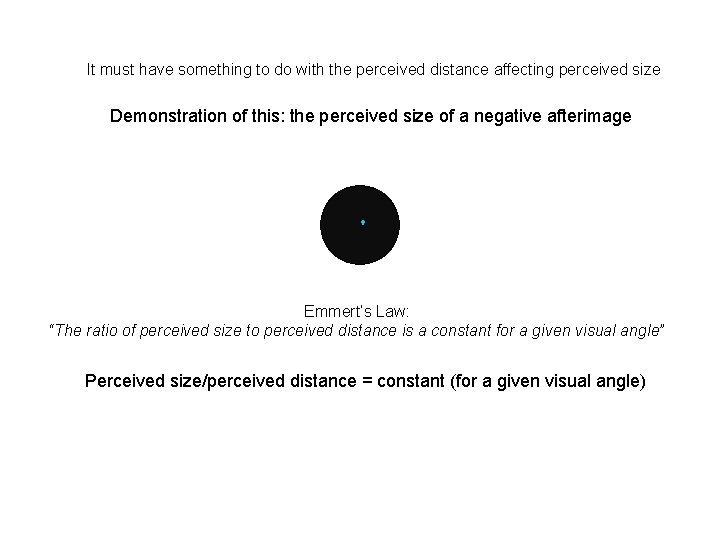
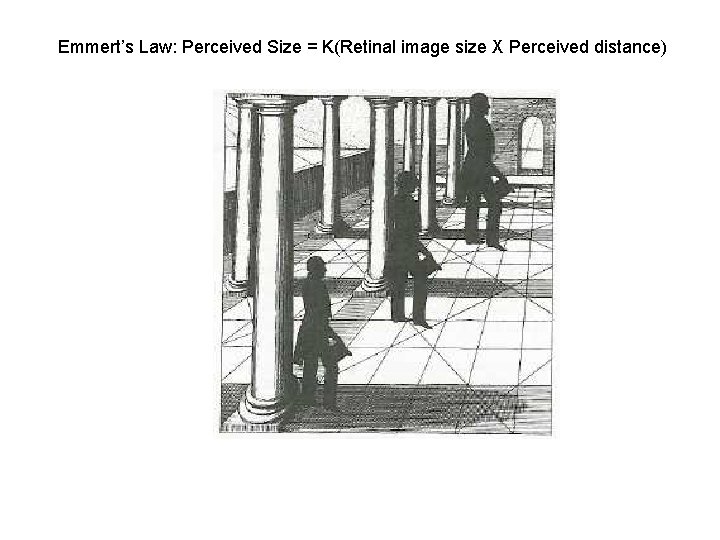
It must have something to do with the perceived distance affecting perceived size Demonstration of this: the perceived size of a negative afterimage Emmert’s Law: “The ratio of perceived size to perceived distance is a constant for a given visual angle” Perceived size/perceived distance = constant (for a given visual angle)
Emmert’s Law: for a given retinal image size, Perceived Size/distance = a constant (k)
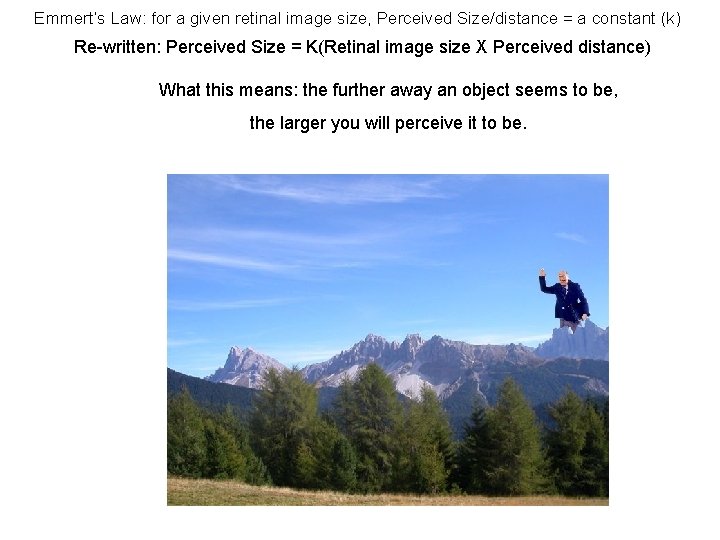
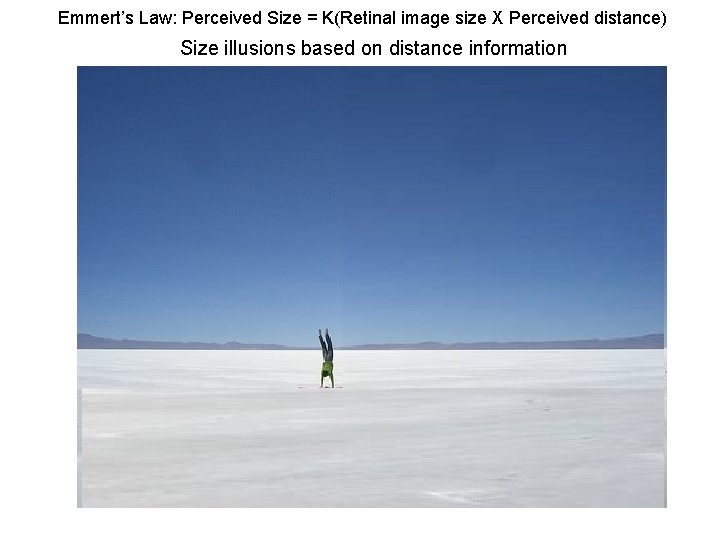
Emmert’s Law: for a given retinal image size, Perceived Size/distance = a constant (k) Re-written: Perceived Size = K(Retinal image size X Perceived distance) What this means: the further away an object seems to be, the larger you will perceive it to be.
Emmert’s Law: Perceived Size = K(Retinal image size X Perceived distance)
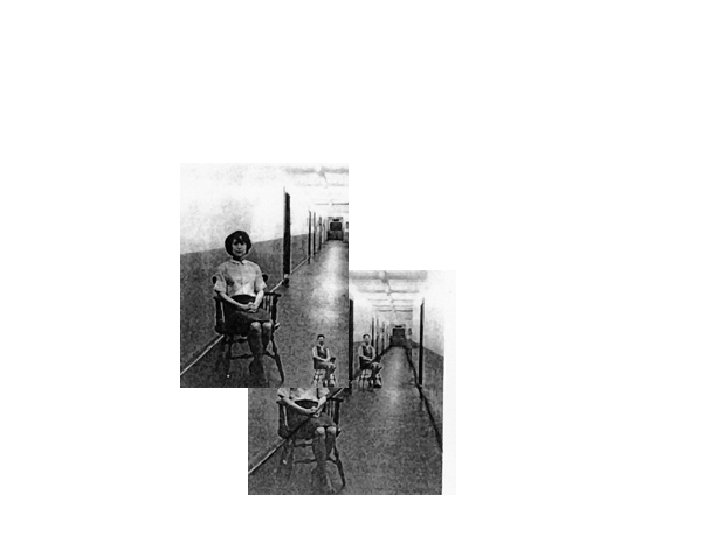
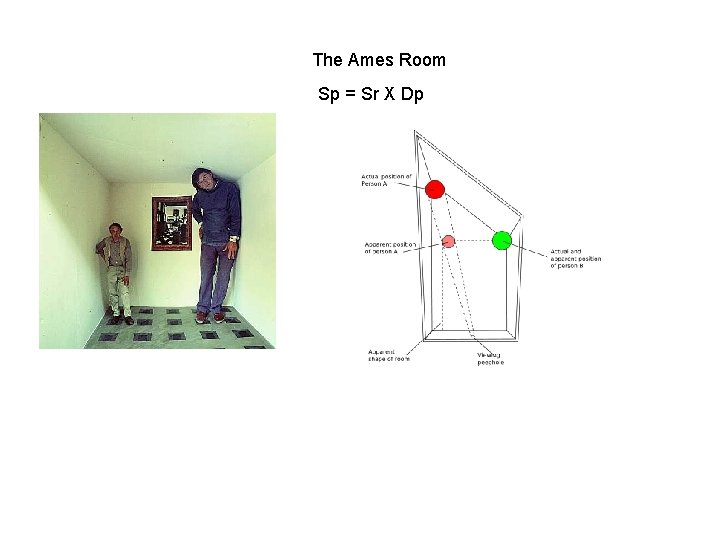
Size illusions based on distance Sp = Sr X Dp 15 mm X 30 ft = 450 units tall 15 mm X 20 ft = 300 units tall
Emmert’s Law: Sp = k(Sr X Dp) Perceived size = retinal image size X perceived distance Size Constancy: 10 mm X 30 ft = 300 units tall 15 mm X 20 ft = 300 units tall
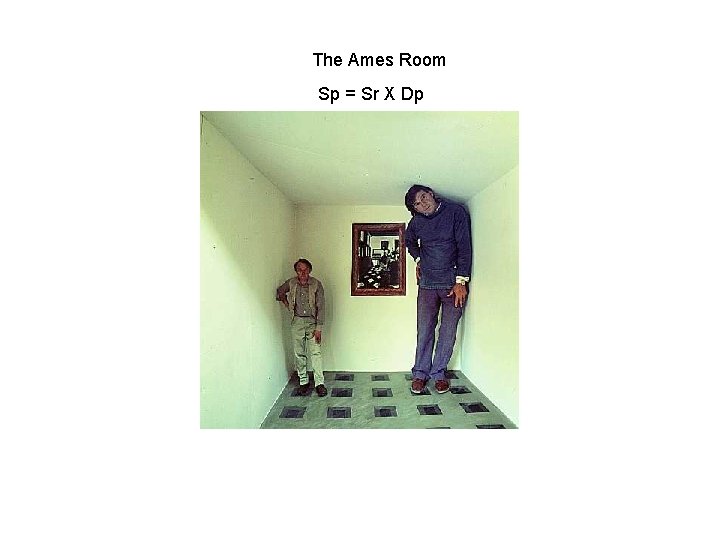
The Ames Room Sp = Sr X Dp
The Ames Room Sp = Sr X Dp
Emmert’s Law: Perceived Size = K(Retinal image size X Perceived distance) Size illusions based on distance information
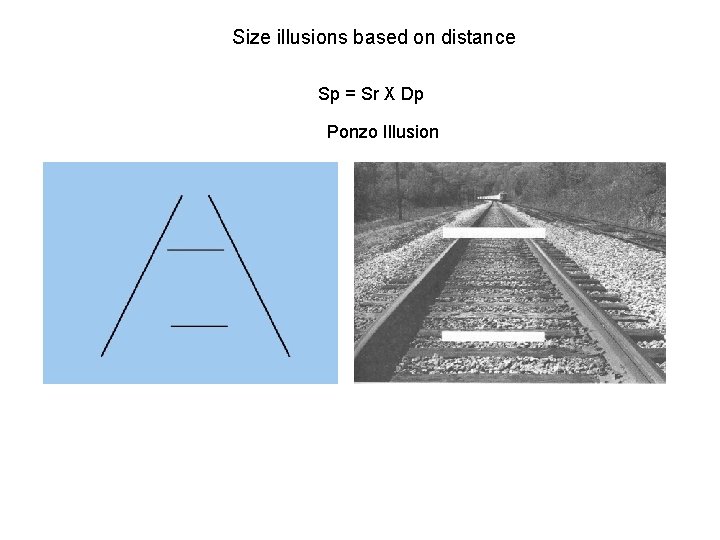
Size illusions based on distance Sp = Sr X Dp Ponzo Illusion
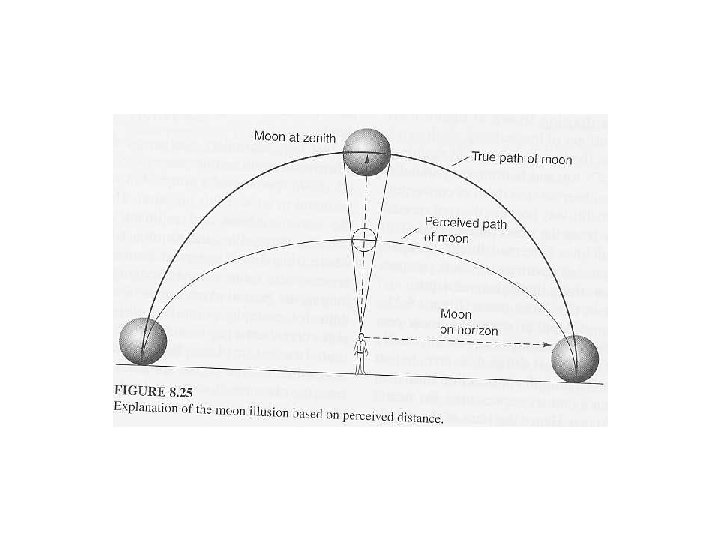
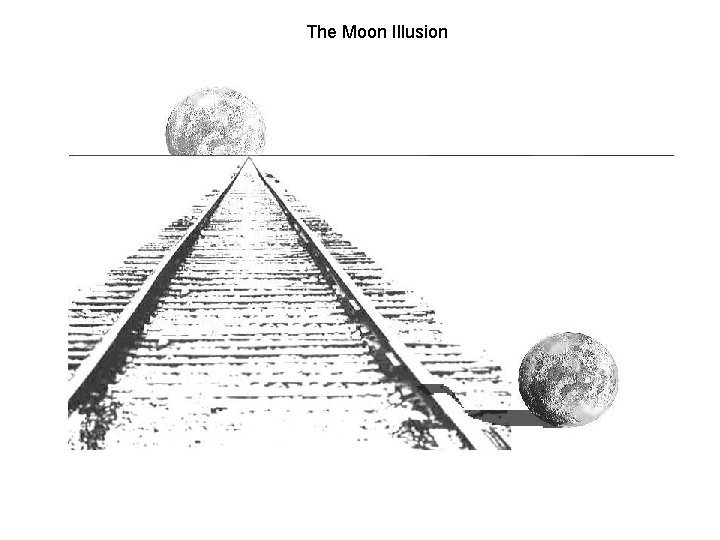
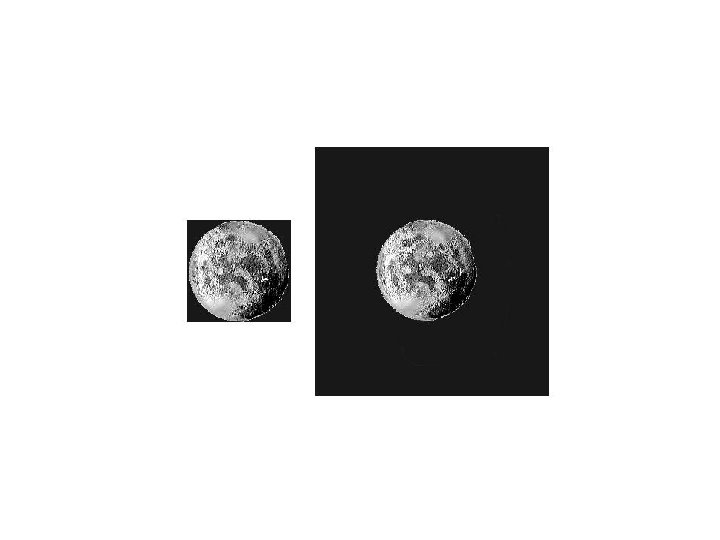
The Moon Illusion
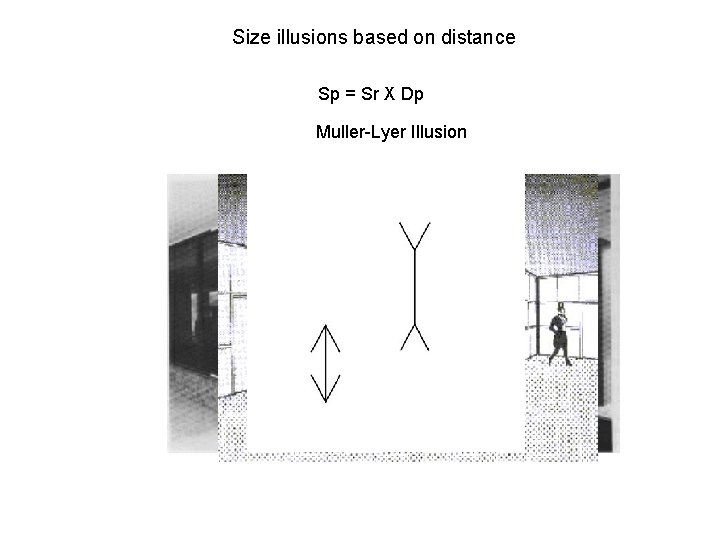
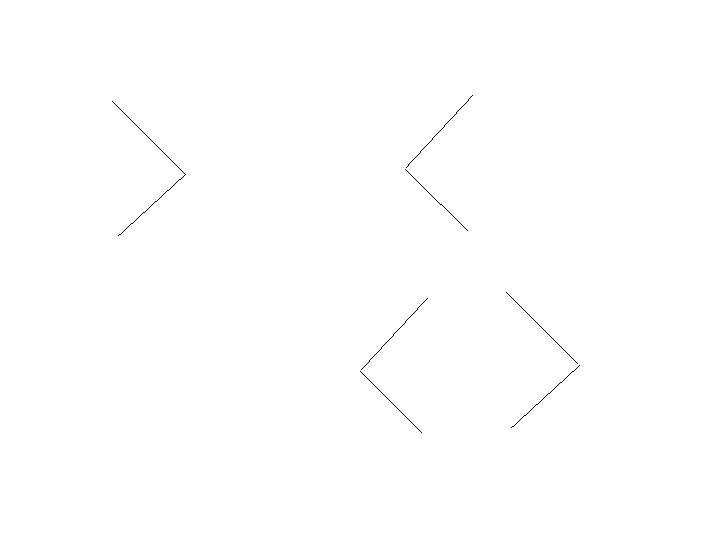
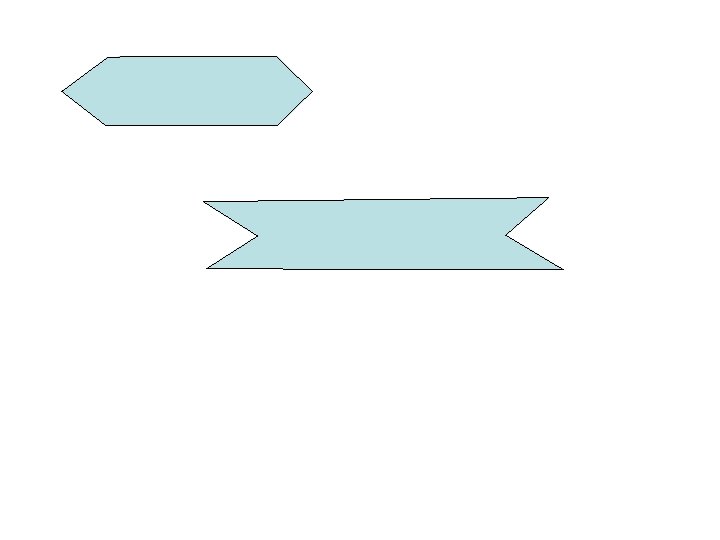
Size illusions based on distance Sp = Sr X Dp Muller-Lyer Illusion
Explanations: 1. Gregory’s Misapplied Size Constancy Scaling (based on Emmert’s Law) 2. Day’s Conflicting Cues Theory 3. Erlebacher & Sekuler’s Confusion Theory