
Deprescribing Demystified Lynsey E Brandt MD Pharm D
Deprescribing Demystified Lynsey E. Brandt, MD, Pharm. D Geriatrics Consult Program September 1, 2016
Geriatrics Consult Program Lynsey Brandt, MD, Pharm. D Falls Polypharmacy Medical Complexity Weight loss/ failure to thrive Delirium Depression/ Anxiety Insomnia, Urinary Incontinence, or Fatigue Need for Increased Social Support Driving Concerns Goals of Care Located at Wilmington Hospital Gateway Building, 5 th floor Scheduling: 302 -320 -6475
Deprescribing is….
Deprescribing is…. 1) A new way of thinking about medication use in older adults 2) A systematic approach to medication debridement 3) A catchy new term that DAFP created to get people to come to this conference 4) 1 & 2 5) 1, 2, & 3
Deprescribing is…. 1) A new way of thinking about medication use in older adults 2) A systematic approach to medication debridement 3) A catchy new term that DAFP created to get people to come to this conference 4) 1 & 2 5) 1, 2, & 3
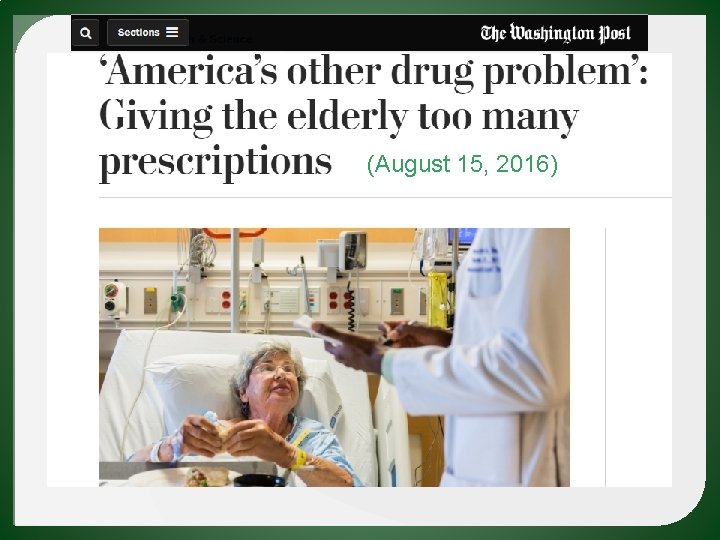
(August 15, 2016)
“This is America’s other drug problem — polypharmacy, ” Maristela Garcia, director of the inpatient geriatric unit at UCLA Medical “There a lot of souvenirs from being in the hospital: medicines they may not need, ” said David Reuben, chief of the geriatrics division at UCLA School of Medicine. “There’s a tendency in medicine every time we start a medicine to never stop it. ” Ken Covinsky, UCSF
Learning Objectives Understand principles of safe medication use in older adults (renal dosing, drug interactions) Identify medications which are high-risk in older adults (Beers list, Anticholinergics, and selected other examples) Review guidelines for deprescribing medications Provide deprescribing resources for providers and patients
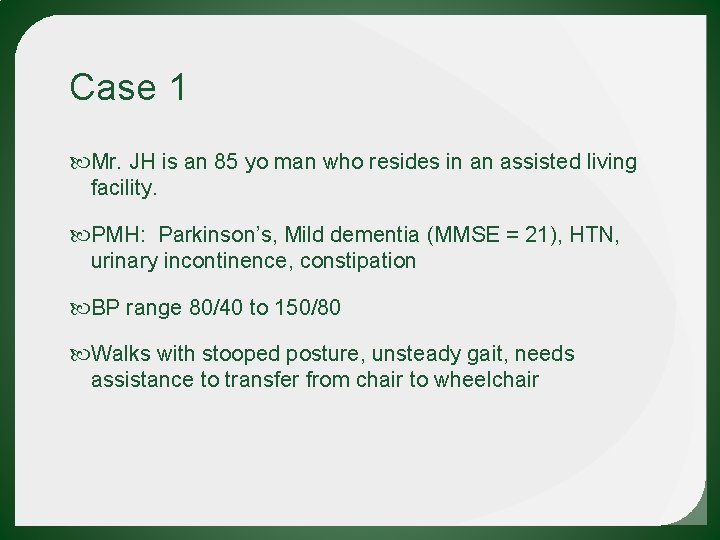
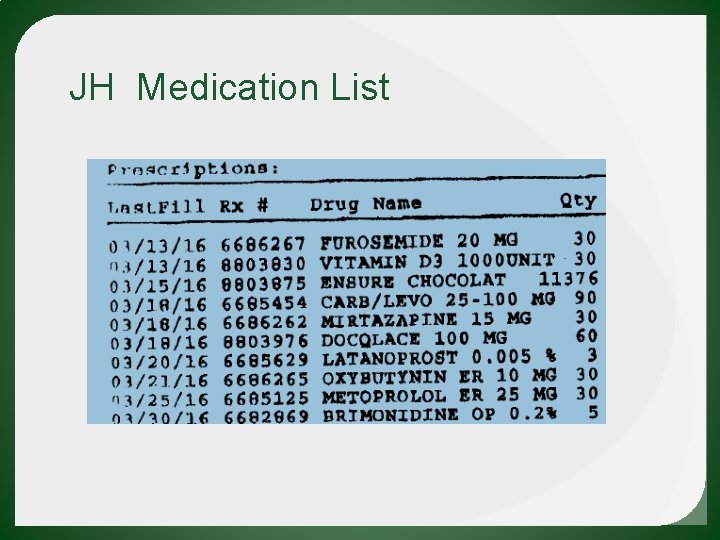
Case 1 Mr. JH is an 85 yo man who resides in an assisted living facility. PMH: Parkinson’s, Mild dementia (MMSE = 21), HTN, urinary incontinence, constipation BP range 80/40 to 150/80 Walks with stooped posture, unsteady gait, needs assistance to transfer from chair to wheelchair
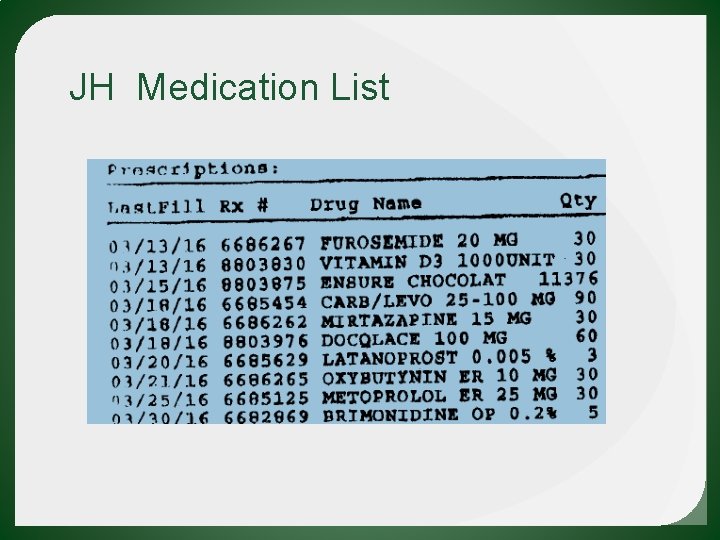
JH Medication List

JH (Cont) Pt and family asking whether all these meds are needed… “Hx of falls. Assist with meds. ” “No prior hx of HTN - on metoprolol after one elevated BP reading. Dtr wonders if over-medicated. ” “Dtr asking why bladder med needed since he wears a brief” “Family also asking why needs water pill, as ankles have not been swollen. ” Illustrates importance of having an advocate More about JH later…
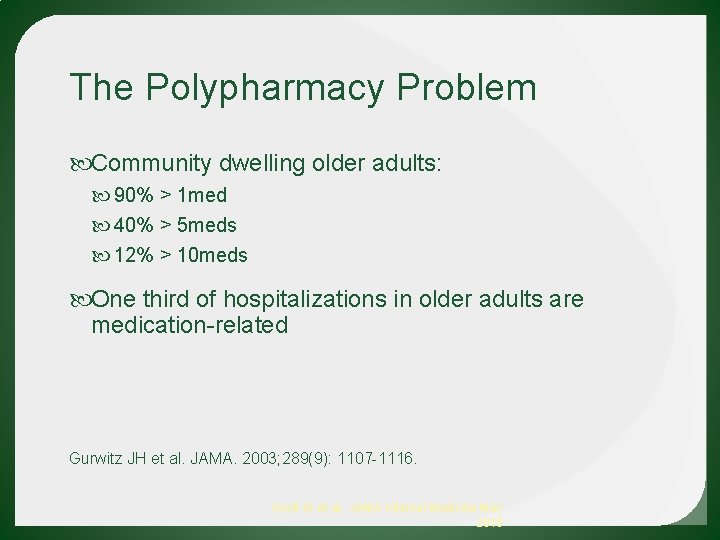
The Polypharmacy Problem Community dwelling older adults: 90% > 1 med 40% > 5 meds 12% > 10 meds One third of hospitalizations in older adults are medication-related Gurwitz JH et al. JAMA. 2003; 289(9): 1107 -1116. Scott IA et al. JAMA Internal Medicine May 2015
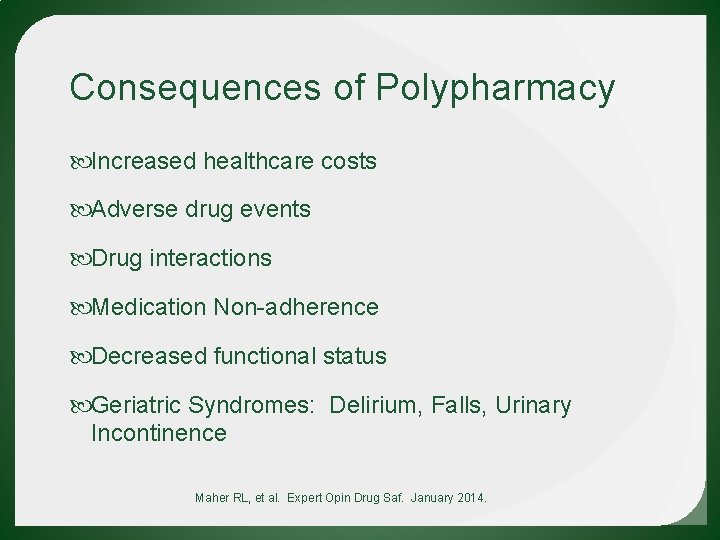
Consequences of Polypharmacy Increased healthcare costs Adverse drug events Drug interactions Medication Non-adherence Decreased functional status Geriatric Syndromes: Delirium, Falls, Urinary Incontinence Maher RL, et al. Expert Opin Drug Saf. January 2014.
How can we address polypharmacy? Utilizing age-appropriate prescribing principles Minimizing use of potentially inappropriate medications Deprescribing when possible
Principles of Medication Use in Older Adults
Principles of Medication Use in Older Adults Renal Dosing Drug Interactions “Start Low and Go Slow” Beware of the Prescribing Cascade Potentially Inappropriate Medications
Renal Dosing Renal function declines with age Renal mass declines by 20 -25% from age 30 to 80 Glomerular Filtration Rate decreases by 10% per decade of life after age 30
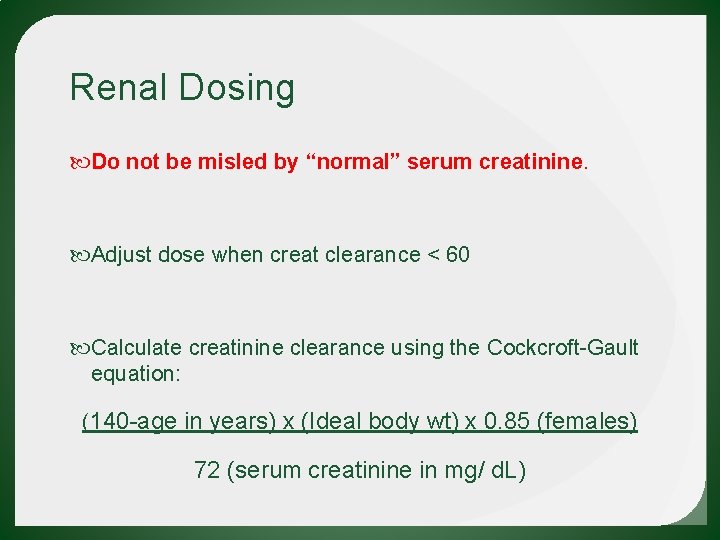
Renal Dosing Do not be misled by “normal” serum creatinine. Adjust dose when creat clearance < 60 Calculate creatinine clearance using the Cockcroft-Gault equation: (140 -age in years) x (Ideal body wt) x 0. 85 (females) 72 (serum creatinine in mg/ d. L)
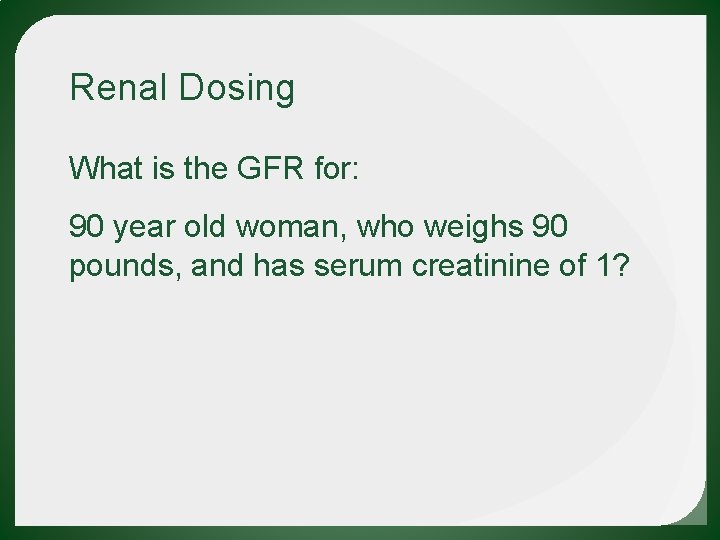
Renal Dosing What is the GFR for: 90 year old woman, who weighs 90 pounds, and has serum creatinine of 1?
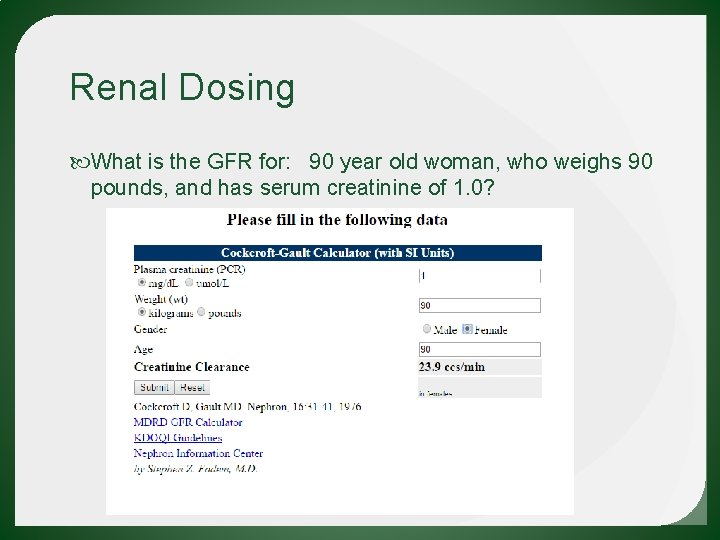
Renal Dosing What is the GFR for: 90 year old woman, who weighs 90 pounds, and has serum creatinine of 1. 0?
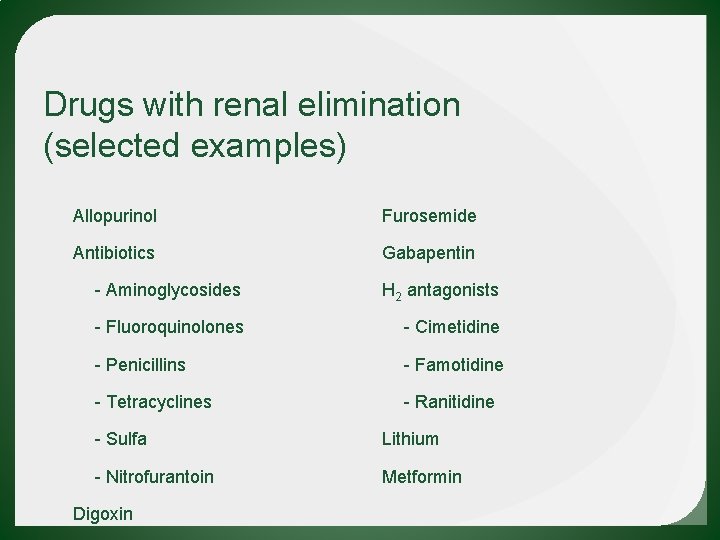
Drugs with renal elimination (selected examples) Allopurinol Furosemide Antibiotics Gabapentin - Aminoglycosides H 2 antagonists - Fluoroquinolones - Cimetidine - Penicillins - Famotidine - Tetracyclines - Ranitidine - Sulfa Lithium - Nitrofurantoin Metformin Digoxin
Drug Interactions
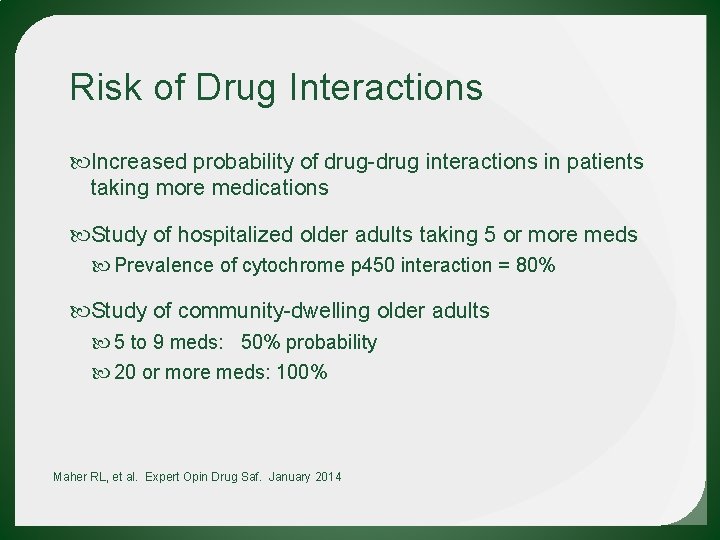
Risk of Drug Interactions Increased probability of drug-drug interactions in patients taking more medications Study of hospitalized older adults taking 5 or more meds Prevalence of cytochrome p 450 interaction = 80% Study of community-dwelling older adults 5 to 9 meds: 50% probability 20 or more meds: 100% Maher RL, et al. Expert Opin Drug Saf. January 2014
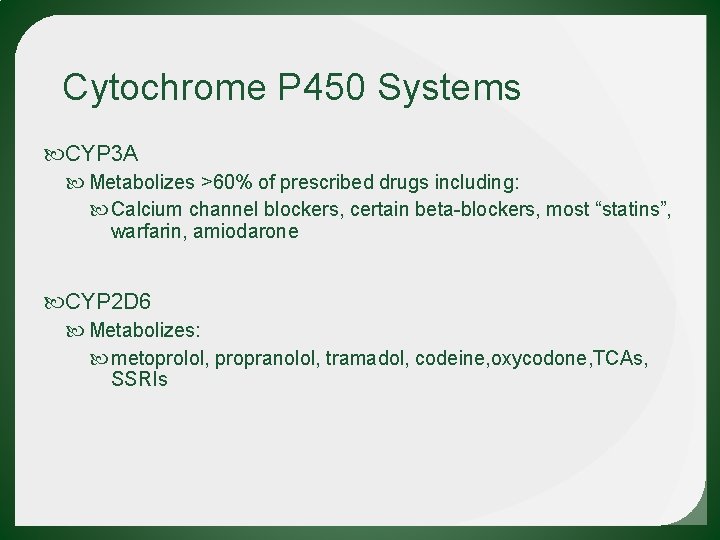
Cytochrome P 450 Systems CYP 3 A Metabolizes >60% of prescribed drugs including: Calcium channel blockers, certain beta-blockers, most “statins”, warfarin, amiodarone CYP 2 D 6 Metabolizes: metoprolol, propranolol, tramadol, codeine, oxycodone, TCAs, SSRIs
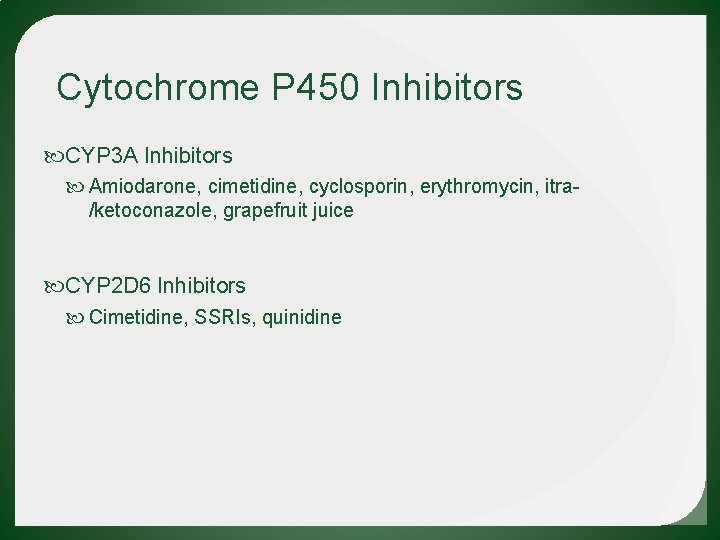
Cytochrome P 450 Inhibitors CYP 3 A Inhibitors Amiodarone, cimetidine, cyclosporin, erythromycin, itra/ketoconazole, grapefruit juice CYP 2 D 6 Inhibitors Cimetidine, SSRIs, quinidine
My approach to Drug Interactions Be aware of drugs frequently implicated Warfarin Amiodarone Calcium channel blockers Statins SSRI QTc-prolonging agents (atypical antipsychotics, fluoroquinolones, citalopram) Take the time to review the interactions in the EMR
Strategies to check for drug interactions Micromedex/ Lexicomp Epocrates The pharmacist!!
Potentially Inappropriate Medications
The Beers List of drugs which are potentially inappropriate in the elderly Developed by consensus panel of geriatricians in 1991 Used by regulators to evaluate nursing home medication lists Utilized by third party payors to evaluate medication lists
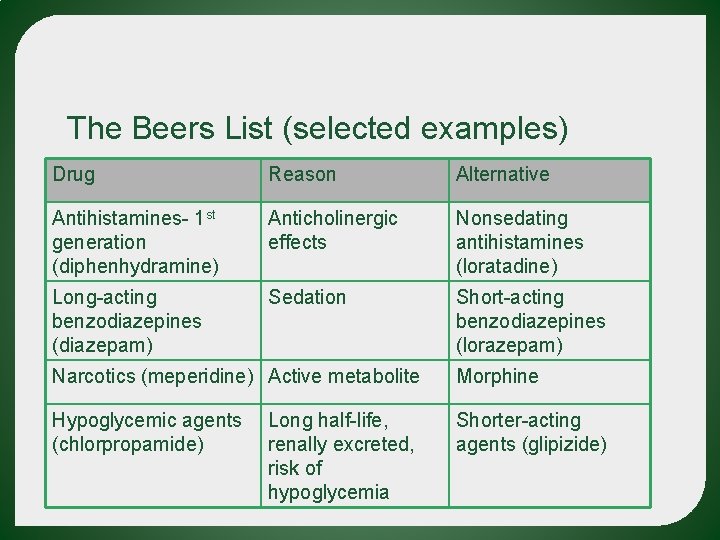
The Beers List (selected examples) Drug Reason Alternative Antihistamines- 1 st generation (diphenhydramine) Anticholinergic effects Nonsedating antihistamines (loratadine) Long-acting benzodiazepines (diazepam) Sedation Short-acting benzodiazepines (lorazepam) Narcotics (meperidine) Active metabolite Morphine Hypoglycemic agents (chlorpropamide) Shorter-acting agents (glipizide) Long half-life, renally excreted, risk of hypoglycemia
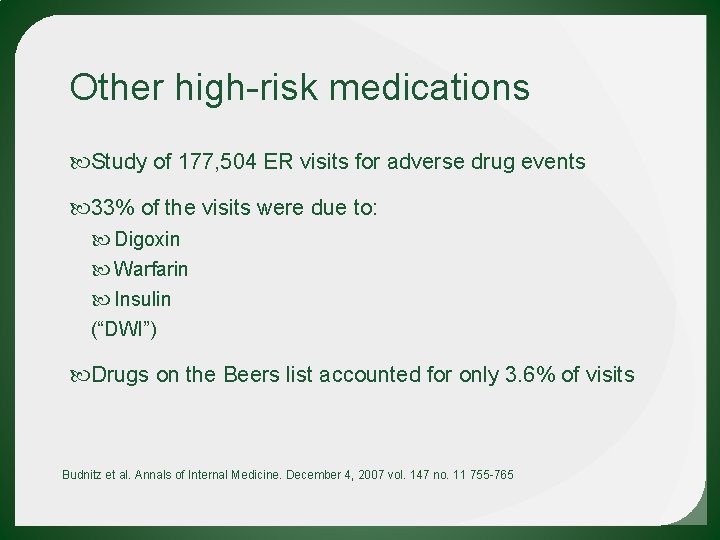
Other high-risk medications Study of 177, 504 ER visits for adverse drug events 33% of the visits were due to: Digoxin Warfarin Insulin (“DWI”) Drugs on the Beers list accounted for only 3. 6% of visits Budnitz et al. Annals of Internal Medicine. December 4, 2007 vol. 147 no. 11 755 -765
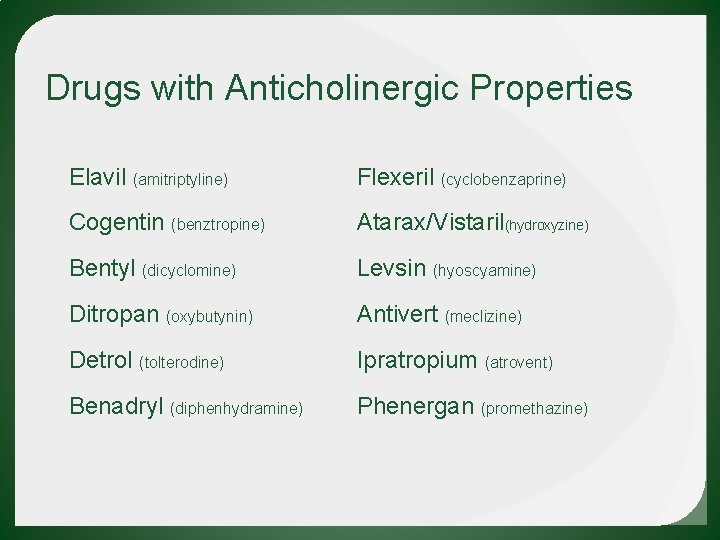
Drugs with Anticholinergic Properties Elavil (amitriptyline) Flexeril (cyclobenzaprine) Cogentin (benztropine) Atarax/Vistaril(hydroxyzine) Bentyl (dicyclomine) Levsin (hyoscyamine) Ditropan (oxybutynin) Antivert (meclizine) Detrol (tolterodine) Ipratropium (atrovent) Benadryl (diphenhydramine) Phenergan (promethazine)

Prescribing Cascade Could this apply to pt JH?
Deprescribing
Case 2: LG 90 yr old woman PMH Hypertrophic cardiomyopathy Osteoporosis Memory loss Reason for consultation: Weakness Medications : Furosemide 20 mg 3 x/wk, Calcium, Vit D, Alprazolam 0. 25 mg daily at bedtime
LG (cont. ) Pt reports that she has been taking alprazolam daily at bedtime since her husband passed away in 2007 She has a history of 2 prior falls, which she attributes to tripping You want to address the long-term benzodiazepine use, but have discussed this with her previously & she was not interested in stopping the medication. How to proceed? What resources exist to help address this problem?
Deprescribing Definition: The systematic process of identifying and discontinuing drugs in instances in which existing or potential harms outweigh existing or potential benefits within the context of an individual patient’s care goals, current level of functioning, life expectancy, values, and preferences. Scott IA et al. JAMA Internal Medicine May 2015
Definition (cont) Patient-centered Involves inherent uncertainties Requires: Shared decision-making Informed consent Close monitoring of effects Scott IA et al. JAMA Internal Medicine May 2015
When to consider deprescribing? Patient presents with new symptoms which could be adverse drug effect (i. e. falls, confusion, fatigue) End-stage disease/ terminal illness Receiving high-risk drugs/ combinations Receiving preventive drugs in scenarios where drug can be safely discontinued (i. e. d/c bisphonate after 5 years with no increase in osteoporotic fracture risk over the ensuing 5 years) Scott IA et al. JAMA Internal Medicine May 2015
40 Priority Drugs for Deprescribing Aim to ID and prioritize med classes where evidencebased deprescribing guidelines would be of benefit Survey of 65 Canadian geriatrics experts (36 pharmacists, 19 physicians, 10 CRNP) Modified Delphi approach 5 priorities: benzodiazepines, atypical antipsychotics, statins, tricyclic antidepressants, and proton pump inhibitors. Farrell B, et al. Plos ONE. Jan 1 2015. Vol 10 Issue 4. re
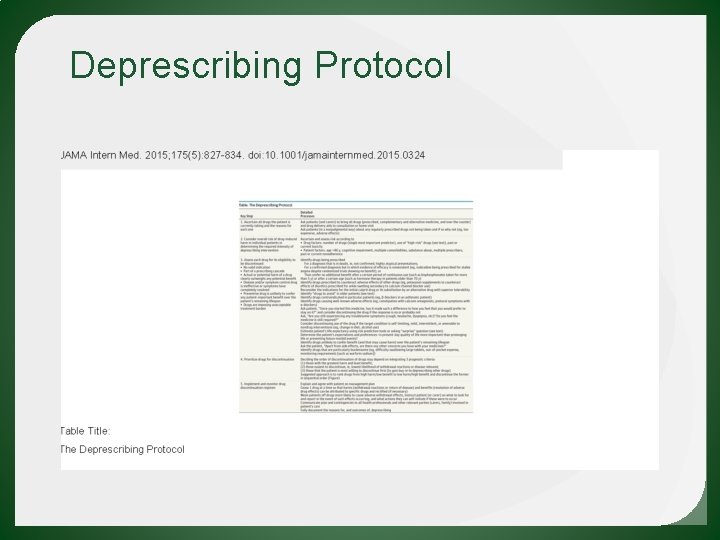
Deprescribing Protocol
5 Steps of Deprescribing* 1. ) Ascertain all drugs the patient is currently taking and reasons for each one 2. ) Consider overall risk of drug-induced harm in individual patients to determine the appropriate intensity of deprescribing intervention 3. ) Assess each drug in regard to its current or future benefit potential compared with current or future harm / burden potential Scott IA et al. JAMA Internal Medicine May 2015
5 Steps (cont). * 4. ) Prioritize drugs for discontinuation that have the lowest benefit-harm ratio and lowest likelihood of adverse withdrawal reactions or disease rebound syndromes 5. ) Implement a discontinuation regimen and monitor patients closely for improvement in outcomes or onset of adverse effects. *These steps can be applied to a patient of any age who takes multiple long-term medications Scott IA et al. JAMA Internal Medicine May 2015
Deprescribing Protocol (cont. ) Current indications Why/ when started? Was diagnosis substantiated? Prescribing cascade Is there continued benefit? Are other nonpharmacologic therapies available?
Deprescribing Protocol (cont. ) Is patient actually taking the drug? Does drug fit with patient’s life circumstances? Advanced dementia Metastatic cancer Does likely benefit of drug outweigh potential for harm? Consider “high-risk” drug classes: opioids, benzos, psychotropic drugs, NSAIDs, Anticoagulants, digoxin, cardiac drugs, hypoglycemic agents, anticholinergic drugs.
Deprescribing Protocol (cont. ) Group drugs into 2 categories: 1. ) Disease/ symptom control 2. ) Preventive
Deprescribing: Evidence of Efficacy Drug withdrawal trials Multifaceted interventions aimed at reducing inappropriate prescribing across multiple drug classes and settings Scott IA et al. JAMA Internal Medicine May 2015
Drug Withdrawal Trials Systematic review of 31 withdrawal trials (15 RCT, 16 observational) Pts 65 and over Multiple drug categories: Antihypertensives, psychotropics, benzodiazepines Dc’d without harm in 20 to 100% of patients *Reduction in falls and improvement in cognitive and psychomotor function (Psychotropics, Benzos) Also replicated in another review (van der Cammen) Iyer at al. Drugs Aging, 2008: 25(12)1021 -1032.
Drug withdrawal trials (cont. ) Review of 9 randomized-trials Demonstrated safety of withdrawing antipsychotic agents Used for behavioral and psychologic symptoms of dementia 80% of participants with dementia were able to safely stop antipsychotics Declercq T et al. Cochrane Database Syst Rev. 2013.
Drug withdrawal trials (cont. ) Australian National Blood Pressure study Not designed as deprescribing trial Found that 37% of participants remained normotensive 1 yr after drug withdrawal Neson MR, et al. BMJ. 2002.
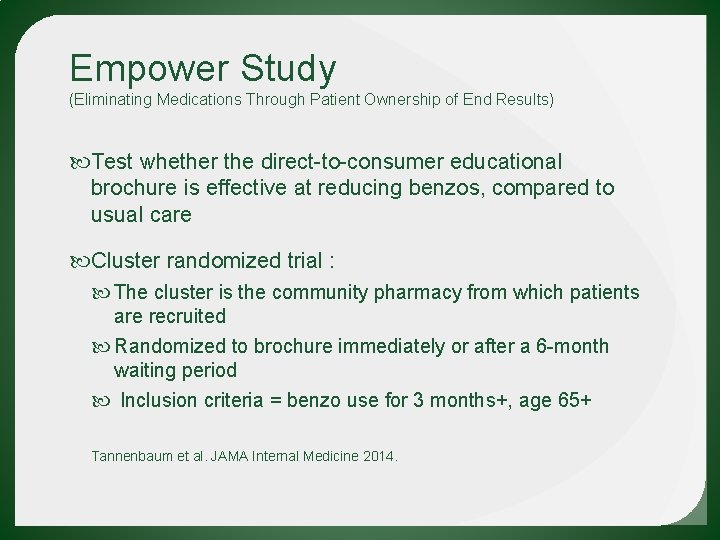
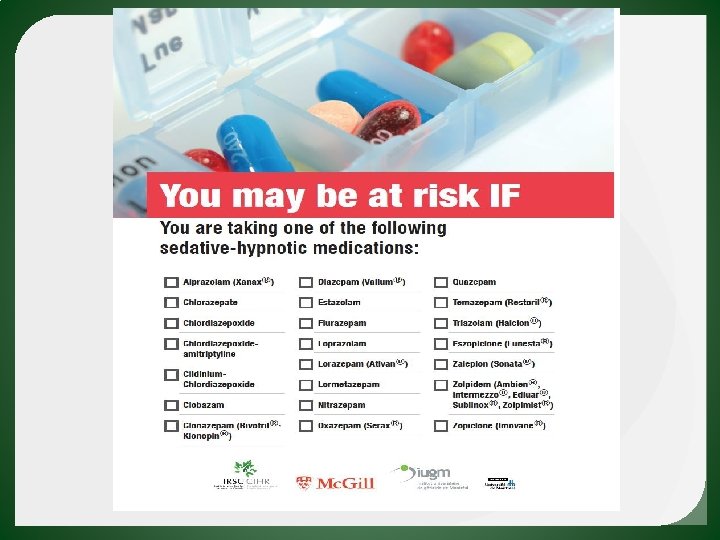
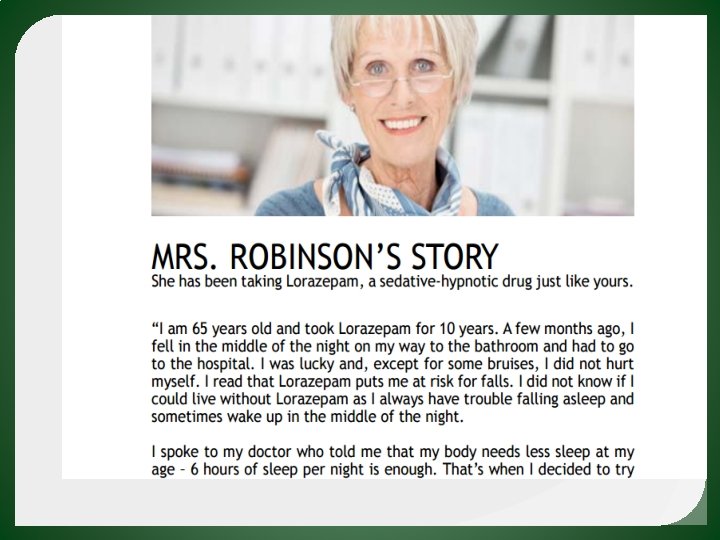
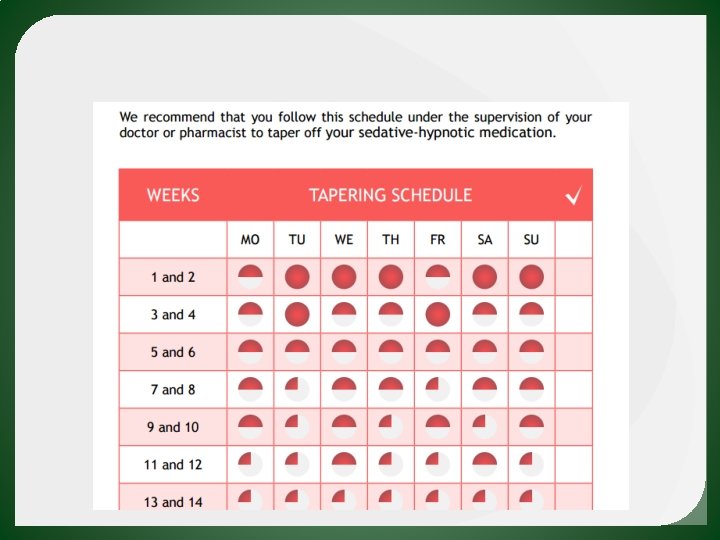
Empower Study (Eliminating Medications Through Patient Ownership of End Results) Test whether the direct-to-consumer educational brochure is effective at reducing benzos, compared to usual care Cluster randomized trial : The cluster is the community pharmacy from which patients are recruited Randomized to brochure immediately or after a 6 -month waiting period Inclusion criteria = benzo use for 3 months+, age 65+ Tannenbaum et al. JAMA Internal Medicine 2014.
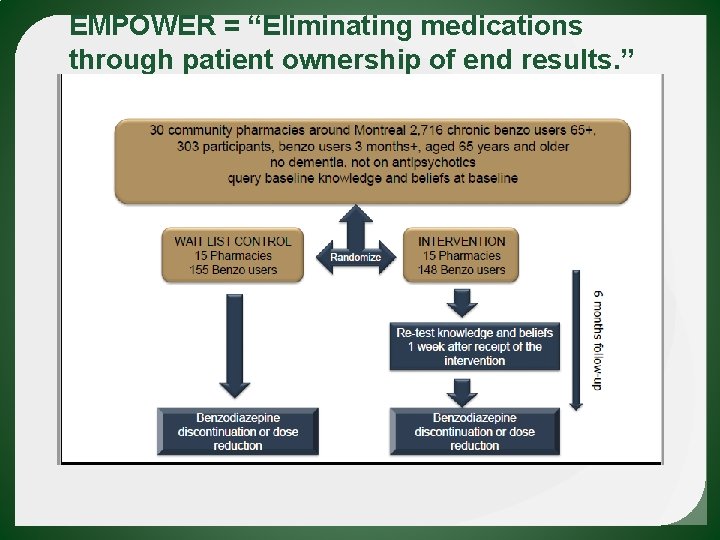
EMPOWER = “Eliminating medications through patient ownership of end results. ” ownership of end results”
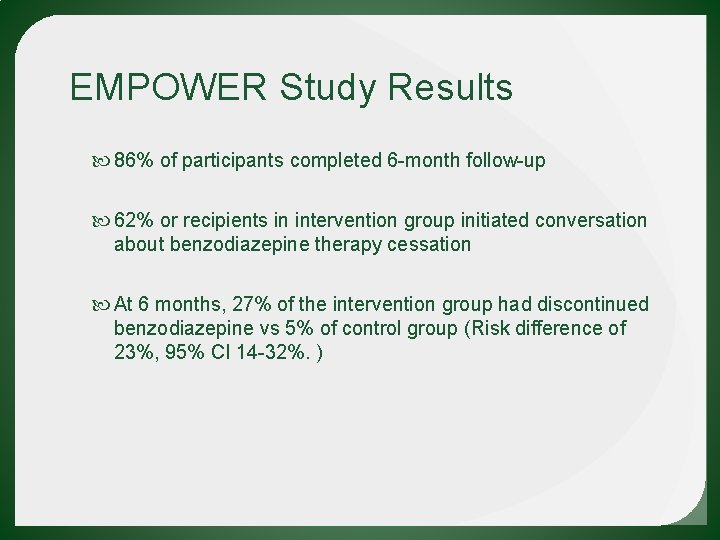
EMPOWER Study Results 86% of participants completed 6 -month follow-up 62% or recipients in intervention group initiated conversation about benzodiazepine therapy cessation At 6 months, 27% of the intervention group had discontinued benzodiazepine vs 5% of control group (Risk difference of 23%, 95% CI 14 -32%. )
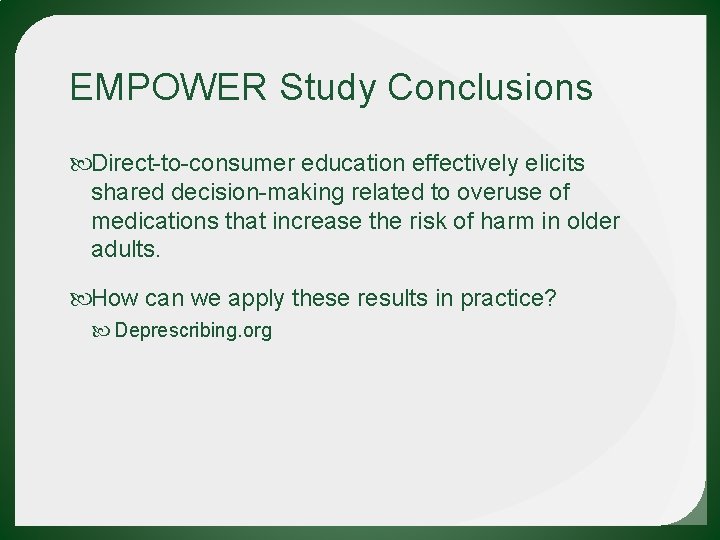
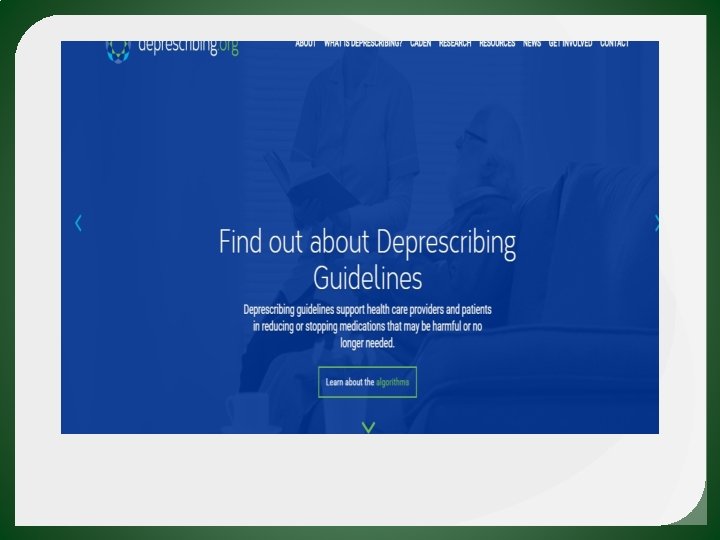
EMPOWER Study Conclusions Direct-to-consumer education effectively elicits shared decision-making related to overuse of medications that increase the risk of harm in older adults. How can we apply these results in practice? Deprescribing. org
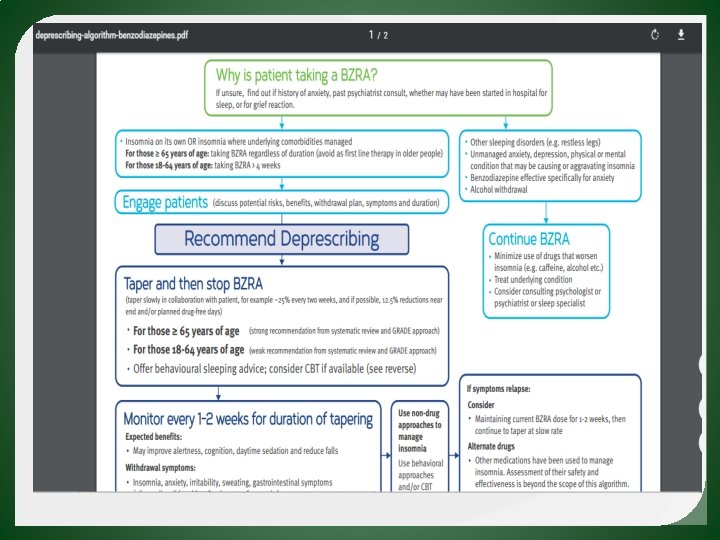
Summary: Strategies for successful deprescribing Empowered patients Query pts about adverse effects Practical guidance on how to safely wean particular classes of drugs
Barriers to Deprescribing Clinical complexity Time constraints Multiple prescribers Incomplete information Ambiguous / changing goals of care Uncertainty about benefits/ harms or continuing or stopping certain meds “More is better” philosophy
JH Medication List
Case 1 (JH) follow-up BP 100/60 - reduced lasix to 3 x/ wk Reduced oxybutynin to 5 mg daily – no apparent chg in sx
Case 1 (JH) follow-up Follow-up visit: BP- follow-up -now on lasix 3 x/ wk. States had SBP 150 this AM. BP on my exam 80/40 DC’d lasix Metoprolol may also be dc’d No change in urinary symptoms on lower dose oxybutynin
Case 2 (LG) Follow-up At time of last visit, LG was contemplating a change in her alprazolam usage Plan to implement Deprescribing. org resources…
Geriatrics Consult Program Lynsey Brandt, MD, Pharm. D Falls Polypharmacy Medical Complexity Weight loss/ failure to thrive Delirium Depression/ Anxiety Insomnia, Urinary Incontinence, or Fatigue Need for Increased Social Support Driving Concerns Goals of Care Located at Wilmington Hospital Gateway Building, 5 th floor Scheduling: 302 -320 -6475
Questions?
- Slides: 67