
DEMOGRAPHY What is DEMOGRAPHY The study of human





- Slides: 22
DEMOGRAPHY
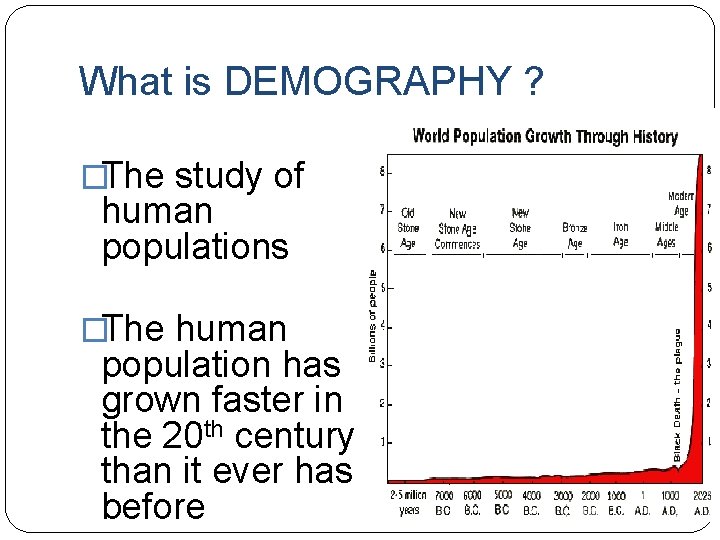
What is DEMOGRAPHY ? �The study of human populations �The human population has grown faster in the 20 th century than it ever has before
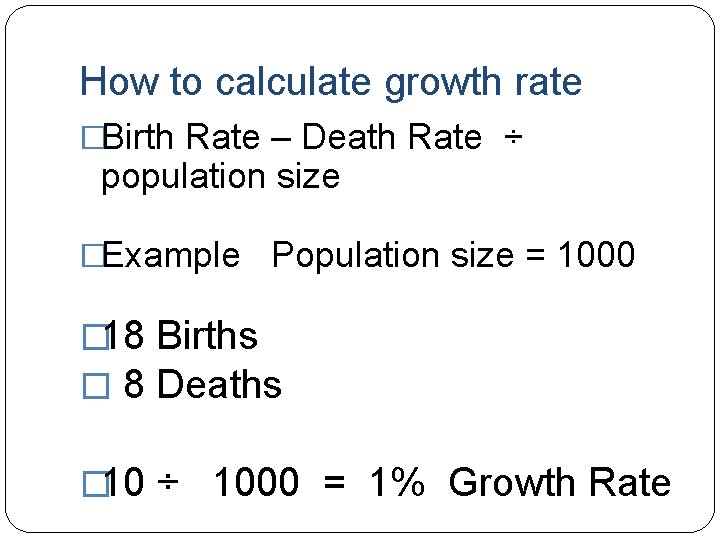
How to calculate growth rate �Birth Rate – Death Rate ÷ population size �Example Population size = 1000 � 18 Births � 8 Deaths � 10 ÷ 1000 = 1% Growth Rate
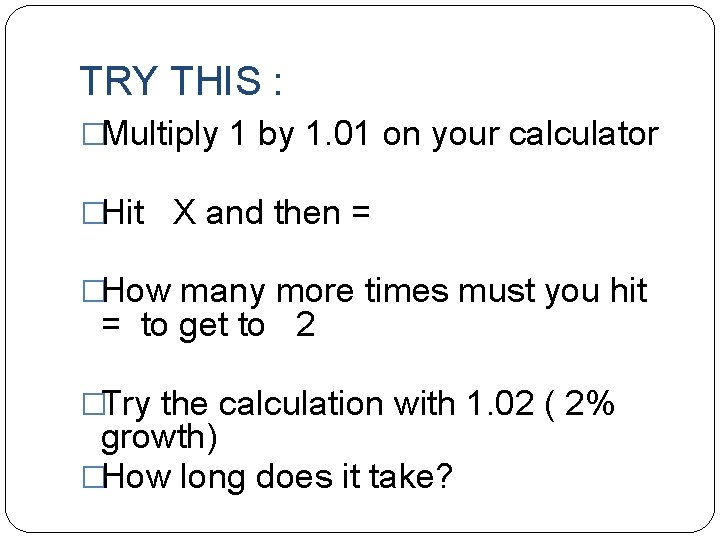
TRY THIS : �Multiply 1 by 1. 01 on your calculator �Hit X and then = �How many more times must you hit = to get to 2 �Try the calculation with 1. 02 ( 2% growth) �How long does it take?
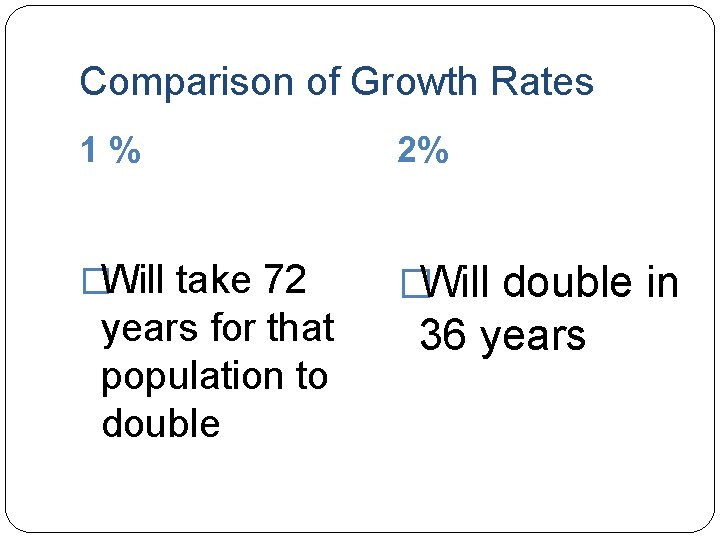
Comparison of Growth Rates 1% 2% �Will take 72 �Will double in years for that population to double 36 years
What do DEMOGRAPHERS STUDY? � Historical size and makeup of populations � Economic and Social factors that affect growth
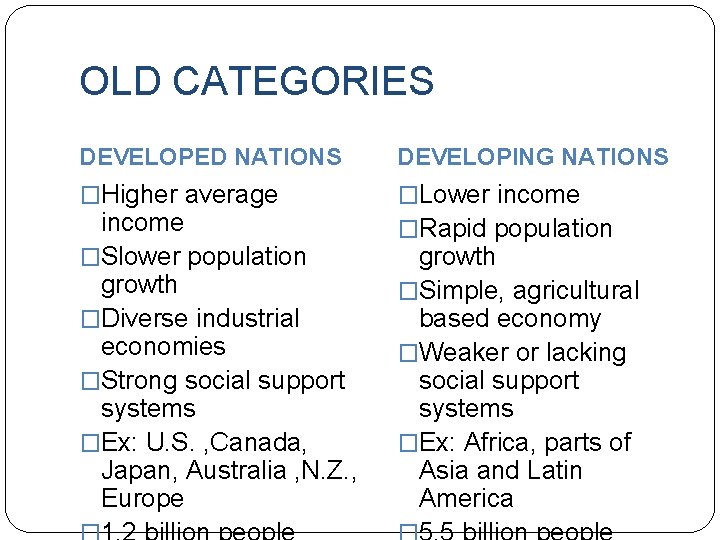
OLD CATEGORIES DEVELOPED NATIONS DEVELOPING NATIONS �Higher average �Lower income �Rapid population income �Slower population growth �Diverse industrial economies �Strong social support systems �Ex: U. S. , Canada, Japan, Australia , N. Z. , Europe growth �Simple, agricultural based economy �Weaker or lacking social support systems �Ex: Africa, parts of Asia and Latin America
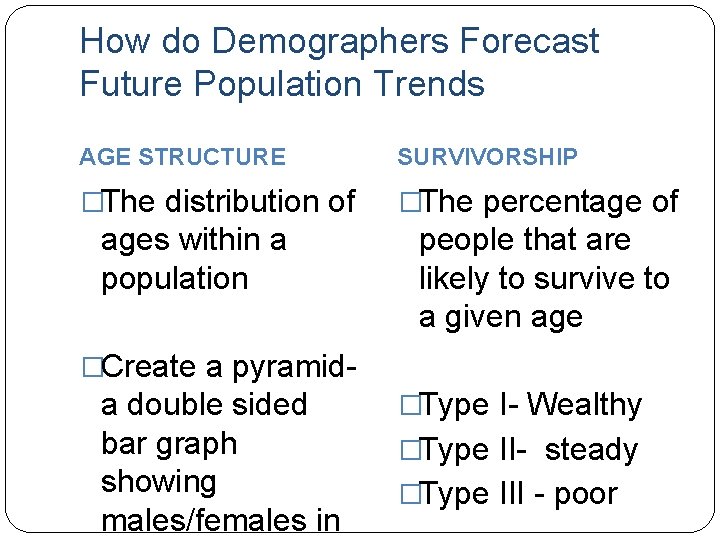
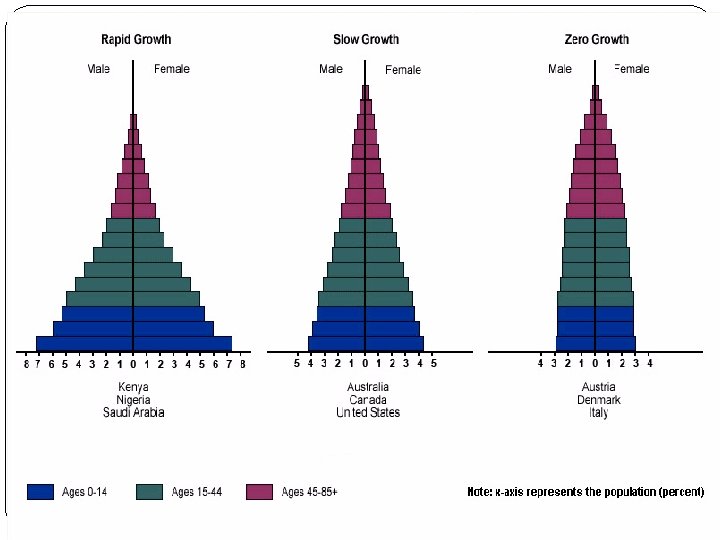
How do Demographers Forecast Future Population Trends AGE STRUCTURE SURVIVORSHIP �The distribution of �The percentage of ages within a population people that are likely to survive to a given age �Create a pyramid- a double sided bar graph showing males/females in �Type I- Wealthy �Type II- steady �Type III - poor
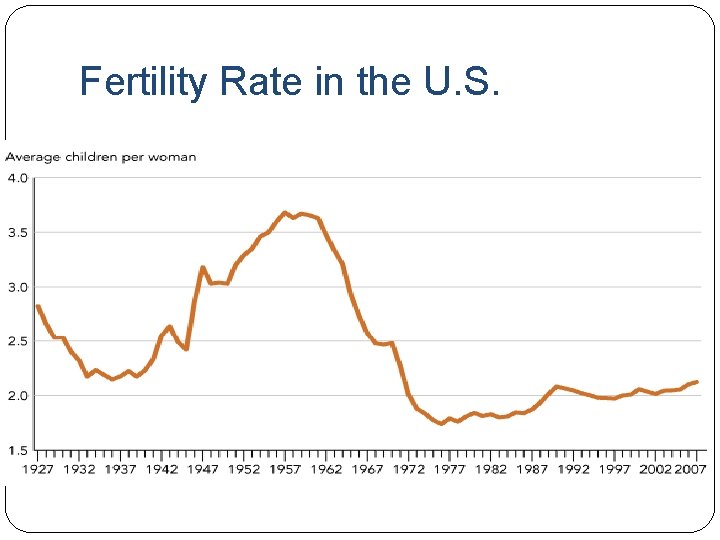
Other Indicators of Population Growth Fertility Rate Migration �The number of babies �The movement of born each year per 1000 women in a population �Replacement rate is 2. 1% (the average number of children each parent must have to replace themselves) individuals from one area to another �Immigration �emigration
Fertility Rate in the U. S.
Immigration in the U. S.
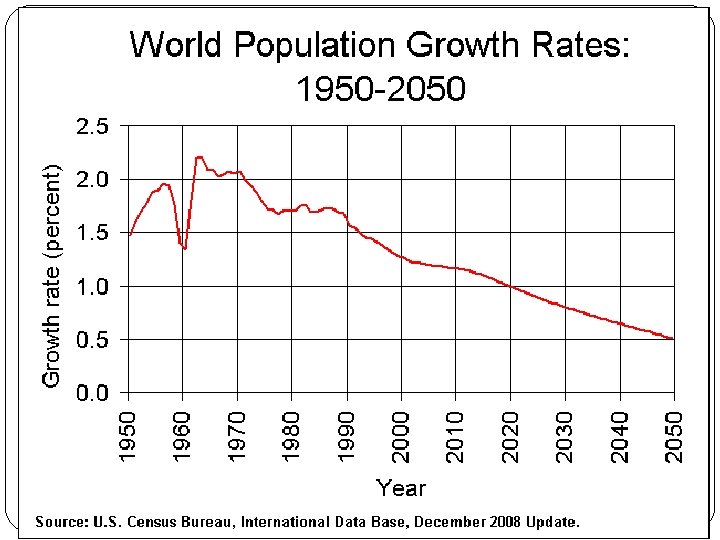
Why is the World’s Population Growing? � B/C DEATH RATES Have declined more rapidly than Birth Rates
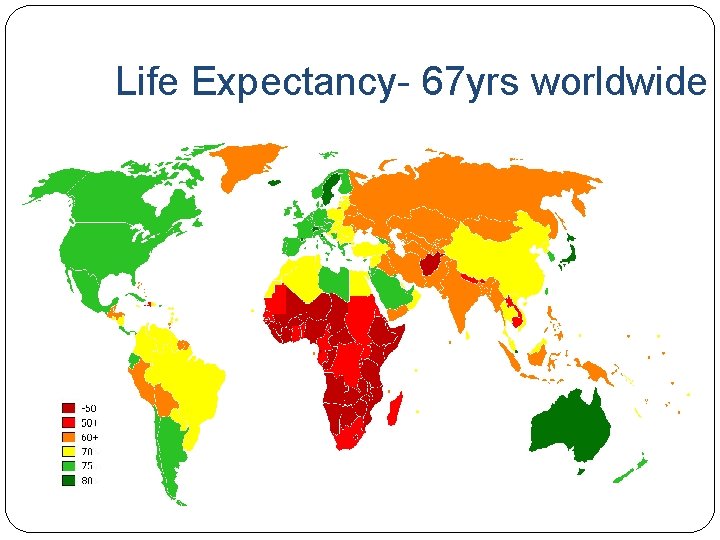
Life Expectancy- 67 yrs worldwide
Let’s look at a case study �Gapminder Life Expectancy PPT
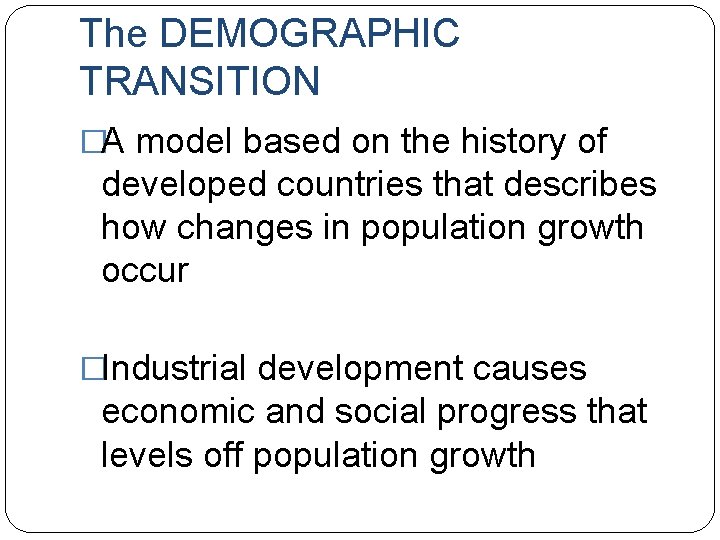
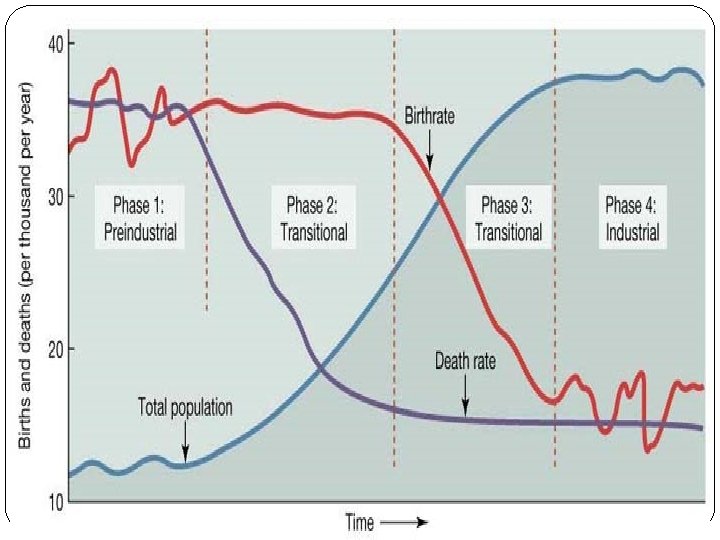
The DEMOGRAPHIC TRANSITION �A model based on the history of developed countries that describes how changes in population growth occur �Industrial development causes economic and social progress that levels off population growth
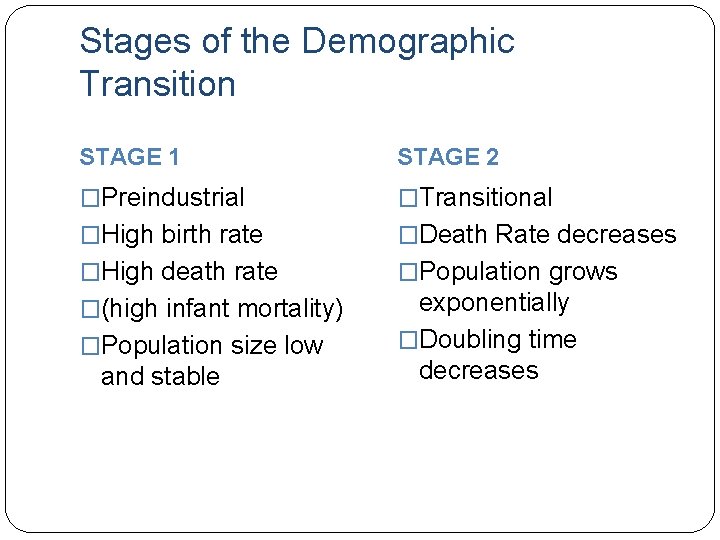
Stages of the Demographic Transition STAGE 1 STAGE 2 �Preindustrial �Transitional �High birth rate �Death Rate decreases �High death rate �Population grows �(high infant mortality) exponentially �Doubling time decreases �Population size low and stable
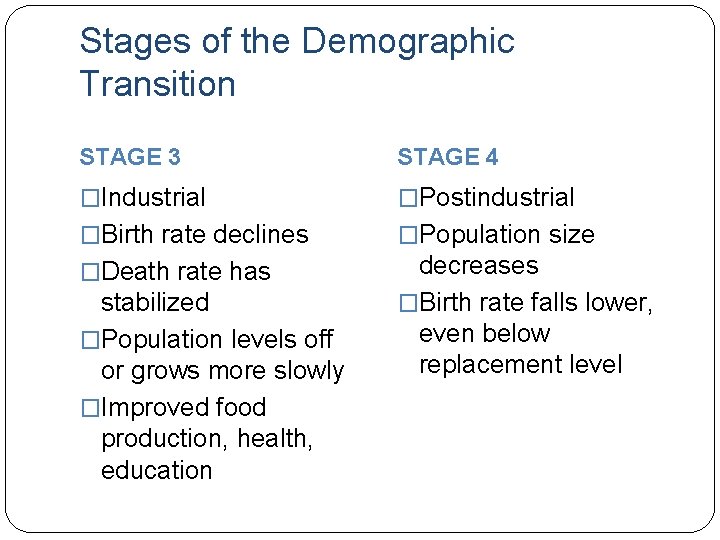
Stages of the Demographic Transition STAGE 3 STAGE 4 �Industrial �Postindustrial �Birth rate declines �Population size �Death rate has decreases �Birth rate falls lower, even below replacement level stabilized �Population levels off or grows more slowly �Improved food production, health, education
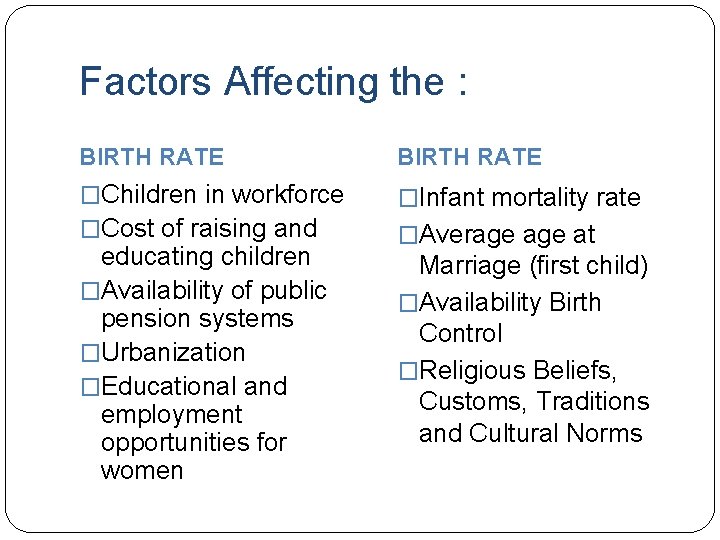
Factors Affecting the : BIRTH RATE �Children in workforce �Cost of raising and �Infant mortality rate educating children �Availability of public pension systems �Urbanization �Educational and employment opportunities for women �Average at Marriage (first child) �Availability Birth Control �Religious Beliefs, Customs, Traditions and Cultural Norms