
Delivery Systems Overview Why transport is important Types




- Slides: 30
Delivery Systems
Overview • Why transport is important? • Types of delivery system • Factors to be considered when choosing a delivery system • Modern developments in delivery systems • Calculating delivery costs
Why is transport important? • • A good transport system is important to business: To deliver raw materials to the manufacturer To deliver finished goods to retailers To transport workers to their jobs To transport goods abroad
Types of delivery systems • • • Road Rail Sea Air Pipeline Canal
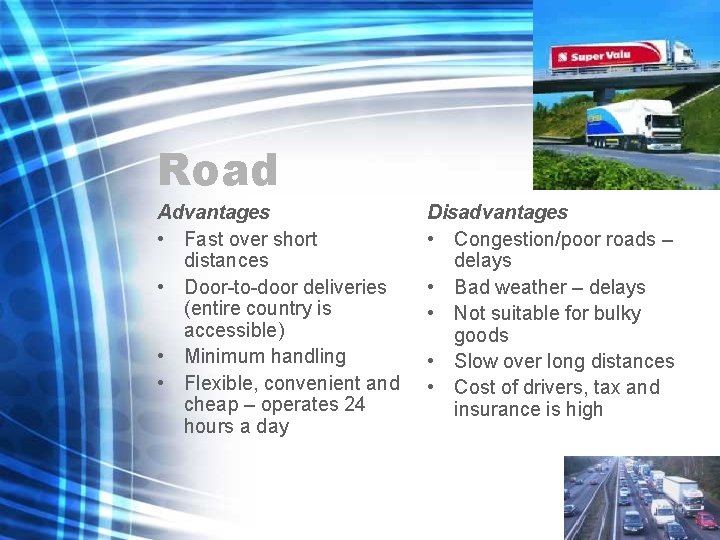
Road Advantages • Fast over short distances • Door-to-door deliveries (entire country is accessible) • Minimum handling • Flexible, convenient and cheap – operates 24 hours a day Disadvantages • Congestion/poor roads – delays • Bad weather – delays • Not suitable for bulky goods • Slow over long distances • Cost of drivers, tax and insurance is high
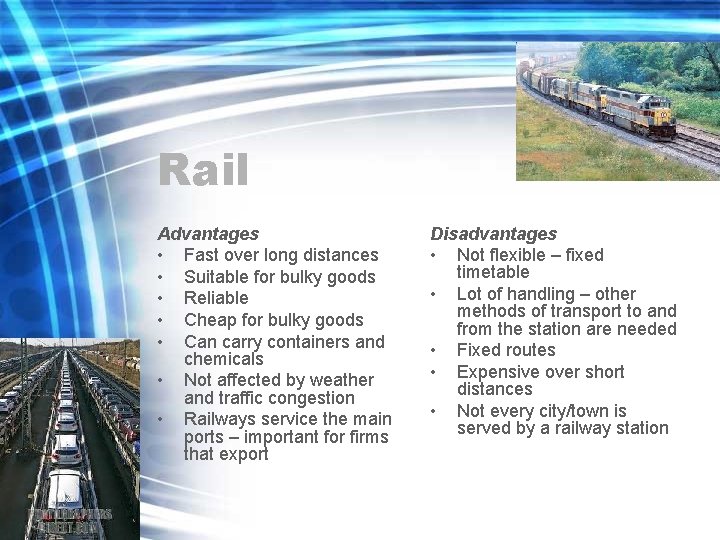
Rail Advantages • Fast over long distances • Suitable for bulky goods • Reliable • Cheap for bulky goods • Can carry containers and chemicals • Not affected by weather and traffic congestion • Railways service the main ports – important for firms that export Disadvantages • Not flexible – fixed timetable • Lot of handling – other methods of transport to and from the station are needed • Fixed routes • Expensive over short distances • Not every city/town is served by a railway station
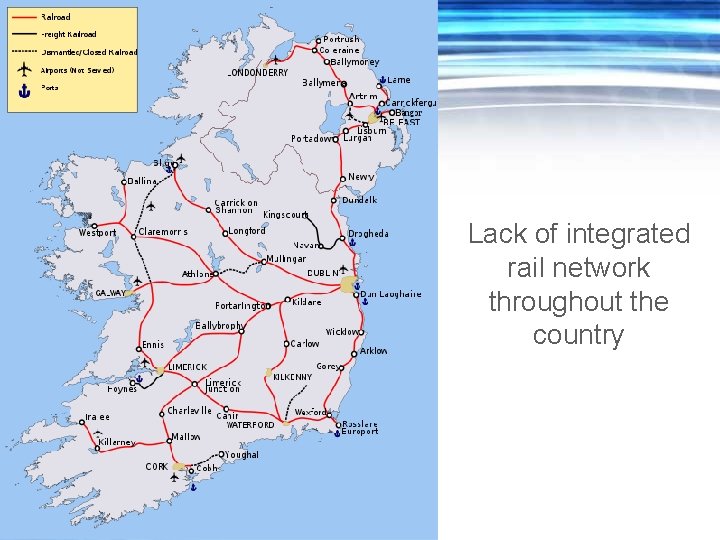
Lack of integrated rail network throughout the country
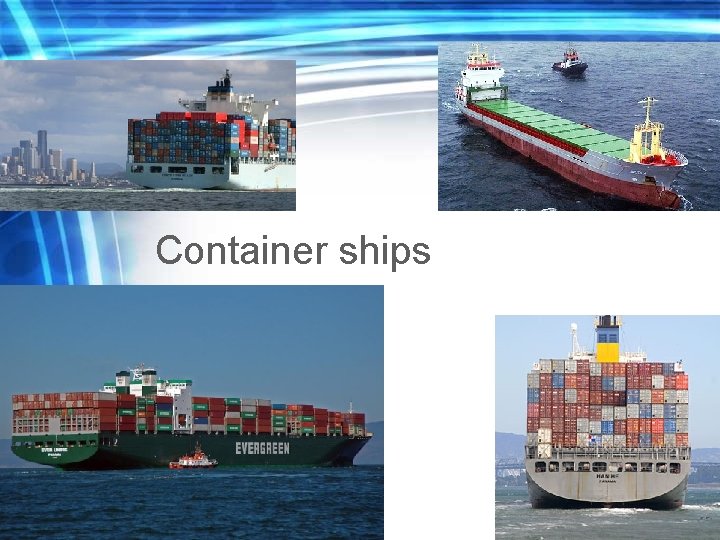
Sea Advantages • Suitable for bulky goods • Large cargos can be carried • Cheaper than air • Suitable for containers • Good facilities at ports • Modern ships – large loads Disadvantages • Slow over long distances • Weather conditions – delays • Not flexible – fixed timetable • Must link with other forms of transport • High insurance costs
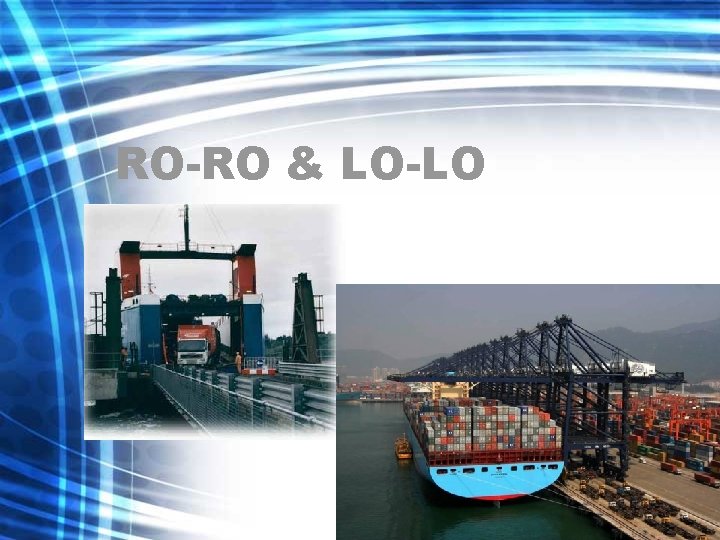
Types of ship • Cargo ships (LO-LO) • Ferries (RO-RO) • Tramp ships
Container ships
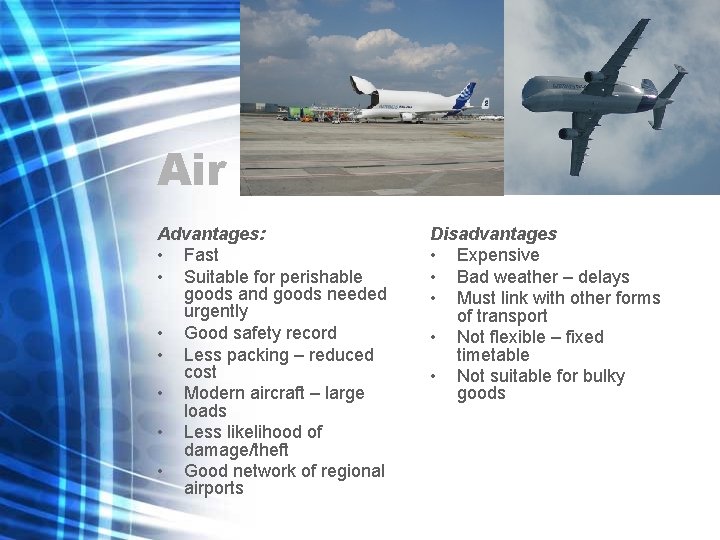
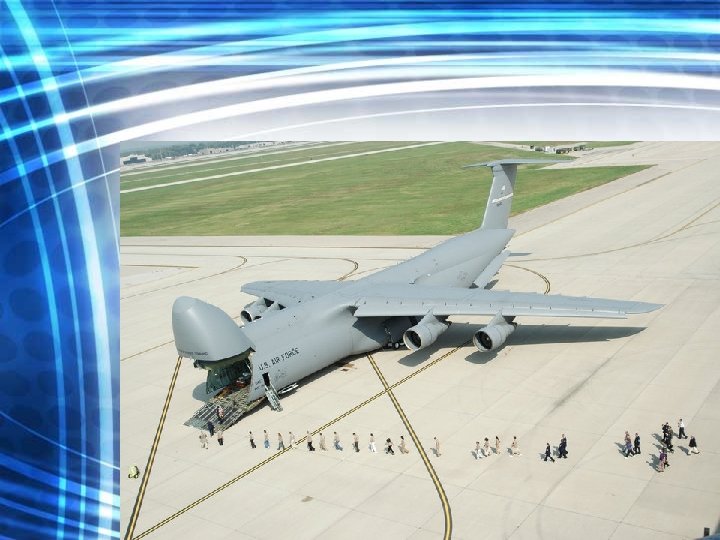
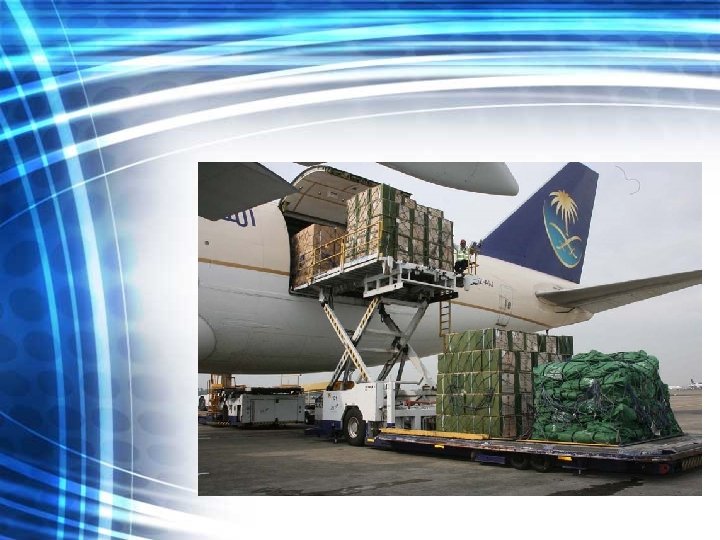
Air Advantages: • Fast • Suitable for perishable goods and goods needed urgently • Good safety record • Less packing – reduced cost • Modern aircraft – large loads • Less likelihood of damage/theft • Good network of regional airports Disadvantages • Expensive • Bad weather – delays • Must link with other forms of transport • Not flexible – fixed timetable • Not suitable for bulky goods
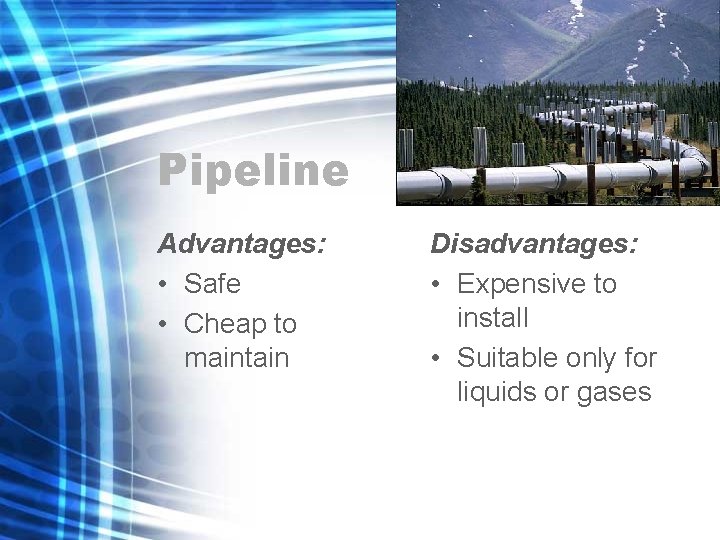
Pipeline Advantages: • Safe • Cheap to maintain Disadvantages: • Expensive to install • Suitable only for liquids or gases
Canal • Man-made waterway • Not commonly used in Ireland, except as a tourist attraction • Used extensively in Europe • Famous canals: Amsterdam, Venice, Suez, Panama
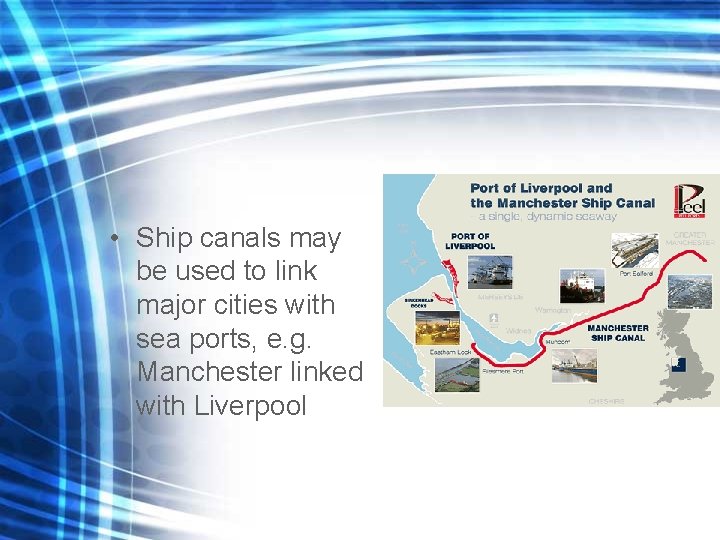
• Ship canals may be used to link major cities with sea ports, e. g. Manchester linked with Liverpool
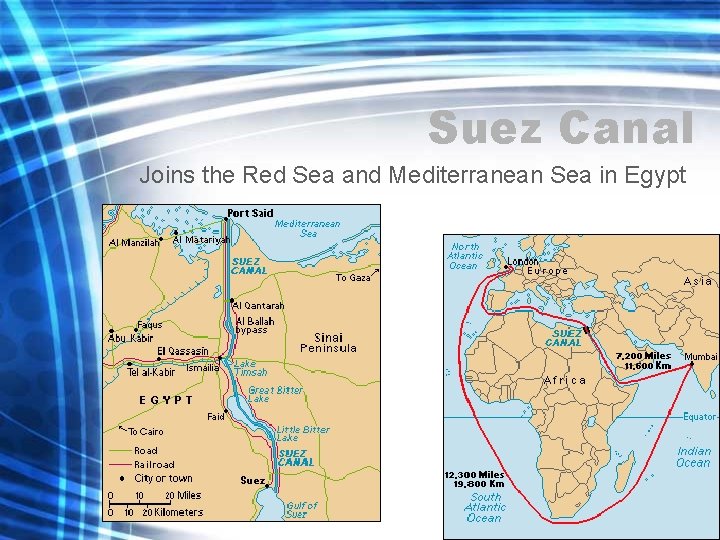
Suez Canal Joins the Red Sea and Mediterranean Sea in Egypt
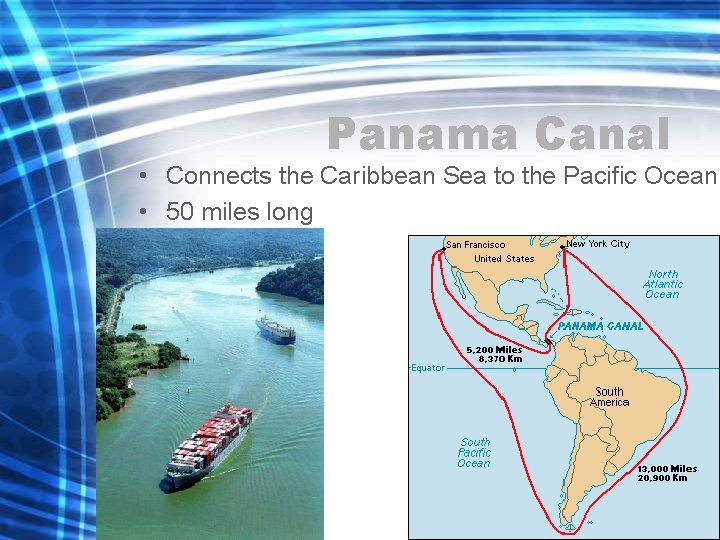
Panama Canal • Connects the Caribbean Sea to the Pacific Ocean • 50 miles long
Factors affecting choice of delivery system • Cost – Delivery adds to the selling price of goods • Reliability – The system should be punctual. A delay in delivery could cause a delay in production for “just-in-time” • Convenience – Delivery should be available when required • Speed/Type of goods – Very important for perishable goods (e. g. fresh fish) and urgently needed supplies (e. g. medicine) • Distance – The distance between the buyer and seller can mean a number of transport methods must be used
Modern Developments in Transport • • • Containers Refrigeration Tachograph Euro Tunnel Toll roads/toll bridges Quality Bus Corridors (QBC)
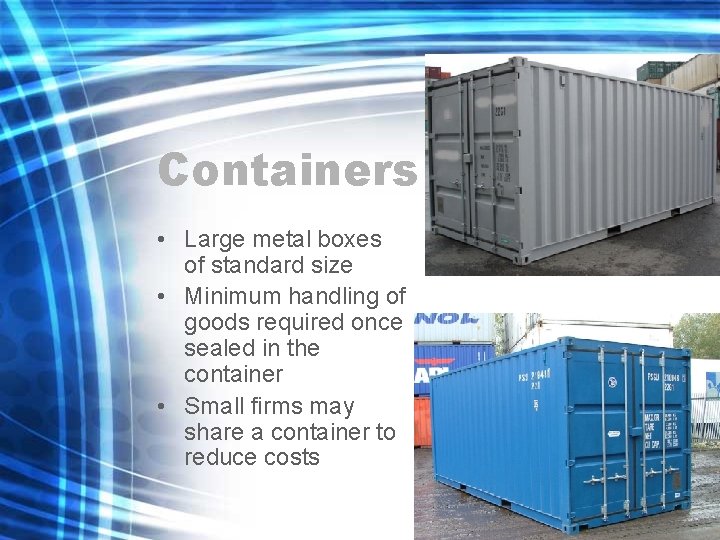
Containers • Large metal boxes of standard size • Minimum handling of goods required once sealed in the container • Small firms may share a container to reduce costs
Refrigeration Refrigerated containers are used for transporting perishable goods, e. g. meat, fish, etc.
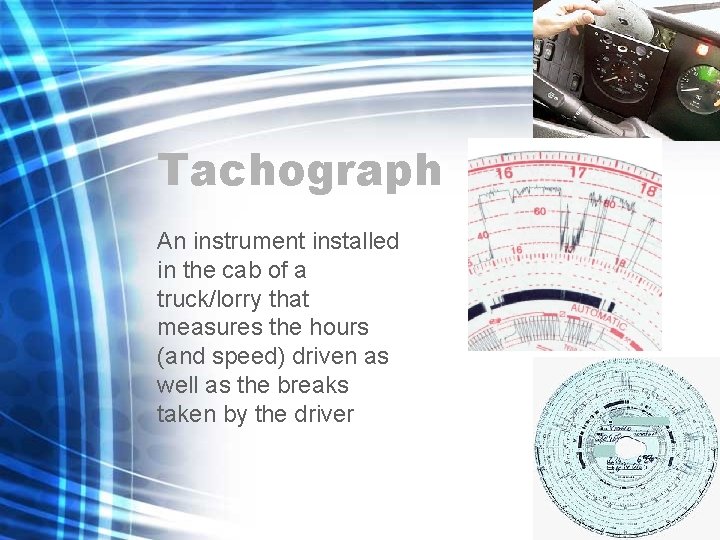
Tachograph An instrument installed in the cab of a truck/lorry that measures the hours (and speed) driven as well as the breaks taken by the driver
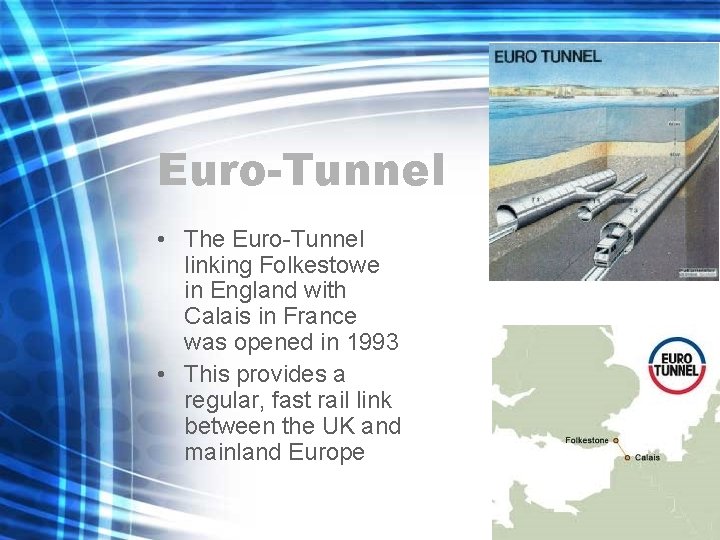
Euro-Tunnel • The Euro-Tunnel linking Folkestowe in England with Calais in France was opened in 1993 • This provides a regular, fast rail link between the UK and mainland Europe
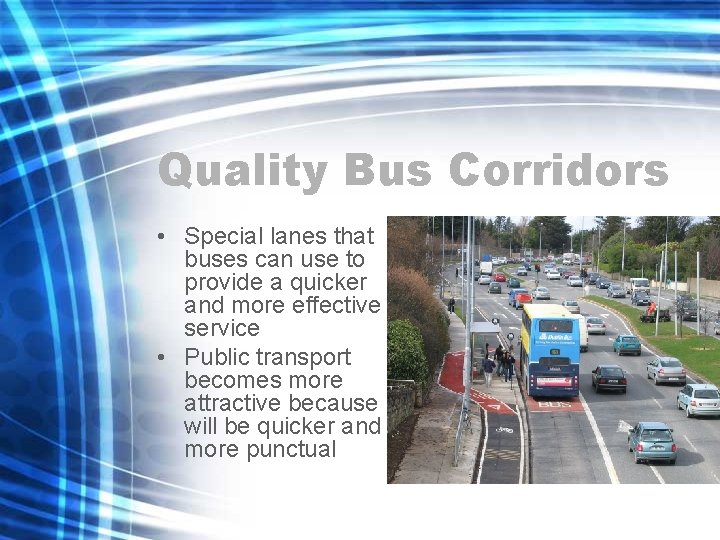
Quality Bus Corridors • Special lanes that buses can use to provide a quicker and more effective service • Public transport becomes more attractive because it will be quicker and more punctual
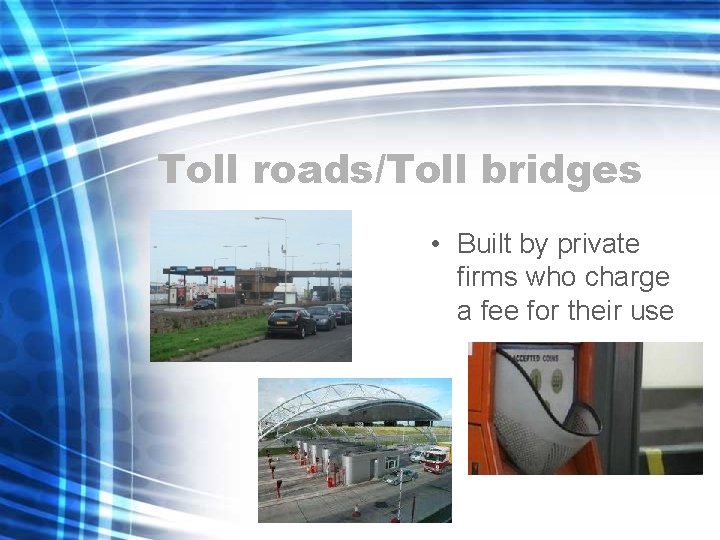
Toll roads/Toll bridges • Built by private firms who charge a fee for their use
RO-RO & LO-LO
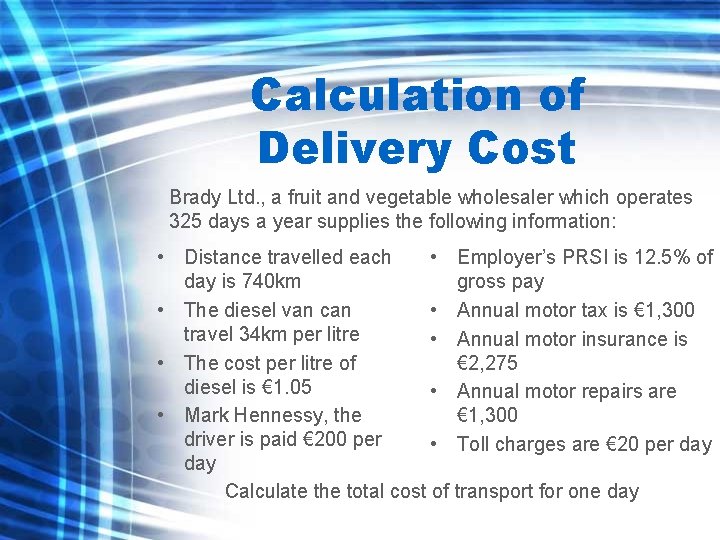
Calculation of Delivery Cost Brady Ltd. , a fruit and vegetable wholesaler which operates 325 days a year supplies the following information: • Distance travelled each • Employer’s PRSI is 12. 5% of day is 740 km gross pay • The diesel van can • Annual motor tax is € 1, 300 travel 34 km per litre • Annual motor insurance is • The cost per litre of € 2, 275 diesel is € 1. 05 • Annual motor repairs are • Mark Hennessy, the € 1, 300 driver is paid € 200 per • Toll charges are € 20 per day Calculate the total cost of transport for one day
Solution FIXED COSTS € € Annual motor tax 1, 300 Annnual motor insurance 2, 275 Annual motor repairs 1, 300 Total fixed costs 4, 875 Daily fixed costs 4, 875/325 15 FUEL COSTS Distance travelled per day 740 Divide by kilometres per litre 37 Daily fuel used 20 Cost per litre 20 x 1. 05 21 OTHER VARIABLE COSTS Driver's wages 200 Employer's PRSI (USC) 25 Toll charges 20 TOTAL COST FOR ONE DAY 245 281
Review and Recap • Why transport is important? • What are the different common types of delivery system? • What factors need to be considered when choosing a delivery system? • List and explain four modern developments in delivery systems • Explain how a business calculates delivery costs