
Degenerate Art In 1927 the National Socialist Society


- Slides: 39
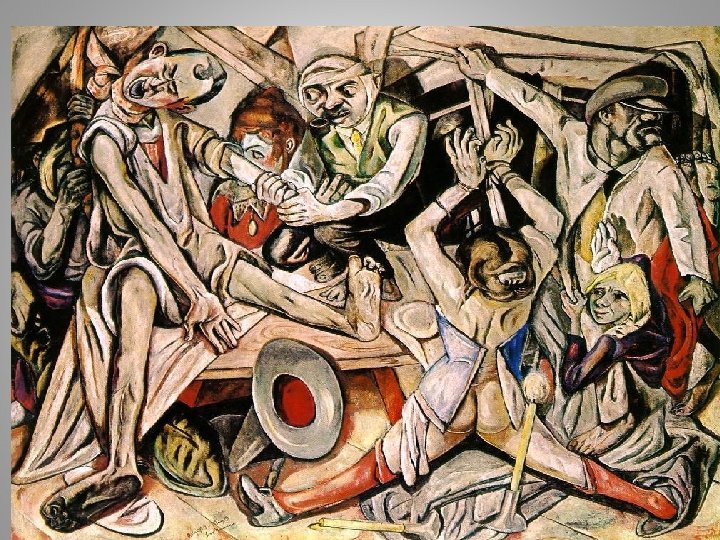
Degenerate Art • In 1927, the National Socialist Society for German Culture was formed. The aim of this organization was to halt the "corruption of art" and inform the people about the relationship between race and art. By 1933, the terms "Jewish, " "Degenerate, " and "Bolshevik" were in common use to describe almost all modern art. • Degenerate art is the English translation of a German term to describe virtually all modern art • Those identified as degenerate artists were subjected to sanctions – These included being dismissed from teaching positions, being forbidden to exhibit or to sell their art, and in some cases being forbidden to produce art entirely.
Artists of the 1920’s • These artists rejected the new business society. And they also questioned the value of politics. • Many of them believed that the first World War in Europe had been a terrible mistake. These artists had little faith in the political leaders who came to power after the war. • They felt a need to protest the way the world was changing around them.
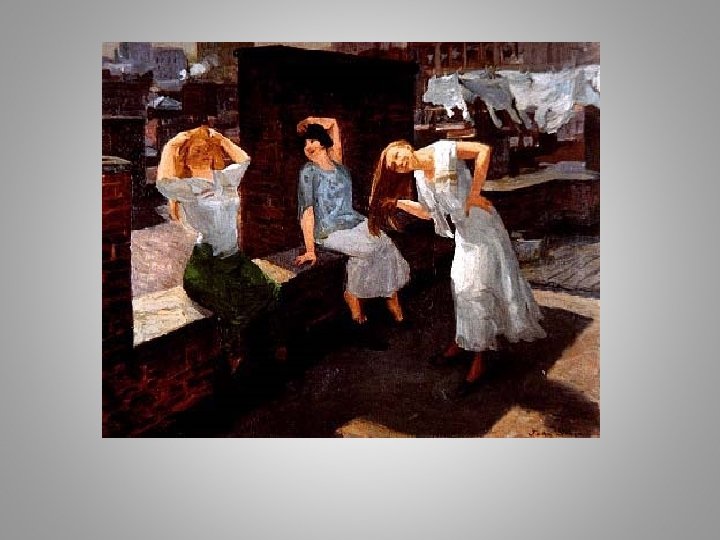
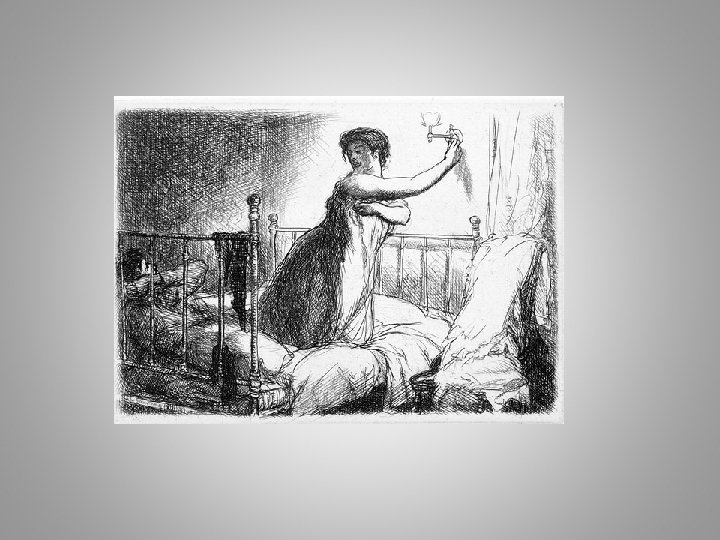
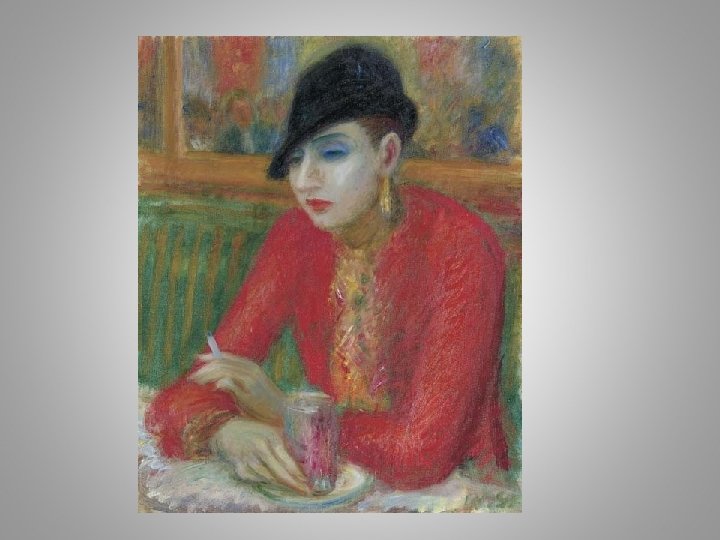
Serious Art • The nineteen twenties was one of the most active and important periods for the more serious arts. Writers, painters and other artists produced some of the greatest work in the nation's history. • Many of the nation's serious artists had a different and darker view of society. They were troubled deeply by the changes they saw. • They believed that Americans had become too interested in money and wealth.
• In the 1920’s, an art show was displayed at the Museum of Modern Art in New York City. The show caused a huge public debate in the United States. • Traditional art critics accused the organizers of the show of trying to overthrow Christianity and American values. • Former president, Theodore Roosevelt and others denounced the new art as a threat to the country.
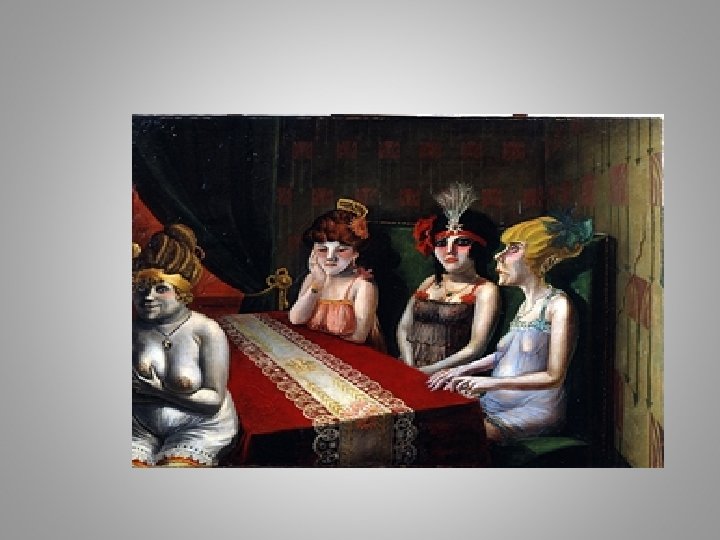
During the Weimar Era, the interwar period (between WW 1 and WW 2) between 1919 and 1933, Germany filled with the living half-dead. Many soldiers returned from war scarred, crippled and missing limbs. Many men were irreparable, and their widows were left to fend for themselves and their children. For some war widows, prostitution--and the emotional numbness that made that profession bearable--was the only option.
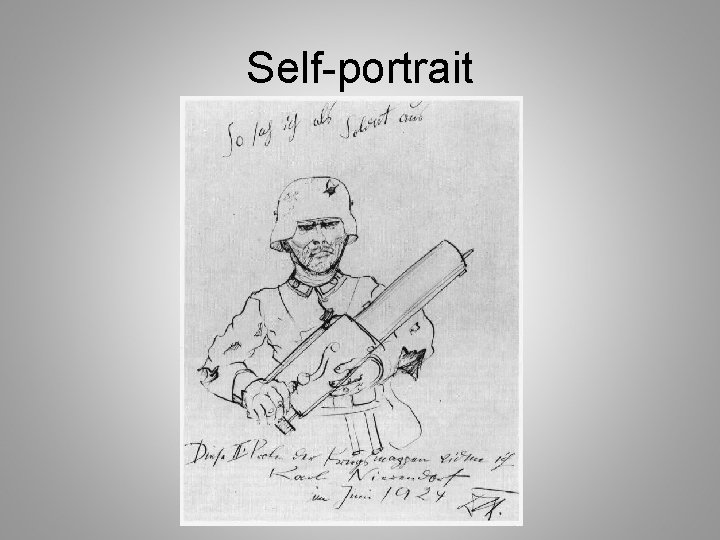
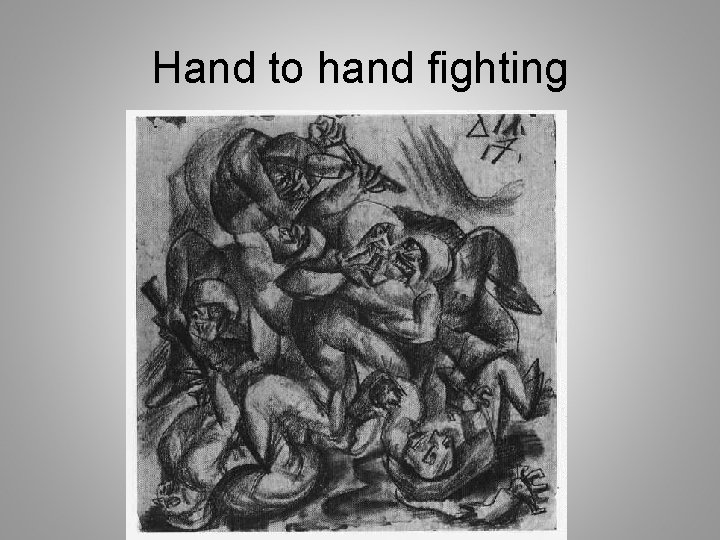
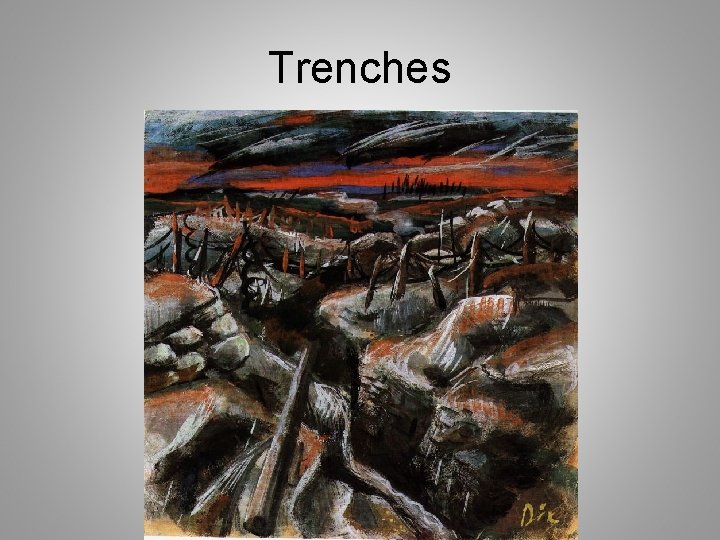
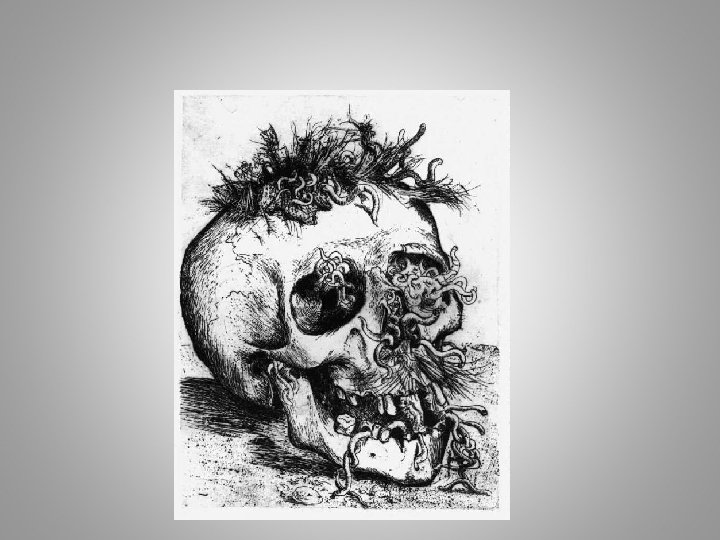
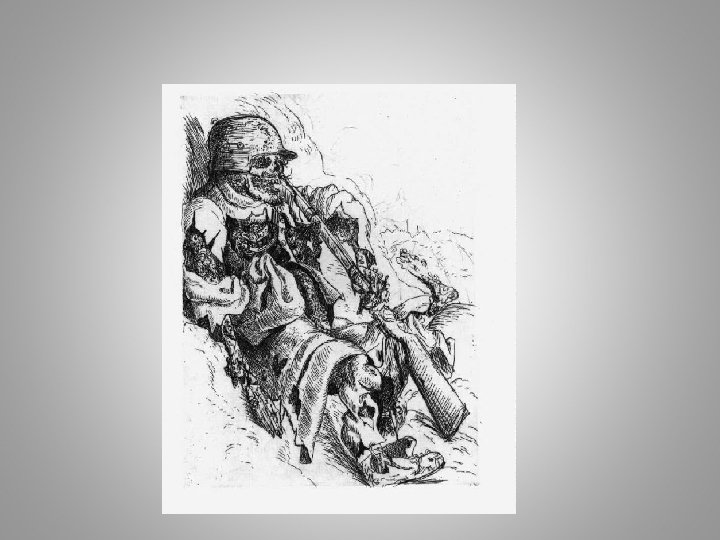
Otto Dix Horrors of War
• The war was a horrible thing, but there was something tremendous about it too. I didn't want to miss it at any price. You have to have seen human beings in this unleashed state to know what human nature is. . . I need to experience all the depths of life for myself, that's why I go out, and that's why I vontunteered. (1).
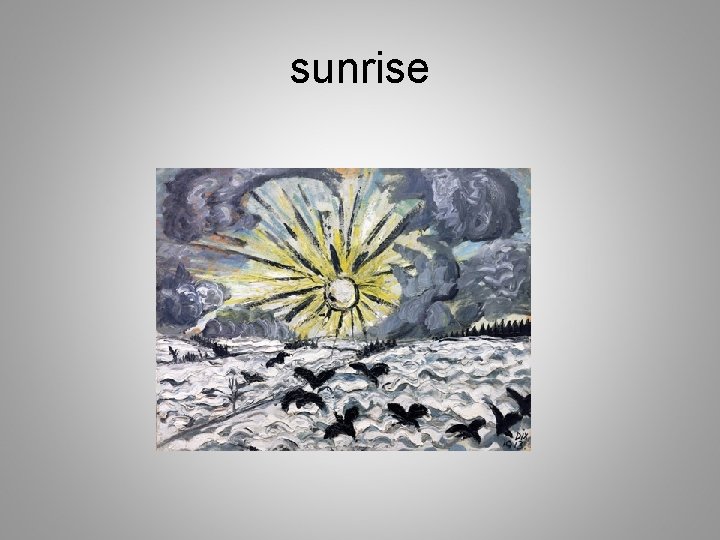
sunrise
Self-portrait
Hand to hand fighting
Trenches
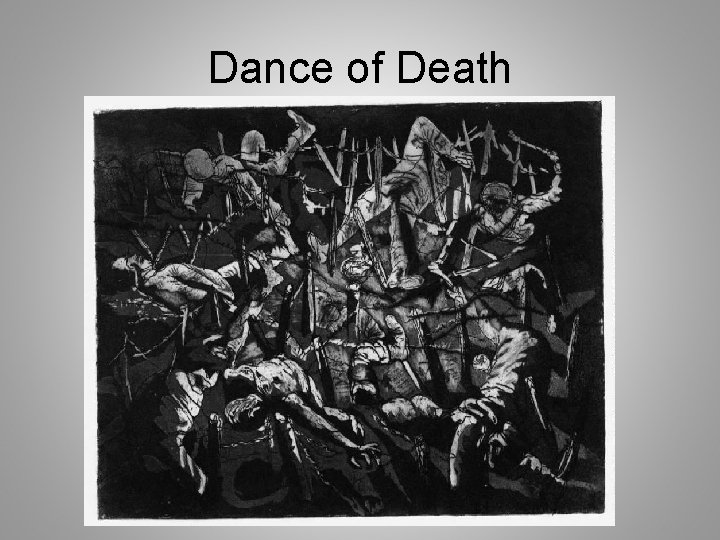
Dance of Death
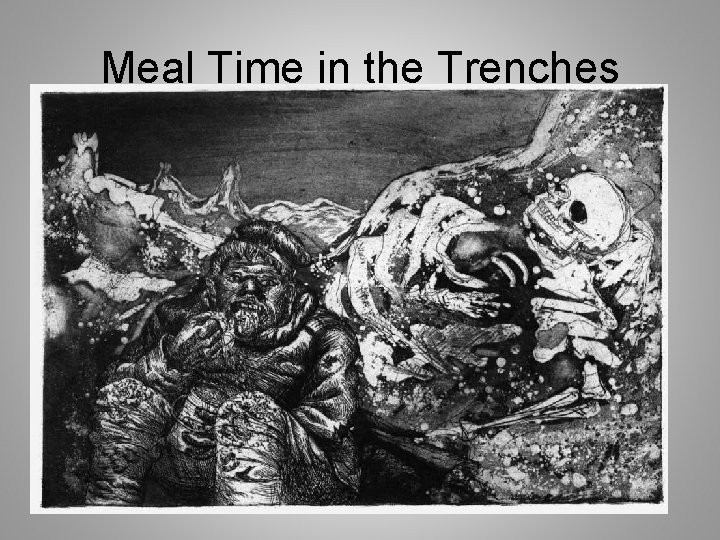
Meal Time in the Trenches
Machine Gun Advancing
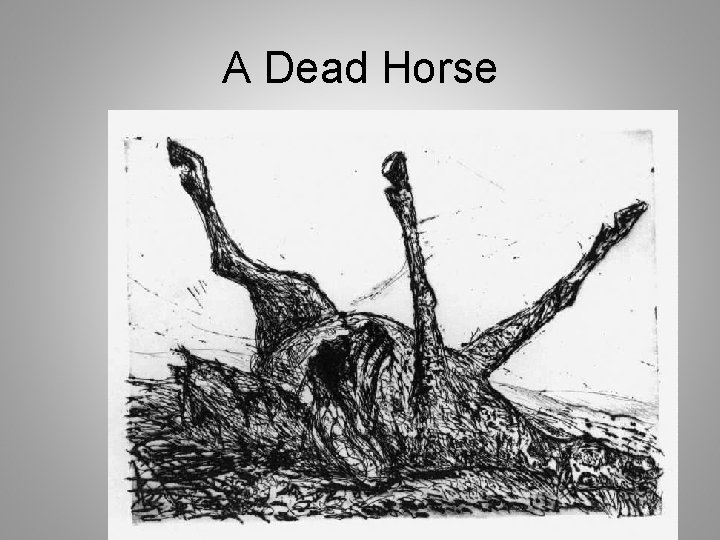
A Dead Horse
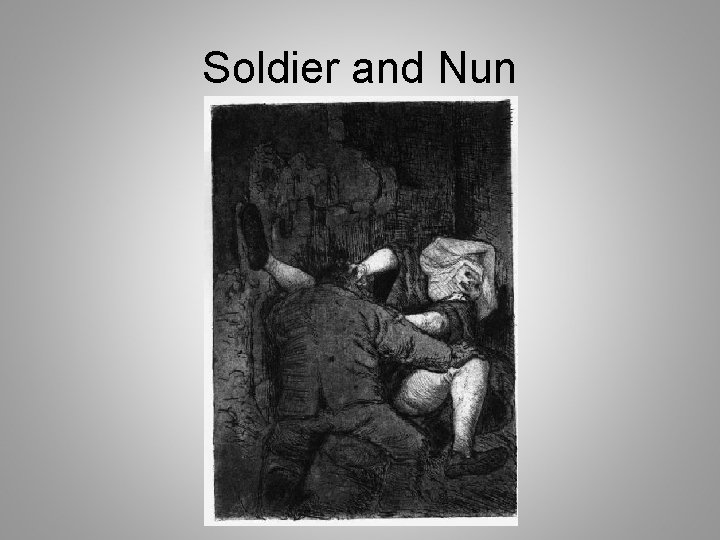
Soldier and Nun
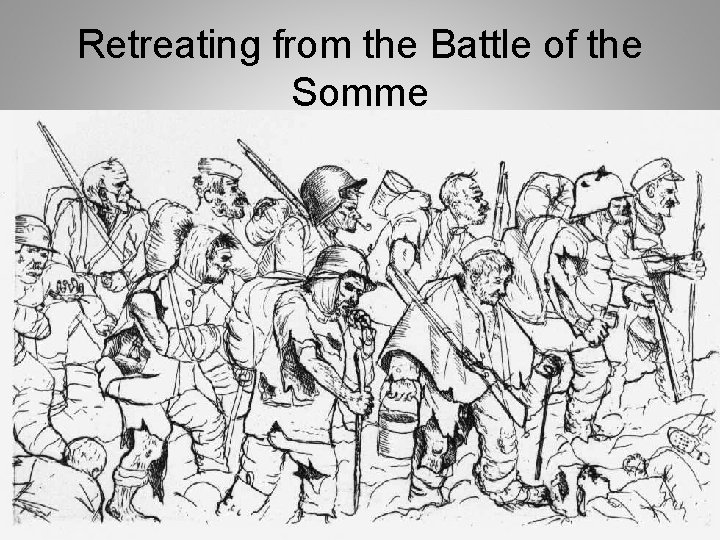
Retreating from the Battle of the Somme
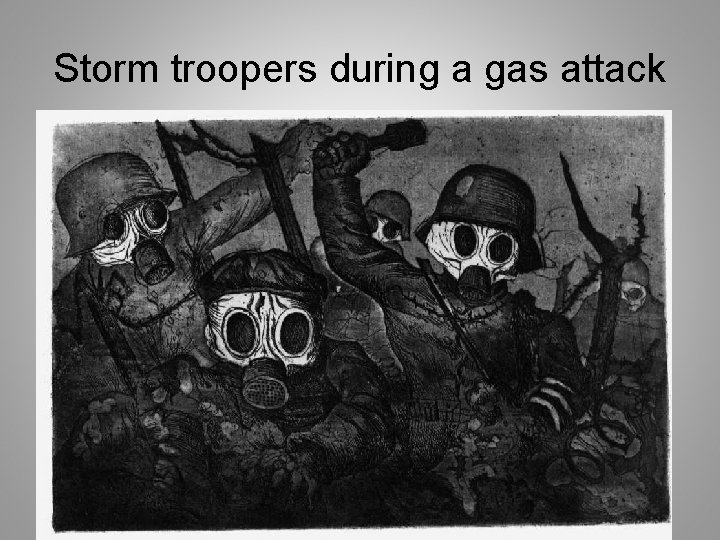
Storm troopers during a gas attack
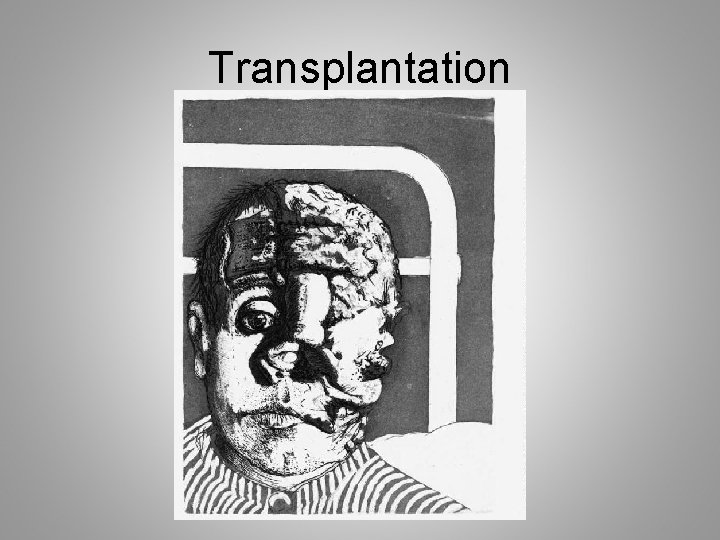
Transplantation
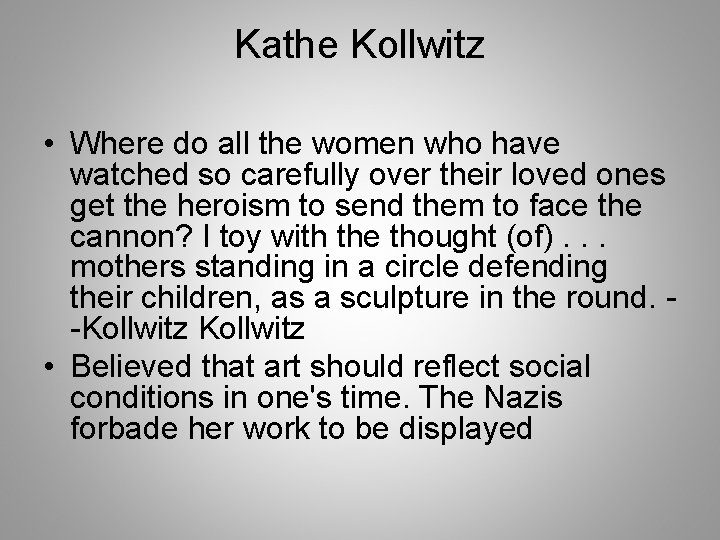
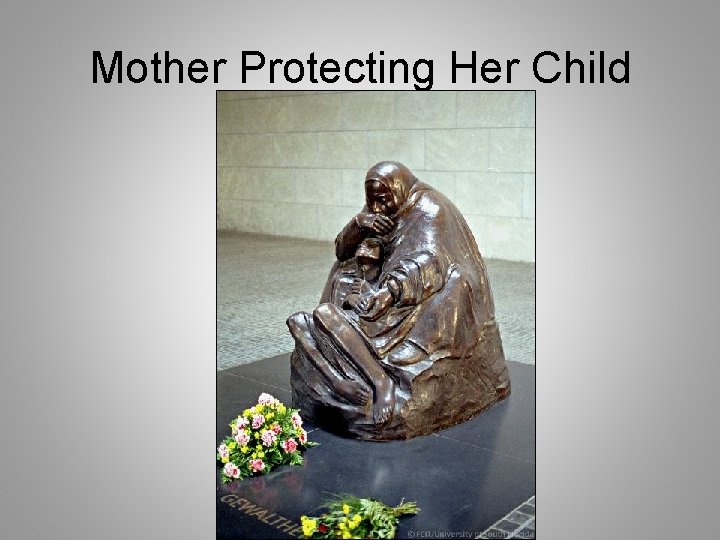
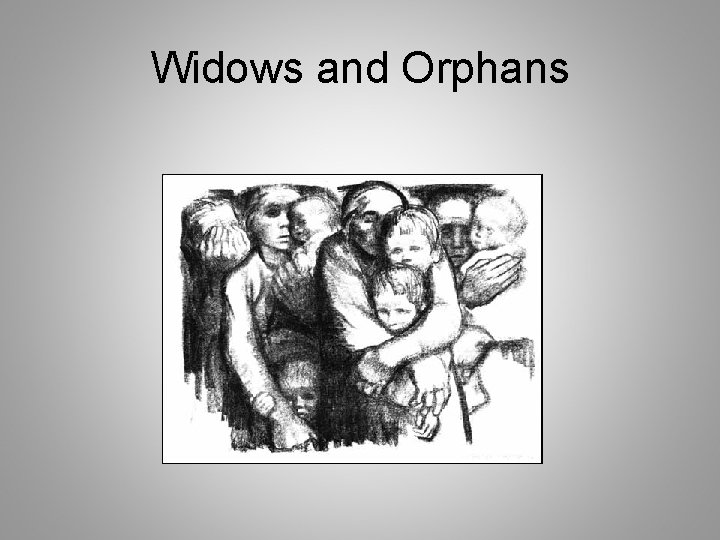
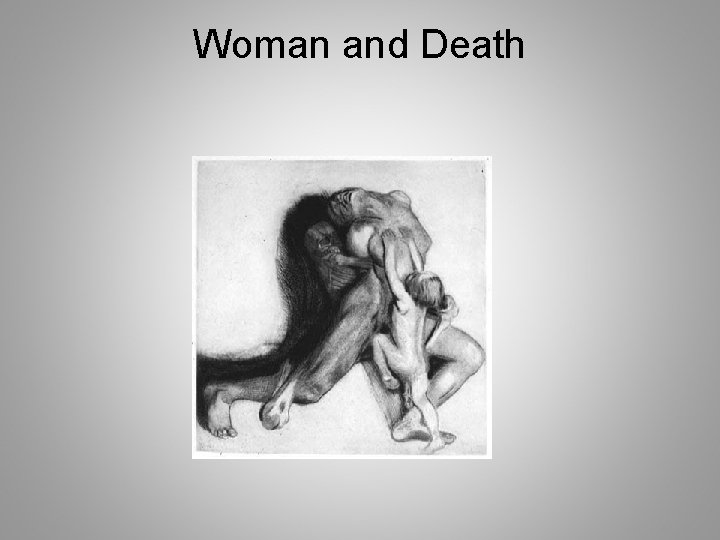
Kathe Kollwitz • Where do all the women who have watched so carefully over their loved ones get the heroism to send them to face the cannon? I toy with the thought (of). . . mothers standing in a circle defending their children, as a sculpture in the round. -Kollwitz • Believed that art should reflect social conditions in one's time. The Nazis forbade her work to be displayed
Mother Protecting Her Child
Widows and Orphans
Woman and Death
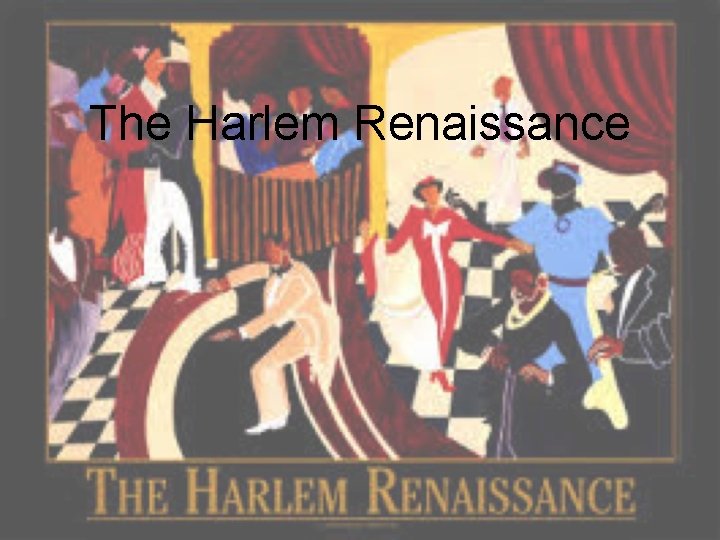
The Harlem Renaissance
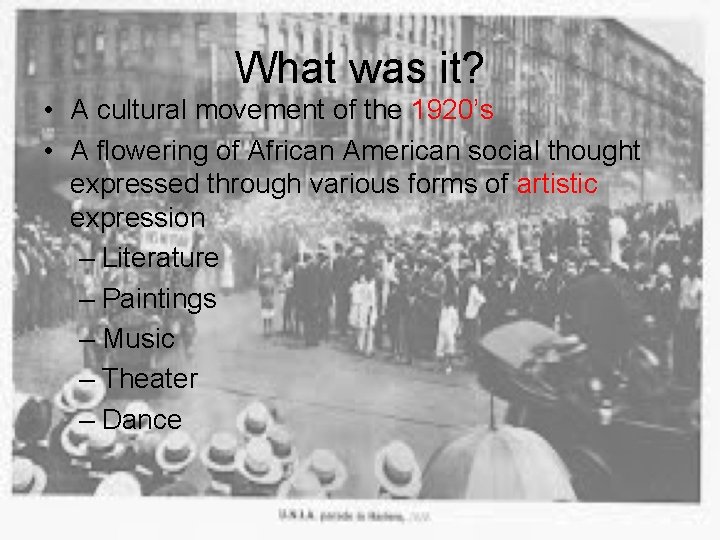
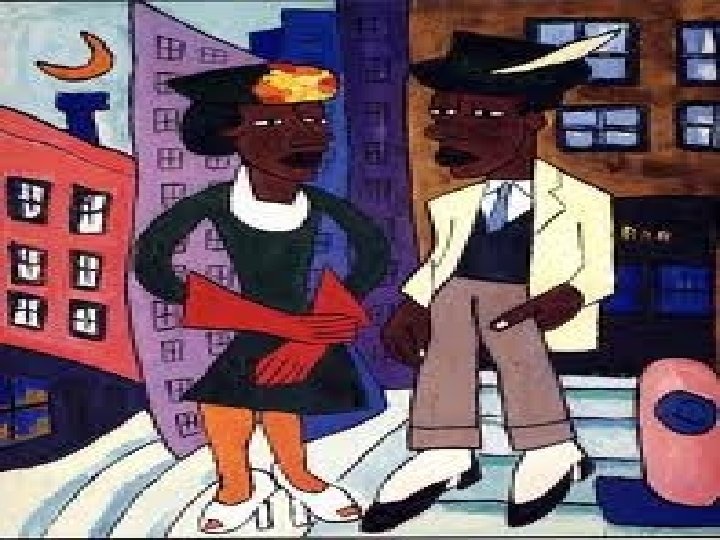
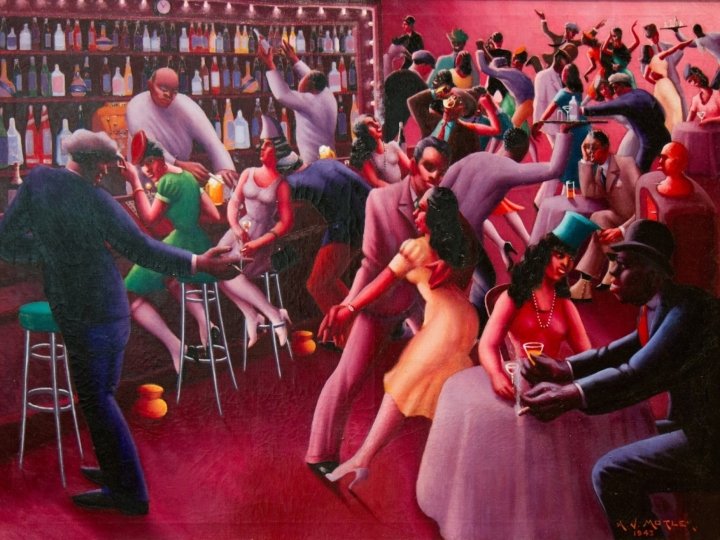
What was it? • A cultural movement of the 1920’s • A flowering of African American social thought expressed through various forms of artistic expression – Literature – Paintings – Music – Theater – Dance
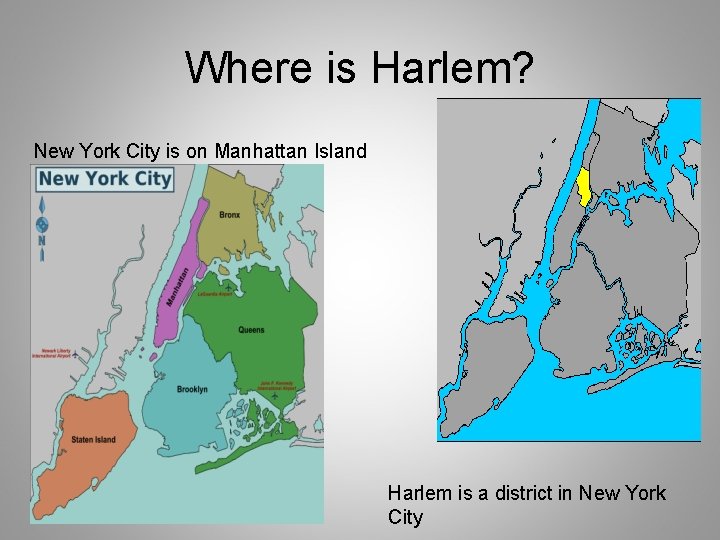
Where is Harlem? New York City is on Manhattan Island Harlem is a district in New York City
Great Migration and Harlem Renaissance • Migration of Black American from rural south to industrial centers in north – specifically NYC • Push/pull factors • Explored new opportunities for intellectual and social freedom • Black American writers, artists and musicians began to use their talents to work towards civil rights and equality
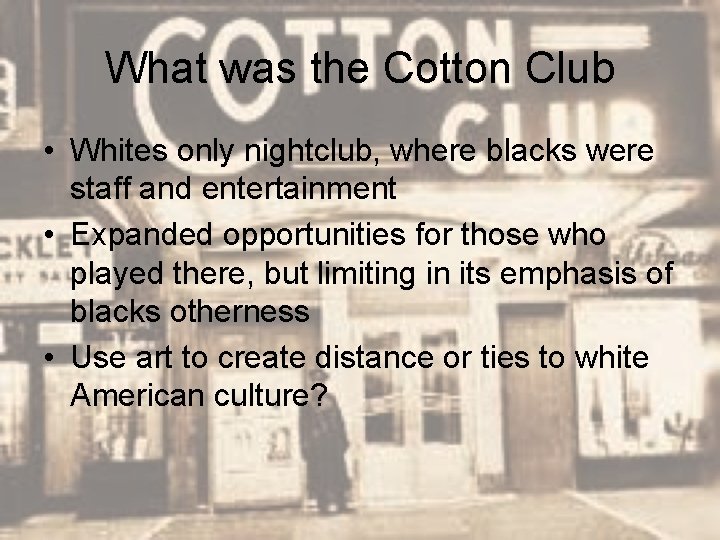
What was the Cotton Club • Whites only nightclub, where blacks were staff and entertainment • Expanded opportunities for those who played there, but limiting in its emphasis of blacks otherness • Use art to create distance or ties to white American culture?
How did it impact history? • The Harlem Renaissance helped redefine how African American culture was understood • Began to integrate black and white cultures and marked the beginning of black urban society • Set the stage for the Civil Rights Movement of the 1950’s and 60’s