
Definition Destruction of tissues caused by physical heat

Definition: Destruction of tissues caused by physical heat.
Degrees of burn:
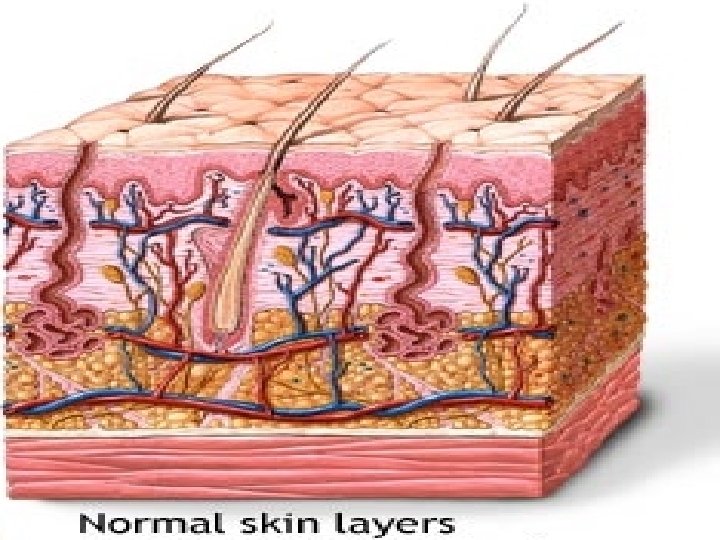

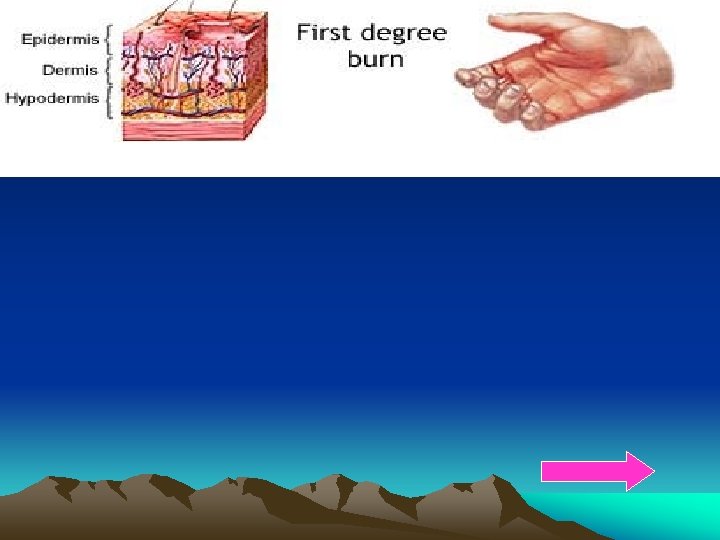
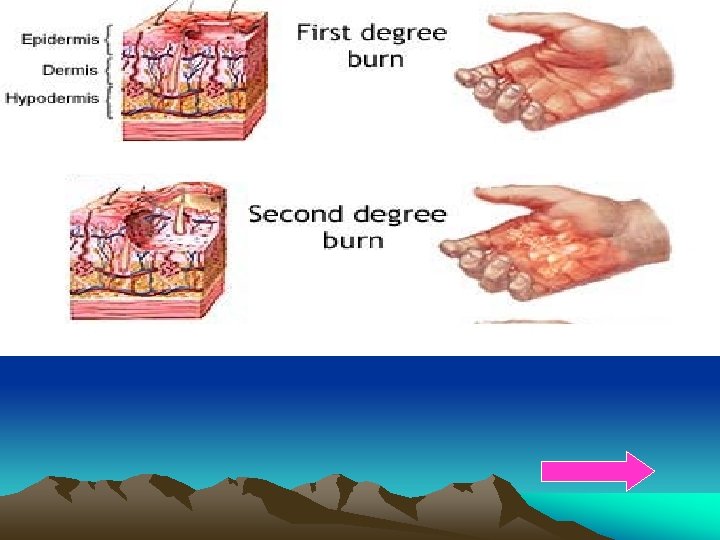
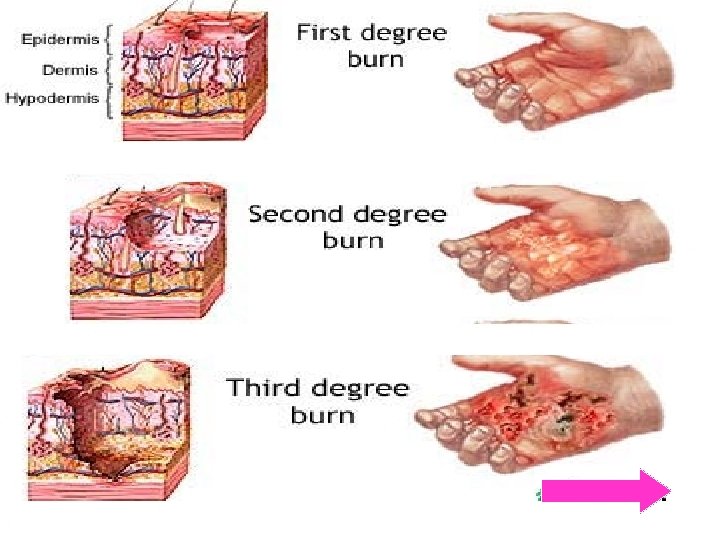
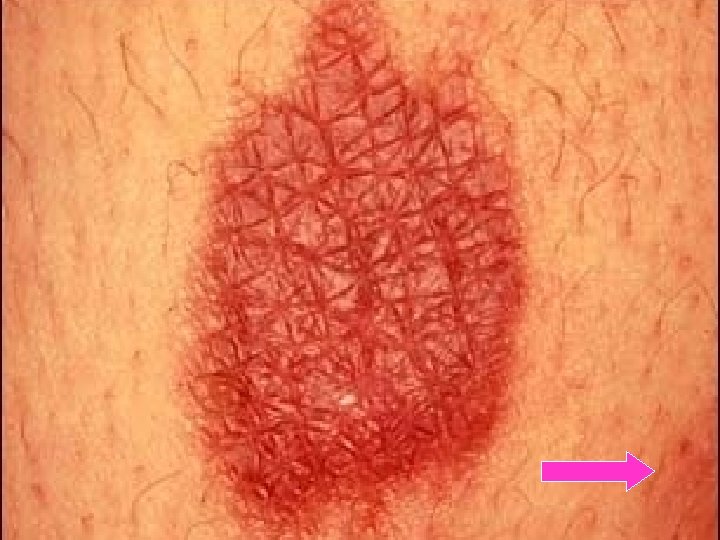
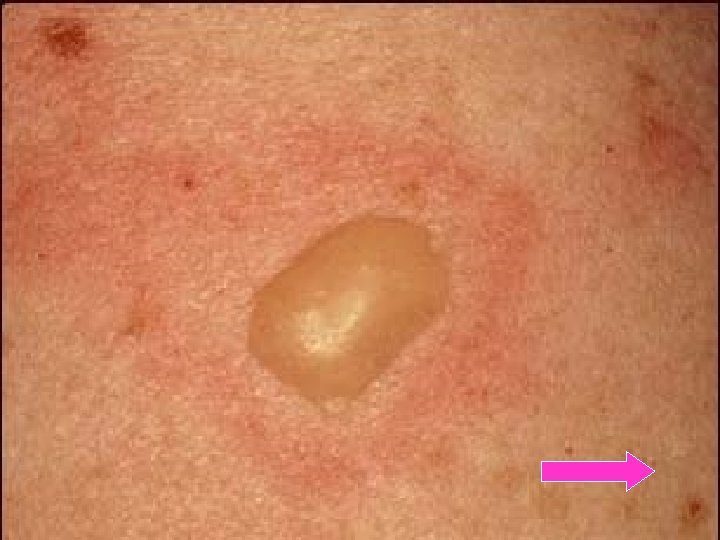
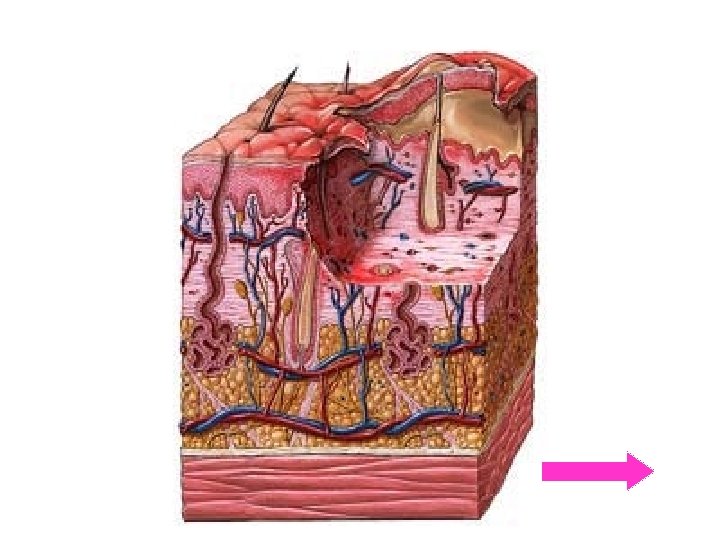
I- 3 degrees: First degree: Erythema and vesication. Second degree: Destruction of the epidermis. Third degree: destruction of the sub dermal tissues.
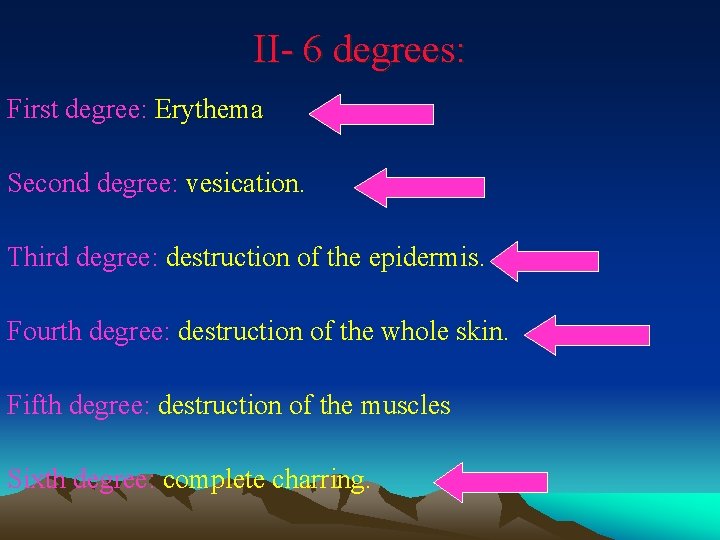
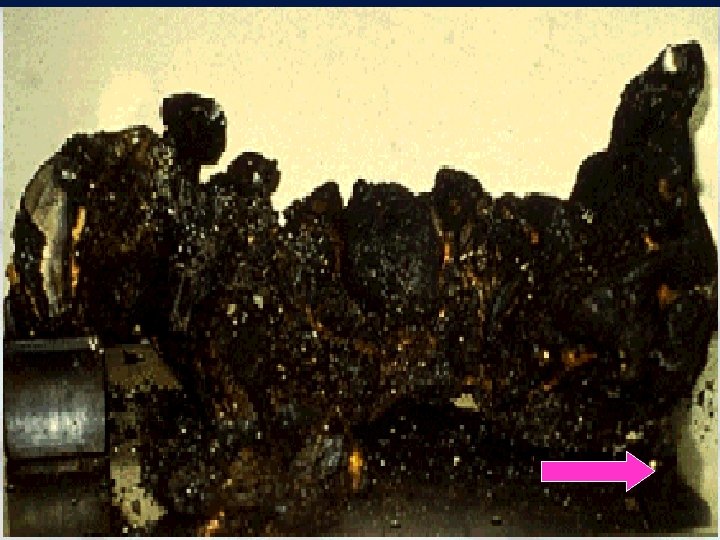
II- 6 degrees: First degree: Erythema Second degree: vesication. Third degree: destruction of the epidermis. Fourth degree: destruction of the whole skin. Fifth degree: destruction of the muscles Sixth degree: complete charring.
Classification: According to the severity burns are classified into: Slight burn Moderate burn Sever burn
Factors affecting burn prognosis: Cause Degree Site Area of exposure
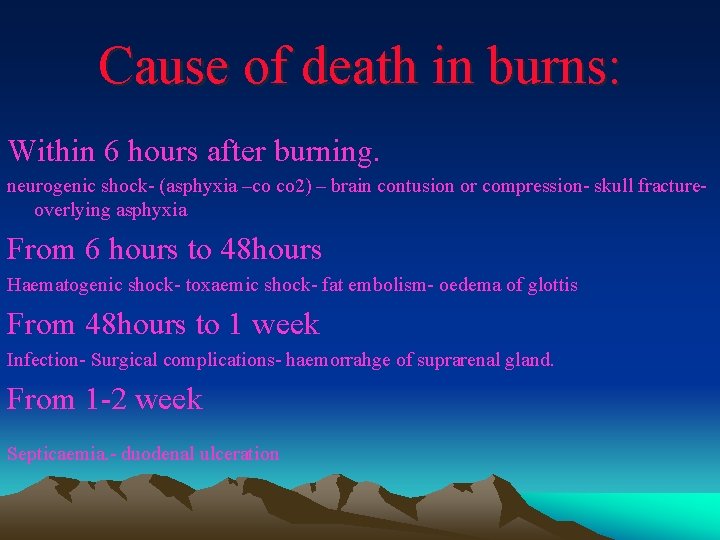
Cause of death in burns: Within 6 hours after burning. neurogenic shock- (asphyxia –co co 2) – brain contusion or compression- skull fractureoverlying asphyxia From 6 hours to 48 hours Haematogenic shock- toxaemic shock- fat embolism- oedema of glottis From 48 hours to 1 week Infection- Surgical complications- haemorrahge of suprarenal gland. From 1 -2 week Septicaemia. - duodenal ulceration
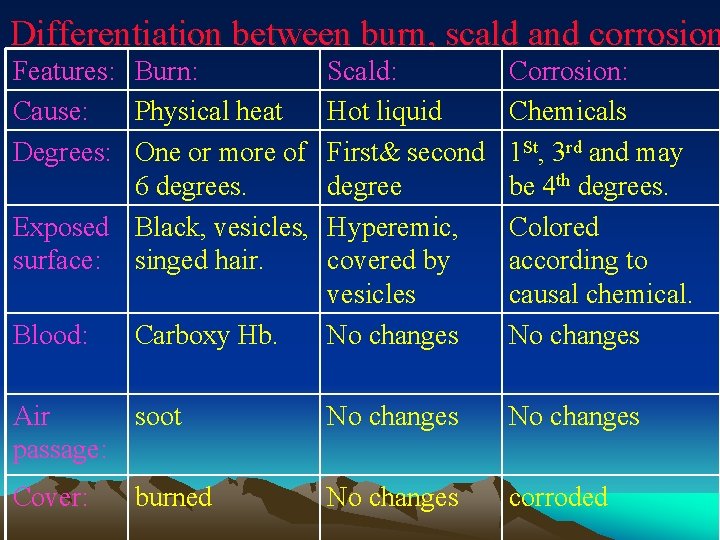
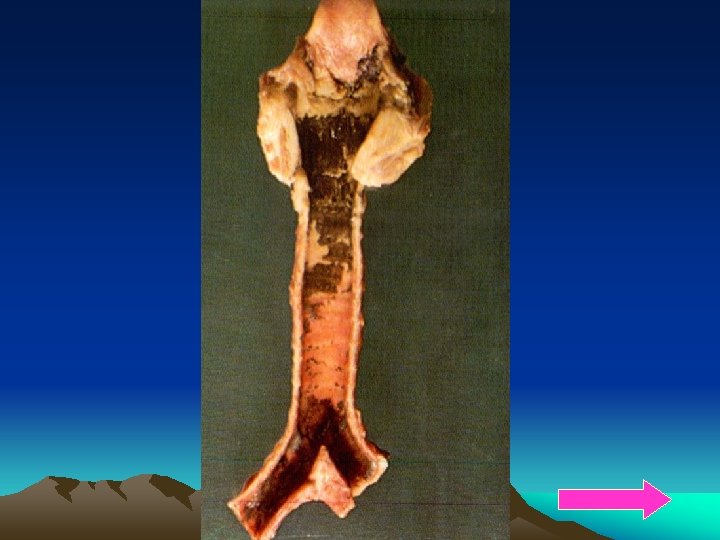
Differentiation between burn, scald and corrosion Features: Burn: Cause: Physical heat Degrees: One or more of 6 degrees. Exposed Black, vesicles, surface: singed hair. Scald: Hot liquid First& second degree Hyperemic, covered by vesicles No changes Corrosion: Chemicals 1 St, 3 rd and may be 4 th degrees. Colored according to causal chemical. No changes Air soot passage: No changes Cover: No changes corroded Blood: Carboxy Hb. burned
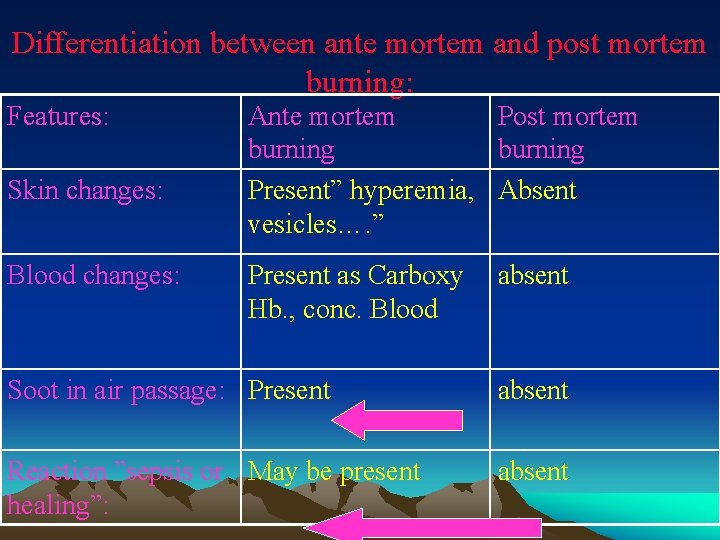
Differentiation between ante mortem and post mortem burning: Features: Skin changes: Blood changes: Ante mortem Post mortem burning Present” hyperemia, Absent vesicles…. ” Present as Carboxy Hb. , conc. Blood absent Soot in air passage: Present absent Reaction ”sepsis or May be present healing”: absent


- Slides: 21