
Definition A food supplement also known as dietary

- Slides: 21
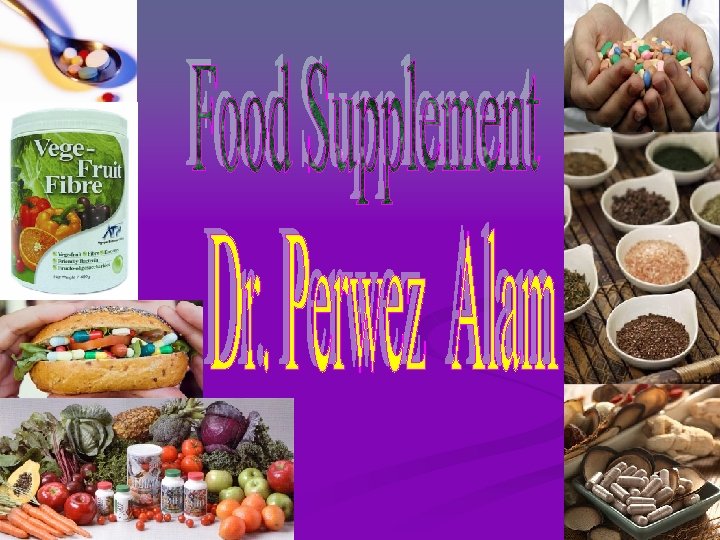
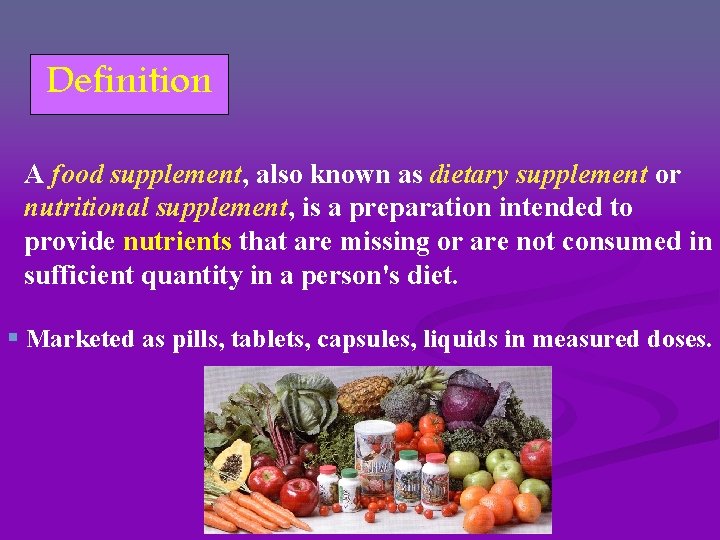
Definition A food supplement, also known as dietary supplement or nutritional supplement, is a preparation intended to provide nutrients that are missing or are not consumed in sufficient quantity in a person's diet. § Marketed as pills, tablets, capsules, liquids in measured doses.
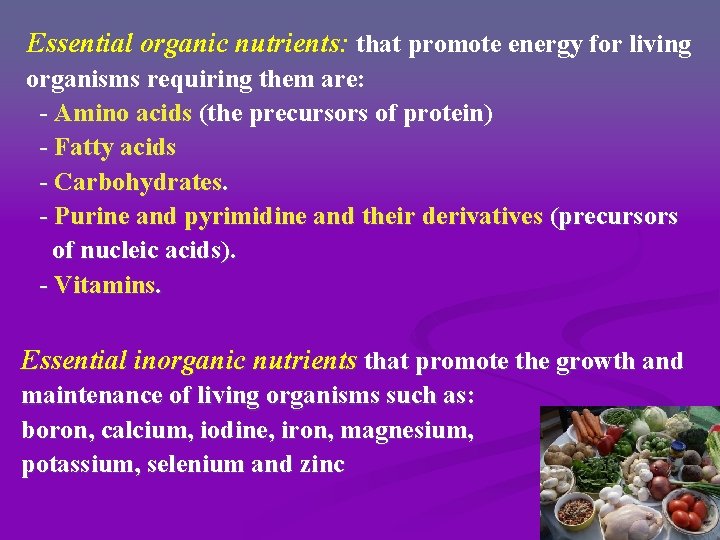
Essential organic nutrients: that promote energy for living organisms requiring them are: - Amino acids (the precursors of protein) - Fatty acids - Carbohydrates. - Purine and pyrimidine and their derivatives (precursors of nucleic acids). - Vitamins. Essential inorganic nutrients that promote the growth and maintenance of living organisms such as: boron, calcium, iodine, iron, magnesium, potassium, selenium and zinc
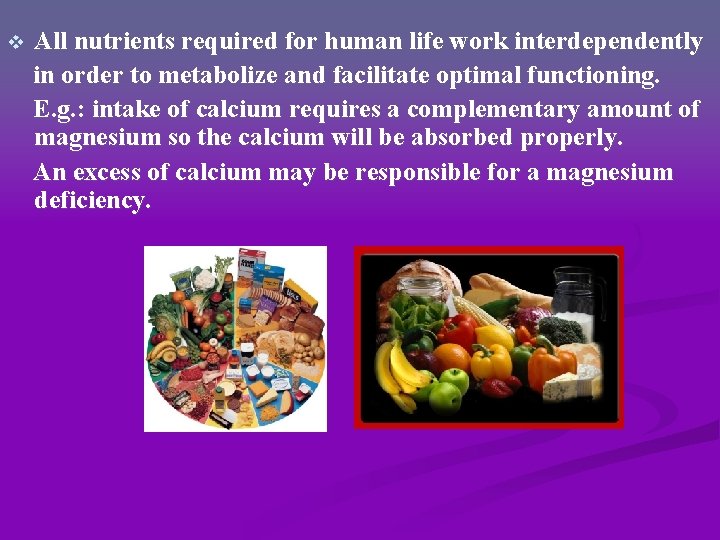
v All nutrients required for human life work interdependently in order to metabolize and facilitate optimal functioning. E. g. : intake of calcium requires a complementary amount of magnesium so the calcium will be absorbed properly. An excess of calcium may be responsible for a magnesium deficiency.
Do YOU Need a Dietary Supplement?
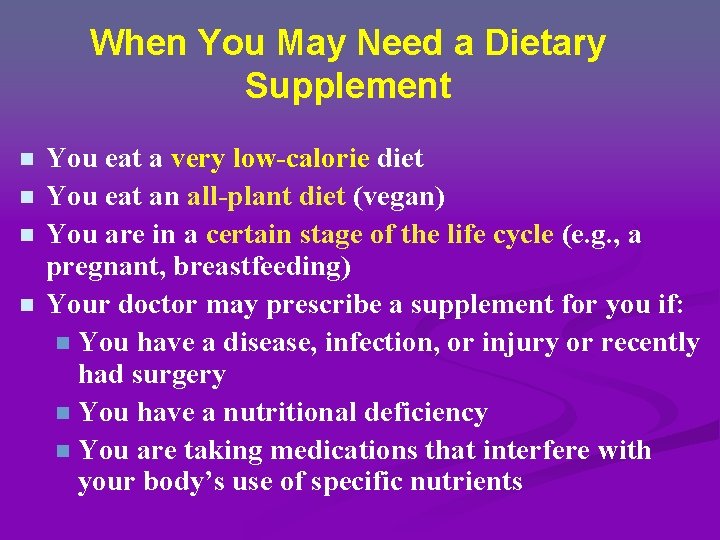
When You May Need a Dietary Supplement n n You eat a very low-calorie diet You eat an all-plant diet (vegan) You are in a certain stage of the life cycle (e. g. , a pregnant, breastfeeding) Your doctor may prescribe a supplement for you if: n You have a disease, infection, or injury or recently had surgery n You have a nutritional deficiency n You are taking medications that interfere with your body’s use of specific nutrients
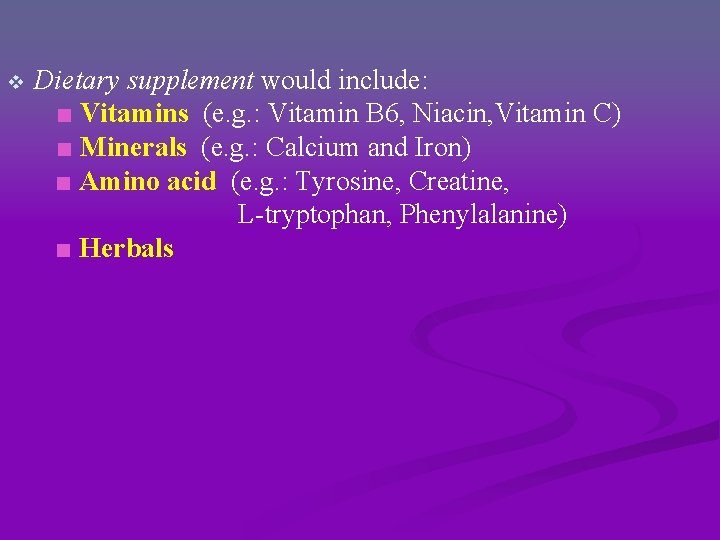
v Dietary supplement would include: ■ Vitamins (e. g. : Vitamin B 6, Niacin, Vitamin C) ■ Minerals (e. g. : Calcium and Iron) ■ Amino acid (e. g. : Tyrosine, Creatine, L-tryptophan, Phenylalanine) ■ Herbals
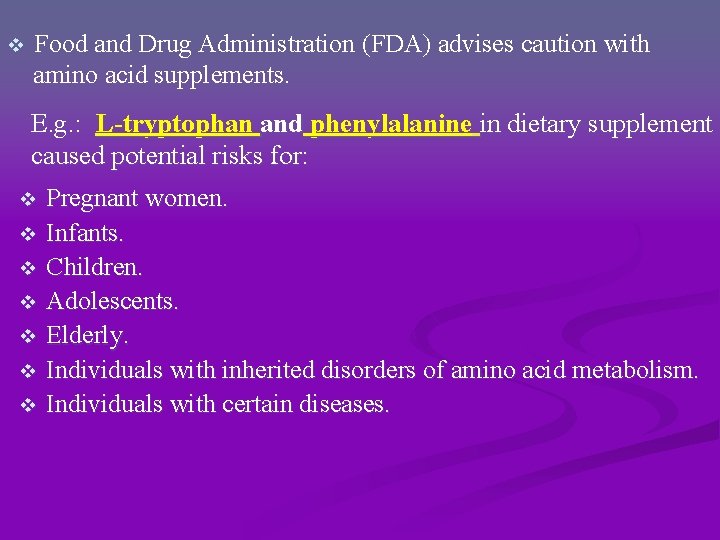
v Food and Drug Administration (FDA) advises caution with amino acid supplements. E. g. : L-tryptophan and phenylalanine in dietary supplement caused potential risks for: v v v v Pregnant women. Infants. Children. Adolescents. Elderly. Individuals with inherited disorders of amino acid metabolism. Individuals with certain diseases.
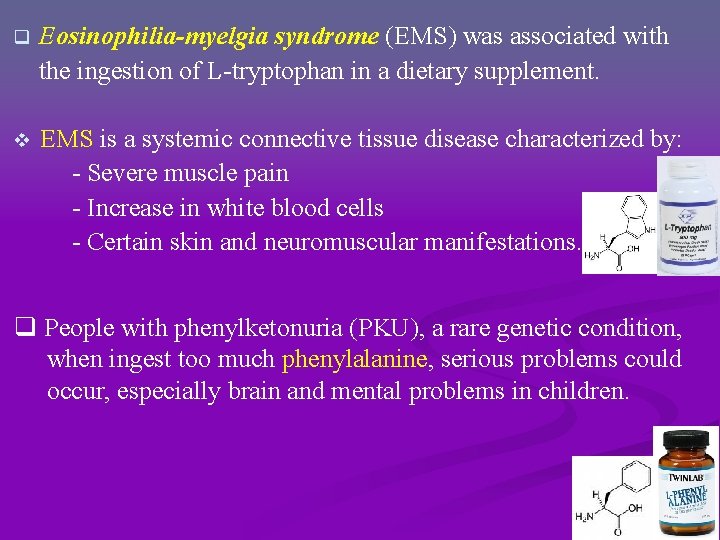
q Eosinophilia-myelgia syndrome (EMS) was associated with the ingestion of L-tryptophan in a dietary supplement. v EMS is a systemic connective tissue disease characterized by: - Severe muscle pain - Increase in white blood cells - Certain skin and neuromuscular manifestations. q People with phenylketonuria (PKU), a rare genetic condition, when ingest too much phenylalanine, serious problems could occur, especially brain and mental problems in children.
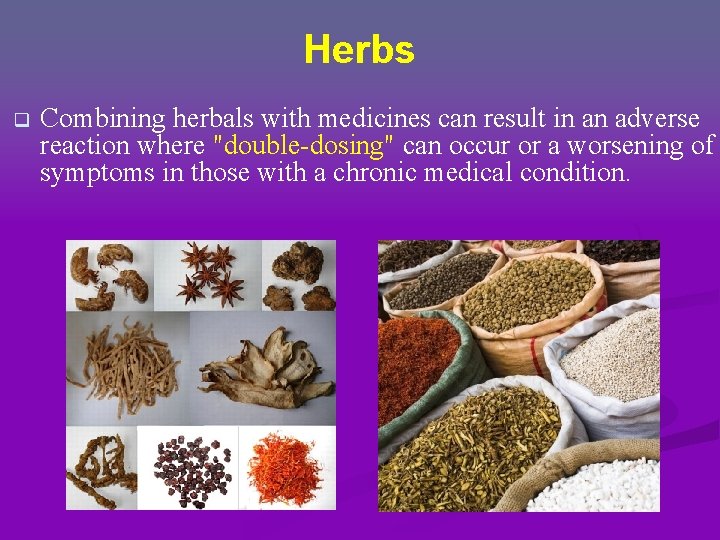
Herbs q Combining herbals with medicines can result in an adverse reaction where "double-dosing" can occur or a worsening of symptoms in those with a chronic medical condition.
Some of the fastest growing herbal categories include the following: v Herbals that increase circulation (Ginko biloba) v Herbals used for calmative effect (Kava kava, Valerian, Chamomile) v Herbals to lessen a cold flu symptoms and boost immunity (Echinacea, Goldenseal) v Herbs for mild depression (St. John's Wort ). v Herbs for inflammation (Curcuma domestica). v Herbs for lowering cholesterol (Allium sativum). v Herbs to treat hypertension (Valariana officinalis, Panax ginseng)
Be careful when using Herbal Supplements: v Herbals can interact with drugs used for anesthesia (all herbals be discontinued 2 -3 weeks prior to a scheduled surgery). v Stop all herbals if pregnant or breast-feeding. v Many herbals can interact with the anticoagulant: - Avoid taking supplements of garlic, ginko biloba, ginger, while taking the blood thinner Coumadin® as these herbs can further prolong clotting times. v Don't give herbal remedies to children without first checking with the child's pediatrician.
v Don't take herbal products containing ephedra. Many deaths have been associated with its use. q Many drugs interact with St. John's Wort, prompting the FDA to issue a health advisory: St. John's Wort can cause some drugs to be eliminated from the body too quickly, making them less effective such as oral contraceptives, anti-cancer agents, heart medications and drugs that fight HIV.
Possible Side Effects of Supplement Use n n n n Dehydration Nervousness and Dizziness Changes in Blood Pressure and Heart Rate Heart Attack Seizures Psychosis Death Interaction with medications
Supplements to Avoid n Steroids and Steroid-Enhancers n Linked to liver toxicity and increased risk of heart attack. n Kava n Linked to liver damage n Banned in European countries and Canada n St Johns Wort n Interferes with a huge number of medications
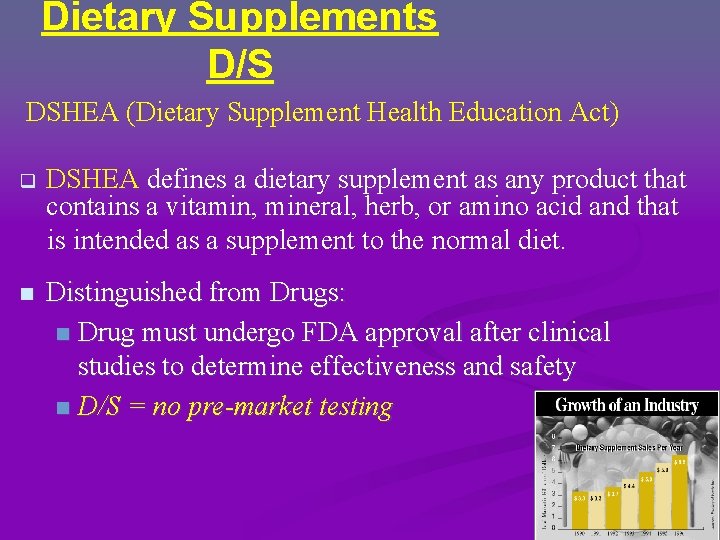
Dietary Supplements D/S DSHEA (Dietary Supplement Health Education Act) q DSHEA defines a dietary supplement as any product that contains a vitamin, mineral, herb, or amino acid and that is intended as a supplement to the normal diet. n Distinguished from Drugs: n Drug must undergo FDA approval after clinical studies to determine effectiveness and safety n D/S = no pre-market testing
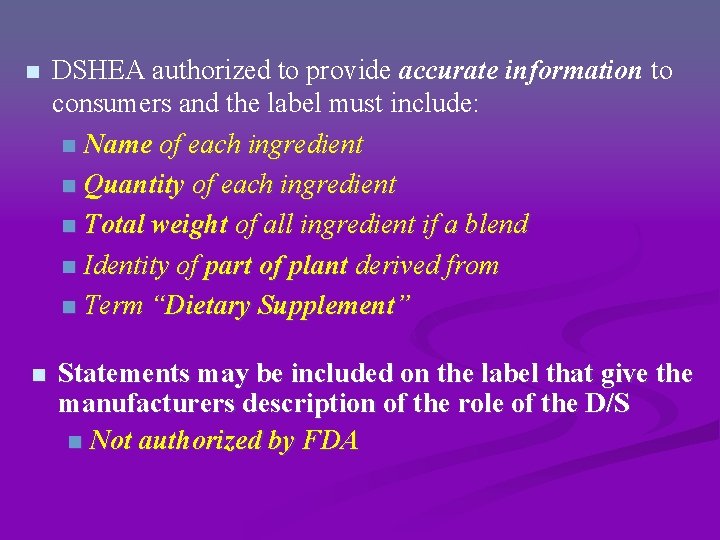
n DSHEA authorized to provide accurate information to consumers and the label must include: n Name of each ingredient n Quantity of each ingredient n Total weight of all ingredient if a blend n Identity of part of plant derived from n Term “Dietary Supplement” n Statements may be included on the label that give the manufacturers description of the role of the D/S n Not authorized by FDA
Food coloring is any substance that is added to food or drink to change its color. Purpose of food coloring - Offsetting color loss due to light, air, extremes of temp. , moisture, and storage conditions. - Enhancing naturally occurring colors. - Decorative purposes.
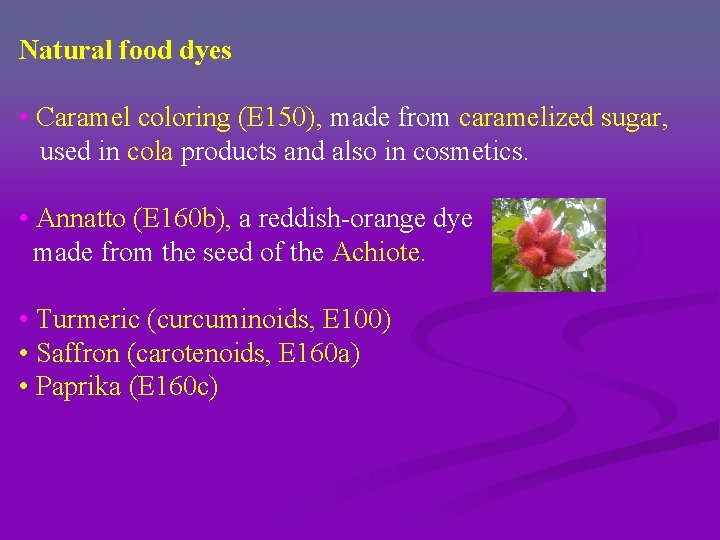
Natural food dyes • Caramel coloring (E 150), made from caramelized sugar, used in cola products and also in cosmetics. • Annatto (E 160 b), a reddish-orange dye made from the seed of the Achiote. • Turmeric (curcuminoids, E 100) • Saffron (carotenoids, E 160 a) • Paprika (E 160 c)
Side effects of coloring agents • A great deal of research finds definite connections between behavioral problems and hyperactivity in children. • Other effects on health from food dyes are allergies, headache, asthma, fatigue, nausea, concentration problems, agitation and nervousness.
THANK YOU