
Defining urban settlements City an urban settlement that

Defining urban settlements • City: an urban settlement that has been legally incorporated into an independent self-governing unit. • Urban Area: A dense core of census tracts, densely settled suburbs, and low-density land that links suburbs within the core. • Urbanized area: urban area with at least 50, 000 people • Urban cluster: area between 2, 500 to 50, 000 people
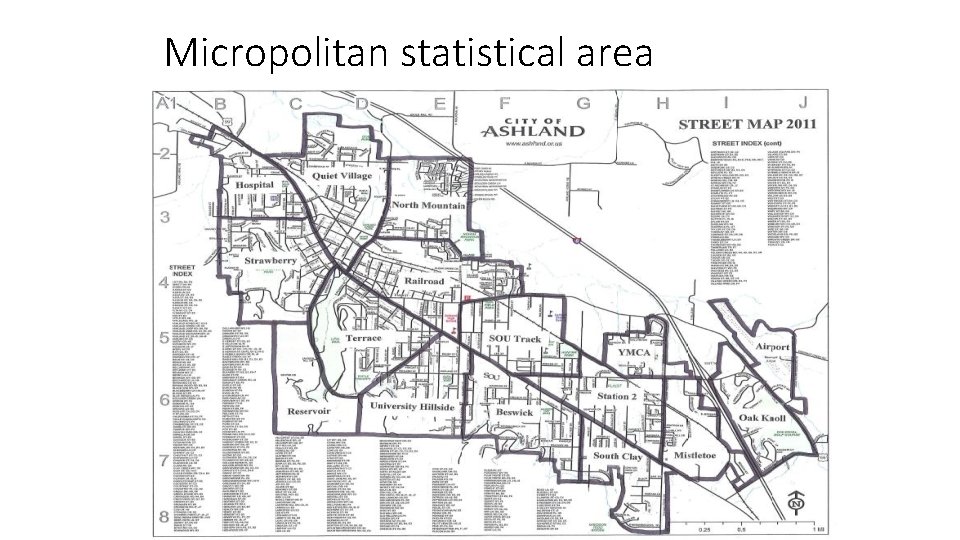
Micropolitan statistical area
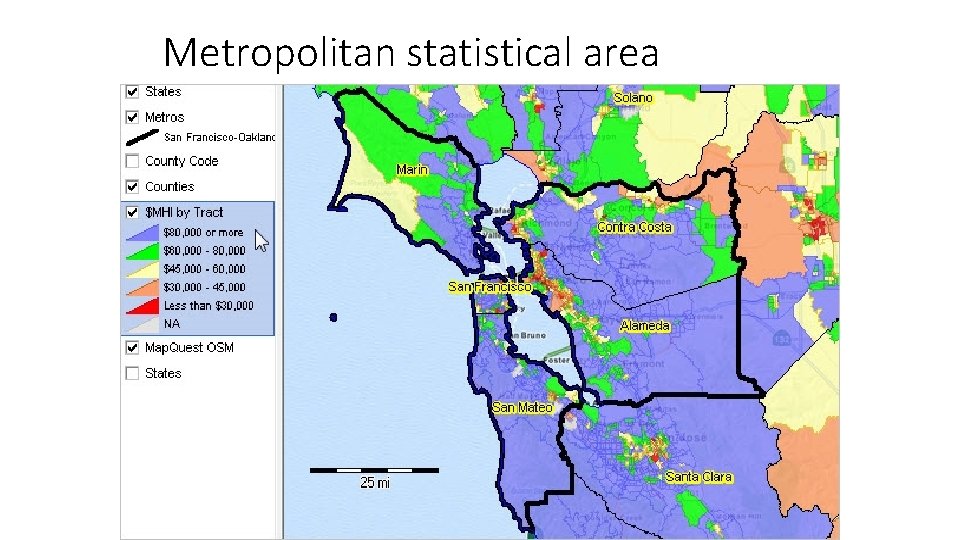
Metropolitan statistical area
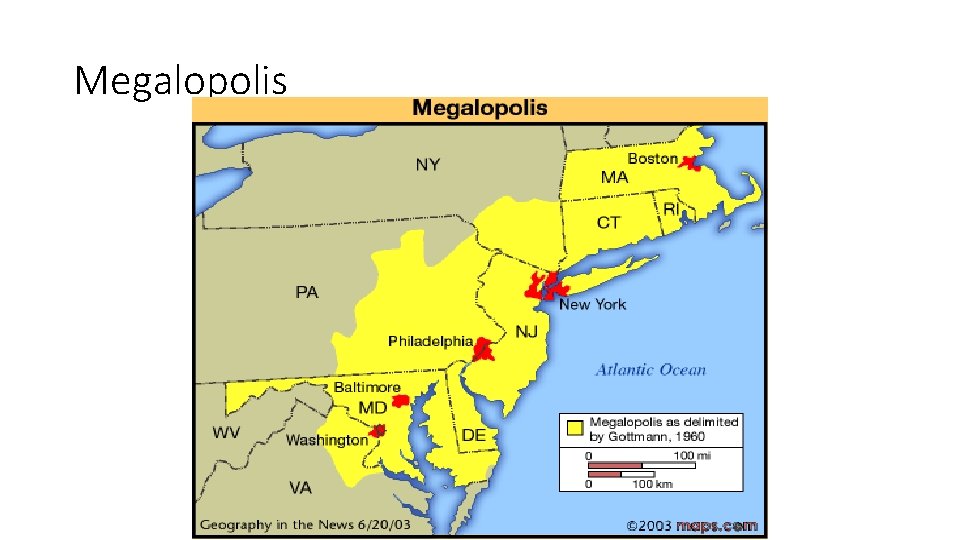
Megalopolis
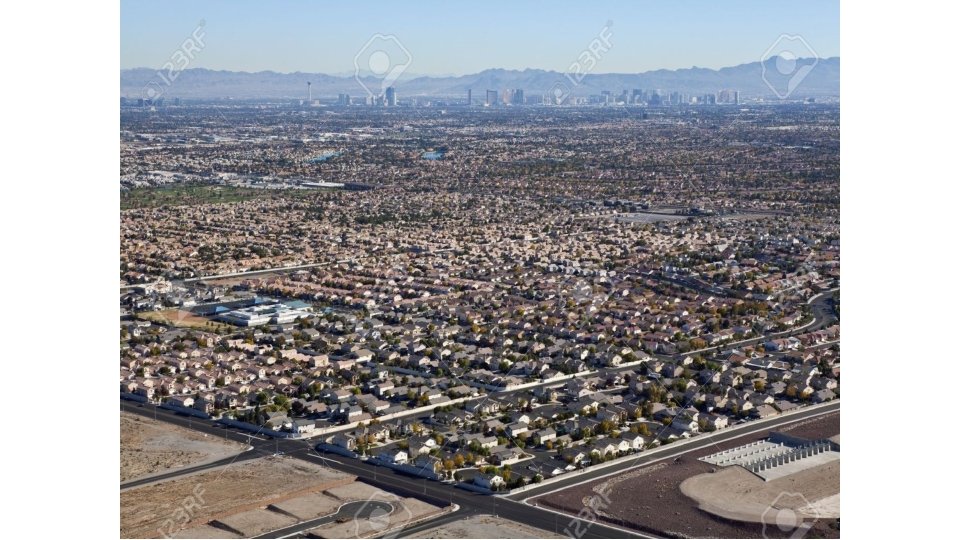
City growth • Annexation: process of legally adding land area to a city. • Density Gradient: the number of houses per unit of land diminishes as distance from city center increases. • Sprawl: A flattening of density gradient for a metropolitan area or the progressive spread of development over the landscape
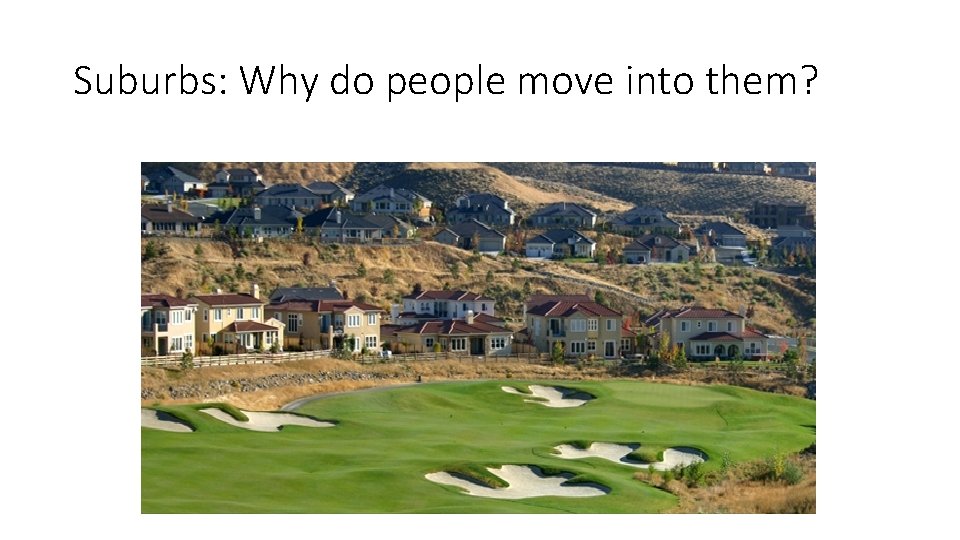
Suburbs: Why do people move into them?
Edge cities • A large node of office and retail activities on the edge of an urban area. • Started out as residential areas, where residents would live & commute to the central city • Eventually, other industries & businesses developed • Shopping malls • Smaller manufacturing • Specialized industries • Theme parks • Airports surrounded by hotels & warehouses
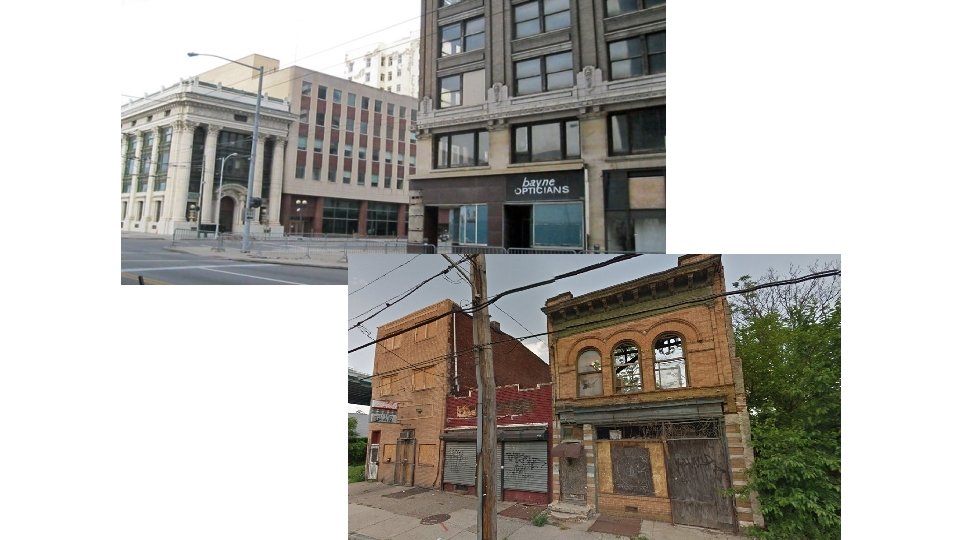

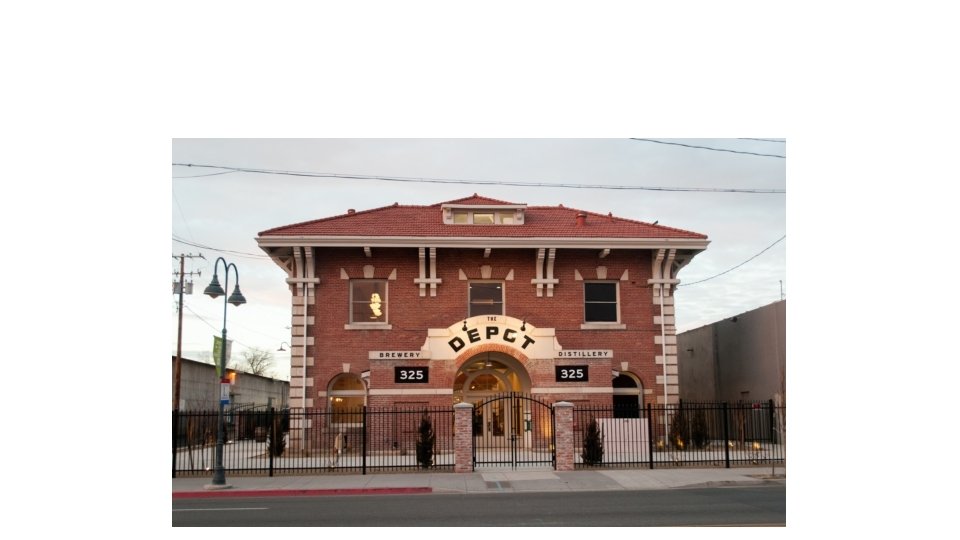
Gentrification
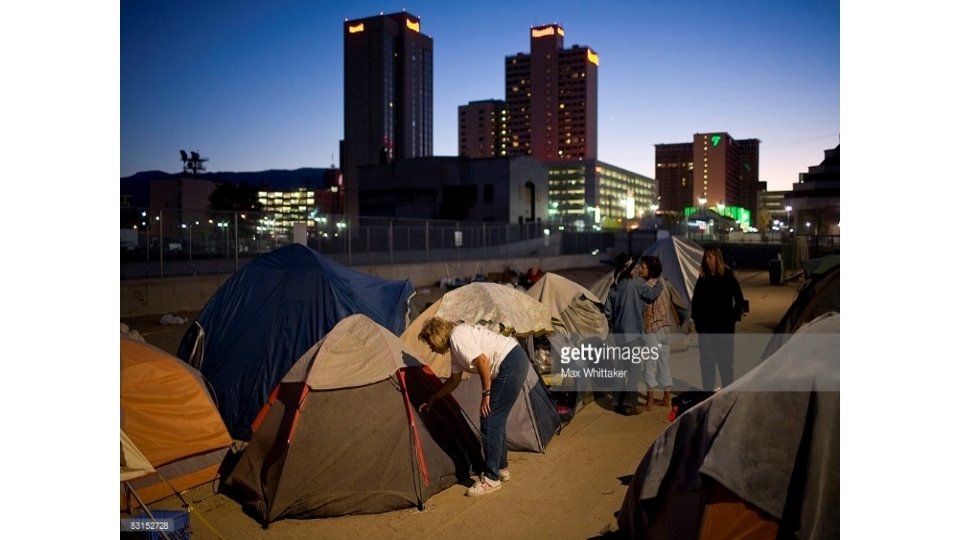
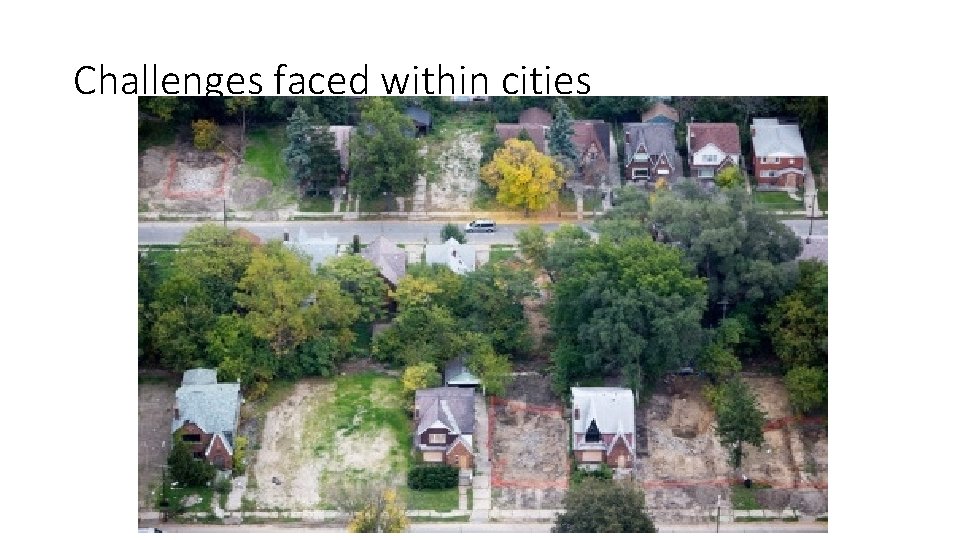
Challenges faced within cities
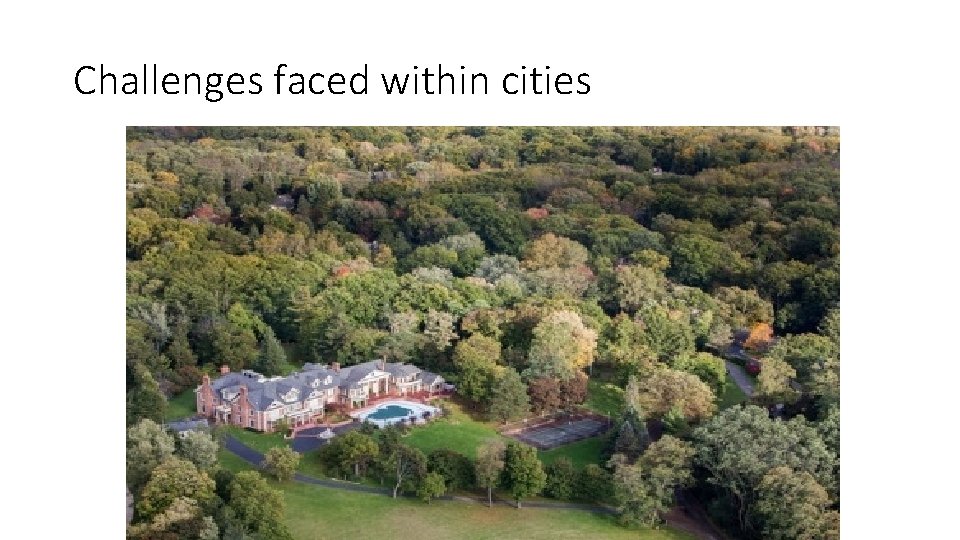
Challenges faced within cities
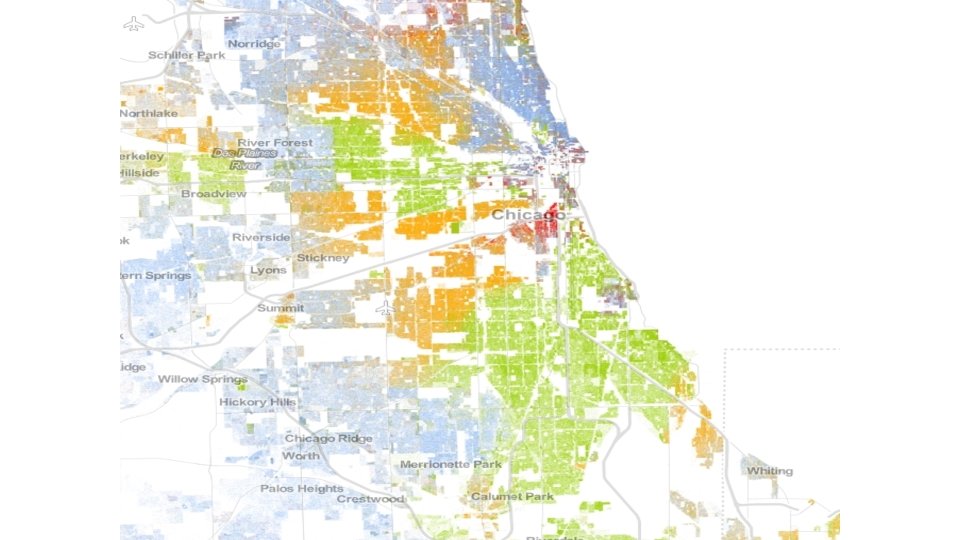
Ghettoization & Urban Decay • More affluent families leave the inner city for suburbs • Predominantly white, thus labeled as “White Flight” • Leaves immigrants and people of color in the inner cities • As people leave, the tax base diminishes • Fewer people = less services = jobs leave = limited employment opportunities • Cities then become the center of poverty • In North America
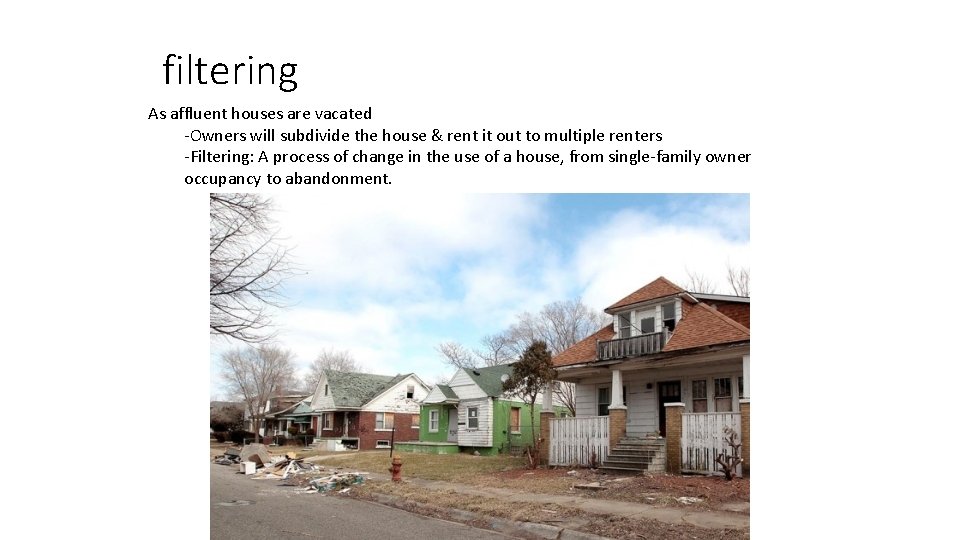
filtering As affluent houses are vacated -Owners will subdivide the house & rent it out to multiple renters -Filtering: A process of change in the use of a house, from single-family owner occupancy to abandonment.
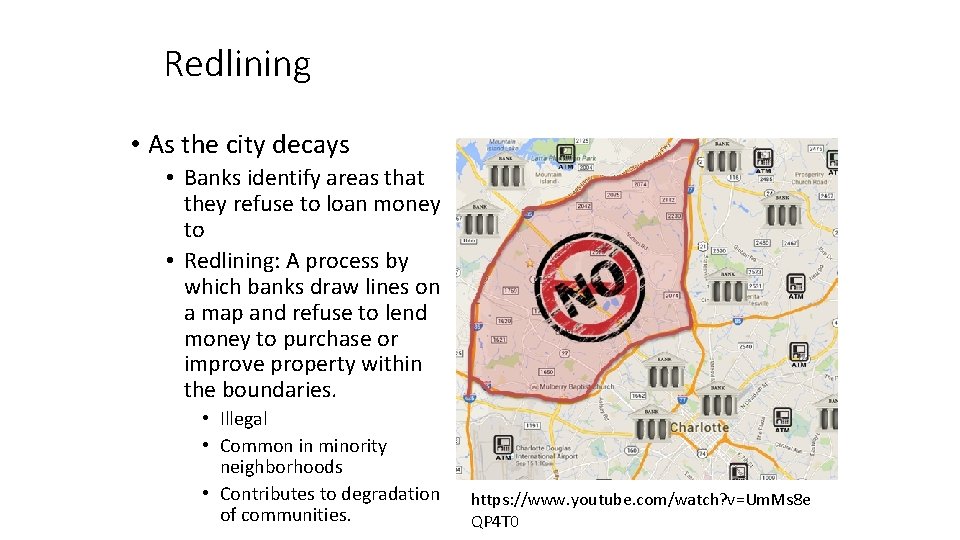
Redlining • As the city decays • Banks identify areas that they refuse to loan money to • Redlining: A process by which banks draw lines on a map and refuse to lend money to purchase or improve property within the boundaries. • Illegal • Common in minority neighborhoods • Contributes to degradation of communities. https: //www. youtube. com/watch? v=Um. Ms 8 e QP 4 T 0
Public Housing • Housing owned by the government; in the United States, it is rented to residents with low incomes, and the rents are set at 30 percent of the families’ incomes. • Low-income housing, generally in the inner city • Built & reserved for people who must pay 30% of their income to rent • Only 1% in US • 14% in UK • Less money devoted to public housing in the US • Decreased the number of units by 1 million (1980 -2000) • Number of people who need public housing up 2 million in same time period • UK • Subsidies to build public housing for single mothers, disabled, poor, elderly, immigrants, etc.
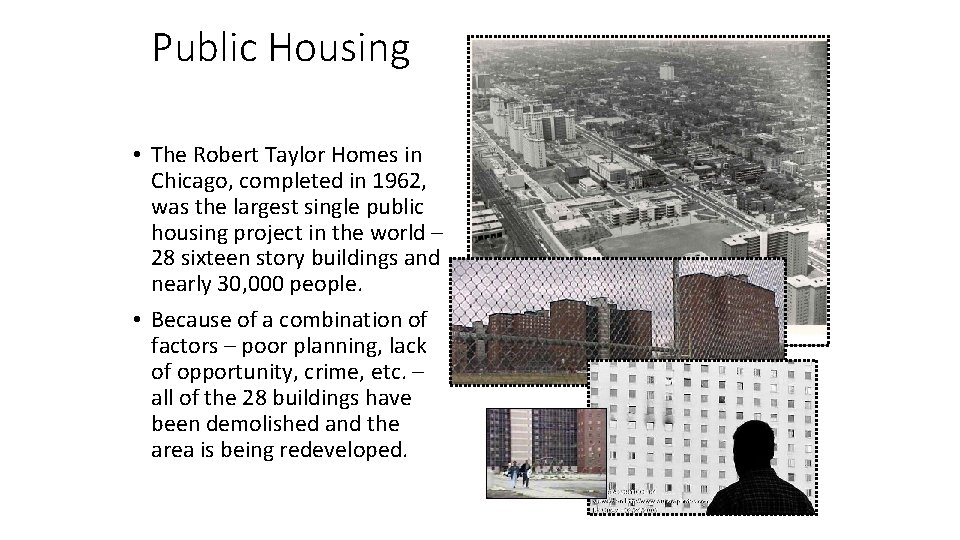
Public Housing • The Robert Taylor Homes in Chicago, completed in 1962, was the largest single public housing project in the world – 28 sixteen story buildings and nearly 30, 000 people. • Because of a combination of factors – poor planning, lack of opportunity, crime, etc. – all of the 28 buildings have been demolished and the area is being redeveloped.
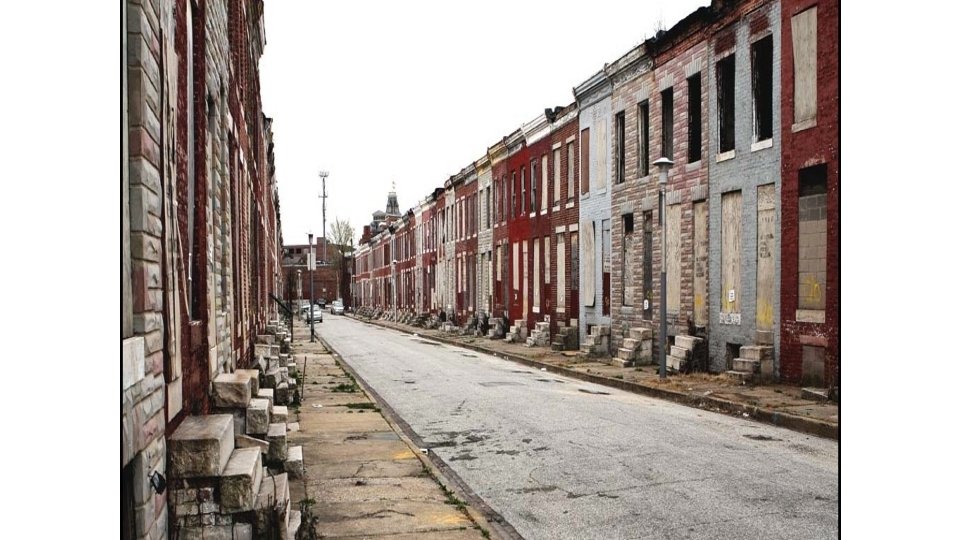

Underclass • Inner-city residents caught in an unending cycle of economic and social problems.
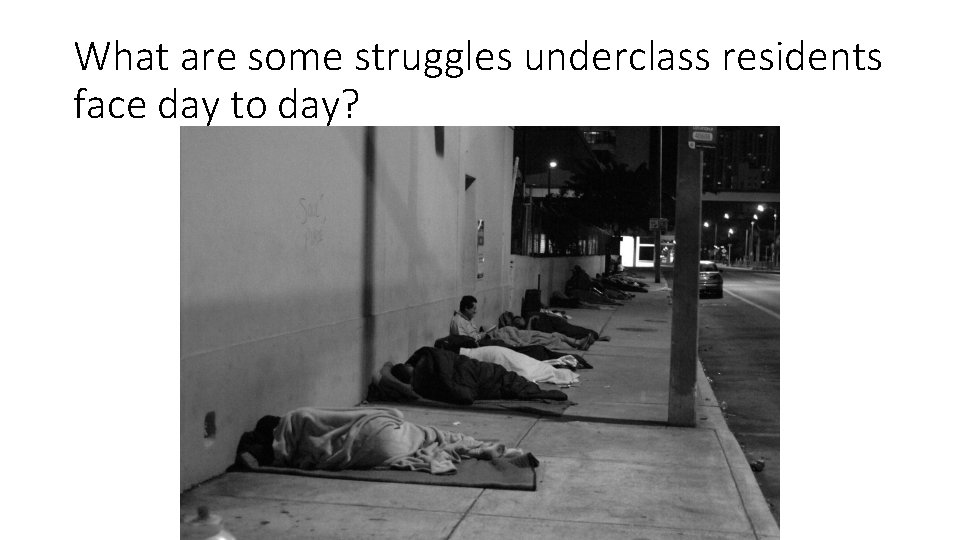
What are some struggles underclass residents face day to day?
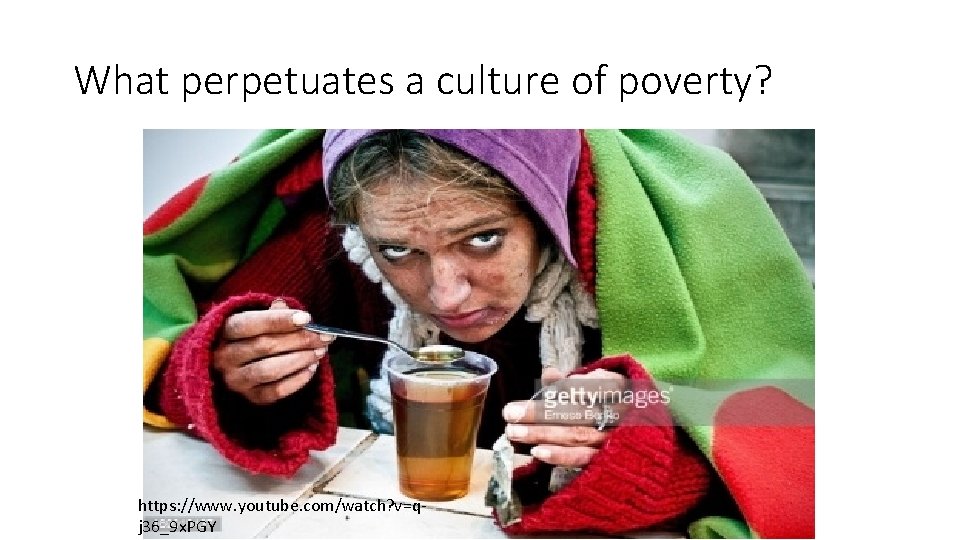
What perpetuates a culture of poverty? https: //www. youtube. com/watch? v=qj 36_9 x. PGY
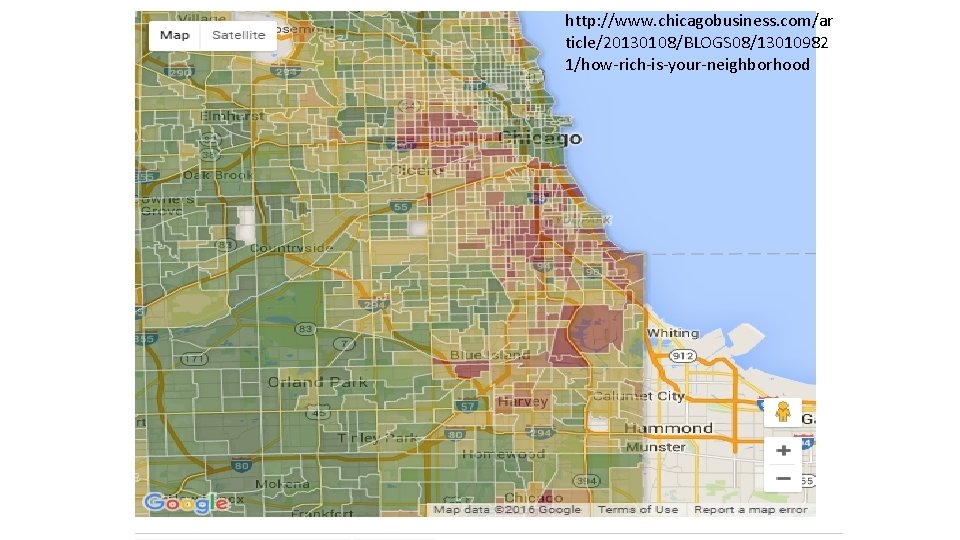
http: //www. chicagobusiness. com/ar ticle/20130108/BLOGS 08/13010982 1/how-rich-is-your-neighborhood


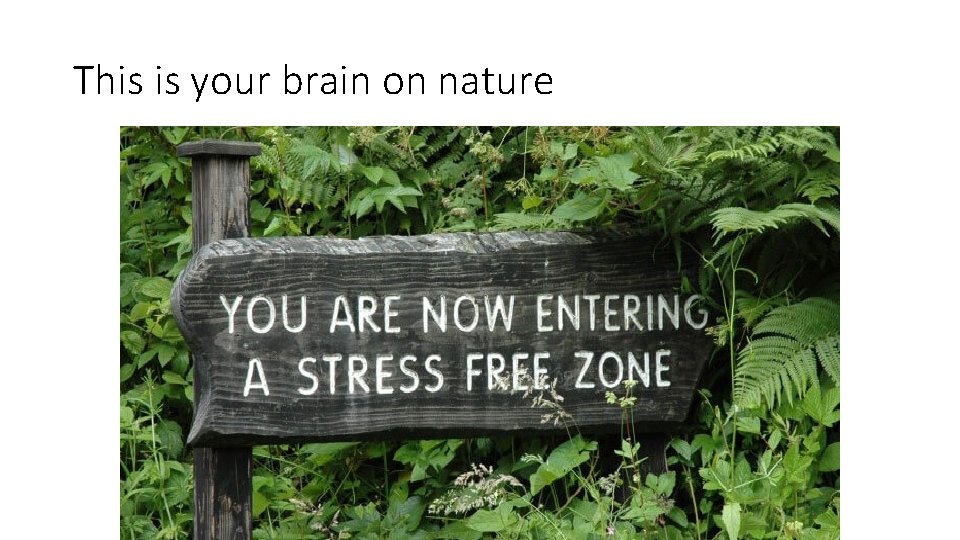
This is your brain on nature
- Slides: 32