
Deep Machine Learning in Assisting Well Correlation Analysis






- Slides: 55
Deep Machine Learning in Assisting Well Correlation Analysis Bo Zhang Geological Sciences University of Alabama 1
Outline • Introduction • CNN assisting in Well Correlation • Application • Conclusions • Future Research 2
Introduction AI, ML, and DL exhibited by machines have many applications in today’s society. Media & Entertainment Healthcare & Life Sciences Pricing and Product Recommendation Financial Services/Trading Customer Experience 3
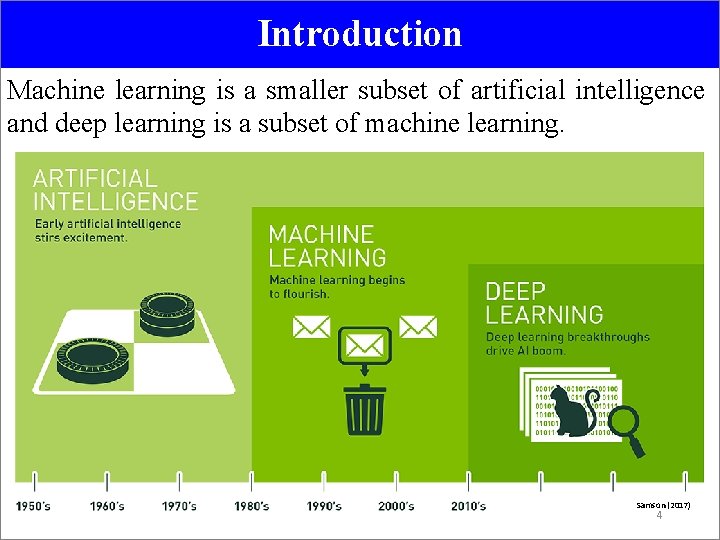
Introduction Machine learning is a smaller subset of artificial intelligence and deep learning is a subset of machine learning. Samson (2017) 4
Introduction Copyright by Google 5
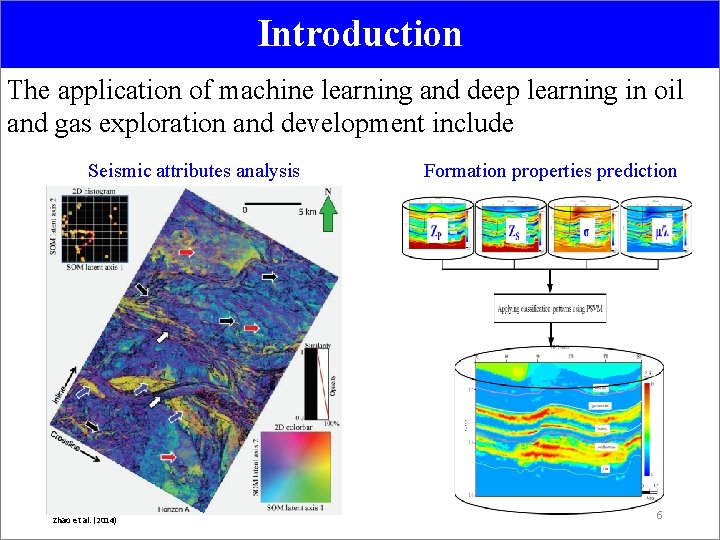
Introduction The application of machine learning and deep learning in oil and gas exploration and development include Seismic attributes analysis Zhao et al. (2014) Formation properties prediction 6
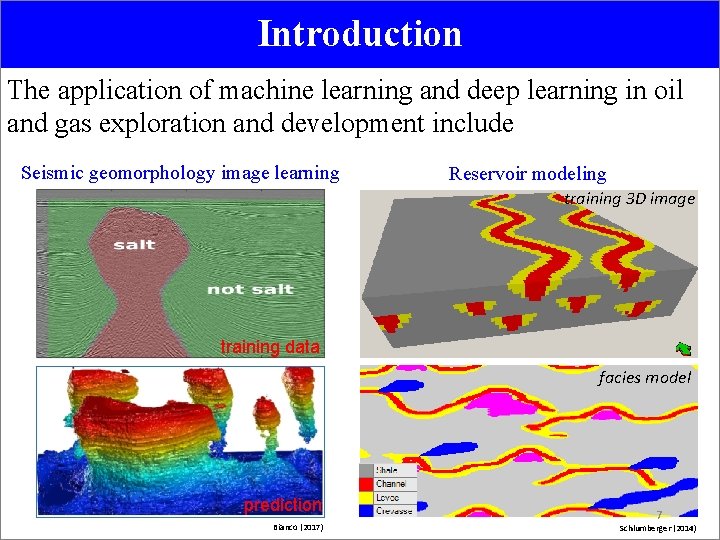
Introduction The application of machine learning and deep learning in oil and gas exploration and development include Seismic geomorphology image learning Reservoir modeling training 3 D image training data facies model prediction Bianco (2017) 7 Schlumberger (2014)
Outline • Introduction • CNN assisting in Well Correlation • Application • Conclusions • Future Research 8
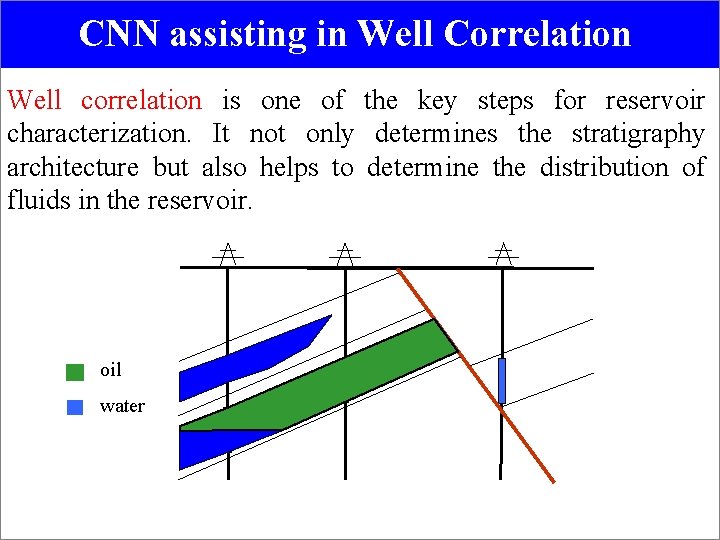
CNN assisting in Well Correlation Well correlation is one of the key steps for reservoir characterization. It not only determines the stratigraphy architecture but also helps to determine the distribution of fluids in the reservoir. oil water
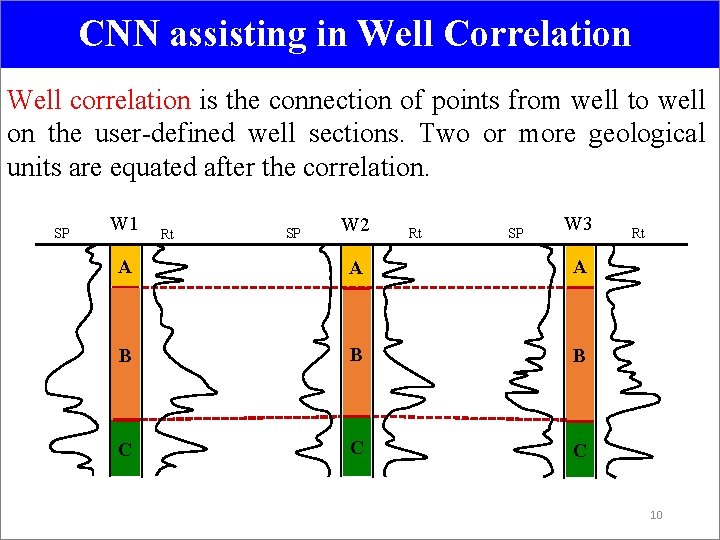
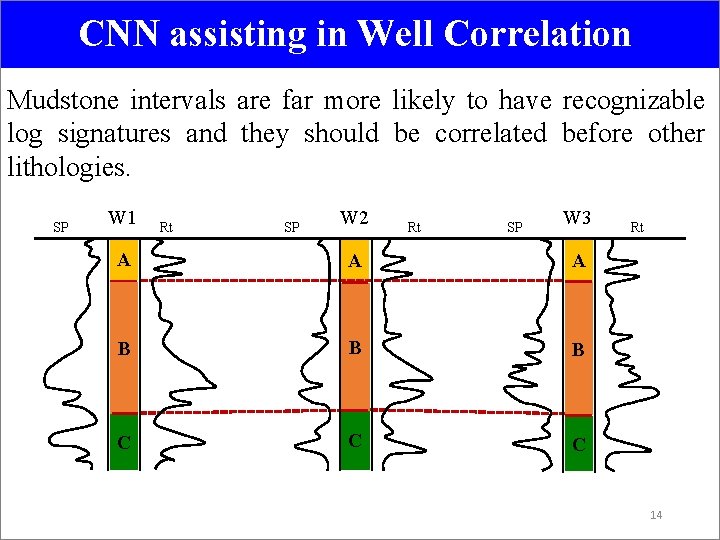
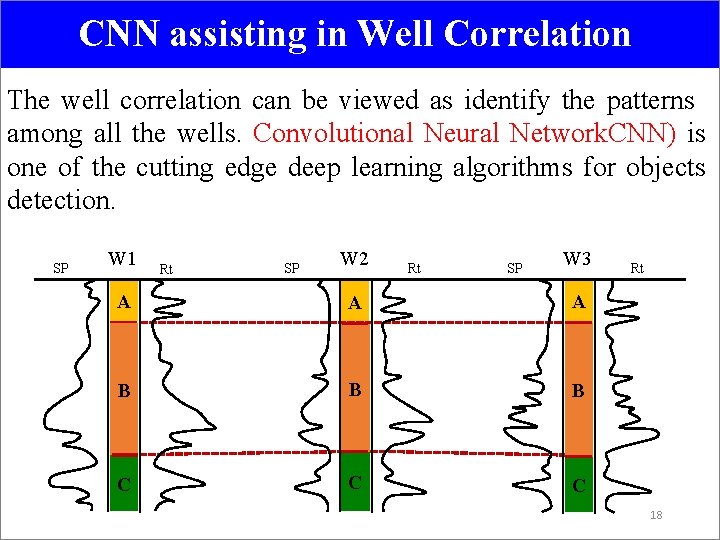
CNN assisting in Well Correlation Well correlation is the connection of points from well to well on the user-defined well sections. Two or more geological units are equated after the correlation. SP W 1 Rt SP W 2 Rt SP W 3 A A A B B B C C C Rt 10
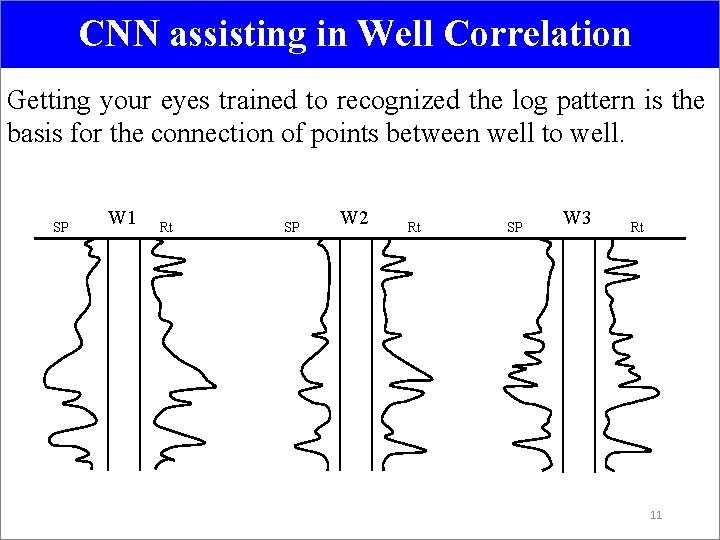
CNN assisting in Well Correlation Getting your eyes trained to recognized the log pattern is the basis for the connection of points between well to well. SP W 1 Rt SP W 2 Rt SP W 3 Rt 11
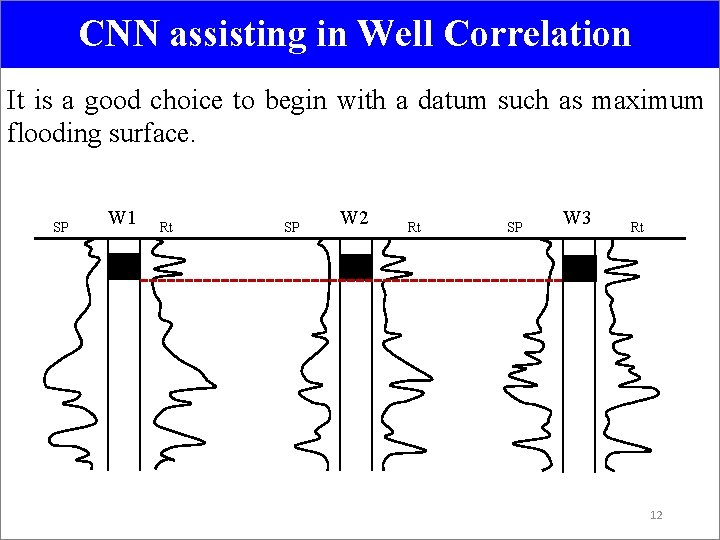
CNN assisting in Well Correlation It is a good choice to begin with a datum such as maximum flooding surface. SP W 1 Rt SP W 2 Rt SP W 3 Rt 12
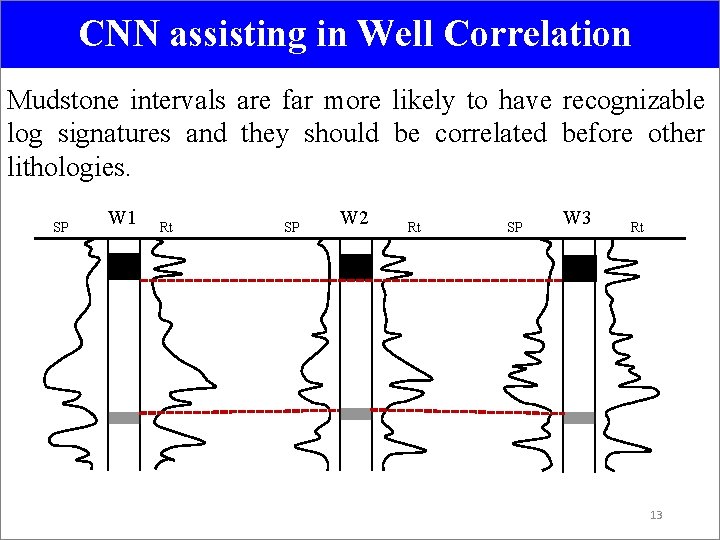
CNN assisting in Well Correlation Mudstone intervals are far more likely to have recognizable log signatures and they should be correlated before other lithologies. SP W 1 Rt SP W 2 Rt SP W 3 Rt 13
CNN assisting in Well Correlation Mudstone intervals are far more likely to have recognizable log signatures and they should be correlated before other lithologies. SP W 1 Rt SP W 2 Rt SP W 3 A A A B B B C C C Rt 14
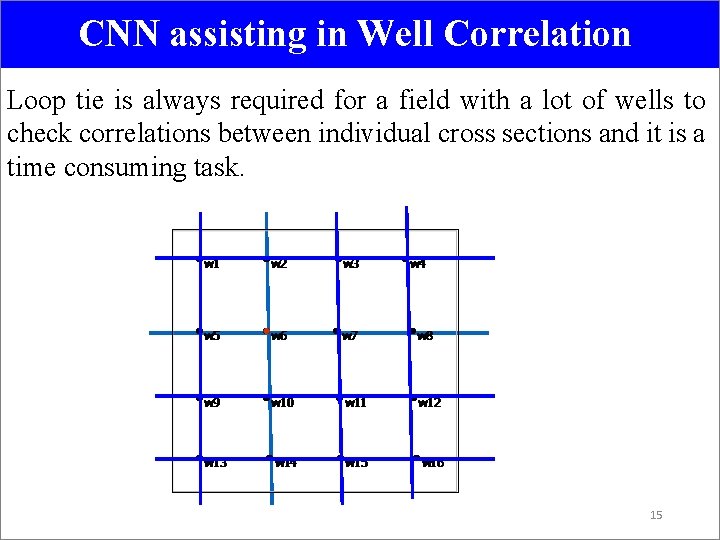
CNN assisting in Well Correlation Loop tie is always required for a field with a lot of wells to check correlations between individual cross sections and it is a time consuming task. 15
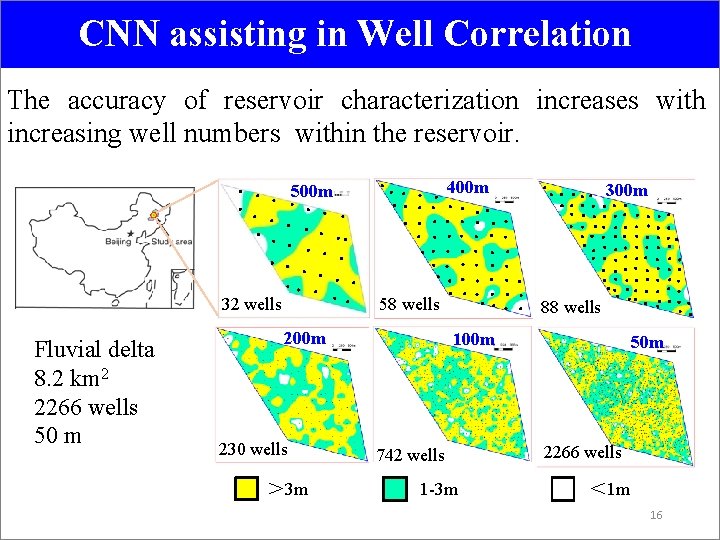
CNN assisting in Well Correlation The accuracy of reservoir characterization increases with increasing well numbers within the reservoir. 400 m 500 m 32 wells Fluvial delta 8. 2 km 2 2266 wells 50 m 58 wells 200 m 230 wells > 3 m 300 m 88 wells 100 m 742 wells 1 -3 m 50 m 2266 wells < 1 m 16
CNN assisting in Well Correlation Costs Accuracy 17
CNN assisting in Well Correlation The well correlation can be viewed as identify the patterns among all the wells. Convolutional Neural Network. CNN) is one of the cutting edge deep learning algorithms for objects detection. SP W 1 Rt SP W 2 Rt SP W 3 A A A B B B C C C Rt 18
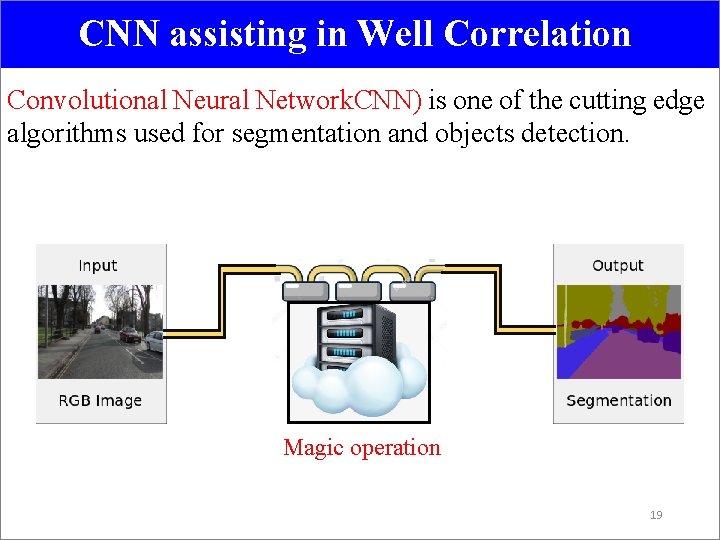
CNN assisting in Well Correlation Convolutional Neural Network. CNN) is one of the cutting edge algorithms used for segmentation and objects detection. Magic operation 19
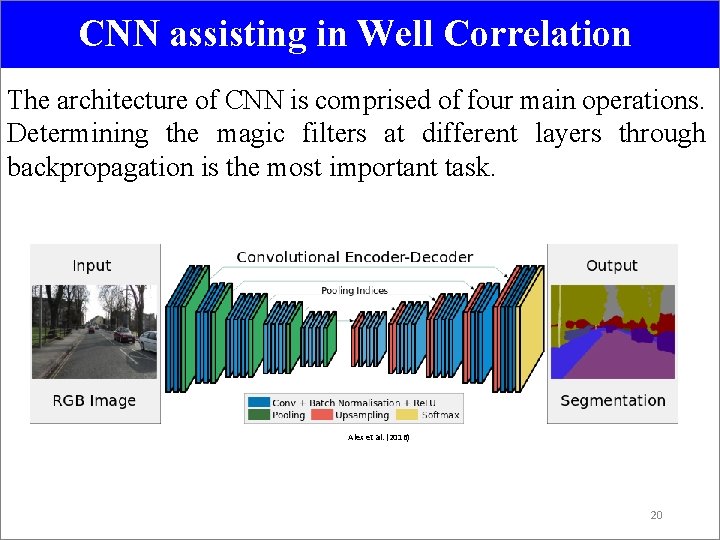
CNN assisting in Well Correlation The architecture of CNN is comprised of four main operations. Determining the magic filters at different layers through backpropagation is the most important task. Alex et al. (2016) 20
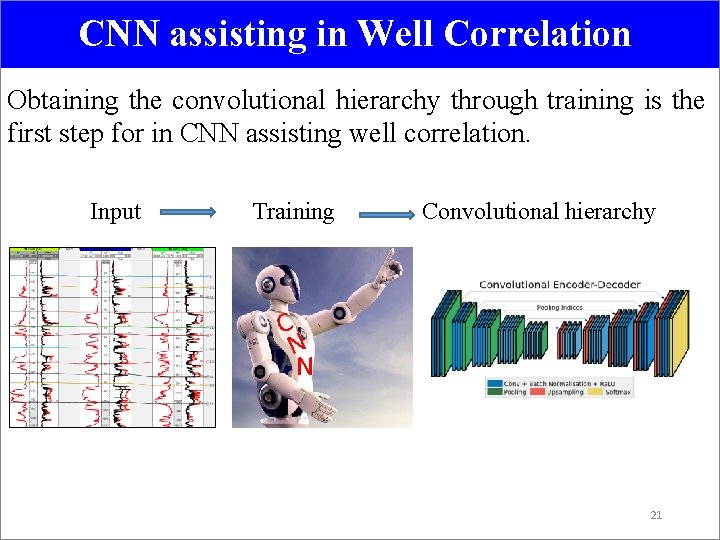
CNN assisting in Well Correlation Obtaining the convolutional hierarchy through training is the first step for in CNN assisting well correlation. Input Training Convolutional hierarchy C N N 21
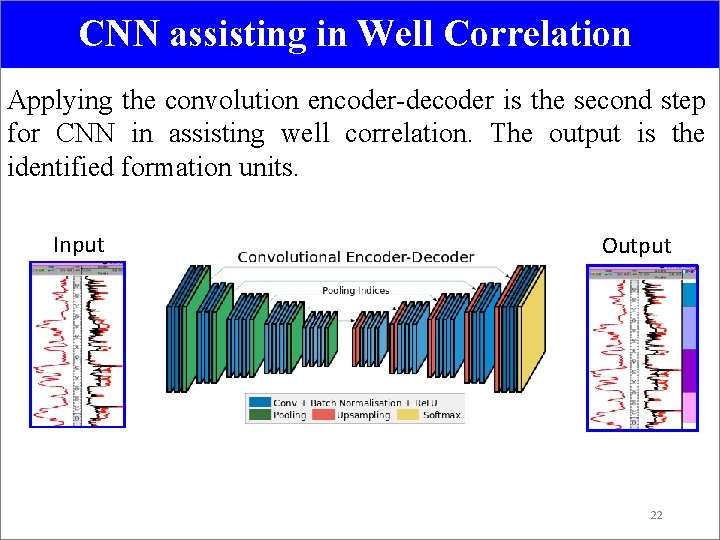
CNN assisting in Well Correlation Applying the convolution encoder-decoder is the second step for CNN in assisting well correlation. The output is the identified formation units. Input Output 22
Outline • Introduction • CNN assisting in Well Correlation • Application • Conclusions • Future Research 23
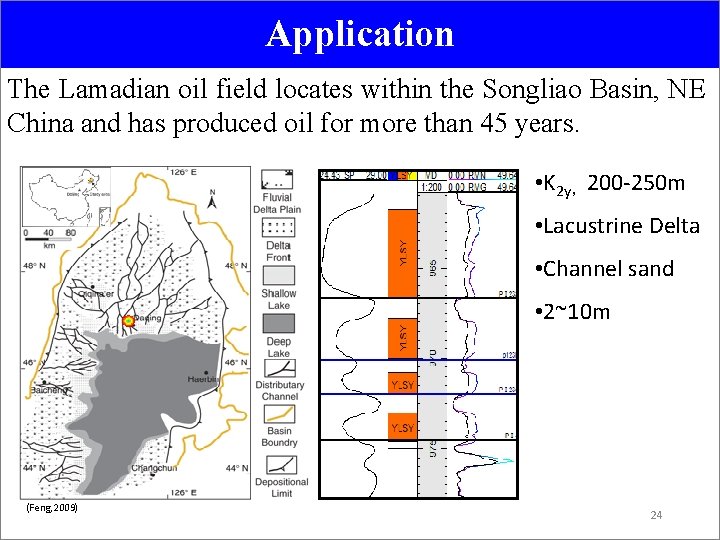
Application The Lamadian oil field locates within the Songliao Basin, NE China and has produced oil for more than 45 years. • K 2 y,200 -250 m • Lacustrine Delta • Channel sand • 2~10 m (Feng, 2009) 24
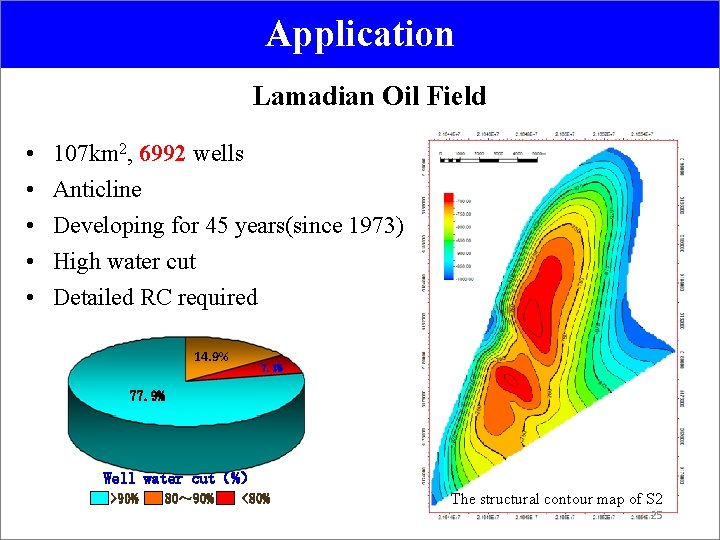
Application Lamadian Oil Field • • • 107 km 2, 6992 wells Anticline Developing for 45 years(since 1973) High water cut Detailed RC required 14. 9% 7. 2% 77. 9% Well water cut(%) >90% 80~ 90% <80% The structural contour map of S 2 25
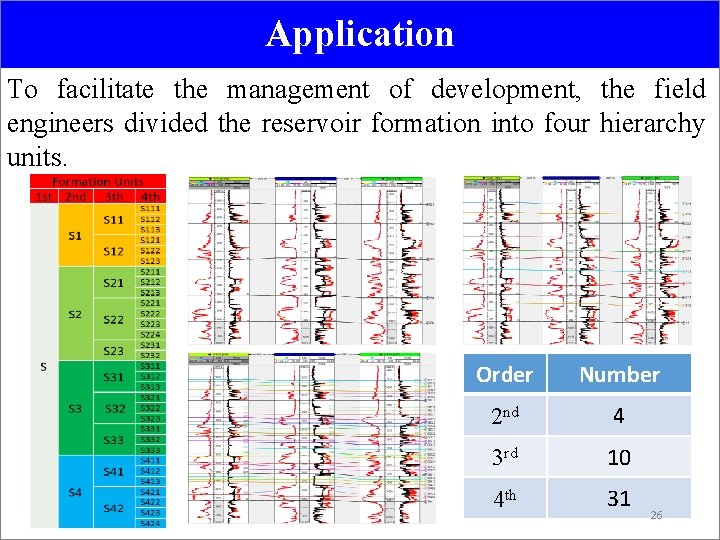
Application To facilitate the management of development, the field engineers divided the reservoir formation into four hierarchy units. Order Number 2 nd 4 3 rd 10 4 th 31 26
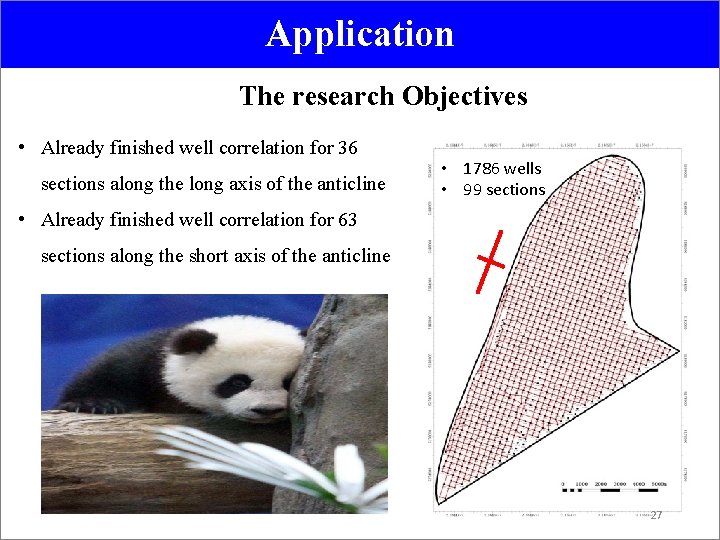
Application The research Objectives • Already finished well correlation for 36 sections along the long axis of the anticline • 1786 wells • 99 sections • Already finished well correlation for 63 sections along the short axis of the anticline 27
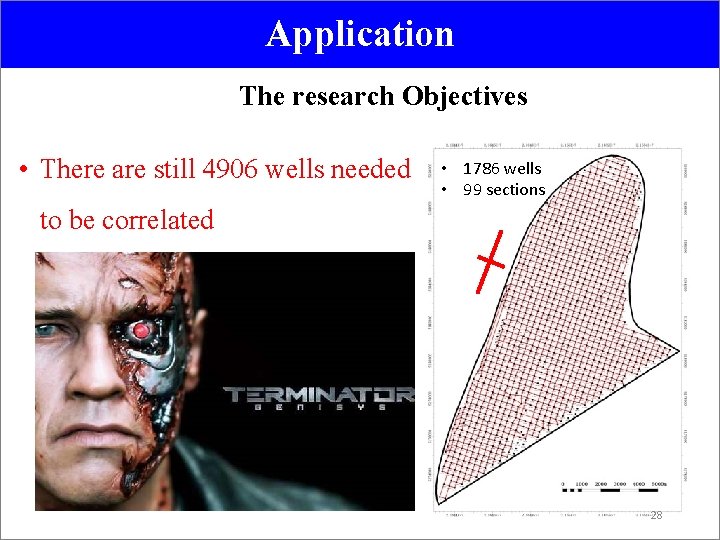
Application The research Objectives • There are still 4906 wells needed • 1786 wells • 99 sections to be correlated 28
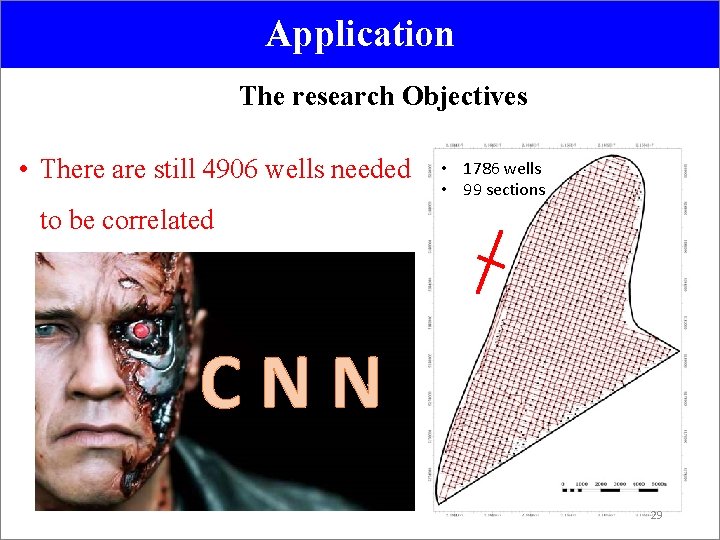
Application The research Objectives • There are still 4906 wells needed • 1786 wells • 99 sections to be correlated CNN 29
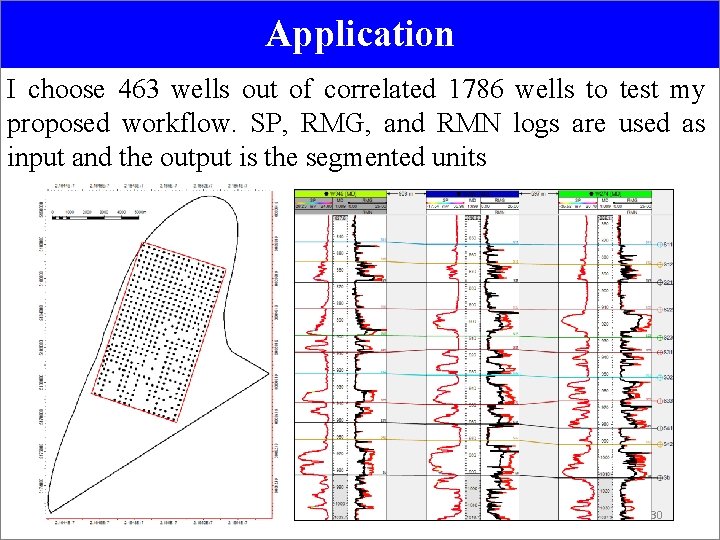
Application I choose 463 wells out of correlated 1786 wells to test my proposed workflow. SP, RMG, and RMN logs are used as input and the output is the segmented units 30
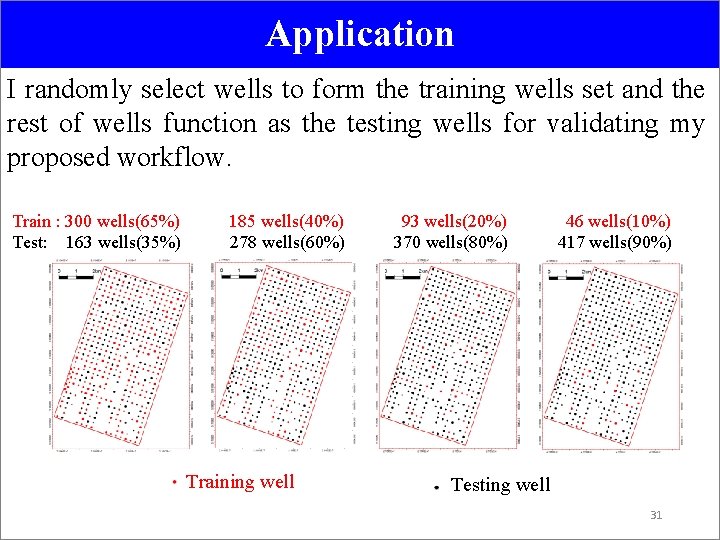
Application I randomly select wells to form the training wells set and the rest of wells function as the testing wells for validating my proposed workflow. Train : 300 wells(65%) Test: 163 wells(35%) 185 wells(40%) 278 wells(60%) Training well 93 wells(20%) 370 wells(80%) 46 wells(10%) 417 wells(90%) Testing well 31
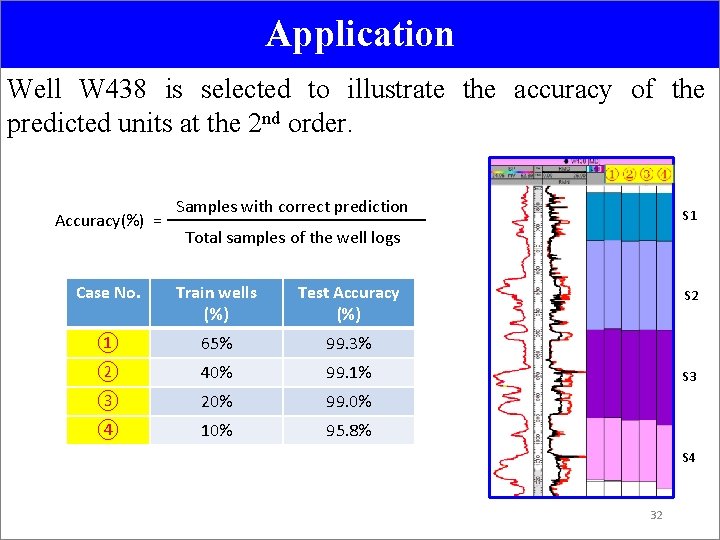
Application Well W 438 is selected to illustrate the accuracy of the predicted units at the 2 nd order. Accuracy(%) = Samples with correct prediction S 1 Total samples of the well logs Case No. Train wells (%) Test Accuracy (%) ① 65% 99. 3% ② 40% 99. 1% ③ 20% 99. 0% ④ 10% 95. 8% S 2 S 3 S 4 32
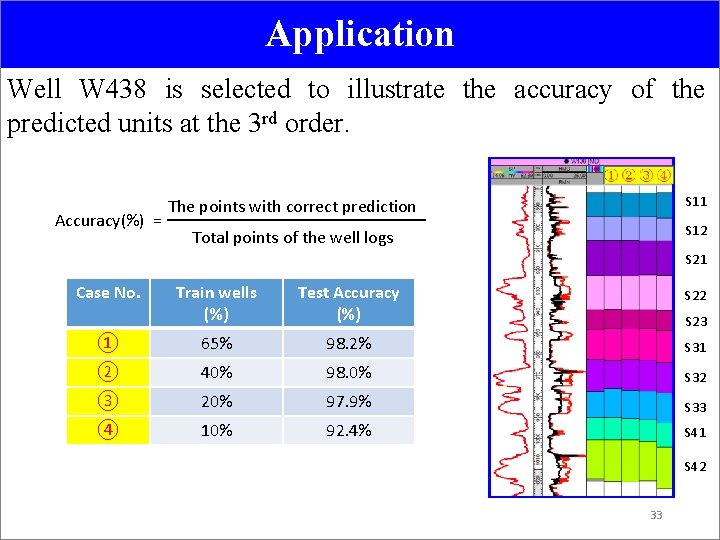
Application Well W 438 is selected to illustrate the accuracy of the predicted units at the 3 rd order. Accuracy(%) = The points with correct prediction S 11 Total points of the well logs S 12 S 21 Case No. Train wells (%) Test Accuracy (%) ① 65% 98. 2% S 31 ② 40% 98. 0% S 32 ③ 20% 97. 9% S 33 ④ 10% 92. 4% S 41 S 22 S 23 S 42 33
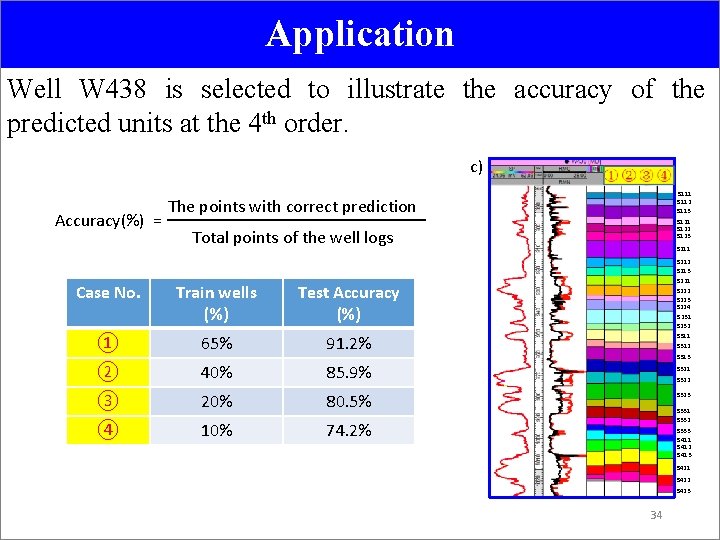
Application Well W 438 is selected to illustrate the accuracy of the predicted units at the 4 th order. c) Accuracy(%) = S 111 S 112 S 113 S 121 S 122 S 123 The points with correct prediction Total points of the well logs Case No. Train wells (%) Test Accuracy (%) ① 65% 91. 2% ② 40% 85. 9% ③ 20% 80. 5% ④ 10% 74. 2% S 211 S 212 S 213 S 221 S 222 S 223 S 224 S 231 S 232 S 311 S 312 S 313 S 321 S 322 S 323 S 331 S 332 S 333 S 411 S 412 S 413 S 421 S 422 S 423 34
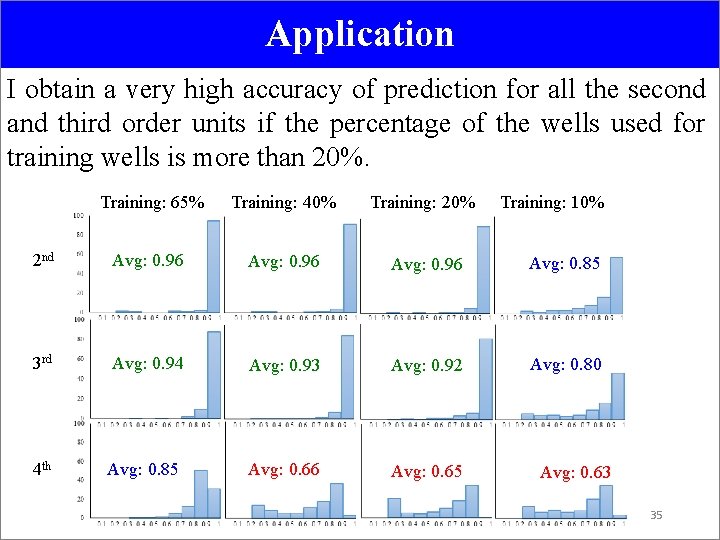
Application I obtain a very high accuracy of prediction for all the second and third order units if the percentage of the wells used for training wells is more than 20%. Training: 65% Training: 40% Training: 20% Training: 10% 2 nd Avg: 0. 96 Avg: 0. 85 3 rd Avg: 0. 94 Avg: 0. 93 Avg: 0. 92 Avg: 0. 80 4 th Avg: 0. 85 Avg: 0. 66 Avg: 0. 65 Avg: 0. 63 35
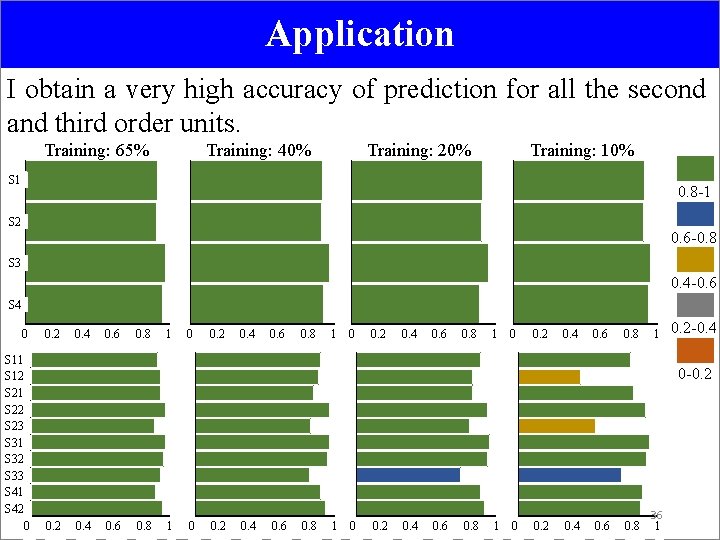
Application I obtain a very high accuracy of prediction for all the second and third order units. Training: 65% Training: 40% Training: 20% Training: 10% S 1 s 1 s 1 s 2 S 2 s 2 s 3 S 3 s 3 0. 8 -1 0. 6 -0. 8 s 3 0. 4 -0. 6 s 4 S 4 s 4 00 s 11 S 11 s 12 S 12 s 21 S 21 s 22 S 22 s 23 S 23 s 31 S 31 s 32 S 32 s 33 S 33 s 41 S 41 s 42 S 42 00 0. 2 0. 4 0. 6 0. 8 11 1 s 4 00 0. 2 0. 4 0. 6 0. 8 s 4 11 00 0. 2 0. 4 0. 6 0. 8 11 00 s 11 s 12 s 21 s 22 s 23 s 31 s 32 s 33 s 41 s 42 00 0. 2 0. 4 0. 6 0. 8 11 0. 2 -0. 4 0 -0. 2 00 0. 2 0. 4 0. 6 0. 8 36 1
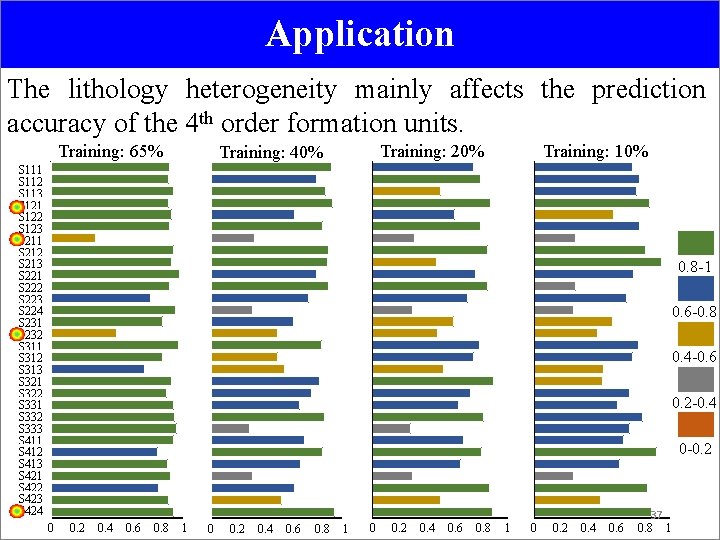
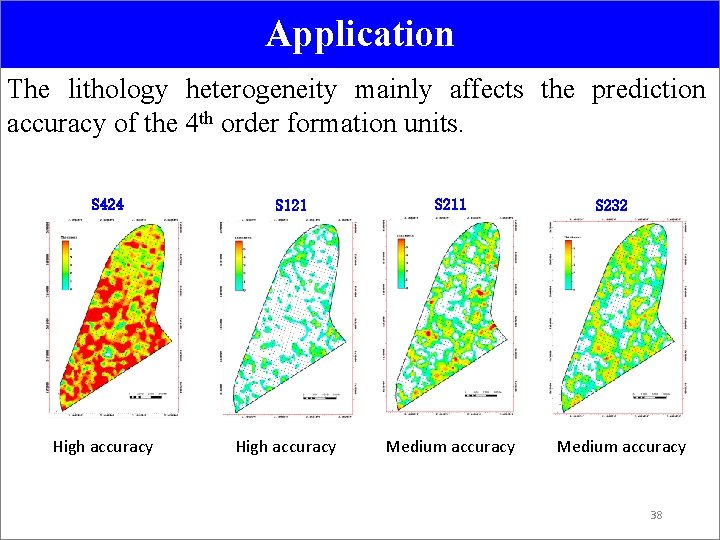
Application The lithology heterogeneity mainly affects the prediction accuracy of the 4 th order formation units. Training: 65% s 111 S 111 s 112 S 112 s 113 S 113 s 121 S 121 s 122 S 122 s 123 S 123 s 211 S 211 s 212 S 212 s 213 S 213 s 221 S 221 s 222 S 222 s 223 S 223 s 224 S 224 s 231 S 231 s 232 S 232 s 311 S 311 s 312 S 312 s 313 S 313 s 321 S 321 s 322 S 322 s 331 S 331 s 332 S 332 s 333 S 333 s 411 S 411 s 412 S 412 s 413 S 413 s 421 S 421 s 422 S 422 s 423 S 423 s 424 S 424 Training: 40% s 111 s 112 s 113 s 121 s 122 s 123 s 211 s 212 s 213 s 221 s 222 s 223 s 224 s 231 s 232 s 311 s 312 s 313 s 321 s 322 s 331 s 332 s 333 s 411 s 412 s 413 s 421 s 422 s 423 s 424 00 0. 2 0. 4 0. 6 0. 8 11 00 0. 2 0. 4 0. 6 0. 8 Training: 20% s 111 s 112 s 113 s 121 s 122 s 123 s 211 s 212 s 213 s 221 s 222 s 223 s 224 s 231 s 232 s 311 s 312 s 313 s 321 s 322 s 331 s 332 s 333 s 411 s 412 s 413 s 421 s 422 s 423 s 424 11 Training: 10% s 111 s 112 s 113 s 121 s 122 s 123 s 211 s 212 s 213 s 221 s 222 s 223 s 224 s 231 s 232 s 311 s 312 s 313 s 321 s 322 s 331 s 332 s 333 s 411 s 412 s 413 s 421 s 422 s 423 s 424 0 0. 2 0. 4 0. 6 0. 8 11 0. 8 -1 0. 6 -0. 8 0. 4 -0. 6 0. 2 -0. 4 0 -0. 2 00 0. 2 0. 4 0. 6 37 0. 8 11
Application The lithology heterogeneity mainly affects the prediction accuracy of the 4 th order formation units. S 424 High accuracy S 121 High accuracy S 211 Medium accuracy S 232 Medium accuracy 38
Outline • Introduction • CNN assisting in Well Correlation • Application • Conclusions • Future Research 39
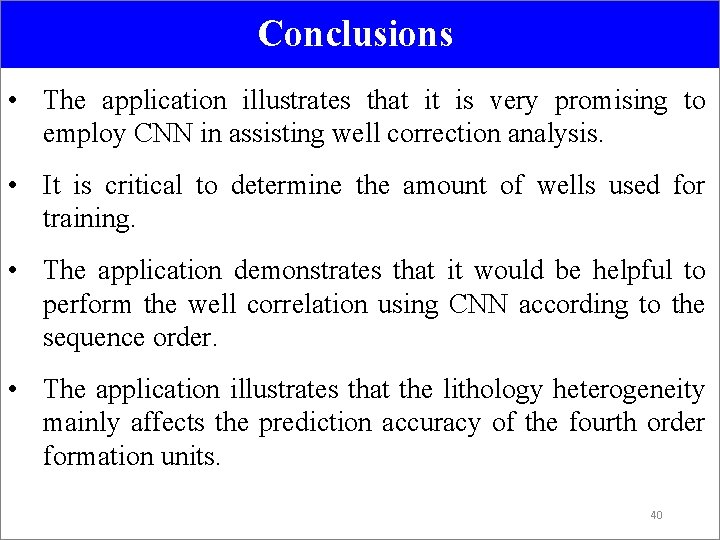
Conclusions • The application illustrates that it is very promising to employ CNN in assisting well correction analysis. • It is critical to determine the amount of wells used for training. • The application demonstrates that it would be helpful to perform the well correlation using CNN according to the sequence order. • The application illustrates that the lithology heterogeneity mainly affects the prediction accuracy of the fourth order formation units. 40
Outline • Introduction • CNN assisting in Well Correlation • Application • Conclusions • Future Research 41
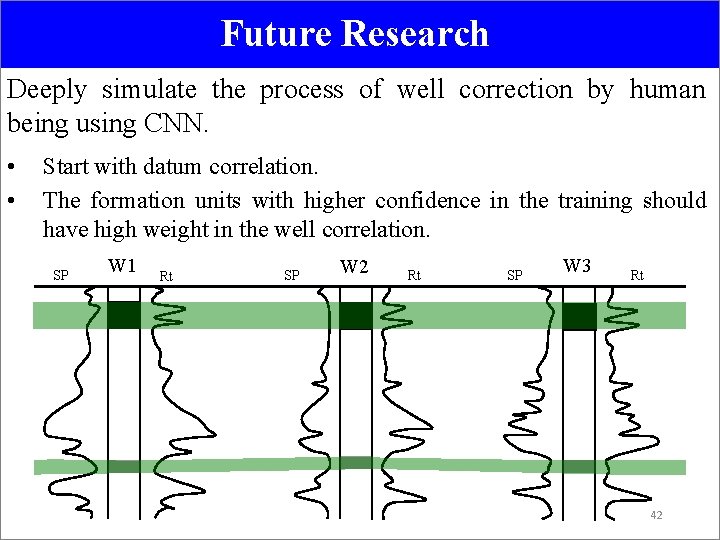
Future Research Deeply simulate the process of well correction by human being using CNN. • • Start with datum correlation. The formation units with higher confidence in the training should have high weight in the well correlation. SP W 1 Rt SP W 2 Rt SP W 3 Rt 42
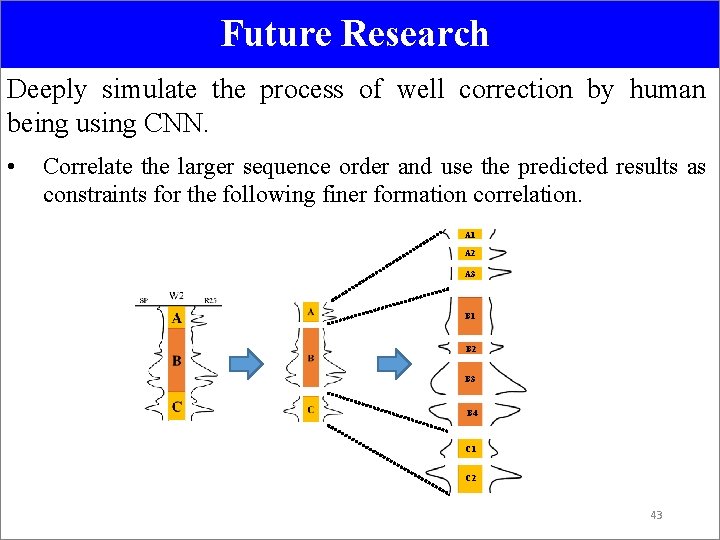
Future Research Deeply simulate the process of well correction by human being using CNN. • Correlate the larger sequence order and use the predicted results as constraints for the following finer formation correlation. A 1 A 2 A 3 B 1 B 2 B 3 B 4 C 1 C 2 43
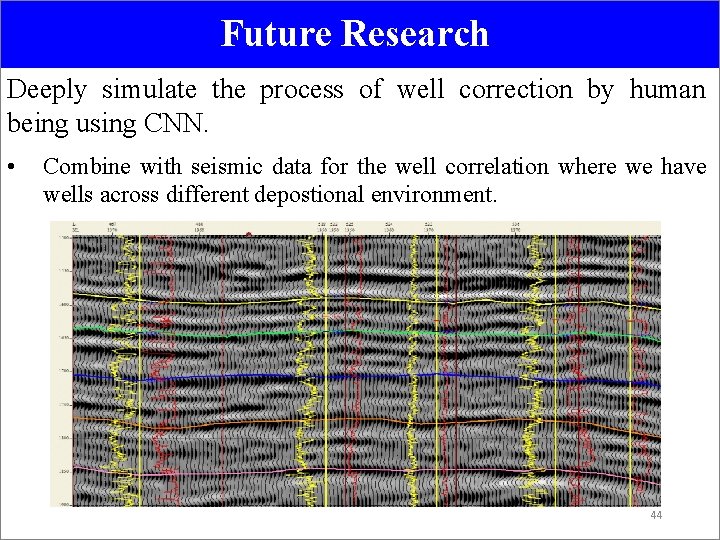
Future Research Deeply simulate the process of well correction by human being using CNN. • Combine with seismic data for the well correlation where we have wells across different depostional environment. 44
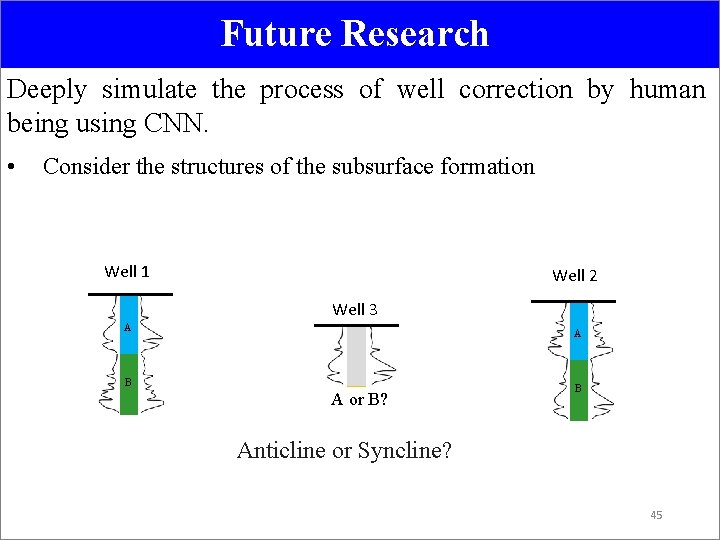
Future Research Deeply simulate the process of well correction by human being using CNN. • Consider the structures of the subsurface formation Well 1 Well 2 Well 3 A B A A or B? B Anticline or Syncline? 45
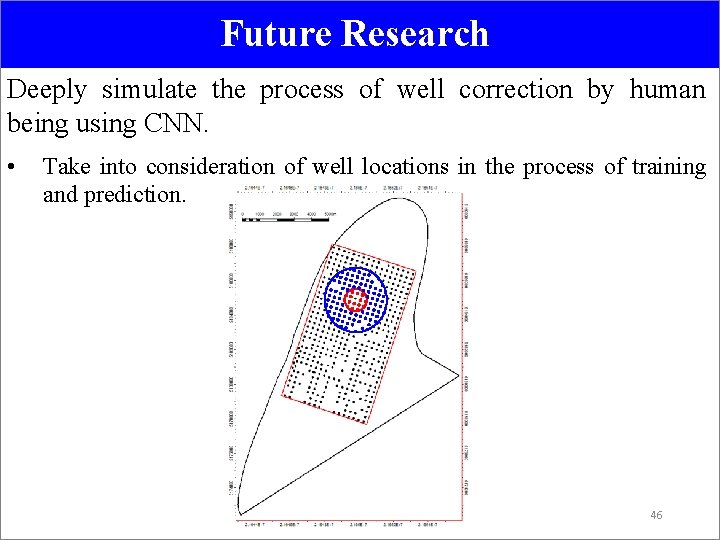
Future Research Deeply simulate the process of well correction by human being using CNN. • Take into consideration of well locations in the process of training and prediction. 46
Acknowledge • Thanks to CNPC for the data used in this study • I would like to express my deeply gratitude to all of you to be my presentation. 47
Questions and Comments? Any Questions? 48
Backup 49
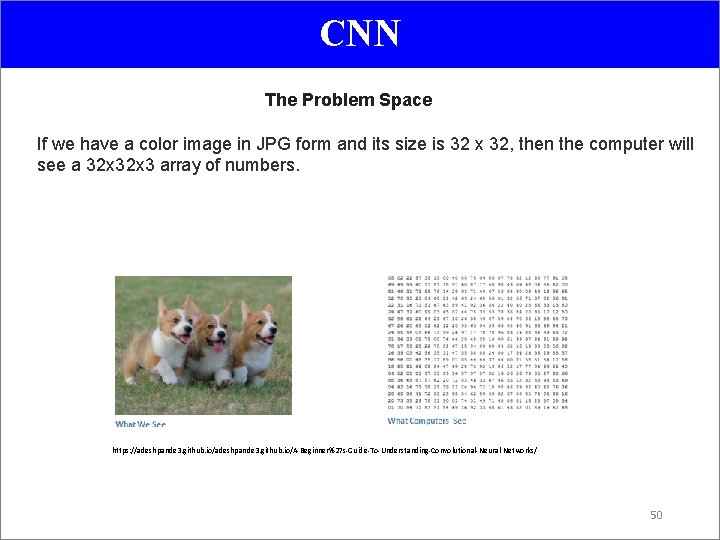
CNN The Problem Space If we have a color image in JPG form and its size is 32 x 32, then the computer will see a 32 x 3 array of numbers. https: //adeshpande 3. github. io/A-Beginner%27 s-Guide-To-Understanding-Convolutional-Neural-Networks/ 50
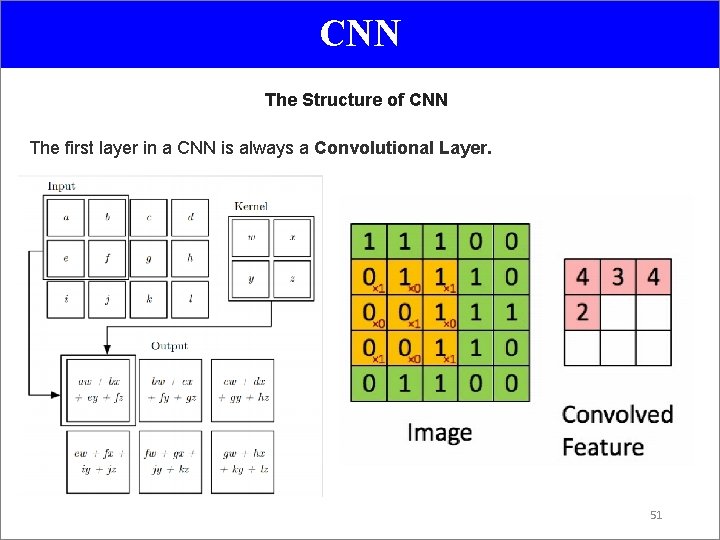
CNN The Structure of CNN The first layer in a CNN is always a Convolutional Layer. 51
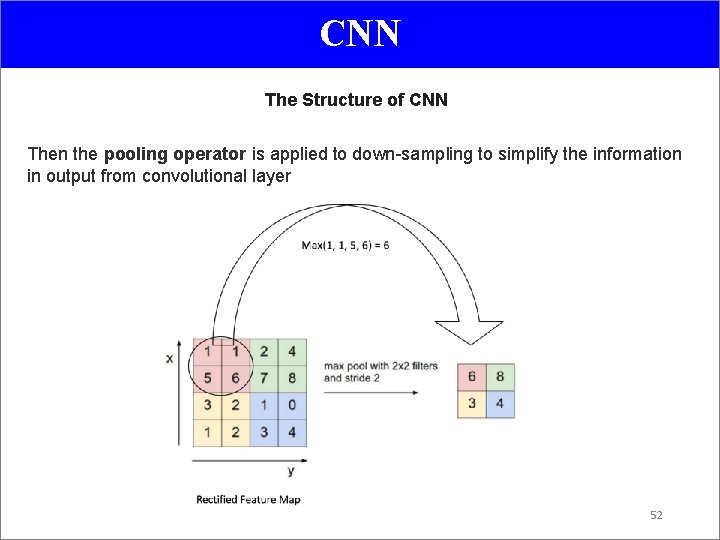
CNN The Structure of CNN Then the pooling operator is applied to down-sampling to simplify the information in output from convolutional layer 52
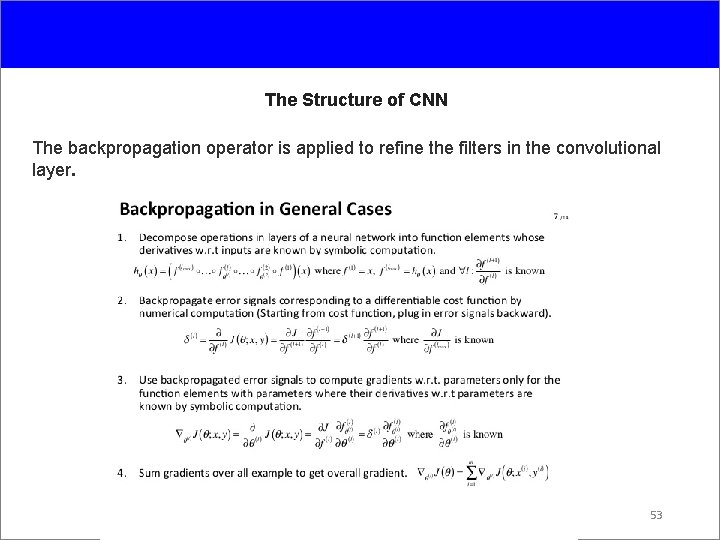
The Structure of CNN The backpropagation operator is applied to refine the filters in the convolutional layer. 53
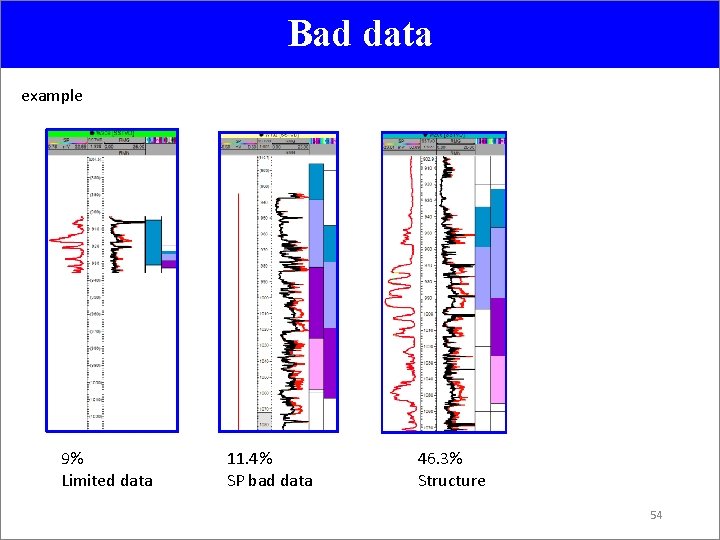
Bad data example 9% Limited data 11. 4% SP bad data 46. 3% Structure 54
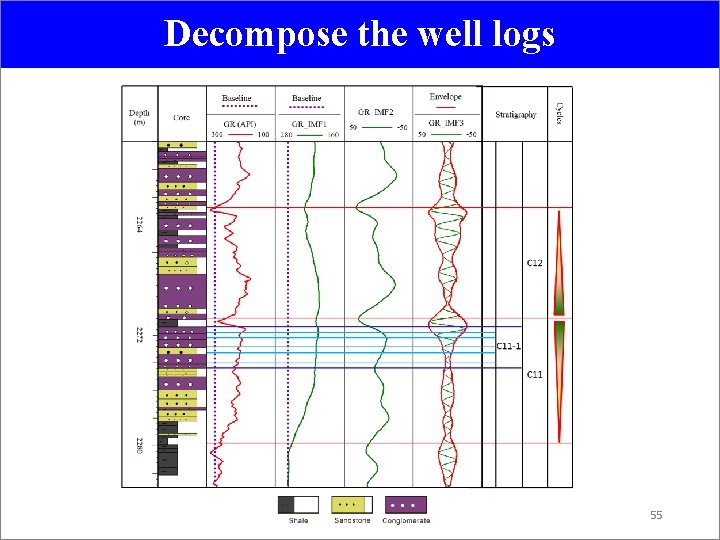
Decompose the well logs 55