
Deep Decarbonization Pathways in CA US World Main
Deep Decarbonization Pathways in CA, US, World: Main Findings and Research Directions CEC IEPR Workshop Jim Williams July 17, 2015
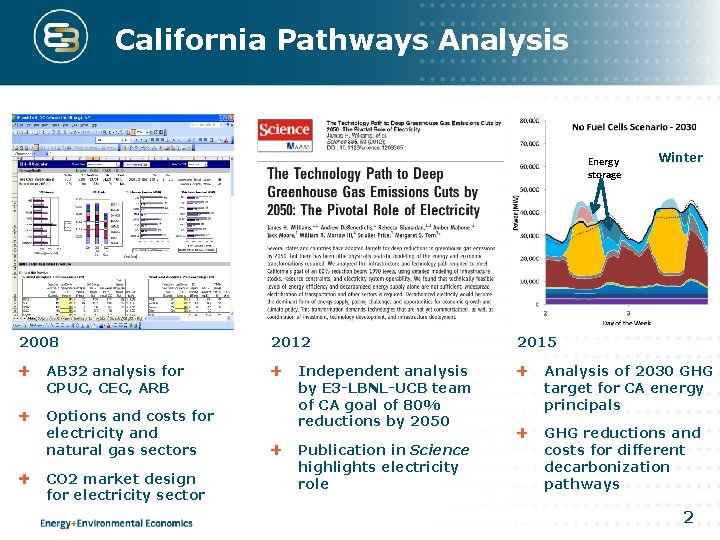
California Pathways Analysis Energy storage 2008 AB 32 analysis for CPUC, CEC, ARB Options and costs for electricity and natural gas sectors CO 2 market design for electricity sector 2012 Independent analysis by E 3 -LBNL-UCB team of CA goal of 80% reductions by 2050 Publication in Science highlights electricity role Winter 2015 Analysis of 2030 GHG target for CA energy principals GHG reductions and costs for different decarbonization pathways 2
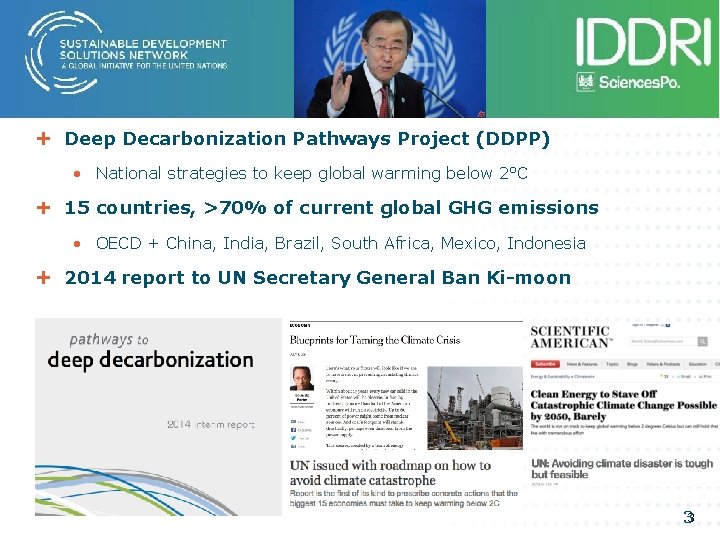
Deep Decarbonization Pathways Project (DDPP) • National strategies to keep global warming below 2°C 15 countries, >70% of current global GHG emissions • OECD + China, India, Brazil, South Africa, Mexico, Indonesia 2014 report to UN Secretary General Ban Ki-moon 33
DDPP Next Steps 16 country deep decarbonization reports • Released August-September 2015 COP-21 in Paris • Make deep decarbonization analysis part of UNFCCC process Open source Pathways model • Make freely available for all countries & subnationals • Improve comparability of results Improve policy discussion & encourage cooperation • Cards on the table: transparent assumptions about technologies and cost, clarity about national ambitions, benchmark for progress • Shift focus: from policy abstractions to energy sector transformation, concrete problem solving, mutual benefits • Share best practices – many eyes are on California • Identify market opportunities for low carbon technologies 4
Potential Cost Reductions In Key Technologies from Global Markets Low carbon vehicle investment cost in 16 DDPP countries, cost reductions from technological learning, DDPP Synthesis Report 2015 5

U. S. Deep Decarbonization Report E 3, UC, LBNL, PNNL team US Pathways Report, Nov. 2014 What would it take for US to achieve 80% GHG reduction below 1990 level by 2050? • Is it technically feasible? • What would it cost? • What physical changes are required? US Supplemental Report, Sept. 2015 • What are the policy implications for the US? Report available at http: //unsdsn. org 6

US Results Summarized: Three Seeming Paradoxes Deeply decarbonized energy system • big change in physical energy system • little change in energy services Deeply decarbonized energy economy • big change in energy economy • little change in consumer cost Deeply decarbonized macro-economy • little impact on GDP • significant benefits for macro-economy 7

3 Pillars of Deep Decarbonization Strategy Key Metric of Transformation Decarbonization of Electricity Energy Efficiency End Use Fuel Switching to Electric Sources 2014 2050 0. 0 5. 0 10. 0 Energy Intensity of GDP (GJ/$2005) 0 200 400 600 Electricity Emissions Intensity (g. CO 2/k. Wh) 0% 25% 50% 75% Share of Electricity and Electric Fuels in Total Final Energy (%) Source: Pathways to Deep Decarbonization in the United States, Mixed case results 8
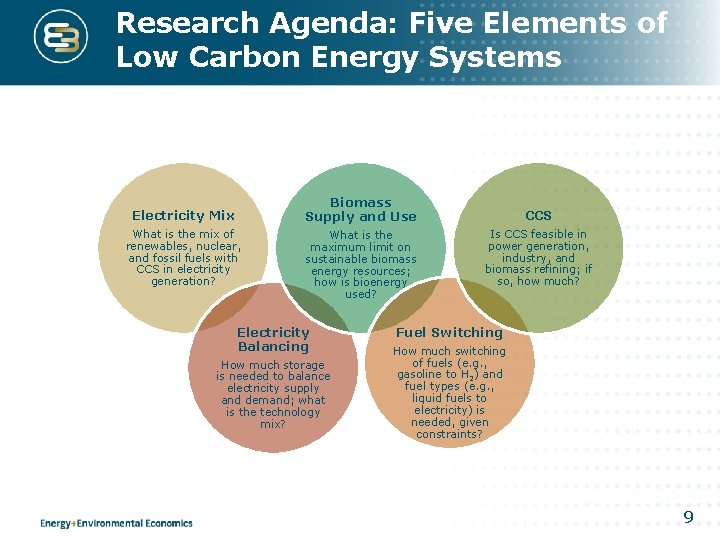
Research Agenda: Five Elements of Low Carbon Energy Systems Biomass Supply and Use Electricity Mix What is the mix of renewables, nuclear, and fossil fuels with CCS in electricity generation? What is the maximum limit on sustainable biomass energy resources; how is bioenergy used? Electricity Balancing How much storage is needed to balance electricity supply and demand; what is the technology mix? CCS Is CCS feasible in power generation, industry, and biomass refining; if so, how much? Fuel Switching How much switching of fuels (e. g. , gasoline to H 2) and fuel types (e. g. , liquid fuels to electricity) is needed, given constraints? 9
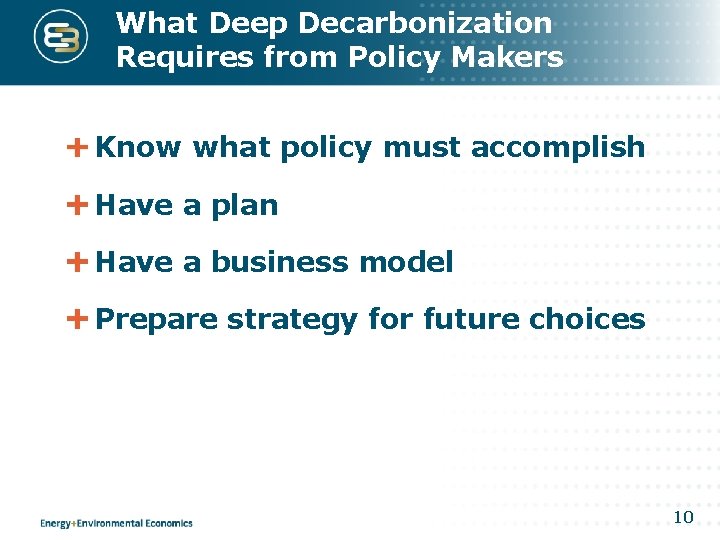
What Deep Decarbonization Requires from Policy Makers Know what policy must accomplish Have a plan Have a business model Prepare strategy for future choices 10
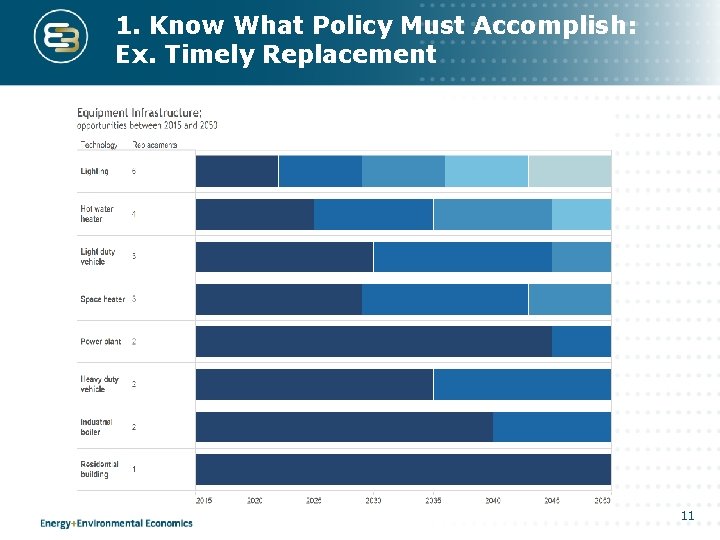
1. Know What Policy Must Accomplish: Ex. Timely Replacement 11
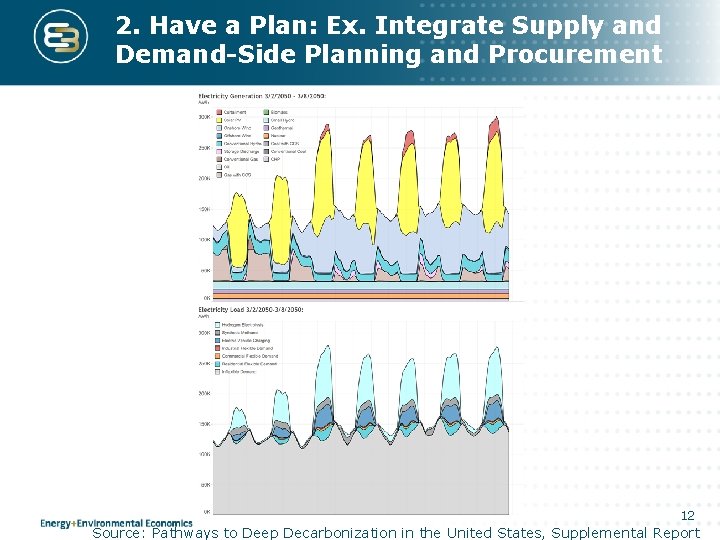
2. Have a Plan: Ex. Integrate Supply and Demand-Side Planning and Procurement 12 Source: Pathways to Deep Decarbonization in the United States, Supplemental Report
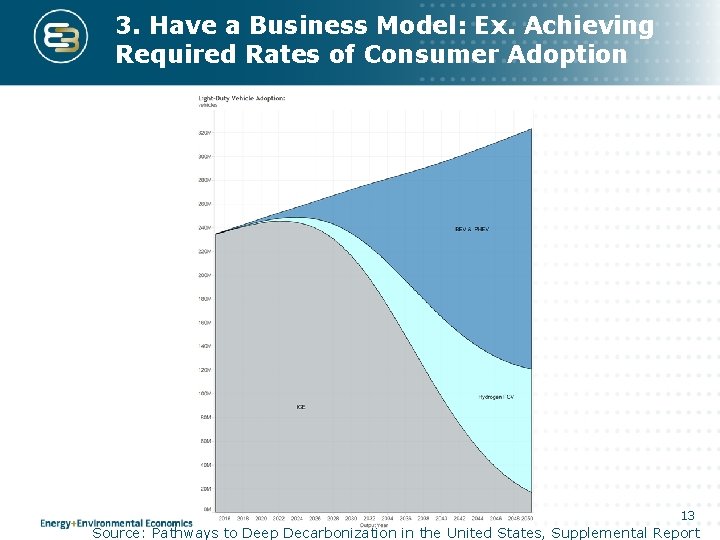
3. Have a Business Model: Ex. Achieving Required Rates of Consumer Adoption 13 Source: Pathways to Deep Decarbonization in the United States, Supplemental Report
4. Prepare Strategy for Future Choices: Ex. CA Choices Already Identified Electricity balancing strategy? Future of natural gas pipeline? Electric or fuel cell vehicles? Biomass for transport fuel or pipeline gas? Building electrification or very high EE? 14
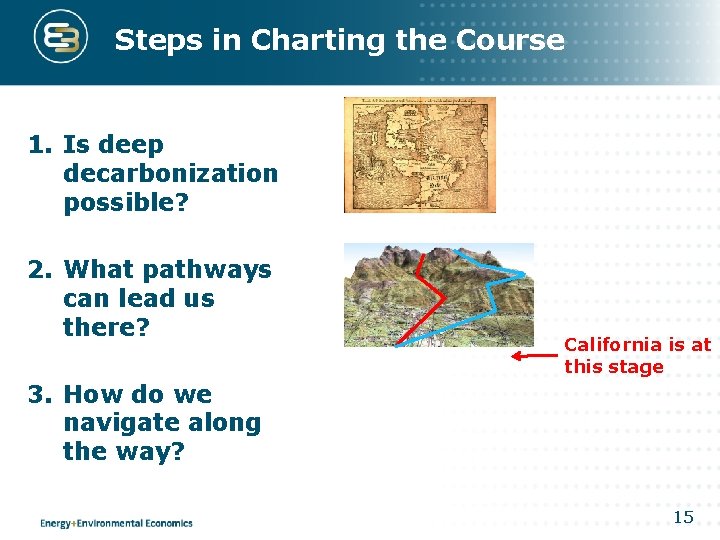
Steps in Charting the Course 1. Is deep decarbonization possible? 2. What pathways can lead us there? California is at this stage 3. How do we navigate along the way? 15
Anticipatory Research Agenda Develop a robust analytical framework with advanced sensitivity/uncertainty methods for assessing: What are the forks in the road and timing of major investment decisions? Points of no return? What are the risks (for costs and emissions) and path dependency of technology choices? What rate/timing of consumer adoption is needed? What information/data will be needed to make good decisions? How can it be obtained? How do external factors (e. g. US policy, regional integration, oil prices, global technology markets) affect outcomes? 16
Thank You! 17
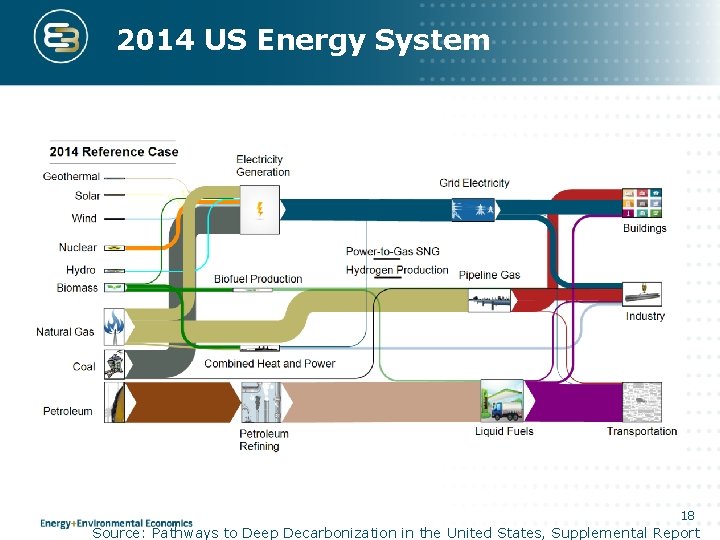
2014 US Energy System 18 Source: Pathways to Deep Decarbonization in the United States, Supplemental Report
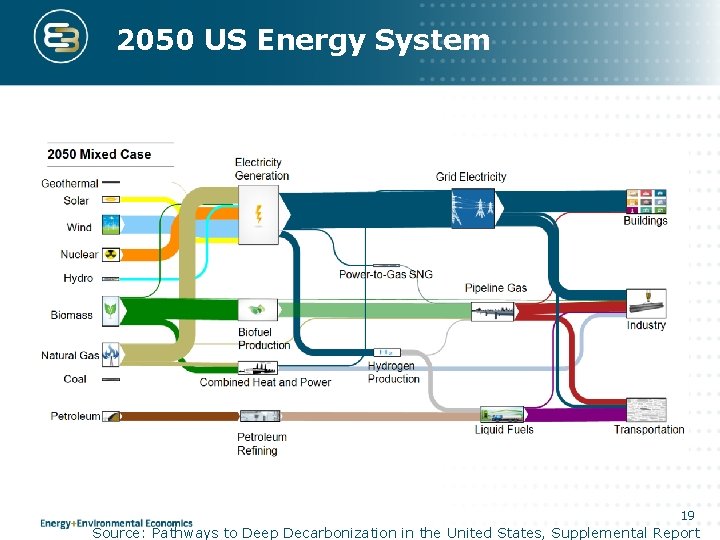
2050 US Energy System 19 Source: Pathways to Deep Decarbonization in the United States, Supplemental Report
Change in US Energy System Costs 20 Source: Pathways to Deep Decarbonization in the United States, Supplemental Report
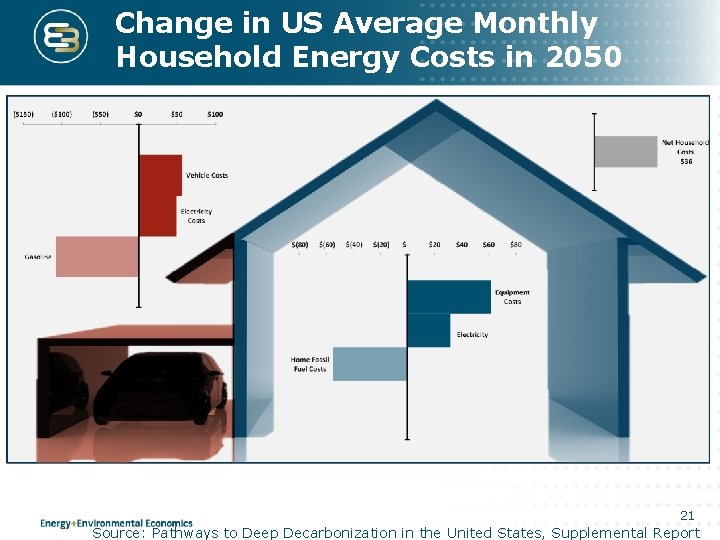
Change in US Average Monthly Household Energy Costs in 2050 21 Source: Pathways to Deep Decarbonization in the United States, Supplemental Report
- Slides: 21