
Decoherence and all that Artur Ekert Quantum vs


- Slides: 48
Decoherence and all that Artur Ekert
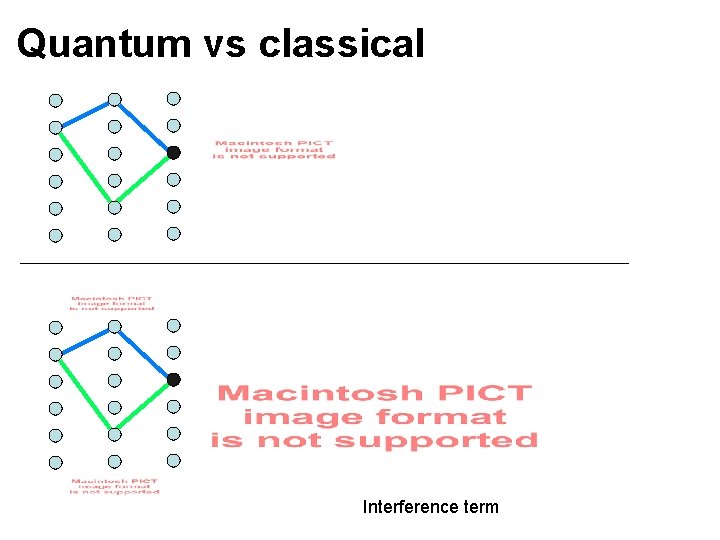
Quantum vs classical Interference term
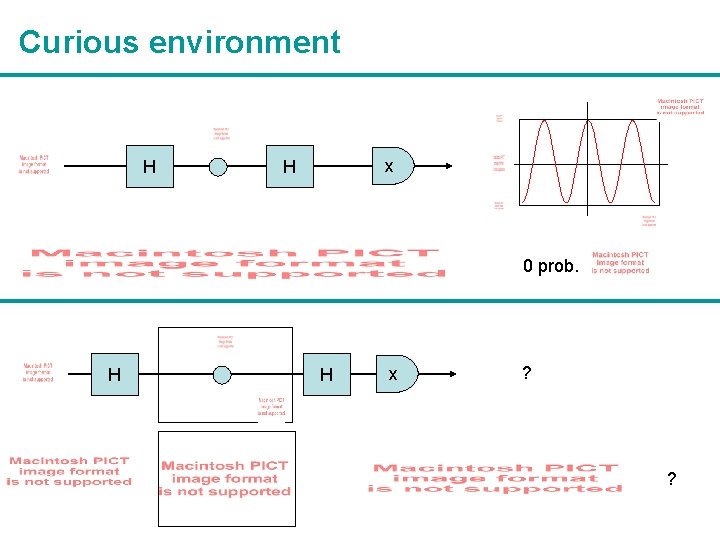
Curious environment H x H 0 prob. H H x ? ?
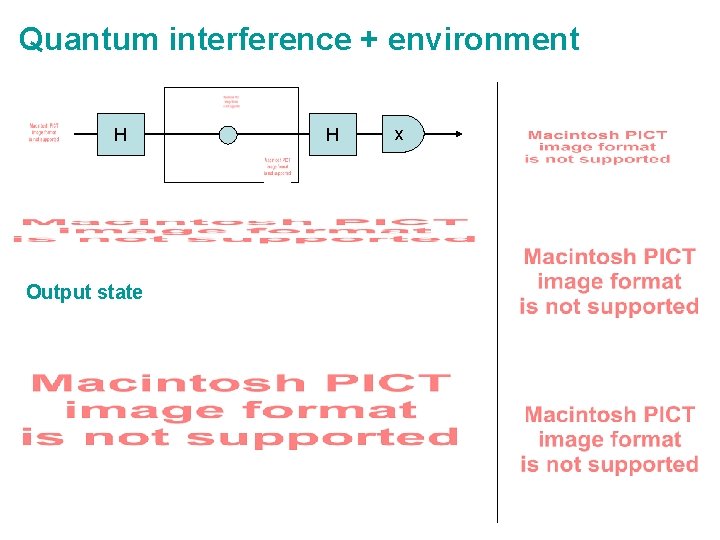
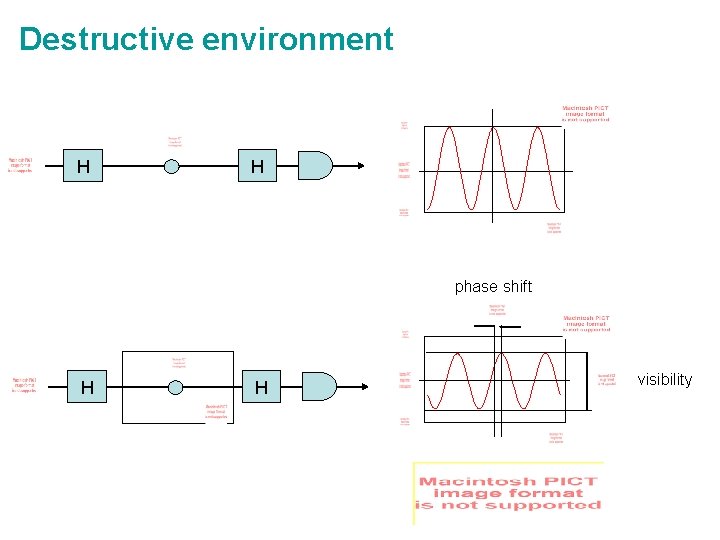
Quantum interference + environment H Output state H x
Destructive environment H H phase shift H H visibility
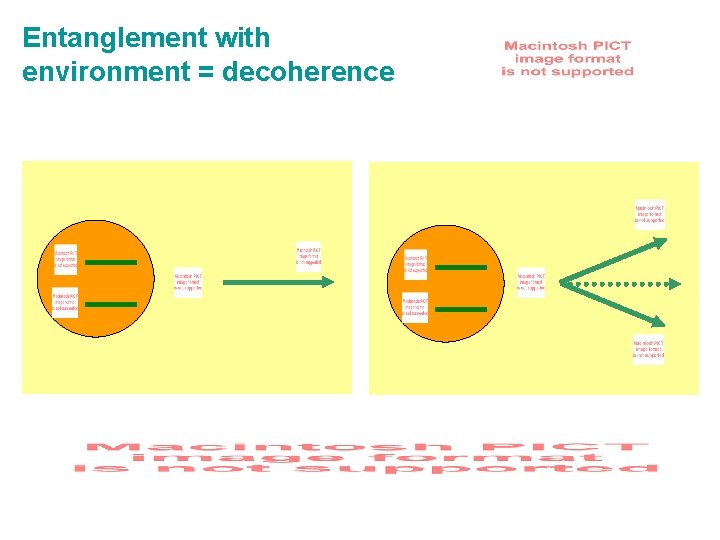
Entanglement with environment = decoherence
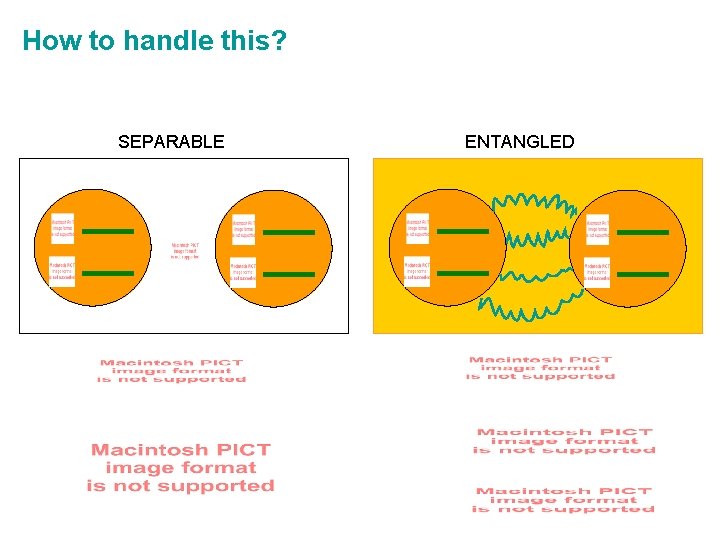
How to handle this? SEPARABLE ENTANGLED
How to describe a quantum state of an entangled subsystem? An alternative way of representing quantum states is in terms of density matrices (a. k. a. density operators)
Density matrices
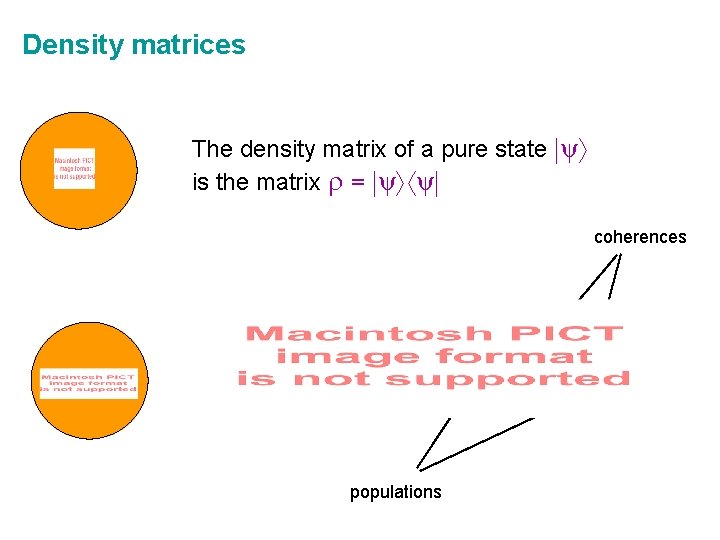
Density matrices The density matrix of a pure state ψ is the matrix = ψ ψ coherences populations
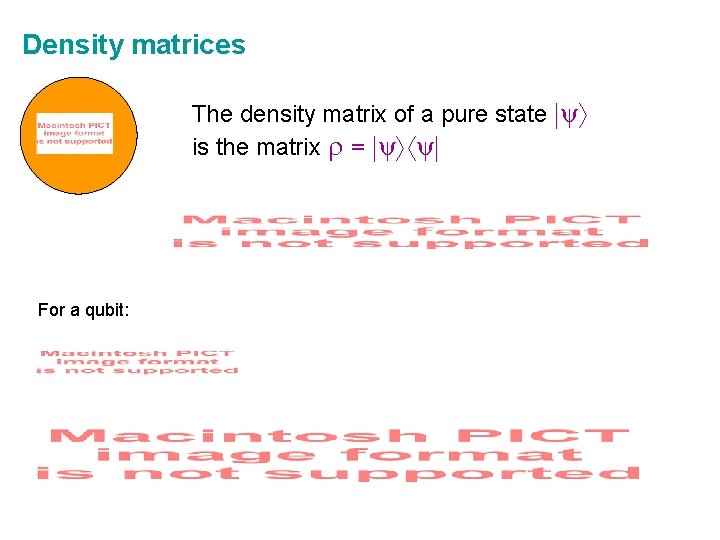
Density matrices The density matrix of a pure state ψ is the matrix = ψ ψ For a qubit:
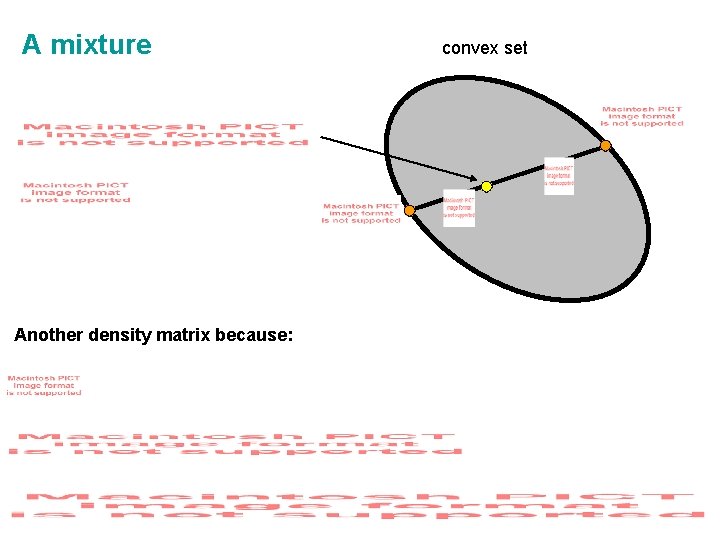
A mixture Another density matrix because: convex set
Density matrices – evolution and measurement Unitary evolution Measurement - resolution of the identity outcome k with probability
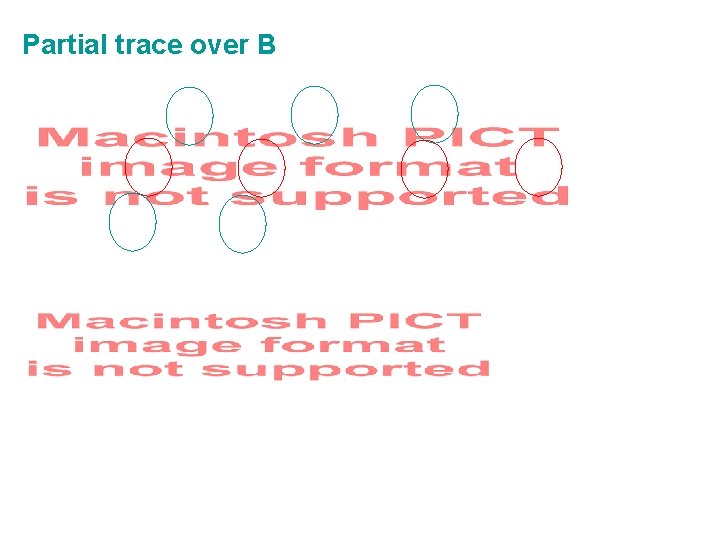
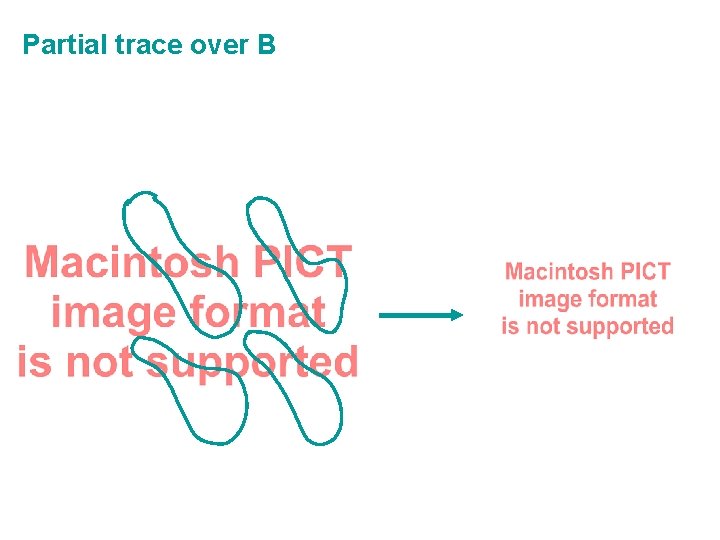
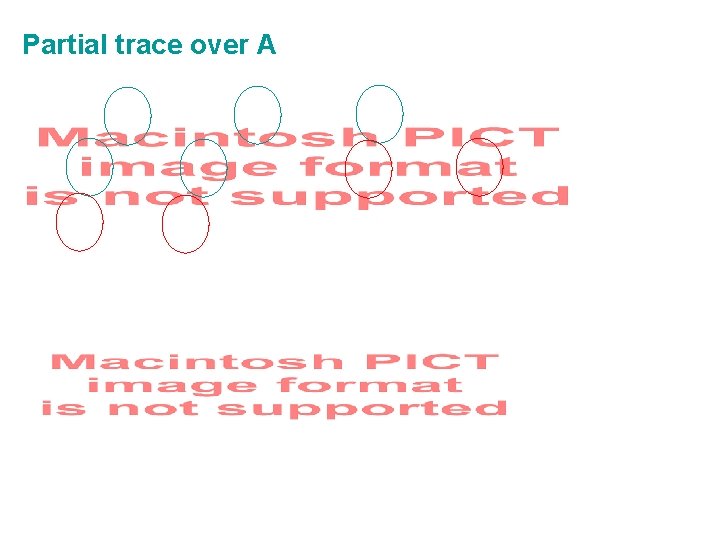
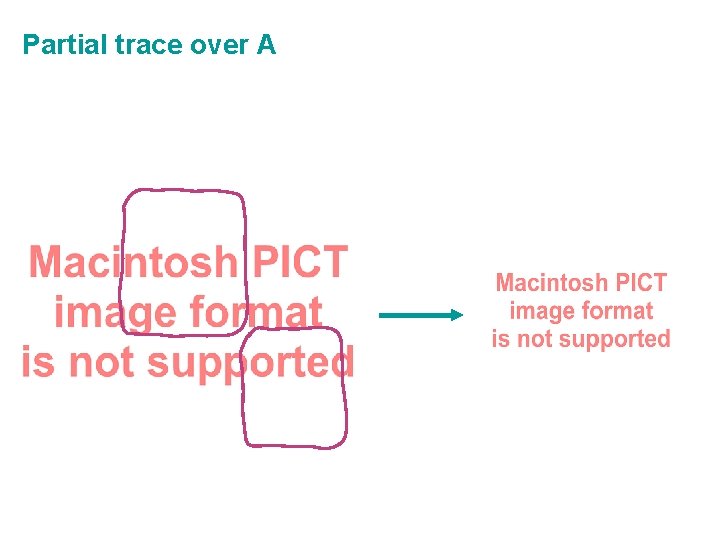
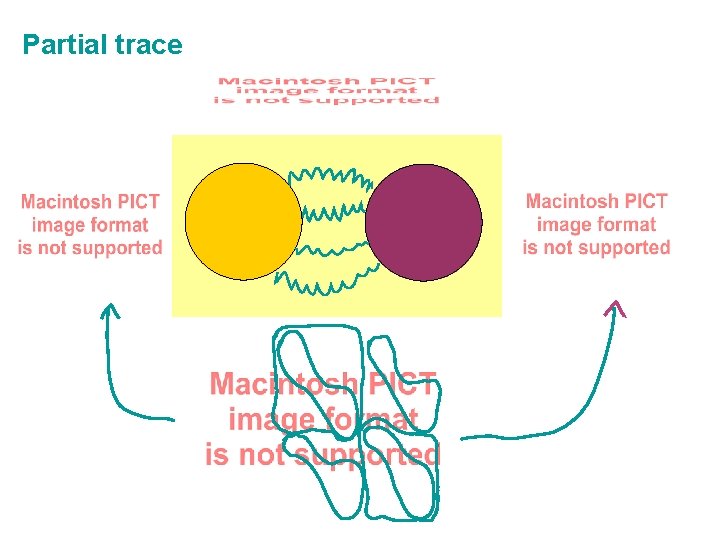
Partial trace
Partial trace Trace Partial trace
Partial trace over B
Partial trace over B
Partial trace over B
Partial trace over A
Partial trace over A
Partial trace
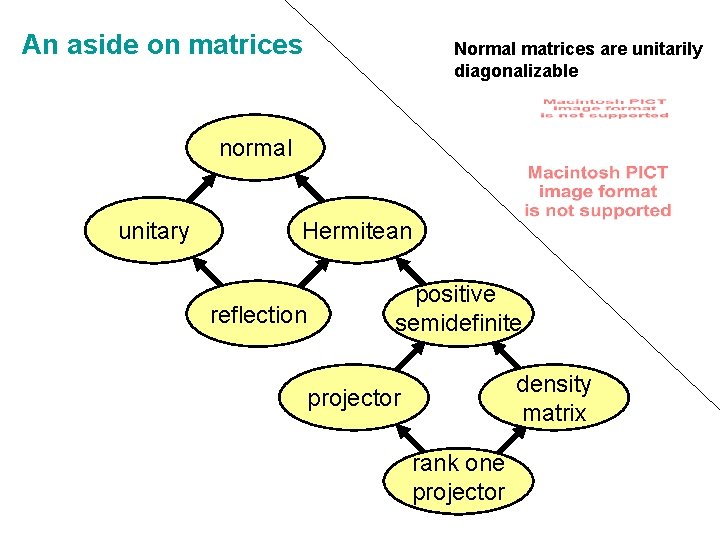
An aside on matrices Normal matrices are unitarily diagonalizable normal unitary Hermitean reflection positive semidefinite density matrix projector rank one projector
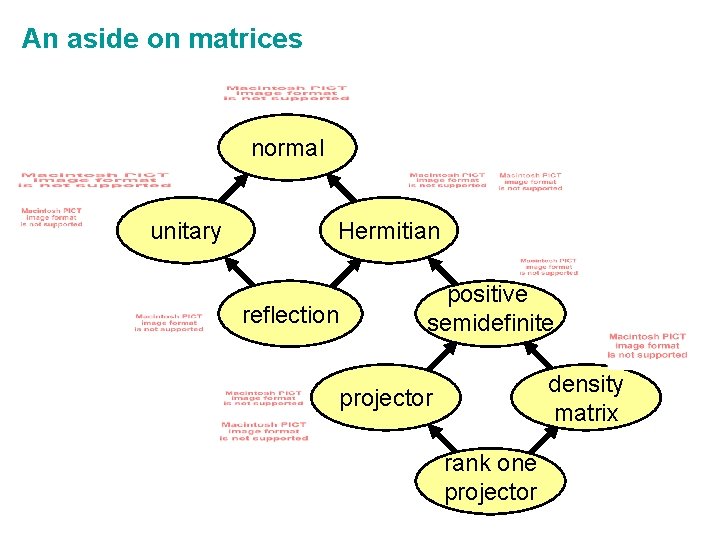
An aside on matrices normal unitary Hermitian reflection positive semidefinite density matrix projector rank one projector
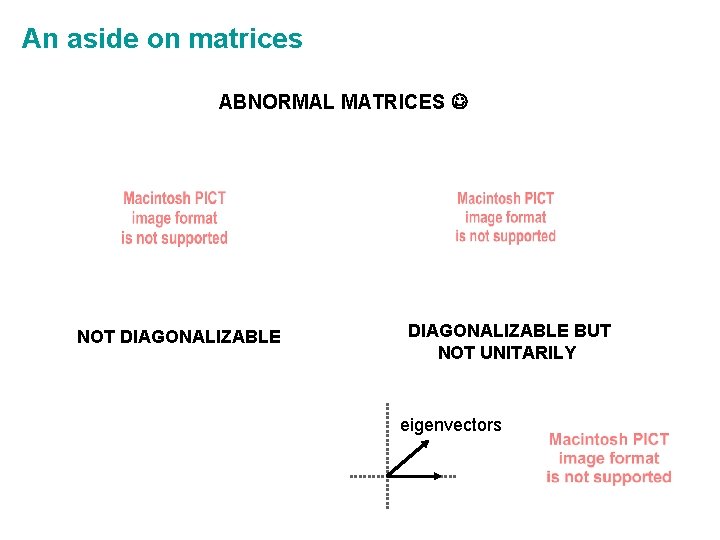
An aside on matrices ABNORMAL MATRICES NOT DIAGONALIZABLE BUT NOT UNITARILY eigenvectors
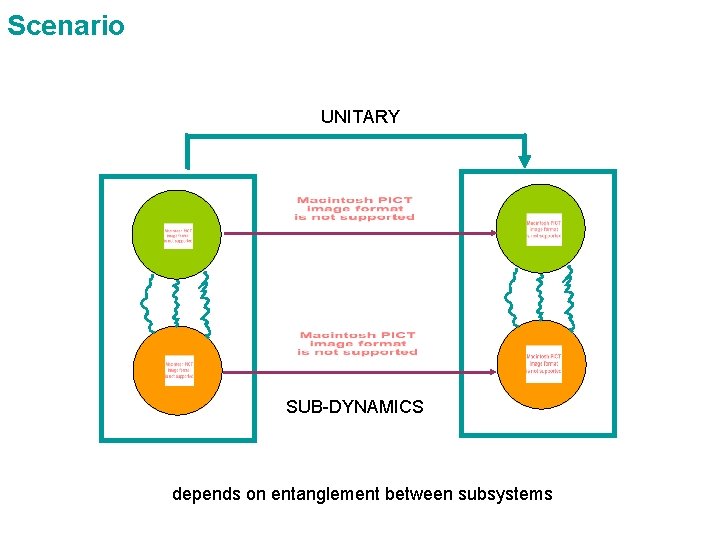
Scenario UNITARY SUB-DYNAMICS depends on entanglement between subsystems
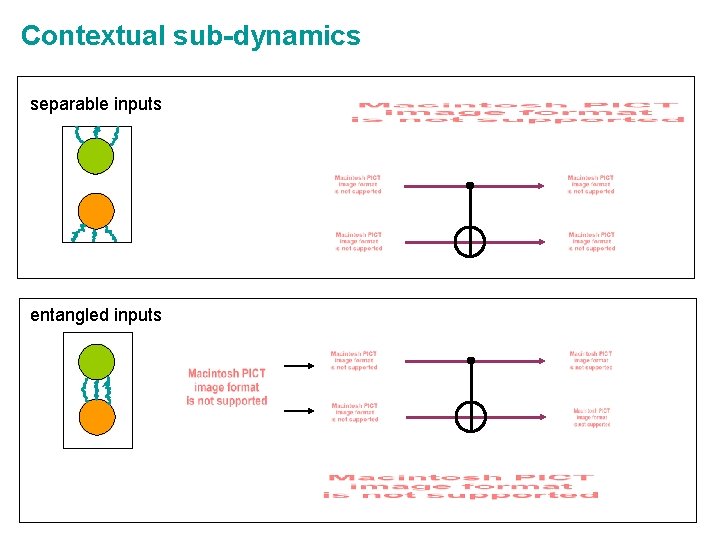
Contextual sub-dynamics separable inputs entangled inputs
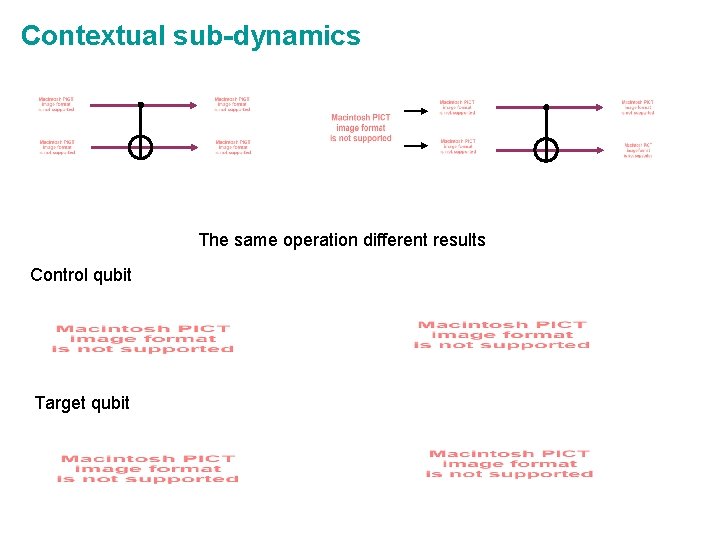
Contextual sub-dynamics The same operation different results Control qubit Target qubit
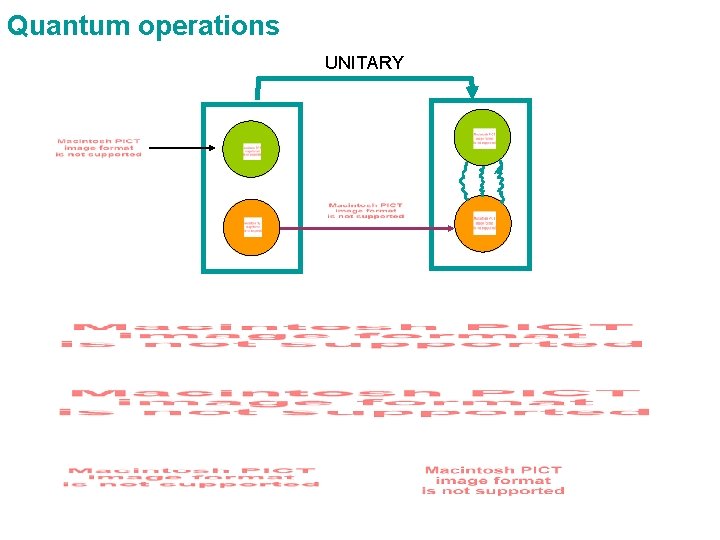
Quantum operations UNITARY
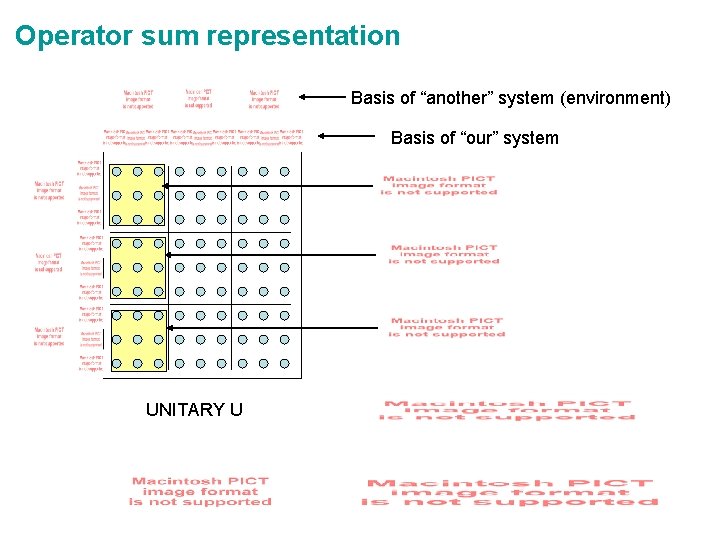
Operator sum representation Basis of “another” system (environment) Basis of “our” system UNITARY U
Completely positive maps The operator sum (or Kraus) representation
Examples of completely positive maps UNITARY DEPHASING
Examples of completely positive maps DEPHASING
Completely positive maps Hermitean trace preserved positive semidefinite
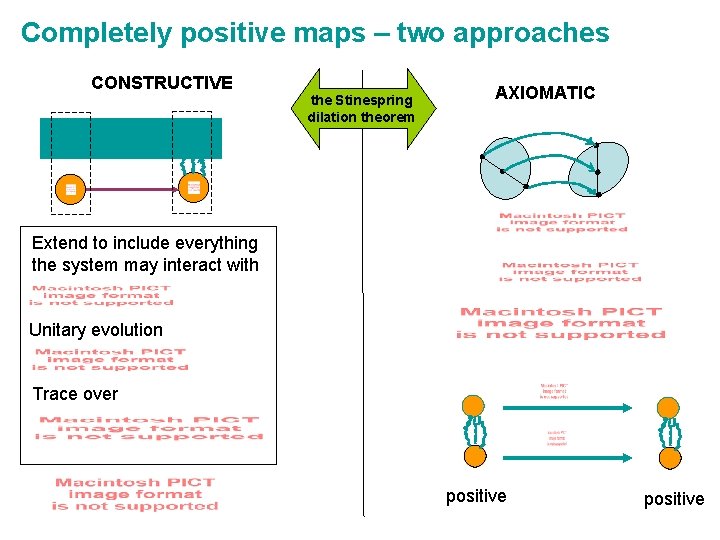
Completely positive maps – two approaches CONSTRUCTIVE the Stinespring dilation theorem AXIOMATIC Extend to include everything the system may interact with Unitary evolution Trace over positive
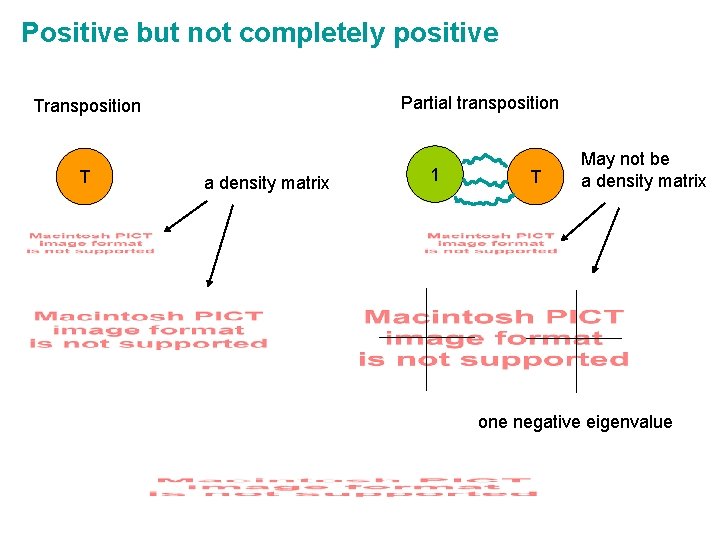
Positive but not completely positive Partial transposition T a density matrix 1 T May not be a density matrix one negative eigenvalue
Discrete errors
Discrete errors states of the environment are neither normalized nor mutually orthogonal
Few remarks does not imply (why? )
Discrete errors do nothing phase flip bit & phase flip
Bit flips do nothing bit flip
Encode and decode binary symmetric channel encode decode by majority
Are we doing any better?
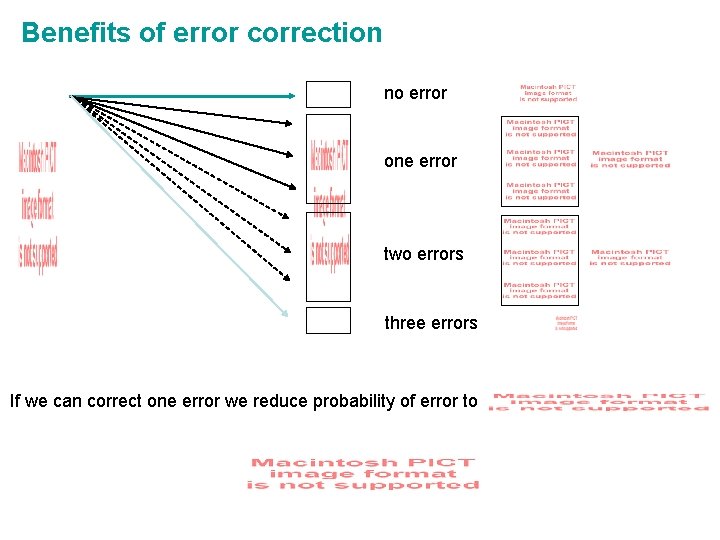
Benefits of error correction no error one error two errors three errors If we can correct one error we reduce probability of error to
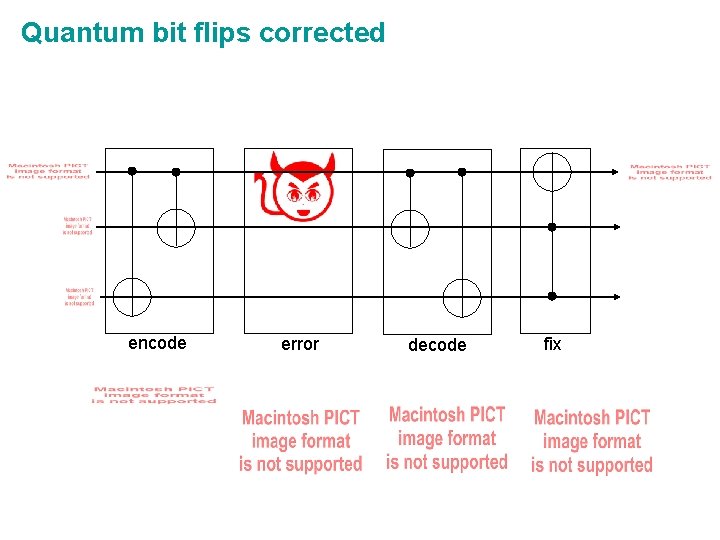
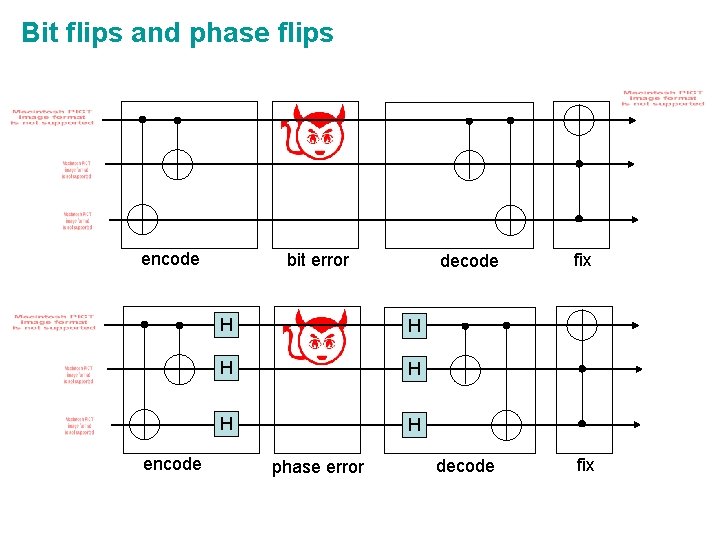
Quantum bit flips corrected encode error decode fix
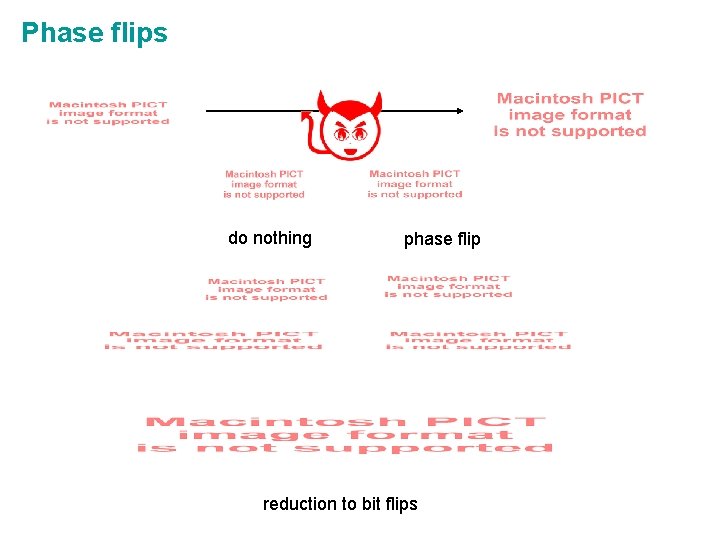
Phase flips do nothing phase flip reduction to bit flips
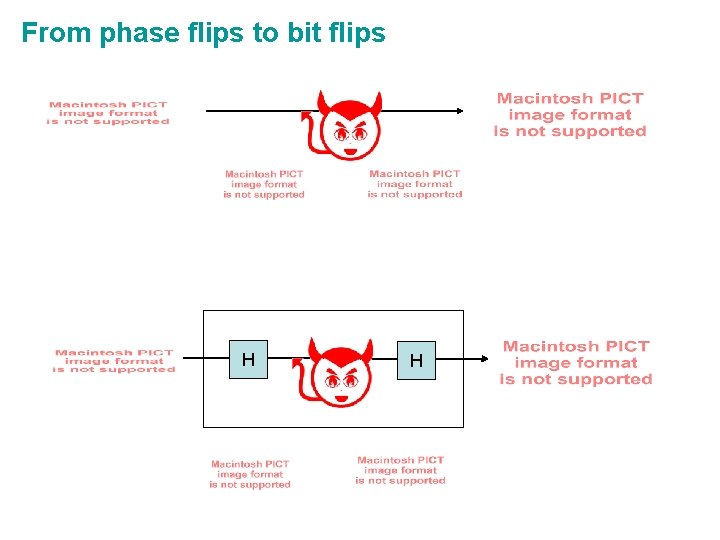
From phase flips to bit flips H H
Bit flips and phase flips encode bit error H H H phase error decode fix
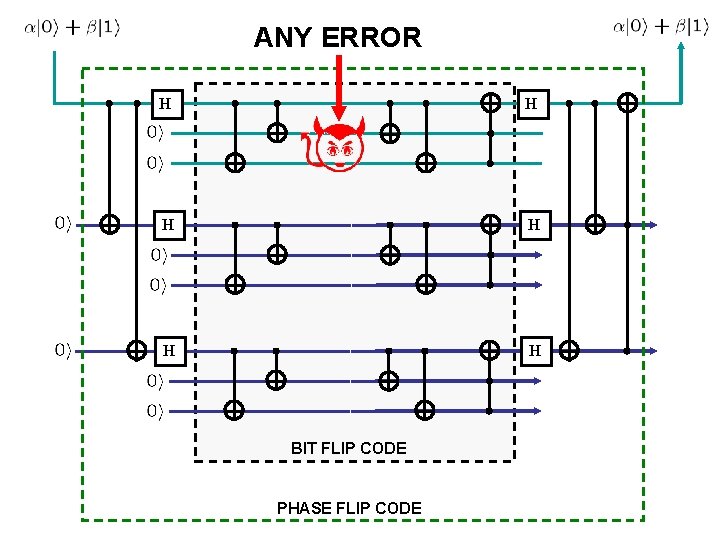
ANY ERROR H H H BIT FLIP CODE PHASE FLIP CODE