
DEALING WITH HAZARDS AND RISKS Course Administration Emergency
- Slides: 121
DEALING WITH HAZARDS AND RISKS
Course Administration • • Emergency procedures Facilities ; GSMs First aid, prayers, refreshments and toilets Documentation: – Class roster and HSE passports • Restrictions: – Smoking, telephones and pagers • Introductions: – Name, company, position and expectations of the course
Rules of Engagement Be punctual, no side conversations, show respect and courtesy to others at all times Mobile phones switched off. INCLUDE - Its up to YOU to include the whole team I - I don’t have all the answers N - Need to involve the whole team C - Collective thinking is powerful L - Learn by listening U - Understand we think differently D - Don’t think my way is the only way E - Establish the best possible outcome together
PDO Emergency Number From any PDO telephone line call 5555 From mobile phones and external lines call 2467 -5555 2438 -5555 For Civil Defence Assistance, call 9999
Objectives of the Course • Develop your knowledge and understanding of the most common hazards and risks that are faced at work on daily basis, and • Develop your knowledge and skills in dealing with hazards and risks that assures you always use safe actions and practices in and around the work place.
Incidents & Accidents Why do incidents and accidents happen? What are the most common and frequent types of incidents that lead to injuries and/or fatalities in PDO operations? What are the reasons that lead to such incidents?
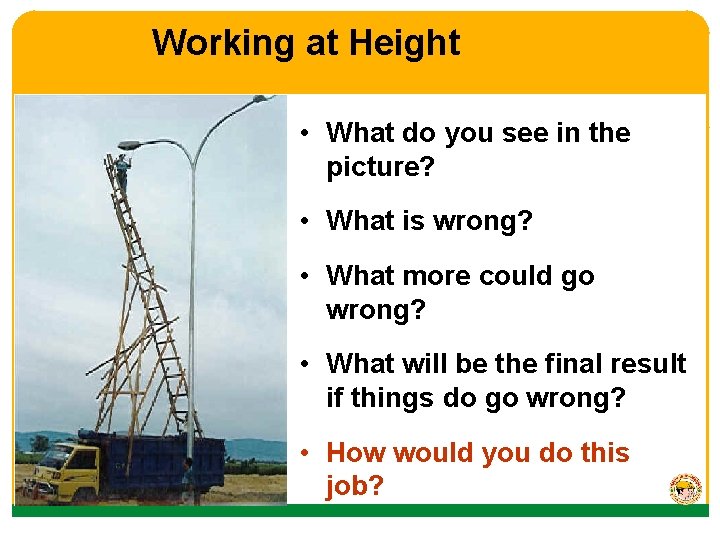
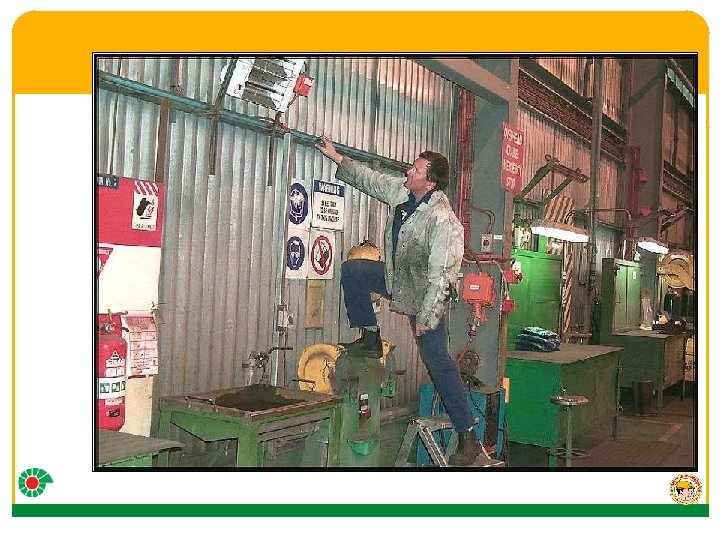
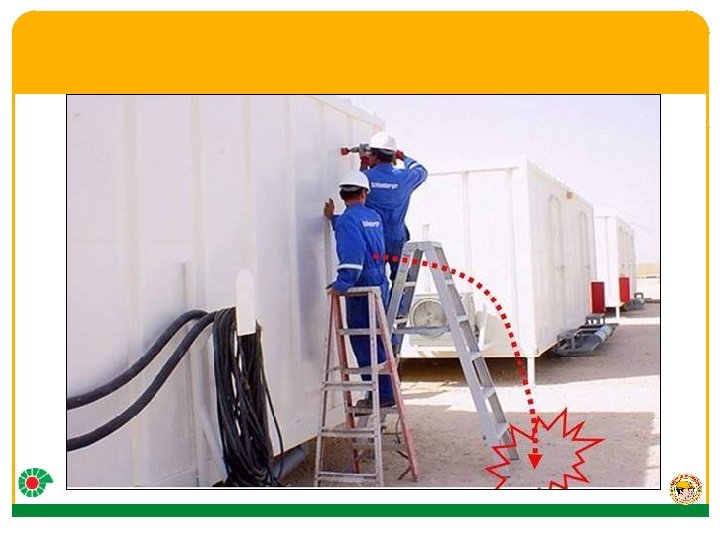
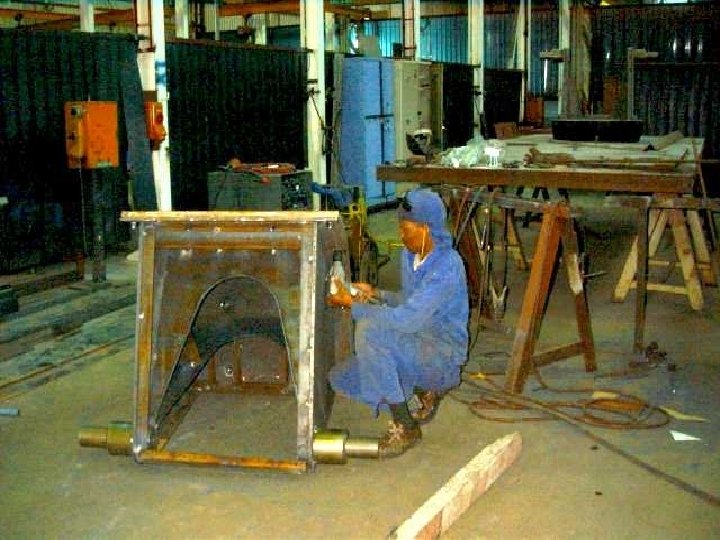
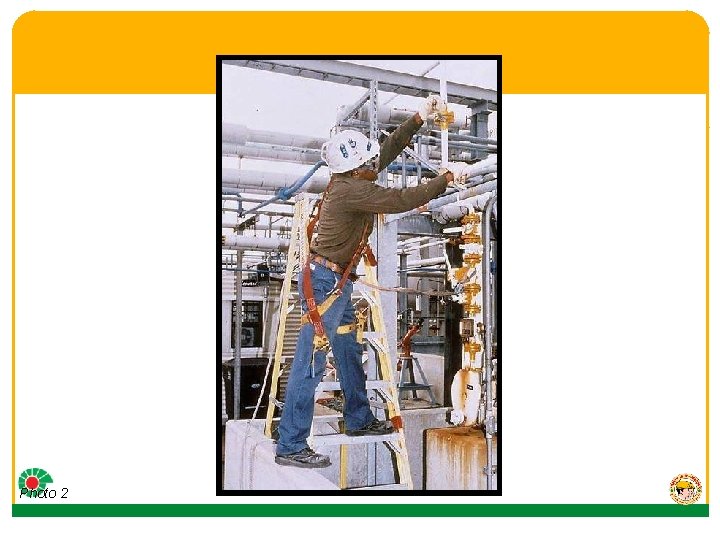
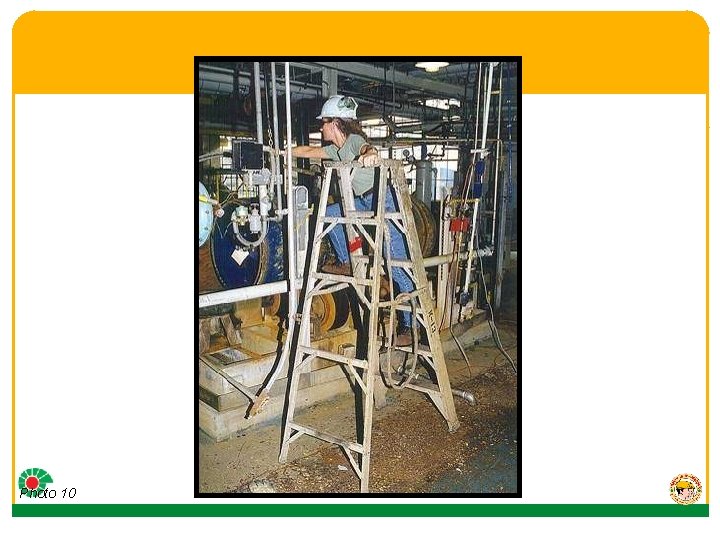
Working at Height • What do you see in the picture? • What is wrong? • What more could go wrong? • What will be the final result if things do go wrong? • How would you do this job?
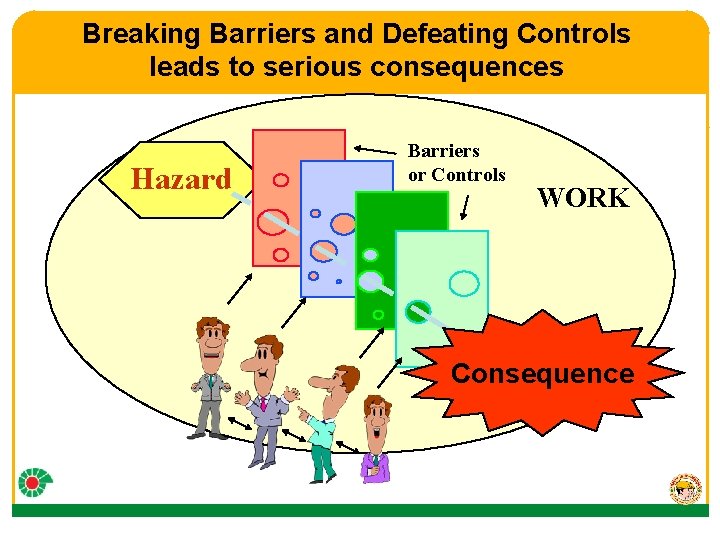
Definitions • Hazard – anything with the potential to cause harm. • Barriers – controls in place to prevent release of the hazards.
Breaking Barriers • There always sufficient barriers available to reduce risks from hazards and prevent incidents. • When one or more barriers are broken simultaneously, by mistake or intentionally, incidents happen. • In most of the incidents, at least one person knows in advance that barriers have been broken but does not action or report it on time.
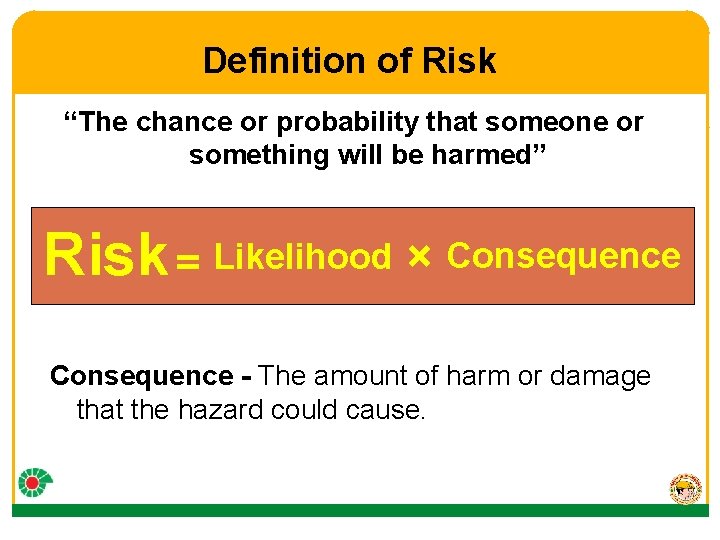
Definition of Risk “The chance or probability that someone or something will be harmed” Risk = Likelihood × Consequence - The amount of harm or damage that the hazard could cause.
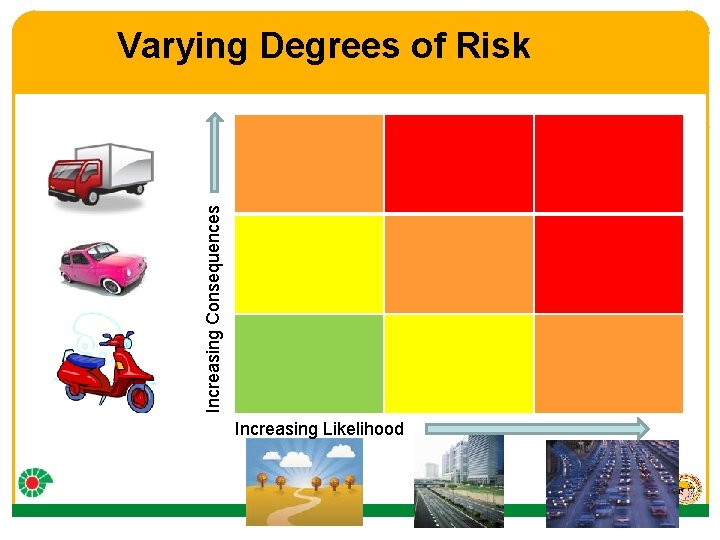
Increasing Consequences Varying Degrees of Risk Increasing Likelihood
PDO’s Risk Assessment Matrix (RAM)
Breaking Barriers and Defeating Controls leads to serious consequences Hazard Barriers or Controls WORK Consequence
Incidents Have you ever been involved or witnessed a serious incident or accident? • Please share the story with the room. – What happened? – Why did it happen? – Was there any way to prevent it?
Why do people take risk?
Common Workplace Hazards What are the most common hazards present in your workplace?
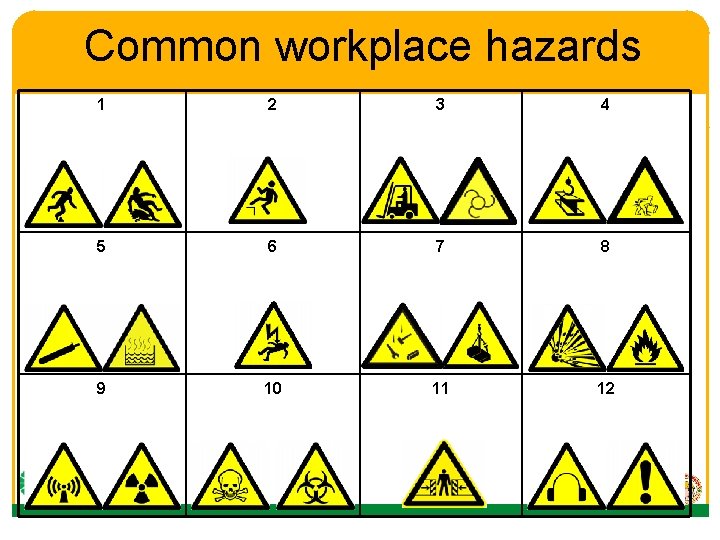
Common workplace hazards 1 2 3 4 5 6 7 8 9 10 11 12
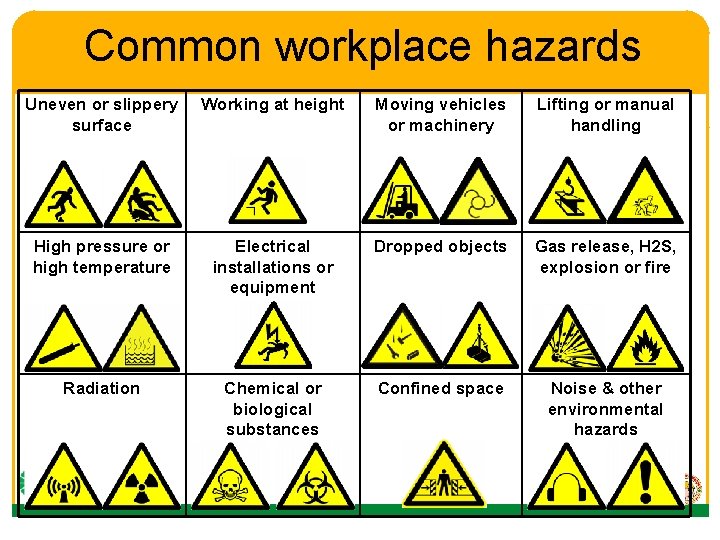
Common workplace hazards Uneven or slippery surface Working at height Moving vehicles or machinery Lifting or manual handling High pressure or high temperature Electrical installations or equipment Dropped objects Gas release, H 2 S, explosion or fire Radiation Chemical or biological substances Confined space Noise & other environmental hazards
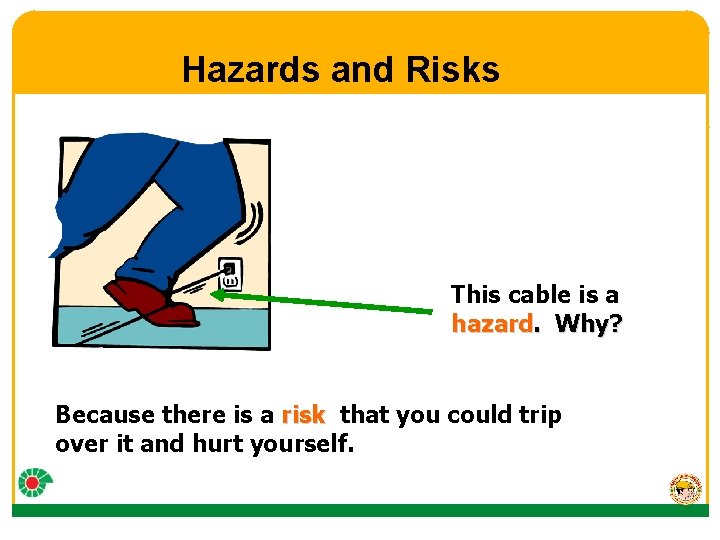
Hazards and Risks This cable is a hazard. Why? Because there is a risk that you could trip over it and hurt yourself.
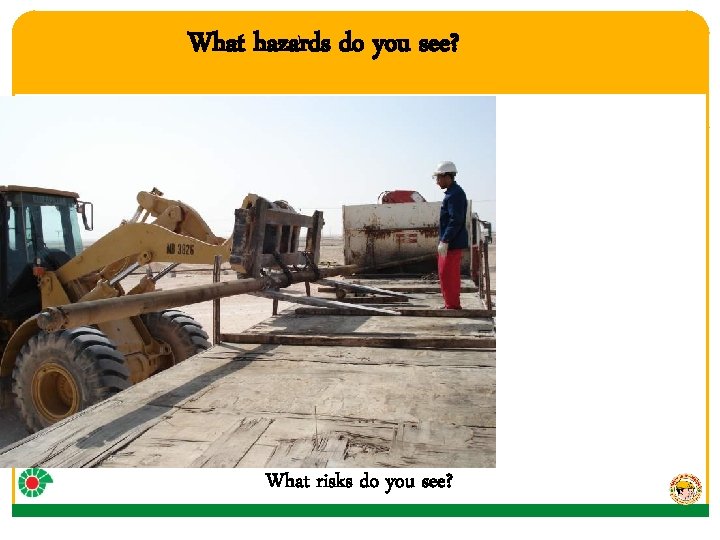
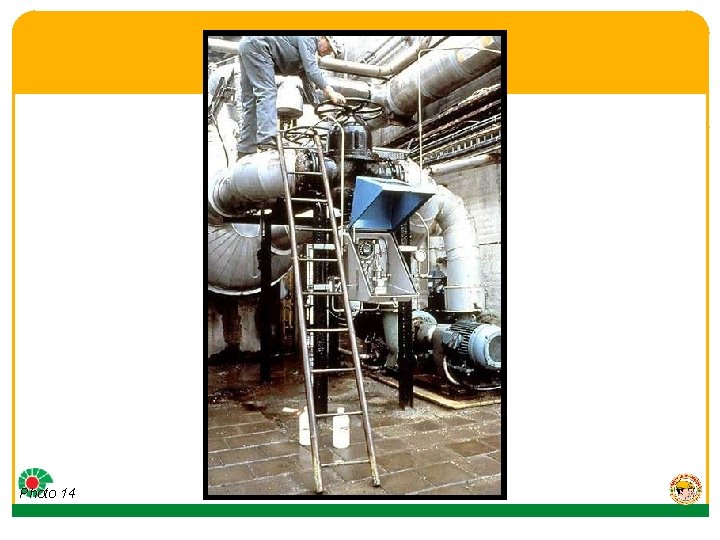
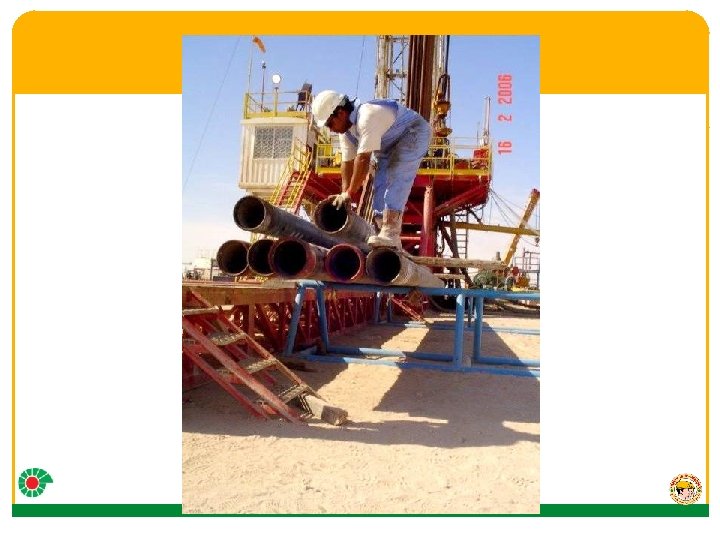
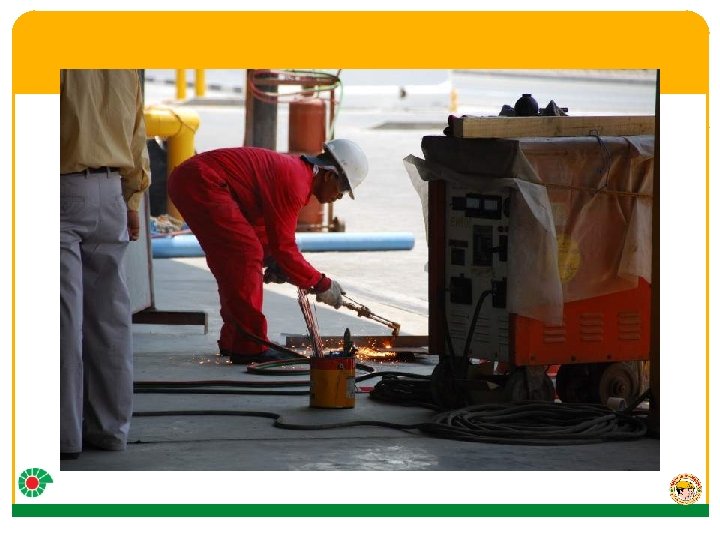
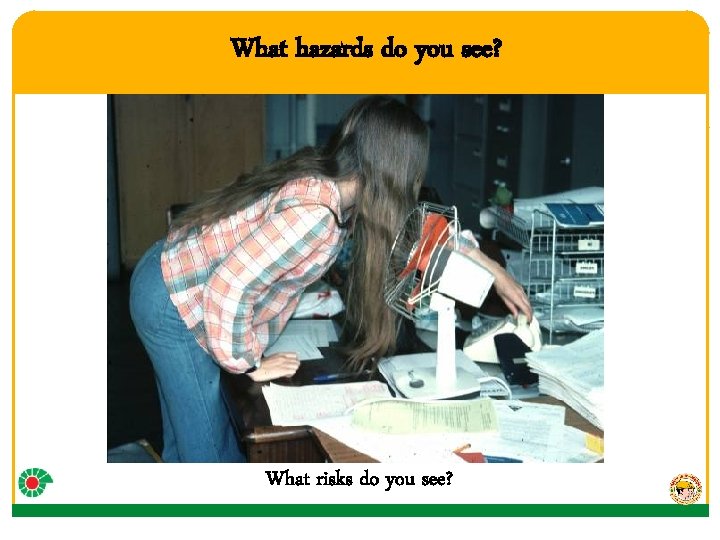
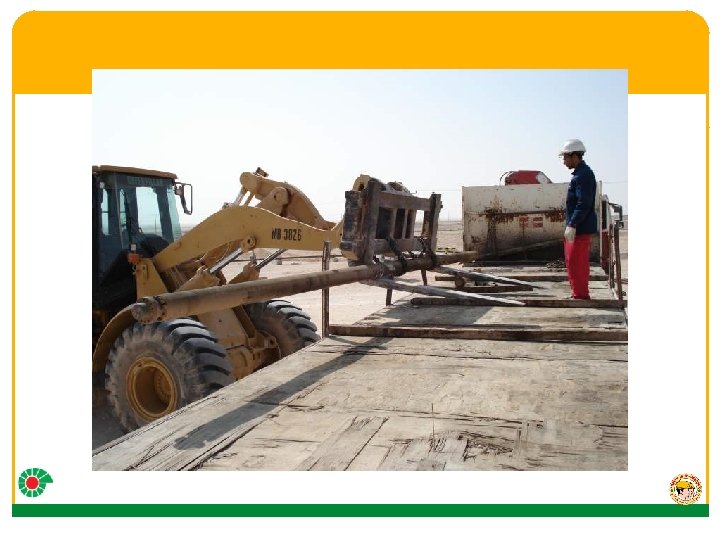
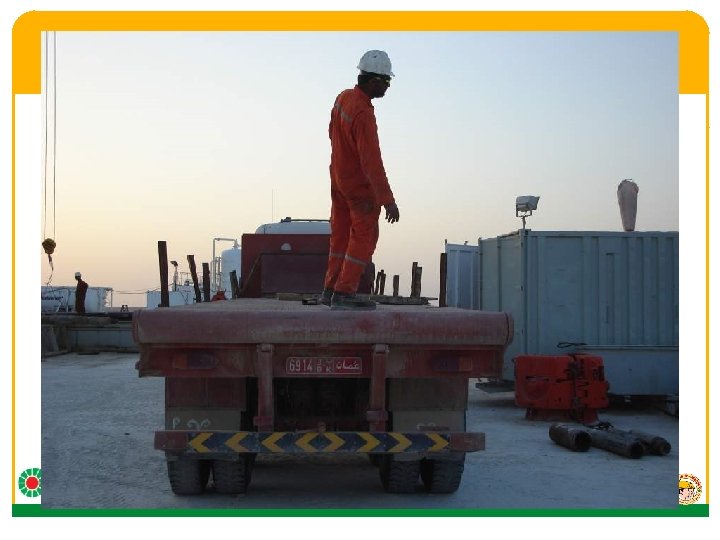
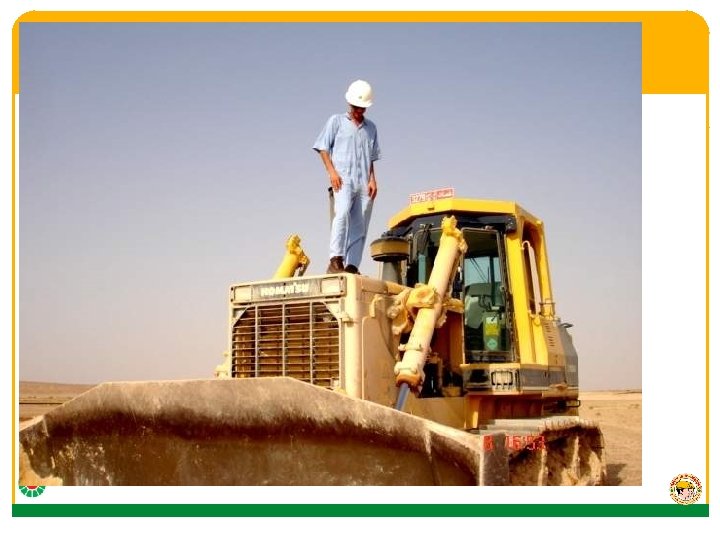
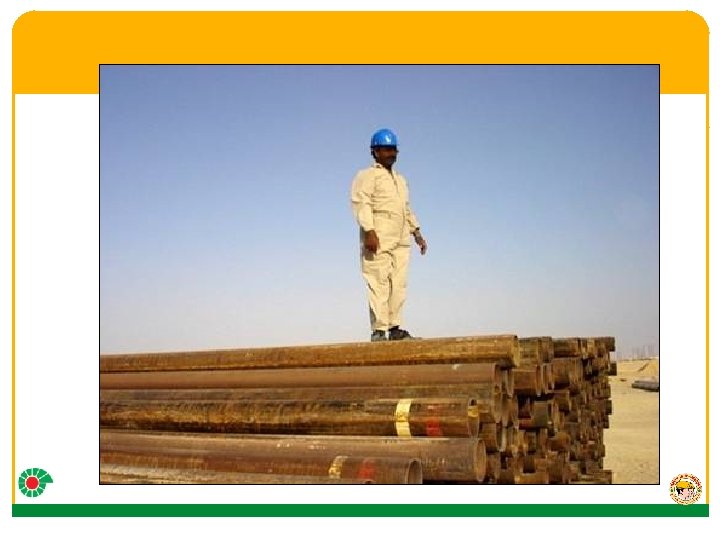
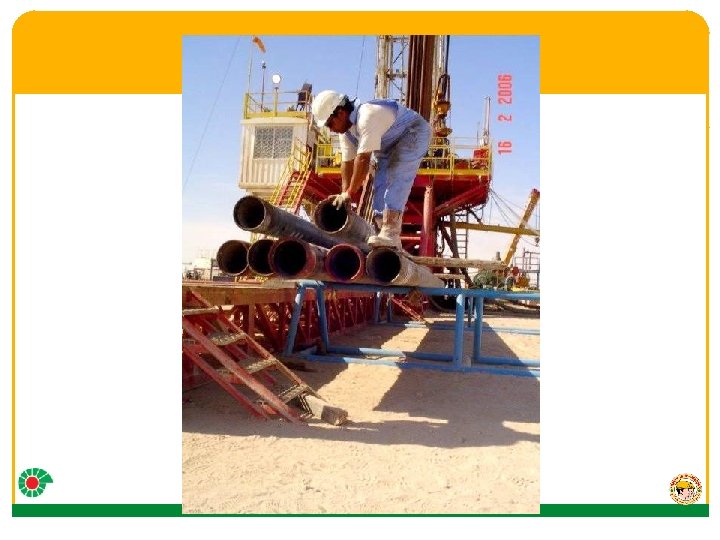
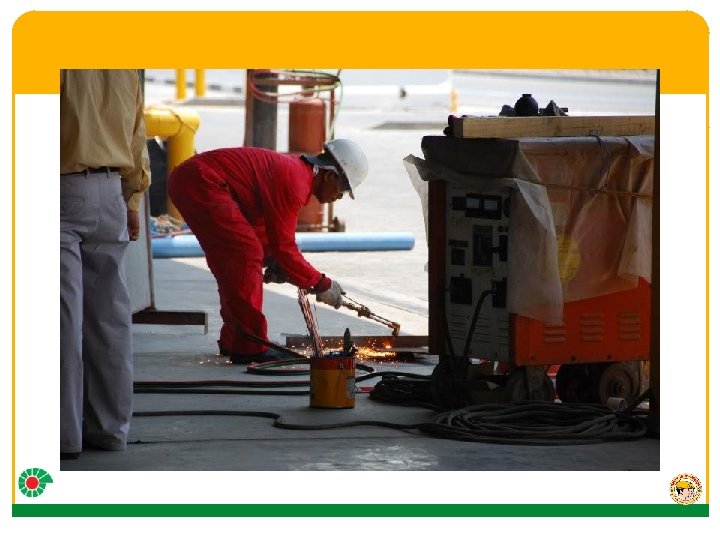
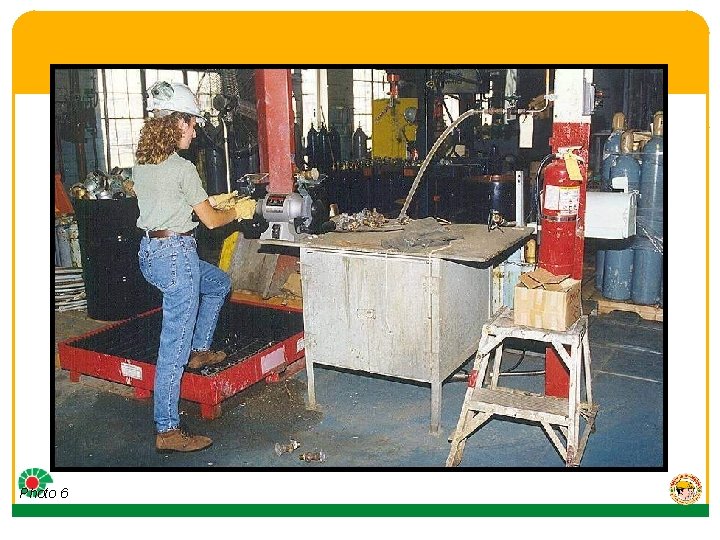
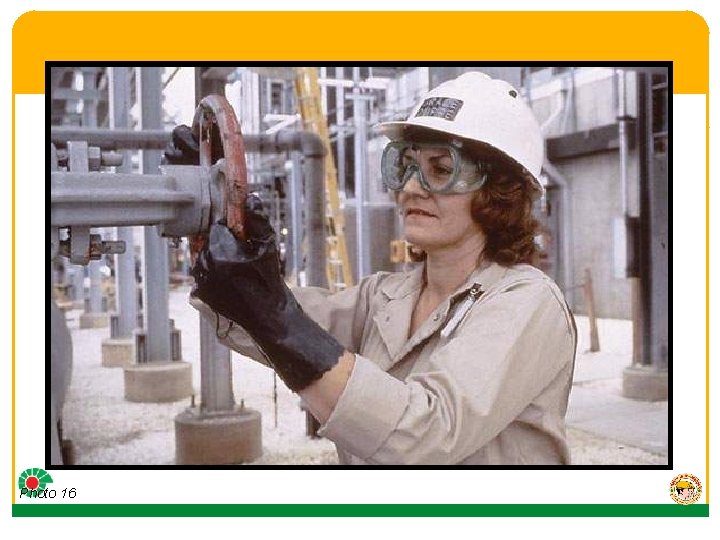
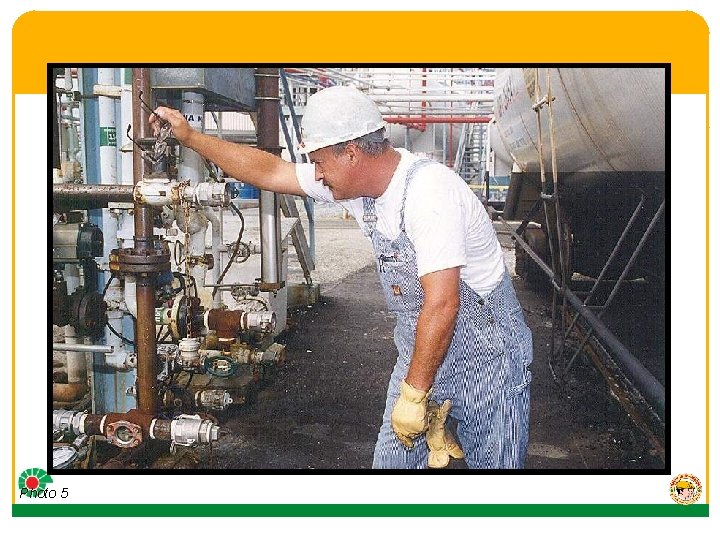
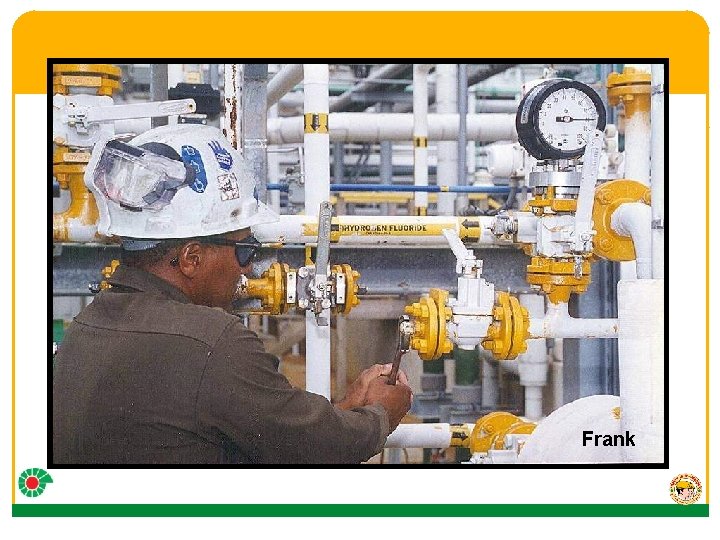
What hazards do you see? What risks do you see?
Photo 14
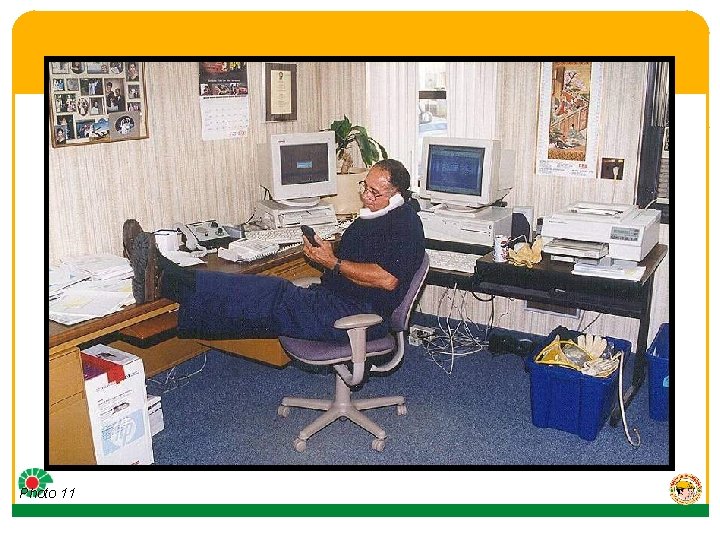
Photo 11
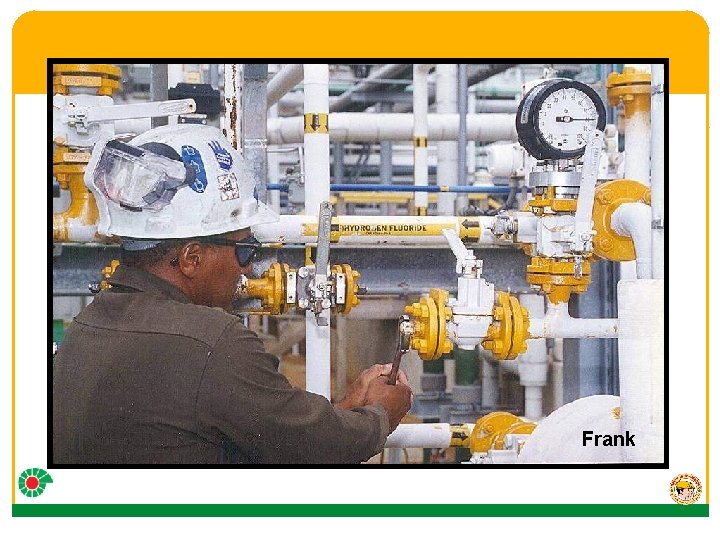
Frank
What hazards do you see? What risks do you see?
Actual Incidents
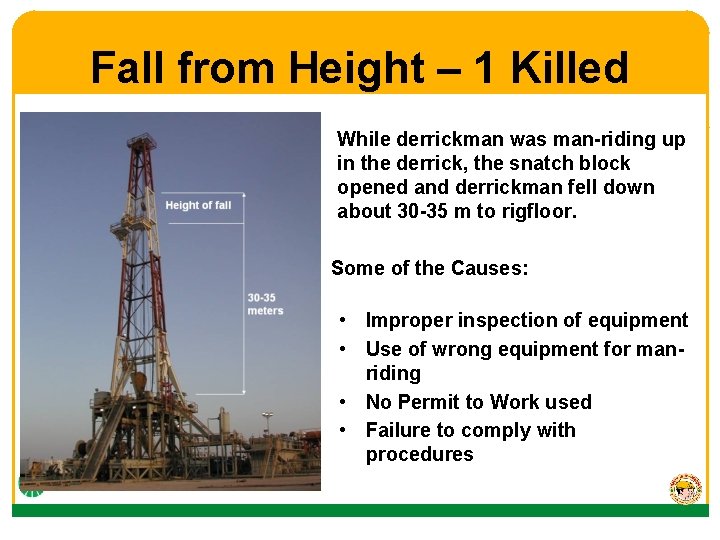
Fall from Height – 1 Killed While derrickman was man-riding up in the derrick, the snatch block opened and derrickman fell down about 30 -35 m to rigfloor. Some of the Causes: • Improper inspection of equipment • Use of wrong equipment for manriding • No Permit to Work used • Failure to comply with procedures
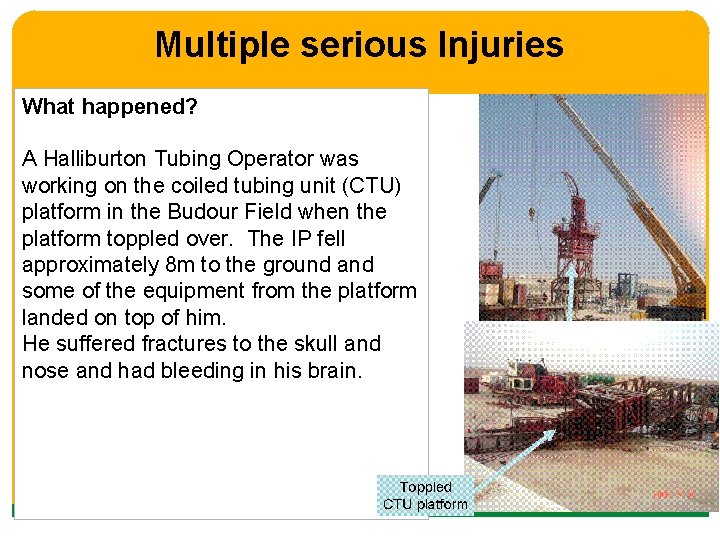
Multiple serious Injuries What happened? A Halliburton Tubing Operator was working on the coiled tubing unit (CTU) platform in the Budour Field when the platform toppled over. The IP fell approximately 8 m to the ground and some of the equipment from the platform landed on top of him. He suffered fractures to the skull and nose and had bleeding in his brain.
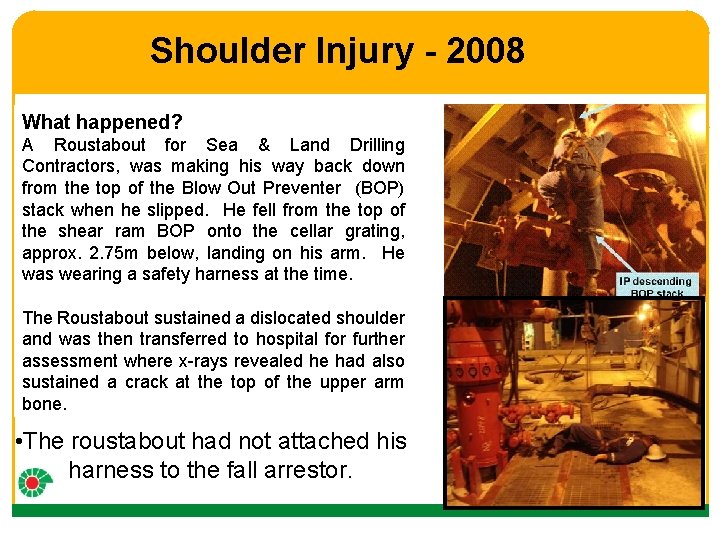
Shoulder Injury - 2008 What happened? A Roustabout for Sea & Land Drilling Contractors, was making his way back down from the top of the Blow Out Preventer (BOP) stack when he slipped. He fell from the top of the shear ram BOP onto the cellar grating, approx. 2. 75 m below, landing on his arm. He was wearing a safety harness at the time. The Roustabout sustained a dislocated shoulder and was then transferred to hospital for further assessment where x-rays revealed he had also sustained a crack at the top of the upper arm bone. • The roustabout had not attached his harness to the fall arrestor.
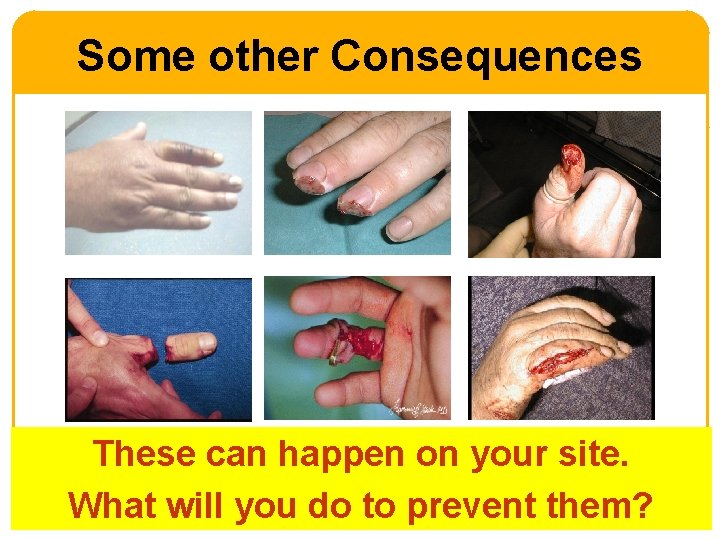
Some other Consequences These can happen on your site. What will you do to prevent them?
Hazards & Risks Hazards and Risks Video
Classroom Hazards & Risks • What hazards and risk do you see in this room and anywhere else within this building? • What barriers or controls are in place to assure our safety? • Discuss and list solutions to make such activities safer?
Working at Height • What are the main activities in your workplace that require working at height? • What are the hazards and risks involved in such activities? • What barriers or controls are in place to assure safe operations? • Discuss and list solutions to make such activities safer?
Working in Confined Spaces • What are the main activities in your workplace that require working in confined spaces? • What are the hazards and risks involved in such activities? • What barriers or controls are in place to assure safe operations? • Discuss and list solutions to make such activities safer?
Dealing with High Pressure • What are the main activities in your workplace involve dealing with high pressures? • What are the hazards and risks involved in such activities? • What barriers or controls are in place to assure safe operations? • Discuss and list solutions to make such activities safer?
Lifting and Loading Activities • What are the main activities in your workplace that require lifting or loading of heavy equipment? • What are the hazards and risks involved in such activities? • What barriers or controls are in place to assure safe operations? • Discuss and list solutions to make such activities safer?
Chemicals and Radioactive Hazards • What activities in your workplace require dealing with chemicals or radioactive materials? • What are the hazards and risks involved in such activities? • What barriers or controls are in place to assure safe operations? • Discuss and list solutions to make such activities safer?
HSE TOOLS & SYSTEMS
HSE Tools & Systems • What HSE tools and systems do you have in your workplace? – What is good about them that you see being very effective? – What is not good that needs to be fixed?
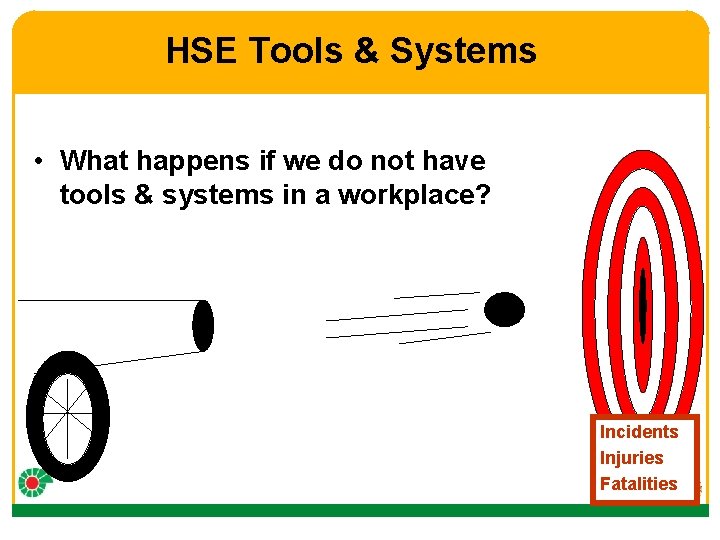
HSE Tools & Systems • What happens if we do not have tools & systems in a workplace? Incidents Injuries Fatalities
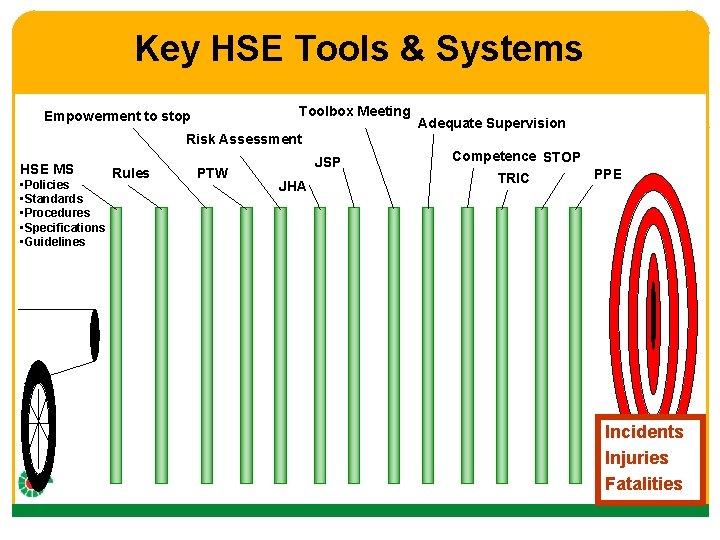
Key HSE Tools & Systems Toolbox Meeting Empowerment to stop Risk Assessment HSE MS • Policies • Standards • Procedures • Specifications • Guidelines Rules PTW JSP JHA Adequate Supervision Competence STOP PPE TRIC Incidents Injuries Fatalities
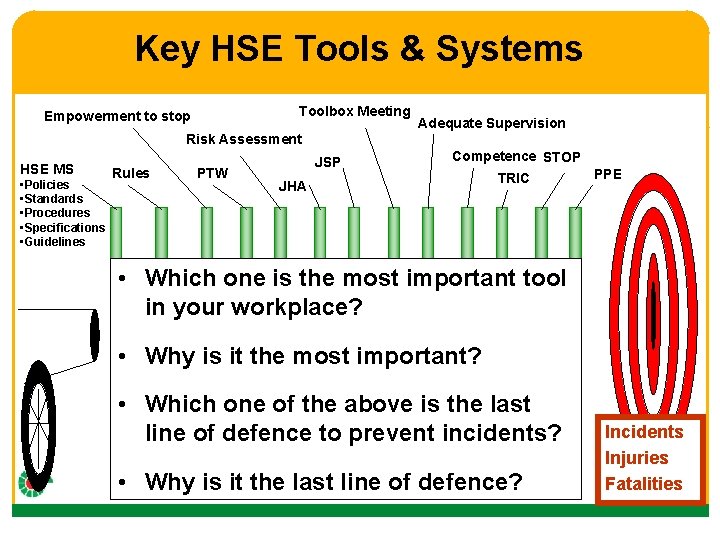
Key HSE Tools & Systems Toolbox Meeting Empowerment to stop Risk Assessment HSE MS • Policies • Standards • Procedures • Specifications • Guidelines Rules PTW JSP JHA Adequate Supervision Competence STOP PPE TRIC • Which one is the most important tool in your workplace? • Why is it the most important? • Which one of the above is the last line of defence to prevent incidents? • Why is it the last line of defence? Incidents Injuries Fatalities
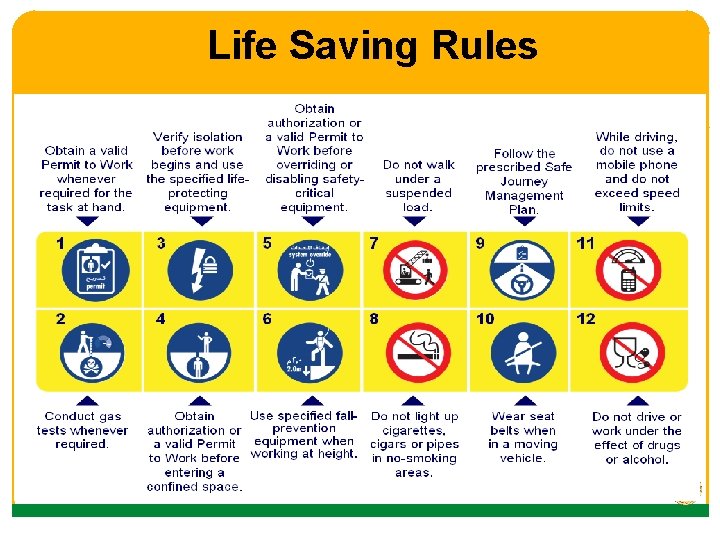
Rules • Golden Rules • House Rules • Life Saving Rules • What are these rules? mention some. • Why are they important? • What are you going to do about them?
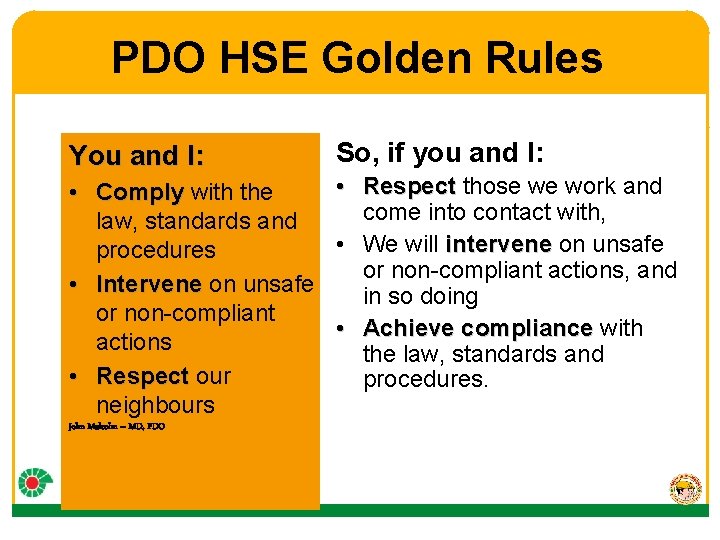
PDO HSE Golden Rules You and I: So, if you and I: • Comply with the Comply law, standards and procedures • Intervene on unsafe Intervene or non-compliant actions • Respect our Respect neighbours • Respect those we work and Respect come into contact with, • We will intervene on unsafe or non-compliant actions, and in so doing • Achieve compliance with compliance the law, standards and procedures. John Malcolm – MD, PDO
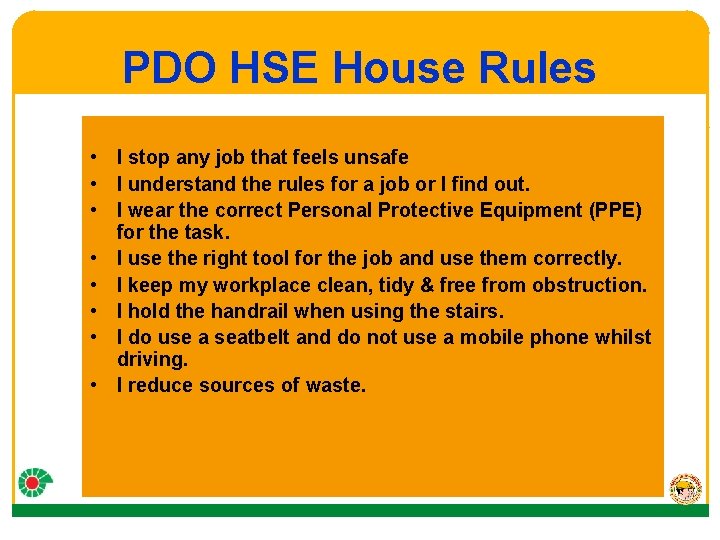
PDO HSE House Rules • I stop any job that feels unsafe • I understand the rules for a job or I find out. • I wear the correct Personal Protective Equipment (PPE) for the task. • I use the right tool for the job and use them correctly. • I keep my workplace clean, tidy & free from obstruction. • I hold the handrail when using the stairs. • I do use a seatbelt and do not use a mobile phone whilst driving. • I reduce sources of waste.
Life Saving Rules
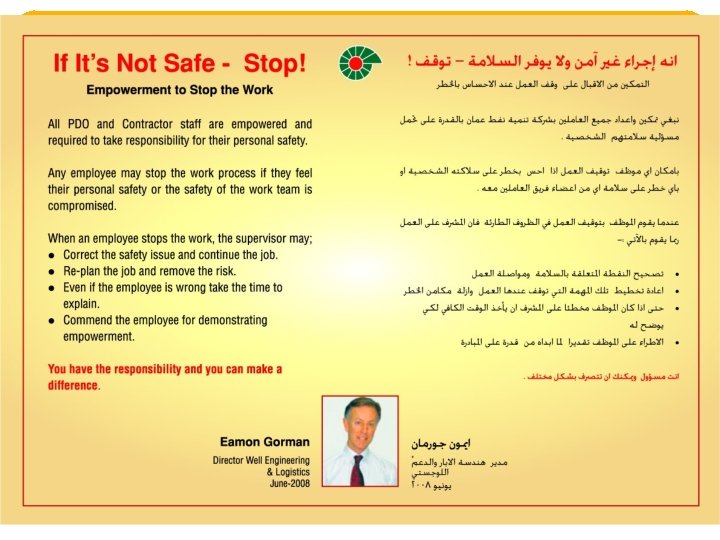
Stopping work to correct unsafe acts or practices
Authority to Stop unsafe work • Who may stop unsafe work? • How will you use it in your workplace? • Do you think it is a useful tool? • Why does it fail most of the time to prevent incidents, accidents & injuries?
Authority to Stop unsafe work You are authorised by PDO’s MD: • to use this HSE tool if you believe any work or action is unsafe or potentially unsafe. • to INTERVENE, and STOP the work, and to correct the unsafe action or condition, without penalty to yourself.
Why do you think people avoid using this simple, but essential tool of Stopping unsafe work?
How can you help to break down the barriers you have identified that cause some to avoid using the tool for stopping unsafe work? Stopping unsafe work
Permit to Work System
Permit to Work (PTW) • What do you think a PTW system is? • Why do you think we have a PTW system? • Who do you think is involved in it? • How do you think it works? • What problems can you think it might present you with?
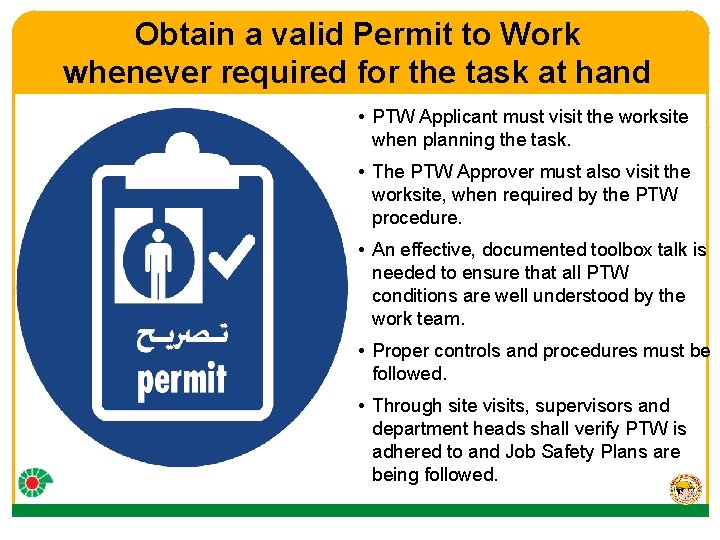
Obtain a valid Permit to Work whenever required for the task at hand • PTW Applicant must visit the worksite when planning the task. • The PTW Approver must also visit the worksite, when required by the PTW procedure. • An effective, documented toolbox talk is needed to ensure that all PTW conditions are well understood by the work team. • Proper controls and procedures must be followed. • Through site visits, supervisors and department heads shall verify PTW is adhered to and Job Safety Plans are being followed.
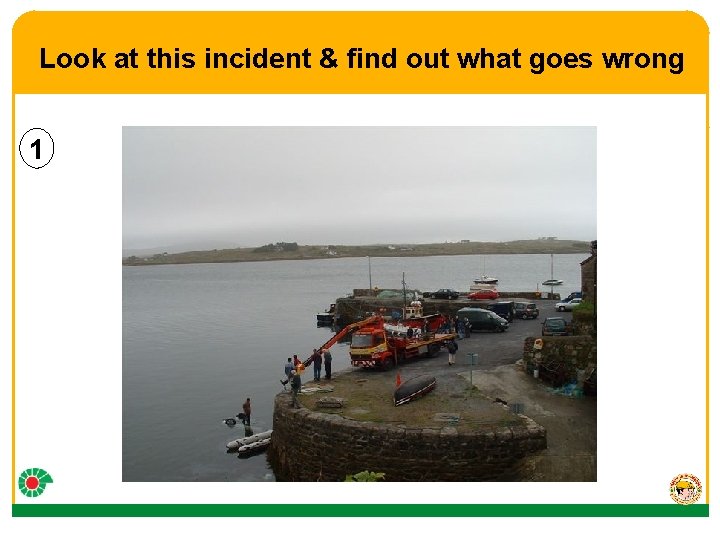
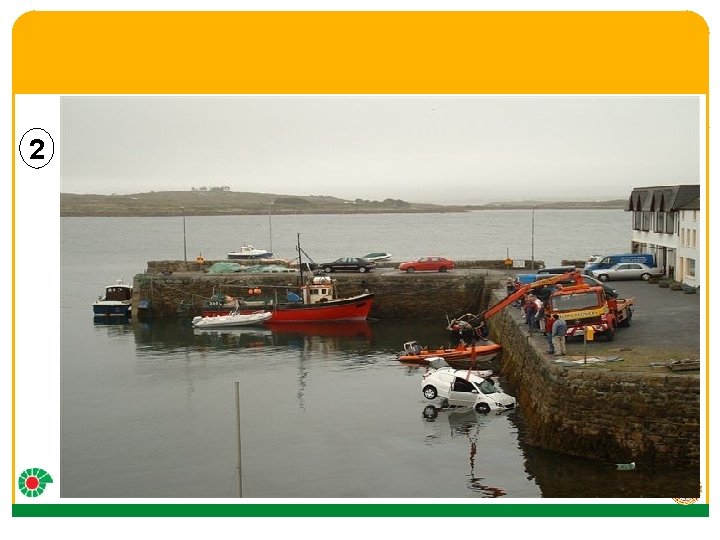
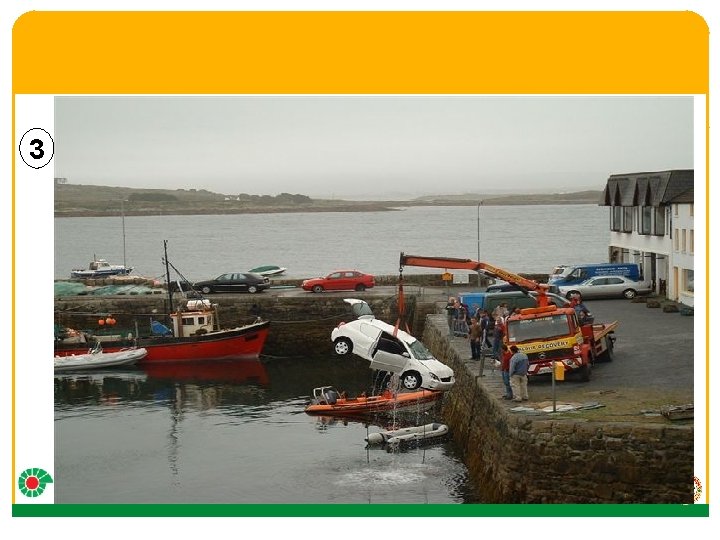
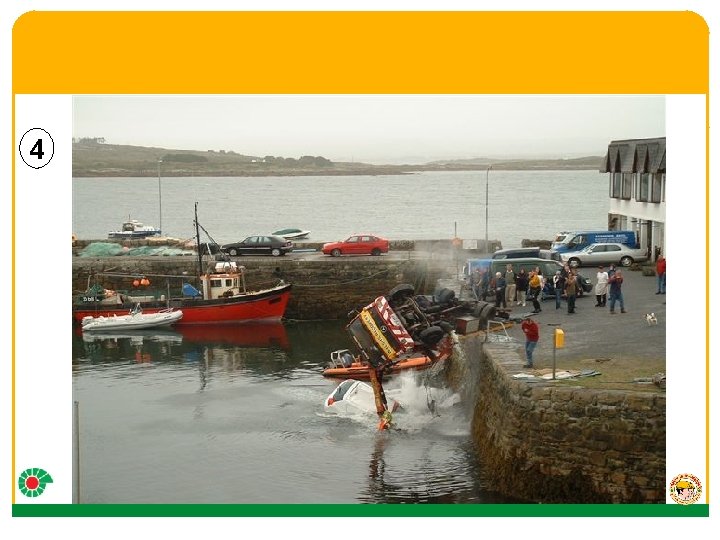
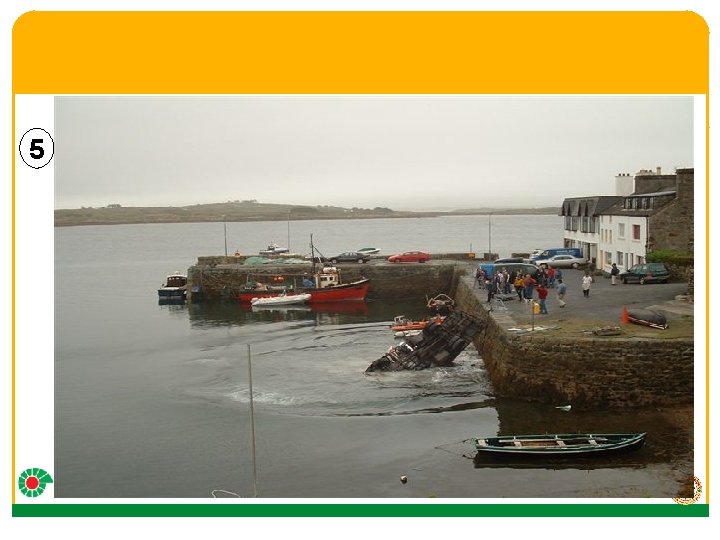
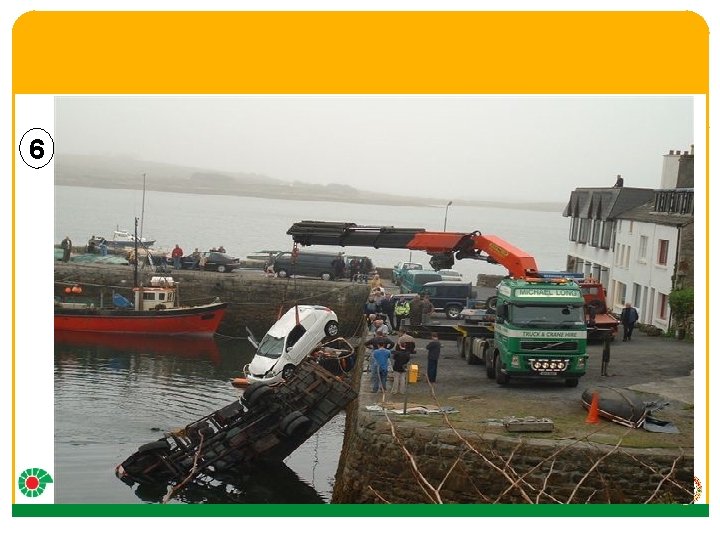
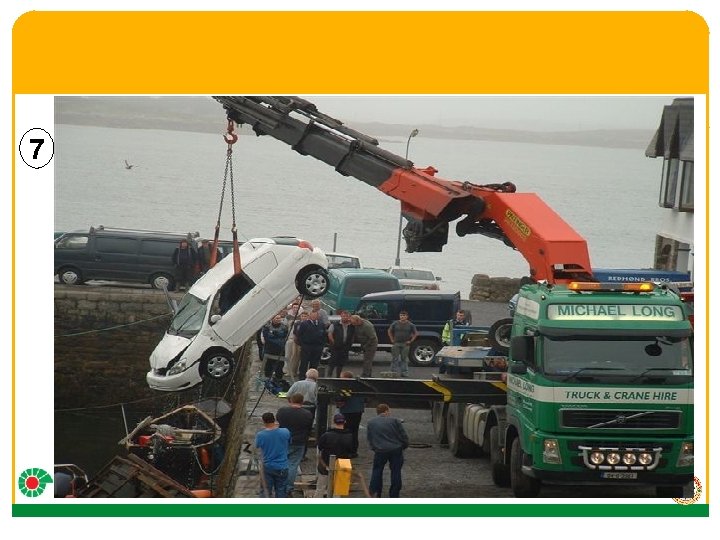
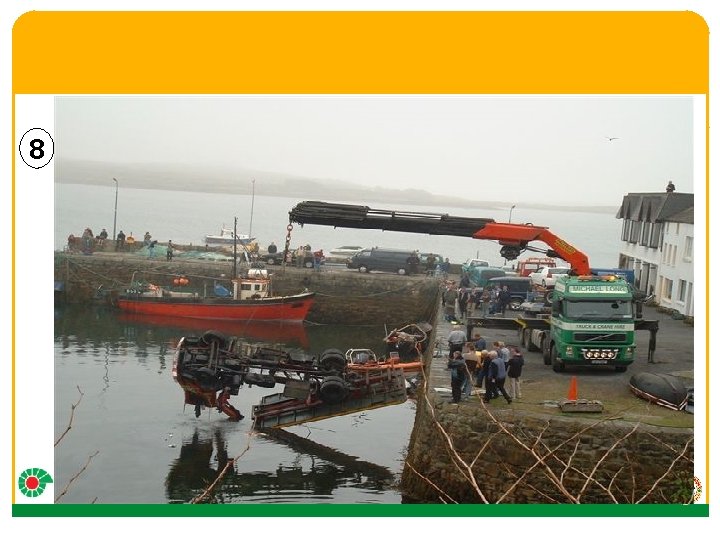
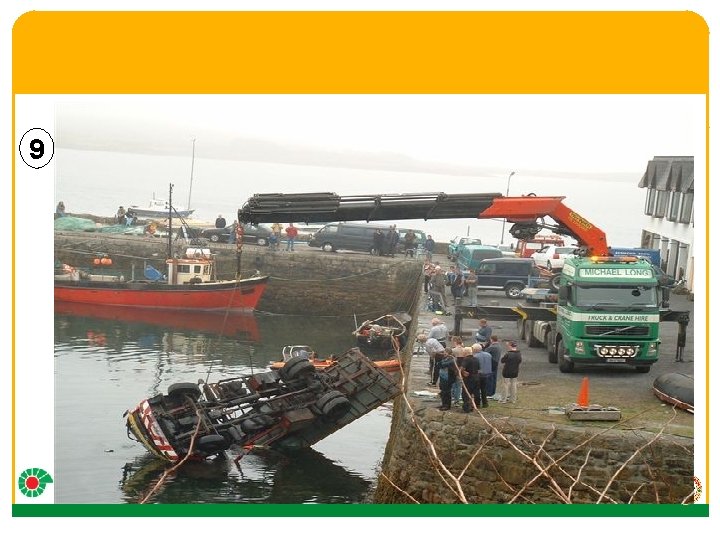
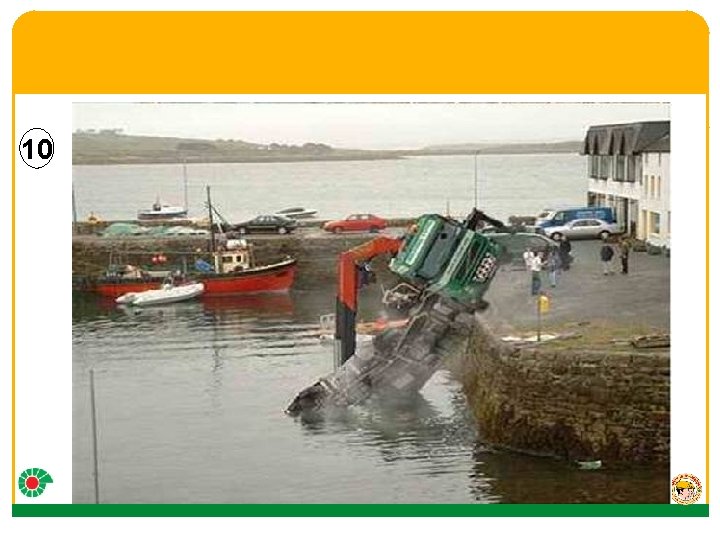
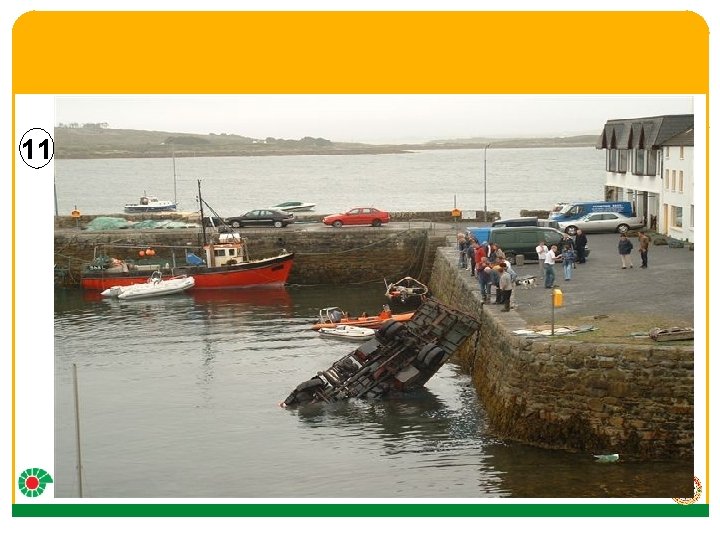
Look at this incident & find out what goes wrong 1
2
3
4
5
6
7
8
9
10
11
What Went Wrong? • Do you think a PTW was used? • If yes, why did it fail? • If no, how would a PTW prevent this incident?
Toolbox-Talk (TBT)
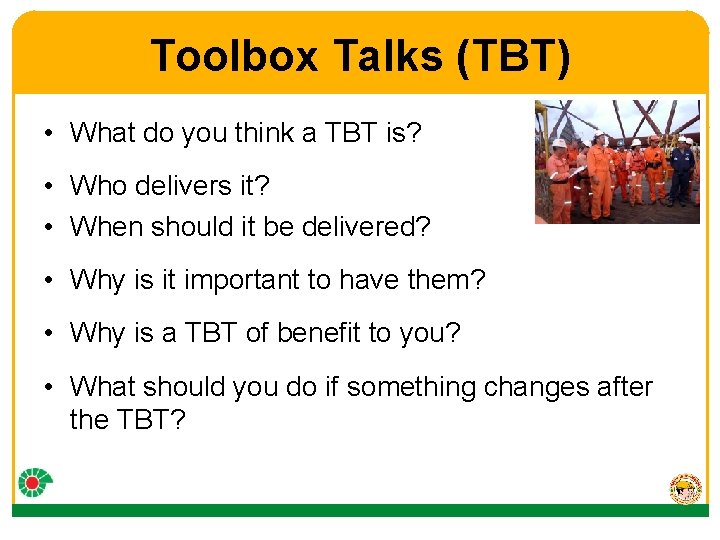
Toolbox Talks (TBT) • What do you think a TBT is? • Who delivers it? • When should it be delivered? • Why is it important to have them? • Why is a TBT of benefit to you? • What should you do if something changes after the TBT?
Toolbox-Talk Risk Identification Card (TRIC)
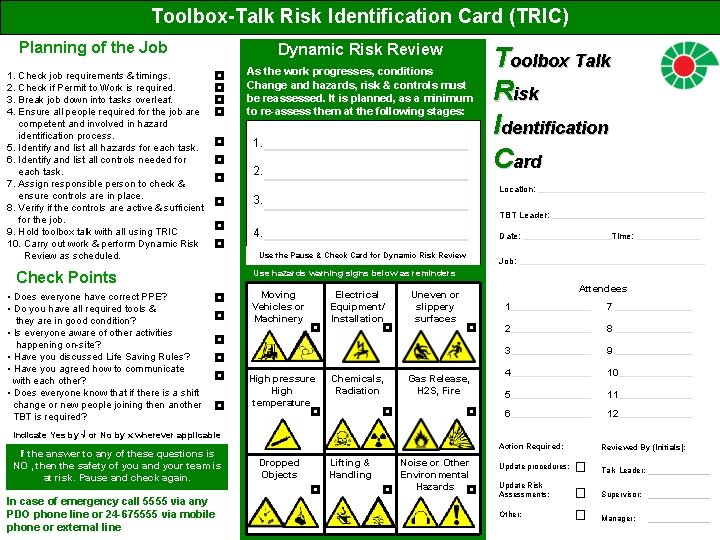
Toolbox-Talk Risk Identification Card (TRIC) Planning of the Job 1. Check job requirements & timings. 2. Check if Permit to Work is required. 3. Break job down into tasks overleaf. 4. Ensure all people required for the job are competent and involved in hazard identification process. 5. Identify and list all hazards for each task. 6. Identify and list all controls needed for each task. 7. Assign responsible person to check & ensure controls are in place. 8. Verify if the controls are active & sufficient for the job. 9. Hold toolbox talk with all using TRIC 10. Carry out work & perform Dynamic Risk Review as scheduled. Check Points • Does everyone have correct PPE? • Do you have all required tools & they are in good condition? • Is everyone aware of other activities happening on-site? • Have you discussed Life Saving Rules? • Have you agreed how to communicate with each other? • Does everyone know that if there is a shift change or new people joining then another TBT is required? Dynamic Risk Review As the work progresses, conditions Change and hazards, risk & controls must be reassessed. It is planned, as a minimum to re-assess them at the following stages: 1. 2. Toolbox Talk Risk Identification Card Location: ______________________________ 3. TBT Leader: ____________________________ 4. Date: ________________Time: ____________ Use the Pause & Check Card for Dynamic Risk Review Job: __________________________________ Use hazards warning signs below as reminders Moving Vehicles or Machinery High pressure High temperature Electrical Equipment/ Installation Chemicals, Radiation Uneven or slippery surfaces Gas Release, H 2 S, Fire Attendees 1_______________ 7 ______________ 2_______________ 8 ______________ 3_______________ 9 ______________ 4_______________ 10______________ 5_______________ 11______________ 6_______________ 12______________ Indicate Yes by √ or No by x wherever applicable If the answer to any of these questions is NO , then the safety of you and your team is at risk. Pause and check again. In case of emergency call 5555 via any PDO phone line or 24 -675555 via mobile phone or external line Action Required: Dropped Objects Lifting & Handling Noise or Other Environmental Hazards Update procedures: Update Risk Assessments: Reviewed By (Initials): Talk Leader: Supervisor: Other: Manager:
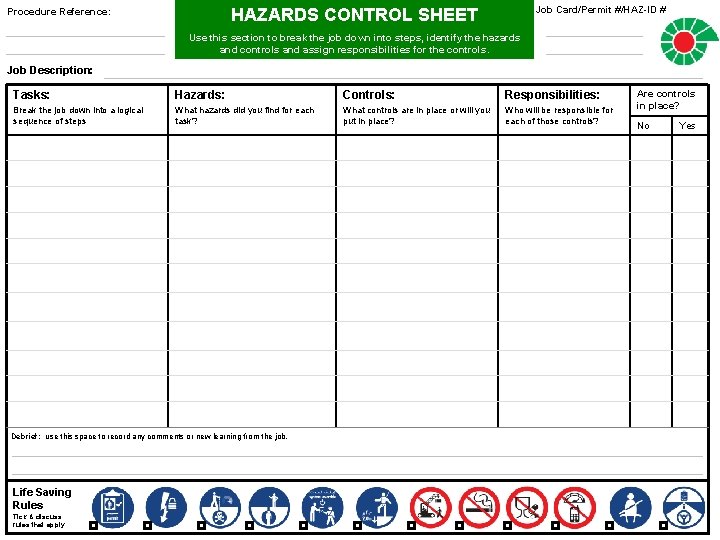
Job Card/Permit #/HAZ-ID # HAZARDS CONTROL SHEET Procedure Reference: Use this section to break the job down into steps, identify the hazards and controls and assign responsibilities for the controls. Job Description: Tasks: Hazards: Controls: Responsibilities: Break the job down into a logical sequence of steps What hazards did you find for each task? What controls are in place or will you put in place? Who will be responsible for each of those controls? Are controls in place? No Yes Debrief: use this space to record any comments or new learning from the job. Life Saving Rules Tick & discuss rules that apply
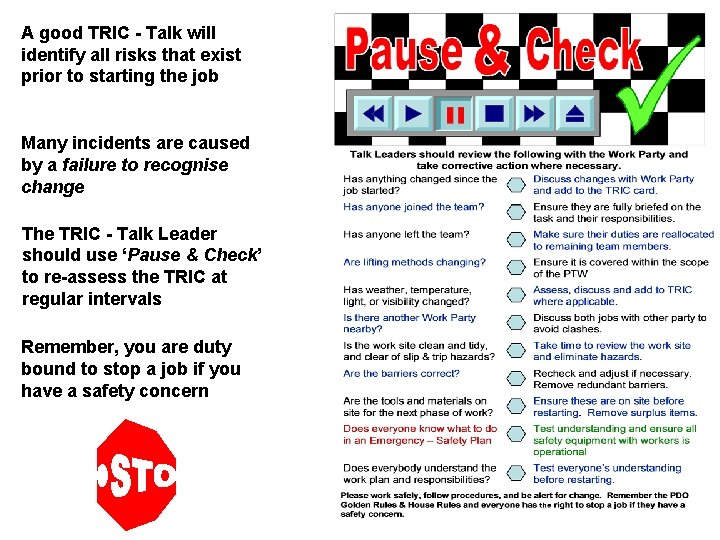
A good TRIC - Talk will identify all risks that exist prior to starting the job Many incidents are caused by a failure to recognise change The TRIC - Talk Leader should use ‘Pause & Check’ to re-assess the TRIC at regular intervals Remember, you are duty bound to stop a job if you have a safety concern
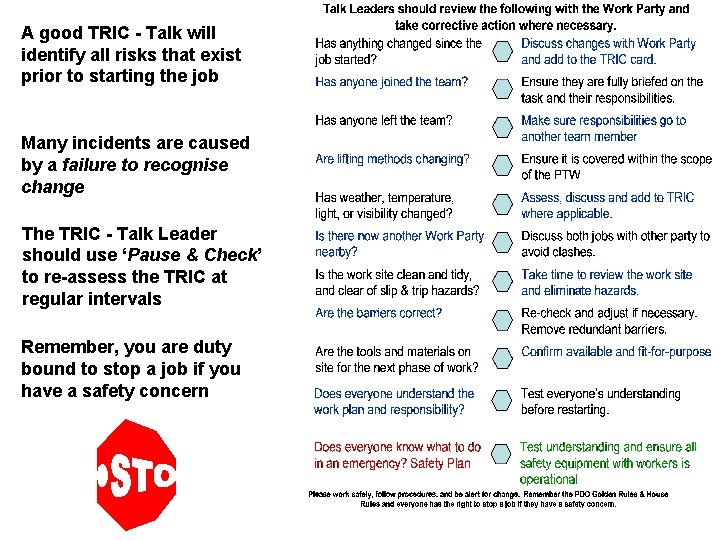
A good TRIC - Talk will identify all risks that exist prior to starting the job Many incidents are caused by a failure to recognise change The TRIC - Talk Leader should use ‘Pause & Check’ to re-assess the TRIC at regular intervals Remember, you are duty bound to stop a job if you have a safety concern
Safety Training Observation Program STOP
Safety Contact
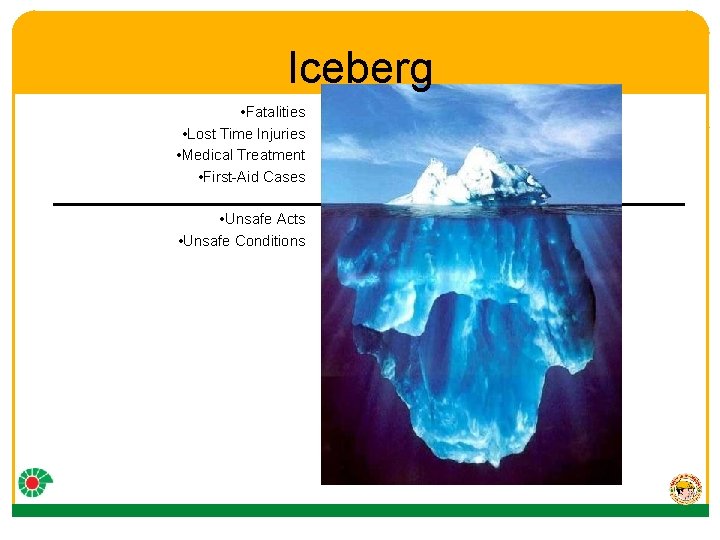
Iceberg • Fatalities • Lost Time Injuries • Medical Treatment • First-Aid Cases • Unsafe Acts • Unsafe Conditions
What is STOP™? • • Safety Training Observation Programme
STOP™ and You • Managers and supervisors will do STOP™ visits • Safe and Unsafe Acts and Conditions • Fill in a STOP™ card • No name, except manager/supervisor • Talk about safety with each other • Make suggestions!
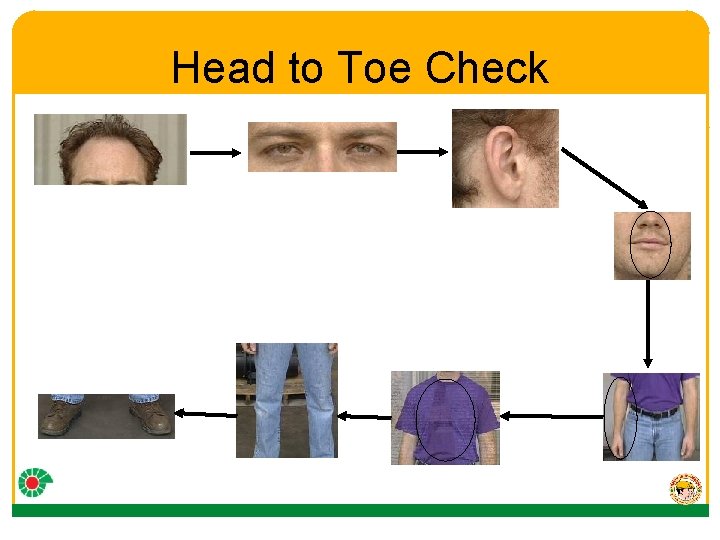
Head to Toe Check
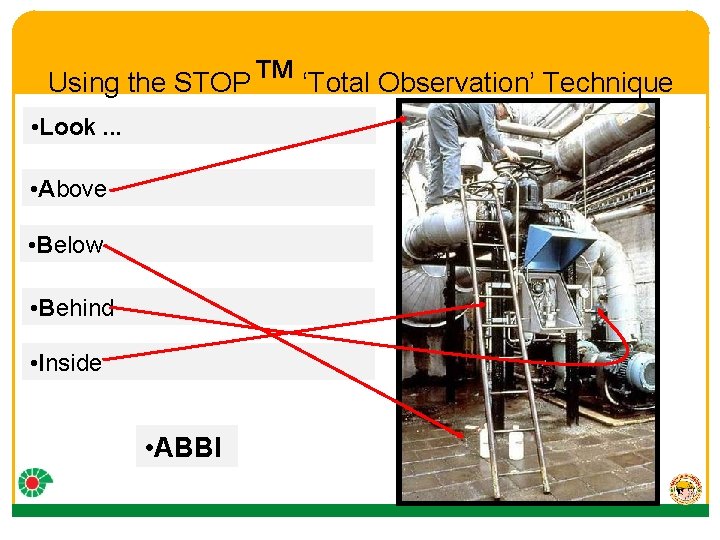
Using the STOP™ ‘Total Observation’ Technique • Look. . . • Above • Below • Behind • Inside • ABBI
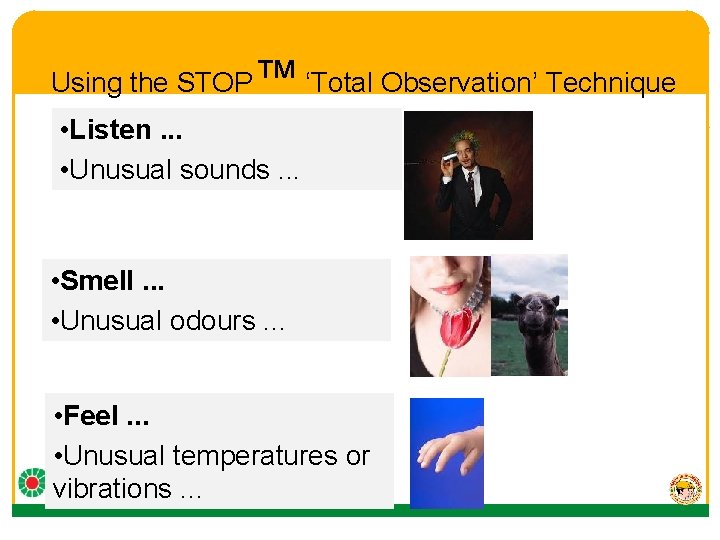
Using the STOP™ ‘Total Observation’ Technique • Listen. . . • Unusual sounds. . . • Smell. . . • Unusual odours. . . • Feel. . . • Unusual temperatures or vibrations. . .
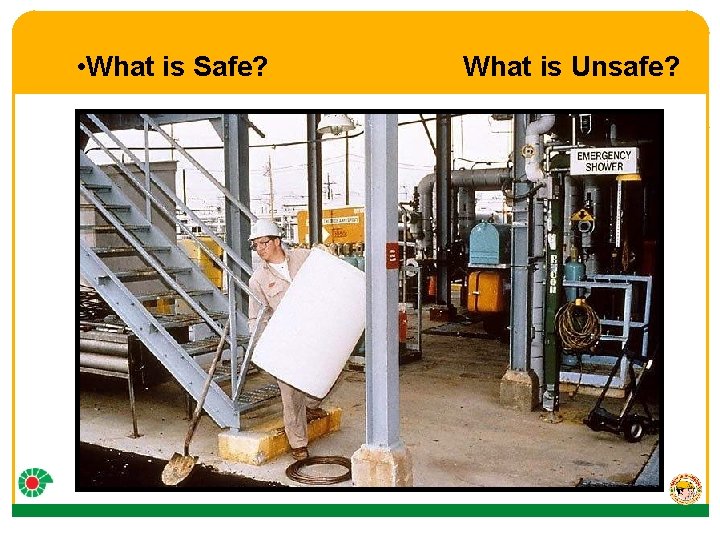
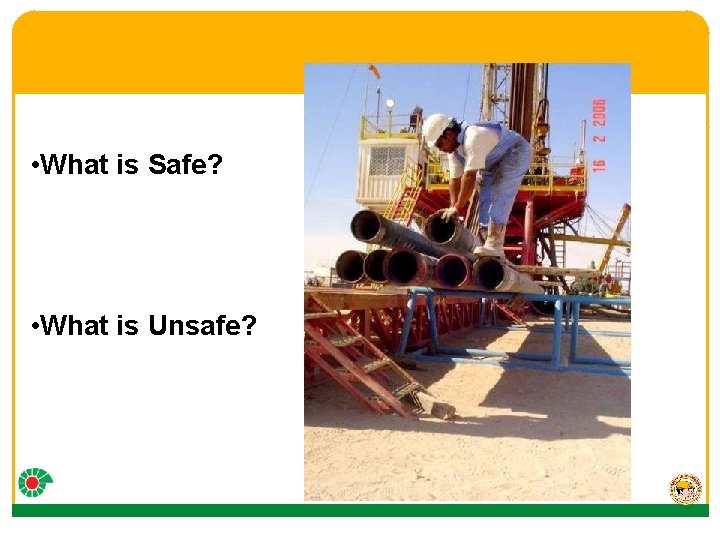
• What is Safe? What is Unsafe?
• What is Safe? • What is Unsafe?
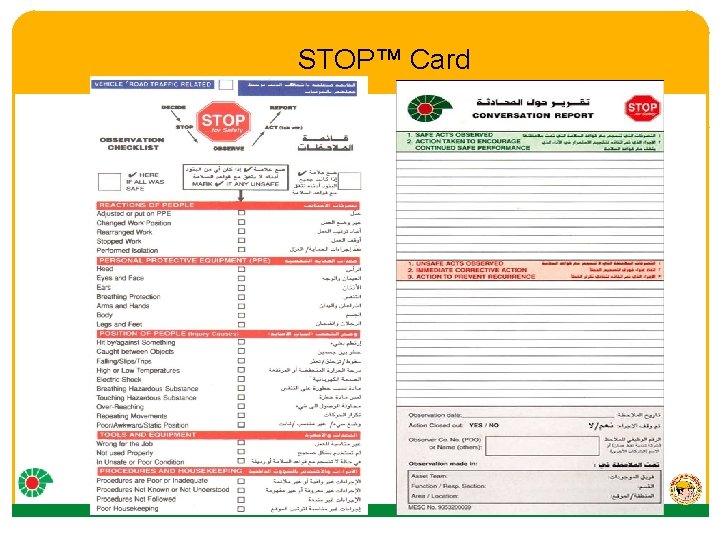
STOP™ Card
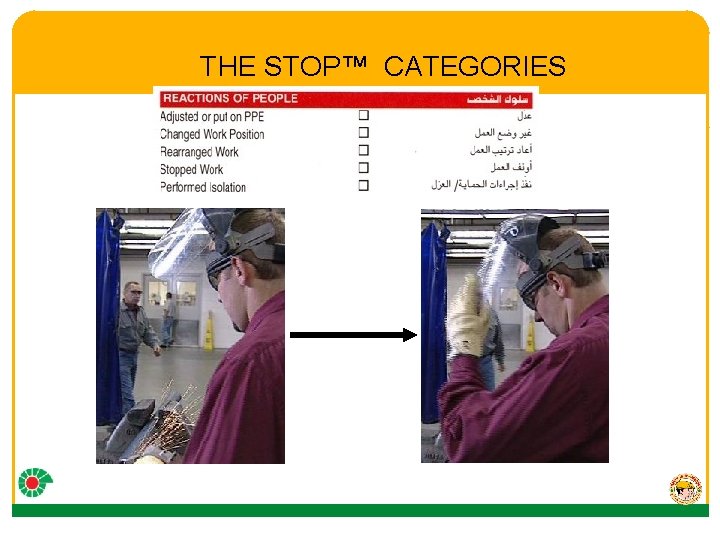
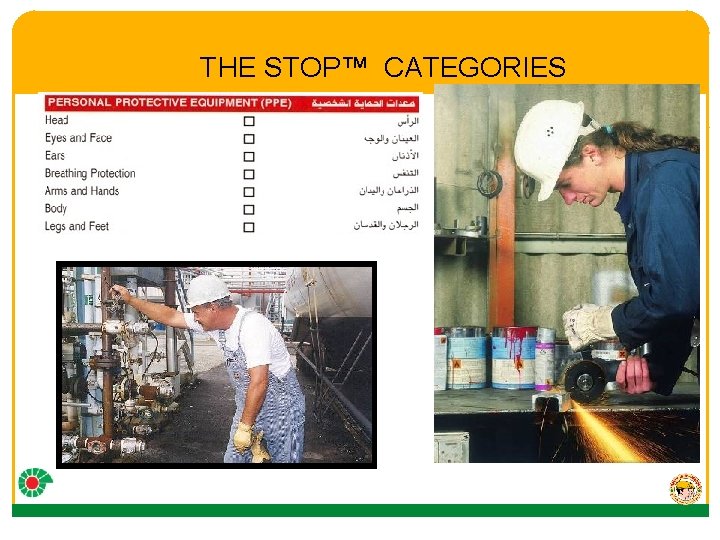
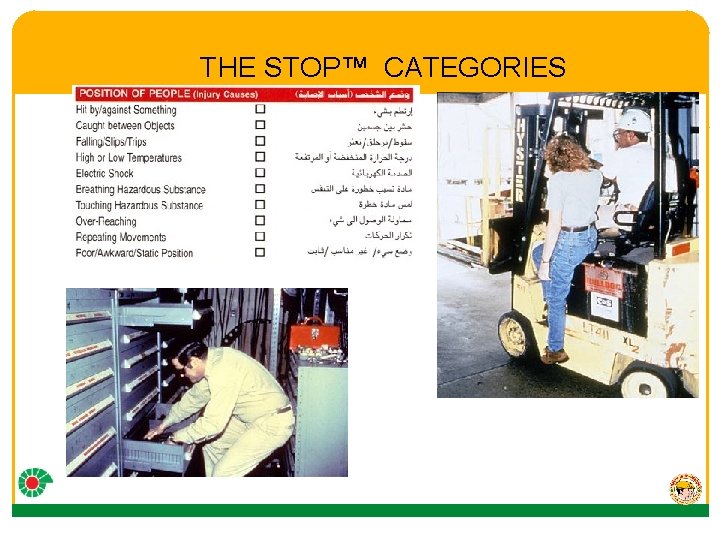
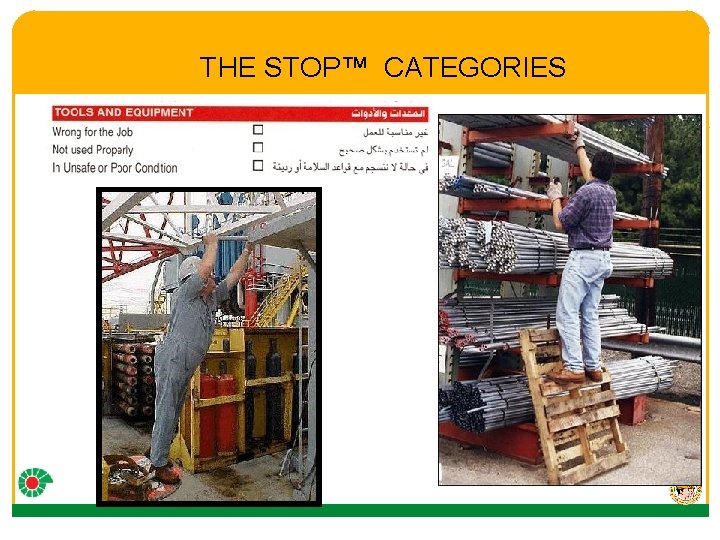
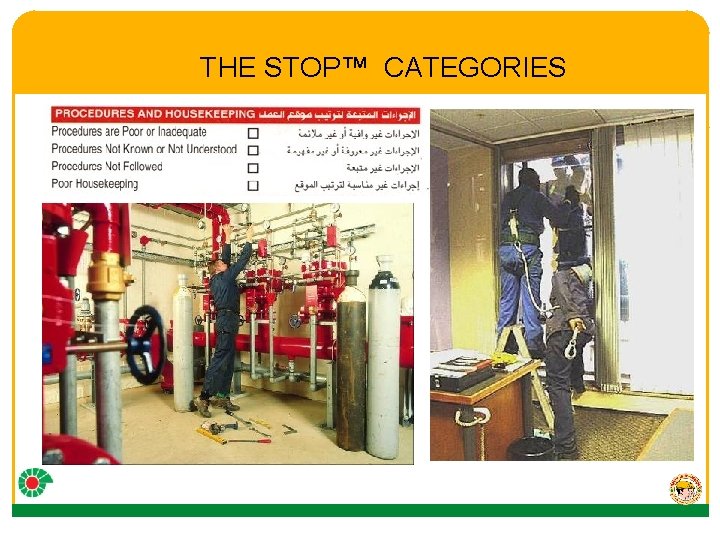
THE STOP™ CATEGORIES
THE STOP™ CATEGORIES
THE STOP™ CATEGORIES
THE STOP™ CATEGORIES
THE STOP™ CATEGORIES
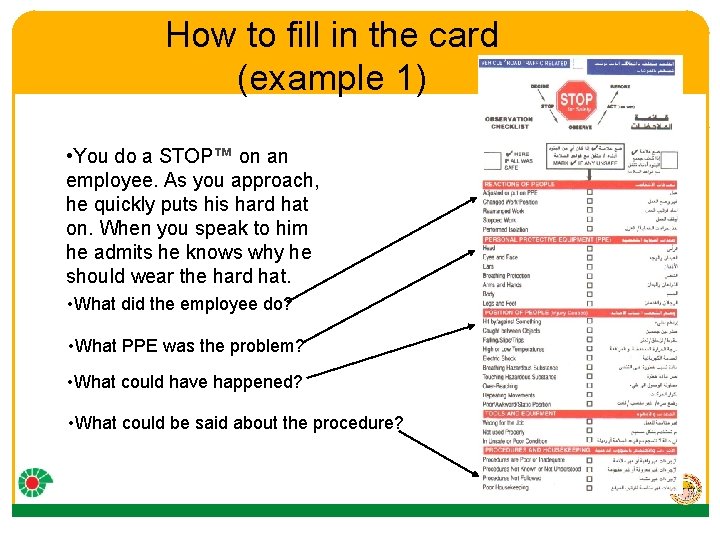
How to fill in the card (example 1) • You do a STOP™ on an employee. As you approach, he quickly puts his hard hat on. When you speak to him he admits he knows why he should wear the hard hat. • What did the employee do? • What PPE was the problem? • What could have happened? • What could be said about the procedure?
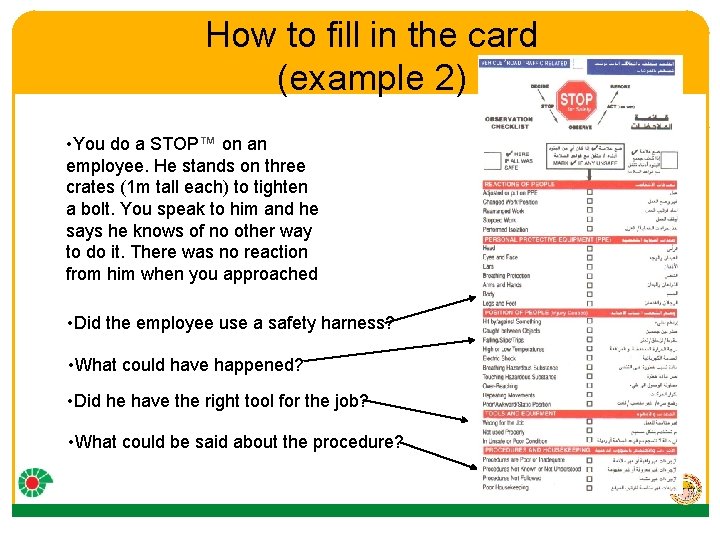
How to fill in the card (example 2) • You do a STOP™ on an employee. He stands on three crates (1 m tall each) to tighten a bolt. You speak to him and he says he knows of no other way to do it. There was no reaction from him when you approached • Did the employee use a safety harness? • What could have happened? • Did he have the right tool for the job? • What could be said about the procedure?
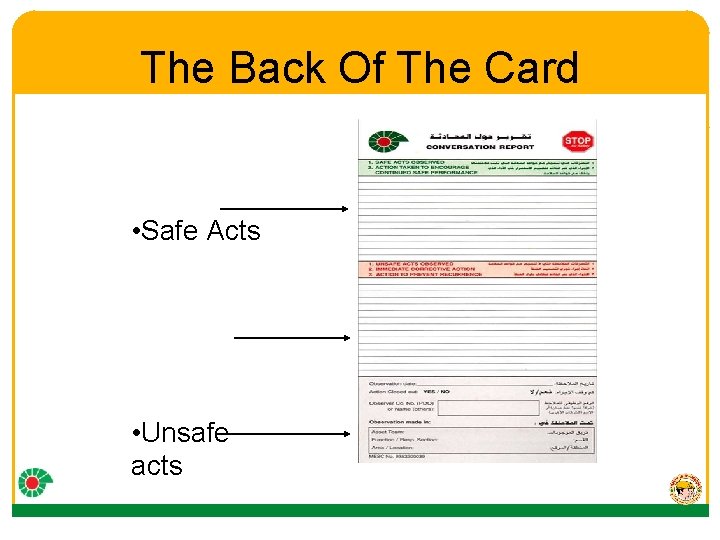
The Back Of The Card • Safe Acts • Unsafe acts
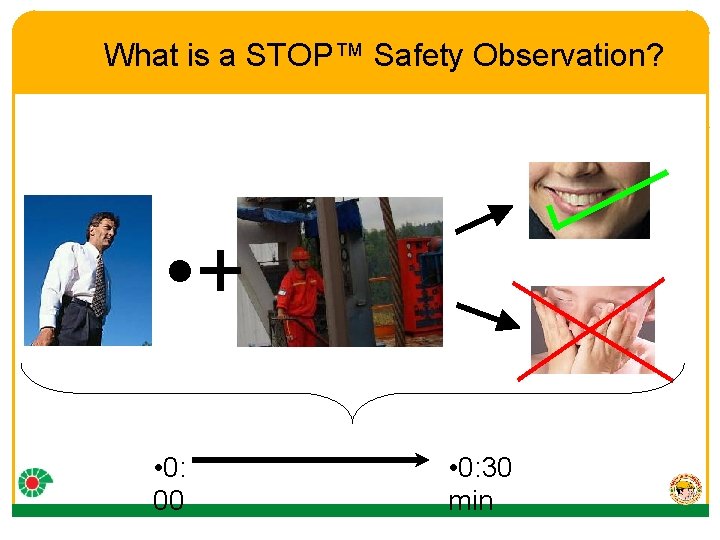
What is a STOP™ Safety Observation? • + • 0: 00 • 0: 30 min
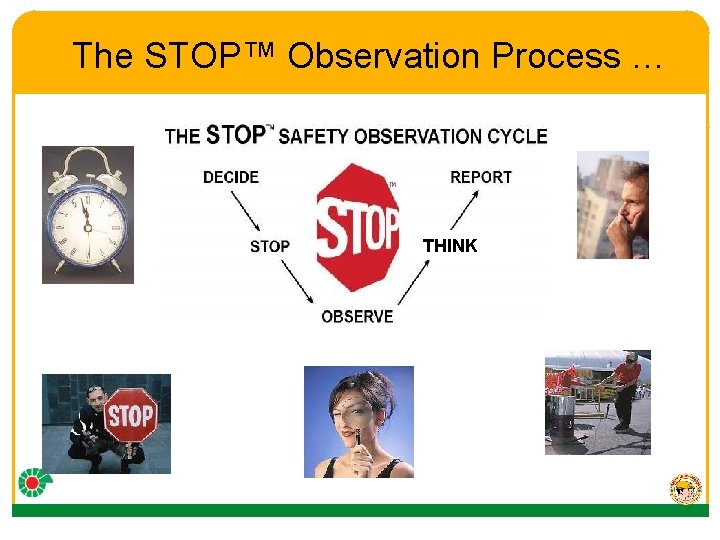
The STOP™ Observation Process … THINK
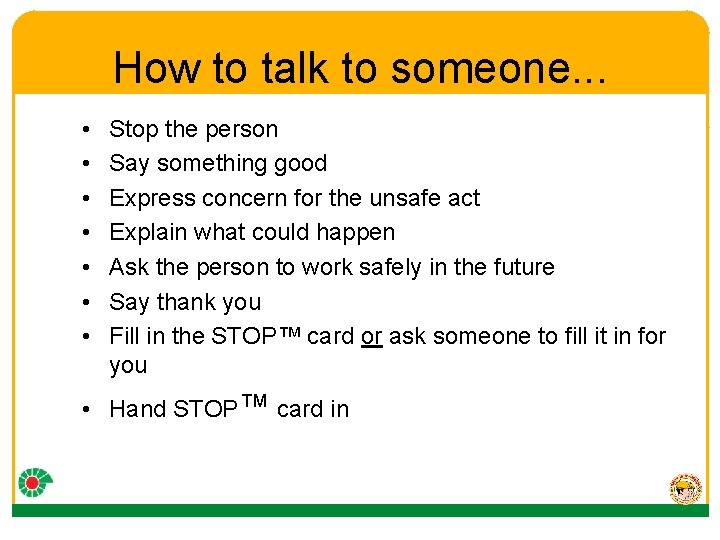
How to talk to someone. . . • • Stop the person Say something good Express concern for the unsafe act Explain what could happen Ask the person to work safely in the future Say thank you Fill in the STOP™ card or ask someone to fill it in for you • Hand STOP™ card in
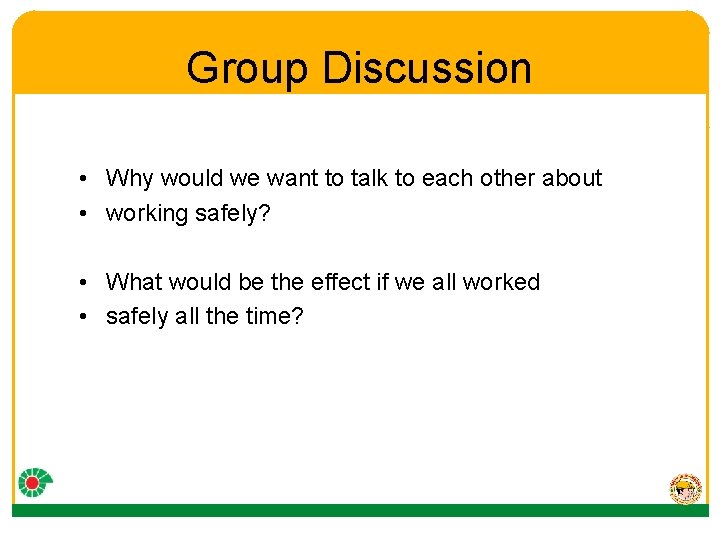
Group Discussion • Why would we want to talk to each other about • working safely? • What would be the effect if we all worked • safely all the time?
Finale Why we have Rules
More Hazards And Risk Exercises Slides
Photo 2
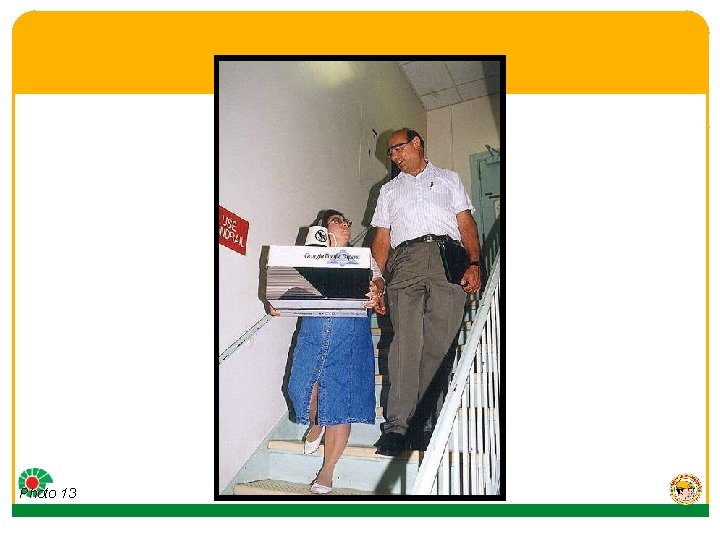
Photo 13
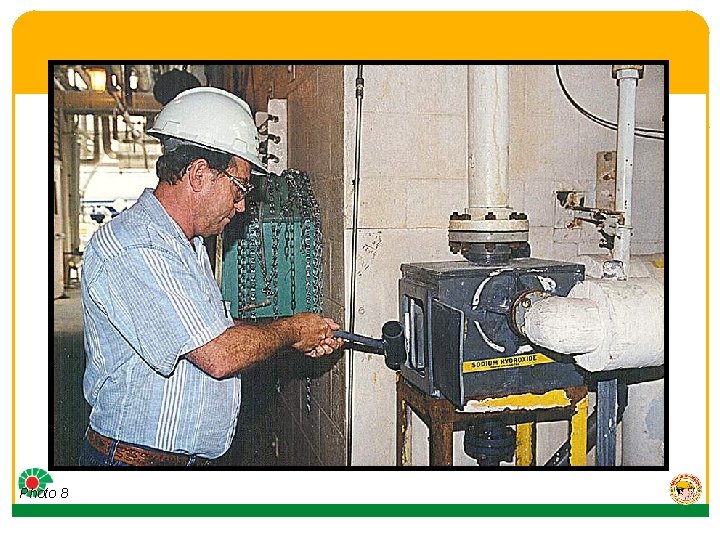
Photo 8
Photo 6
Photo 10
Photo 16
Photo 5
Frank