
DC ISOLATION OVERVOLTAGE PROTECTION ON CP SYSTEMS Mike

- Slides: 57
DC ISOLATION & OVER-VOLTAGE PROTECTION ON CP SYSTEMS Mike Tachick Dairyland Electrical Industries
Typical Problems AC grounding without affecting CP Decoupling in code-required bonds AC voltage mitigation Over-voltage protection Hazardous locations
Conflicting Requirements Structures must be cathodically protected (CP) CP systems require DC decoupling from ground All electrical equipment must be AC grounded The conflict: DC Decoupling + AC Grounding
Reasons to DC Decouple From Electrical System Ground If not decoupled, then: CP system attempts to protect grounding system CP coverage area reduced CP current requirements increased CP voltage may not be adequate
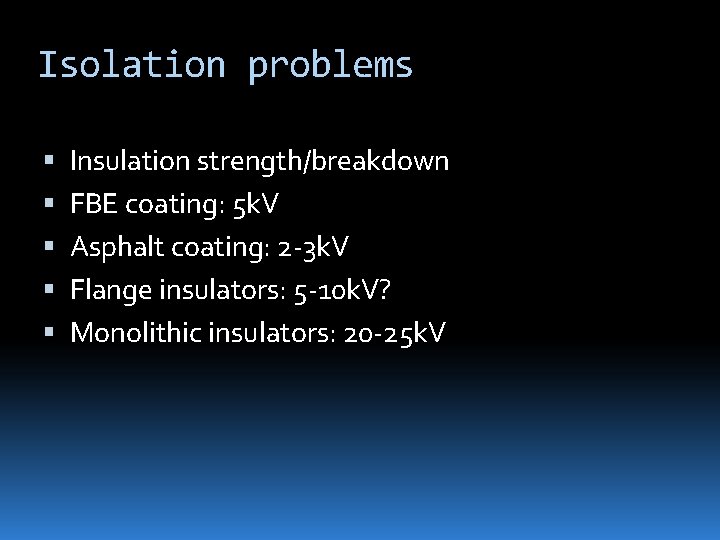
Isolation problems Insulation strength/breakdown FBE coating: 5 k. V Asphalt coating: 2 -3 k. V Flange insulators: 5 -10 k. V? Monolithic insulators: 20 -25 k. V
Over-Voltage Protection From: Lightning (primary concern) Induced AC voltage AC power system faults
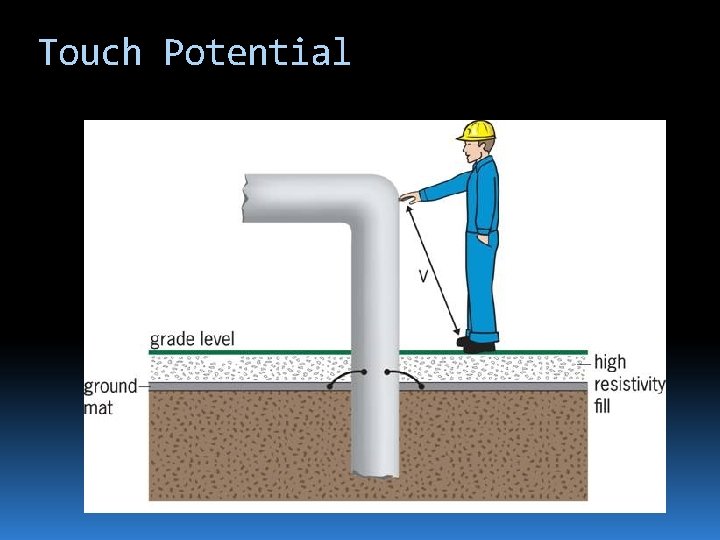
Over-Voltage Protection Goal Minimize voltage difference between points of concern: At worker contact points Across insulated joints From exposed pipelines to ground Across electrical equipment
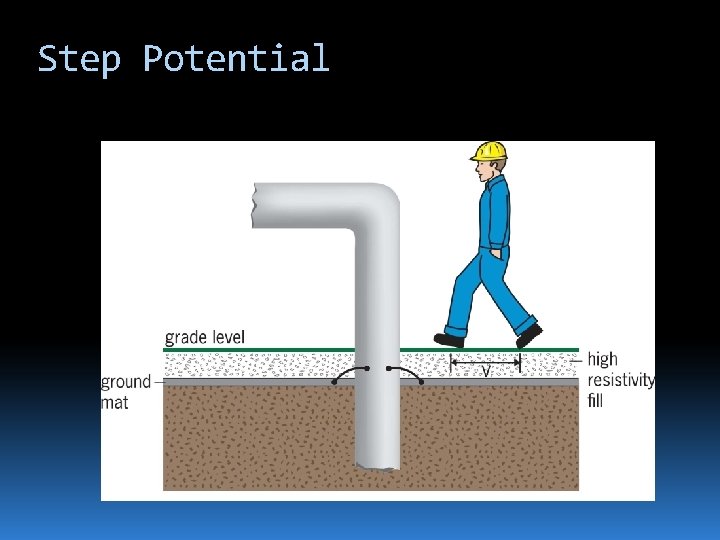
Step Potential
Touch Potential
Over-voltage Protection: Products and Leads Both the protection product and the leads have voltage across them Lead length can be far more significant than the product conduction level
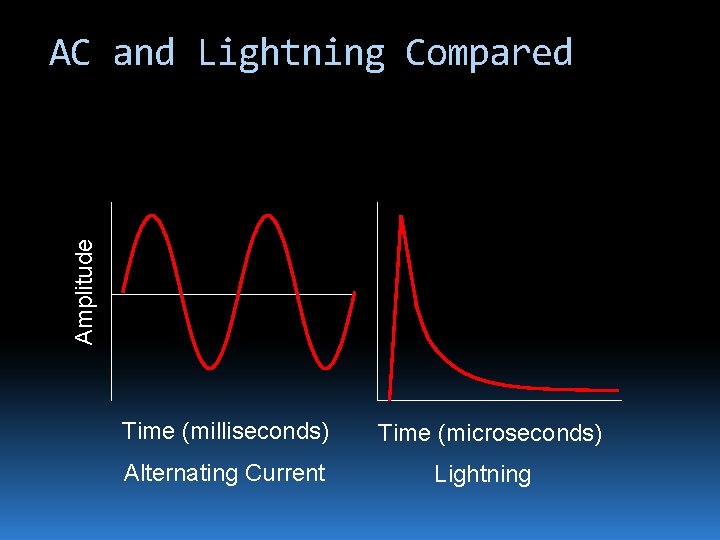
Effect of Lead Length Leads develop extremely high inductive voltage during lighting surges Inductive voltage is proportional to lead length Leads must be kept as short as possible Not a significant effect seen with AC
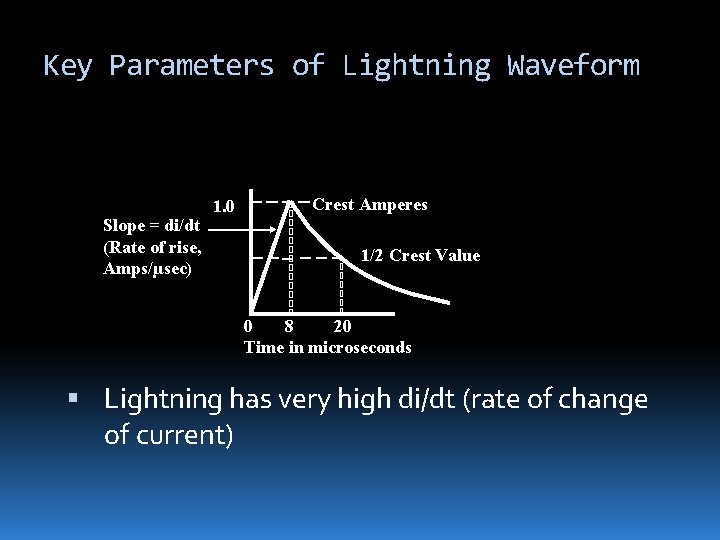
Key Parameters of Lightning Waveform Slope = di/dt (Rate of rise, Amps/µsec) 1. 0 Crest Amperes 1/2 Crest Value 0 8 20 Time in microseconds Lightning has very high di/dt (rate of change of current)
Amplitude AC and Lightning Compared Time (milliseconds) Alternating Current Time (microseconds) Lightning
Over-Voltage Protection: Best Practices Desired characteristics: Lowest clamping voltage feasible Designed for installation with minimal lead length Fail-safe (fail “shorted” not “open”) Provide over-voltage protection for both lightning and AC fault current
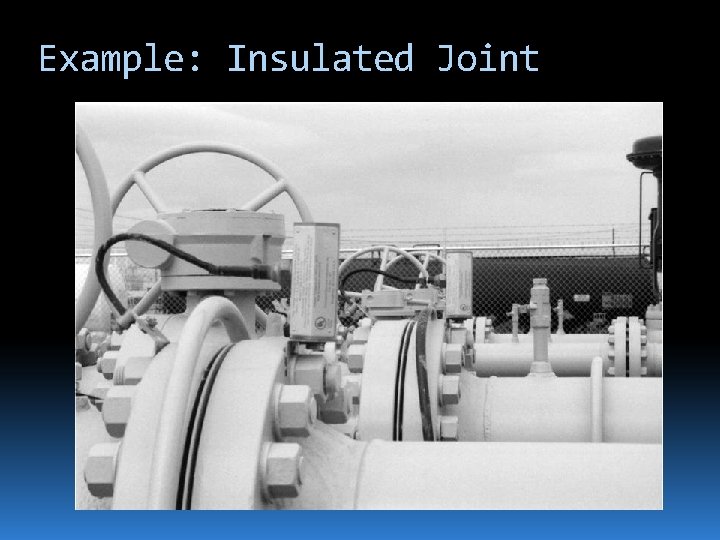
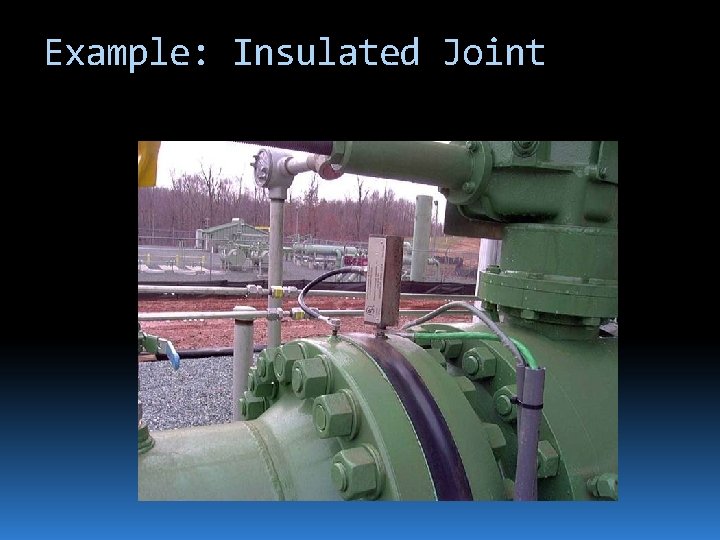
Example: Insulated Joint
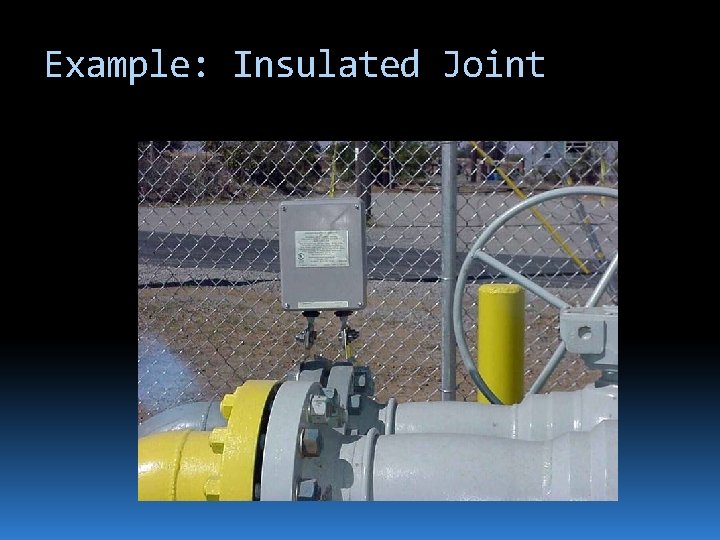
Example: Insulated Joint
Example: Insulated Joint
Insulated Joint Protection Summary Rate for: AC fault current expected Lightning surge current Block CP current to DC voltage across joint AC induction (low AC impedance to collapse AC voltage) – rate for available current Hazardous location classification
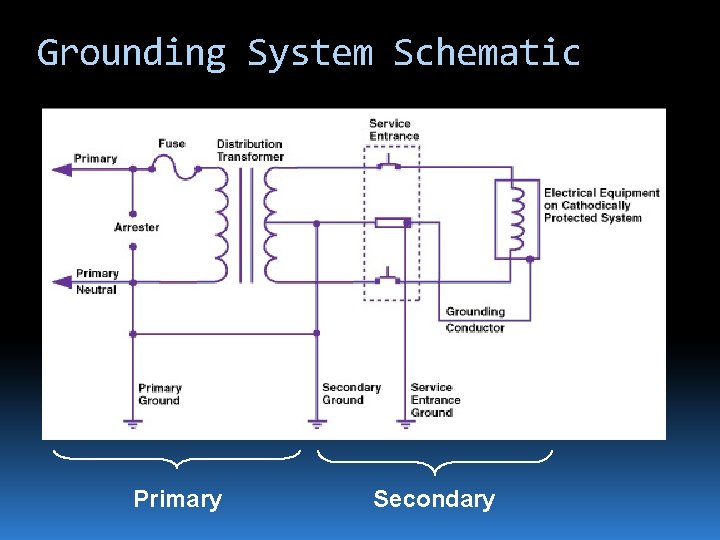
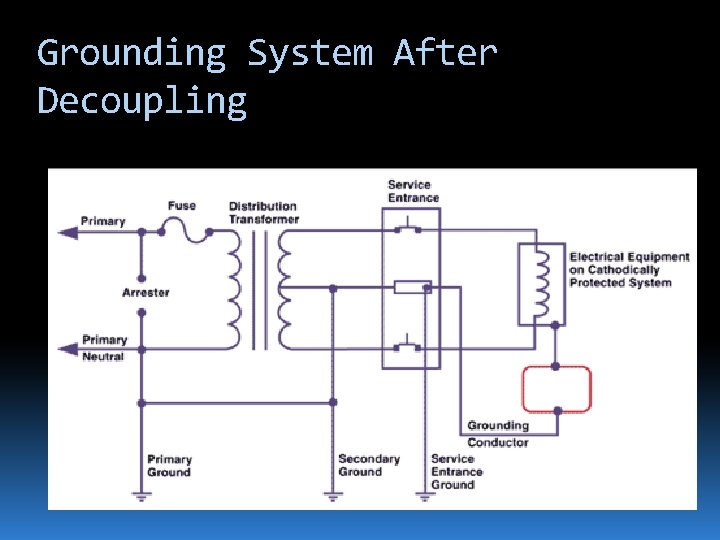
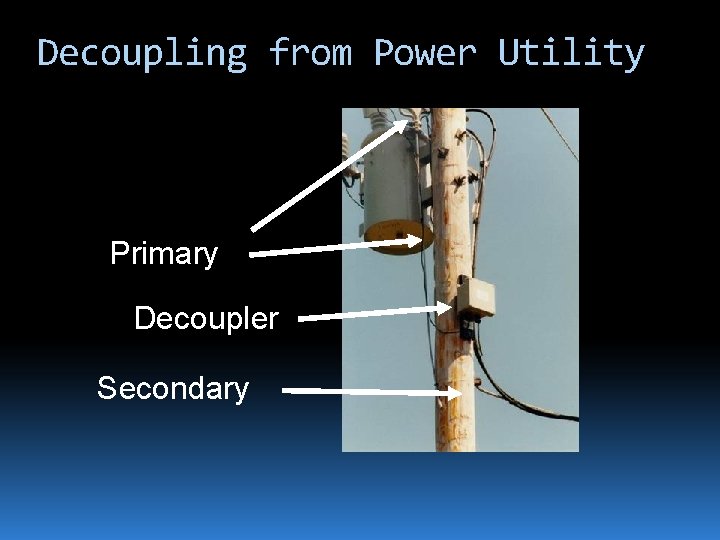
Grounding System Review Secondary (user) grounding system Primary (power co) grounding system These systems are normally bonded
Grounding System Schematic Primary Secondary
Situation: Pipeline with Electrical Equipment Grounded electrical equipment affects CP system Code requires grounding conductor Pipeline in service (service disruption undesirable)
Decoupler characteristics High impedance to DC current Low impedance to AC current Passes induced AC current Rated for lightning and AC fault current Fail-safe construction Third-party listed to meet electrical codes
Grounding System After Decoupling
Issues Regarding Decoupling NEC grounding codes apply: 250. 2, 250. 4(A)(5), 250. 6(E) Decoupler must be certified (UL, CSA, etc. ) No bypass around decoupler
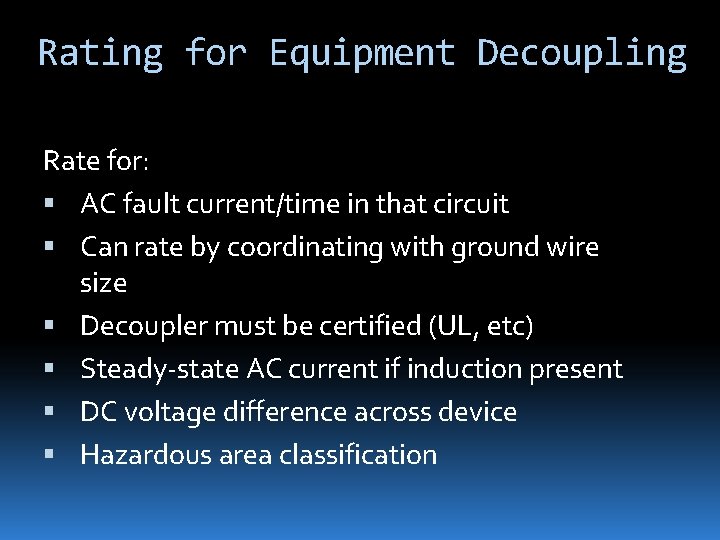
Rating for Equipment Decoupling Rate for: AC fault current/time in that circuit Can rate by coordinating with ground wire size Decoupler must be certified (UL, etc) Steady-state AC current if induction present DC voltage difference across device Hazardous area classification
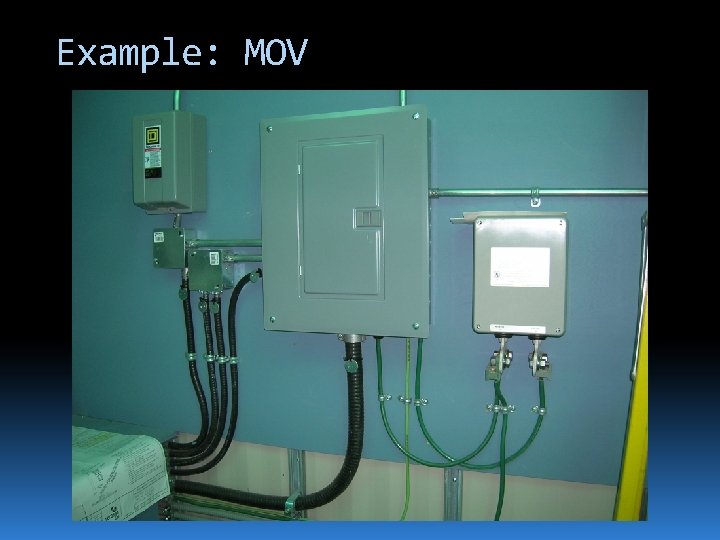
Example: MOV
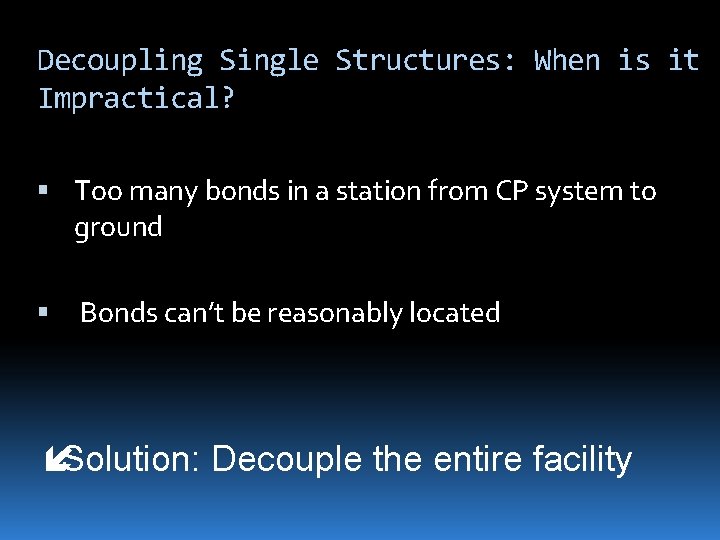
Decoupling Single Structures: When is it Impractical? Too many bonds in a station from CP system to ground Bonds can’t be reasonably located íSolution: Decouple the entire facility
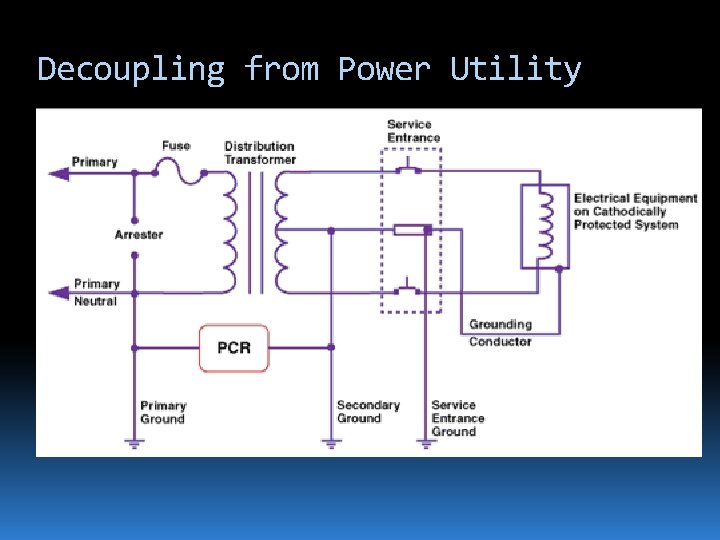
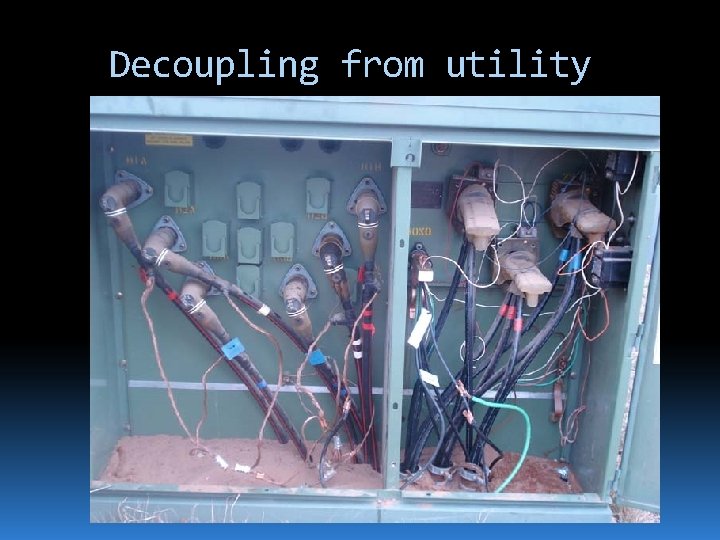
Decoupling from Power Utility
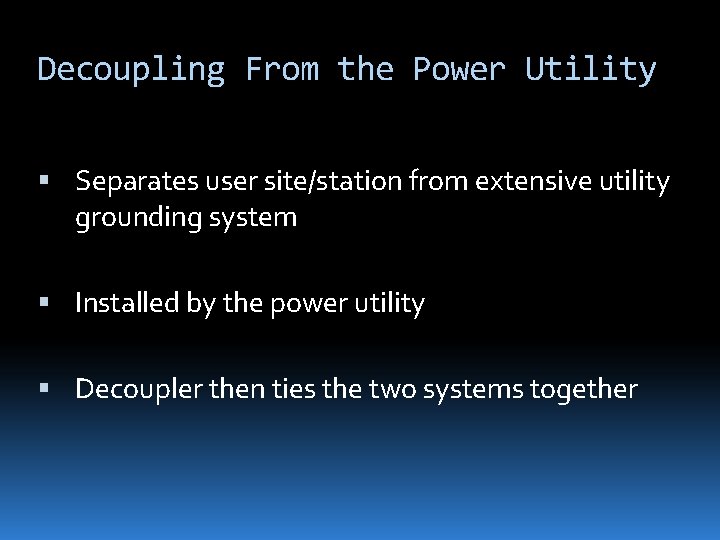
Decoupling From the Power Utility Separates user site/station from extensive utility grounding system Installed by the power utility Decoupler then ties the two systems together
Decoupling from Power Utility Primary Decoupler Secondary
Decoupling from utility
Decoupling from utility
Decoupling from utility
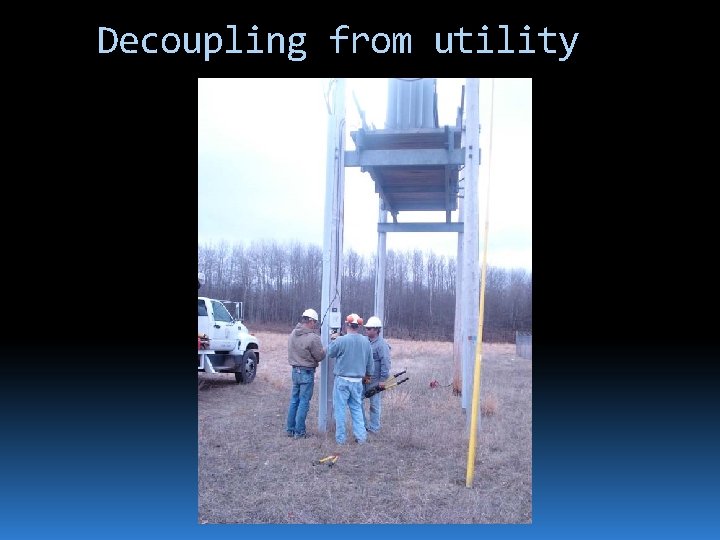
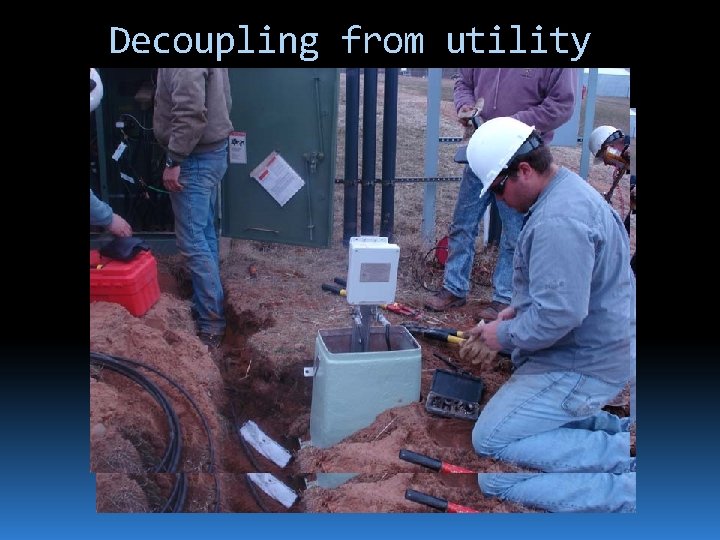
Decoupling from utility Primary and secondary have AC continuity but DC isolation CP system must protect the entire secondary grounding system
Rating for Utility Decoupling Rate for: Primary (utility) phase-to-ground fault current/time Ask utility for this value Select decoupler that exceeds this value
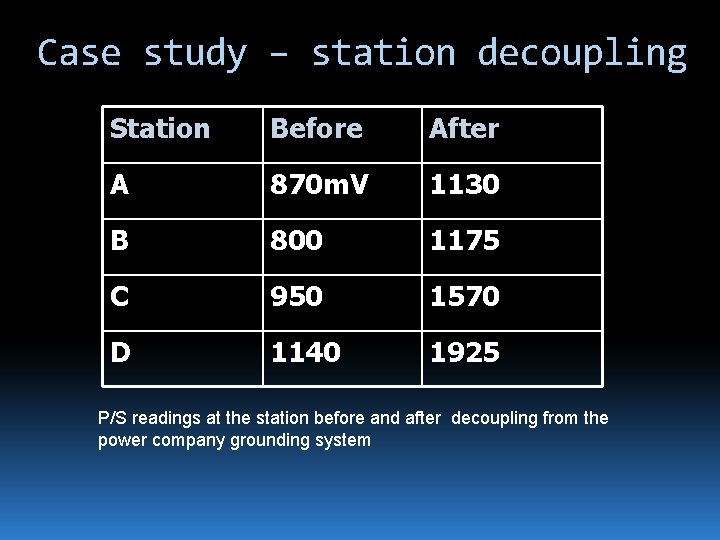
Case study – station decoupling Station Before After A 870 m. V 1130 B 800 1175 C 950 1570 D 1140 1925 P/S readings at the station before and after decoupling from the power company grounding system
Induced AC Voltage Pipelines near power lines develop “induced voltage” Can vary from a few volts to several hundred volts Voltages over 15 V should be mitigated (NACE RP 0177) Mitigation: reduction to an acceptable level
Induced AC Mitigation Concept Create a low impedance AC path to ground Have no detrimental effect on the CP system Provide safety during abnormal conditions
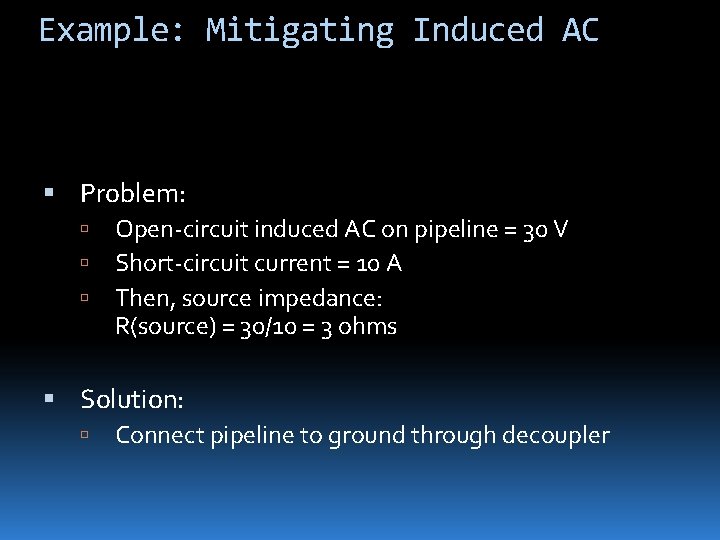
Example: Mitigating Induced AC Problem: Open-circuit induced AC on pipeline = 30 V Short-circuit current = 10 A Then, source impedance: R(source) = 30/10 = 3 ohms Solution: Connect pipeline to ground through decoupler
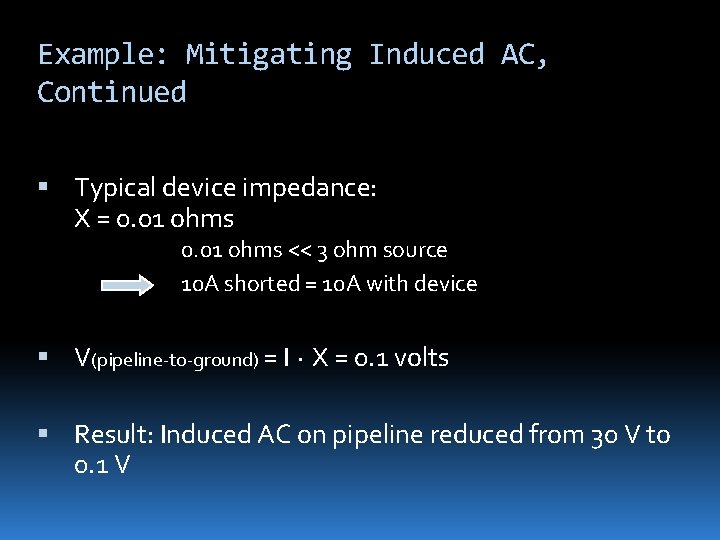
Example: Mitigating Induced AC, Continued Typical device impedance: X = 0. 01 ohms << 3 ohm source 10 A shorted = 10 A with device V(pipeline-to-ground) = I. X = 0. 1 volts Result: Induced AC on pipeline reduced from 30 V to 0. 1 V
Mitigation of Induced AC Rate for: Induced max AC current DC voltage to be blocked AC fault current estimated to affect pipeline
Mitigation of Induced AC Two general approaches: Spot mitigation Continuous mitigation
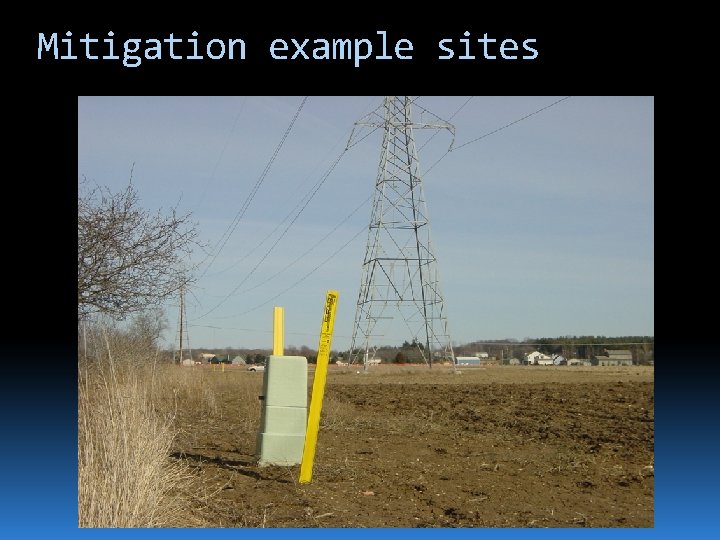
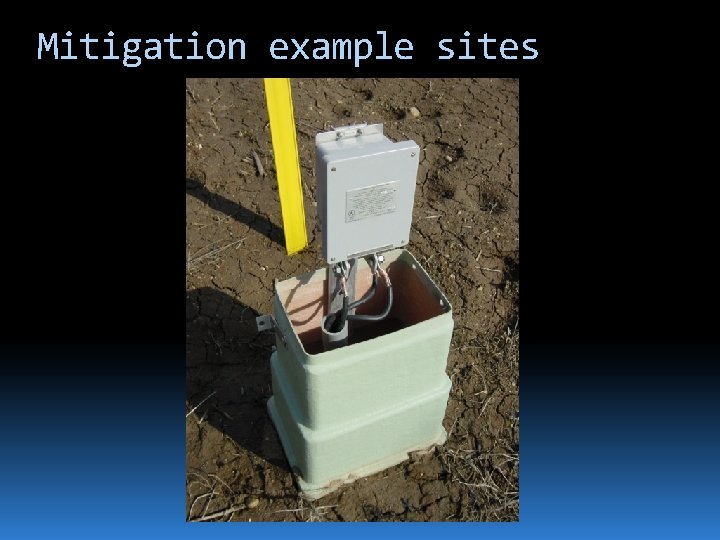
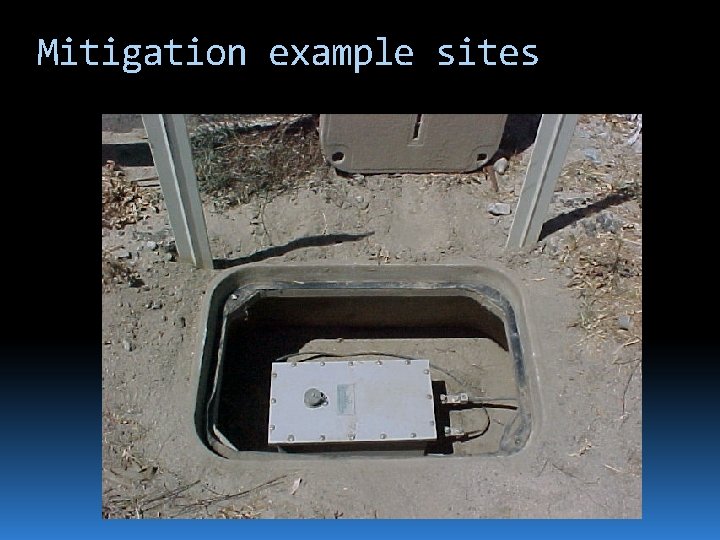
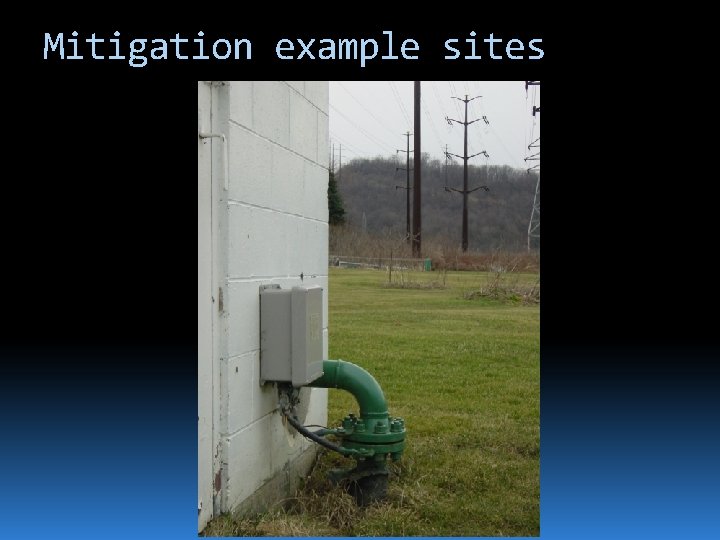
Spot Mitigation Reduces pipeline potentials at a specific point (typ. accessible locations Commonly uses existing grounding systems Needs decoupling
Mitigation example sites
Mitigation example sites
Mitigation example sites
Mitigation example sites
Continuous Mitigation Reduces pipeline potentials at all locations Provides fairly uniform over-voltage protection Typically requires design by specialists
Continuous Mitigation Gradient control wire choices: Zinc ribbon Copper wire Not tower foundations!
Hazardous Locations Many applications described are in Hazardous Locations as defined by NEC Articles 500 -505 Most products presently used in these applications are: Not certified Not rated for hazardous locations use
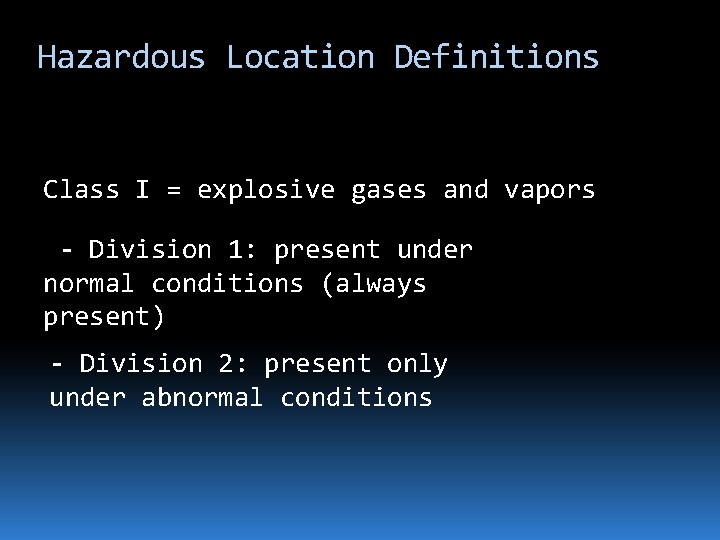
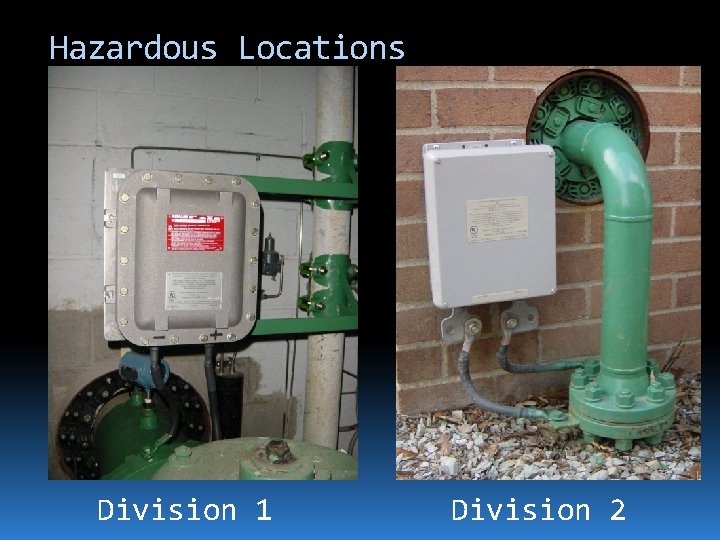
Hazardous Location Definitions Class I = explosive gases and vapors - Division 1: present under normal conditions (always present) - Division 2: present only under abnormal conditions
Hazardous Locations Division 1 Division 2
CFR 192. 467 (e) “An insulating device may not be installed where combustible atmosphere is anticipated unless precautions are taken to prevent arcing. ”
CFR 192. 467, continued (f) “Where a pipeline is located in close proximity to electric transmission tower footings. . . it must be provided with protection against damage due to fault current or lightning, and protective measures must be taken at insulating devices. ”
CFR 192 link to NEC CFR 192 incorporates the National Electrical Code (NEC) “by reference” This classifies hazardous locations Defines product requirements and installation methods
Guidance Documents (Haz Loc) AGA XF 0277 – gas facilities API RP-500 – petroleum facilities CFR 192. 467 – gas pipeline regs NEC section 500 -505 - haz loc definitions, requirements CSA C 22. 2 No. 213 – product requirements UL 1604 – product requirements
For further application questions… Mike Tachick Dairyland Electrical Industries Phone: Email: Internet: 608 -877 -9900 mike@dairyland. com www. dairyland. com