
DAYCENT Model Overview Testing and Application to Agroecosystems








- Slides: 28
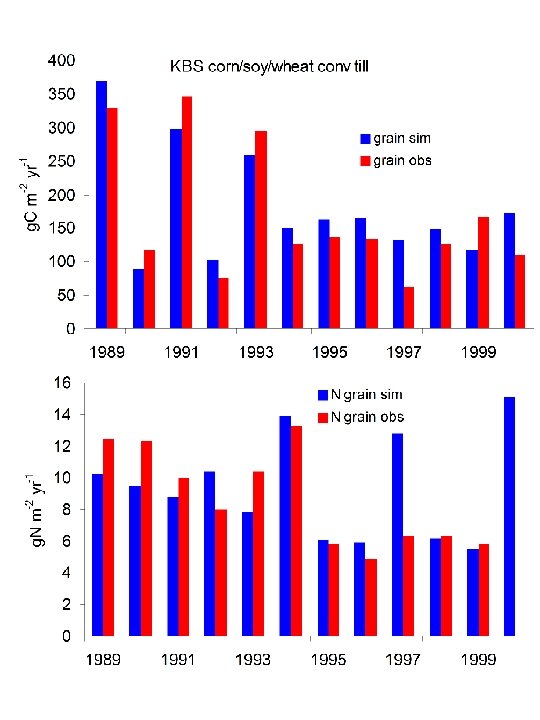
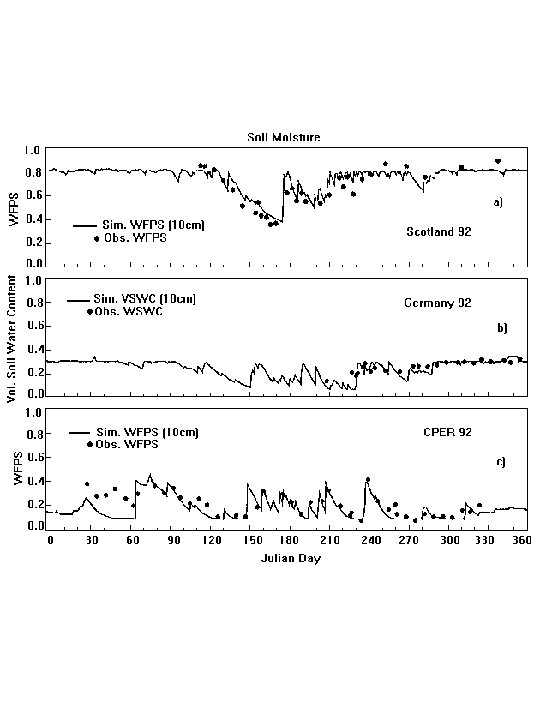
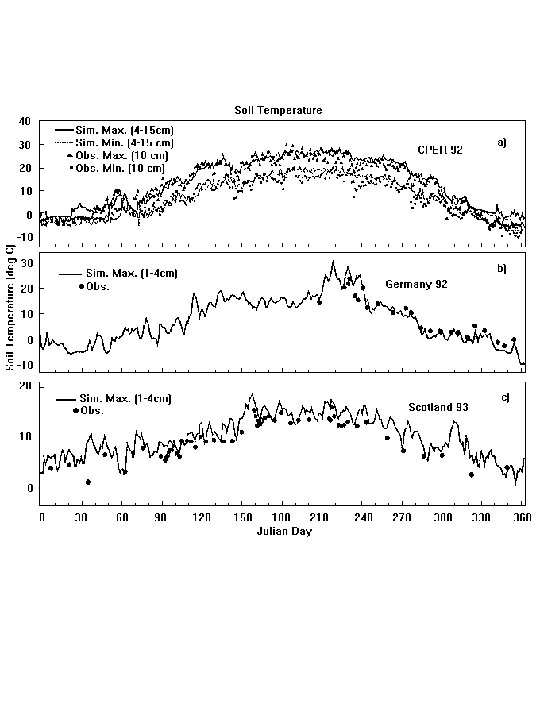
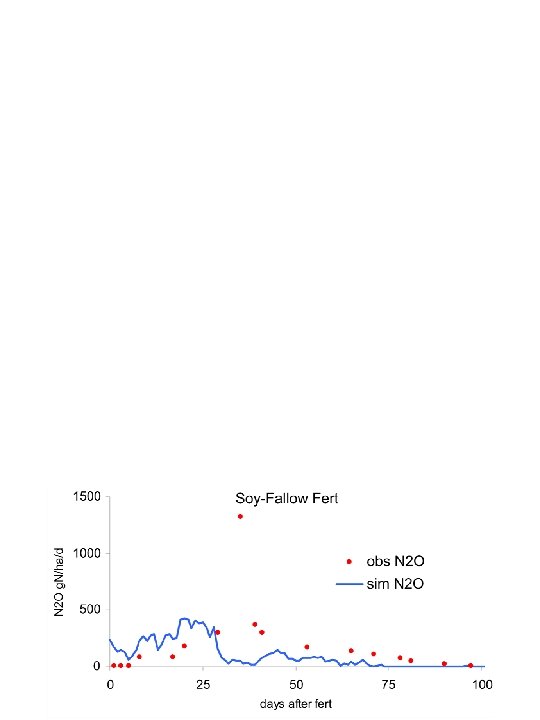
DAYCENT Model Overview, Testing and Application to Agroecosystems S. J. DEL GROSSO, W. J. PARTON, D. S. OJIMA, A. R. MOSIER and C. KEOUGH
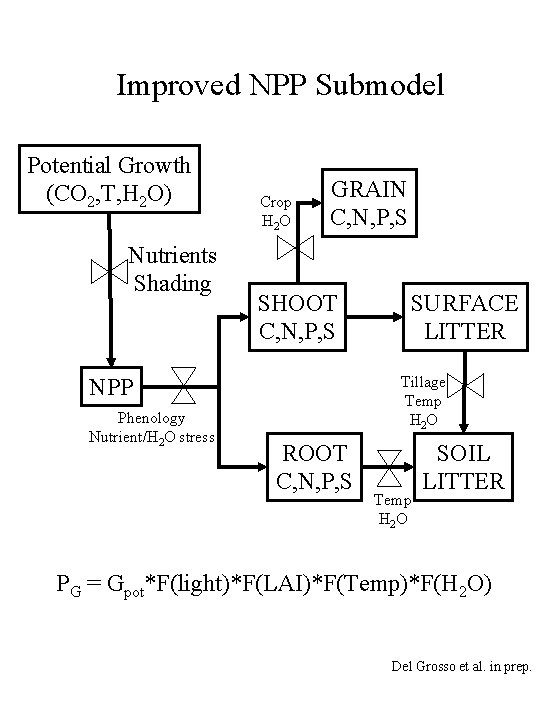
Improved NPP Submodel Potential Growth (CO 2, T, H 2 O) Nutrients Shading Crop H 2 O GRAIN C, N, P, S SHOOT C, N, P, S Tillage Temp H 2 O NPP Phenology Nutrient/H 2 O stress SURFACE LITTER ROOT C, N, P, S Temp H 2 O SOIL LITTER PG = Gpot*F(light)*F(LAI)*F(Temp)*F(H 2 O) Del Grosso et al. in prep.
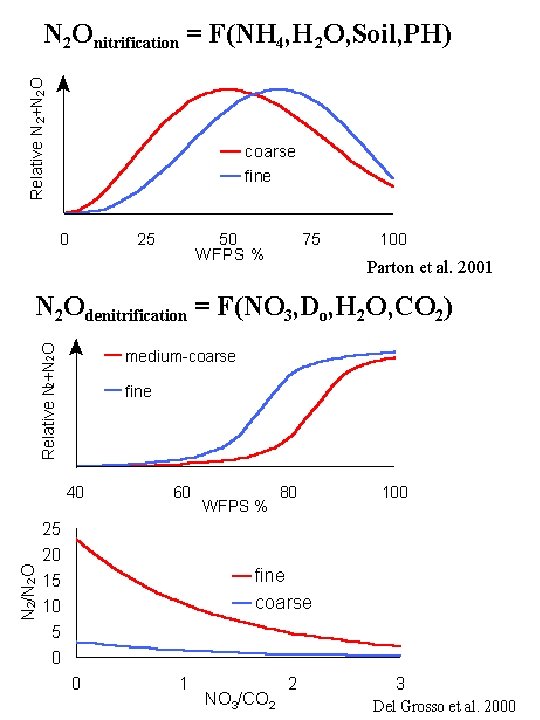
Parton et al. 2001
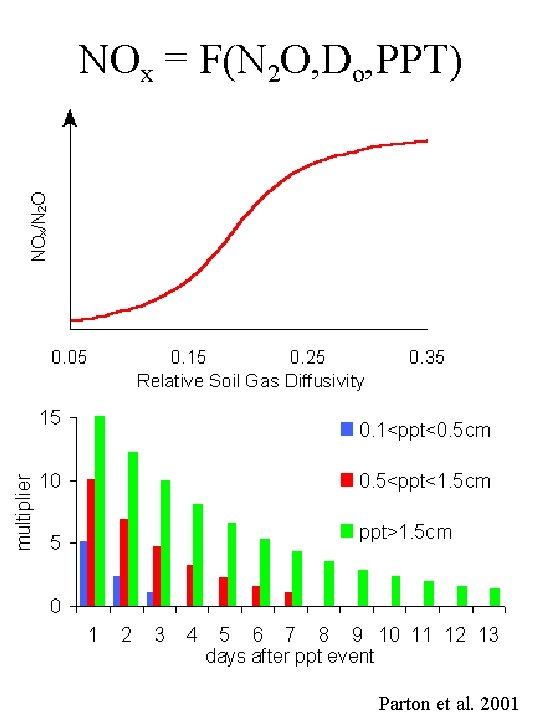
Parton et al. 2001
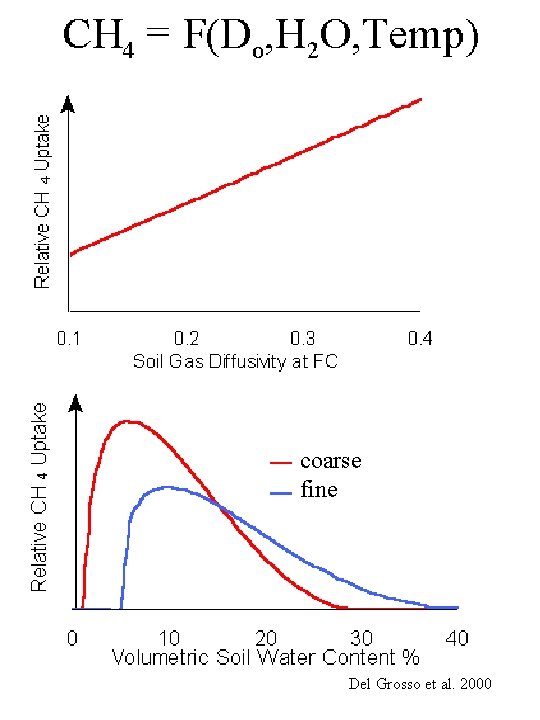
coarse fine Del Grosso et al. 2000
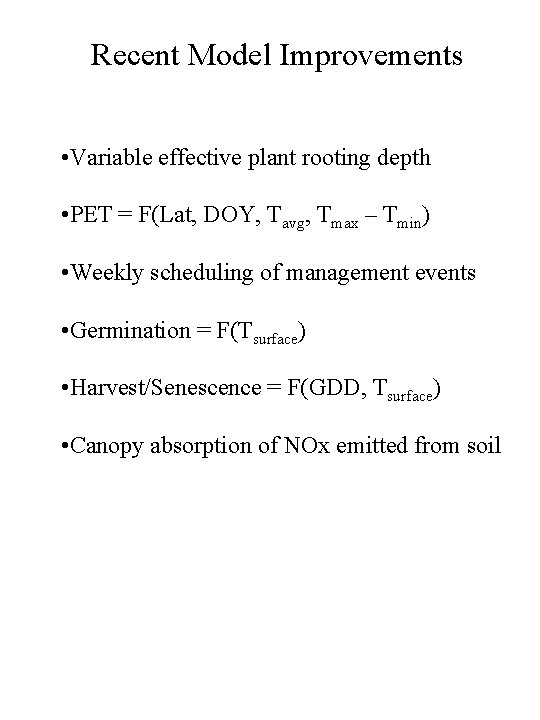
Recent Model Improvements • Variable effective plant rooting depth • PET = F(Lat, DOY, Tavg, Tmax – Tmin) • Weekly scheduling of management events • Germination = F(Tsurface) • Harvest/Senescence = F(GDD, Tsurface) • Canopy absorption of NOx emitted from soil
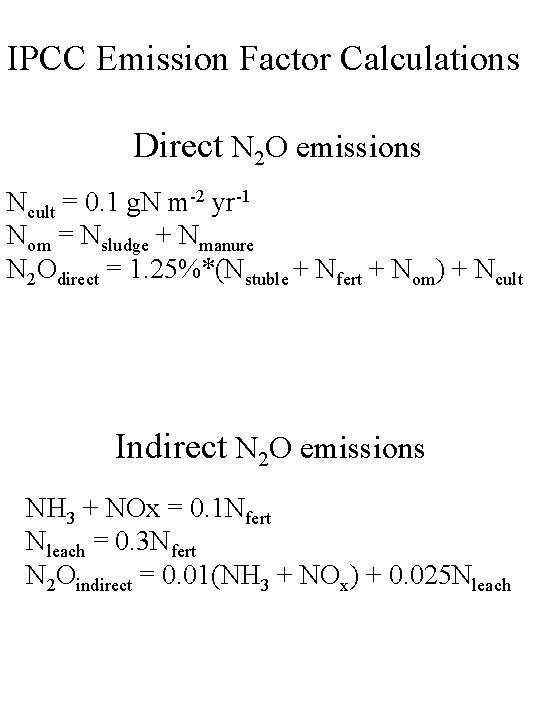
IPCC Emission Factor Calculations Direct N 2 O emissions Ncult = 0. 1 g. N m-2 yr-1 Nom = Nsludge + Nmanure N 2 Odirect = 1. 25%*(Nstuble + Nfert + Nom) + Ncult Indirect N 2 O emissions NH 3 + NOx = 0. 1 Nfert Nleach = 0. 3 Nfert N 2 Oindirect = 0. 01(NH 3 + NOx) + 0. 025 Nleach
a) b) Fig 4
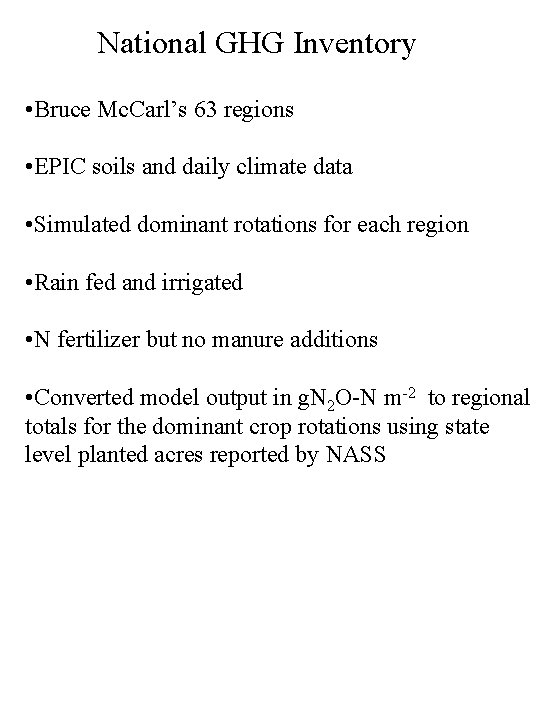
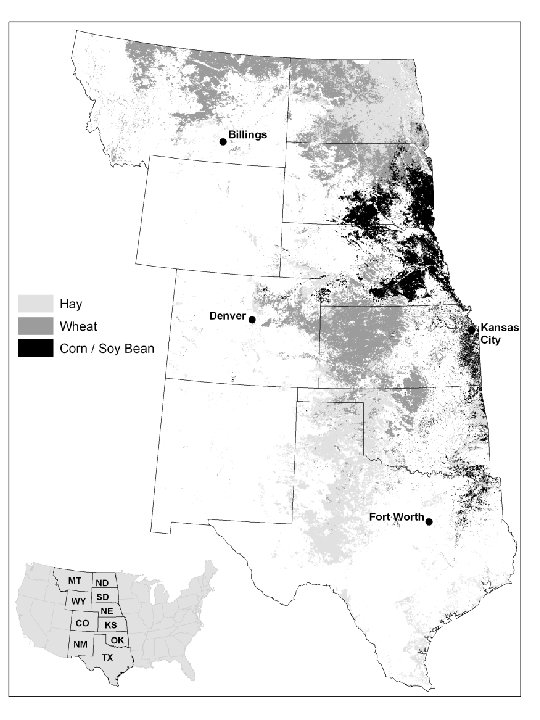
National GHG Inventory • Bruce Mc. Carl’s 63 regions • EPIC soils and daily climate data • Simulated dominant rotations for each region • Rain fed and irrigated • N fertilizer but no manure additions • Converted model output in g. N 2 O-N m-2 to regional totals for the dominant crop rotations using state level planted acres reported by NASS
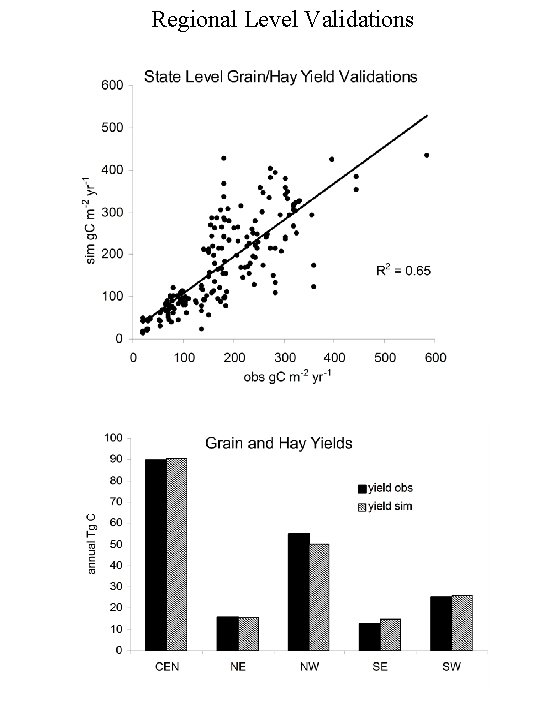
Regional Level Validations
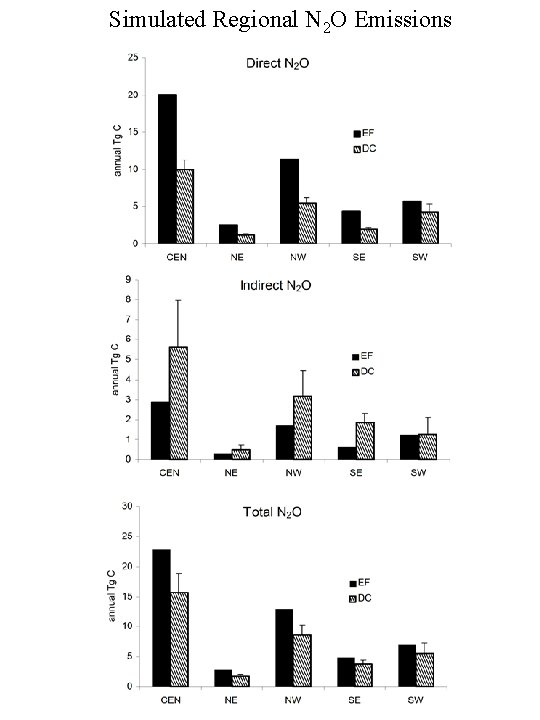
Simulated Regional N 2 O Emissions
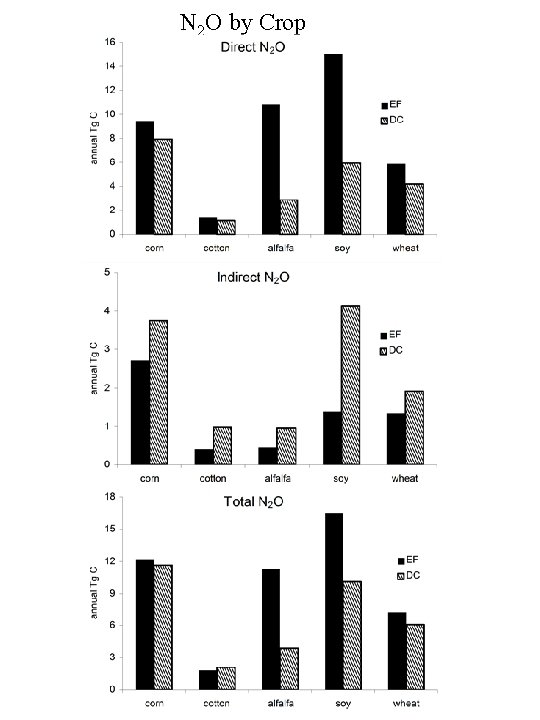
N 2 O by Crop
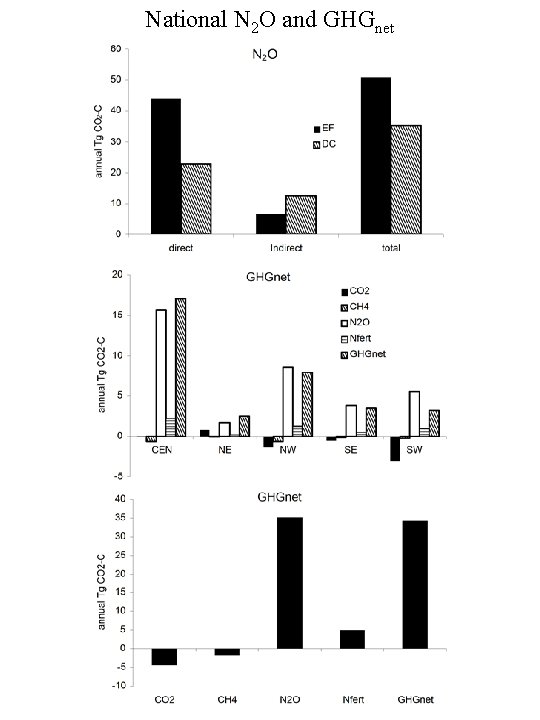
National N 2 O and GHGnet
Area normalized N 2 O
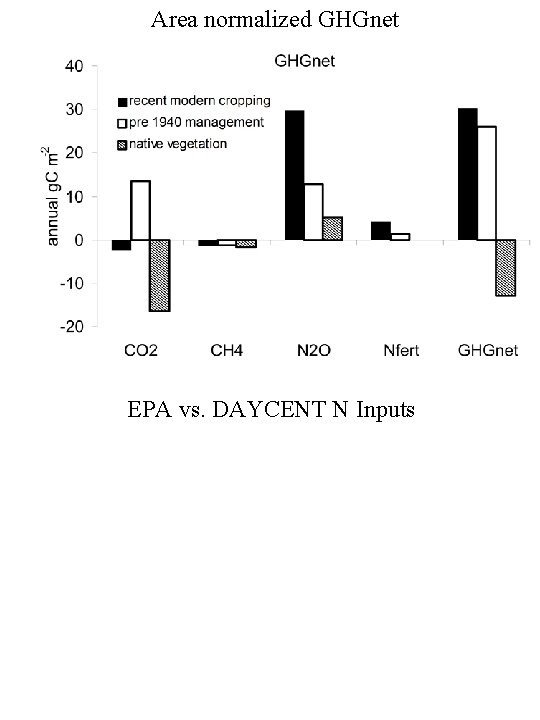
Area normalized GHGnet EPA vs. DAYCENT N Inputs