
Darwins Theory How Natural Selection Drives Evolution Darwins
- Slides: 23
Darwin’s Theory How Natural Selection Drives Evolution
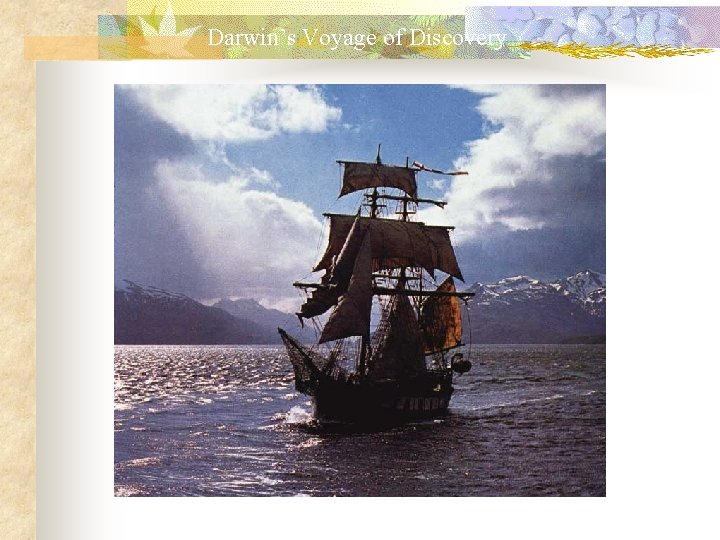
Darwin’s Voyage of Discovery A reconstruction of the HMS Beagle sailing off Patagonia.
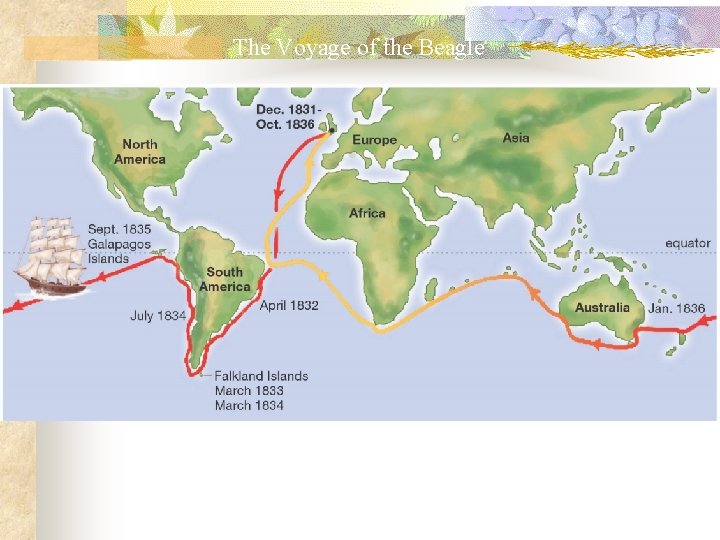
The Voyage of the Beagle
n n n http: //www. youtube. com/watch? v=Ubc. TY NQcd. FY http: //www. sciencechannel. com/videotopics/earth-science/galapagos-beyonddarwin-charles-darwin. htm http: //video. nationalgeographic. com/video/ ecuador_galapagos
Assignment: n n Read a selection from Charles Darwin’s Voyage of the Beagle. As you read, make note of Darwin’s observations including: evidence of different species shared characteristics of species unshared characteristics of species fossil evidence
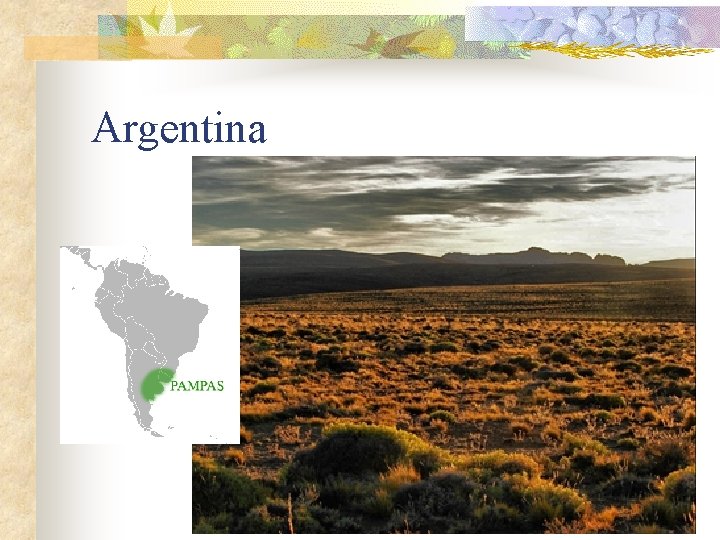
Argentina
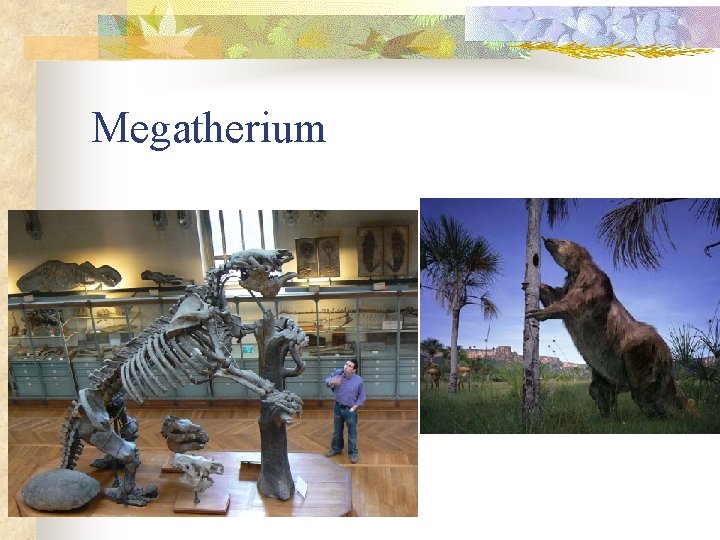
Megatherium
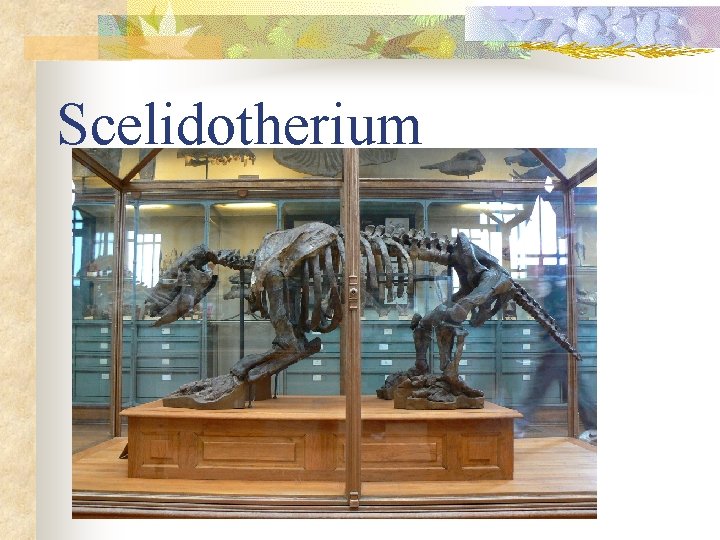
Scelidotherium
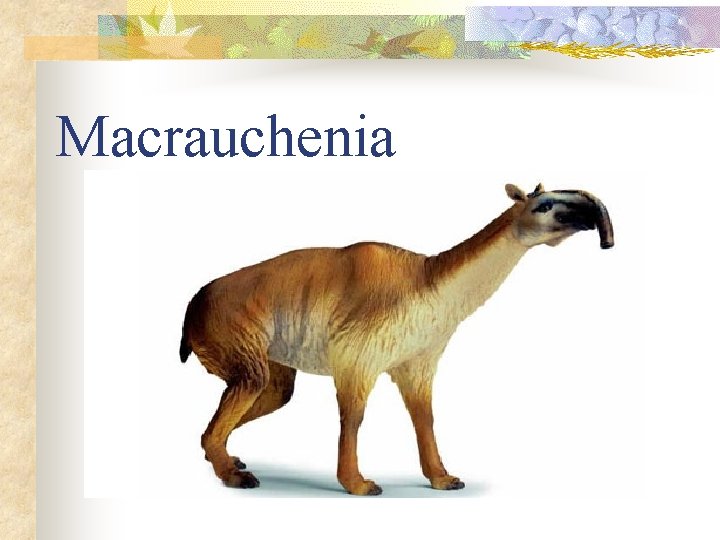
Macrauchenia
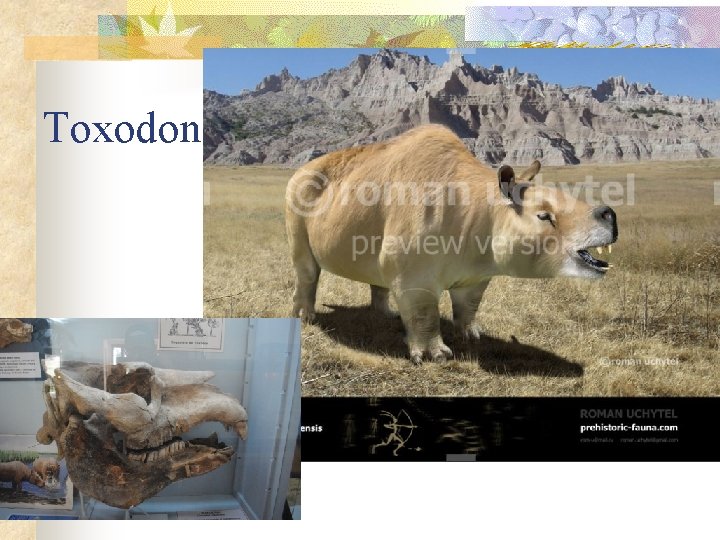
Toxodon
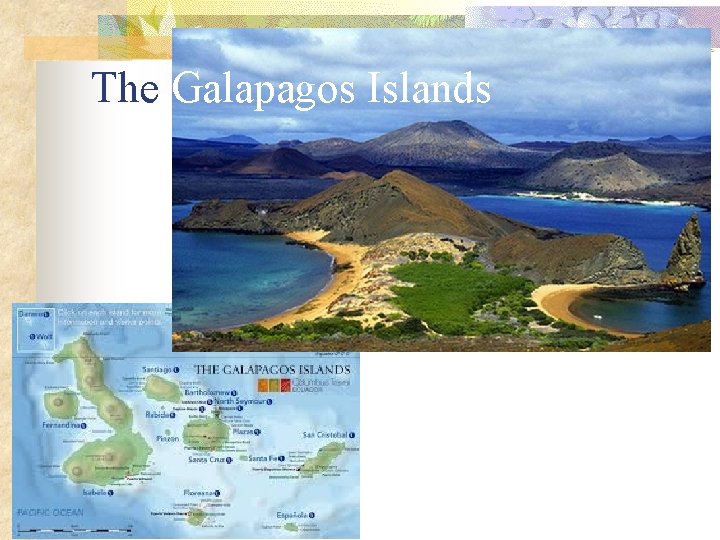
The Galapagos Islands
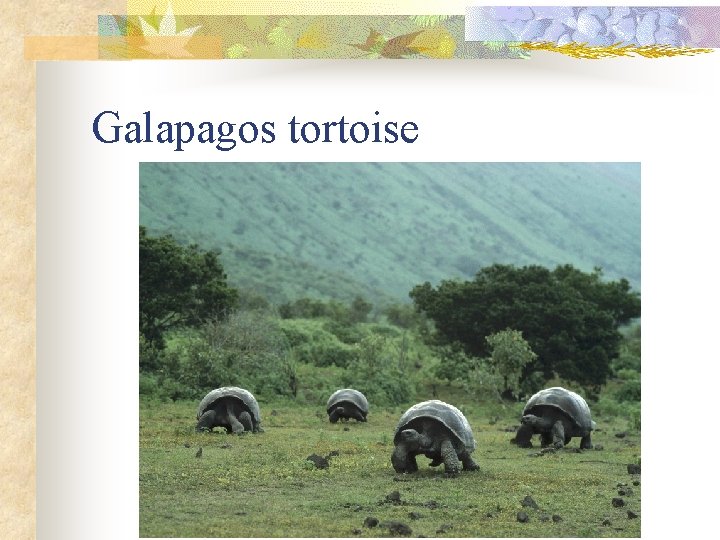
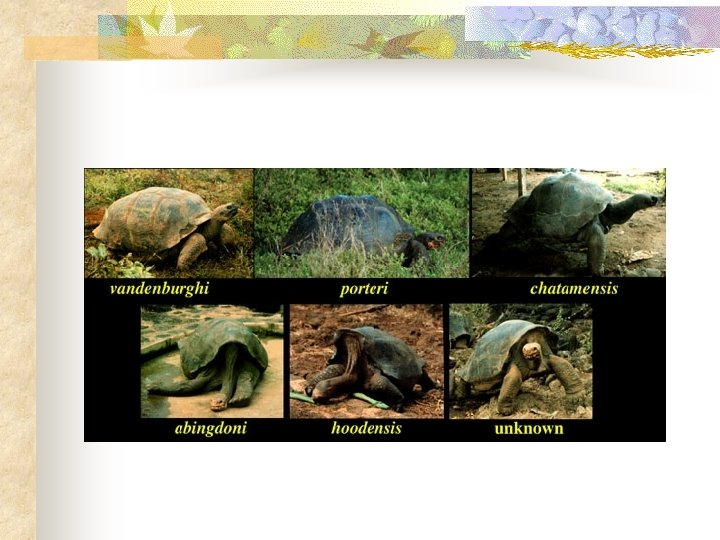
Galapagos tortoise
Charles Darwin n n Darwin came up with the term “Natural Selection” to describe the process that drives evolution. Natural selection - the process in nature by which, only the organisms best adapted to their environment tend to survive and reproduce (thus passing on their genes to succeeding generations). Those less adapted tend to be eliminated.
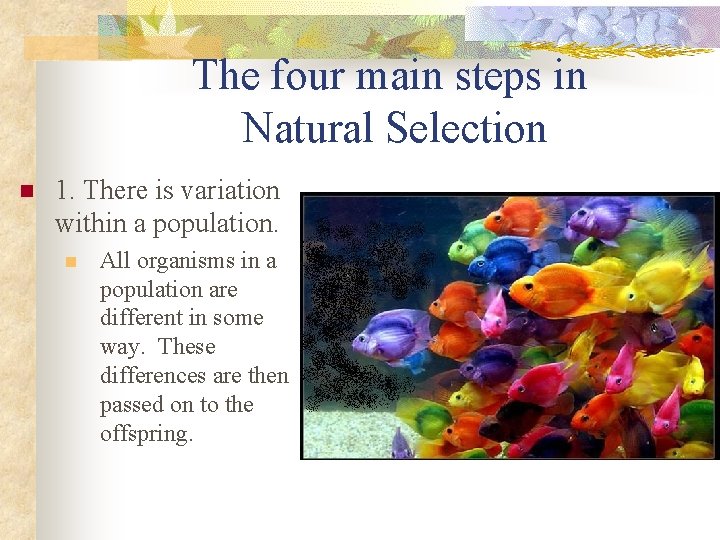
The four main steps in Natural Selection n 1. There is variation within a population. n All organisms in a population are different in some way. These differences are then passed on to the offspring.
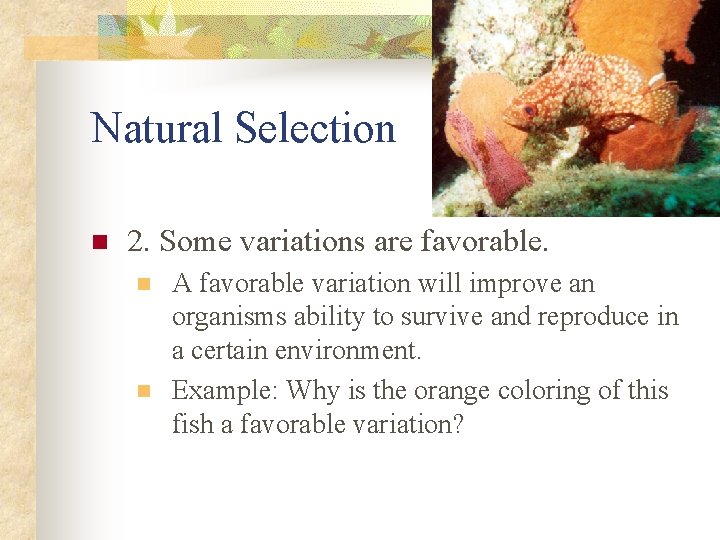
Natural Selection n 2. Some variations are favorable. n n A favorable variation will improve an organisms ability to survive and reproduce in a certain environment. Example: Why is the orange coloring of this fish a favorable variation?
Natural Selection n 3. Not all young produced in each generation can survive. n Offspring will die of starvation, sickness, or will be eaten by predators. Only a few will live long enough to reproduce.
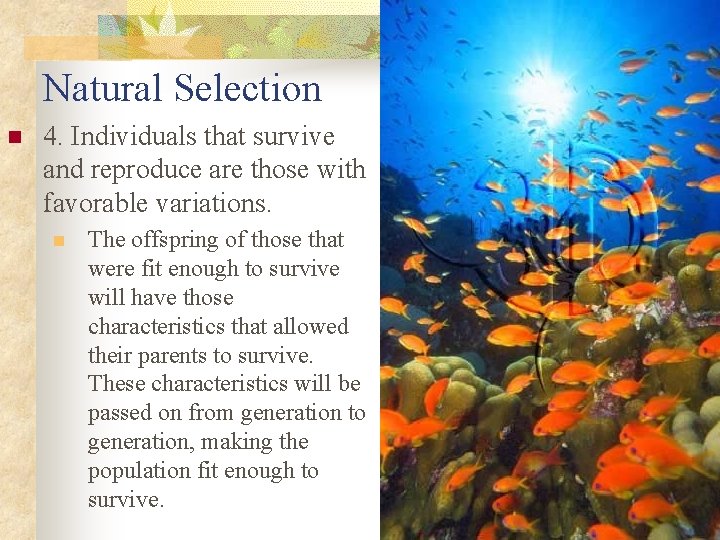
Natural Selection n 4. Individuals that survive and reproduce are those with favorable variations. n The offspring of those that were fit enough to survive will have those characteristics that allowed their parents to survive. These characteristics will be passed on from generation to generation, making the population fit enough to survive.
Evolution n n Gradual change in a species through adaptations over time. (What needs to change phenotypes in a species? )
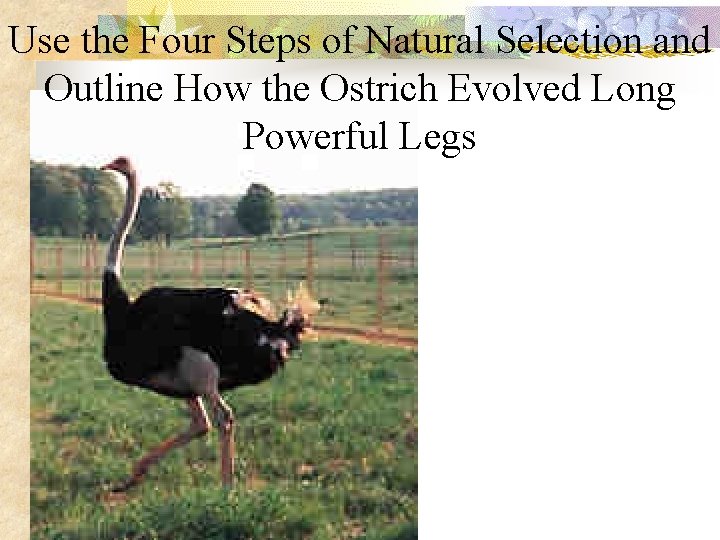
Use the Four Steps of Natural Selection and Outline How the Ostrich Evolved Long Powerful Legs
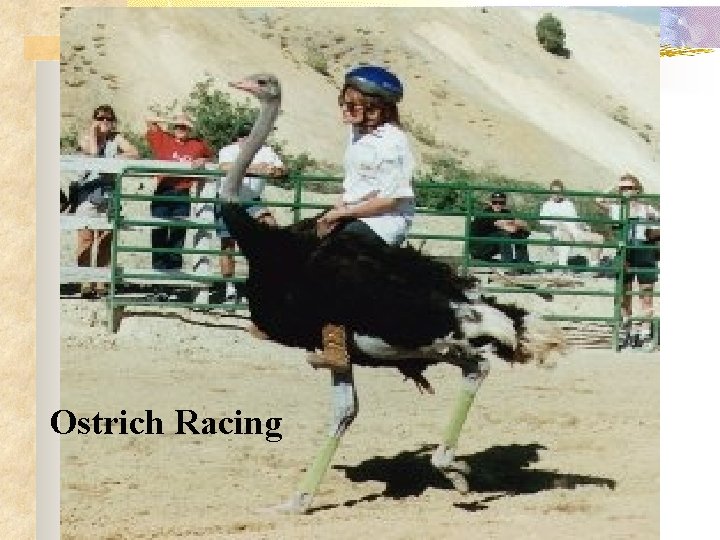
Ostrich Racing
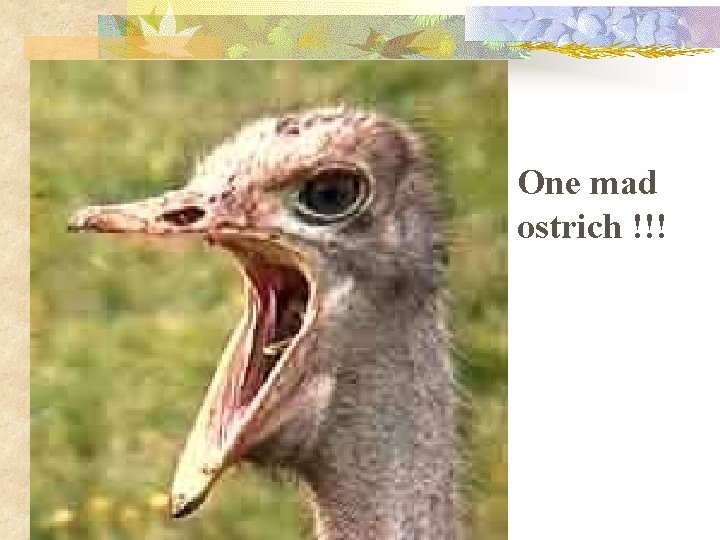
One mad ostrich !!!