
Dada begins in Zurich c 1916 From Mo

Dada, begins in Zurich, c. 1916
From Mo. MA: Marcel Duchamp was a pioneer of Dada, a movement that questioned long-held assumptions about what art should be, and how it should be made. In the years immediately preceding World War I, Duchamp found success as a painter in Paris. But he soon gave up painting almost entirely, explaining, “I was interested in ideas—not merely in visual products. ” 1 Seeking an alternative to representing objects in paint, Duchamp began presenting objects themselves as art. He selected mass-produced, commercially available, often utilitarian objects, designating them as art and giving them titles. “Readymades, ” as he called them, disrupted centuries of thinking about the artist’s role as a skilled creator of original handmade objects. Instead, Duchamp argued, “An ordinary object [could be] elevated to the dignity of a work of art by the mere choice of an artist. ” The readymade also defied the notion that art must be beautiful. Duchamp claimed to have chosen everyday objects “based on a reaction of visual indifference, with at the same time a total absence of good or bad taste…. ” 2 In doing so, Duchamp paved the way for Conceptual art —work that was “in the service of the mind, ” 3 as opposed to a purely “retinal” art, intended only to please the eye.
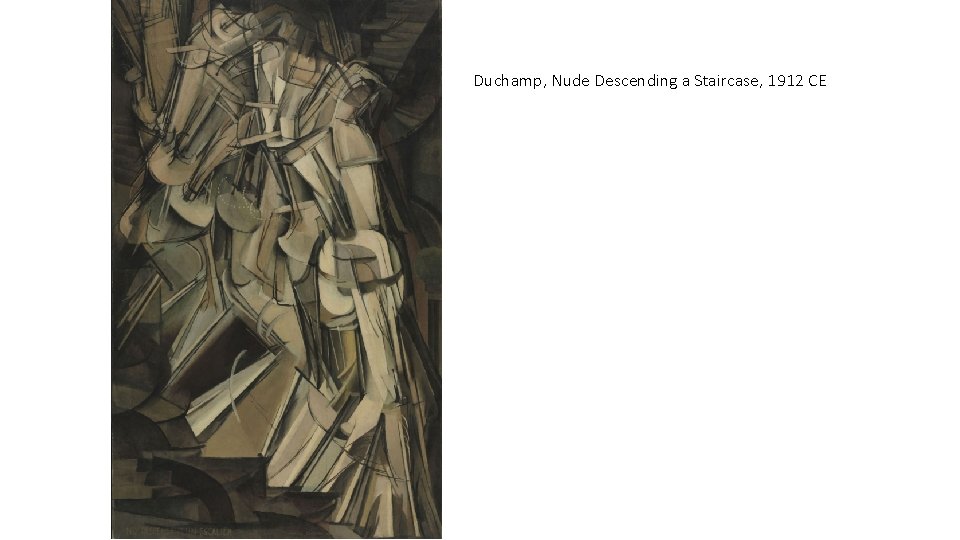
Duchamp, Nude Descending a Staircase, 1912 CE
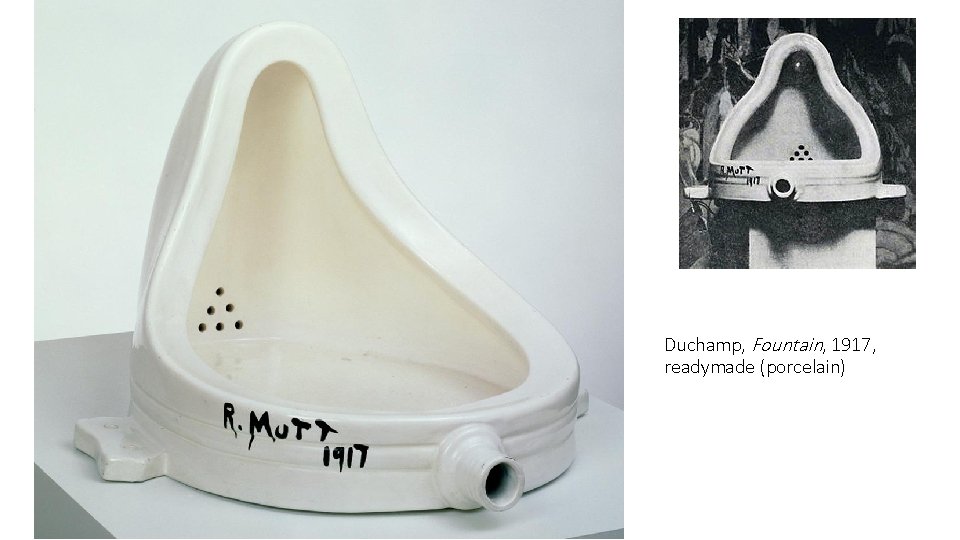
Duchamp, Fountain, 1917, readymade (porcelain)
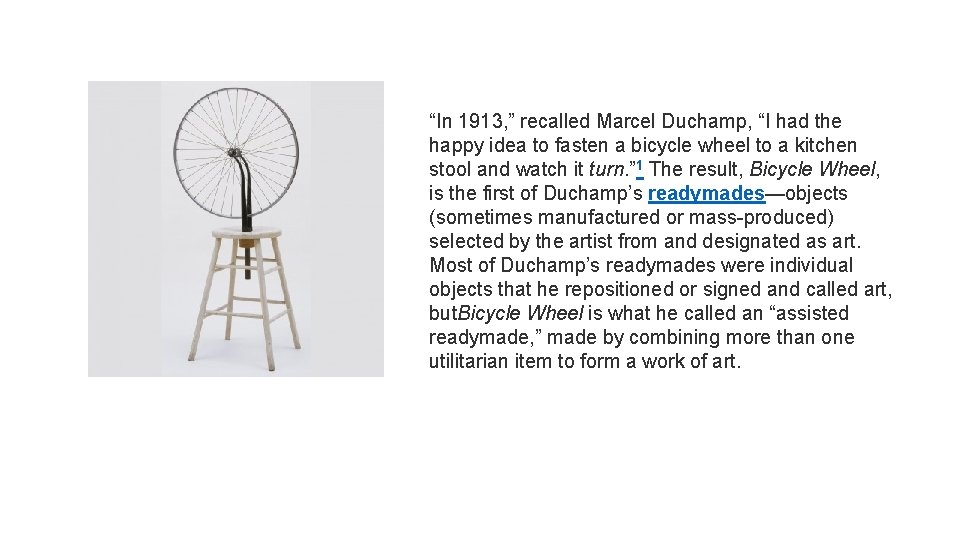
“In 1913, ” recalled Marcel Duchamp, “I had the happy idea to fasten a bicycle wheel to a kitchen stool and watch it turn. ” 1 The result, Bicycle Wheel, is the first of Duchamp’s readymades—objects (sometimes manufactured or mass-produced) selected by the artist from and designated as art. Most of Duchamp’s readymades were individual objects that he repositioned or signed and called art, but. Bicycle Wheel is what he called an “assisted readymade, ” made by combining more than one utilitarian item to form a work of art.
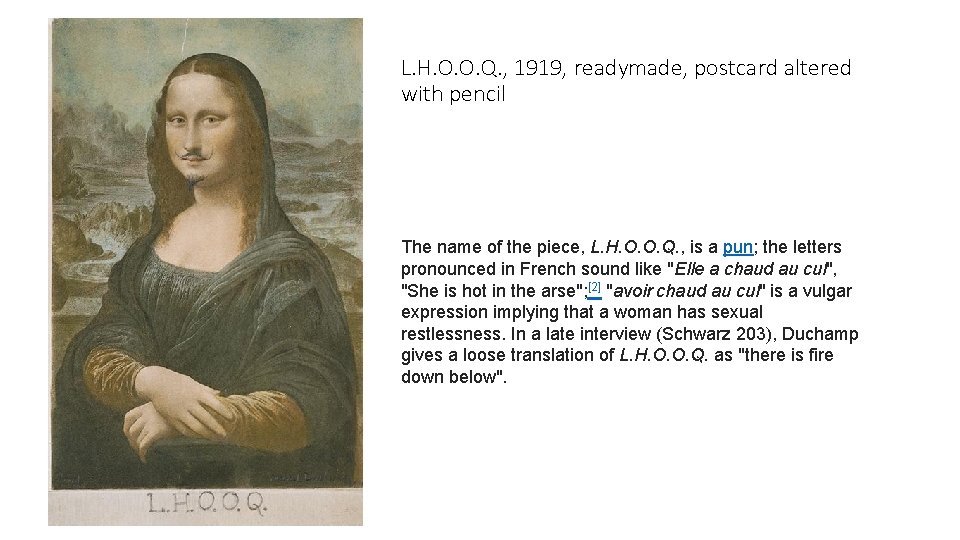
L. H. O. O. Q. , 1919, readymade, postcard altered with pencil The name of the piece, L. H. O. O. Q. , is a pun; the letters pronounced in French sound like "Elle a chaud au cul", "She is hot in the arse"; [2] "avoir chaud au cul" is a vulgar expression implying that a woman has sexual restlessness. In a late interview (Schwarz 203), Duchamp gives a loose translation of L. H. O. O. Q. as "there is fire down below".
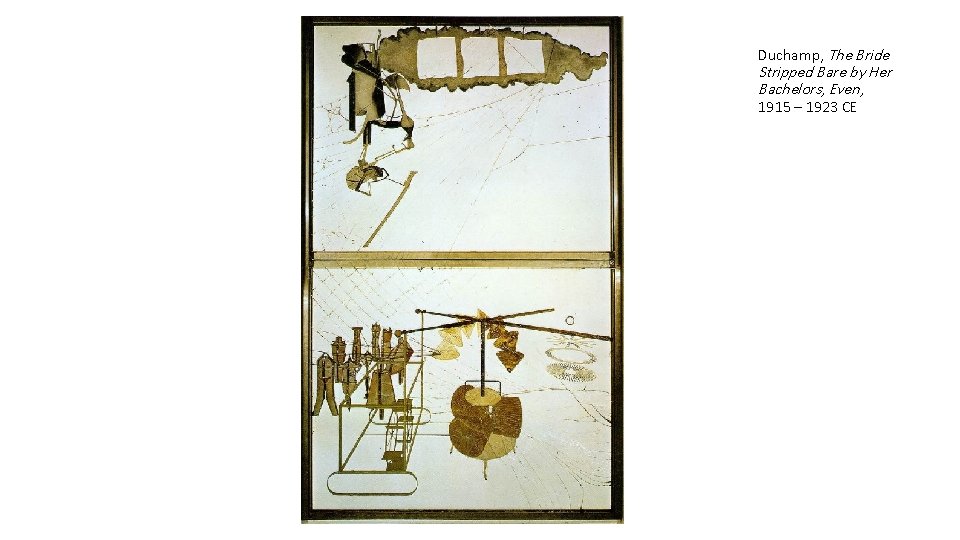
Duchamp, The Bride Stripped Bare by Her Bachelors, Even, 1915 – 1923 CE
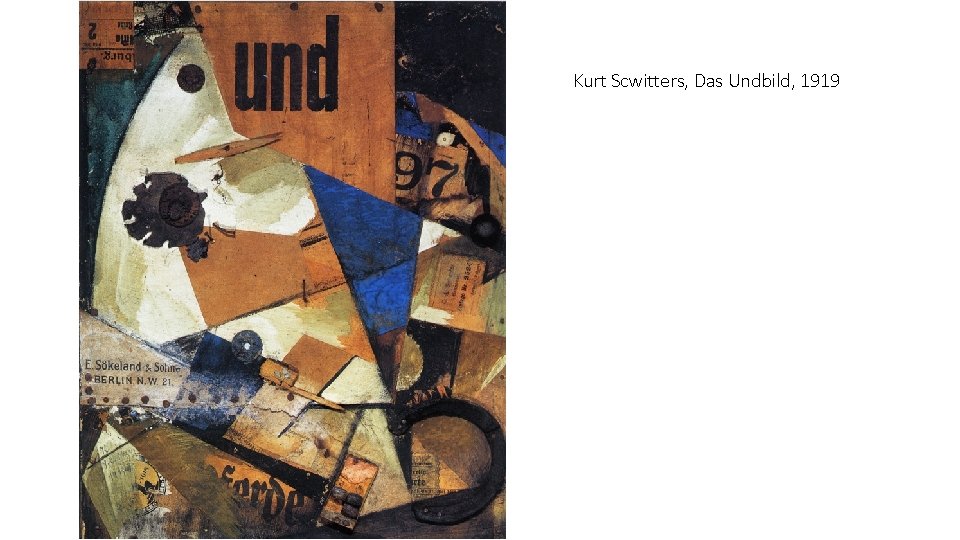
Kurt Scwitters, Das Undbild, 1919
HT: Surrealism originated in the late 1910 s and early ’ 20 s as a literary movement that experimented with a new mode of expression called automatic writing, or automatism, which sought to release the unbridled imagination of the subconscious. Officially consecrated in Paris in 1924 with the publication of the Manifesto of Surrealism by the poet and critic André Breton (1896– 1966), Surrealism became an international intellectual and political movement. Breton, a trained psychiatrist, along with French poets Louis Aragon (1897– 1982), Paul Éluard (1895– 1952), and Philippe Soupault (1897– 1990), were influenced by the psychological theories and dream studies of Sigmund Freud (1856– 1939) and the political ideas of Karl Marx (1818– 1883). Using Freudian methods of free association, their poetry and prose drew upon the private world of the mind, traditionally restricted by reason and societal limitations, to produce surprising, unexpected imagery. The cerebral and irrational tenets of Surrealism find their ancestry in the clever and whimsical disregard for tradition fostered by Dadaism a decade earlier.
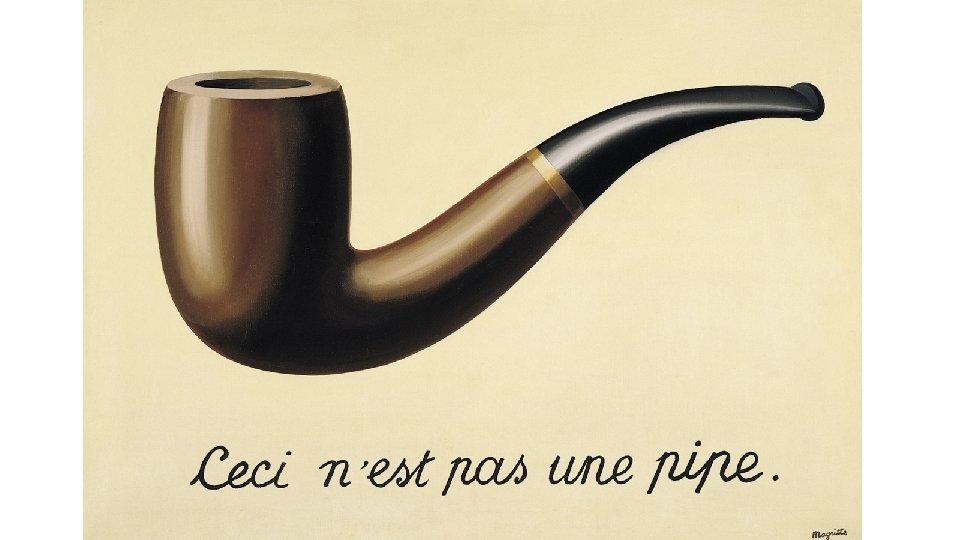
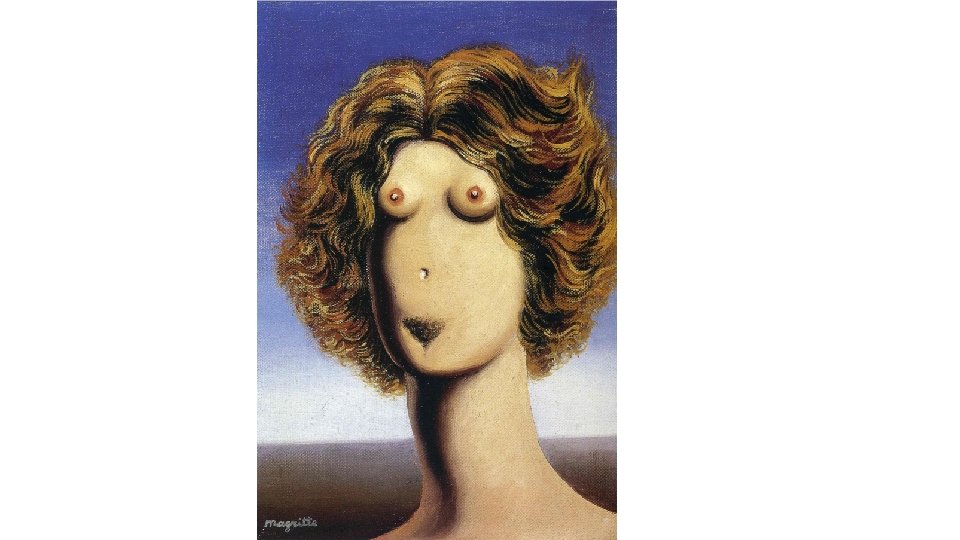
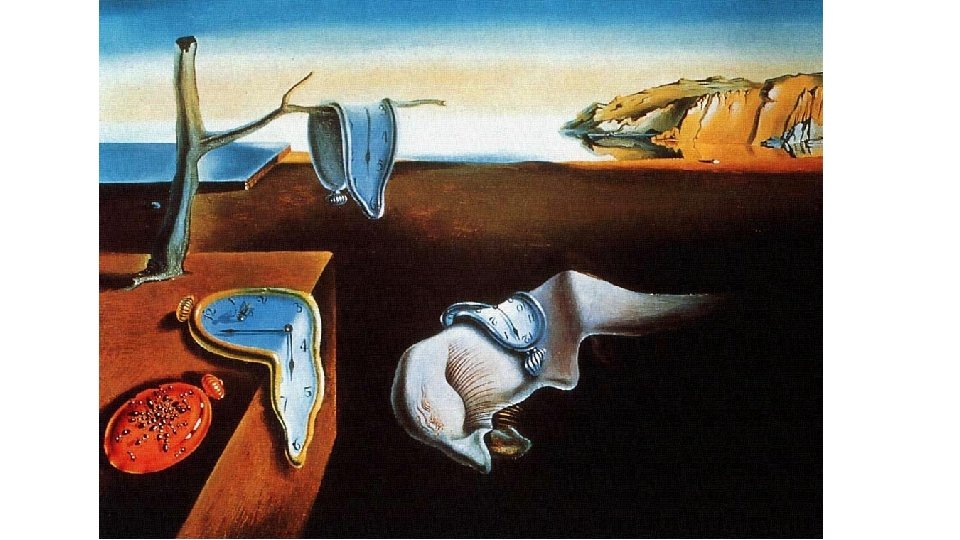
HT: In 1927, the Belgian artist René Magritte (1898– 1967) moved from Brussels to Paris and became a leading figure in the visual Surrealist movement. Influenced by de Chirico’s paintings between 1910 and 1920, Magritte painted erotically explicit objects juxtaposed in dreamlike surroundings. His work defined a split between the visual automatism fostered … and a new form of illusionistic Surrealism practiced by the Spaniard Salvador Dalí. … In 1929, Dalí moved from Spain to Paris and made his first Surrealist paintings. He expanded on Magritte’s dream imagery with his own erotically charged, hallucinatory visions. … Dalí employs Freudian symbols, such as ants, to symbolize his overwhelming sexual desire. In 1930, Breton praised Dalí’s representations of the unconscious in the Second Manifesto of Surrealism. They became the main collaborators on the review Minotaure (1933– 39), a primarily Surrealist-oriented publication founded in Paris. The organized Surrealist movement in Europe dissolved with the onset of World War II. Breton, Dalí, Ernst, Masson, and others, including the Chilean artist Matta (1911– 2002), who first joined the Surrealists in 1937, left Europe for New York. The movement found renewal in the United States at Peggy Guggenheim’s (1898– 1979) gallery, Art of This Century, and the Julien Levy Gallery. In 1940, Breton organized the fourth International Surrealist Exhibition in Mexico City, which included the Mexicans Frida Kahlo (1907– 1954) and Diego Rivera (1886– 1957) (although neither artist officially joined the movement).
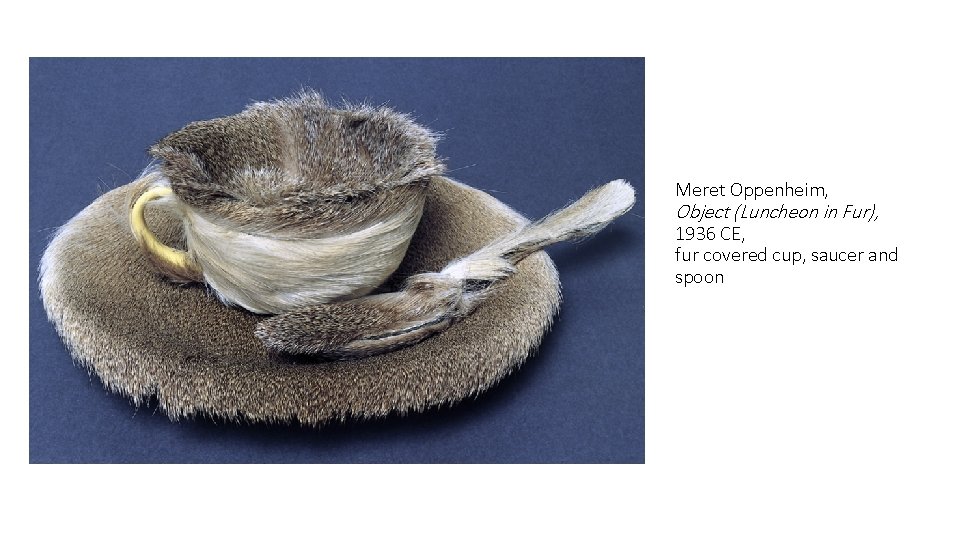
Meret Oppenheim, Object (Luncheon in Fur), 1936 CE, fur covered cup, saucer and spoon
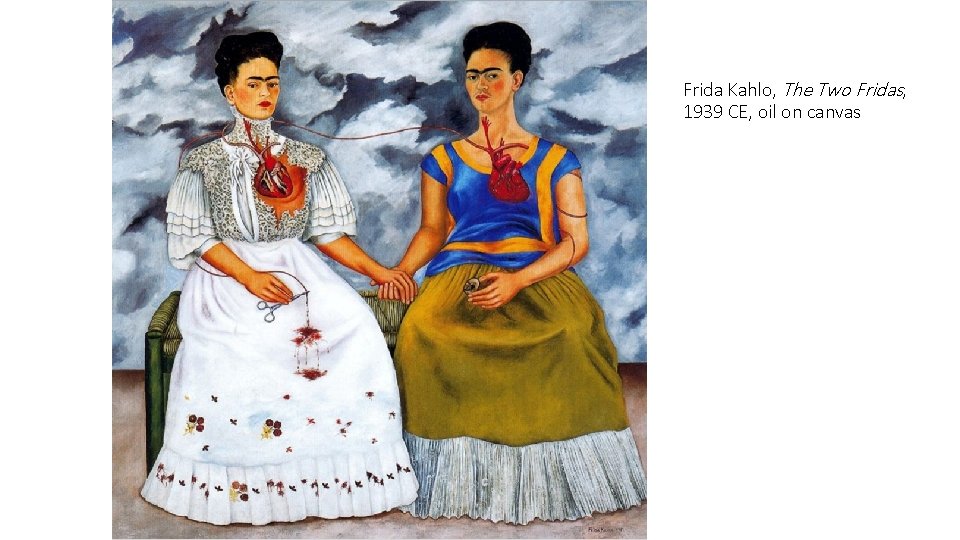
Frida Kahlo, The Two Fridas, 1939 CE, oil on canvas
- Slides: 16