
DA Studies Using PTC Leon van Riesen Haupt
- Slides: 16
DA Studies Using PTC Leon van Riesen Haupt Thanks to Rogelio Tomas, Tessa Charles, Michael Hofer
Starting Point • • T. Tydecks’ PTC macros used as starting point Very useful for: • • • Understanding different kinds of studies Comparing PTC settings Ultimately wrote my own scripts • • To parallelise jobs on HTCondor (OMC HTC Submitter) Have more control over PTC settings
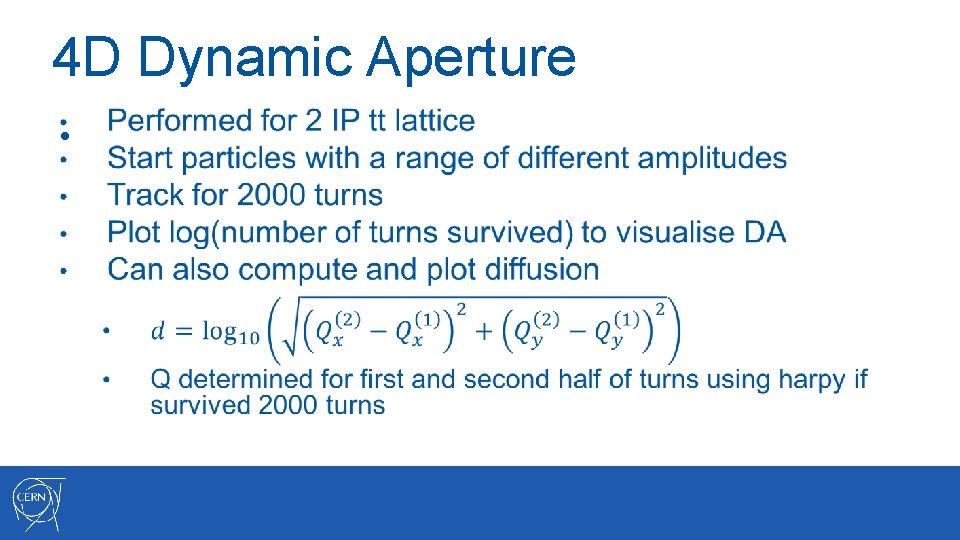
4 D Dynamic Aperture •
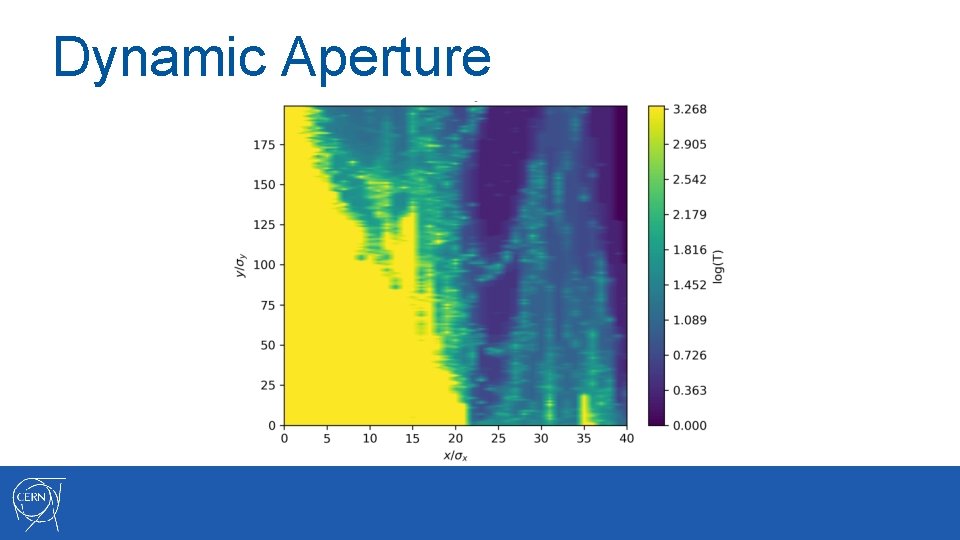
Dynamic Aperture
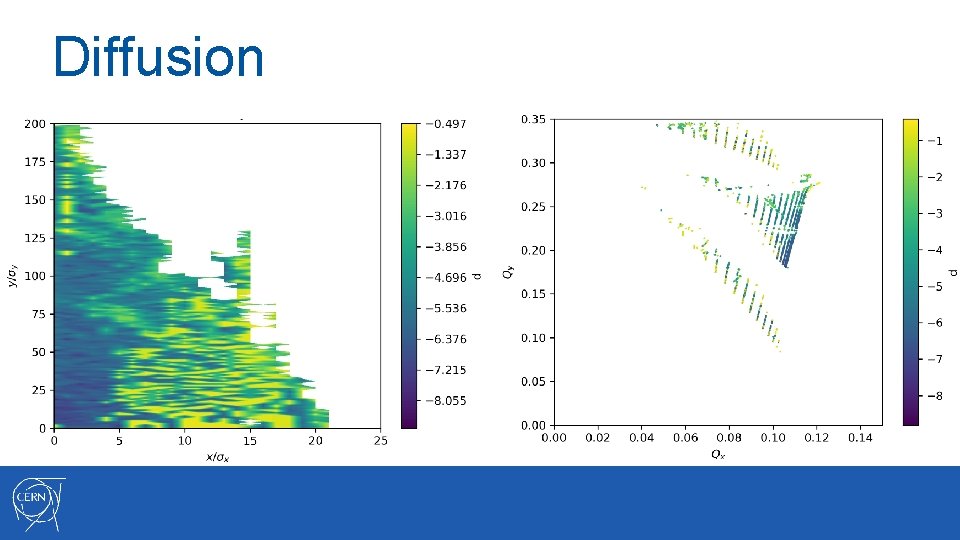
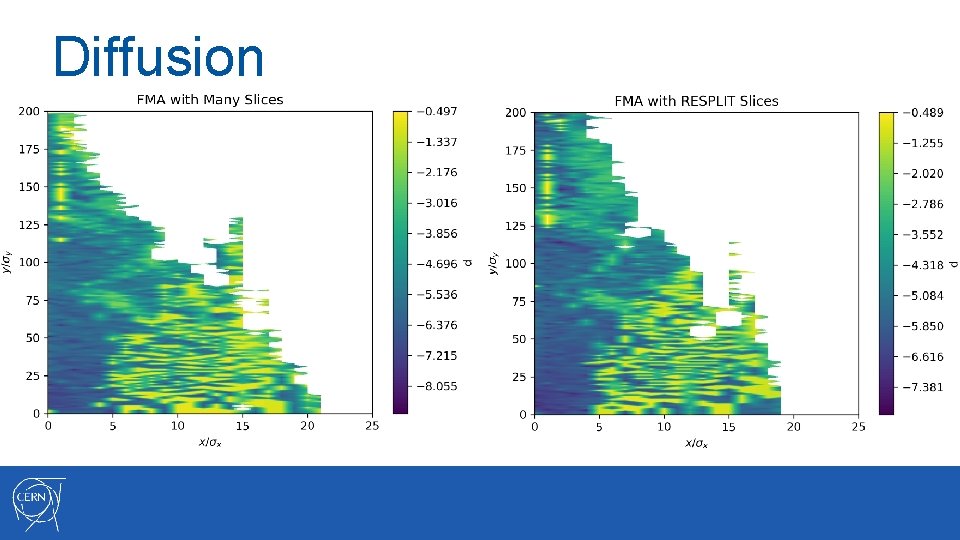
Diffusion
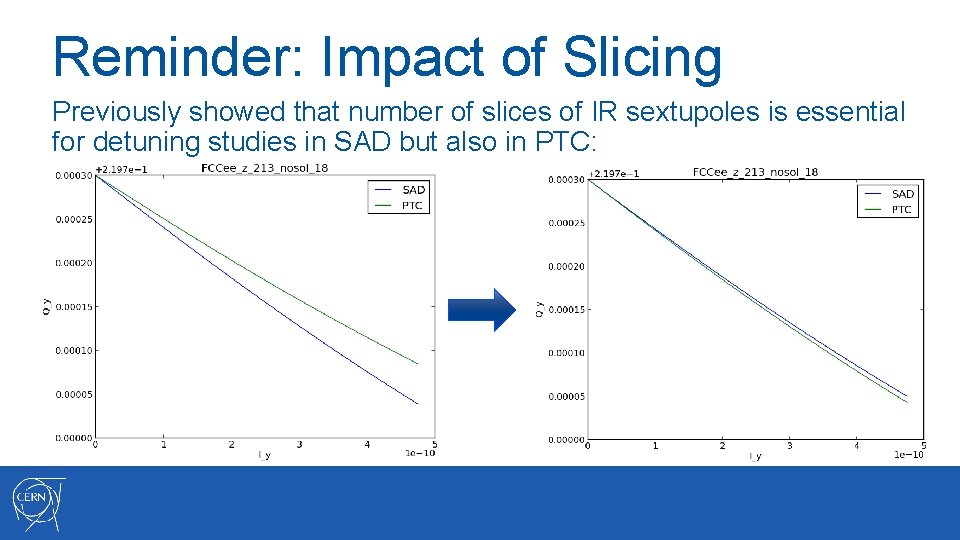
Reminder: Impact of Slicing Previously showed that number of slices of IR sextupoles is essential for detuning studies in SAD but also in PTC:
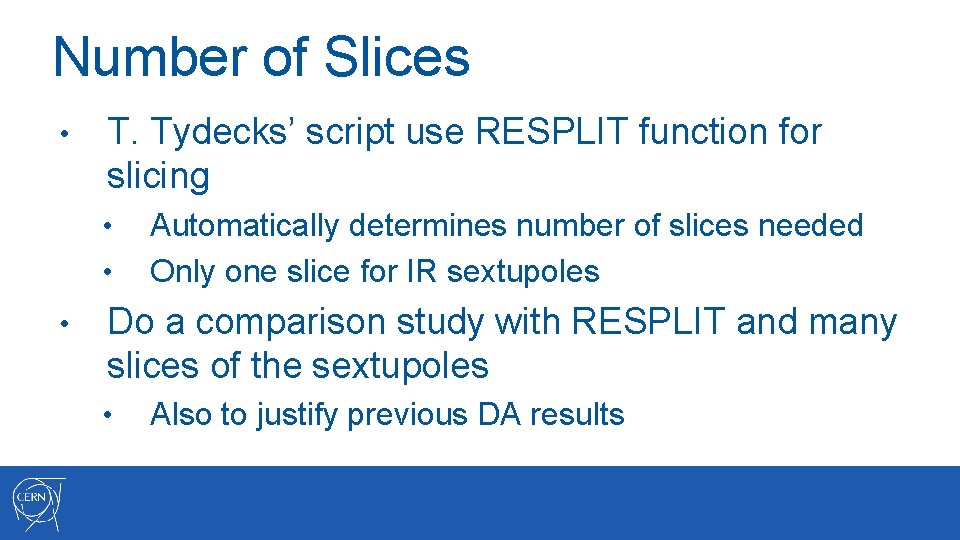
Number of Slices • T. Tydecks’ script use RESPLIT function for slicing • • • Automatically determines number of slices needed Only one slice for IR sextupoles Do a comparison study with RESPLIT and many slices of the sextupoles • Also to justify previous DA results
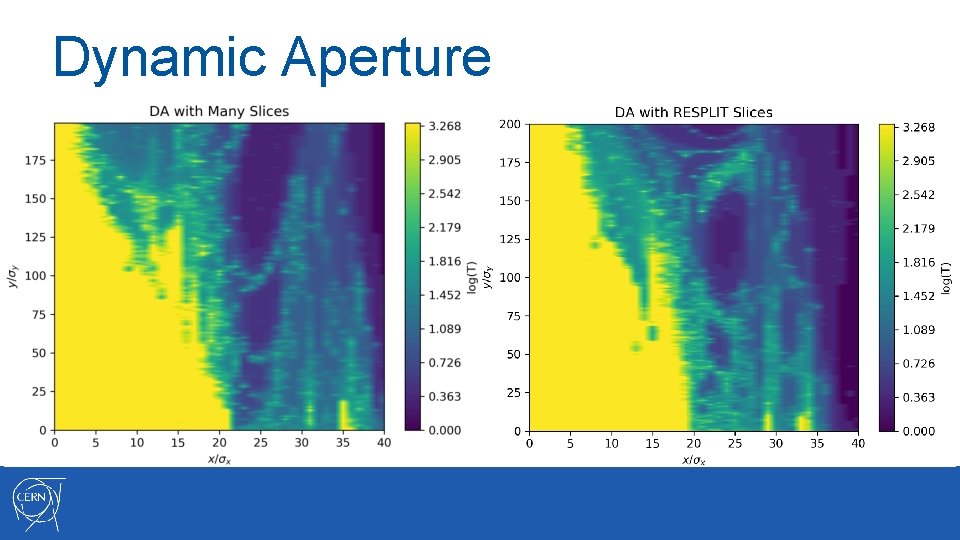
Dynamic Aperture
Diffusion
Conclusions 4 D DA High resolution DA study for up-to-date lattice in PTC • First study to understand importance of number of sextupole slices for DA • • • Clear difference ~10% Future studies should be done with many slices
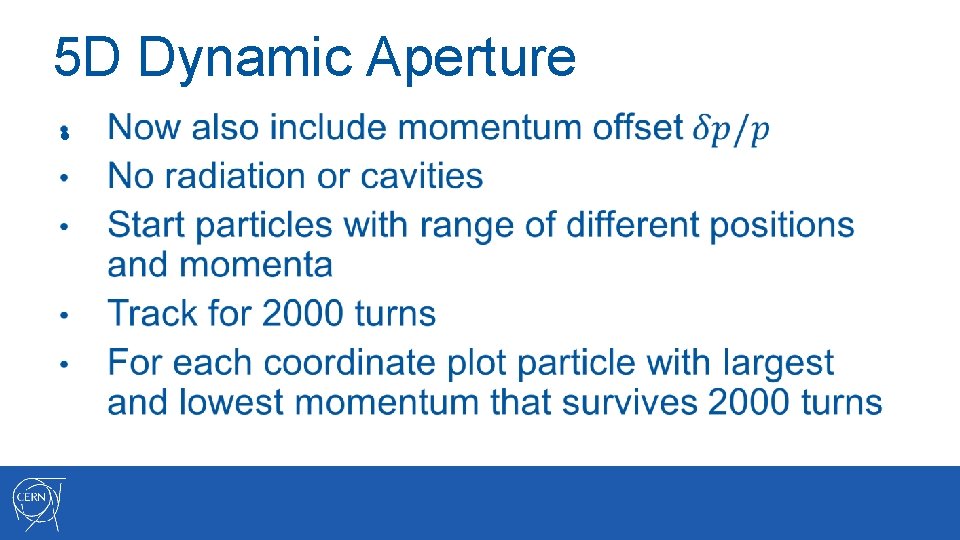
5 D Dynamic Aperture •
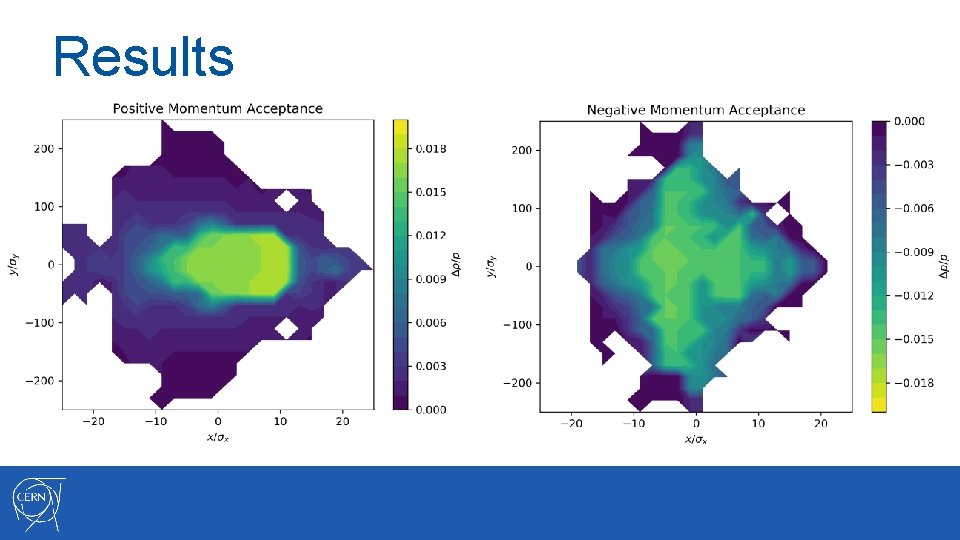
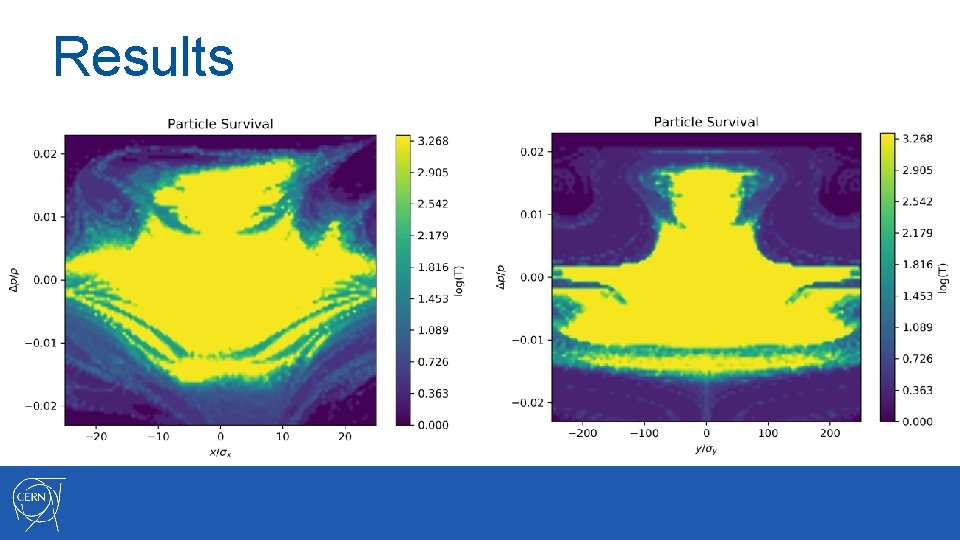
Results
Survival Plots •
Results
Conclusion 5 D DA Created scripts to scan momentum acceptance for large x-y space • Relatively symmetrical results across the x and y axes • Asymmetry for positive and negative momenta •
Next Steps • Create tool to do less detailed (faster) DA scans • • • Only determine stable region not number of turns everywhere Can be used to study DA with lattices with errors Studies with RF cavities and at some point with radiation • Can use scripts created for 5 D scans