
Cytology Cell membrane By Dr Esam Omar Cell
Cytology; Cell membrane By Dr. Esam Omar
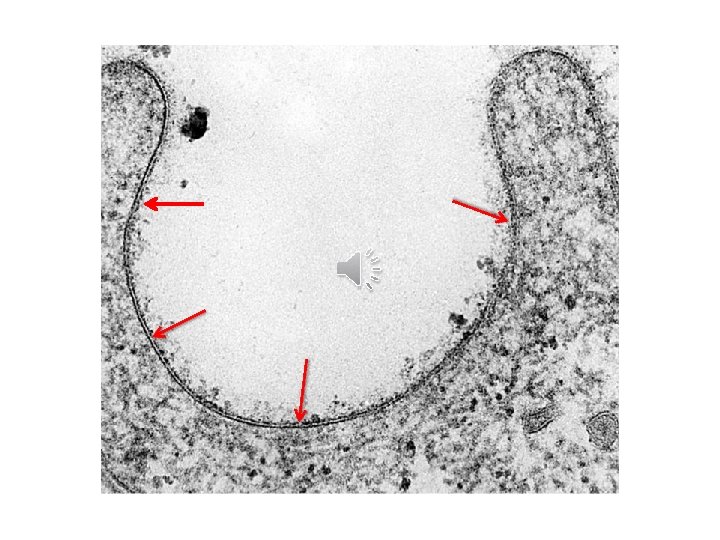
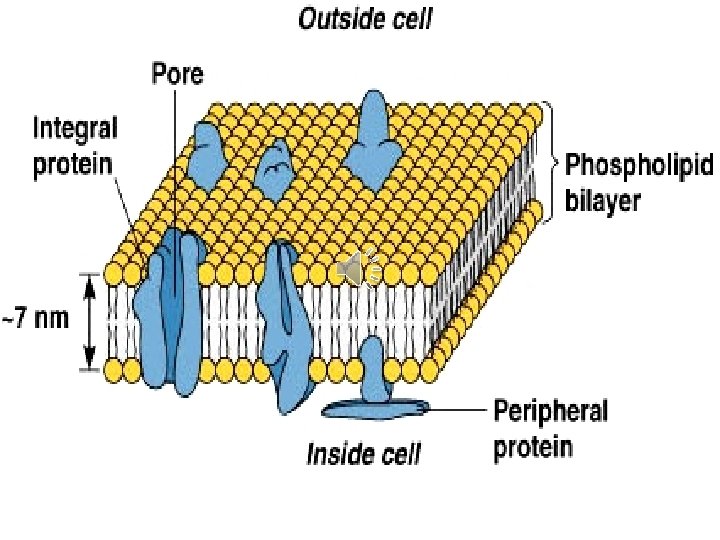
Cell membrane • Cell membrane = plasma lemma: • Membranous cytoplasmic organelle concerned with cell covering (7. 5 -10 nm thickness). • LM: not seen (except with silver and PAS). • EM: a trilamellar membrane (3 layers): dark - light dark.
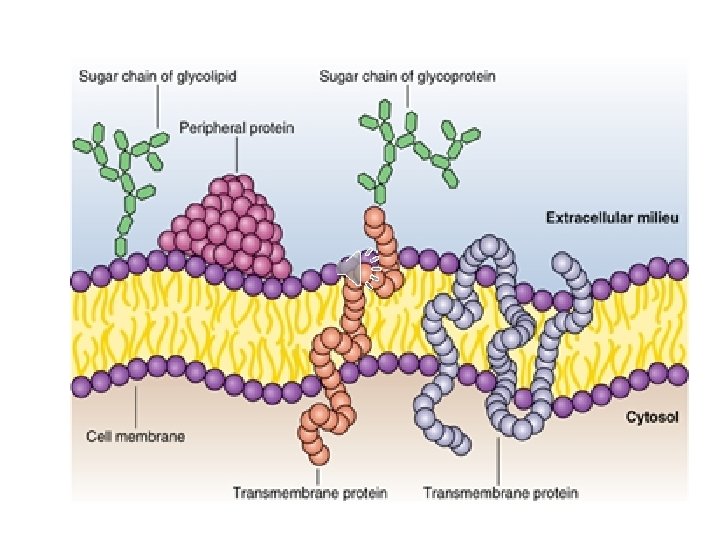
Cell membrane: chemical structure • Proteins (60%): • Peripheral proteins: small molecules (at outer and inner surface) • Integral (trans-membrane) • Lipids (30%): • Phospholipid bilayer molecules with: - Hydrophilic = polar (charged) heads (at outer and inner surface). - Hydrophobic = non-polar (non-charged) tails (at the middle). • Cholesterol molecules: at the inner cytoplasmic surface • Carbohydrates (10%): which form cell coat (glycocalyx) via linking to outer protein forming glycoproteins and to outer lipid forming glycolipids
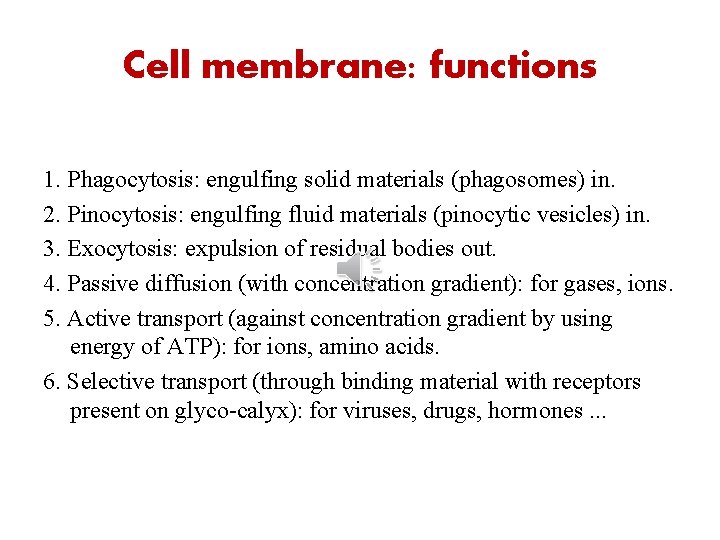
Cell membrane: functions 1. Phagocytosis: engulfing solid materials (phagosomes) in. 2. Pinocytosis: engulfing fluid materials (pinocytic vesicles) in. 3. Exocytosis: expulsion of residual bodies out. 4. Passive diffusion (with concentration gradient): for gases, ions. 5. Active transport (against concentration gradient by using energy of ATP): for ions, amino acids. 6. Selective transport (through binding material with receptors present on glyco-calyx): for viruses, drugs, hormones. . .
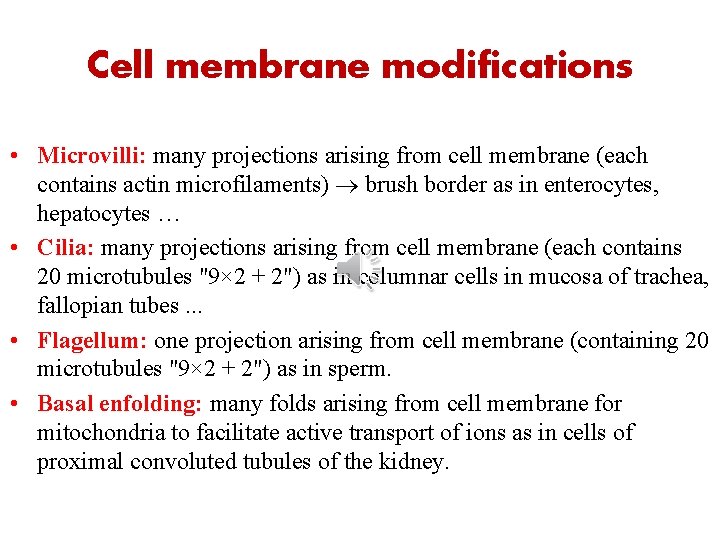
Cell membrane modifications • Microvilli: many projections arising from cell membrane (each contains actin microfilaments) brush border as in enterocytes, hepatocytes … • Cilia: many projections arising from cell membrane (each contains 20 microtubules "9× 2 + 2") as in columnar cells in mucosa of trachea, fallopian tubes. . . • Flagellum: one projection arising from cell membrane (containing 20 microtubules "9× 2 + 2") as in sperm. • Basal enfolding: many folds arising from cell membrane for mitochondria to facilitate active transport of ions as in cells of proximal convoluted tubules of the kidney.
Functions of glycocalyx (cell coat) • Receiving chemical massages and neurotransmitted signals (through its receptors). • Antibodies on its surface immunity or allergy. • Formation of cellular junction adhesion of adjacent cells. • Formation of basal lamina (of basement membrane) with type IV collagen of CT.
- Slides: 9