
CWK Advantages and Disadvantages of Quarrying Describe briefly
CWK Advantages and Disadvantages of Quarrying • Describe briefly the uses if limestone and how it is quarried. • Consider and evaluate the environmental, social and economic effects of exploiting limestone and producing building materials from it. • Evaluate the developments in using limestone, cement and concrete as building materials, and their advantages and disadvantages over other materials. Lesson 17 Mr. Morton. Science
What is Limestone? What is it good for? huh
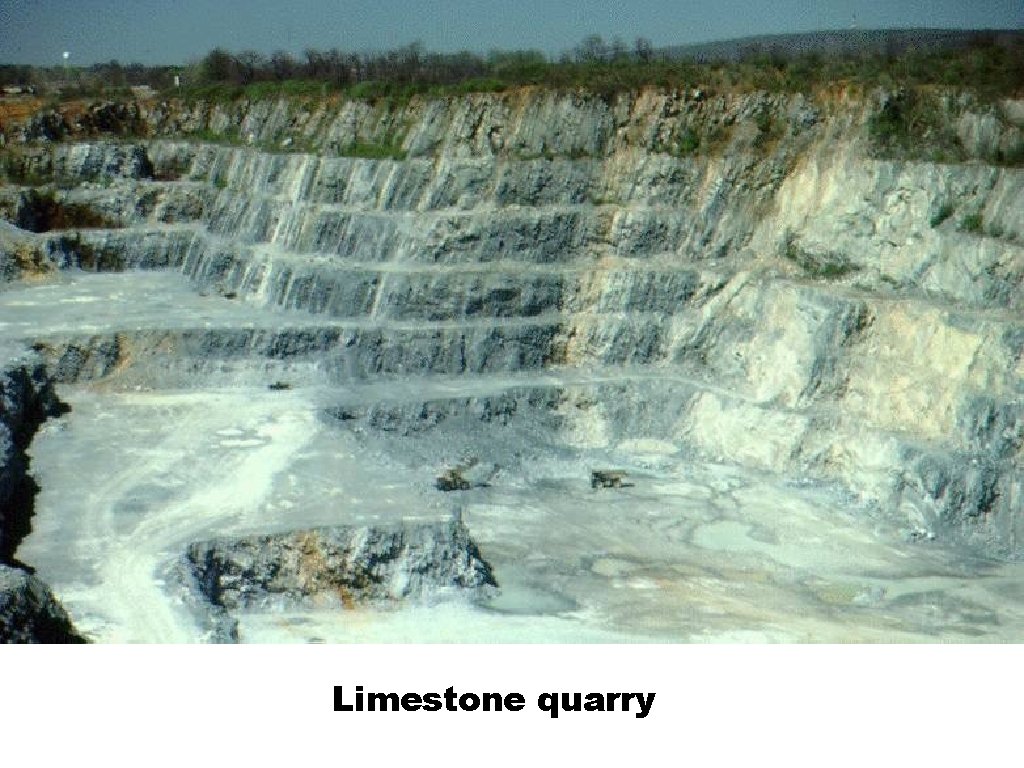
Limestone quarry
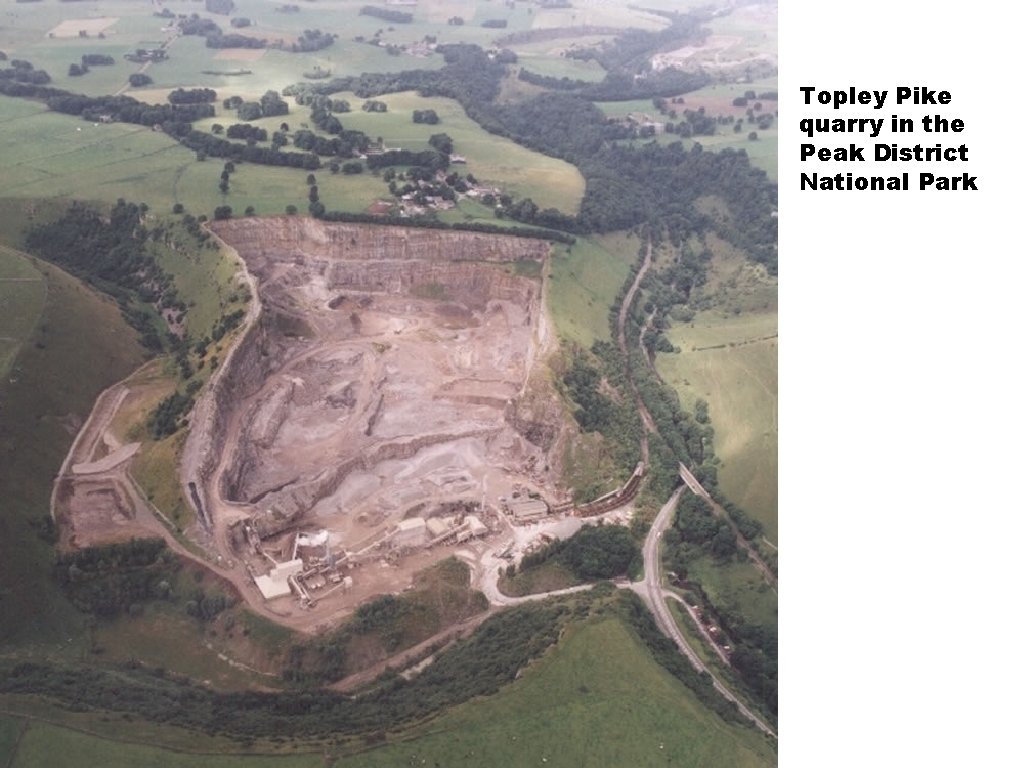
Topley Pike quarry in the Peak District National Park
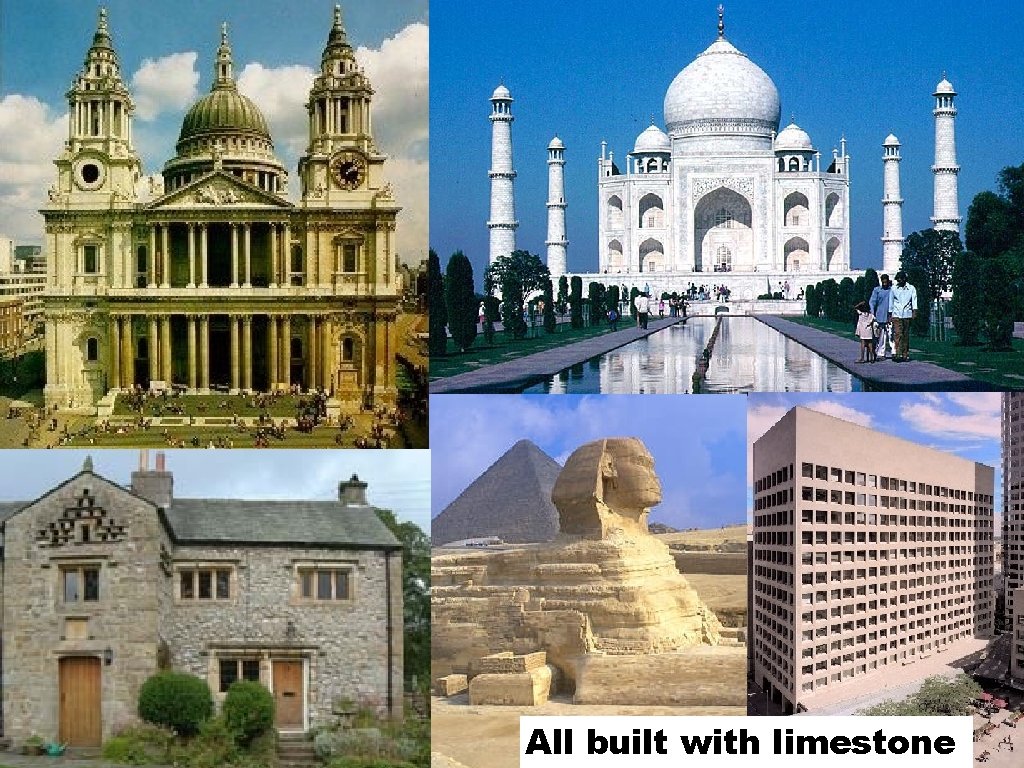
All built with limestone
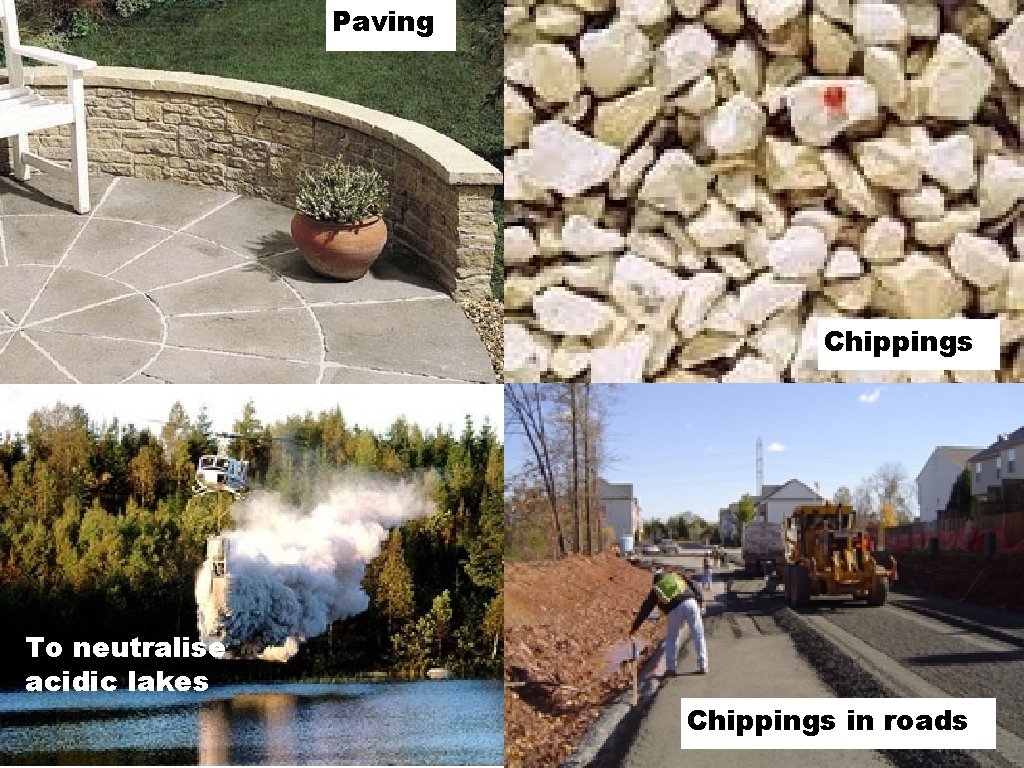
Paving Chippings To neutralise acidic lakes Chippings in roads
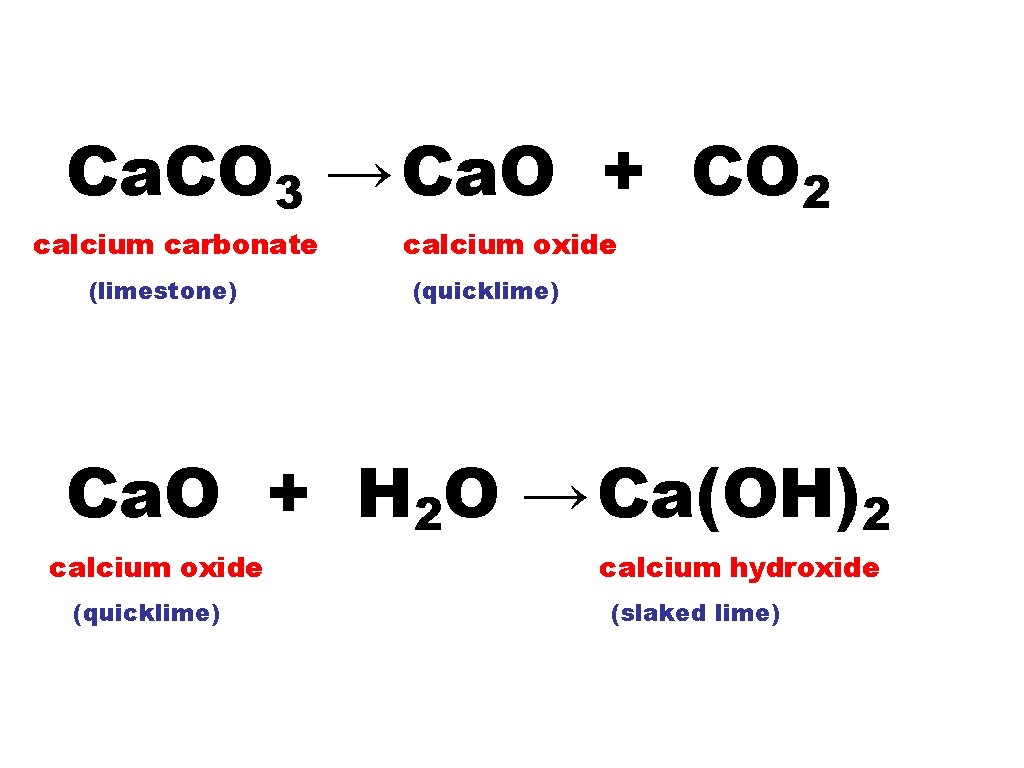
Ca. CO 3 → Ca. O + CO 2 calcium carbonate (limestone) calcium oxide (quicklime) Ca. O + H 2 O → Ca(OH)2 calcium oxide (quicklime) calcium hydroxide (slaked lime)
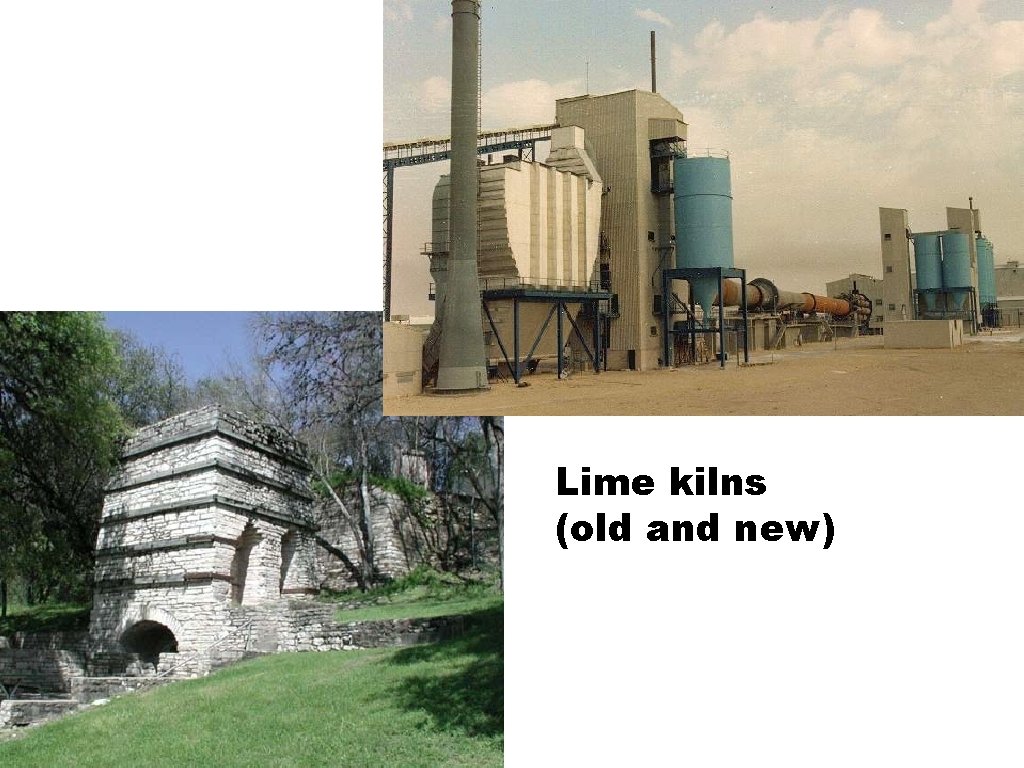
Lime kilns (old and new)
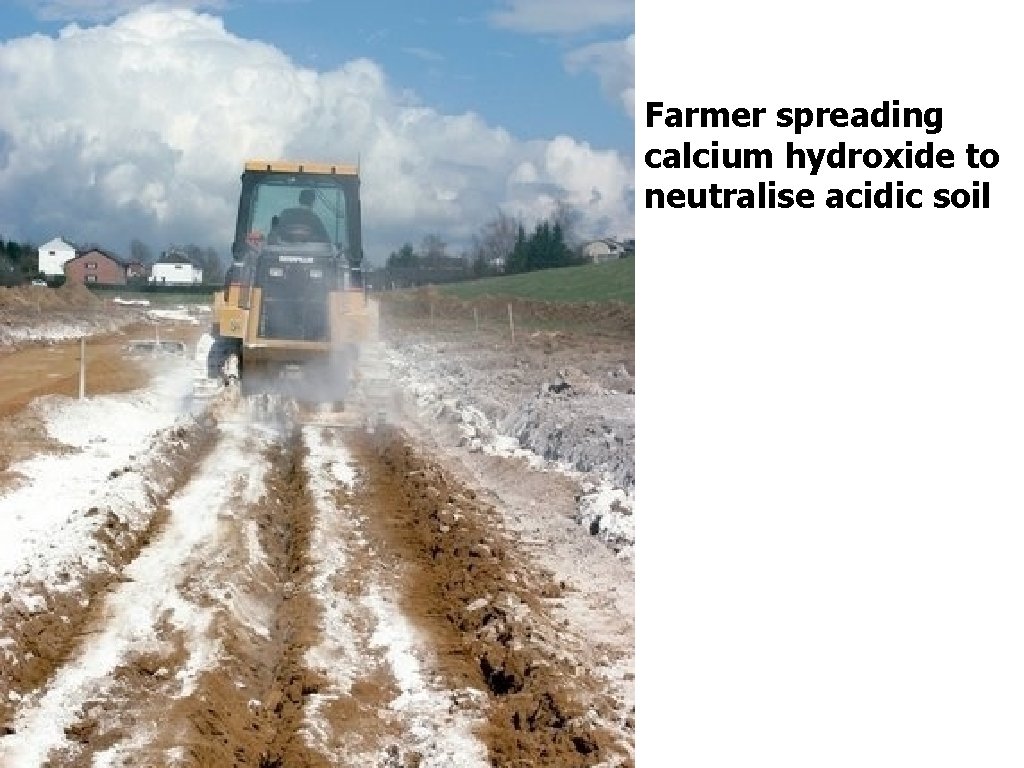
Farmer spreading calcium hydroxide to neutralise acidic soil
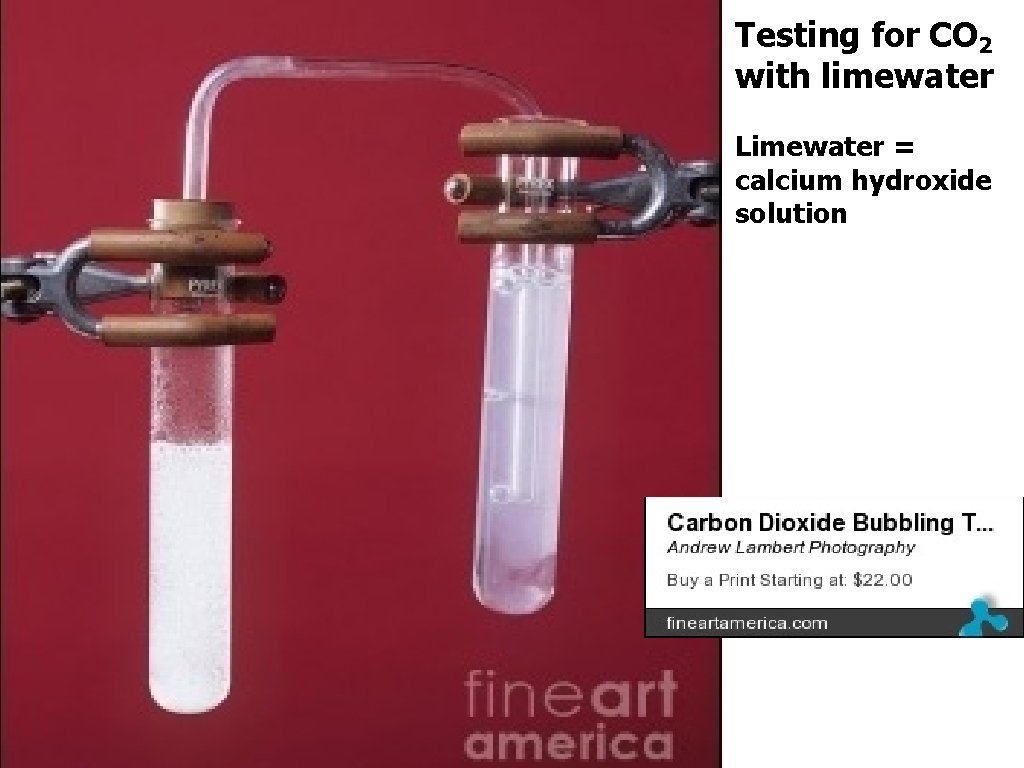
Testing for CO 2 with limewater Limewater = calcium hydroxide solution Testing for CO 2 with limewater (calcium hydroxide solution)
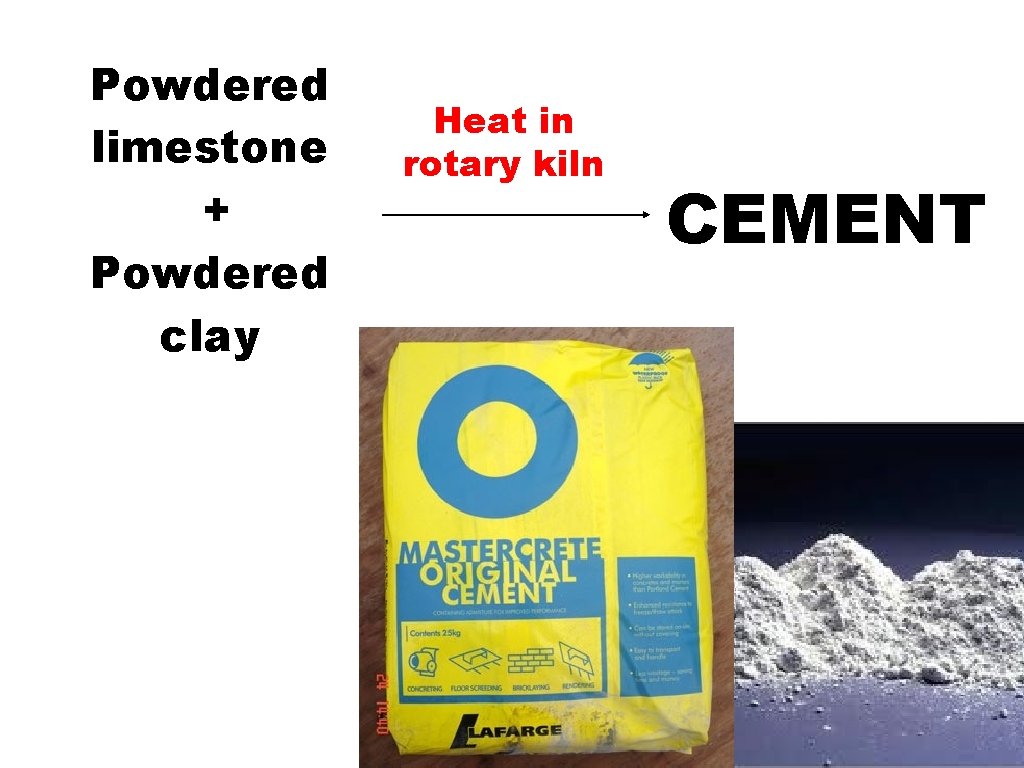
Powdered limestone + Powdered clay Heat in rotary kiln CEMENT
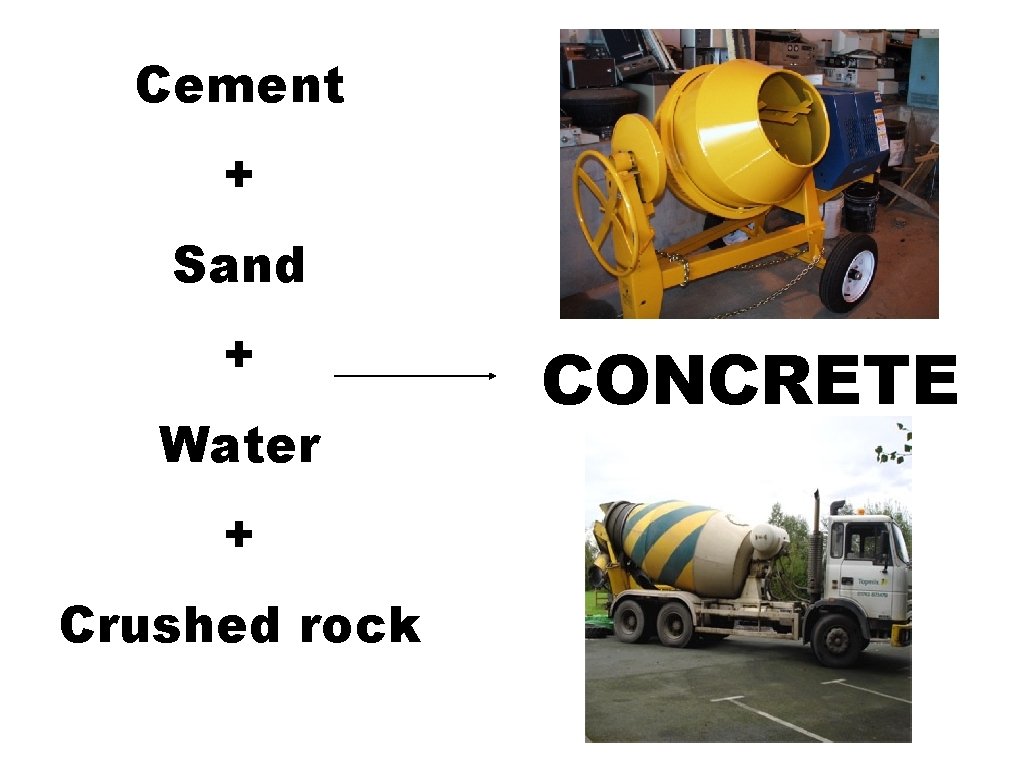
Cement + Sand + Water + Crushed rock CONCRETE
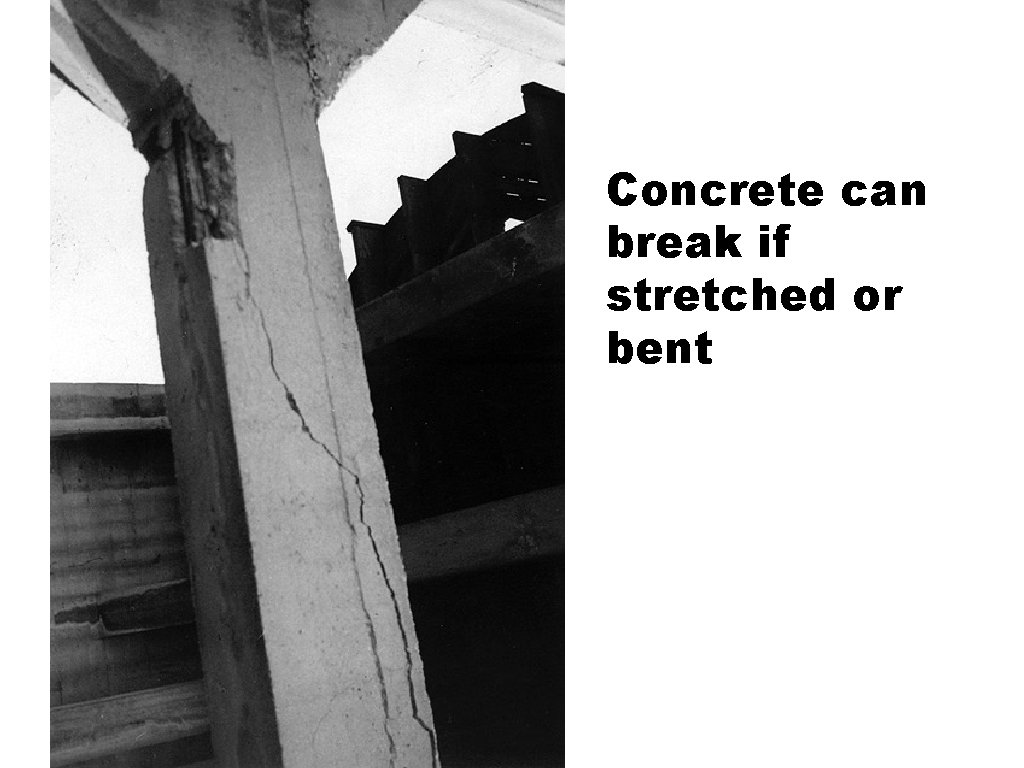
Concrete can break if stretched or bent
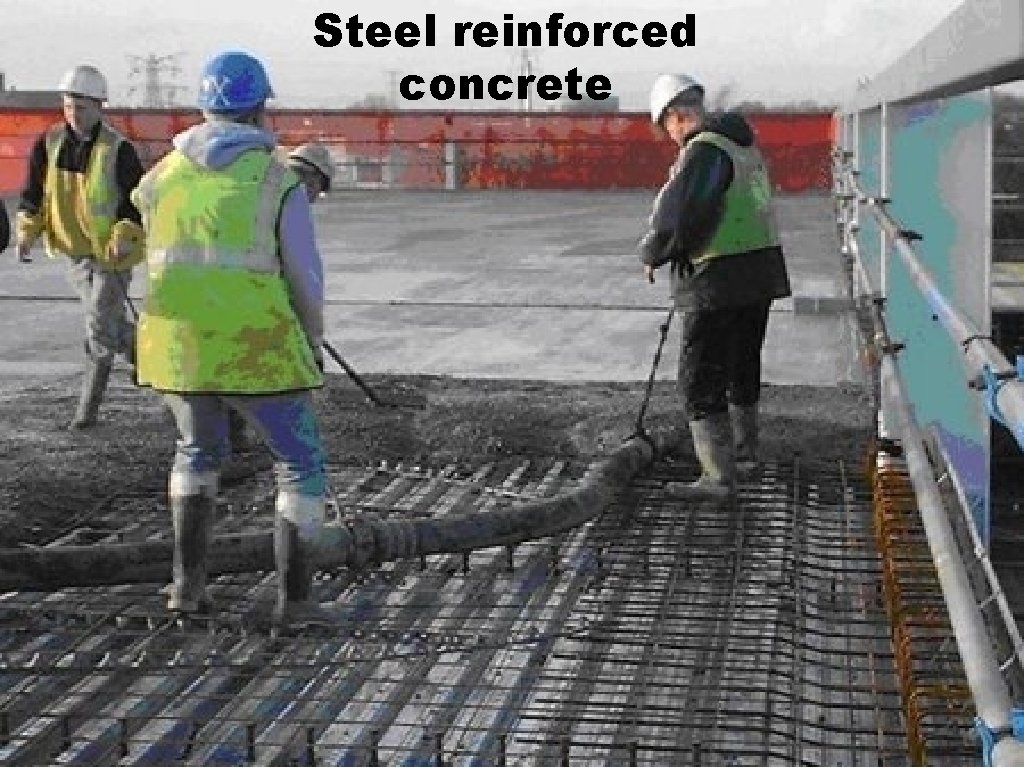
Steel reinforced concrete
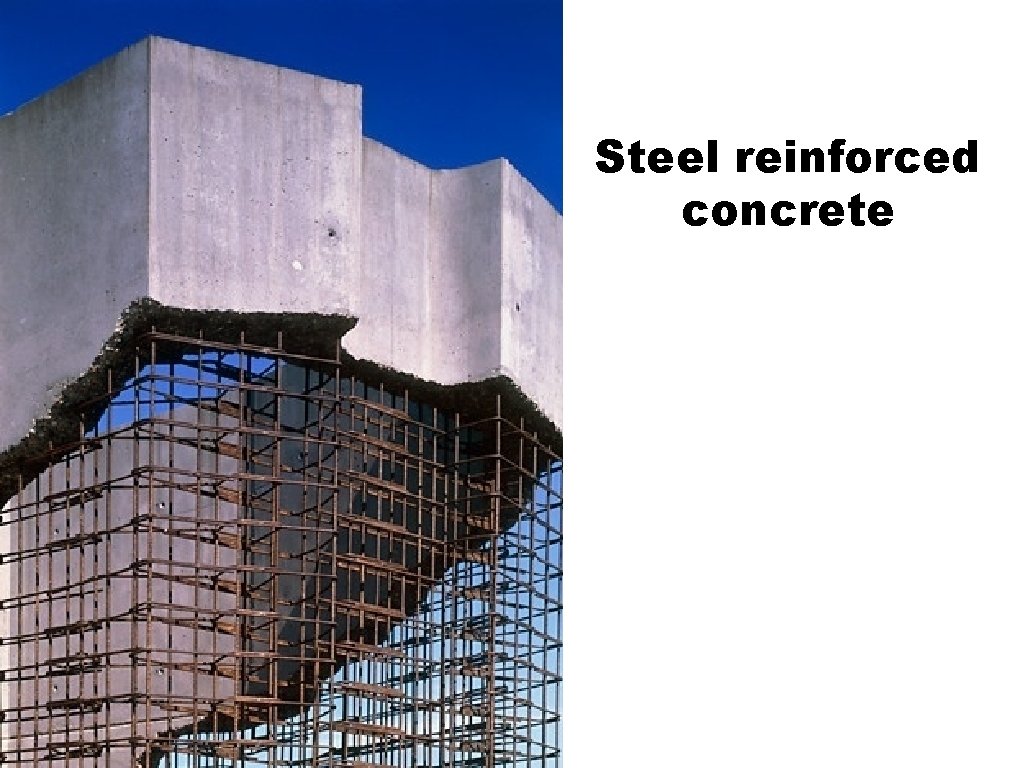
Steel reinforced concrete
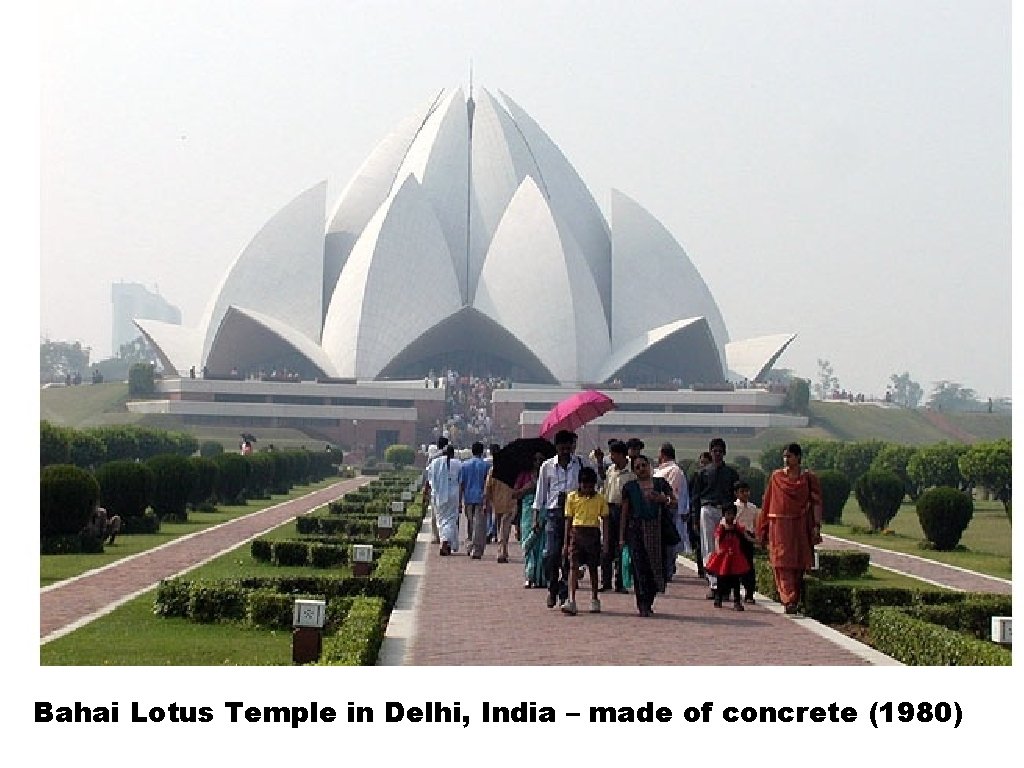
Bahai Lotus Temple in Delhi, India – made of concrete (1980)
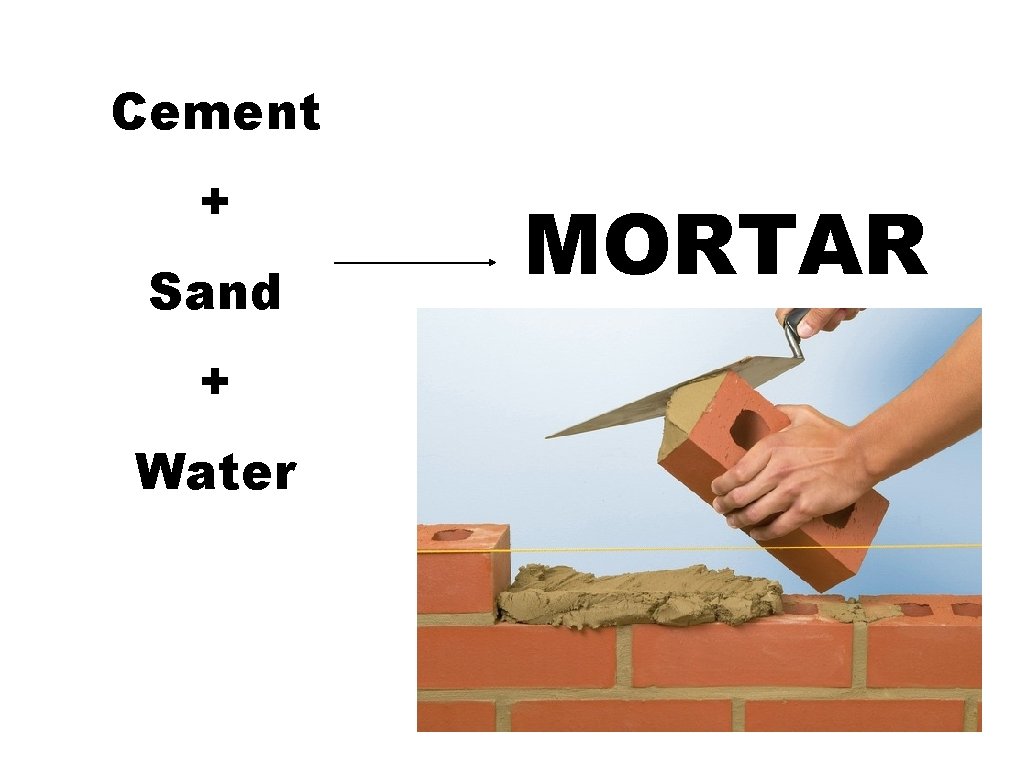
Cement + Sand + Water MORTAR
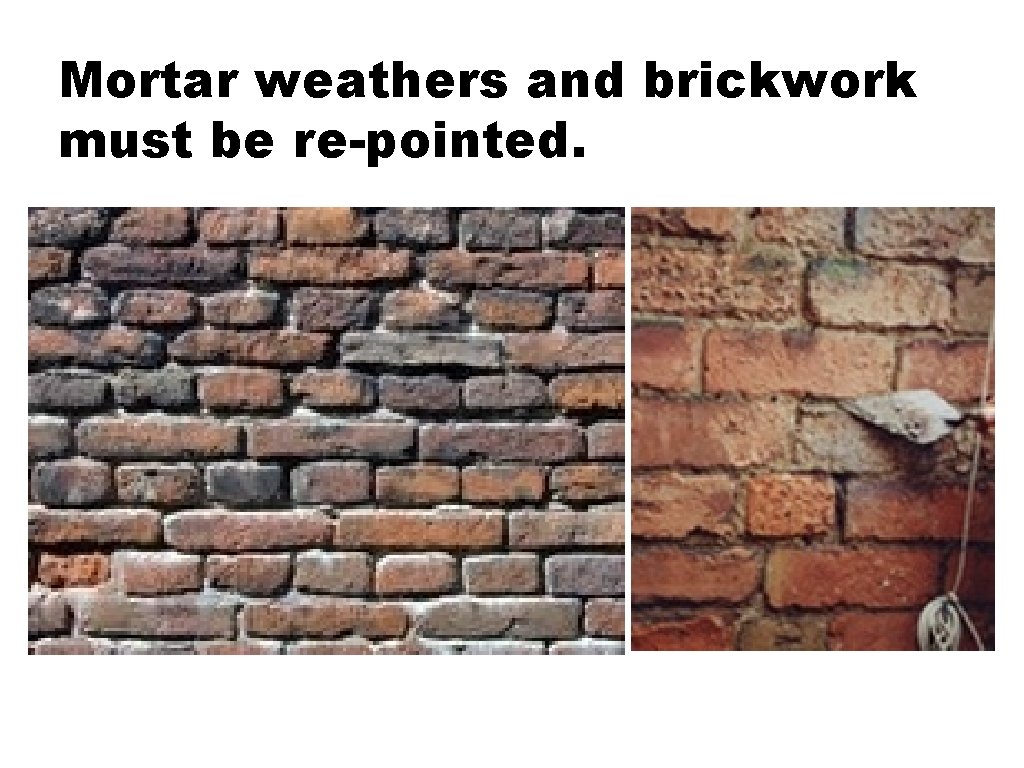
Mortar weathers and brickwork must be re-pointed.
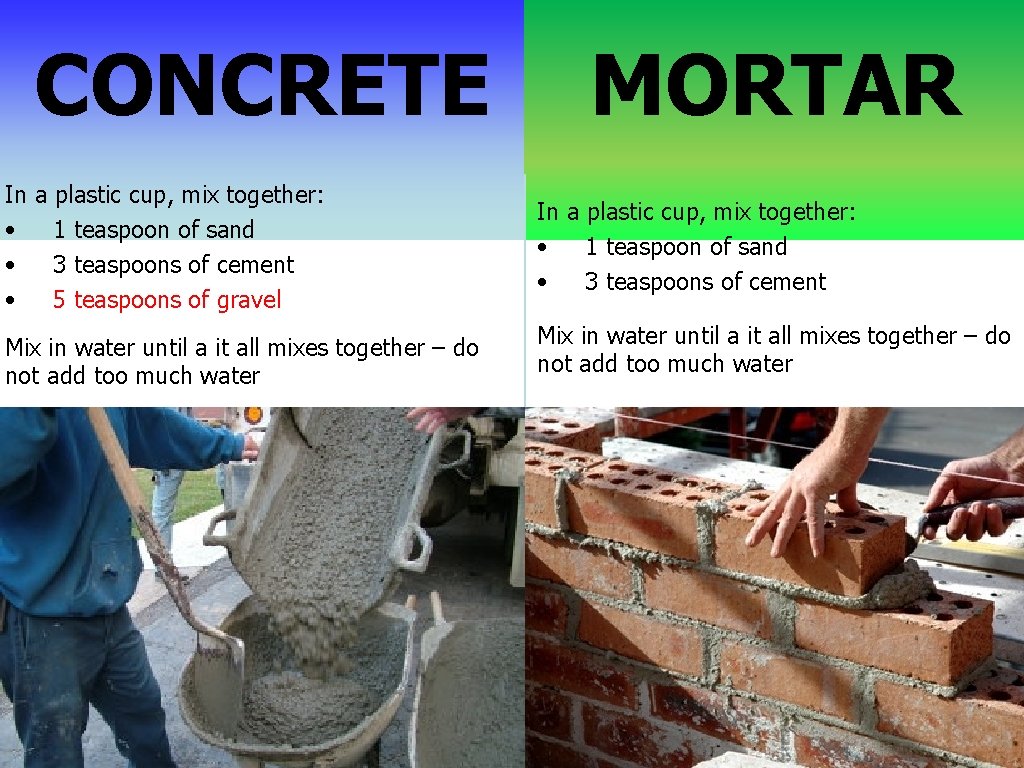
CONCRETE In a plastic cup, mix together: • 1 teaspoon of sand • 3 teaspoons of cement • 5 teaspoons of gravel Mix in water until a it all mixes together – do not add too much water MORTAR In a plastic cup, mix together: • 1 teaspoon of sand • 3 teaspoons of cement Mix in water until a it all mixes together – do not add too much water
Quarrying is Good for Qatar Reasons For: Reasons Against:
Computer room or devices lesson - pupils research and prepare their own debate arguments
- Slides: 21