
CV Assessment NURSING 101 Anatomy of Heart and
- Slides: 19
CV Assessment NURSING 101
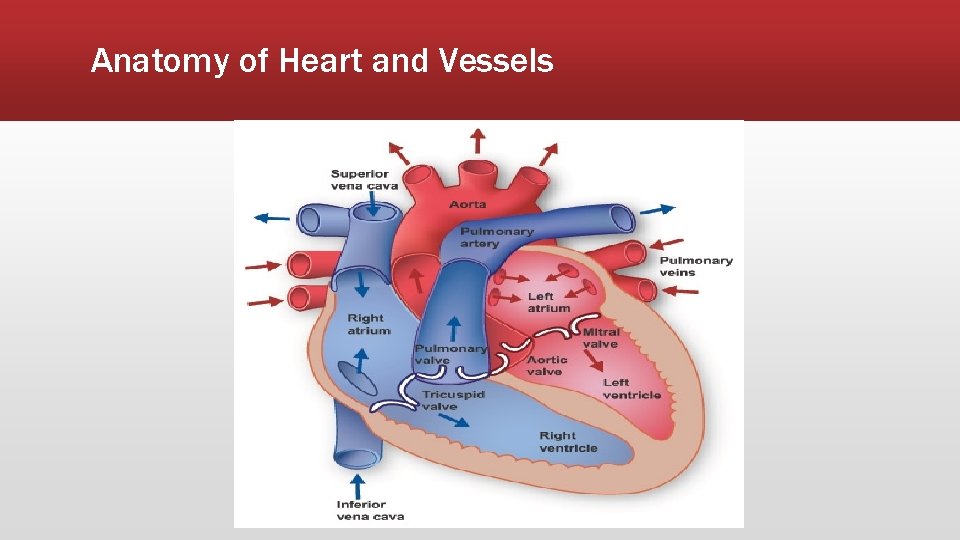
Anatomy of Heart and Vessels
valves ▪ AV valves ▪ Mitral and tricuspid ▪ Prevent regurgitation of blood back to atria during ventricular contractions ▪ Semilunar valves ▪ Pulmonic and aortic ▪ Open during systole, close during diastole
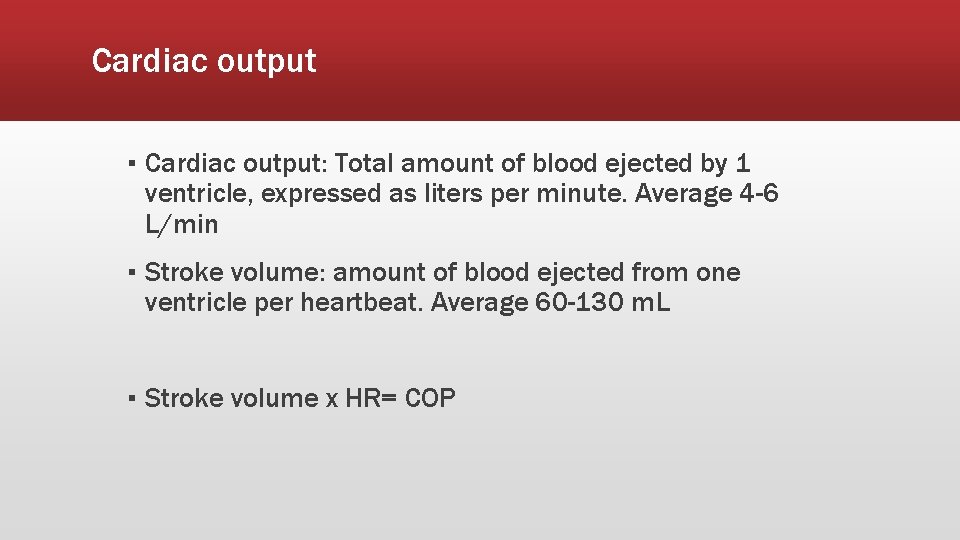
Cardiac output ▪ Cardiac output: Total amount of blood ejected by 1 ventricle, expressed as liters per minute. Average 4 -6 L/min ▪ Stroke volume: amount of blood ejected from one ventricle per heartbeat. Average 60 -130 m. L ▪ Stroke volume x HR= COP
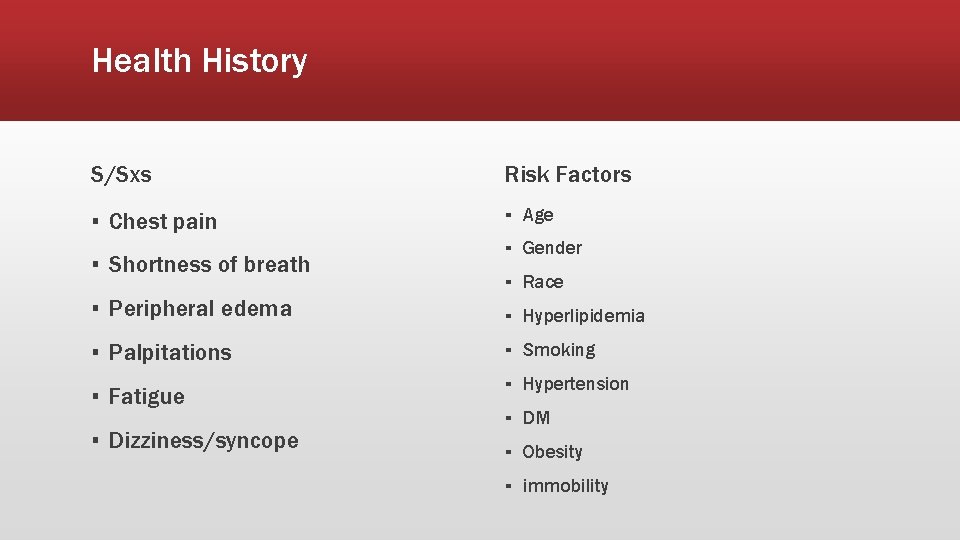
Health History S/Sxs Risk Factors ▪ Chest pain ▪ Age ▪ Shortness of breath ▪ Gender ▪ Race ▪ Peripheral edema ▪ Hyperlipidemia ▪ Palpitations ▪ Smoking ▪ Fatigue ▪ Hypertension ▪ Dizziness/syncope ▪ DM ▪ Obesity ▪ immobility
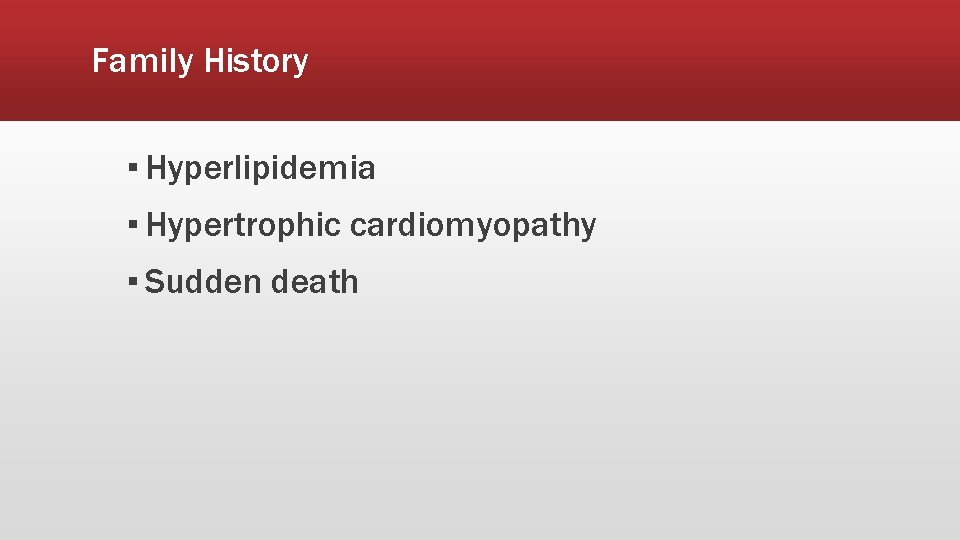
Family History ▪ Hyperlipidemia ▪ Hypertrophic cardiomyopathy ▪ Sudden death
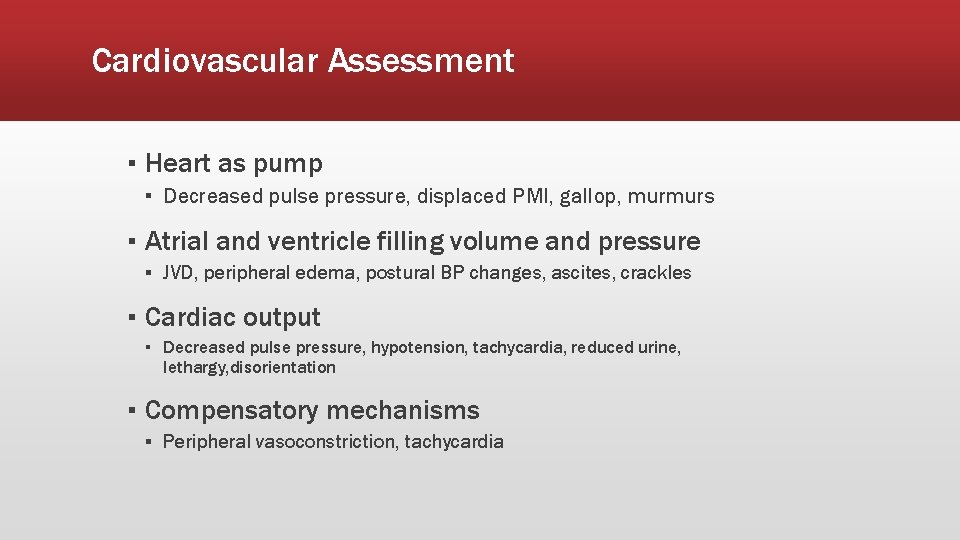
Cardiovascular Assessment ▪ Heart as pump ▪ Decreased pulse pressure, displaced PMI, gallop, murmurs ▪ Atrial and ventricle filling volume and pressure ▪ JVD, peripheral edema, postural BP changes, ascites, crackles ▪ Cardiac output ▪ Decreased pulse pressure, hypotension, tachycardia, reduced urine, lethargy, disorientation ▪ Compensatory mechanisms ▪ Peripheral vasoconstriction, tachycardia
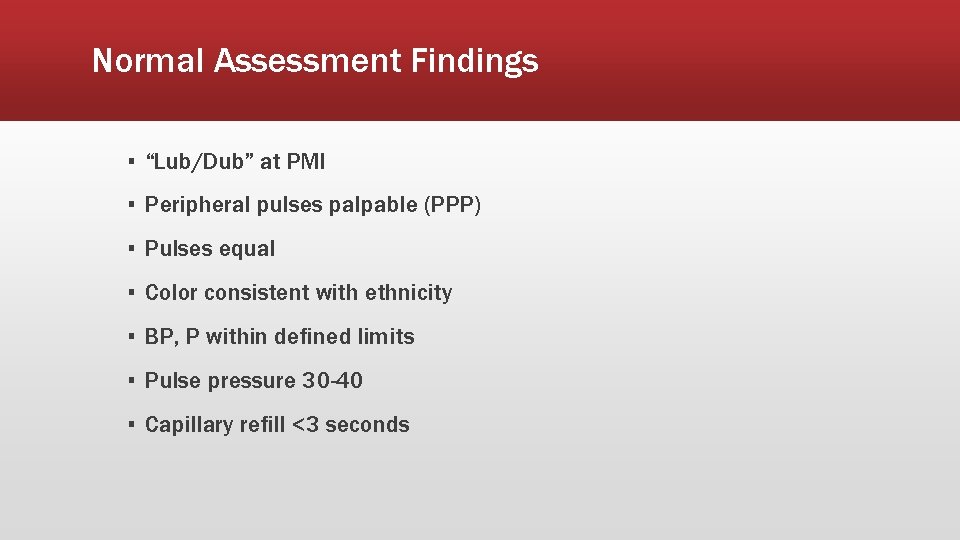
Normal Assessment Findings ▪ “Lub/Dub” at PMI ▪ Peripheral pulses palpable (PPP) ▪ Pulses equal ▪ Color consistent with ethnicity ▪ BP, P within defined limits ▪ Pulse pressure 30 -40 ▪ Capillary refill <3 seconds
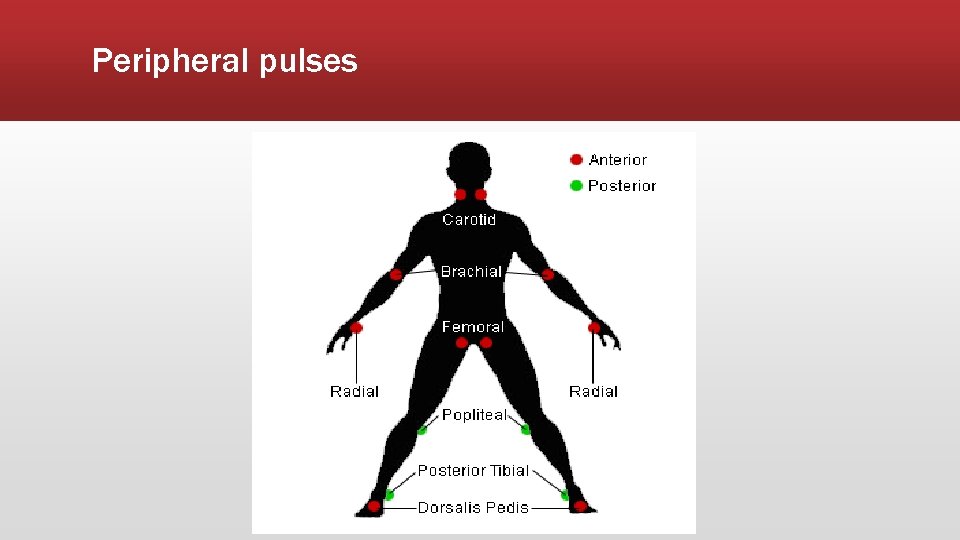
Peripheral pulses
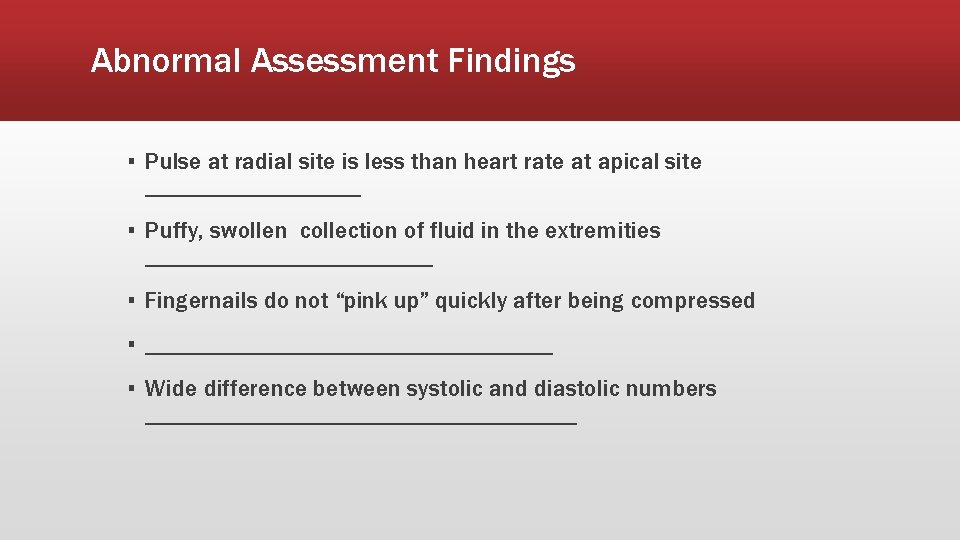
Abnormal Assessment Findings ▪ Pulse at radial site is less than heart rate at apical site _________ ▪ Puffy, swollen collection of fluid in the extremities ____________ ▪ Fingernails do not “pink up” quickly after being compressed ▪ _________________ ▪ Wide difference between systolic and diastolic numbers __________________
Abnormal Assessment Findings ▪ Decrease in skin color or whitish mucous membranes, conjunctiva or inner lips ________________ ▪ Reddish/ blue discoloration of legs when dependent __________________ ▪ Skin ulcers esp on legs ______________ ▪ Drop in systolic (20) or diastolic (10) pressures within 3 minutes of change of position __________________ ▪ Bulging of neck veins when patient is 45 -90 degrees upright _________________________
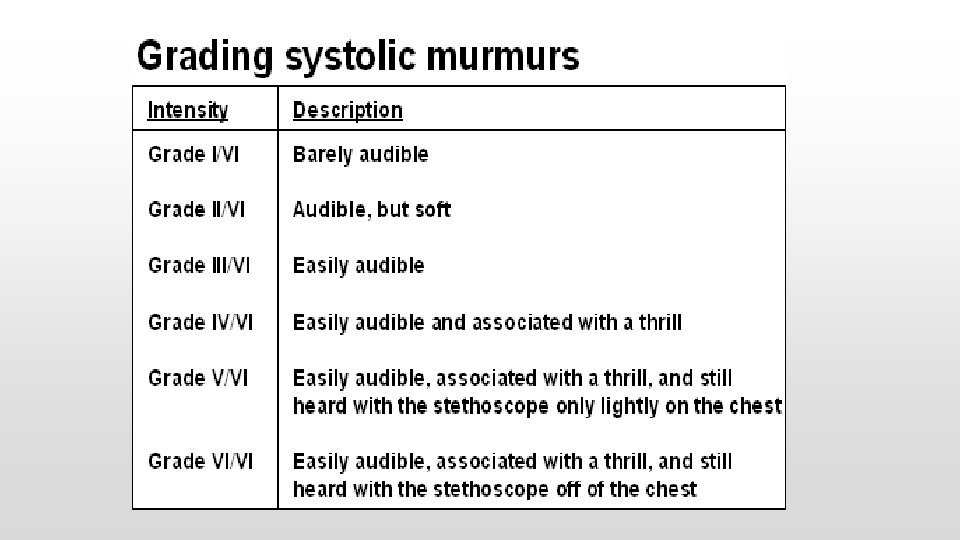
Abnormal Heart Sounds ▪ Gallops ▪ S 3 ▪ S 4 ▪ Snaps/Clicks ▪ Murmurs ▪ Location, intensity, timing, pitch, quality ▪ Thrill ▪ Friction Rub
LABS ASSOCIATED WITH CV ASSESSMENT ▪ CK, CK-MB ▪ MYOGLOBIN, TROPONIN, ▪ CHOLESTEROL HDL/LDL ▪ BRAIN NATRIURETIC PEPTIDE (BNP) ▪ C-REACTIVE PROTEIN
DIAGNOSTIC TESTS FOR CV ASSESSMENT ▪ CARDIAC CATHETERIZATION ▪ DESCRIPTION ▪ NURSING IMPLICATIONS ▪ ELECTROCARDIOGRAM (ECG OR EKG) ▪ DESCRIPTION ▪ NURSING IMPLICATIONS
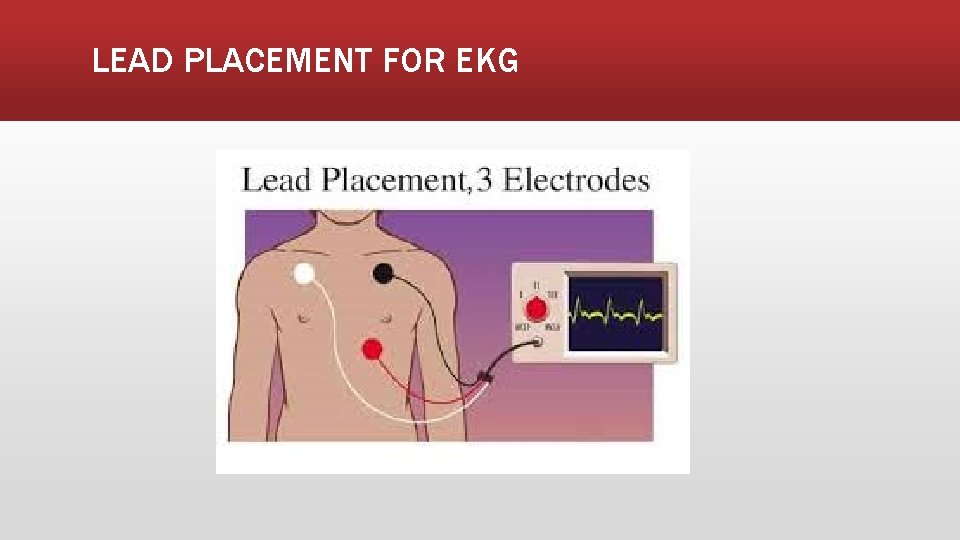
LEAD PLACEMENT FOR EKG
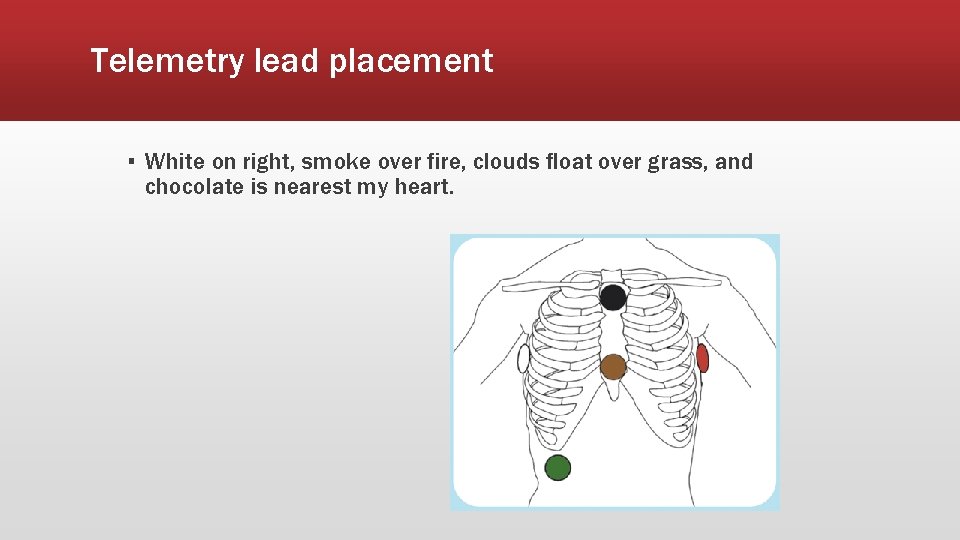
Telemetry lead placement ▪ White on right, smoke over fire, clouds float over grass, and chocolate is nearest my heart.