
CUSTOMER ANALYSIS BUILDING BLOCKS OF MARKETING Segmentation From
CUSTOMER ANALYSIS

BUILDING BLOCKS OF MARKETING Segmentation From this the target market is selected Positioning Defined by customers and is the place the product occupies in consumers’ minds These form the foundation for your marketing mix
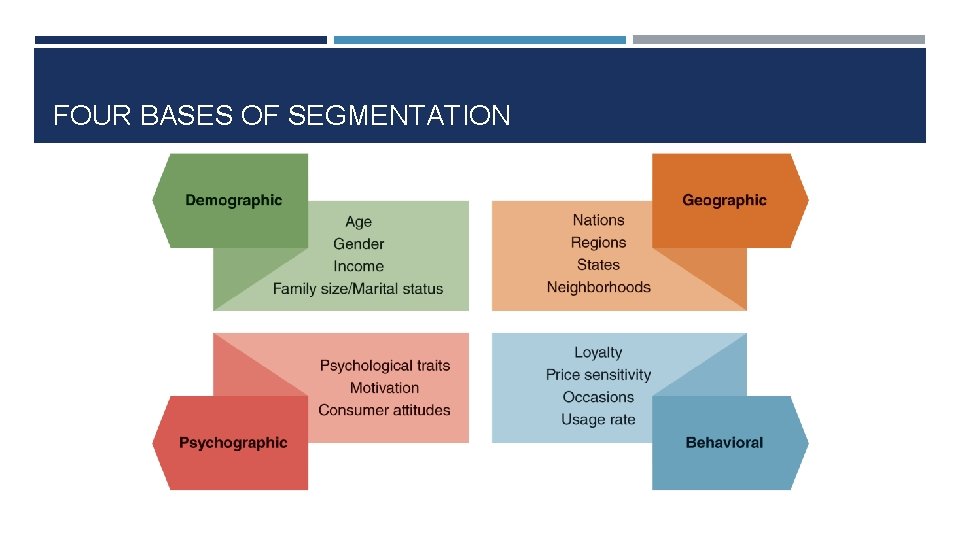
FOUR BASES OF SEGMENTATION
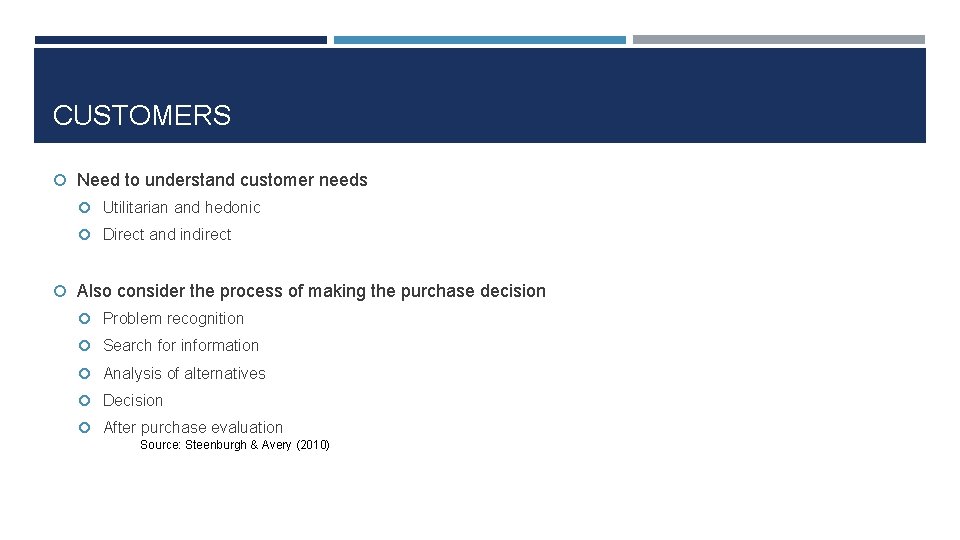
CUSTOMERS Need to understand customer needs Utilitarian and hedonic Direct and indirect Also consider the process of making the purchase decision Problem recognition Search for information Analysis of alternatives Decision After purchase evaluation Source: Steenburgh & Avery (2010)
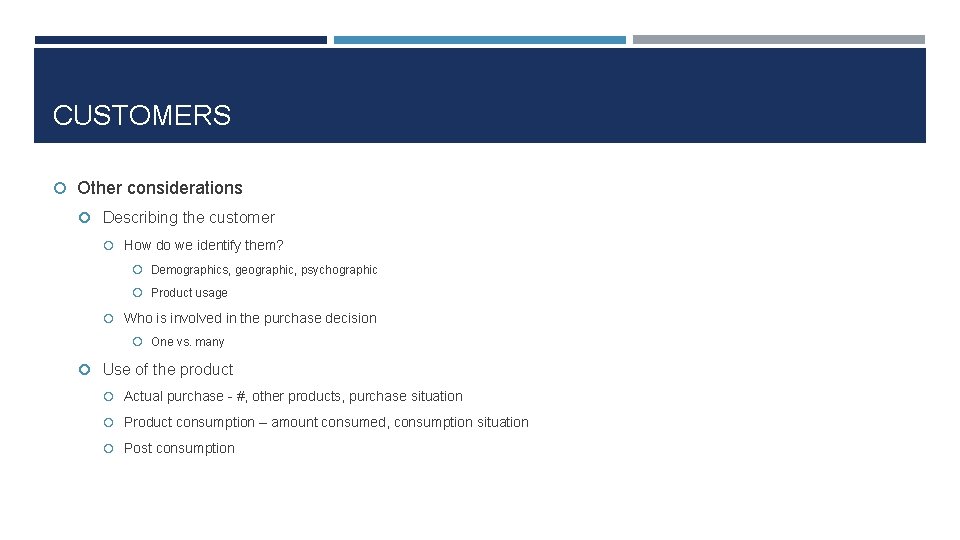
CUSTOMERS Other considerations Describing the customer How do we identify them? Demographics, geographic, psychographic Product usage Who is involved in the purchase decision One vs. many Use of the product Actual purchase - #, other products, purchase situation Product consumption – amount consumed, consumption situation Post consumption
CUSTOMERS Other considerations Purchase motivation Product’s competitive advantage Nature of the relationship (transaction vs. relational) Change in future needs Reasons they would not purchase Channels of distribution Retailers where product is purchased Trends within the industry Time of purchase Firm can drive sales with communication and promotion mix External considerations such as seasonality and competition
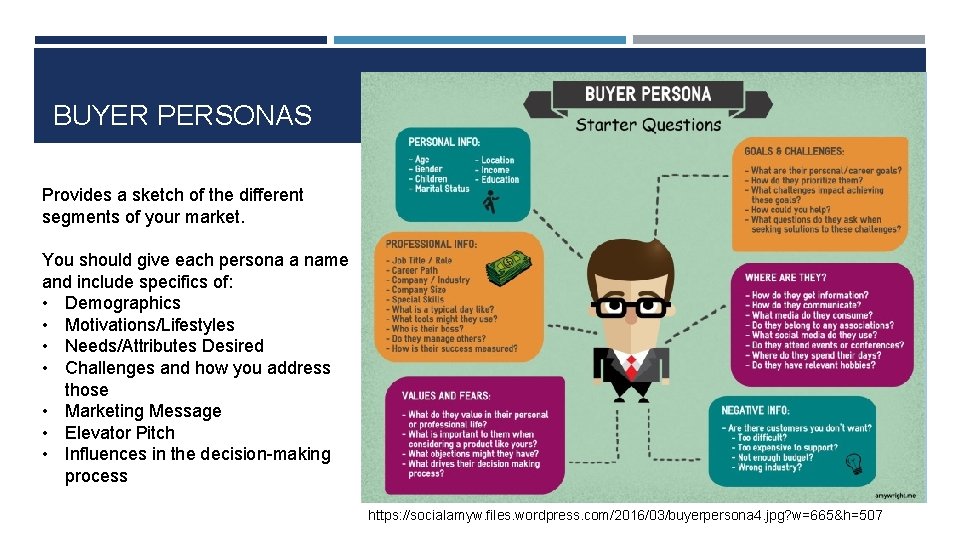
BUYER PERSONAS Provides a sketch of the different segments of your market. You should give each persona a name and include specifics of: • Demographics • Motivations/Lifestyles • Needs/Attributes Desired • Challenges and how you address those • Marketing Message • Elevator Pitch • Influences in the decision-making process https: //socialamyw. files. wordpress. com/2016/03/buyerpersona 4. jpg? w=665&h=507
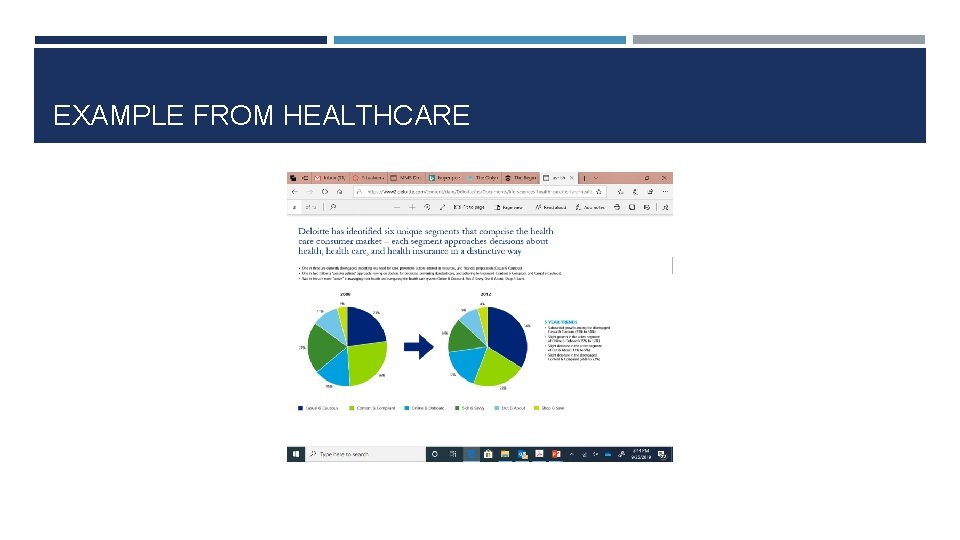
EXAMPLE FROM HEALTHCARE
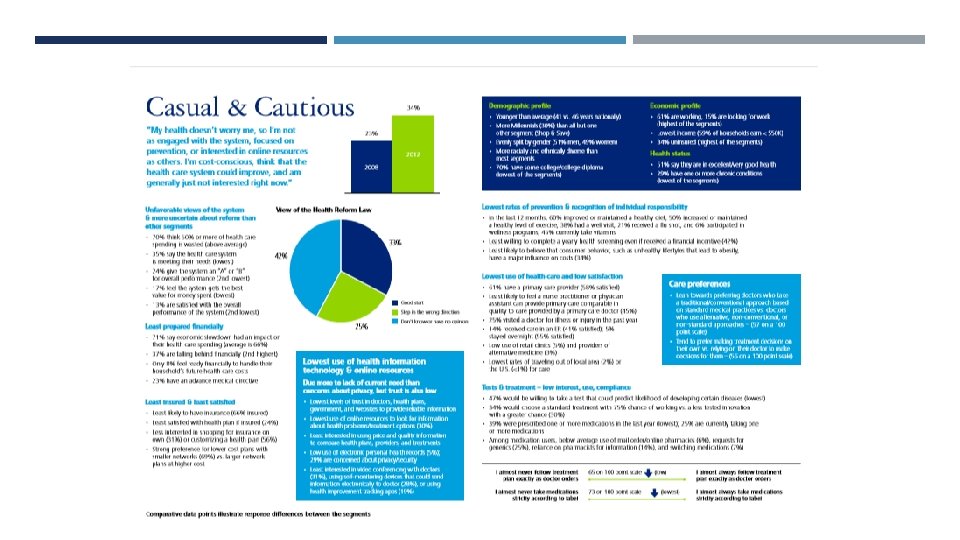
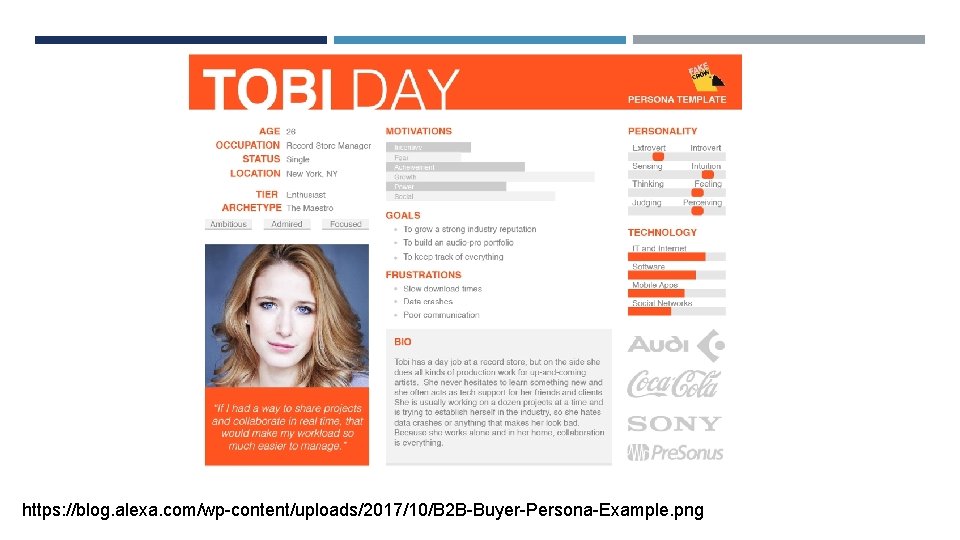
https: //blog. alexa. com/wp-content/uploads/2017/10/B 2 B-Buyer-Persona-Example. png
EVALUATION AND SELECTION OF TARGET MARKET Size Estimate potential sales volume within each potential segment Growth Segments that are growing are attractive Level of competition Capabilities match with the needs of the market
SELECTING THE TARGET MARKET Clearly define: Who is the target market? What are their needs? How can we identify them? What are their purchasing habits and preferences? How is the product consumed?
MARKET POSITIONING In order to determine market positioning, you must consider Distinctive competence Sustainable competitive advantage Once you determine positioning then you can tackle the other marketing elements Dynamic process
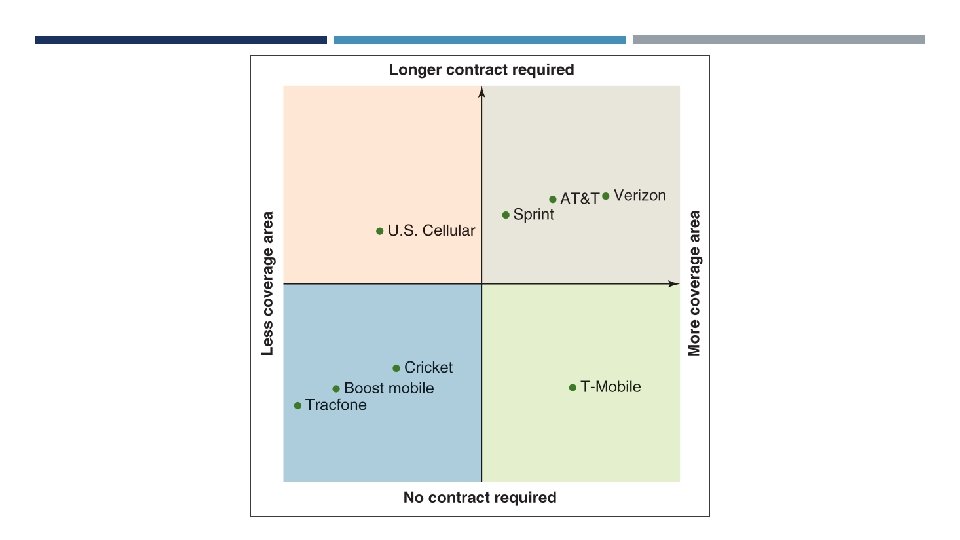
POSITIONING Firms must develop a positioning statement Customers will buy our product over competitor’s because: ________________ Think about the most compelling reasons Should demonstrate why the firm’s offering is different! Page 15
- Slides: 15