
Currents What is a current A streamlike movement
- Slides: 12
Currents
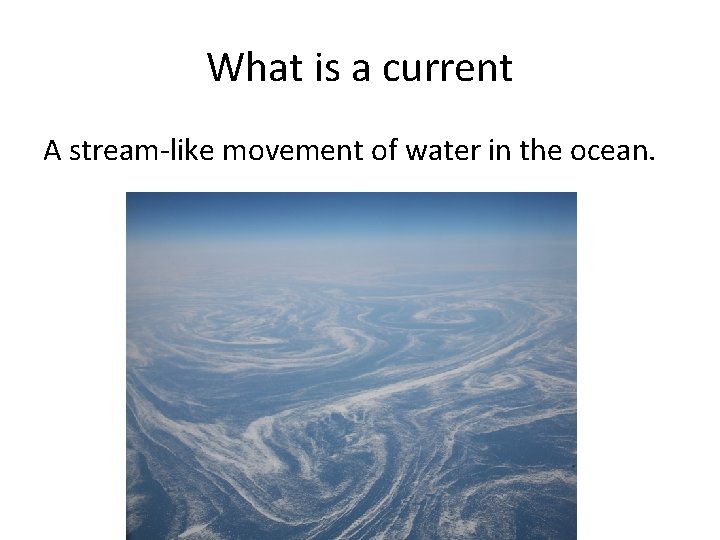
What is a current A stream-like movement of water in the ocean.
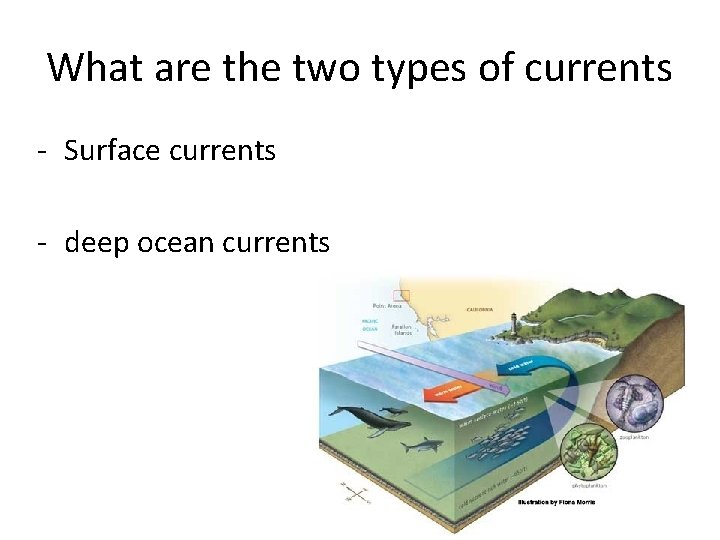
What are the two types of currents - Surface currents - deep ocean currents
Surface currents are caused by - Global winds – winds that blown across large areas - Continental deflections – when land gets in the way - The coriolis effect – the deflection of moving objects due to the rotation of the Earth.
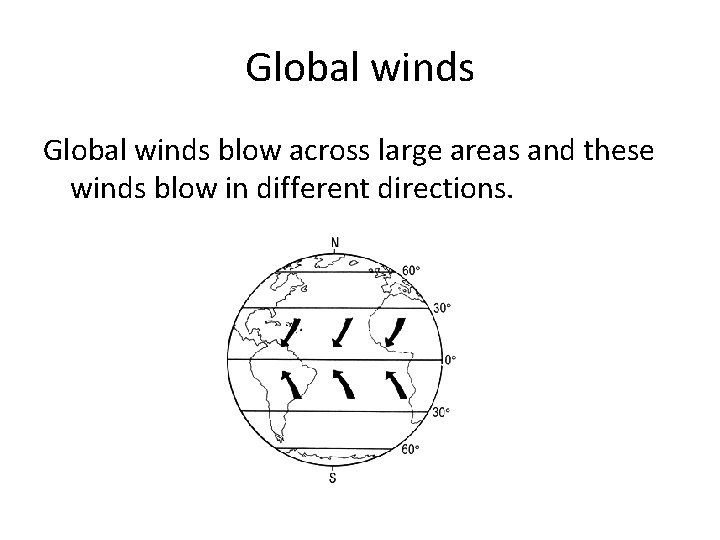
Global winds blow across large areas and these winds blow in different directions.
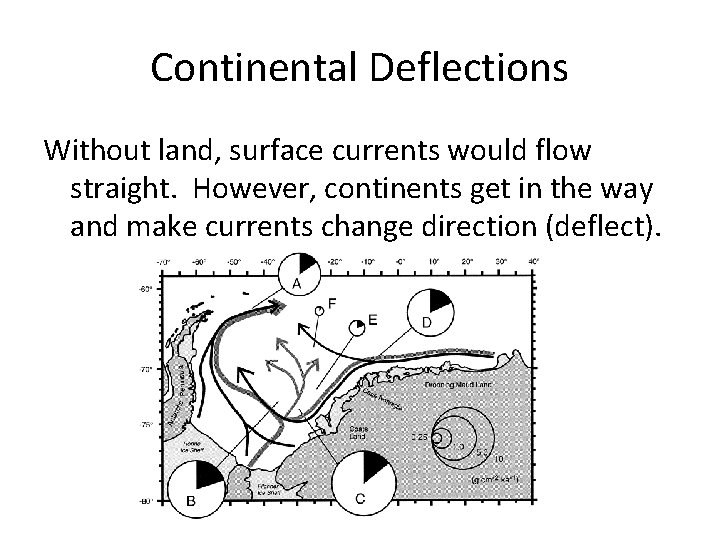
Continental Deflections Without land, surface currents would flow straight. However, continents get in the way and make currents change direction (deflect).
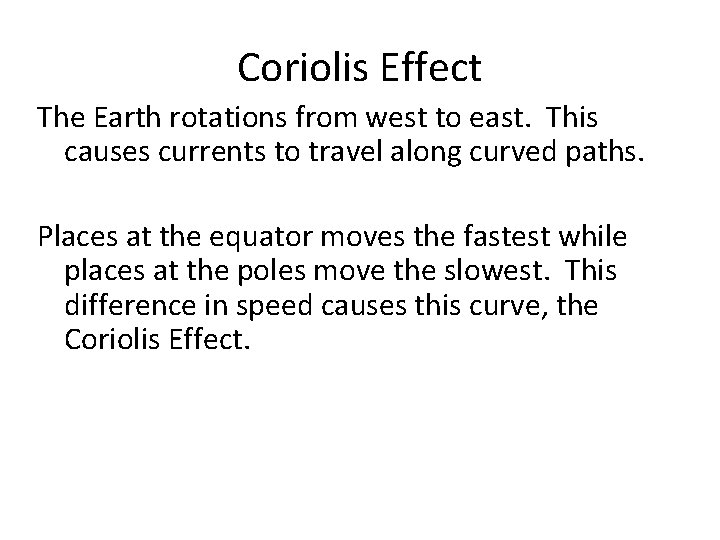
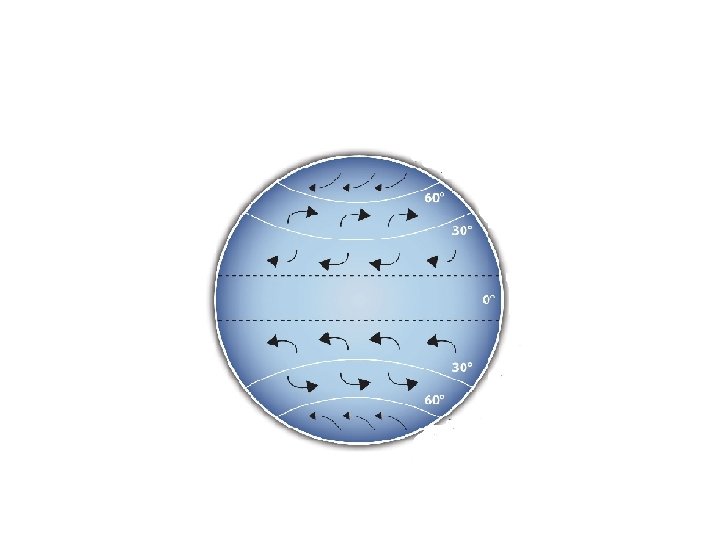
Coriolis Effect The Earth rotations from west to east. This causes currents to travel along curved paths. Places at the equator moves the fastest while places at the poles move the slowest. This difference in speed causes this curve, the Coriolis Effect.
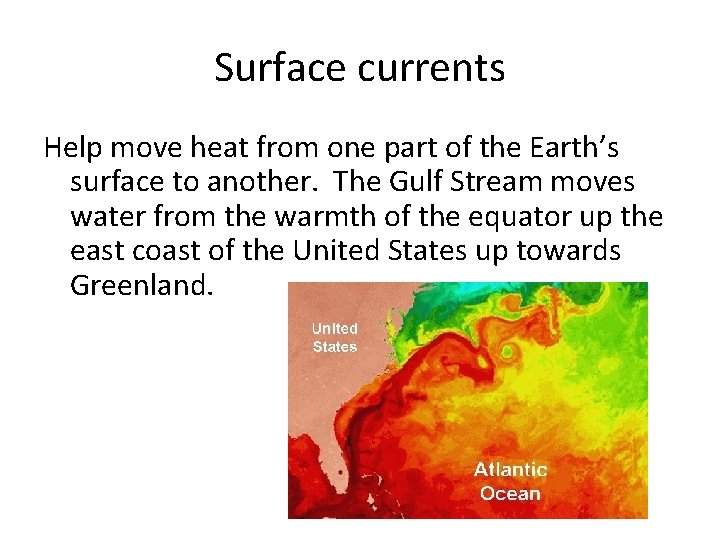
Surface currents Help move heat from one part of the Earth’s surface to another. The Gulf Stream moves water from the warmth of the equator up the east coast of the United States up towards Greenland.
Deep Currents Movements of ocean water far below the surface. These currents form when water becomes denser and sinks toward the bottom. There are three ways density can increase:
Density can increase - Decreasing temperature – colder water is denser water - Increased salinity through freezing – water is frozen so there is more salt in the existing water so it is denser - Increasing salinity through evaporation – water evaporates so there is more salt in the existing water so it is denser
Why do most deep currents form near the poles? 1) The water at the poles are colder so they sink. 2) More cold water pushes this water toward the equator 3) This water warms up, rises and moves toward the poles