
Current Python Science USGS and Collaborators Brian J
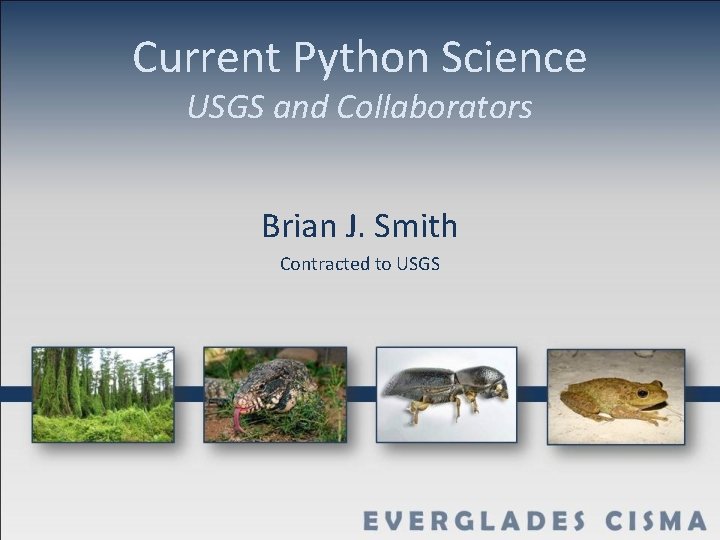
Current Python Science USGS and Collaborators Brian J. Smith Contracted to USGS
3 Updates • USGS in Davie • USGS in Everglades National Park • Collaborators in SW Florida
USGS in Davie Kristen Hart, Mike Cherkiss, Brian Smith, Thomas Selby, Andrew Crowder, Hayley Crowell Summer interns Devon Nemire-Pepe and Luke Stevens
Current Projects Telemetry and “Judas” Snakes Diet Impacts to Native Fauna e. DNA Testing New Biologging Tools Python Facility in Davie
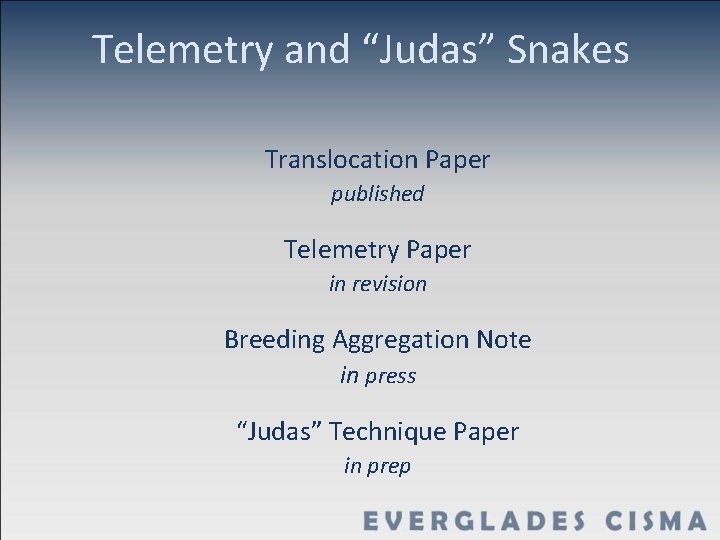
Telemetry and “Judas” Snakes Translocation Paper published Telemetry Paper in revision Breeding Aggregation Note in press “Judas” Technique Paper in prep
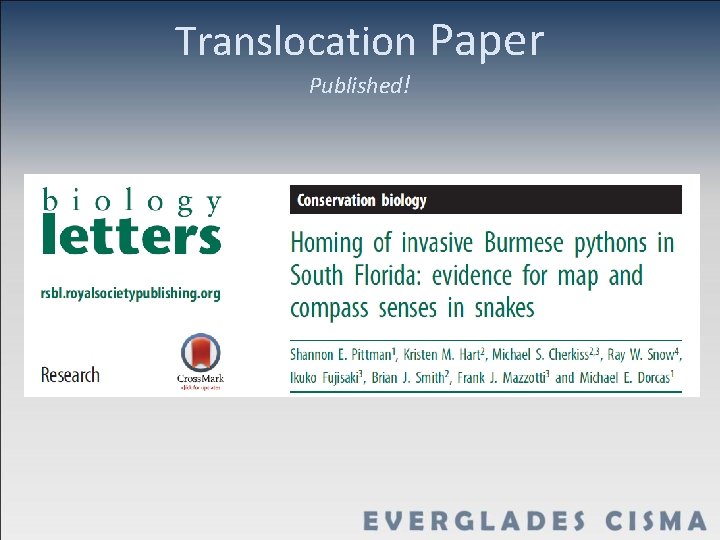
Translocation Paper Published!
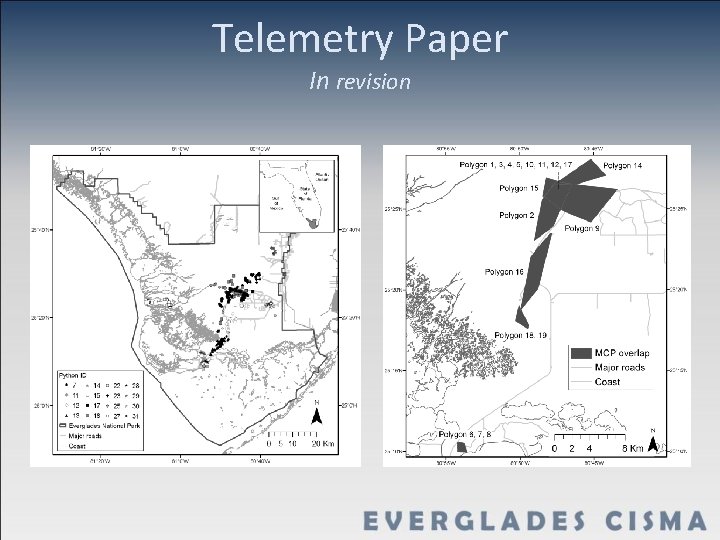
Telemetry Paper In revision
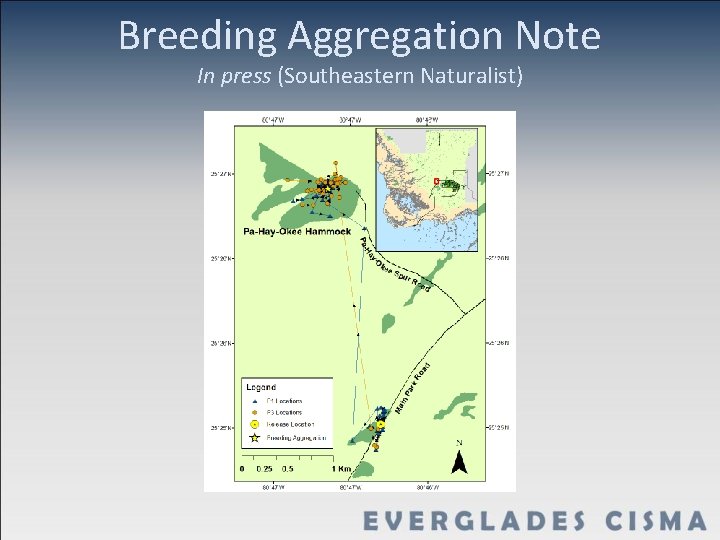
Breeding Aggregation Note In press (Southeastern Naturalist)
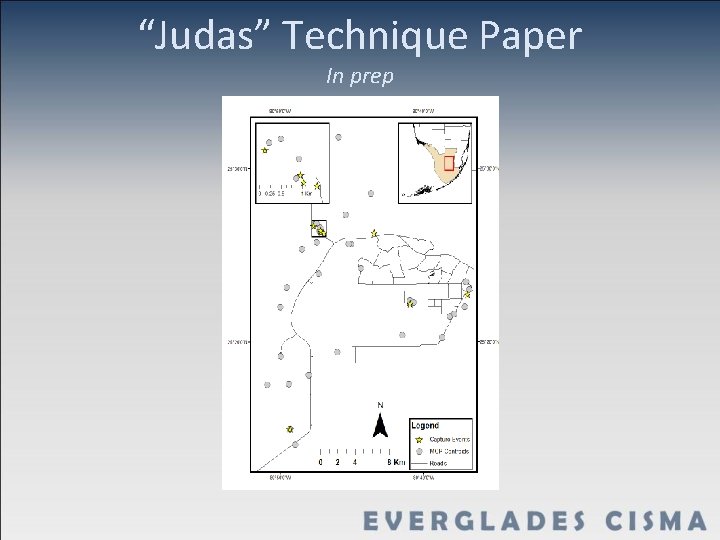
“Judas” Technique Paper In prep
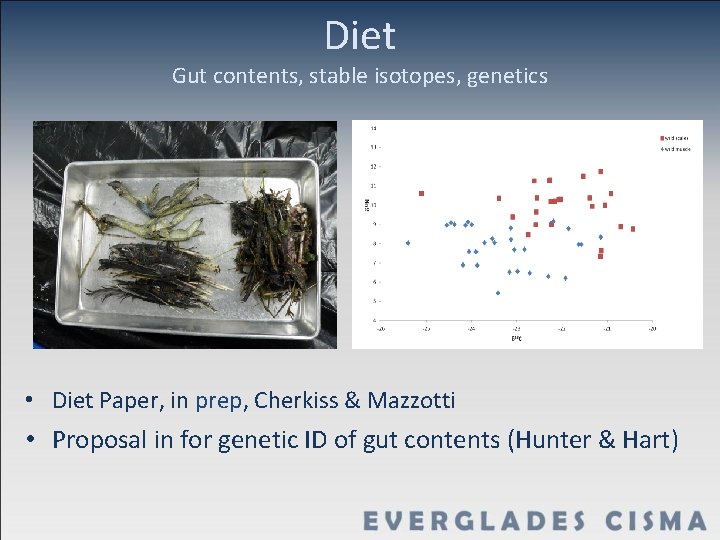
Diet Gut contents, stable isotopes, genetics • Diet Paper, in prep, Cherkiss & Mazzotti • Proposal in for genetic ID of gut contents (Hunter & Hart)
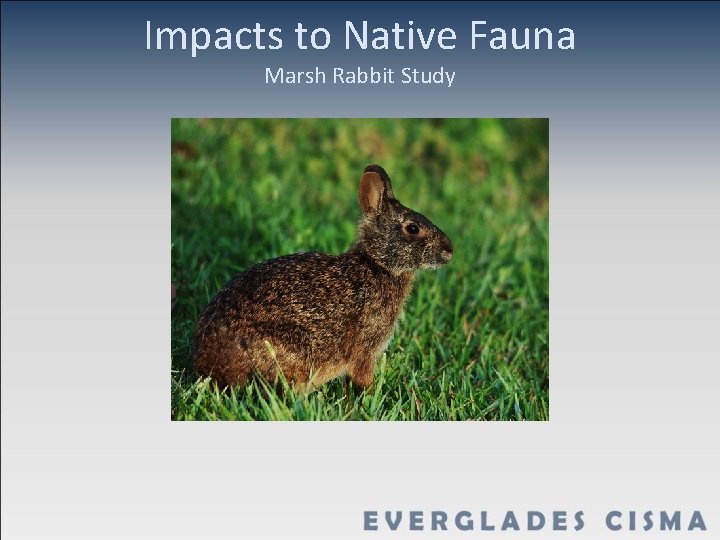
Impacts to Native Fauna Marsh Rabbit Study
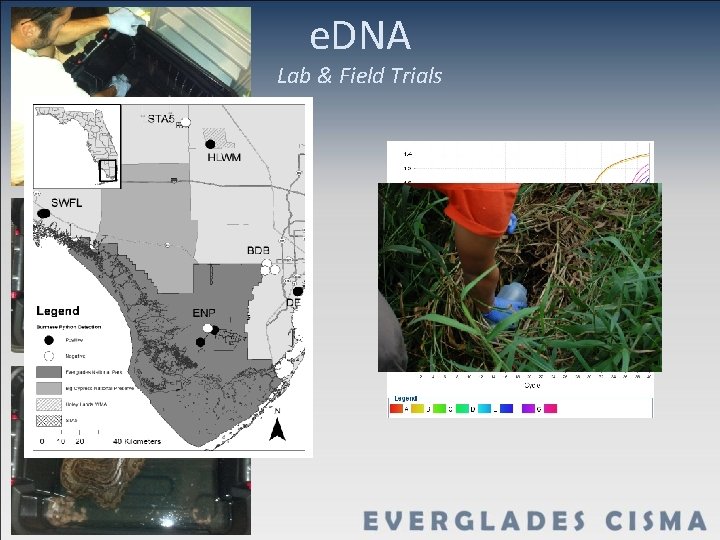
e. DNA Lab & Field Trials
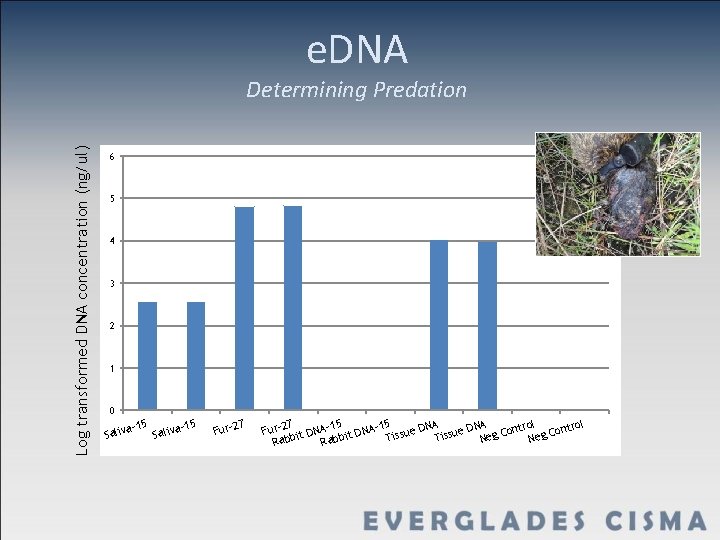
e. DNA Log transformed DNA concentration (ng/ul) Determining Predation 6 5 4 3 2 1 0 a-15 aliva-15 Saliv S 7 2 Fur- A A ol ol 27 15 15 Fur- it DNA- issue DN eg Contr T T N N Rabb
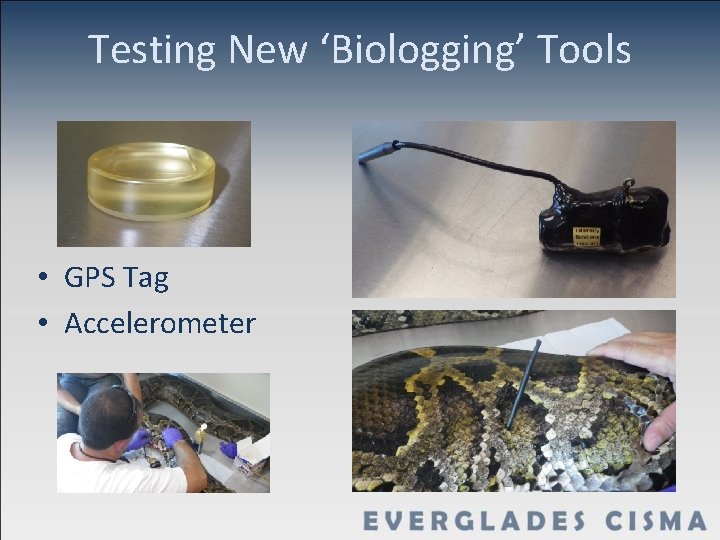
Testing New ‘Biologging’ Tools • GPS Tag • Accelerometer

GPS Tags
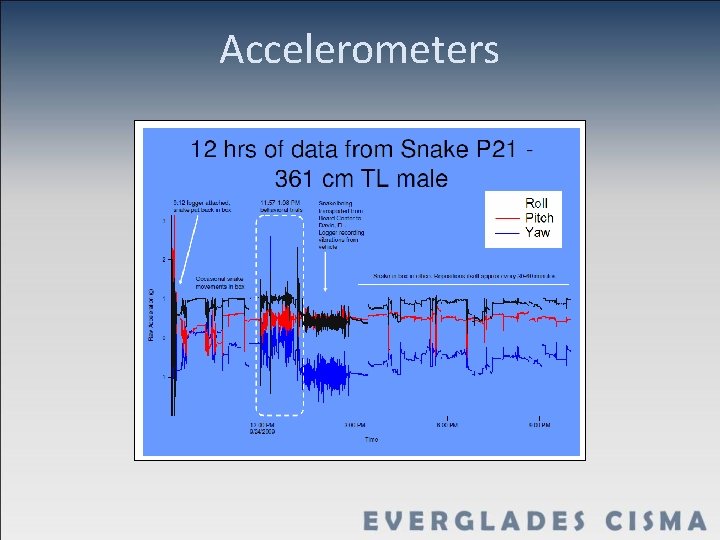
Accelerometers
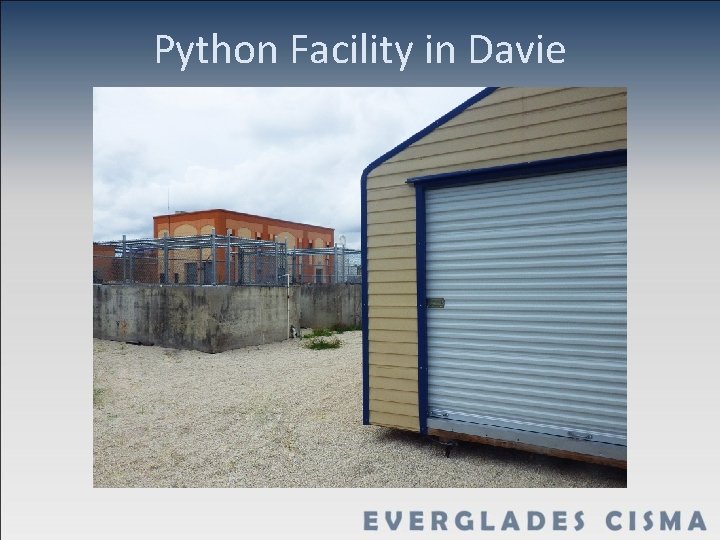
Python Facility in Davie
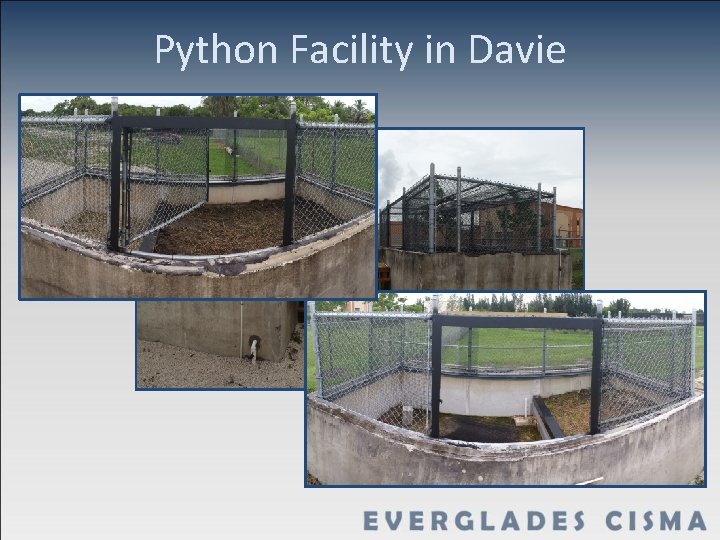
Python Facility in Davie
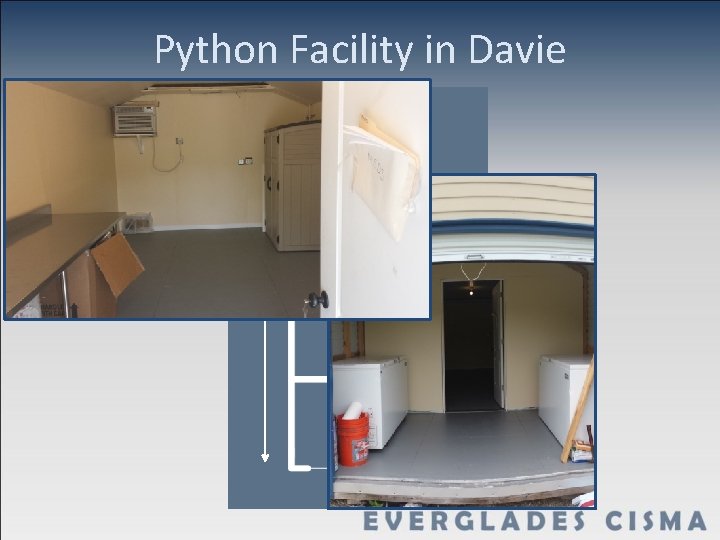
Python Facility in Davie 12 ft 30 ft 7. 5 ft
USGS in ENP Bob Reed (Ft. Collins) Bryan Falk, Michelle Mc. Eachern
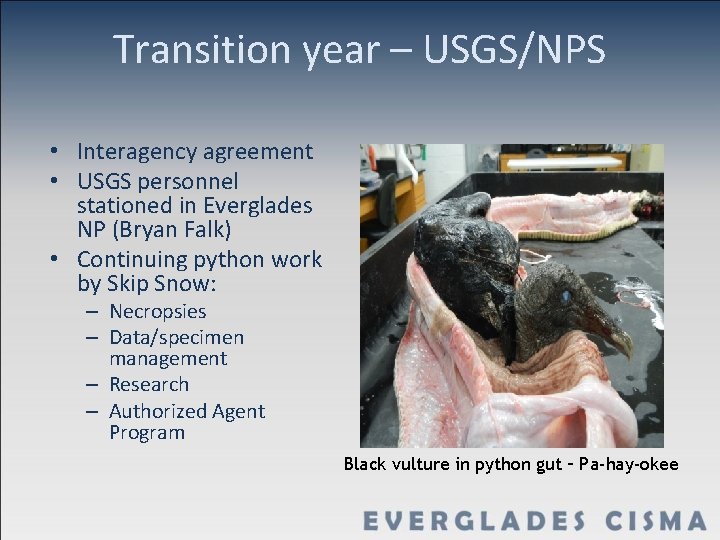
Transition year – USGS/NPS • Interagency agreement • USGS personnel stationed in Everglades NP (Bryan Falk) • Continuing python work by Skip Snow: – Necropsies – Data/specimen management – Research – Authorized Agent Program Black vulture in python gut – Pa-hay-okee
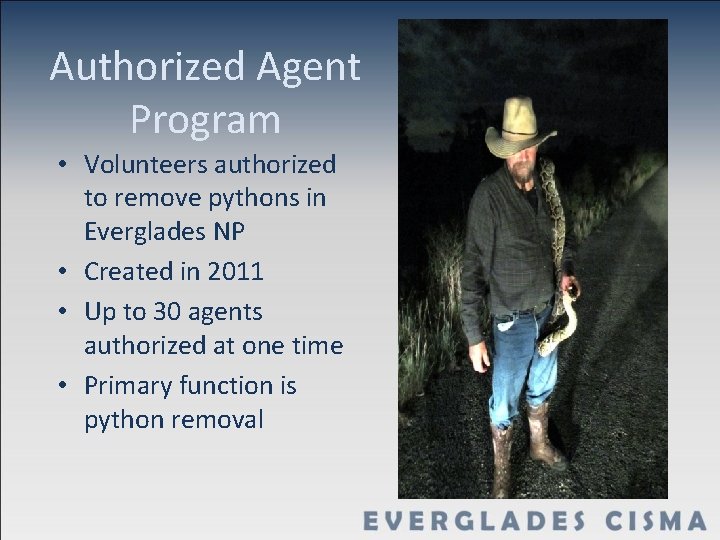
Authorized Agent Program • Volunteers authorized to remove pythons in Everglades NP • Created in 2011 • Up to 30 agents authorized at one time • Primary function is python removal
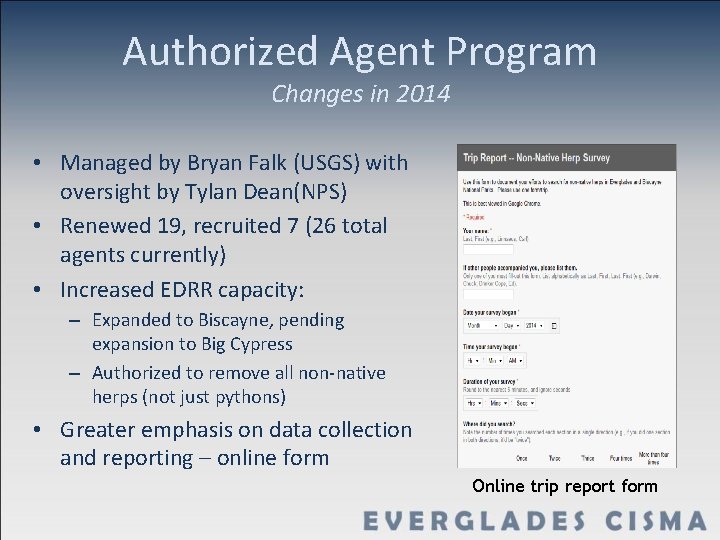
Authorized Agent Program Changes in 2014 • Managed by Bryan Falk (USGS) with oversight by Tylan Dean(NPS) • Renewed 19, recruited 7 (26 total agents currently) • Increased EDRR capacity: – Expanded to Biscayne, pending expansion to Big Cypress – Authorized to remove all non-native herps (not just pythons) • Greater emphasis on data collection and reporting – online form Online trip report form
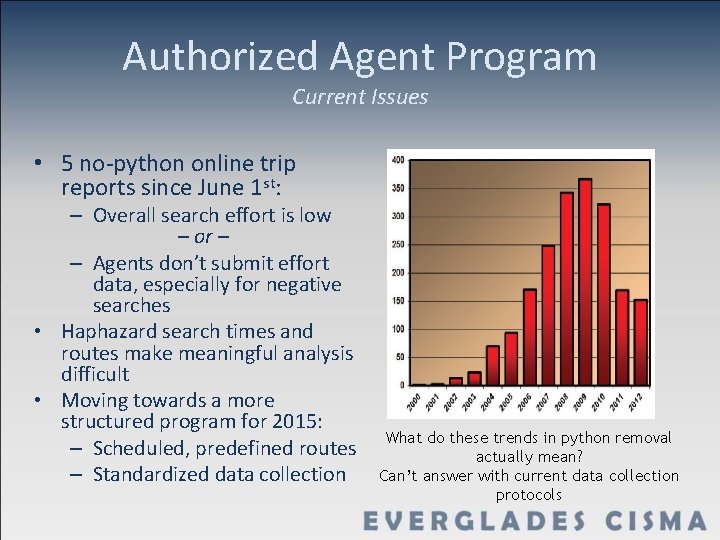
Authorized Agent Program Current Issues • 5 no-python online trip reports since June 1 st: – Overall search effort is low – or – – Agents don’t submit effort data, especially for negative searches • Haphazard search times and routes make meaningful analysis difficult • Moving towards a more structured program for 2015: – Scheduled, predefined routes – Standardized data collection What do these trends in python removal actually mean? Can’t answer with current data collection protocols
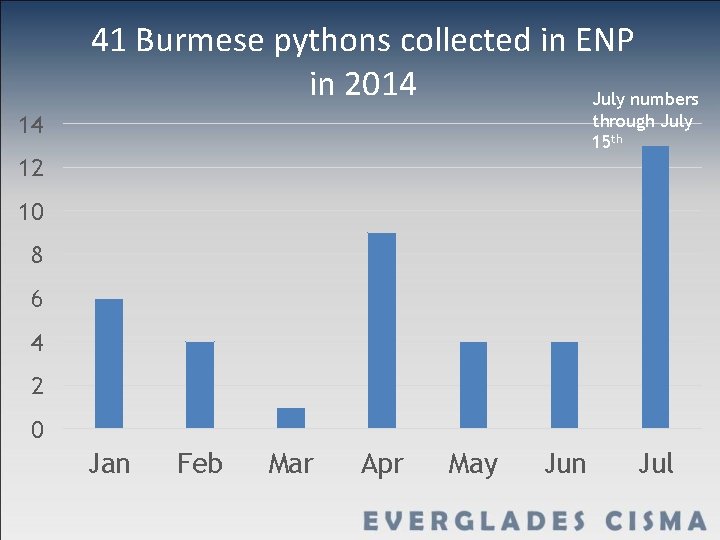
41 Burmese pythons collected in ENP in 2014 July numbers through July 15 th 14 12 10 8 6 4 2 0 Jan Feb Mar Apr May Jun Jul
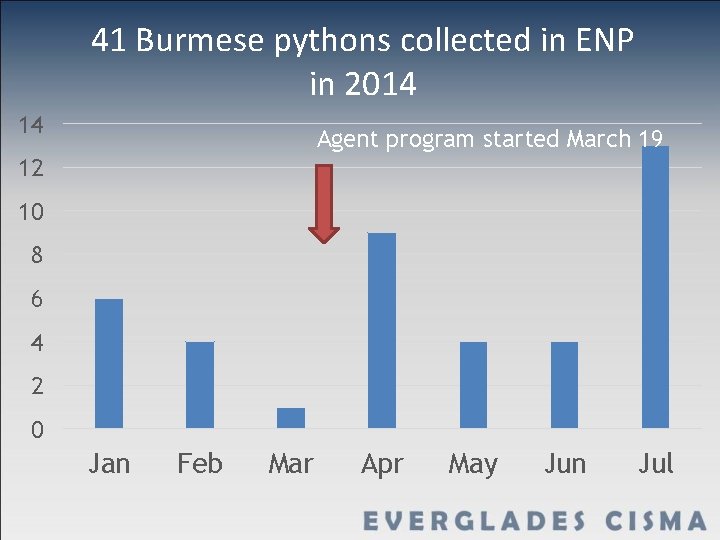
41 Burmese pythons collected in ENP in 2014 14 Agent program started March 19 12 10 8 6 4 2 0 Jan Feb Mar Apr May Jun Jul
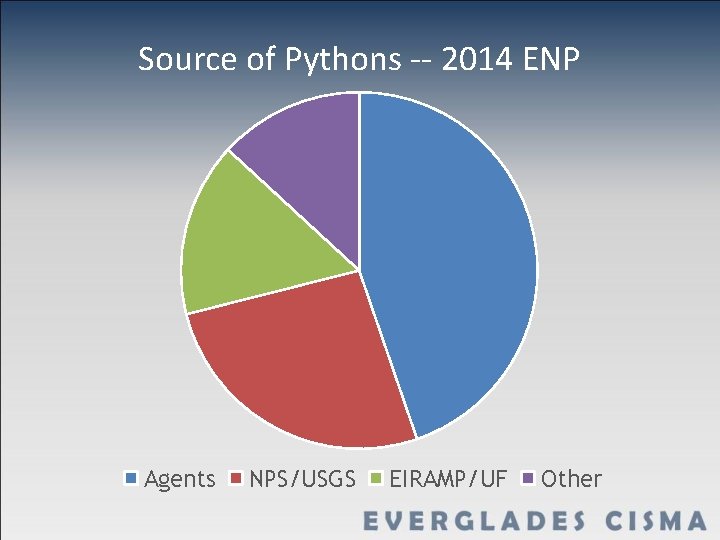
Source of Pythons -- 2014 ENP Agents NPS/USGS EIRAMP/UF Other
Collaborators in SW Florida Paul Andreadis (Denison University) Ian Bartosek (Conservancy of SW Florida)
Questions?
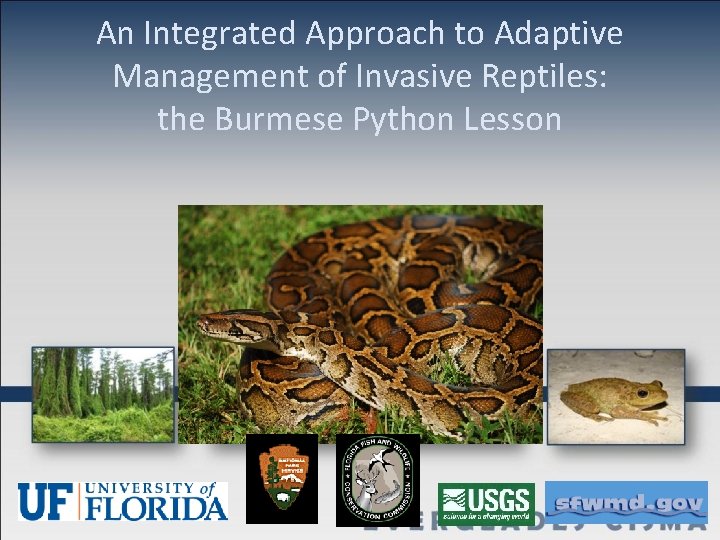
An Integrated Approach to Adaptive Management of Invasive Reptiles: the Burmese Python Lesson
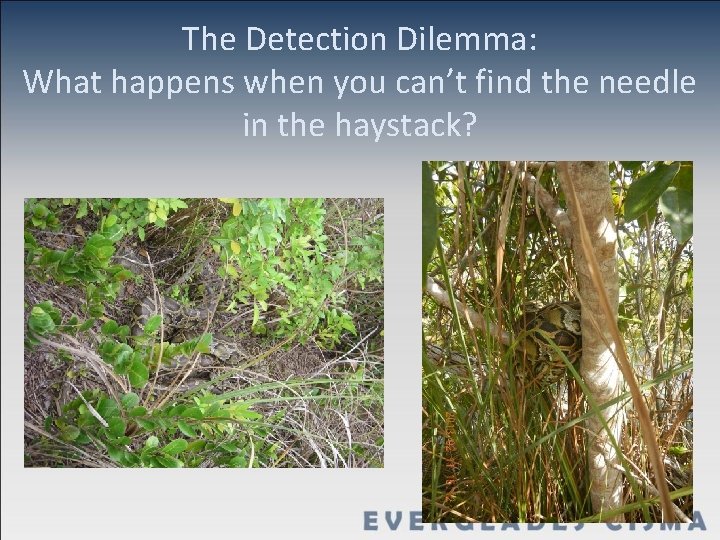
The Detection Dilemma: What happens when you can’t find the needle in the haystack?
What is detection? Why is it important? Can we estimate it? How can we use it and improve it? What do we do next?
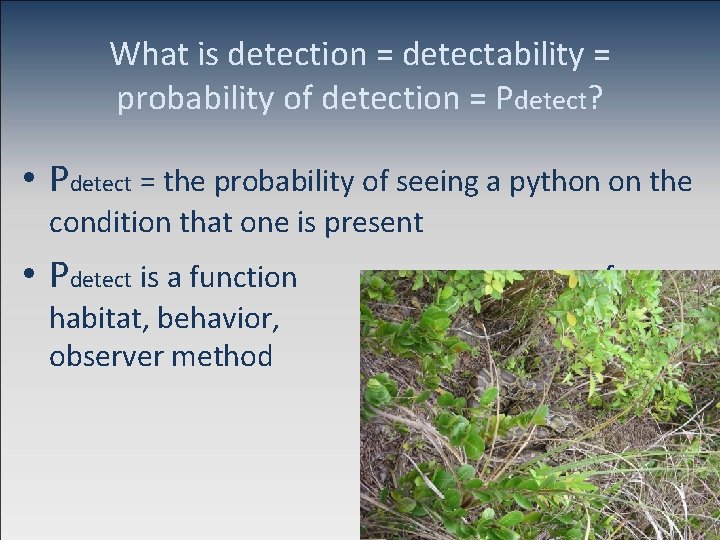
What is detection = detectability = probability of detection = Pdetect? • Pdetect = the probability of seeing a python on the condition that one is present • Pdetect is a function habitat, behavior, observer method of and skill
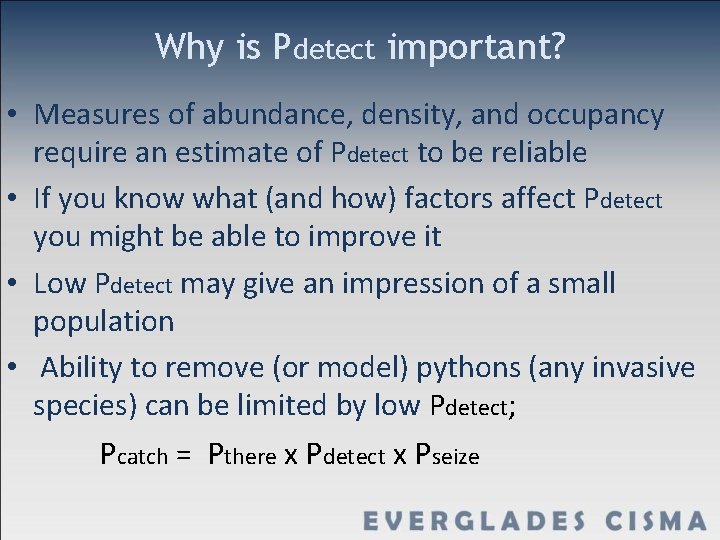
Why is Pdetect important? • Measures of abundance, density, and occupancy require an estimate of Pdetect to be reliable • If you know what (and how) factors affect Pdetect you might be able to improve it • Low Pdetect may give an impression of a small population • Ability to remove (or model) pythons (any invasive species) can be limited by low Pdetect; Pcatch = Pthere x Pdetect x Pseize
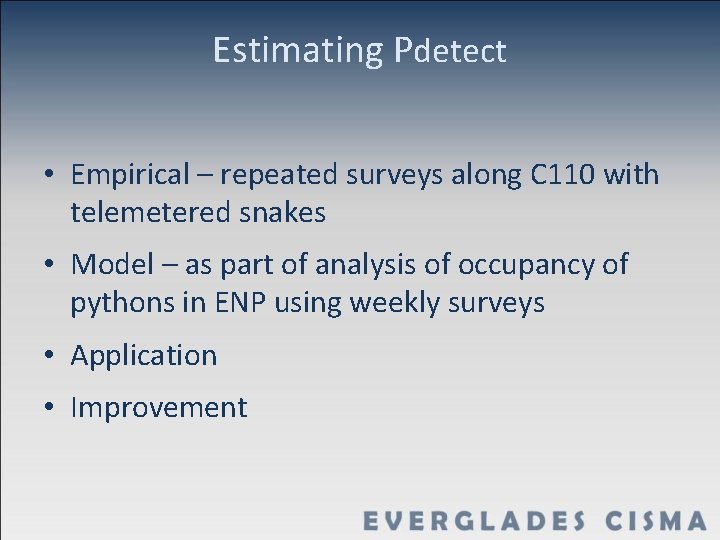
Estimating Pdetect • Empirical – repeated surveys along C 110 with telemetered snakes • Model – as part of analysis of occupancy of pythons in ENP using weekly surveys • Application • Improvement
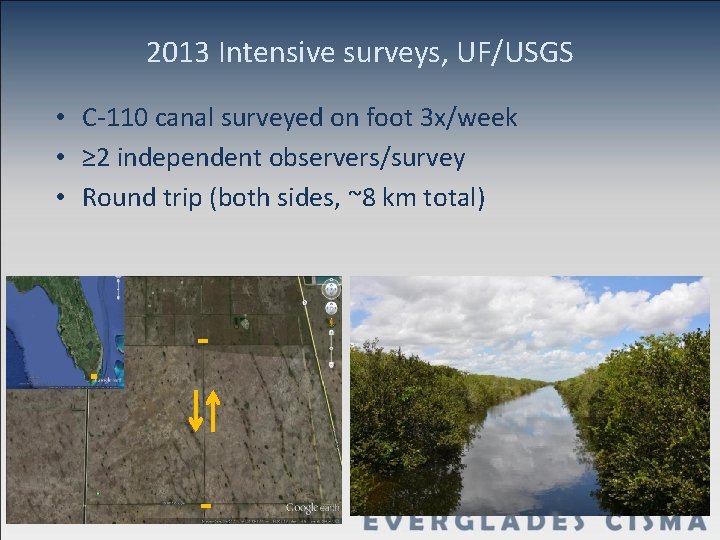
2013 Intensive surveys, UF/USGS • C-110 canal surveyed on foot 3 x/week • ≥ 2 independent observers/survey • Round trip (both sides, ~8 km total)
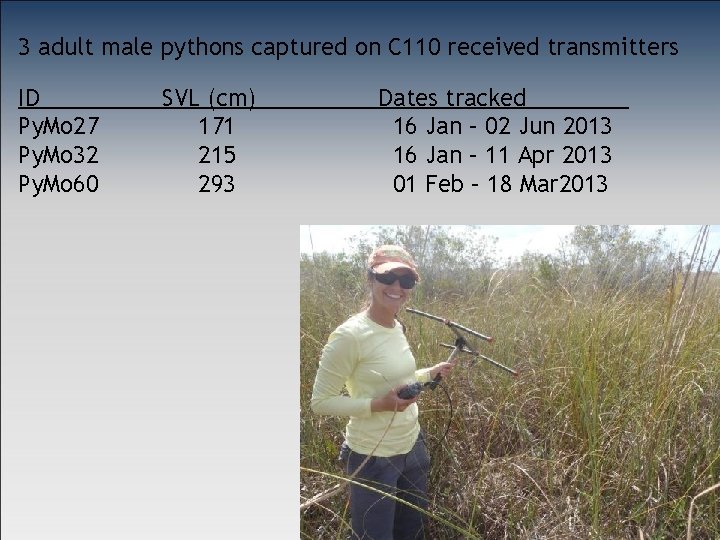
3 adult male pythons captured on C 110 received transmitters ID Py. Mo 27 Py. Mo 32 Py. Mo 60 SVL (cm) 171 215 293 Dates tracked 16 Jan – 02 Jun 2013 16 Jan – 11 Apr 2013 01 Feb – 18 Mar 2013
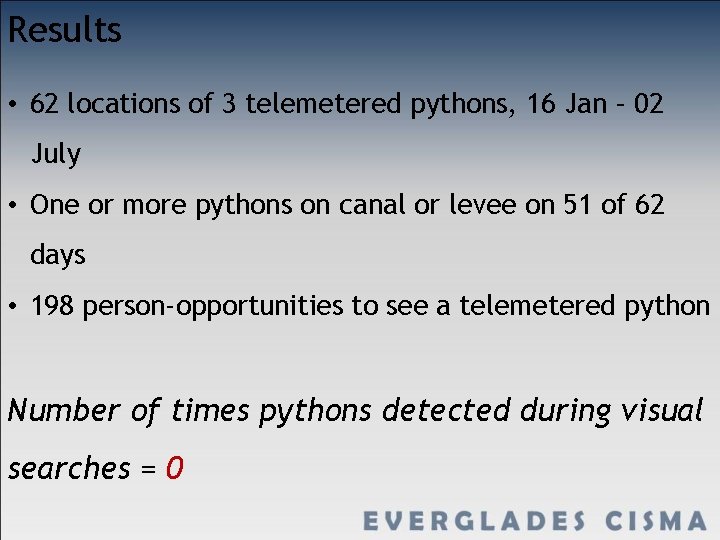
Results • 62 locations of 3 telemetered pythons, 16 Jan – 02 July • One or more pythons on canal or levee on 51 of 62 days • 198 person-opportunities to see a telemetered python Number of times pythons detected during visual searches = 0
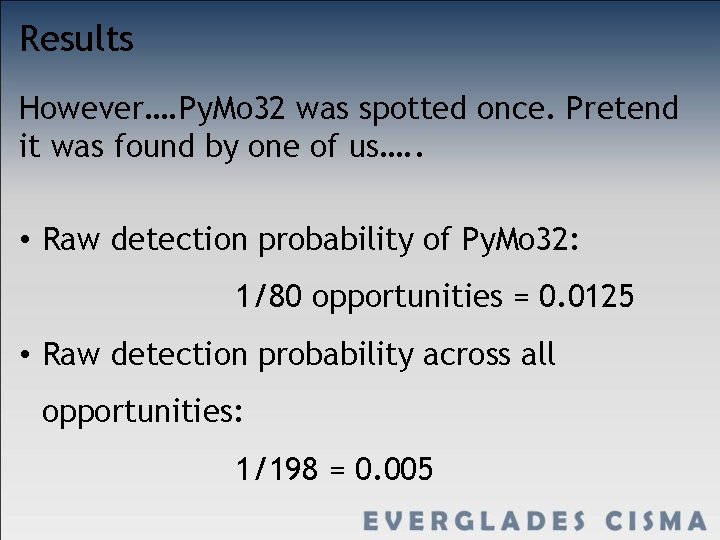
Results However…. Py. Mo 32 was spotted once. Pretend it was found by one of us…. . • Raw detection probability of Py. Mo 32: 1/80 opportunities = 0. 0125 • Raw detection probability across all opportunities: 1/198 = 0. 005
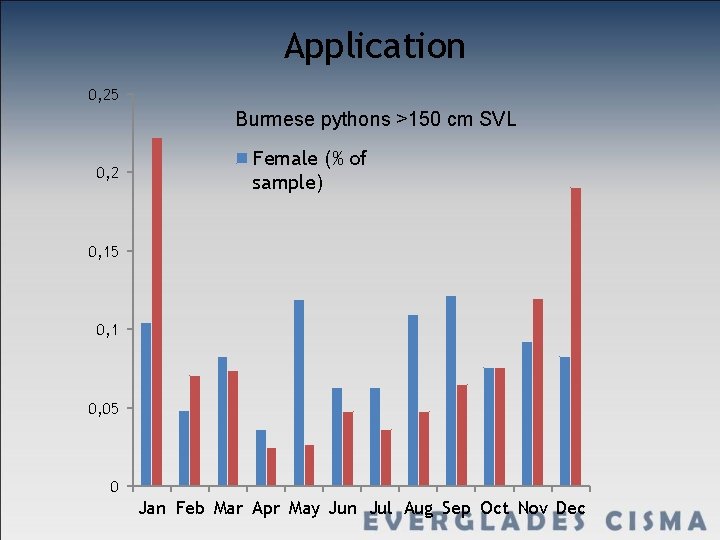
Application 0, 25 Burmese pythons >150 cm SVL 0, 2 Female (% of sample) 0, 15 0, 1 0, 05 0 Jan Feb Mar Apr May Jun Jul Aug Sep Oct Nov Dec
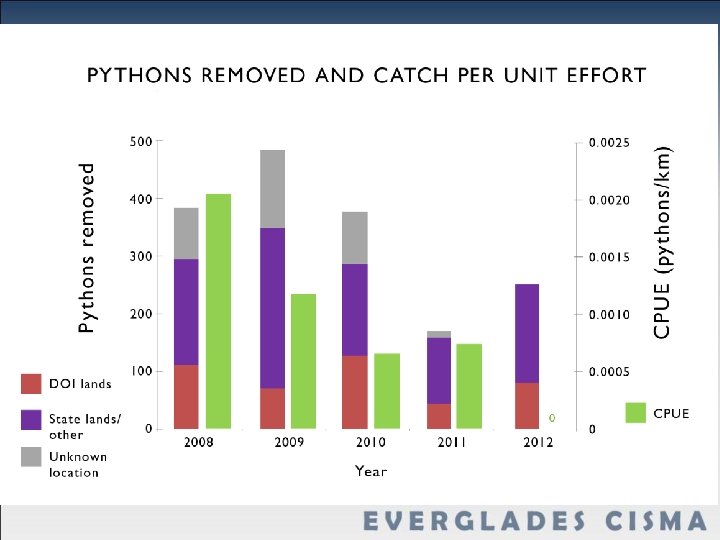
EIRAMP Occupancy Modeling – UF/USGS • Weekly surveys main ENP road at dusk were conducted 2008 – 2011 • To model detection we held occupancy constant and modeled detection as a function of temperature and time of day • Pdetect averaged 0. 0054 (0. 0030 -0. 0096) • Does this mean that Pdetect for python is 0. 005? NO! It does mean that Pdetect is very low (<0. 01). So low that we need to be concerned about bias in our results.
Findings and Next Steps • Just because you can estimate Pdetect doesn’t mean you can use it to model abundance, density, or occupancy • We need to improve Pdetect for pythons for modeling, management, and monitoring • More than just doing more surveys – refine surveys by location, season, time, weather, and method, under natural conditions
Findings and Next Steps • We don't have a model to deal adequately with low Pdetect • We need a new model, a new sampling method, or both • We need to do comparative studies with other invasive reptiles. Tegus are more detectable. What does this mean for modeling, management, and monitoring? • What happens when you can find the needle in the haystack?
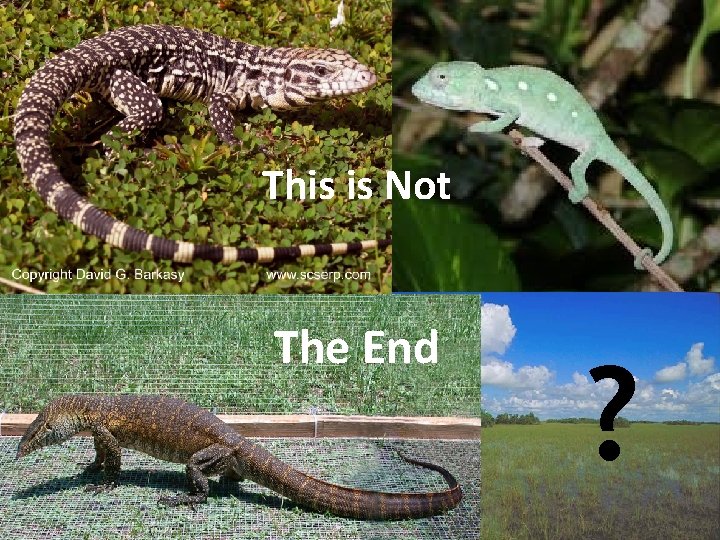
This is Not The End ?
- Slides: 45