
Curing Concrete Design and Control of Concrete Mixtures

- Slides: 21
Curing Concrete Design and Control of Concrete Mixtures – Chapter 15
Overview n Curing basics n Curing methods and materials n Curing period and temperature n Sealing compounds
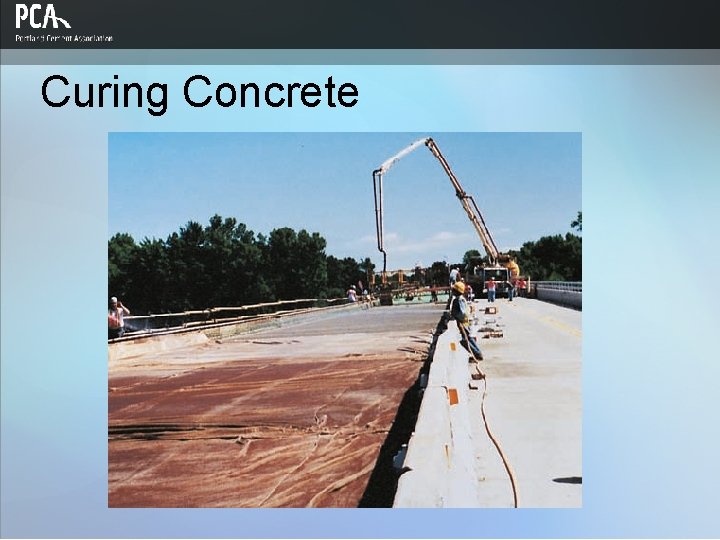
Curing Concrete
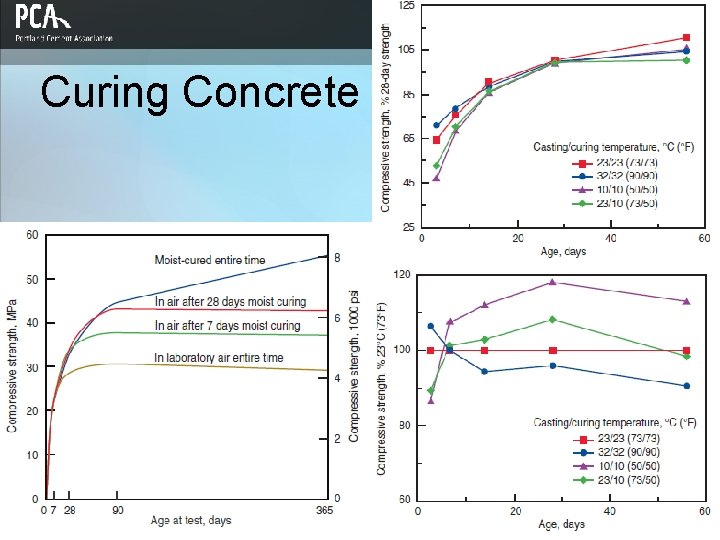
Curing Concrete
Curing Methods and Materials n Supplying additional moisture n Replaces moisture lost to hydration and evaporation n Sealing in mix water n Prevents evaporation losses n Accelerating curing n Supplying moisture and heat to accelerate strength gain
Ponding and Immersion n Ponding – dikes around perimeter retain water on surface n An ideal method to prevent moisture loss and uniform temperature n Intensive labor and supervision n Immersion – submerging cast element in water n Most thorough method of curing n Commonly used in laboratory settings
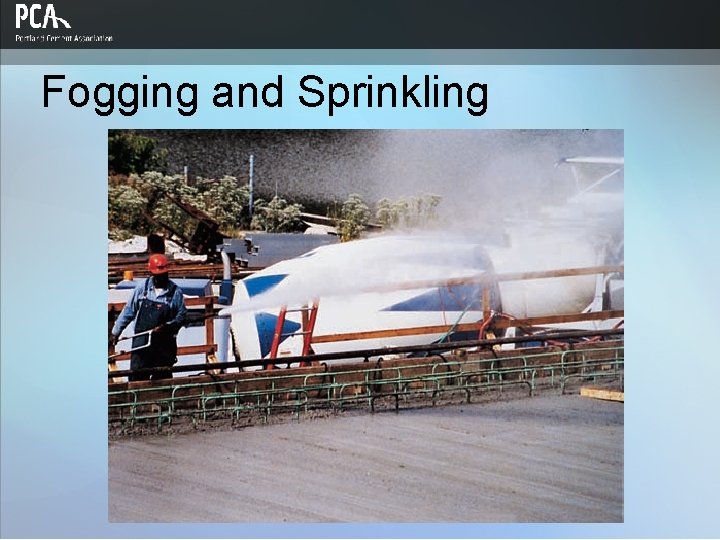
Fogging and Sprinkling
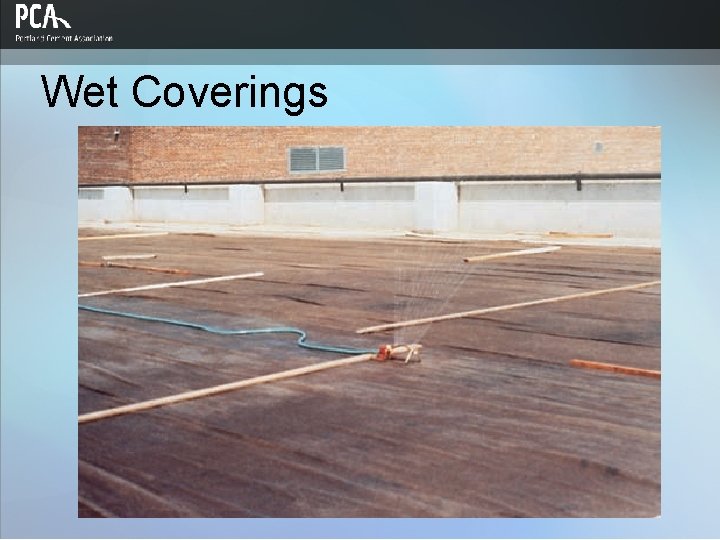
Wet Coverings
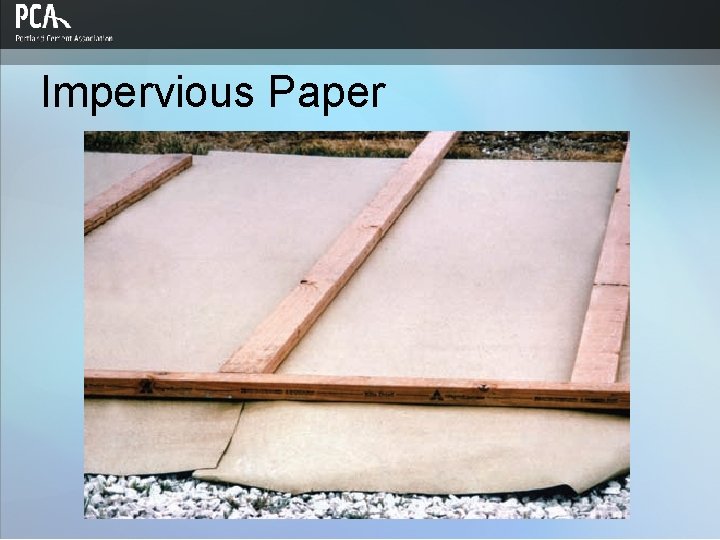
Impervious Paper
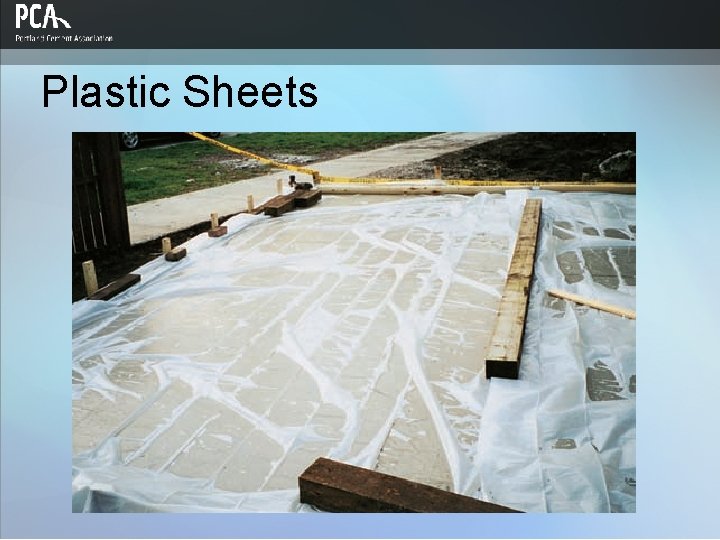
Plastic Sheets
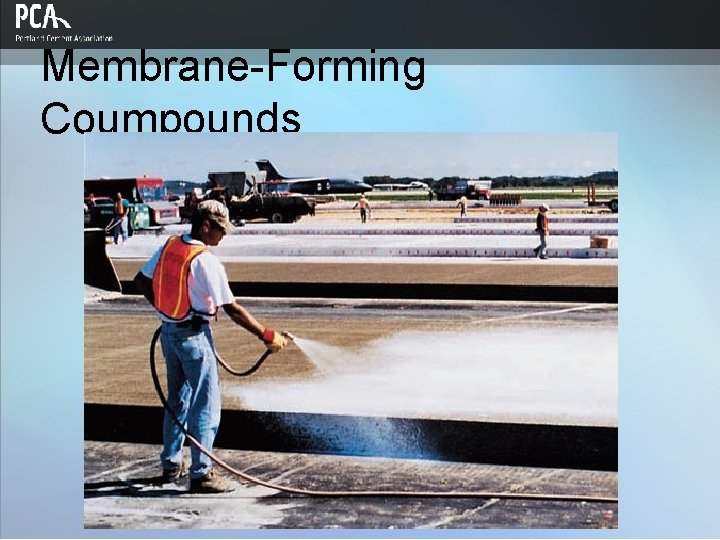
Membrane-Forming Coumpounds
Internal Curing n Lightweight aggregates or superabsorbent polymers n Provide internal moisture source n Counteracts self-desiccation n Used in addition to external curing n Not suitable for counteracting evaporation losses n Extra drying time needed for moisturesensitive applications
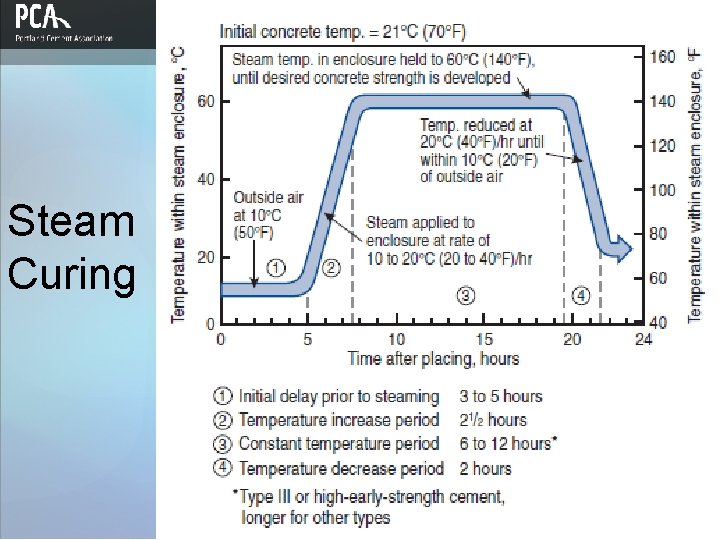
Steam Curing
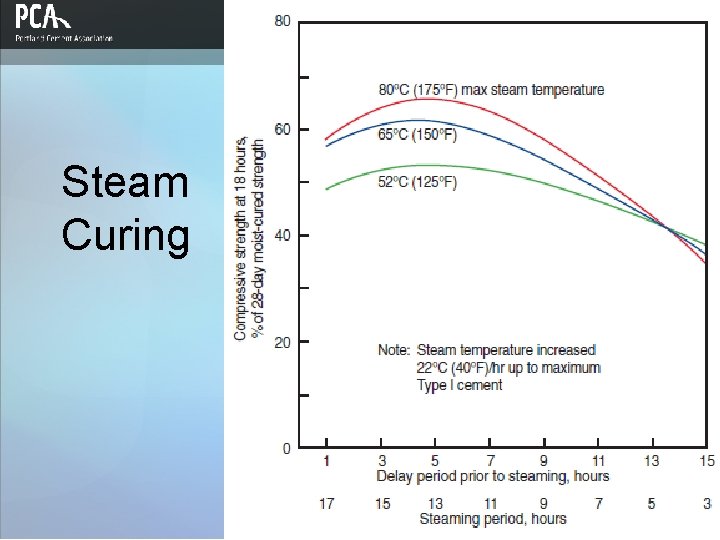
Steam Curing
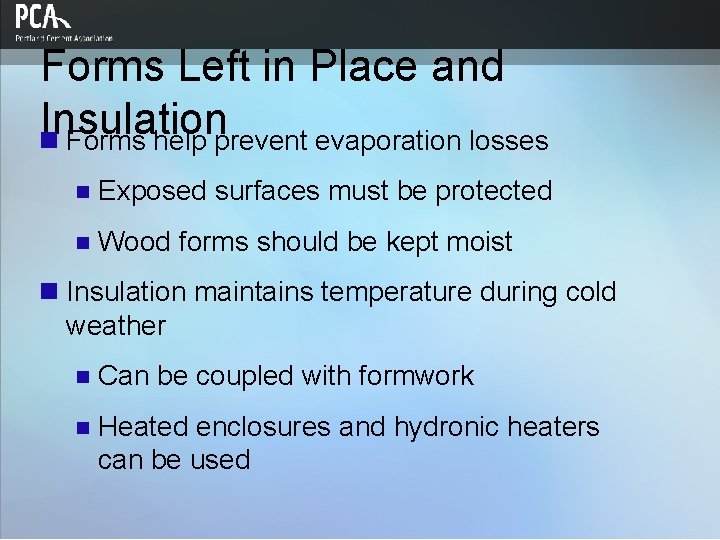
Forms Left in Place and Insulation n Forms help prevent evaporation losses n Exposed surfaces must be protected n Wood forms should be kept moist n Insulation maintains temperature during cold weather n Can be coupled with formwork n Heated enclosures and hydronic heaters can be used
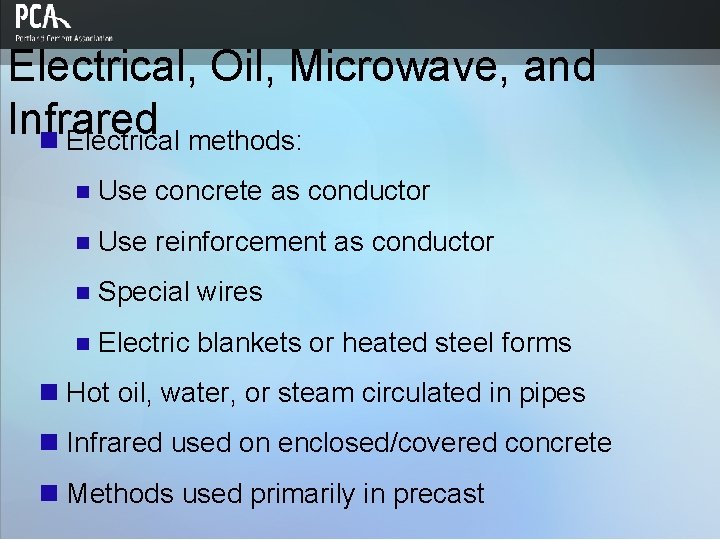
Electrical, Oil, Microwave, and Infrared n Electrical methods: n Use concrete as conductor n Use reinforcement as conductor n Special wires n Electric blankets or heated steel forms n Hot oil, water, or steam circulated in pipes n Infrared used on enclosed/covered concrete n Methods used primarily in precast
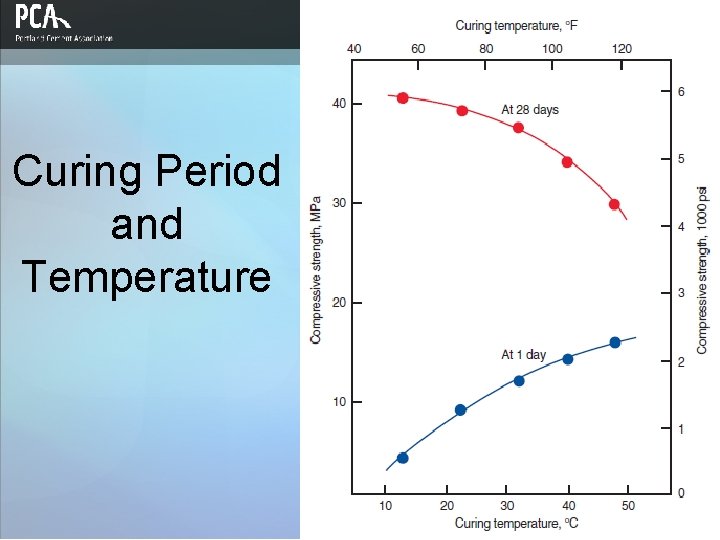
Curing Period and Temperature
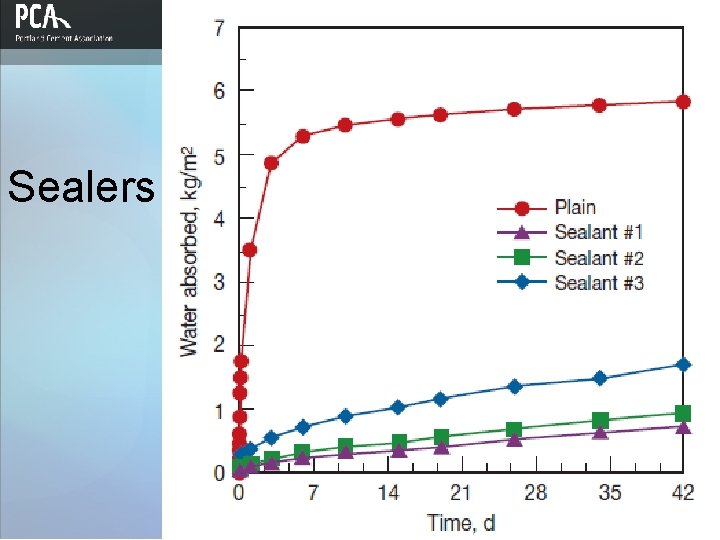
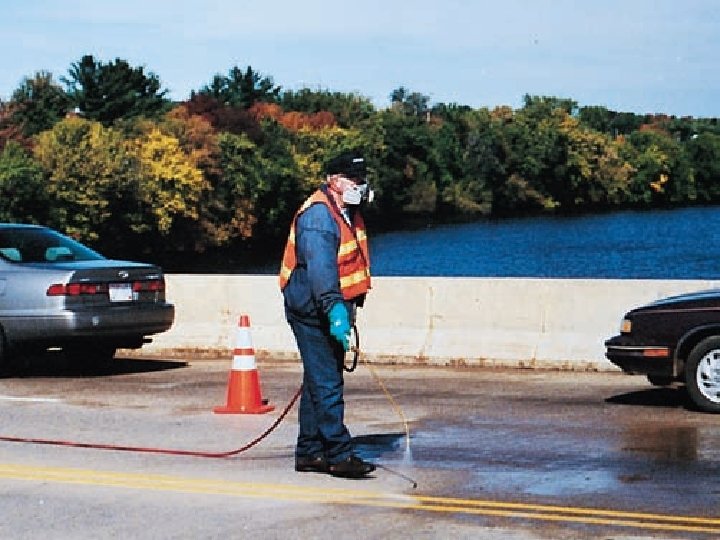
Sealers
Summary n Curing basics n Curing methods and materials n Curing period and temperature n Sealing compounds
Question s ?