
Culture and CoCulture Culture The language beliefs traditions
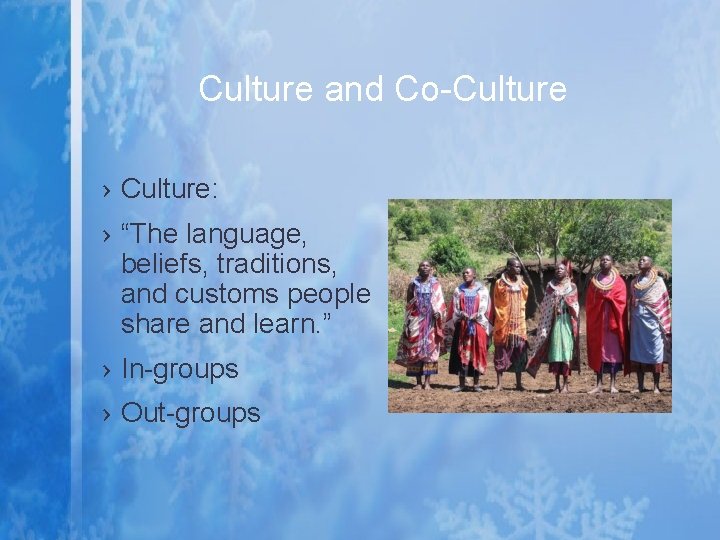
Culture and Co-Culture › Culture: › “The language, beliefs, traditions, and customs people share and learn. ” › In-groups › Out-groups
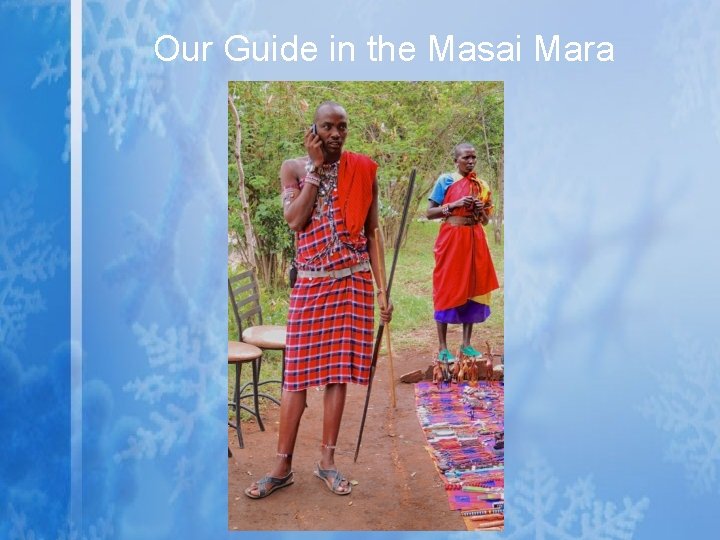
Our Guide in the Masai Mara
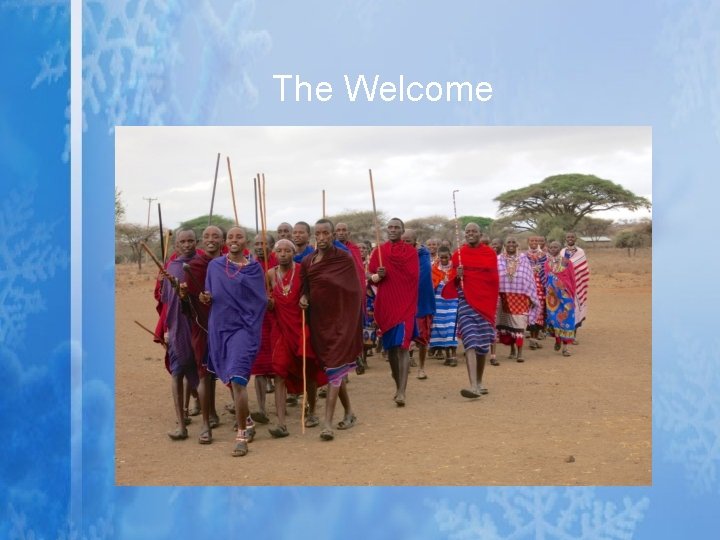
The Welcome
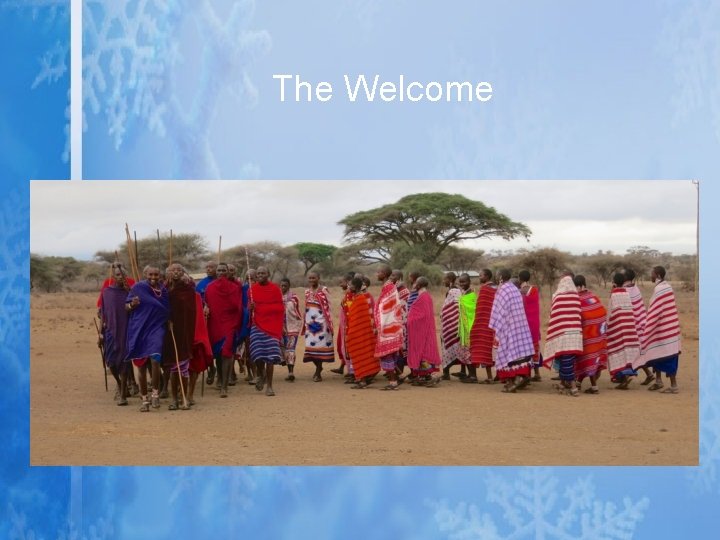
The Welcome
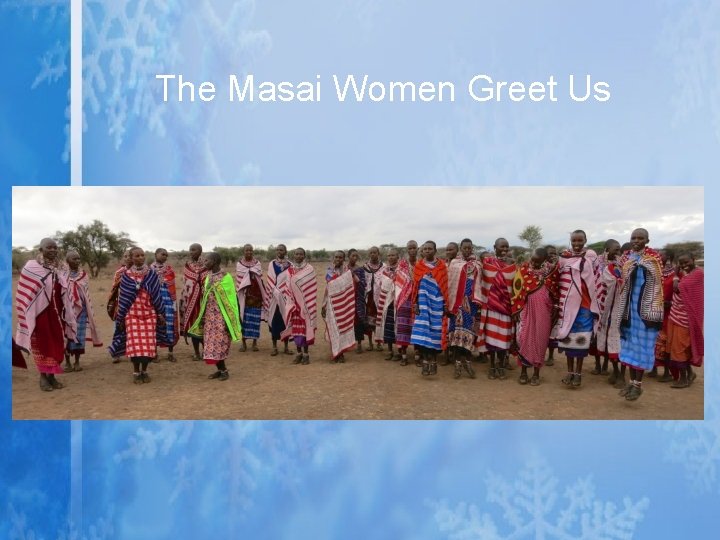
The Masai Women Greet Us
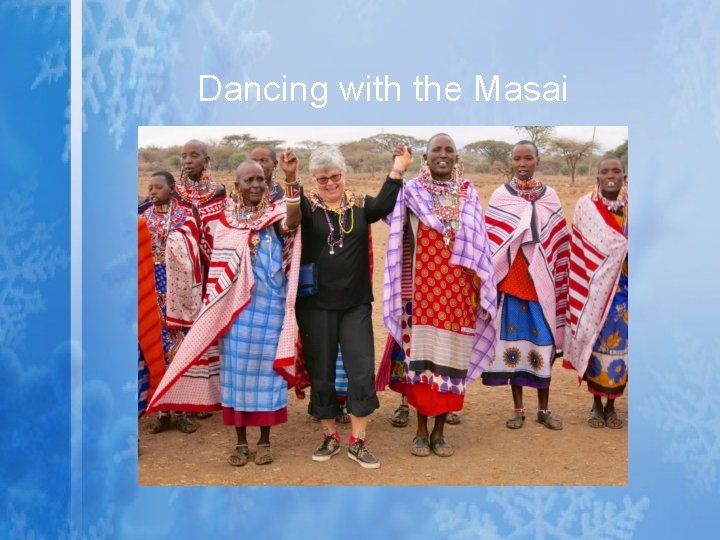
Dancing with the Masai

Masai Jumping Dance
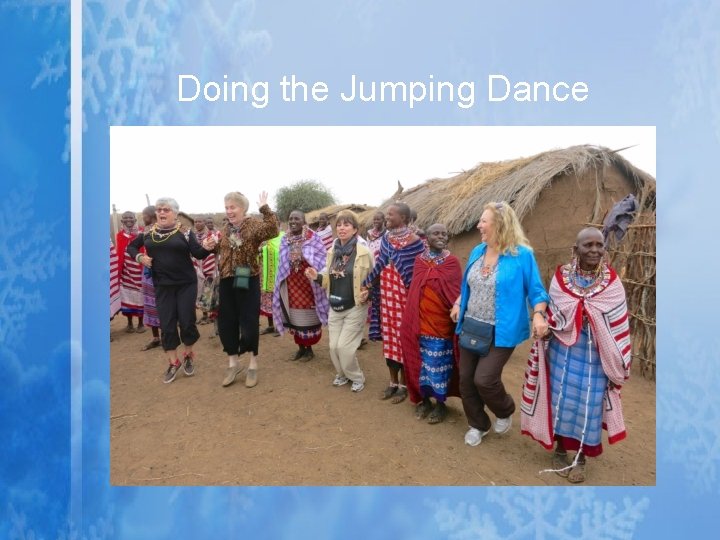
Doing the Jumping Dance
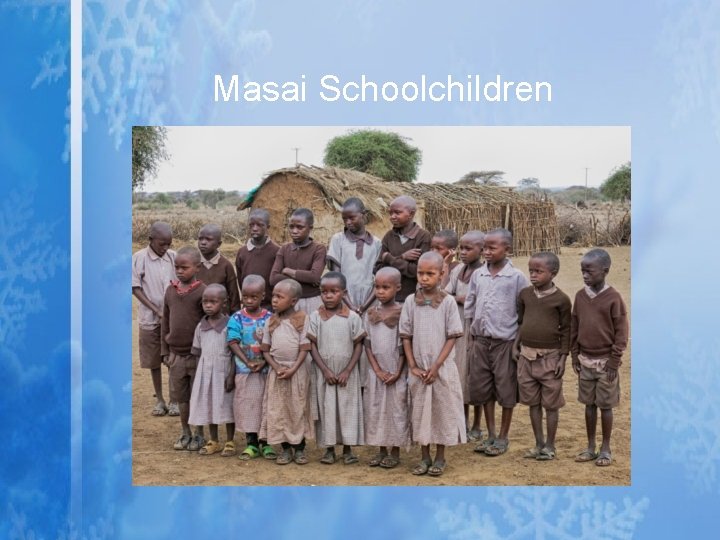
Masai Schoolchildren
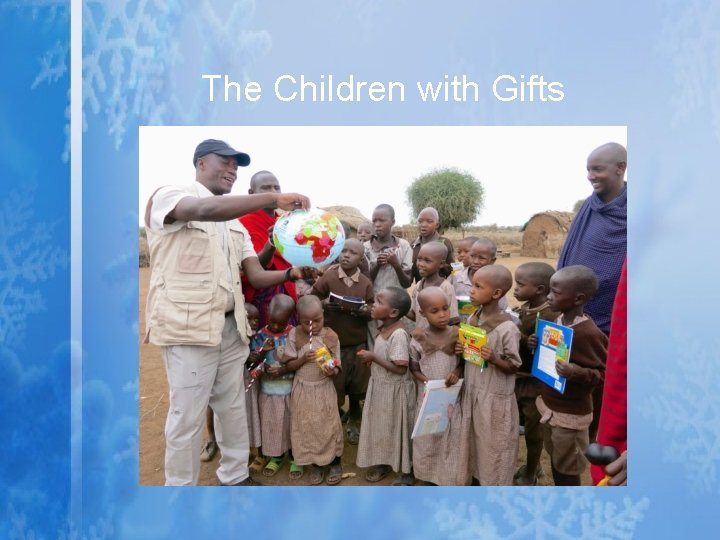
The Children with Gifts
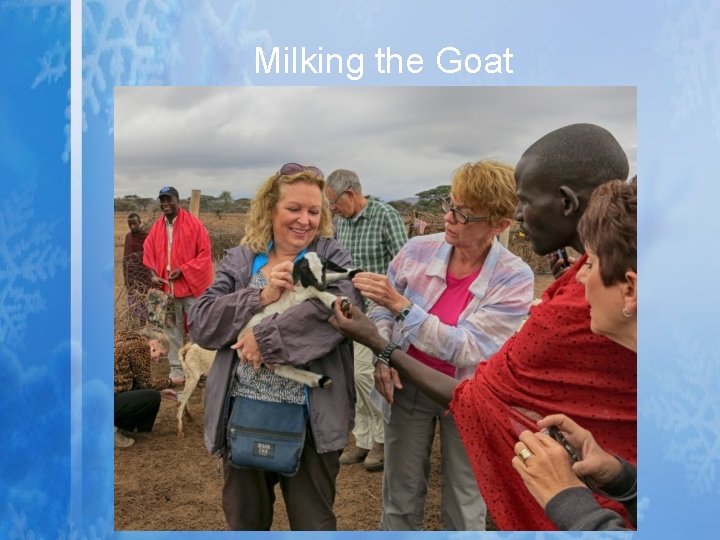
Milking the Goat
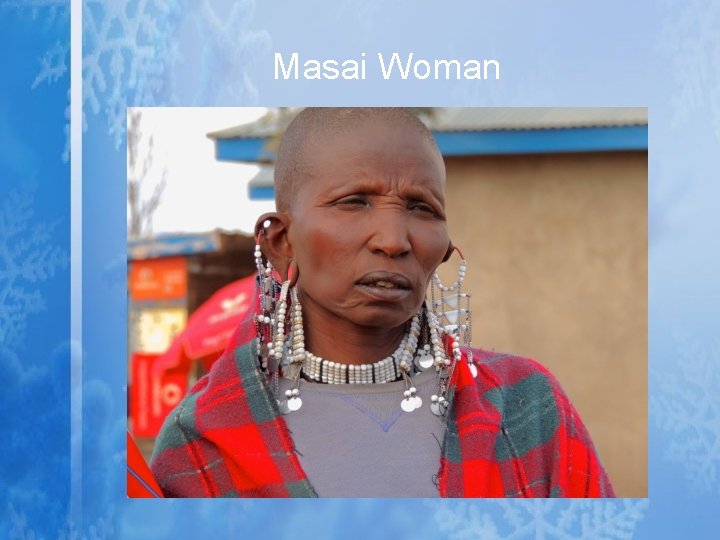
Masai Woman
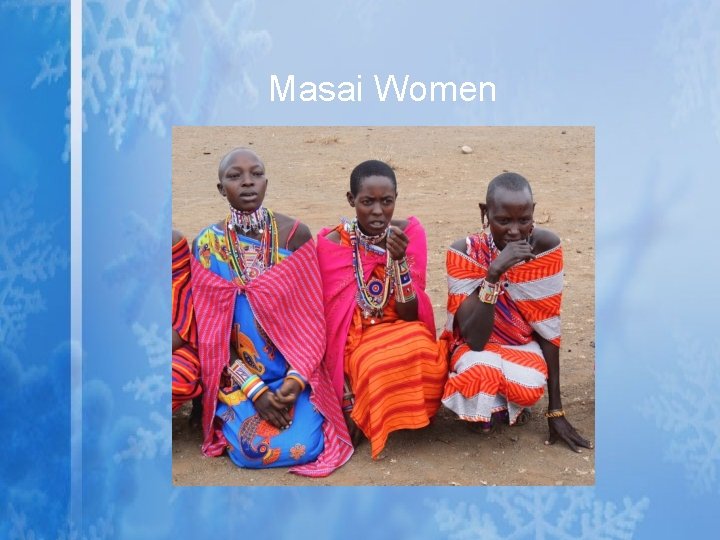
Masai Women
Social Identity: Co-Culture › Co-Culture: › Nationality Membership in a Group › Geographic Region that is part of a larger culture › Physical Disability › In North American Society this may include: › Age › Race › Sexual Orientation › Religion › Activity
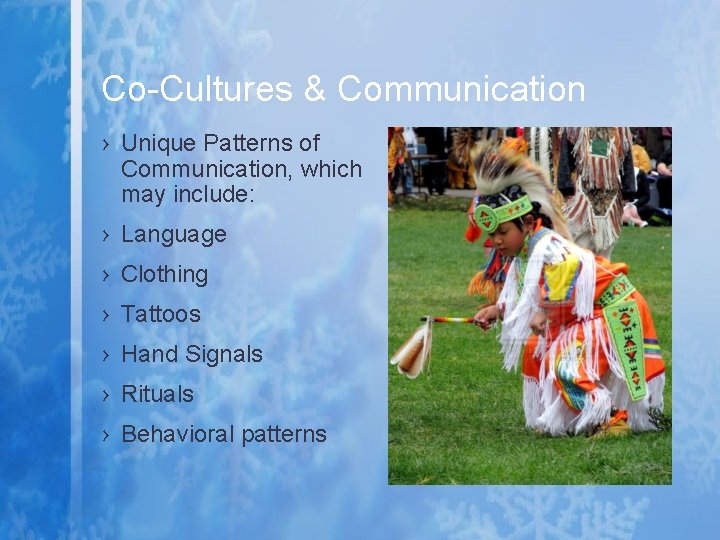
Co-Cultures & Communication › Unique Patterns of Communication, which may include: › Language › Clothing › Tattoos › Hand Signals › Rituals › Behavioral patterns
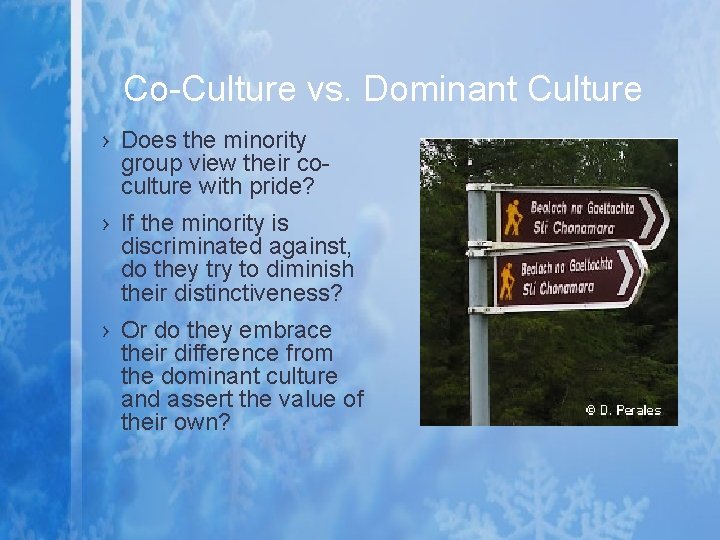
Co-Culture vs. Dominant Culture › Does the minority group view their coculture with pride? › If the minority is discriminated against, do they try to diminish their distinctiveness? › Or do they embrace their difference from the dominant culture and assert the value of their own?
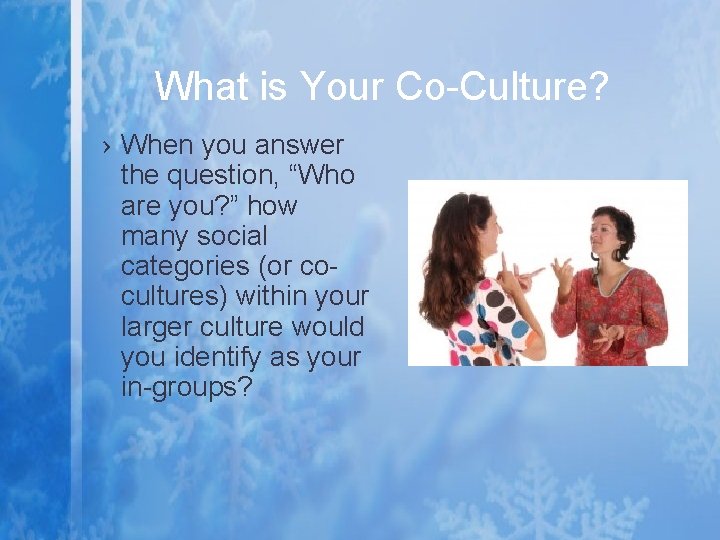
What is Your Co-Culture? › When you answer the question, “Who are you? ” how many social categories (or cocultures) within your larger culture would you identify as your in-groups?
Intercultural Communication › The process that › Even with many of us occurs when belonging to so many members of two or different groups, more cultures or co› there are degrees of cultures exchange cultural significance messages in a in our communication. manner influenced by Some exchanges will their different cultural be more intercultural perceptions & symbol than others. systems (both verbal & nonverbal)
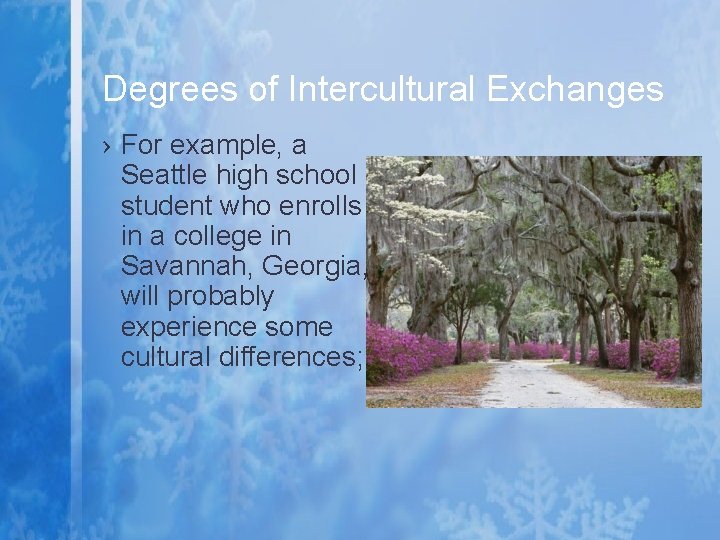
Degrees of Intercultural Exchanges › For example, a Seattle high school student who enrolls in a college in Savannah, Georgia, will probably experience some cultural differences;
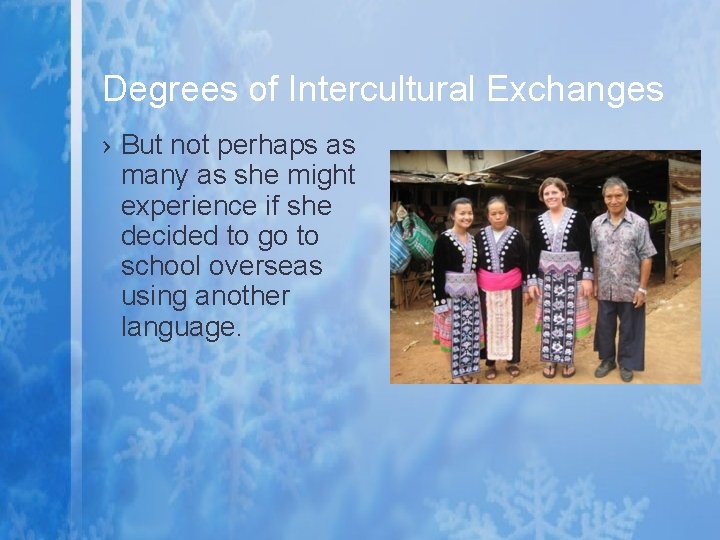
Degrees of Intercultural Exchanges › But not perhaps as many as she might experience if she decided to go to school overseas using another language.
Cultural Differences in Communication › Note: these are generalizations: there will always be differences among members of a common culture, so these descriptions may not apply to every member of a group. › High Context vs. Low Context › Individualism vs. Collectivism › Power Distance › Uncertainty Avoidance › Achievement vs. Nurturing
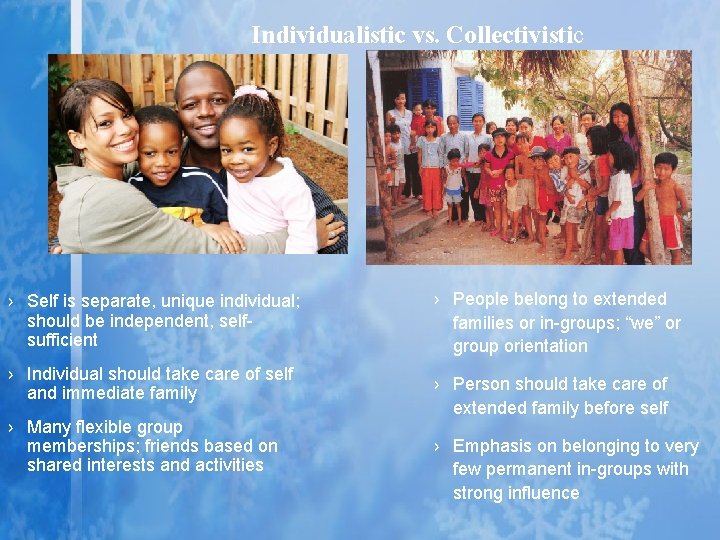
Individualistic vs. Collectivistic › Self is separate, unique individual; should be independent, selfsufficient › Individual should take care of self and immediate family › Many flexible group memberships; friends based on shared interests and activities › People belong to extended families or in-groups; “we” or group orientation › Person should take care of extended family before self › Emphasis on belonging to very few permanent in-groups with strong influence
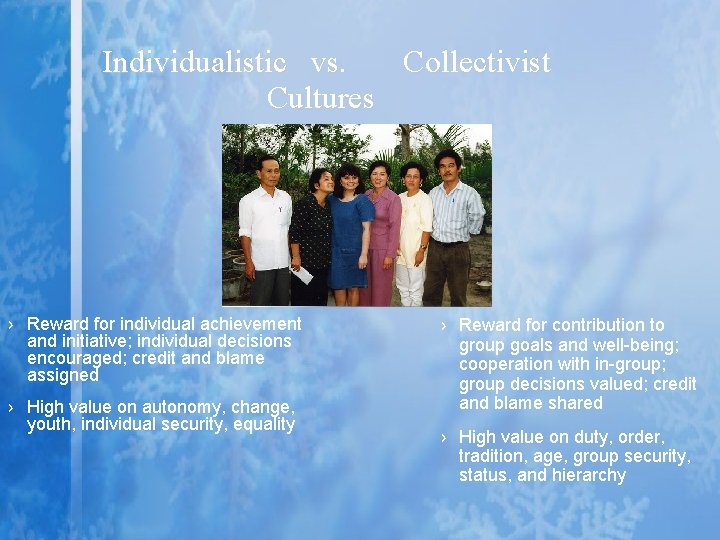
Individualistic vs. Collectivist Cultures › Reward for individual achievement and initiative; individual decisions encouraged; credit and blame assigned › High value on autonomy, change, youth, individual security, equality › Reward for contribution to group goals and well-being; cooperation with in-group; group decisions valued; credit and blame shared › High value on duty, order, tradition, age, group security, status, and hierarchy
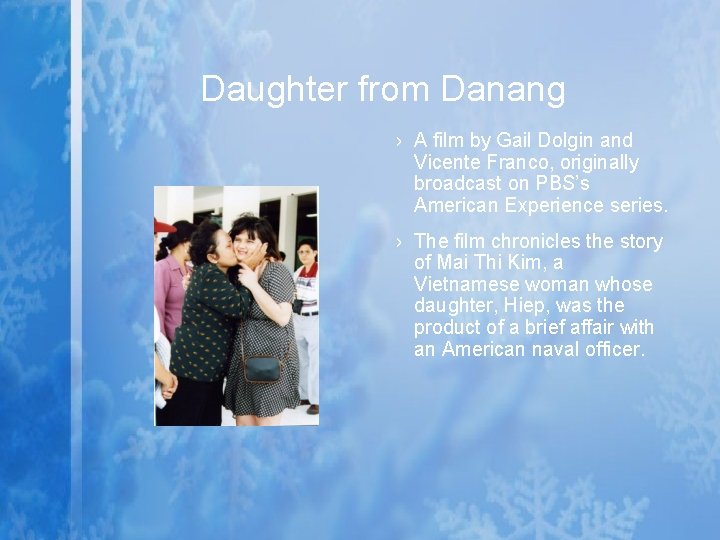
Daughter from Danang › A film by Gail Dolgin and Vicente Franco, originally broadcast on PBS’s American Experience series. › The film chronicles the story of Mai Thi Kim, a Vietnamese woman whose daughter, Hiep, was the product of a brief affair with an American naval officer.
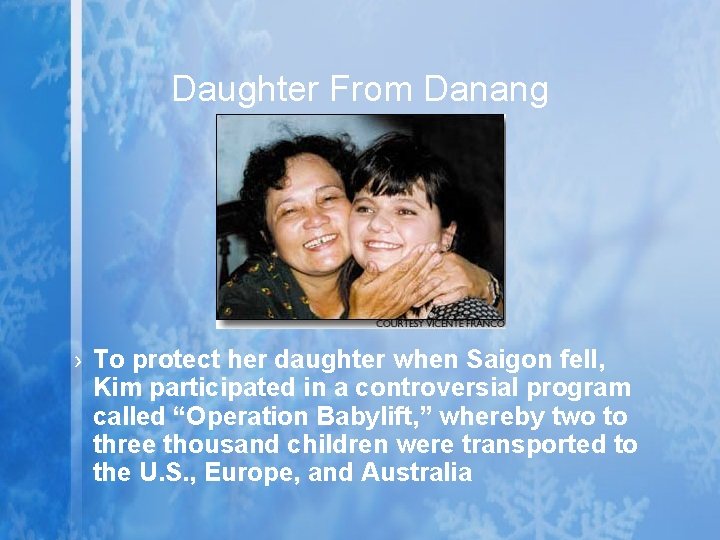
Daughter From Danang › To protect her daughter when Saigon fell, Kim participated in a controversial program called “Operation Babylift, ” whereby two to three thousand children were transported to the U. S. , Europe, and Australia
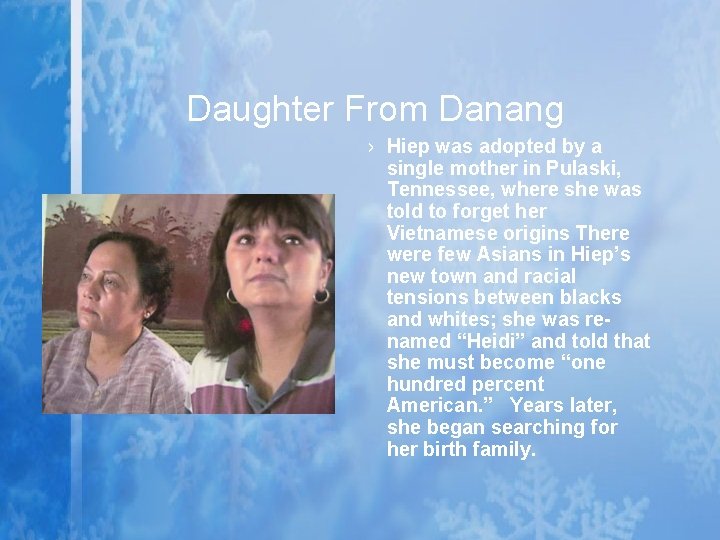
Daughter From Danang › Hiep was adopted by a single mother in Pulaski, Tennessee, where she was told to forget her Vietnamese origins There were few Asians in Hiep’s new town and racial tensions between blacks and whites; she was renamed “Heidi” and told that she must become “one hundred percent American. ” Years later, she began searching for her birth family.
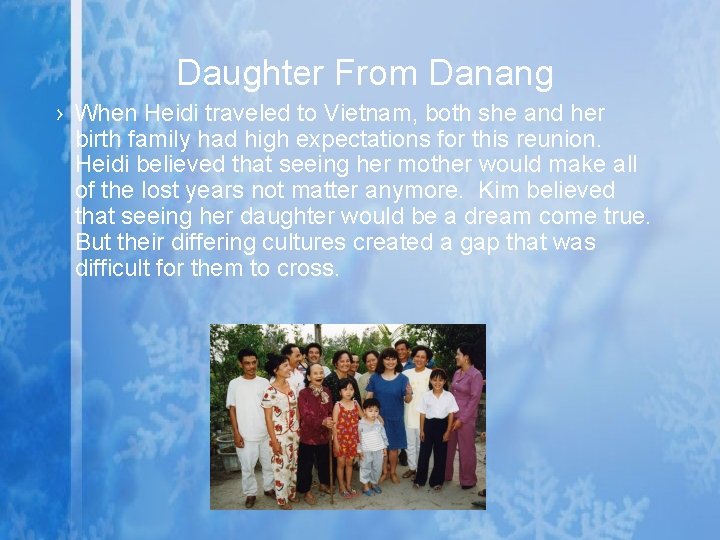
Daughter From Danang › When Heidi traveled to Vietnam, both she and her birth family had high expectations for this reunion. Heidi believed that seeing her mother would make all of the lost years not matter anymore. Kim believed that seeing her daughter would be a dream come true. But their differing cultures created a gap that was difficult for them to cross.
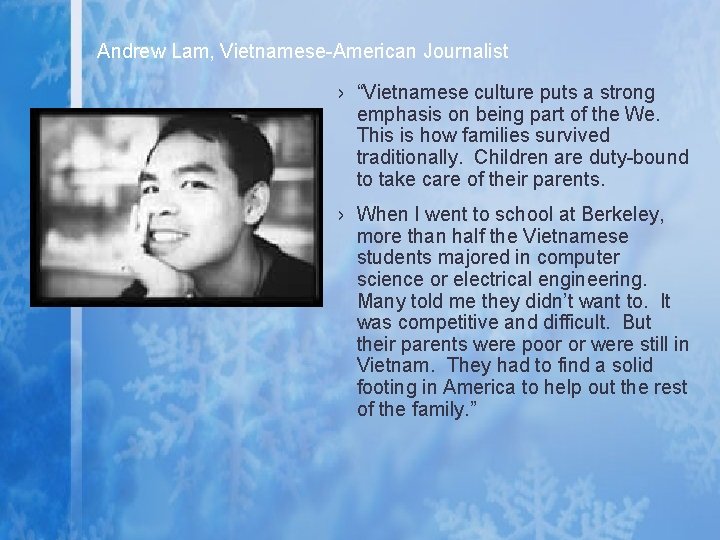
Andrew Lam, Vietnamese-American Journalist › “Vietnamese culture puts a strong emphasis on being part of the We. This is how families survived traditionally. Children are duty-bound to take care of their parents. › When I went to school at Berkeley, more than half the Vietnamese students majored in computer science or electrical engineering. Many told me they didn’t want to. It was competitive and difficult. But their parents were poor or were still in Vietnam. They had to find a solid footing in America to help out the rest of the family. ”
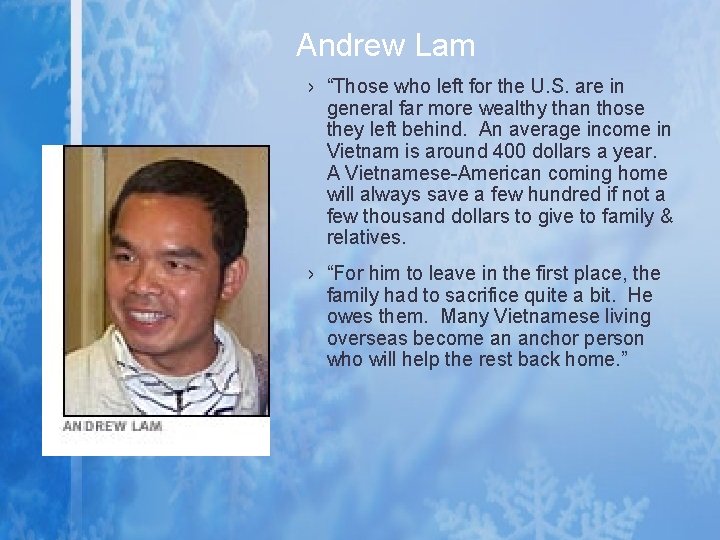
Andrew Lam › “Those who left for the U. S. are in general far more wealthy than those they left behind. An average income in Vietnam is around 400 dollars a year. A Vietnamese-American coming home will always save a few hundred if not a few thousand dollars to give to family & relatives. › “For him to leave in the first place, the family had to sacrifice quite a bit. He owes them. Many Vietnamese living overseas become an anchor person who will help the rest back home. ”
Andrew Lam › “The ties that bind a Vietnamese family are love, a shared belief system, and, in many ways, poverty. You don’t leave home at 18 just because you reach 18. You live with your family until you’re married and even then you might not have enough money to buy a house for yourself and your spouse. › So you create a 3 -generational family and to do so you learn to suppress your own individualism. You cannot get everything you want because you have to share resources to survive. You learn to live well together and you learn to suppress your own desire. You learn to sacrifice a lot to live in harmony with a large family. › But in return, you get a kind of insularity that many Americans don’t have. You know you’ll never be alone. You know that you will be taken care of, no matter what. You make that kind of promise to each other. ”
Competence in Intercultural Relationships › Motivation › Tolerance for Ambiguity › Open-Mindedness › Knowledge and Skill
- Slides: 31