
Cultivating Emotional Balance Session Four Review What is
Cultivating Emotional Balance Session Four
Review: What is… Genuine happiness The Four Balances Some characteristics of emotions Destructive emotion Constructive emotion The “Four Virtues of the Heart” Emotional Alert Database
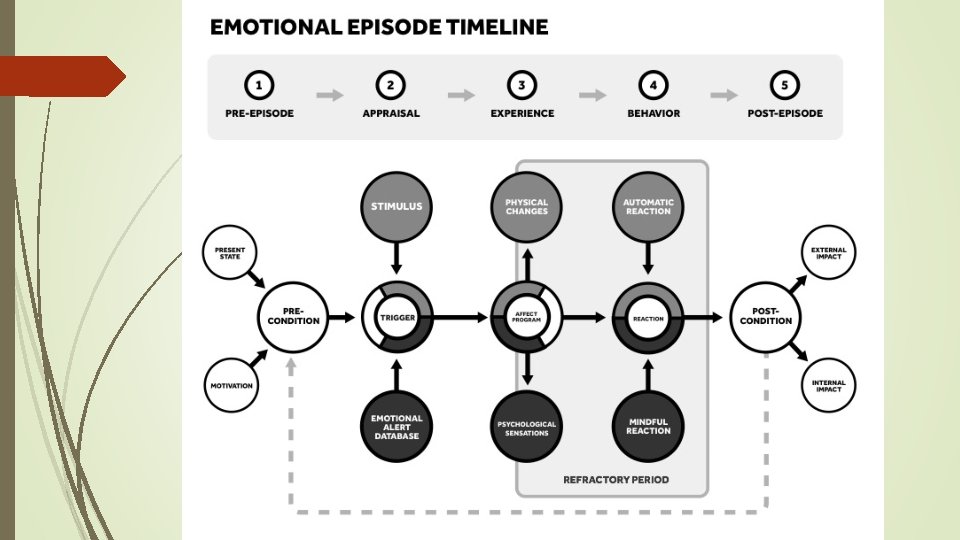
Trigger Automatic appraisal Affect program Refractory period Reaction vs. response Post-episode Display rules
Anger Theme: Being thwarted in pursuit of goal that matters to you Effects: Anger controls, punishes and retaliates Dangerous effect: Anger calls forth more anger. It is difficult not to respond to anger with anger, especially when it appears unjustified Why do people want to changer? • It is the dangerous emotion that can quickly hurt others, psychologically, and physically • Is the hurtfulness built in or learned? • Many taught not to express anger ‐> guilt, shame • For some own anger can get out of control ‐> fear
Common Anger Triggers Interference Someone trying to hurt us Another person’s anger Injustice Disappointment in how a person has acted Betrayal, abandonment, rejection Being falsely accused Breaking a cultural rule
How to Work with Hot Triggers Keep log of regrettable emotional episodes: trigger, behaviour, what was regrettable. Once have 10 – 15 entries, what do the triggers have in common? Is there an underlying story, pattern, narrative or script? May be able to recognize, in advance, situations likely to lead to trigger and avoid or prepare for them. Can rehearse alternative behaviour. Remind ourselves to re-appraise the trigger. Disable the trigger by removing cognitive projections that distort our view. In close relationships, once we know what our hot triggers are, we can communicate about the need for a wise break.
To Moderate Emotional Behaviors Develop “emotionfulness” – attentively considering our emotional feelings Become more aware what triggers our emotions – identify and weaken our own hot triggers Learn about the bodily sensations that distinguish each emotion -> alert us to our emotional state Develop impulse awareness Become more observant of the emotional feelings of others Try to broaden understanding of other person’s situation is refractory period distorting perception? Even if we cannot reappraise, even if we still feel our feelings are justified, we can choose to interrupt our actions, control face and voice, resist impulses to act
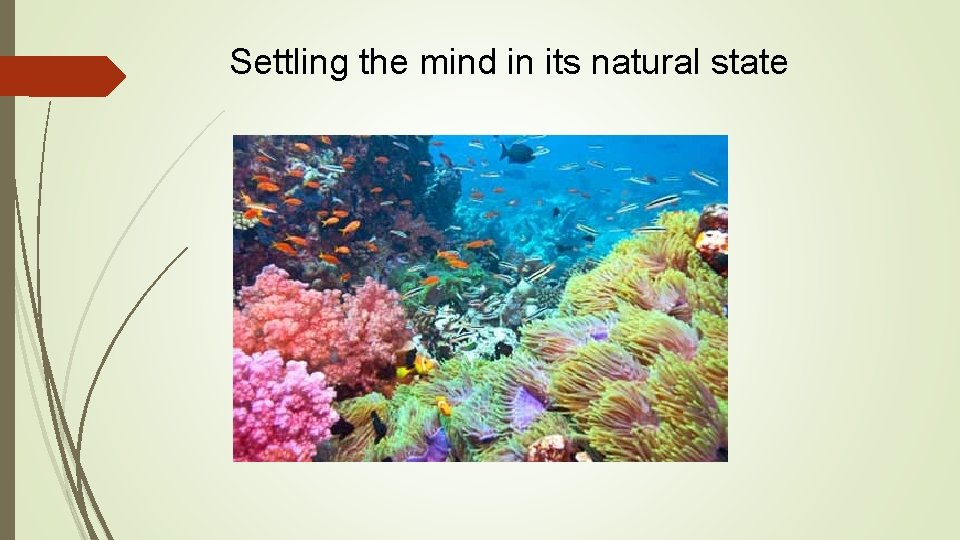
Settling the mind in its natural state
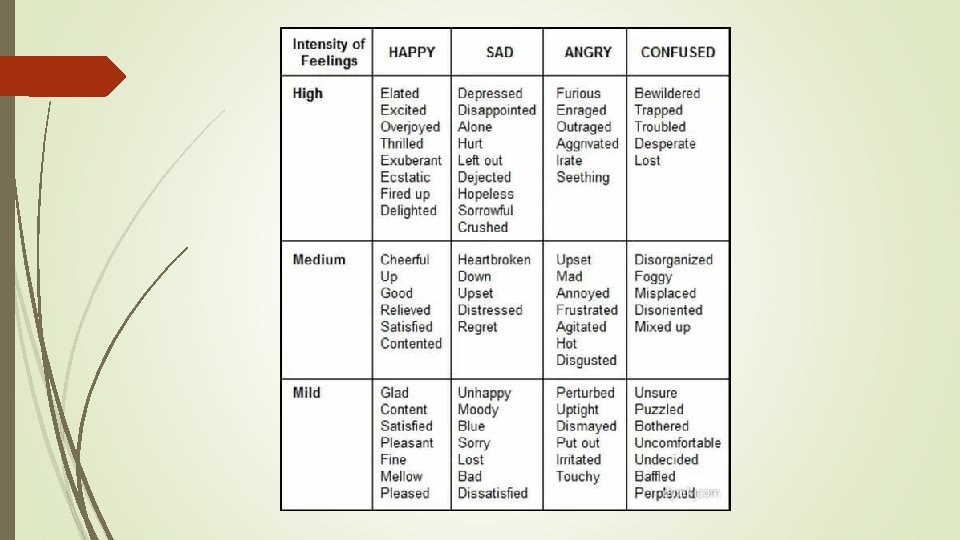
Sadness & Agony Sadness is one of the longest lasting emotions, closest to a mood – rarely a second or two, usually considerably longer. Sadness is more resigned and passive, in agony there is protest and an attempt to deal actively. Grief is a multifaceted reaction to loss. Sadness an essential feature, but not the only one. Anger and guilt can also be present. Theme: elicit connection in the face of loss.

Sadness Triggers Triggered by loss of someone or something to which we have a strong connection. Many types of loss: Rejection by a friend Loss of a job Deterioration of the body from illness or age Loss of admiration or praise
Constructive and destructive sadness Constructive: Elicits comfort, requests reassurance Creates connection with others experiencing a similar loss Destructive: Not connected to a cause Distorts our view of reality and leads us towards hopelessness and despair Vulnerability of loss prevents us from caring for others
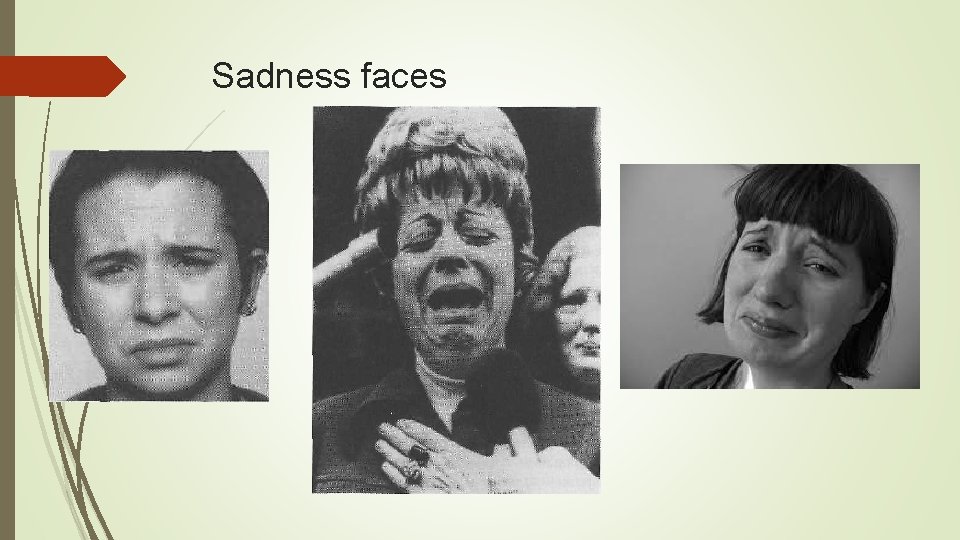
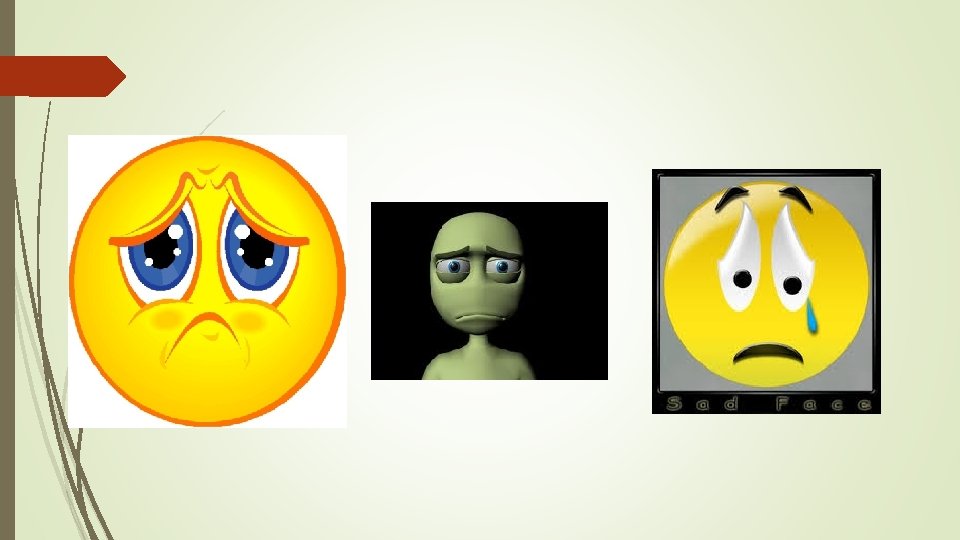
Sadness faces
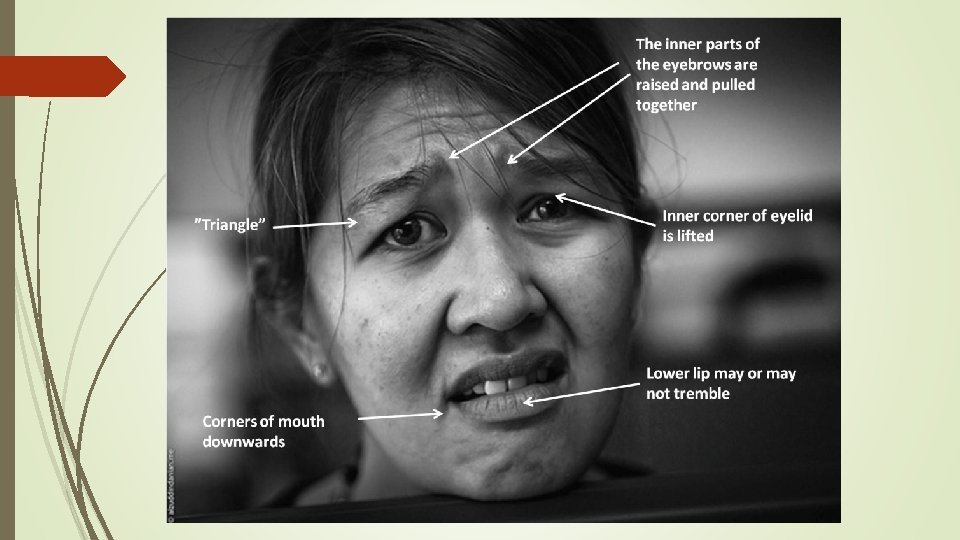
Memory and Face of Sadness Practice facial expression in your hand mirror, hold for twenty seconds Write experience of felt emotion in the body in your notebook. Choose a memory experience that generates awareness of emotion but not one that will overwhelm you. Engage your attention for duration long enough to experience and recall but not so long that immersion or flooding caused by memory will occur (touch lightly, then withdraw your attention). This is an opportunity to practice that regulation skill. Write experience of felt emotion in the body in your notebook.
Speaking and listening inquiry practice: Ask your partner: “Please tell me one thing you notice in your body when you feel sadness. ” After you listen to the response, reply with a thank you and repeat the question two more times. “Please tell me one thought that causes sadness to arise. ” After you listen to the response, reply with a thank you and repeat the question two more times. “Please tell me one strategy you use for working with your sadness. ” After you listen to the response, reply with a thank you and repeat the question two more times.

Enjoyable Emotions Contemplative perspective: Motivate our lives to pursue meaning and purpose Evolutionary perspective Cause us to participate in activities necessary for the survival of the species, i. e. sexual intimacy and child rearing Many enjoyable emotions, most have the smile as the signal. Some have a different vocal signal and timing Triggers: reunion with a person one cares about, being in the presence of a loved one, birth of a wanted child, consensual, loving sexual relations

Enjoyment family of emotions Sensory pleasure: from sights, sounds, tastes, smells, and tactile objects Amusement Contentment Excitement: response to novelty or challenge Relief: when something that invokes strong emotions subsides Wonder: overwhelm at something incredible or fascinating
Ecstasy: self-transcendent rapture Fiero: comes from accomplishing a difficult task Naches: pride in one’s offspring Elevation: from seeing unexpected acts of kindness Gratitude Schadenfreude
Life Exploration: Daily Emotional Diary (take a special interest in logging sad and enjoyable emotions) Utilize RAIN during emotional episodes Practice: Mindfulness of Breathing Settling the Mind in Its Natural State Mindfulness of Feelings
- Slides: 26