
Cultivating a Positive Command Climate AY 2017 18

- Slides: 23
Cultivating a Positive Command Climate AY 2017 -18 Prepared By C/MAJ Chandler Heath, NUCC ‘ 18 HHC Commander cheath 1@stu. norwich. edu References: Start with Why & Leaders Eat Last By Simon Sinek
OVERVIEW o Purpose: Start with WHY o The Golden Circle o The Circle of Safety o Love Your Work o The Emergence of Trust o Manipulation vs. Motivation o Winning With People o Success Defined o Managing the Abstraction: Rules for Leaders o Conclusion
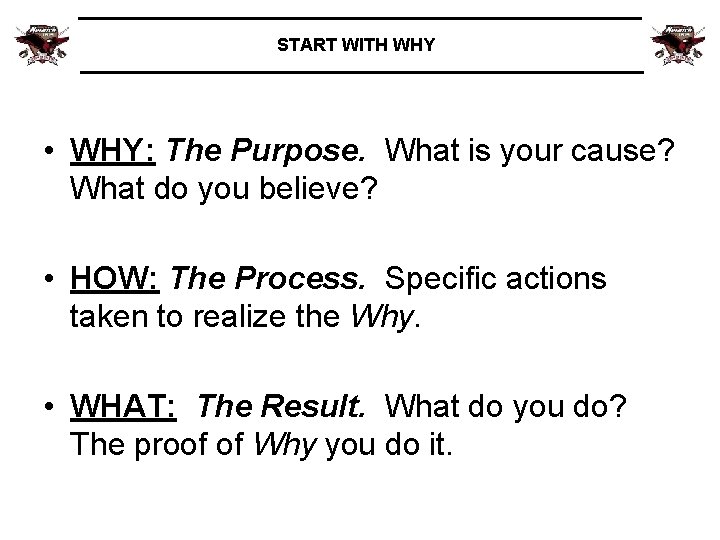
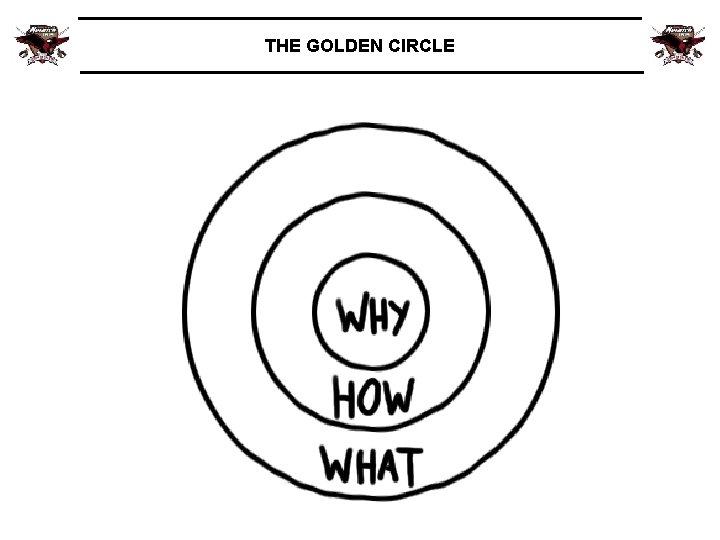
START WITH WHY • WHY: The Purpose. What is your cause? What do you believe? • HOW: The Process. Specific actions taken to realize the Why. • WHAT: The Result. What do you do? The proof of Why you do it.
THE GOLDEN CIRCLE
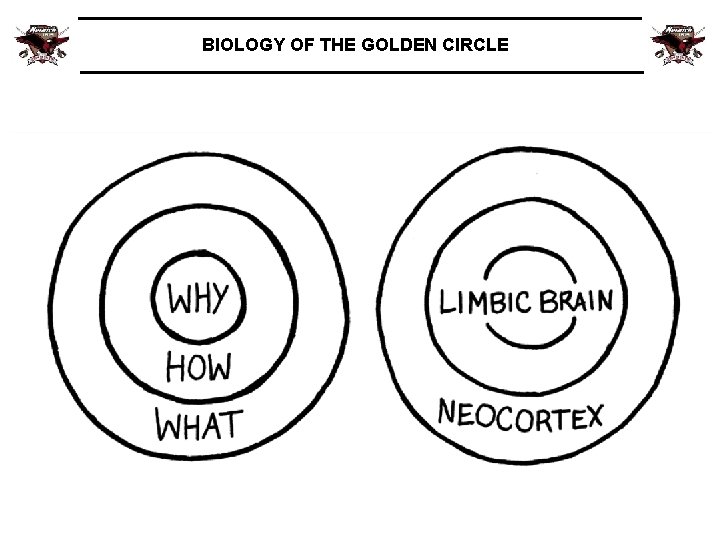
BIOLOGY OF THE GOLDEN CIRCLE
MISSION VS VISION • MISSION statements outline what an organization wants to accomplish now, even how it wants to do it. • VISION statements describe why the organization does what it does and identifies where the organization strives to be in the future. “People don’t buy WHAT you do, they by WHY you do it. ” -Simon Sinek
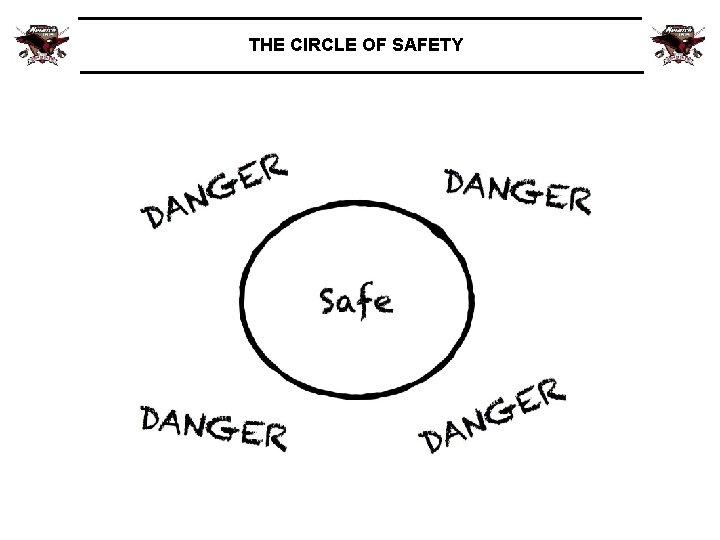
THE CIRCLE OF SAFETY
KEEPING THE CIRCLE OF SAFETY ALIVE • When the people have to manage dangers from inside the organization, the organization itself becomes less able to face the dangers from outside. • Truly human leadership protects an organization from the internal rivalries that can shatter a culture. • Misery may love company, but it is the companies that love misery the most. • Great organizations become great because the people inside the organization feel protected. • A strong sense of culture creates a sense of belonging and acts like a net.
KEEPING THE CIRCLE OF SAFETY ALIVE • Pay attention! Remain in touch and stay engaged. • Make what is important to your subordinates important to yourself. • Be slow to anger and quick to ask questions. • Be a part of the solution, not the problem. • Ask questions. • Be the last to speak. Leadership is about determining what we can do for others as opposed to what we can do for ourselves.
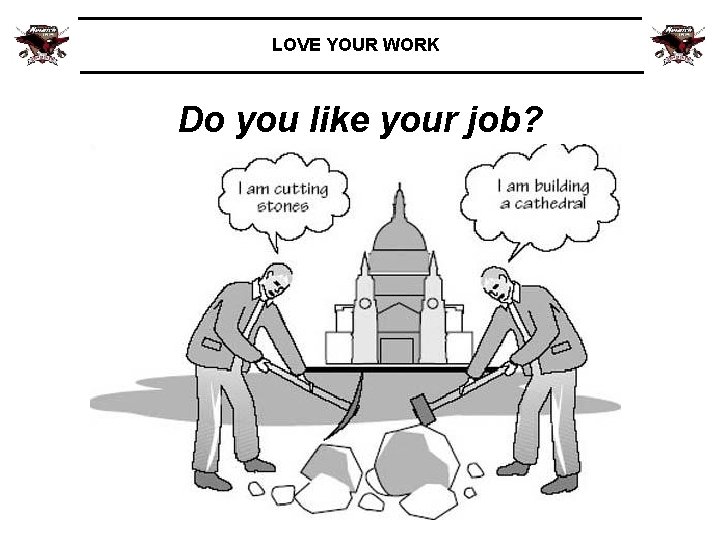
LOVE YOUR WORK Do you like your job?
THE EMERGENCE OF TRUST Trust is NOT a checklist, therefore it cannot be earned by fulfilling responsibilities of your job/duties. Trust is a feeling, not a rational experience. • With trust comes value. • Value is defined [formally] as the transference of trust. • We must all earn the trust of others by demonstrating that WHAT we do is consistent with, and therefore the proof of, WHY we do it.
THE EMERGENCE OF TRUST • Trust comes when people feel that their leaders act in their best interests. • Trust comes when leaders take care of their subordinates. • When we share values with others, we form trust. • Trust in others allows for us to rely on others. • For trust to be maintained, the actions of the leaders in an organization must be consistent with the organization's values.
WINNING WITH PEOPLE • Everyone loves to win. • For some its power, money, fame, love, a family or spiritual fulfillment; the metric is relative but the desire is the same. • Problems arise when the metric becomes the only measure for success. • Cultures are groups of people who come together around a common set of values and beliefs.
WINNING WITH PEOPLE • WHAT we do, (i. e. training rooks, training upperclassmen, working in S-sections, etc. ) does not bind us together. • The culture we have is what binds us together – the strong sense of beliefs and values that we share. • The goal is not to hire (or work with) people who possess a skill that we need, but to hire (or work with) people who believe what we believe. • This is how a winning culture comes to fruition!
MANIPULATION VS INSPIRATION Typical Manipulations include: ➢Dropping the price ➢Running a ‘promotion’ ➢Using fear ➢Peer pressure ➢Aspirational messages When organizations do not have a clear sense of why they do what they do, they have a tendency to rely on a disproportionate number of manipulations to get what they need. This does nothing to bring the best out of others and promote a winning culture.
MANIPULATION VS INSPIRATION • Manipulations lead to transactions, not loyalty. • Just because manipulations work doesn’t make them right. • To win the hearts and minds of others requires more from an organization’s leaders… Leaders must inspire. • There are leaders and there are those who lead. ➢Leaders hold a position of power or influence. ➢Those who lead inspire others to take action and desire higher standards for a higher purpose.
MANAGING THE ABSTRACTION Numbers of people are not people, they’re numbers 1. Keep it real - Bring people together 1. Keep it manageable - Obey Dunbar’s number 1. Meet the people you help 1. Give people time, not just money 1. Be patient - the rule of seven days and seven years
SO GOES THE CULTURE, SO GOES THE COMPANY In a weak culture, we veer away from doing “the right thing” in favor of doing “the thing that’s right for me. ” 1. Bad cultures breed bad leaders 1. Protect the culture by keeping the circle of safety alive and well.
SO GOES THE LEADER, SO GOES THE CULTURE Give authority to those who are closest to the information 1. I before You. Me before We 1. With great power, comes greater responsibility
INTEGRITY MATTERS Building trust requires nothing more than telling the truth 1. How NOT to build trust 1. With great power, comes greater responsibility 1. Give authority to those who are closest to the information
FRIENDS MATTER Leadership works best when we ask what it is that we can do for others rather than what others can do for us. 1. To win or to serve? 1. Enemies fight, friends cooperate
LEAD THE PEOPLE, NOT THE NUMBERS We can only run a company, but we lead people. 1. Boom & Bust 1. Leadership by the people 1. Build something that is meant to last Customers will never love a company until the employees love it first.
CONCLUSION In order to cultivate a positive command climate, leaders must: • Chart the course and articulate to their people what their purpose, cause, or belief is beyond what it is that they do (i. e. sell products, train rooks, support the regiment, etc. ) • Build & maintain a healthy circle of safety for their people. • Establish trust. • Create an environment where people enjoy their work because they see the value in doing it. • Refrain from manipulating (instead, inspiring). All of this added together = success for the organization!