
Culminating Performance Task Culminating Performance Task STEP 1
- Slides: 16
Culminating Performance Task
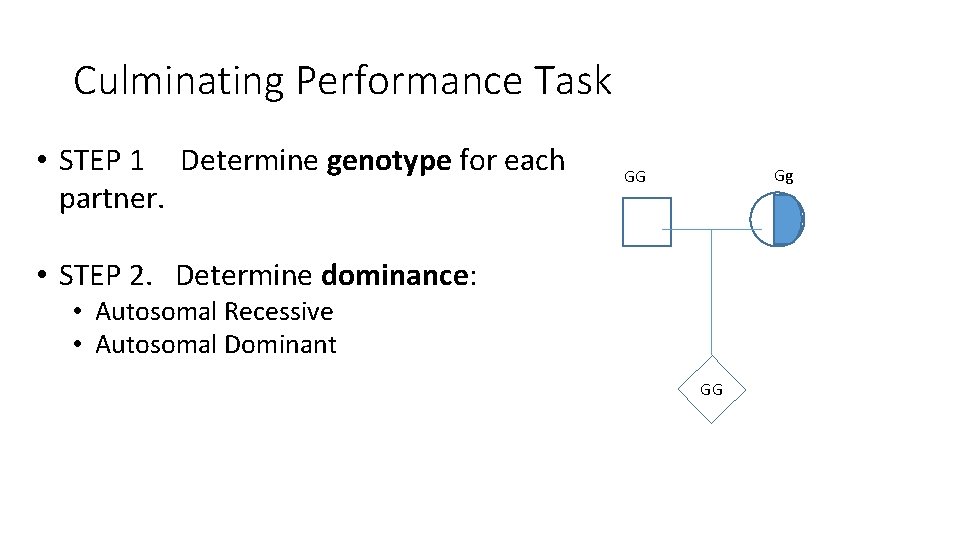
Culminating Performance Task • STEP 1 Determine genotype for each partner. Gg GG • STEP 2. Determine dominance: • Autosomal Recessive • Autosomal Dominant GG
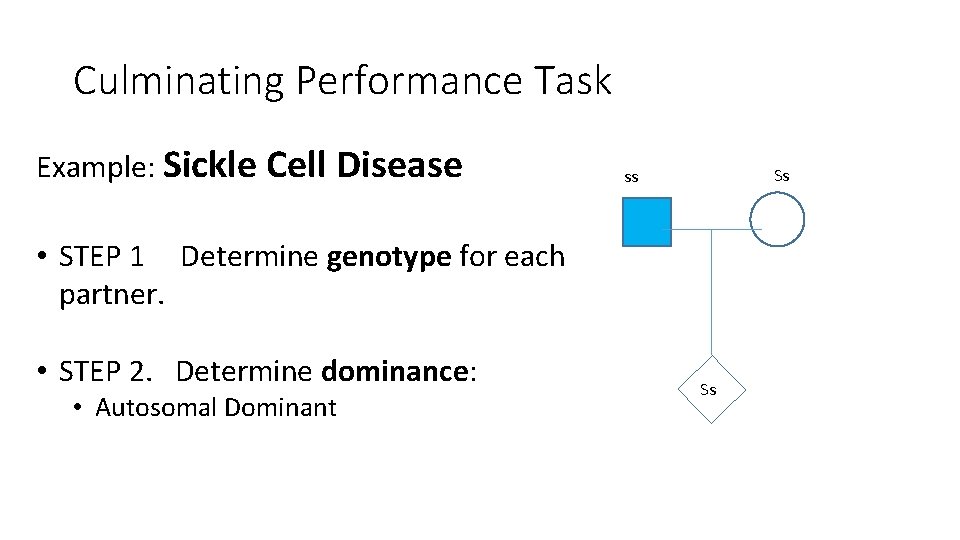
Culminating Performance Task Example: Sickle Cell Disease Ss ss • STEP 1 Determine genotype for each partner. • STEP 2. Determine dominance: • Autosomal Dominant Ss
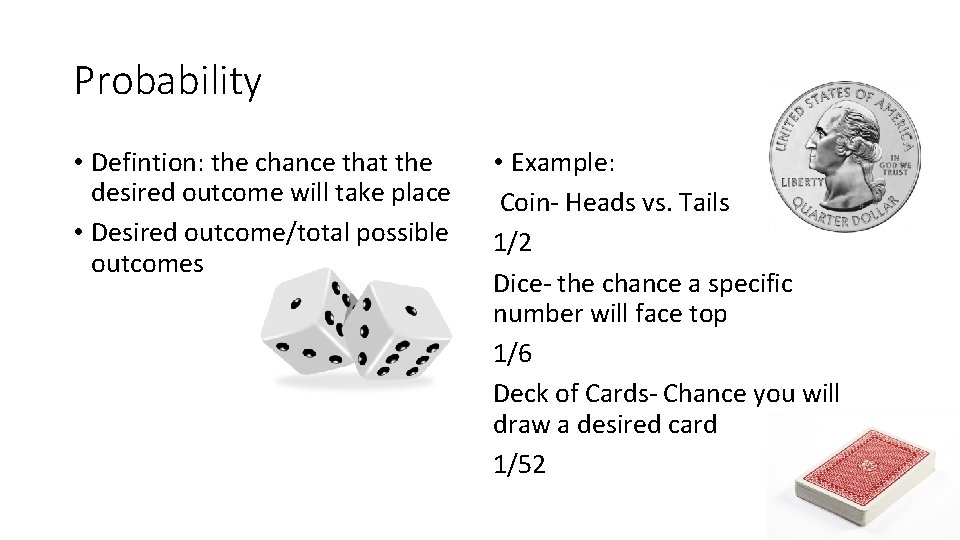
Probability • Defintion: the chance that the desired outcome will take place • Desired outcome/total possible outcomes • Example: Coin- Heads vs. Tails 1/2 Dice- the chance a specific number will face top 1/6 Deck of Cards- Chance you will draw a desired card 1/52
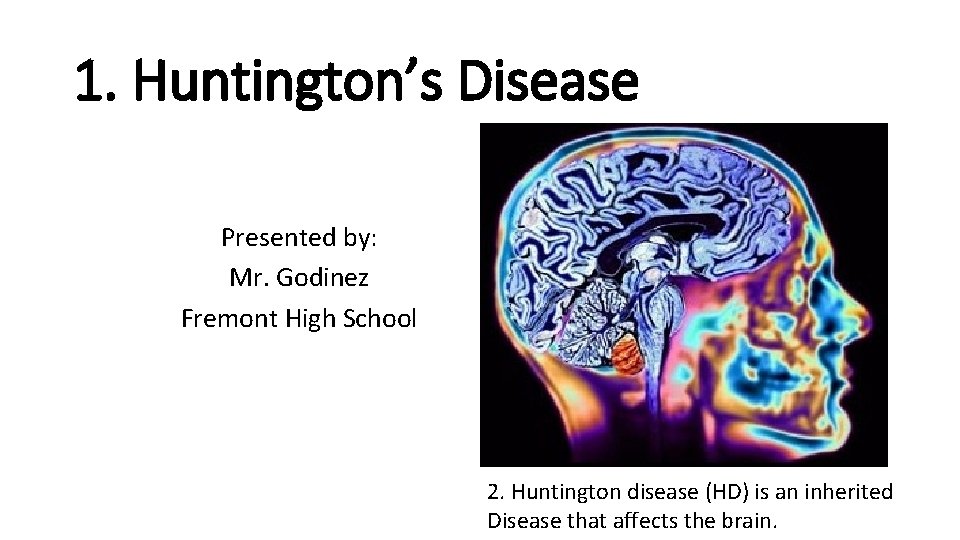
1. Huntington’s Disease Presented by: Mr. Godinez Fremont High School 2. Huntington disease (HD) is an inherited Disease that affects the brain.
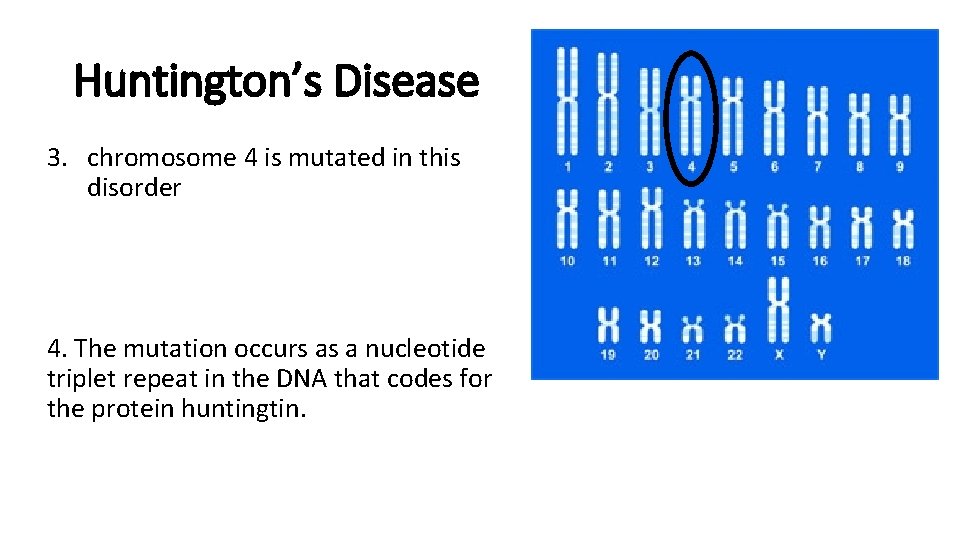
Huntington’s Disease 3. chromosome 4 is mutated in this disorder 4. The mutation occurs as a nucleotide triplet repeat in the DNA that codes for the protein huntingtin.
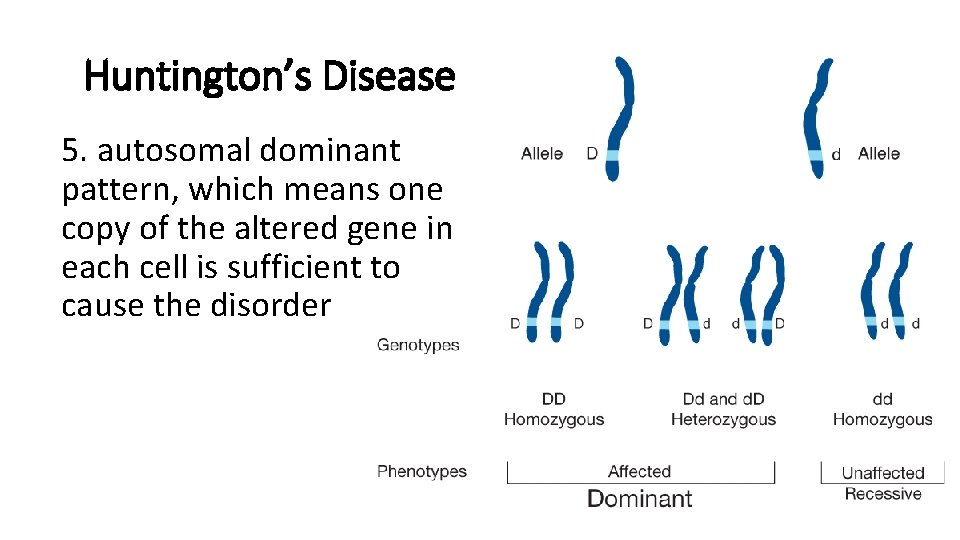
Huntington’s Disease 5. autosomal dominant pattern, which means one copy of the altered gene in each cell is sufficient to cause the disorder
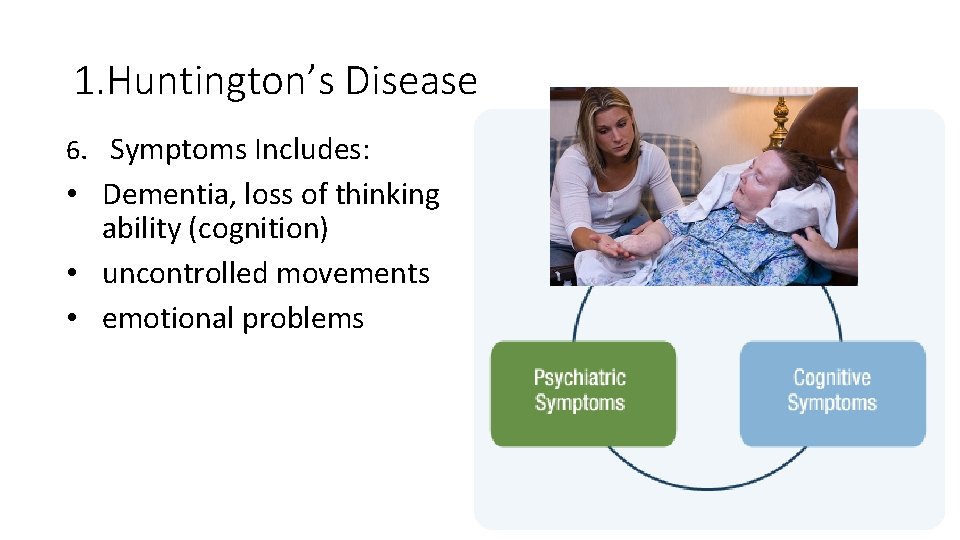
1. Huntington’s Disease 6. Symptoms Includes: • Dementia, loss of thinking ability (cognition) • uncontrolled movements • emotional problems
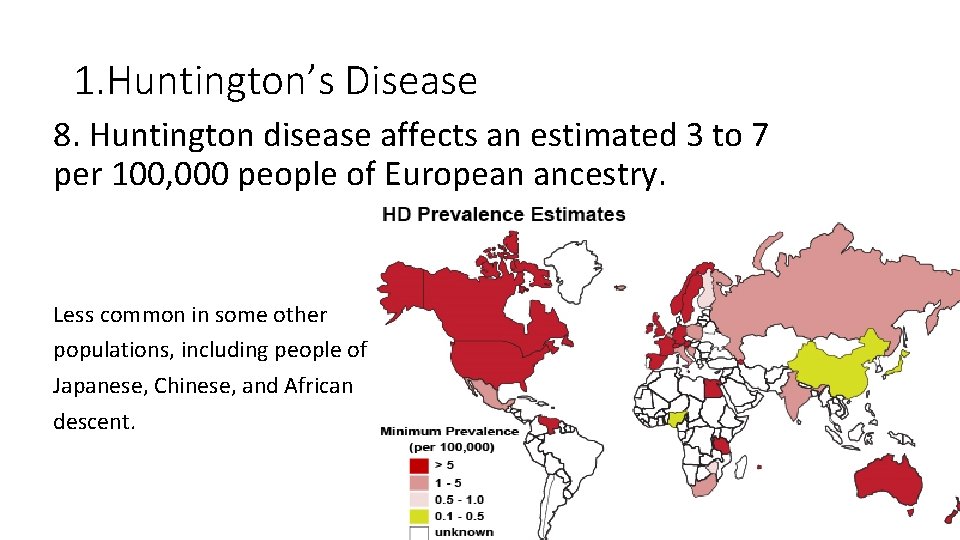
1. Huntington’s Disease 8. Huntington disease affects an estimated 3 to 7 per 100, 000 people of European ancestry. Less common in some other populations, including people of Japanese, Chinese, and African descent.
1. Huntington’s Disease • 9. About 30, 000 Americans have HD and about 150, 000 more at risk of inheriting the disease from a parent
1. Huntington’s Disease • http: //ghr. nlm. nih. gov/condition/hu ntington-disease • http: //www. ncbi. nlm. nih. gov/books/ NBK 22226/
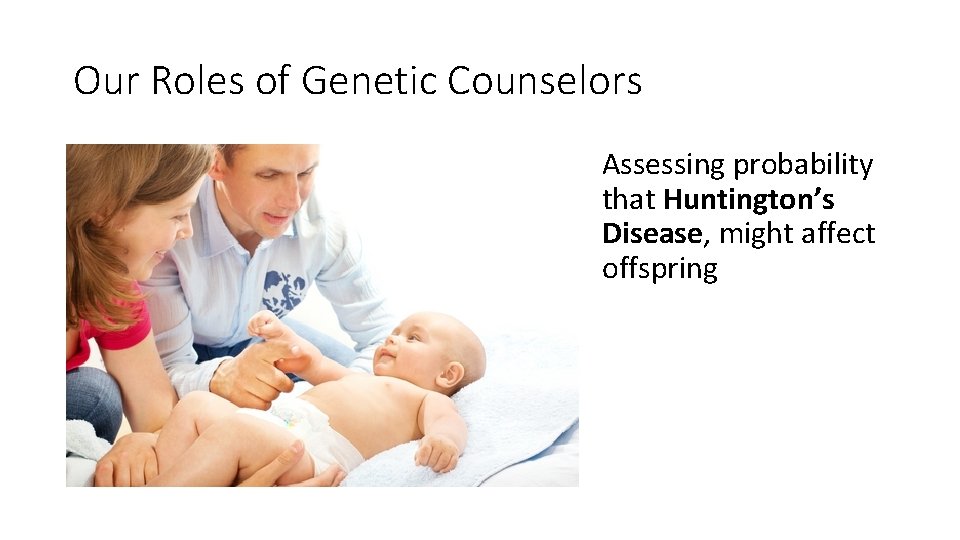
Our Roles of Genetic Counselors Assessing probability that Huntington’s Disease, might affect offspring
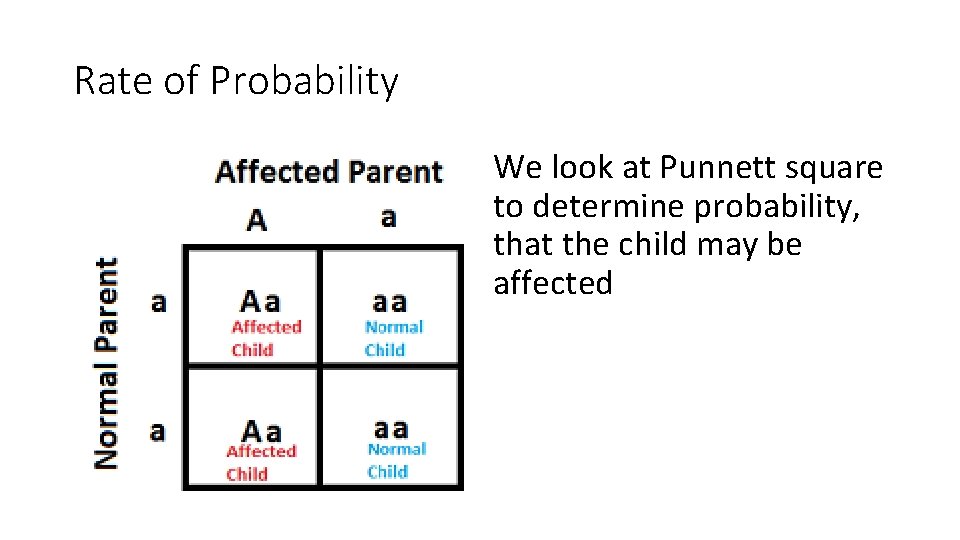
Rate of Probability We look at Punnett square to determine probability, that the child may be affected
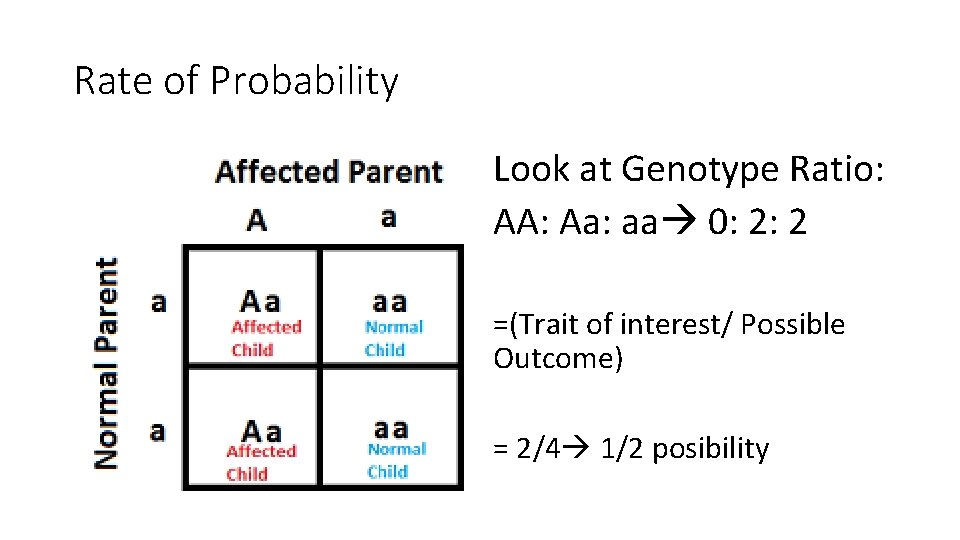
Rate of Probability Look at Genotype Ratio: AA: Aa: aa 0: 2: 2 =(Trait of interest/ Possible Outcome) = 2/4 1/2 posibility
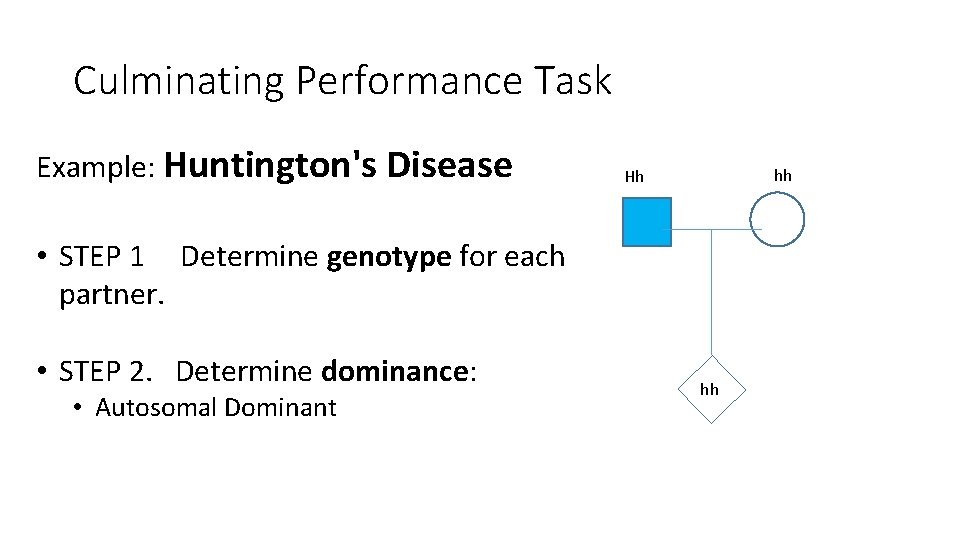
Culminating Performance Task Example: Huntington's Disease hh Hh • STEP 1 Determine genotype for each partner. • STEP 2. Determine dominance: • Autosomal Dominant hh
Culminating Performance Task • Part B- Due Monday, March 2, 2015 • Part A- Due Thursday, March 2, 2015